Sourdough Showdown: Baking Stone or Dutch Oven for Your Best Loaf Yet?
🌟 Discover the ultimate debate in sourdough baking: Sourdough baking stone vs. Dutch oven. Learn which tool helps you achieve crusty, flavorful…
Read article
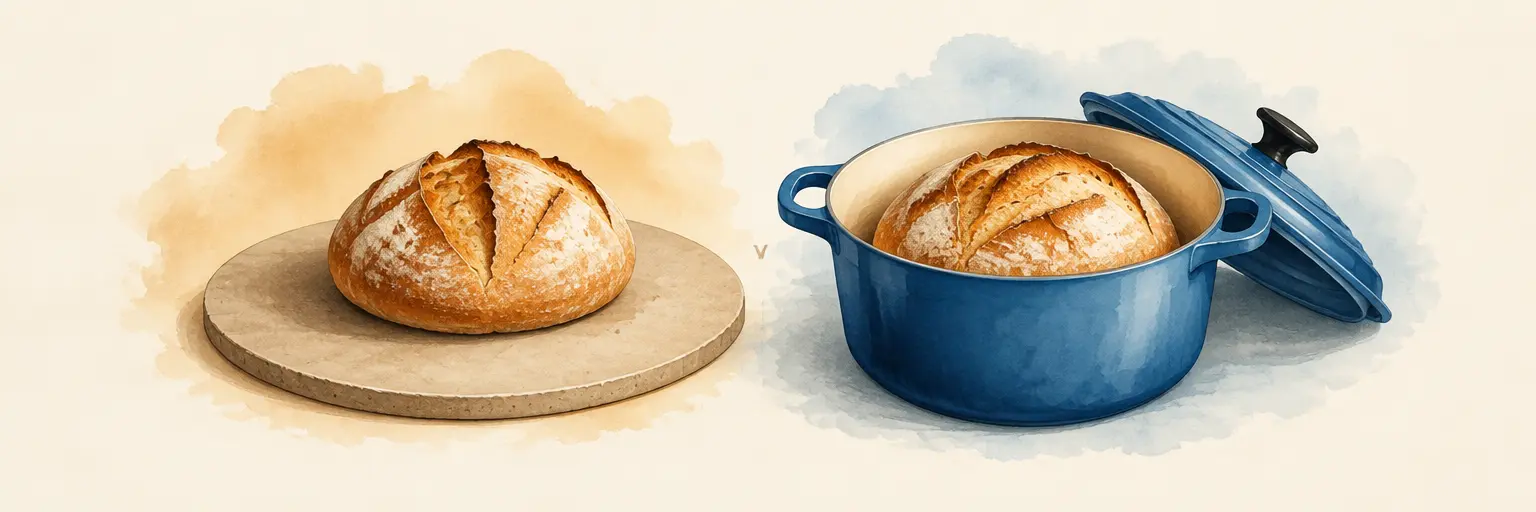
Struggling to choose between a baking stone and a Dutch oven for your next loaf? 🍞 You’re not alone—this is one of the most common dilemmas in home baking. Baking stones excel at delivering a crisp, evenly browned crust on pizza, flatbreads, and artisan loaves by mimicking a professional deck oven’s heat retention. Meanwhile, a Dutch oven traps steam naturally, creating that glossy, crackly crust and soft, airy crumb you crave in sourdough and heavy rye breads. Both are powerful tools, but your choice ultimately hinges on what you bake most: thin and crispy demands a stone; tall and humid calls for the pot. Understanding their heat dynamics, steam control, and versatility will save you time, money, and a few burnt fingers. Whether you’re a pizza perfectionist or a sourdough starter, this guide breaks down the key differences in texture, crust, and cleanup—so you can bake with confidence and zero guesswork. 🔥 Which one will earn a permanent spot in your oven? Let’s find out.
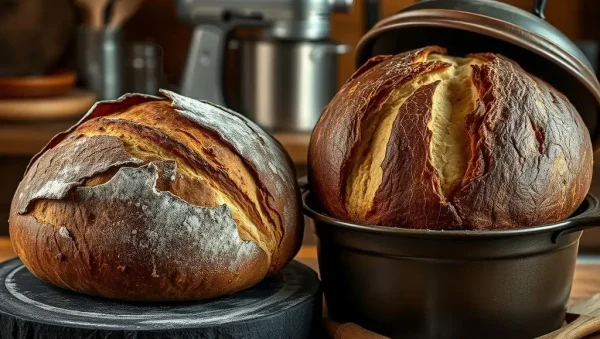
🌟 Discover the ultimate debate in sourdough baking: Sourdough baking stone vs. Dutch oven. Learn which tool helps you achieve crusty, flavorful…
Read article
✨ Discover essential baking stone and Dutch oven care tips to keep your cookware in perfect condition. Mastering baking stone Dutch oven…
Read article
😊 New to Dutch oven baking for beginners? Discover how choosing the right stone or Dutch oven can simplify your baking journey,…
Read article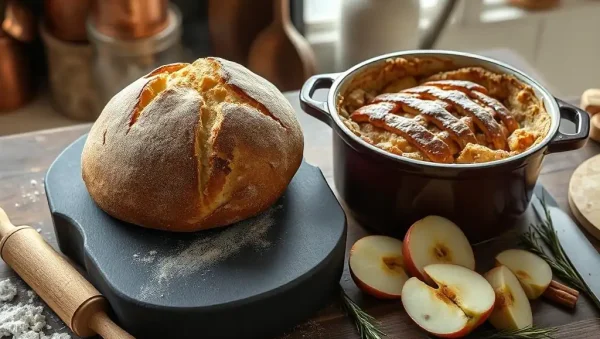
🔥 Unsure whether to start with a stone or a Dutch oven? Our guide on "Stone vs Dutch oven" helps you choose…
Read article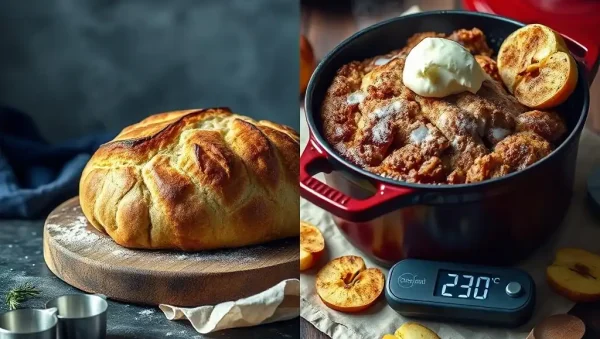
🔥 Discover the key differences between baking stones and Dutch ovens in our comprehensive side-by-side comparison, including essential tips from the Dutch…
Read article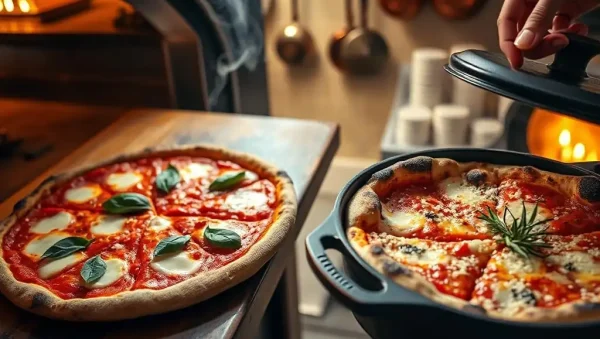
🍕 Discover whether an authentic pizzeria pizza stone or a Dutch oven best replicates that perfect, crispy crust. BakeWithEase.com guides you through…
Read article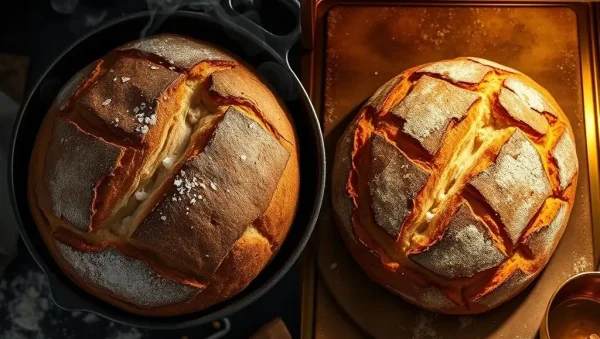
🌟 Discover the secrets to achieving incredible oven spring with our detailed comparison of stone versus Dutch oven baking techniques. Perfect your…
Read article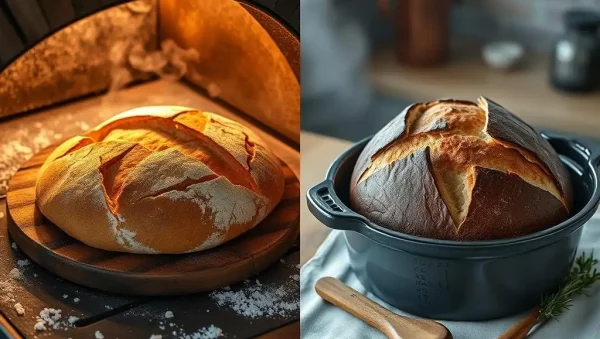
🍞 Discover the key differences between a baking stone and a Dutch oven to achieve the perfect sourdough crust. Unlock expert tips…
Read article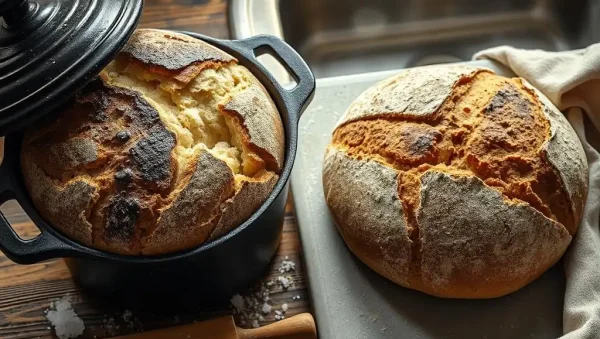
🍞 Discover whether a Dutch oven truly elevates your rustic bread baking experience. Our article compares using a Dutch oven versus a…
Read article
🔥 Unlock the full potential of your baking stone with innovative baking stone pizza recipes and creative ideas beyond pizza. BakeWithEase.com guides…
Read article
🔥 Discover the key differences between a baking stone and a Dutch oven in our latest guide. Learn which baking tool offers…
Read article
😊 Discover the pizza stone baking benefits and see how it compares to a Dutch oven for perfect, restaurant-quality homemade pizzas. BakeWithEase.com…
Read articleAt BakeWithEase, we know that the quest for a crusty, bakery-style loaf often boils down to one critical decision: should you invest in a baking stone or a Dutch oven? Both are champion tools for home bakers, yet they serve different purposes and produce distinct results. This guide dives deep into the baking stone vs. Dutch oven debate, helping you understand the science, the practicalities, and the best uses for each. Whether you’re a sourdough starter or a pizza night enthusiast, choosing the right equipment can transform your baking.
The fundamental difference lies in how each tool manages heat and moisture. A baking stone, typically made of cordierite or ceramic, excels at absorbing and radiating intense, even bottom heat. It creates a crisp, well-browned base for flatbreads, pizza, and artisan loaves. However, it does not trap steam. Without steam, a loaf’s crust thickens quickly, limiting oven spring and producing a denser, chewier texture.
In contrast, a Dutch oven—a heavy cast-iron pot with a snug lid—creates a sealed, steamy environment. The moisture released from the dough gets trapped, keeping the crust supple during the first minutes of baking. This allows the bread to expand fully, yielding a glossy, crackling crust and a light, airy crumb. As a result, Dutch ovens are the preferred choice for high-hydration sourdough and rye breads that need maximum steam.
If you love a crispy, chewy pizza base with leopard-spotted char, a baking stone is your best friend. Place it on the lower oven rack, preheat for at least 45 minutes, and you’ll achieve a professional-grade crust. Stones also shine for baking baguettes, focaccia, and even cookies—providing a consistent, hot surface that prevents soggy bottoms. They are flat, easy to slide baked goods onto, and don’t limit you to breads.
A Dutch oven, while less suited for pizza, is a multi-tool in the kitchen. Beyond bread, it excels for braising meats, simmering soups, and even roasting vegetables. The heavy lid locks in moisture, making it ideal for slow-cooked dishes. However, for baking, you are restricted to loaf-shaped breads unless you use the lid as a cloche or invert it. So, if you crave variety, the stone wins; if you want a two-in-one cookware, the Dutch oven is unmatched.
For beginners, the Dutch oven is remarkably forgiving. You simply preheat the pot, carefully drop in your dough, cover, and bake. There’s no need to master steam injection or worry about scorching your fingers. The steam is self-generated, and the thick walls protect against hot spots. This makes it a brilliant first investment for novice sourdough bakers.
Conversely, a baking stone requires more finesse. You must transfer your dough using a peel, manage cornmeal or parchment to avoid sticking, and watch for burning if the stone gets too hot. Preheating is longer, and you may need a spray bottle to create steam manually. While the learning curve is steeper, many bakers find the control rewarding. If you are patient and like experimenting, the stone offers a more hands-on experience.
Price and practicality matter. A decent baking stone can cost between $20 and $50, and it is lightweight, flat, and easy to store in a cabinet or on a rack. However, stones can crack under thermal shock if subjected to sudden temperature changes, so handle them gently. They are durable but not indestructible.
A Dutch oven is a pricier investment, typically $50 to $150 for a quality enameled cast-iron model. It is also heavy and bulky, demanding significant storage space. Yet, it is nearly indestructible—able to withstand high oven temperatures and even open flames (if uncoated). For those with limited kitchen real estate, a stone is more space-efficient. But for those who value longevity and multi-functionality, a Dutch oven justifies its footprint.
Start with your primary baking goals. If you are dedicated to artisan sourdough or rye breads with dramatic oven spring, purchase a Dutch oven first. It delivers consistent, satisfying results immediately, and it doubles as everyday cookware. You won’t feel the need for a stone unless you begin making pizza frequently.
If you are a pizza lover or enjoy baking multiple small loaves, flatbreads, or cookies, invest in a baking stone. It is cheaper, easier to store, and perfect for hot, dry baking. You can still make decent loaves by placing a pan of boiling water on the lower rack, but the crust will differ. Alternatively, many seasoned bakers own both—using the stone for pizza and the Dutch oven for bread. For a budget-conscious start, prioritize the tool that aligns with your most common bake.
Yes, you can use a sheet of parchment paper to slide the dough onto a preheated stone. Place the shaped dough on the parchment, then transfer everything to the stone. This prevents sticking and reduces the risk of burns. Ensure the stone is screaming hot before adding the dough for best results.
Yes, always preheat the Dutch oven with its lid on (and empty) for at least 30–45 minutes at your target temperature. This ensures the heavy cast iron is uniformly hot. When placing the dough inside, be careful of the scorching surface—using parchment paper helps you lower the dough safely.
Technically yes, but the results will be less impressive. Without steam, the crust sets too early, limiting oven spring and yielding a thicker, duller crust. To improve, place a roasting pan on the lower rack and pour boiling water into it right after loading the dough—this creates temporary steam.
Sticking usually happens when the stone isn’t hot enough or the dough is too sticky. Always preheat for at least 45 minutes. Use a generous amount of cornmeal, semolina, or a sheet of parchment paper under your dough. If using high-hydration dough, consider chilling it for easier handling.
Yes, a combo cooker—which has a deep skillet base and a shallow domed lid—is often superior for bread baking. The shallow lid serves as the base, making it easier to score and load your dough. It also provides more space for the loaf to expand and is slightly lighter to handle.