The Autolyse Technique: Effortless Gluten Development for Superior Dough
😊 Discover how the autolyse technique simplifies autolyse dough gluten development, enhancing dough elasticity and flavor. Perfect for bakers of all levels,…
Read article
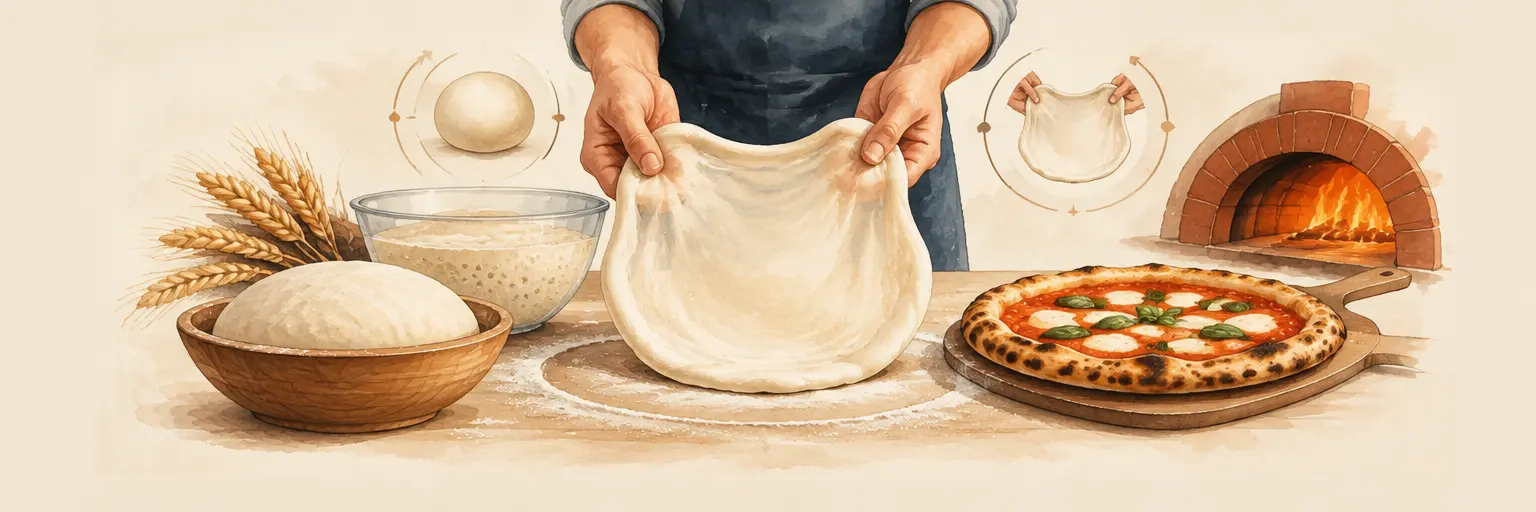
Unlock the secrets of professional-grade pizza at home with our advanced dough techniques—think cold fermentation, preferments, and hydration mastery. Perfect your crust’s chew, oven spring, and char with sourdough starters, biga, or poolish. While beginners start simple, this guide elevates your Neapolitan, New York-style, or pan pizza through hand-stretching methods, temperature control, and resting timetables that build depth. From high-hydration handling to stone vs. steel baking, we tackle the nuances that separate good from legendary. Explore fermentation schedules, malt or oil ratios, and even gluten-free advanced variants—all with precise, easy-to-follow steps. Whether you’re refining your fold-stretch or troubleshooting a dense crumb, these tips turn flour, water, and yeast into crispy, airy perfection. No jargon overload—just clear, science-backed guidance for the passionate baker. Elevate your next pizza night with restaurant-quality results and bold flavor. Ready to master the art of the crust? Dive in and bake with confidence.
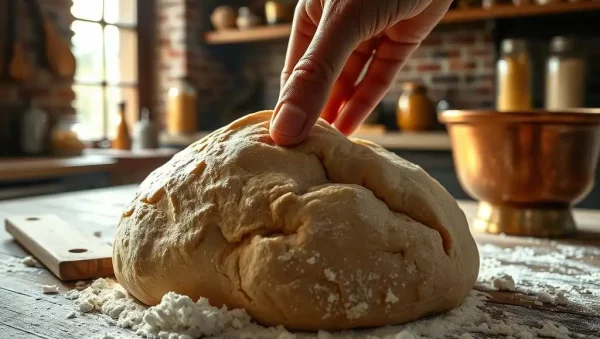
😊 Discover how the autolyse technique simplifies autolyse dough gluten development, enhancing dough elasticity and flavor. Perfect for bakers of all levels,…
Read article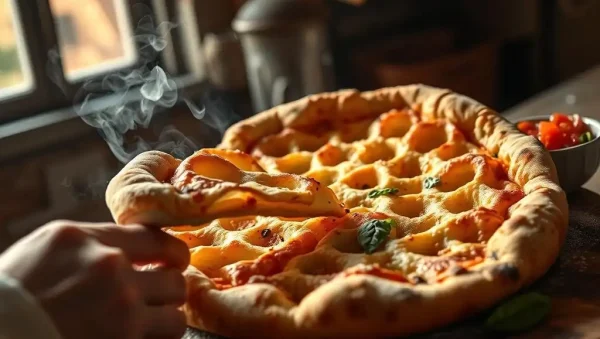
😊 Discover advanced airy pizza crust techniques that elevate your baking, ensuring a perfect rise and light, crispy texture. Perfect for both…
Read article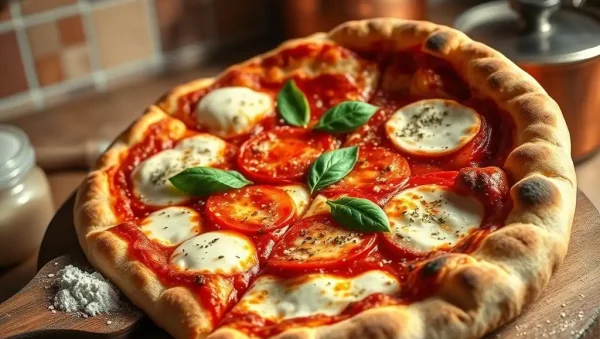
🌟 Elevate your pizza game with malt in your dough—unlocking a richer malt pizza dough flavor and vibrant color. BakeWithEase.com guides you…
Read article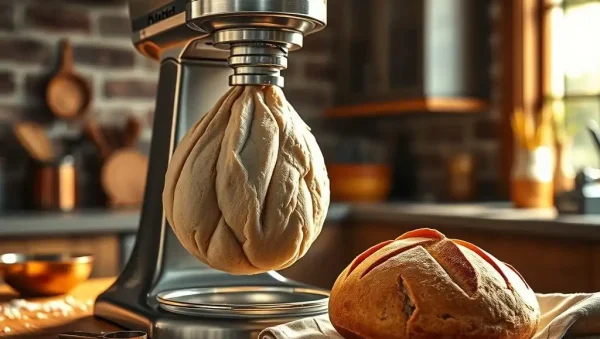
🌟 Unlock your stand mixer’s full potential with advanced dough techniques! Discover essential stand mixer sourdough recipe tips to elevate your baking,…
Read article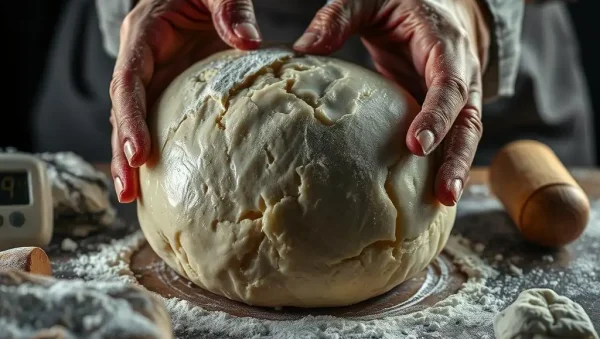
🌟 Unlock the secrets of Sourdough crust hydration techniques to customize your bread’s texture and flavor. BakeWithEase.com guides you through advanced hydration…
Read article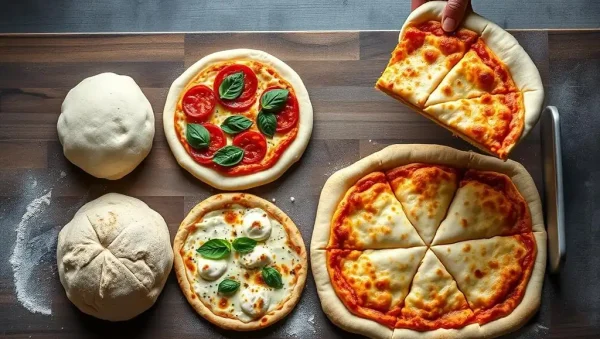
🍕 Unlock the secrets of perfecting pizza dough techniques tailored to various styles, ensuring your homemade pizzas achieve professional quality. BakeWithEase.com guides…
Read article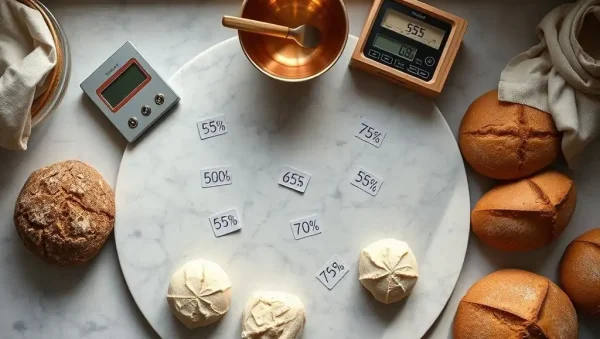
🥐 Unlock the secrets of perfect bread with "Dough hydration levels explained." This guide on BakeWithEase.com helps bakers of all levels master…
Read article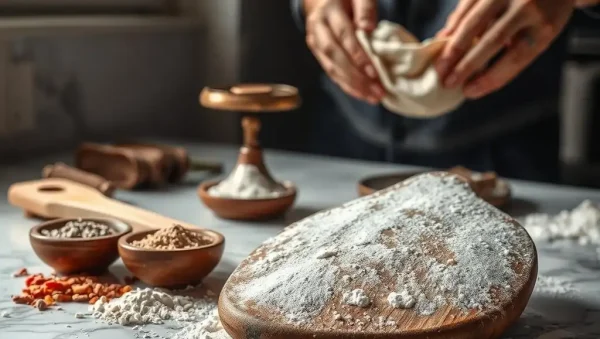
🍕 Discover how to select the best flour for pizza dough at BakeWithEase.com, unlocking the secrets of Tipo 00 flour and other…
Read article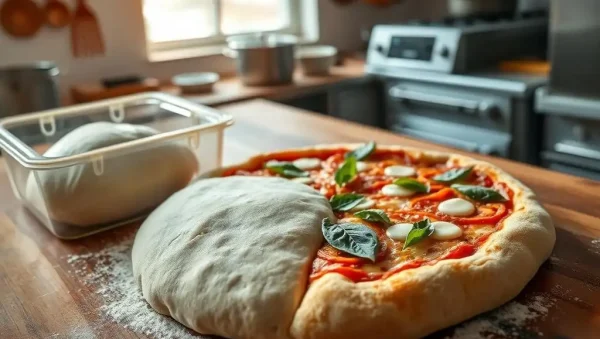
😊 Discover expert techniques for freezing and thawing pizza dough without sacrificing quality. BakeWithEase.com guides you through simple, effective methods to preserve…
Read article
😊 Discover the secrets of perfect crusts with BakeWithEase.com. Learn how much degassing for crust is needed for different breads, ensuring ideal…
Read article
🌟 Discover how dough flavor, temperature, and time intricately influence your baked creations. Understanding these factors helps bakers enhance taste and texture,…
Read article
🍕 Discover the secrets behind creating a perfect high hydration pizza dough recipe with our expert tips. BakeWithEase.com guides you through mastering…
Read articleWelcome to the Pizza Dough – Advanced Techniques section of BakeWithEase.com, where we turn good home bakers into pizza artisans. Here, we move beyond basic flour-and-yeast mixes into the science and craft of Neapolitan, New York-style, and pan pizzas. Expect deep dives into fermentation, hydration, gluten development, and heat management—all with clear, step-by-step guidance. Whether you're chasing leopard-spotted crusts or a crispy-chewy crumb, this page is your technical playbook. Let's elevate your pizza game from homemade to legendary.
Working with dough at 70–80% hydration transforms your crust into airy, open-crumbed perfection. The challenge? Sticky, slack dough that wants to cling to everything. In this section, you’ll learn bench scraping, coil folding, and wet-hand techniques to tame wet dough without adding excess flour, which would ruin its texture. We explain why high hydration promotes oven spring and how to adjust for your home oven’s heat output.
Expect a hands-on guide that includes timing schedules for 24–72 hour cold ferments, visual cues for proper gluten development, and troubleshooting tips for when dough tears or sticks. You’ll also find a hydration calculator for scaling recipes to your flour type—bread flour versus Tipo 00—and how altitude or humidity impacts your mix. By mastering this, you’ll bake crusts with a crisp exterior and a custardy, chewy interior that rivals pizzerias.
Cold fermentation is the secret weapon of professional pizza makers. By resting your dough in the fridge for 48 to 72 hours, you allow enzymes to break down starches and proteins, creating complex, tangy notes and a deep caramelized crust during baking. This section covers preferments like poolish and biga versus direct doughs, and how each affects flavor, texture, and shelf life. You’ll also learn optimal refrigerator temperatures (around 38–40°F) and how to portion and store dough balls without drying them out.
We provide a detailed fermentation timeline, from mixing to balling to baking, including signs of over- or under-fermentation—like a lack of puff or a sour-tart imbalance. You’ll also discover how to double-ferment (retard, then warm) for extra loft, and how to adjust salt and sugar levels for your preferred flavor profile. This knowledge will help you bake consistently flavorful pizzas, even on busy weeknights, by prepping ahead.
Your oven setup can make or break a perfect crust. Here, we unpack the physics of oven spring—that rapid rise when dough meets intense heat—and how to maximize it using a pizza stone, steel, or even a cast-iron skillet. You’ll learn the ideal preheat times (45–60 minutes), the best rack position (top third for broiling), and how to launch a pizza smoothly using a Semolina-dusted peel. We also cover using a hacked home oven with maximum temperature (usually 500–550°F) versus outdoor pizza ovens.
Expect a table of heat retention materials, their thermal conductivity, and cost-benefit analysis. We’ll walk you through preheating with the broiler for a blistering surface, then switching to bake for even cooking. You’ll also get tips for turning your pizza mid-bake for even char, and how to finish with a quick broil for leopard spotting. This section ensures your crust gets a perfect blister, char, and crackle—no specialty equipment required.
Choosing the right flour is the foundation of advanced dough. We compare KAP (all-purpose), bread flour, and Italian Tipo 00 on protein content, absorption, and elasticity. You’ll learn the autolyse technique—mixing flour and water before adding yeast and salt—to improve dough extensibility and flavor release. We also cover the impact of diastatic malt powder for color and crust crispness, and how to blend flours to achieve a personalized texture.
Expect a step-by-step guide to mixing, with timing and texture cues: your dough should feel smooth, elastic, and slightly tacky. We discuss the windowpane test for gluten development and how to adjust kneading or folding if the dough tears. Additionally, you’ll find tips on incorporating olive oil and honey for browning and shelf life, and how to adjust hydration for dense versus airy crusts. This technical knowledge empowers you to troubleshoot any recipe with confidence.
Even perfect dough can be ruined by rough handling. In this section, you’ll master gentle degassing and pre-shaping to preserve gas bubbles for a wild, open crumb. We’ll teach the double-hand stretch method—using your knuckles to stretch from the center outward—without tearing or crushing the rim (cornicione). You’ll also learn how to shape a New York fold versus a Neapolitan round, and how to adjust based on dough thickness and topping load.
We cover the critical step of launching onto a hot stone or steel without sticking, using a slow shake of the peel and a quick pull. You’ll get tips on using parchment paper under your crust for a failsafe launch, then peeling it off after 2 minutes. Finally, we’ll discuss sauce and topping timing—add wet toppings last to prevent sogginess—and how to rotate the pizza halfway for even browning. This final skill set makes your pizza look and taste like it came from a wood-fired oven.
For Neapolitan style, aim for 60–65% hydration using Tipo 00 flour. This creates a soft, pillowy crust with a thin center and puffy rim. Higher hydration (70%+) is better for New York style with all-purpose or bread flour. Always adjust based on your flour’s protein and room humidity—start lower and increase gradually.
For optimal flavor and texture, 48–72 hours in the fridge is ideal. At 48 hours, you’ll get a mild tang; at 72, a deeper complexity with better oven spring. Extending beyond 96 hours can cause over-fermentation, leading to a sour taste and weak gluten. Always let dough come to room temperature for 1–2 hours before shaping.
Yes, with a pizza steel or stone preheated at maximum temperature (500–550°F) for 45 minutes, then switching to broil during the last 5 minutes. Launch your pizza, bake for 3–4 minutes, then turn and broil for 30–60 seconds to get char spots. Avoid opening the oven frequently to retain heat.
Poolish is a high-hydration preferment (100% water to flour) that ferments for 12–16 hours, producing a mild, slightly tangy flavor and a light crumb. Biga is stiffer (50–60% hydration) with a longer ferment (24–48 hours), yielding a more complex, nutty flavor and a crisper crust. Choose based on your desired texture and time.
Shrinkage means gluten is too tight—your dough hasn’t rested long enough after balling. Let it rest at room temperature for 30–60 minutes covered. Also, avoid over-kneading and use a low-protein flour if you struggle. Stretch gently from the center outward, letting gravity help pull the dough, not forcing it.