GlutenFree Bread Baking on a Budget: Affordable Flours
😊 Discover how to excel in glutenfree bread baking on a budget with affordable flours and simple techniques. Bake delicious, healthy bread…
Read article
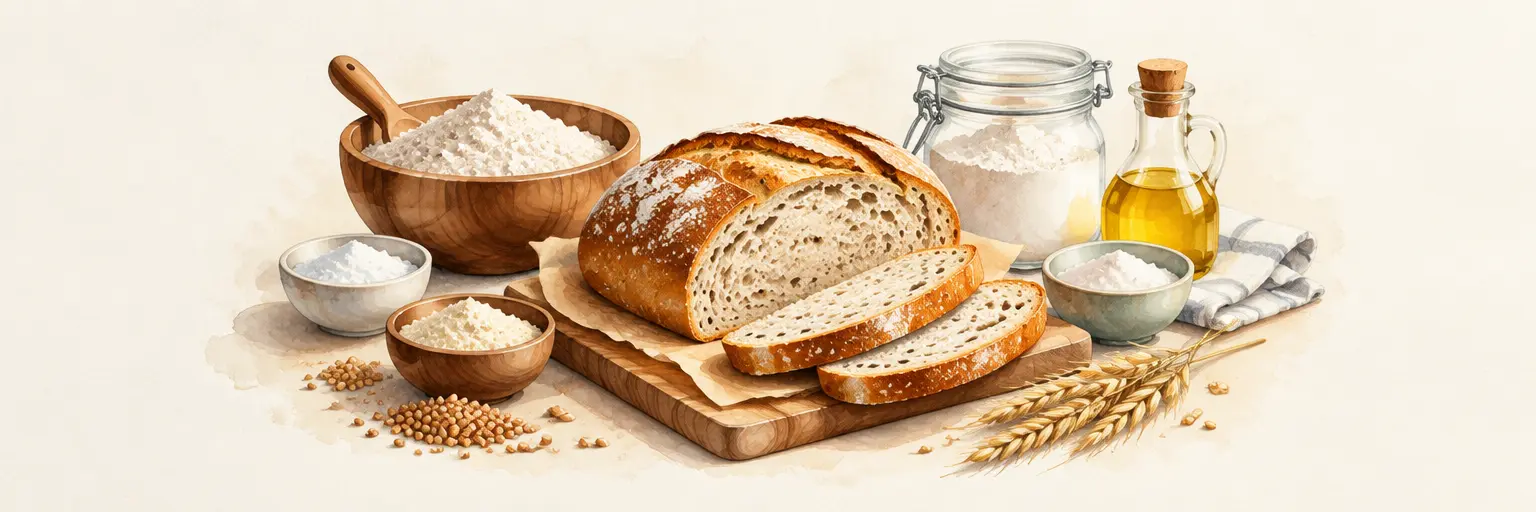
Discover the joy of gluten-free bread baking with BakeWithEase—where soft, airy loaves and crusty artisan-style breads are truly achievable without wheat. Our step-by-step guides demystify alternative flours, binders, and hydration techniques, so you can craft bakery-quality results at home. From fluffy sandwich slices to rustic sourdough-style boules, we’ll show you how to master texture, rise, and flavor using simple, accessible ingredients. Whether you’re new to gluten-free baking or looking to perfect your craft, our tested recipes and pro tips ensure every loaf turns out golden, tender, and delicious. Say goodbye to dense, crumbly bread—embrace a world of possibilities with our easy-to-follow instructions, troubleshooting tricks, and mouthwatering variations. Start baking today and enjoy fresh, wholesome bread that everyone at your table can savor.
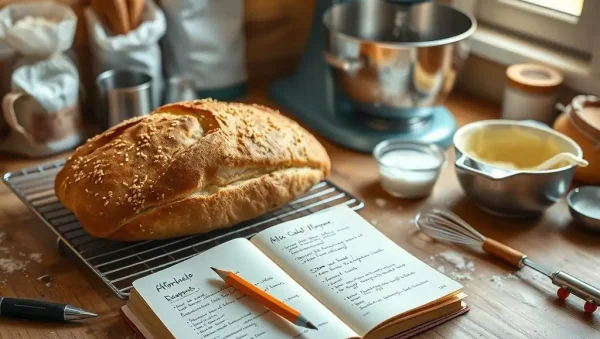
😊 Discover how to excel in glutenfree bread baking on a budget with affordable flours and simple techniques. Bake delicious, healthy bread…
Read article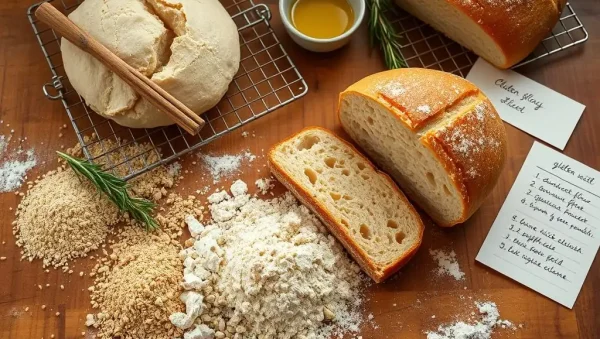
🌟 Discover how to craft your own gluten-free bread blend recipe with easy tips and techniques on BakeWithEase.com. Perfect for bakers of…
Read article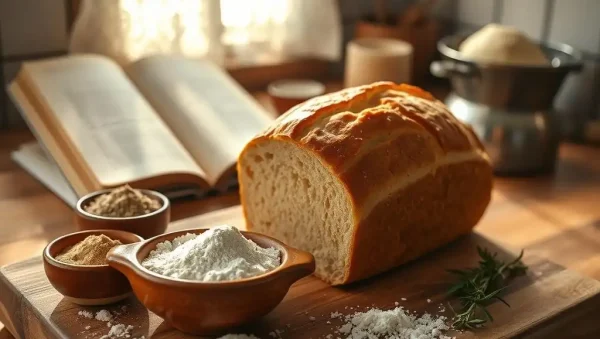
🌟 Discover how to make a delicious Glutenfree cornstarch bread recipe without relying on corn starch. BakeWithEase.com offers simple, step-by-step guidance perfect…
Read article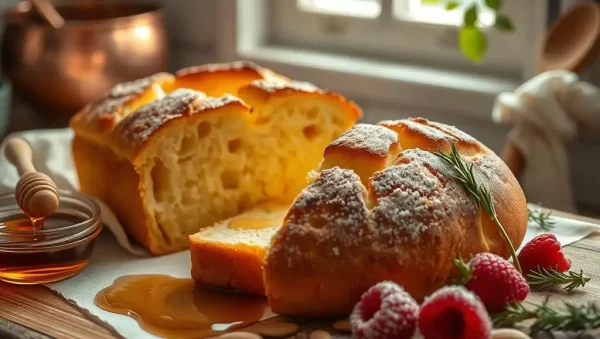
😊 Discover the delight of baking with our Glutenfree Brioche Sweet Bread recipe on BakeWithEase.com. Perfect for all skill levels, this easy-to-make…
Read article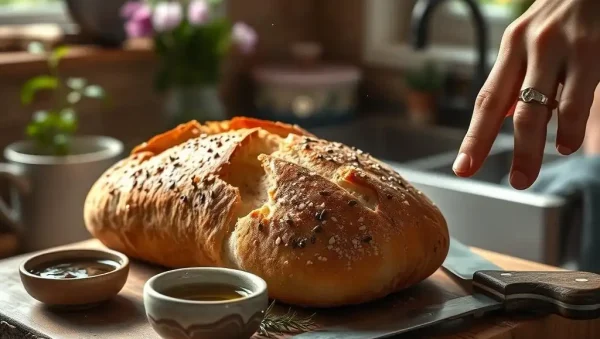
🌟 Discover the ultimate Glutenfree Noknead Bread Recipe on BakeWithEase.com—an effortless, beginner-friendly guide to baking delicious, crusty bread with minimal effort. Perfect…
Read article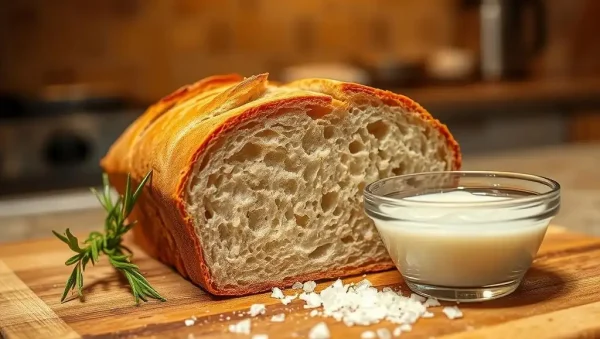
🌟 Discover how xanthan gum glutenfree bread transforms your baking by improving texture and elasticity. BakeWithEase.com guides you through simple techniques to…
Read article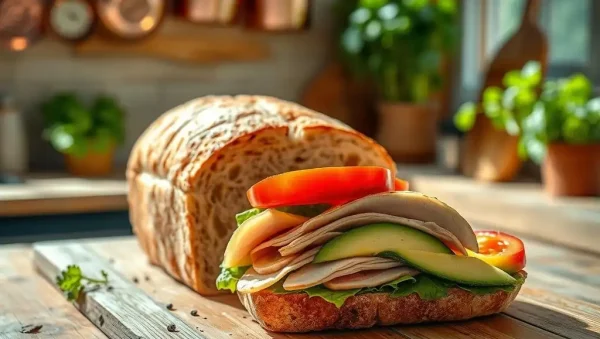
😊 Discover the ultimate glutenfree sandwich bread recipe at BakeWithEase.com, your trusted baking resource. This quick, easy recipe ensures soft, delicious bread…
Read article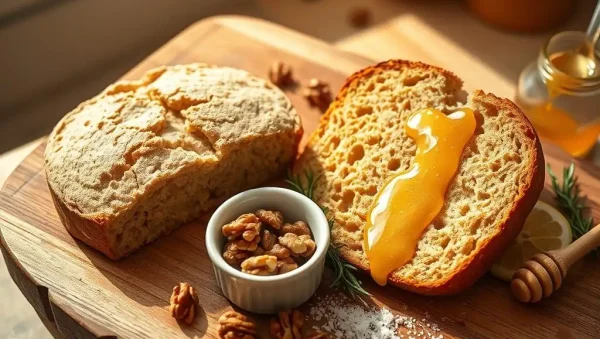
✨ Discover easy ways to revive stale gluten-free bread with our simple glutenfree bread revive recipe. Perfect for bakers of all levels,…
Read article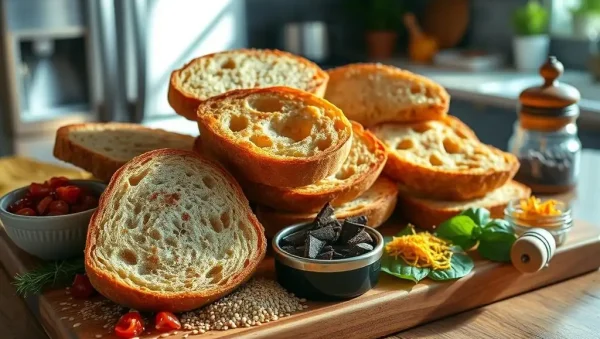
🌟 Discover how to elevate your glutenfree bread flavor boosters with simple tips and techniques on BakeWithEase.com. Perfect for bakers of all…
Read article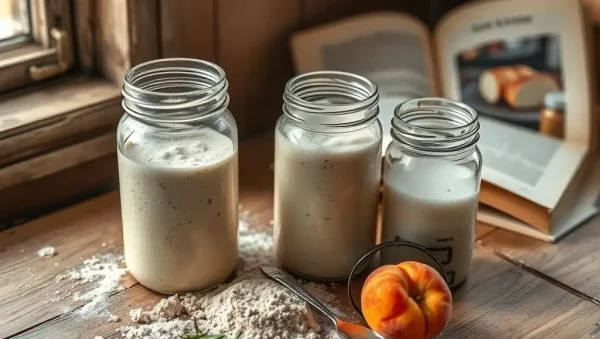
🌟 Discover the glutenfree sourdough starter method with BakeWithEase.com, your ultimate guide to mastering delicious, homemade gluten-free breads. Perfect for beginners, this…
Read article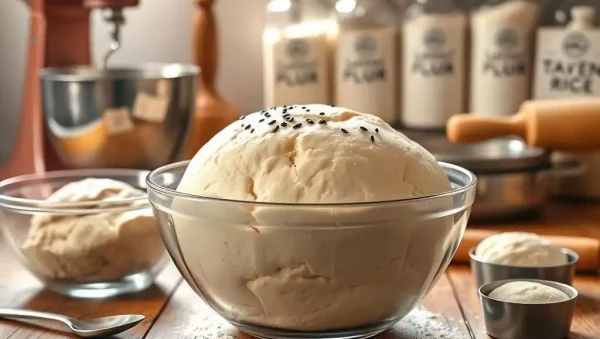
😊 Unlock the secrets of perfect gluten-free bread with our expert glutenfree yeast proofing tips. At BakeWithEase.com, discover simple techniques to ensure…
Read article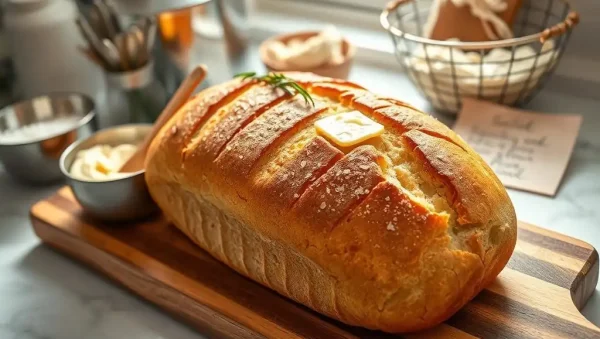
😊 Discover the ultimate Glutenfree bread baking guide at BakeWithEase.com, your go-to resource for simple, step-by-step techniques to create your first perfect…
Read articleWelcome to the dedicated gluten-free section of BakeWithEase, where we turn the challenge of baking without wheat into a triumphant, delicious reality. Whether you are newly diagnosed with celiac disease, exploring a gluten-sensitive lifestyle, or simply curious about alternative grains, this subcategory is your comprehensive guide. Here, we demystify the science of gluten-free flours, gums, and starches, ensuring you achieve that coveted soft crumb and crispy crust. From hearty sandwich loaves to artisan-style boules, we provide the techniques, troubleshooting tips, and tested recipes to help you bake with confidence and ease.
Successful gluten-free bread begins with understanding your flour blend. Unlike wheat, which relies on gluten for structure and elasticity, gluten-free baking requires a precise combination of flours and starches to mimic those properties. You'll learn about the roles of rice flour (for structure), tapioca starch (for chewiness), and potato starch (for tenderness). We also dive into single-origin flours like sorghum, millet, and buckwheat, which add complex flavors and nutritional value.
Expect actionable guides on creating your own custom flour mixes at home, as well as recommendations for quality store-bought all-purpose blends. We explain how hydration levels differ, why xanthan gum or psyllium husk are essential binding agents, and how to adjust liquid ratios for different flours. This foundational knowledge is your first step toward eliminating dense, crumbly failures and achieving bakery-quality results every time.
Binders are the secret behind a gluten-free loaf that doesn't fall apart. On this page, we explore the crucial role of hydrocolloids and natural gums in trapping air and creating that elusive, springy crumb. You'll compare xanthan gum's effectiveness at small doses versus psyllium husk’s superior ability to absorb moisture and provide structure without a slimy texture. We also cover alternatives like chia and flax eggs for those avoiding gums entirely.
Through detailed experimentation and troubleshooting, you'll learn exactly how much binder each recipe needs—too little yields a crumbly mess, while too much creates a gummy texture. We provide conversion charts and visual cues to help you gauge consistency at every mixing stage. This subcategory is designed to turn you into a confident problem-solver, capable of adapting any bread recipe to gluten-free success.
Master the staple loaf that works for toast, sandwiches, and French toast. Our meticulously tested sandwich bread recipes yield slices that are soft, slightly sweet, and sturdy enough to hold your favorite fillings. We offer variations for white-style bread, whole-grain, and even a high-fiber seed loaf. Expect detailed, step-by-step instructions covering mixing times, proofing schedules, and crucial baking temperatures to avoid a raw, gummy center.
Beyond the basic loaf, this section includes dinner rolls, hamburger buns, and focaccia—each adapted for the gluten-free pantry. You’ll learn the “scoop and level” method for measuring flour, the importance of a warm, humid proofing environment, and why a water pan in the oven creates that professional crust. With our visual guides and ingredient substitution tips, you’ll consistently produce family-pleasing breads that even non-gluten-free eaters will crave.
Yes, you can achieve a tangy, airy sourdough without wheat. This advanced section is devoted to the ancient art of fermentation, adapted for gluten-free flours. We guide you through creating and maintaining a gluten-free mother starter using brown rice or sorghum flour, teaching you its distinct hydration and feeding schedule. You'll learn the delicate balance of time and temperature to develop flavor and a beautiful open crumb.
Expect patience-tested recipes for rustic boules, batards, and ciabatta characterized by a crackling crust and chewy interior. We cover critical techniques such as high-hydration handling, using a Dutch oven with steam, and scoring the dough just right. Each recipe includes troubleshooting advice for common issues like flat loaves or overly dense texture, ensuring your artisan creation is a source of pride and deliciousness.
Encountering a problem? We have the solution. This resource-rich section empowers you to diagnose and fix common gluten-free bread failures. From bread that turns out crumbly, sunken in the middle, or rock-hard after cooling, we dissect the root causes and provide clear corrective actions. You'll learn about the right storage methods—using beeswax wraps or paper bags—to maintain freshness for days without turning soggy.
We also share pro-level tips like the importance of resting the batter before baking to allow starches to hydrate, using a digital scale for precision, and mastering the “tap test” for doneness. This section includes a comprehensive comparison of baking machines versus conventional ovens, altitude adjustments, and dairy-free or vegan swaps. With this knowledge, every bake becomes a learning opportunity, and you’ll confidently adapt recipes for your unique kitchen environment.
Crumbling typically results from insufficient binder (like xanthan gum or psyllium) or too little moisture. Increase your binder by 1/4 teaspoon per cup of flour and add 2-3 tablespoons more liquid. Always rest the batter for 30 minutes before baking to allow starches to hydrate, which helps the bread hold together structurally.
Yes, but only if it has a dedicated gluten-free cycle. This cycle omits the second knead and uses lower, gentler heat to prevent overworking the batter. If your machine lacks that setting, mix the dough manually, transfer to a loaf pan, and bake in a conventional oven for best control.
A blend of 60% white rice flour, 20% tapioca starch, and 20% potato starch produces the most neutral, soft texture. Fortify it with 1 teaspoon of xanthan gum per cup of flour. For extra protein, replace some rice flour with sorghum or oat flour, but expect a denser crumb.
Slice the bread only when completely cooled, as cutting warm bread accelerates staling. Store in a bread box or paper bag at room temperature for up to 2 days. For longer storage, freeze slices in a zip-top bag, separating layers with parchment paper. Toast directly from frozen for best texture.
An undercooked middle happens when the outside sets too fast. Lower your oven temperature by 25°F (about 15°C) and bake for 20-25 minutes longer. Also, use a thermometer—the internal temperature should read 205-210°F (96-99°C). Let the bread cool completely in the pan for 15 minutes, then on a rack, before slicing.