Understanding Gluten Development in Ciabatta and Rustic Doughs
🌟 Discover the secrets of gluten development in ciabatta dough and rustic breads. BakeWithEase.com guides you through essential techniques to achieve the…
Read article
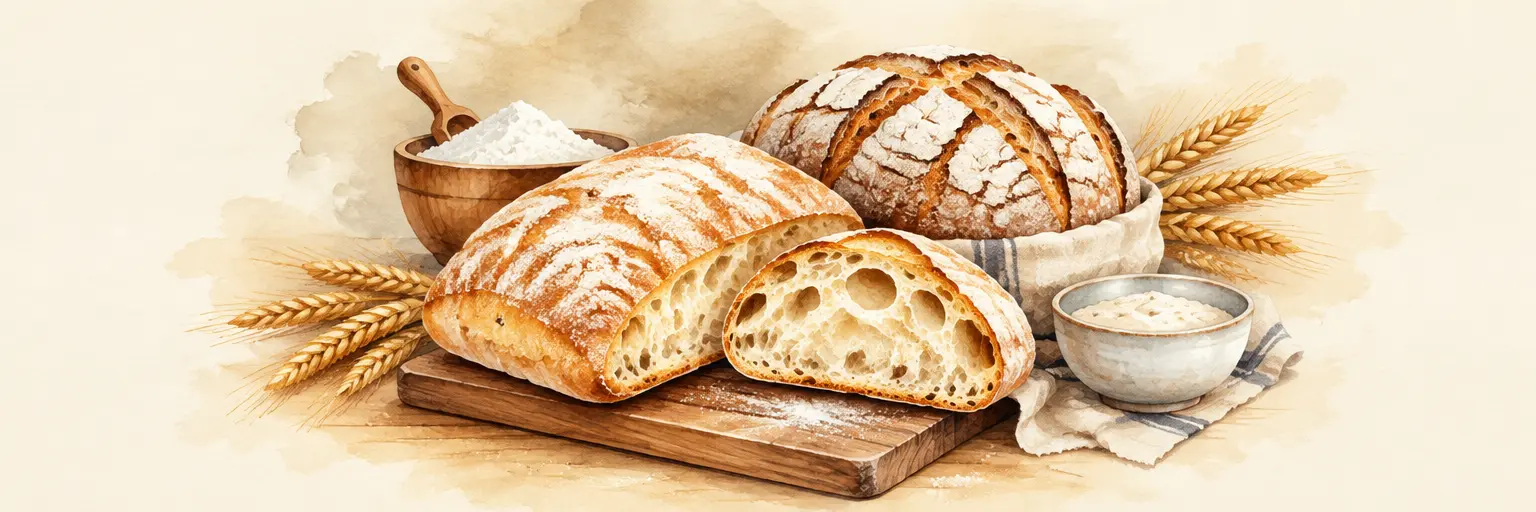
Craving that irresistible crackle of a golden crust and the airy, open crumb of authentic Italian baking? 🍞 You’ve landed in the right place. Our ciabatta & rustic breads guide is designed for bakers who love bold texture, deep flavor, and that satisfying, chewy bite. From the high-hydration magic of classic ciabatta to hearty country loaves, we break down the secrets of slow fermentation, perfectly sticky dough, and the steam-baking techniques that build a bakery-quality crust at home. Whether you’re a novice adding your first preferment or a seasoned pro chasing that elusive oven spring, you’ll find simple, step-by-step instructions, clear troubleshooting tips, and easy-to-source ingredients. Get ready to impress with rustic loaves that are crisp on the outside, tender and holey on the inside—perfect for sandwiches, dipping in olive oil, or simply savoring warm with butter. Let’s bake with confidence and ease! 🔥Start your rustic bread journey here and turn your kitchen into a neighborhood bakery.
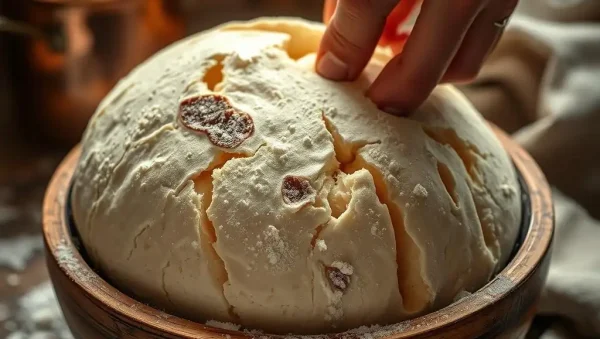
🌟 Discover the secrets of gluten development in ciabatta dough and rustic breads. BakeWithEase.com guides you through essential techniques to achieve the…
Read article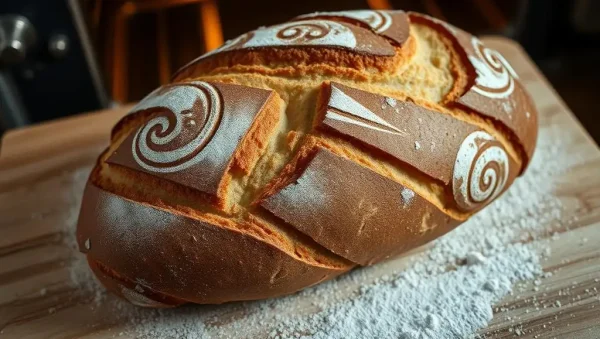
🌾 Discover essential techniques for creating stunning rustic bread scoring patterns that enhance oven spring and overall beauty. BakeWithEase.com guides you through…
Read article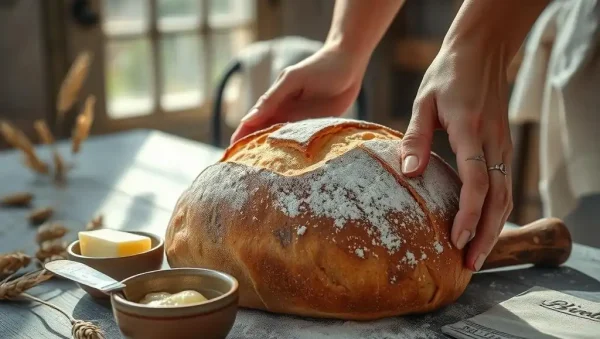
😊 Discover the joy of baking with our easy rustic bread recipe, perfect for beginners. BakeWithEase.com offers simple, step-by-step guidance to help…
Read article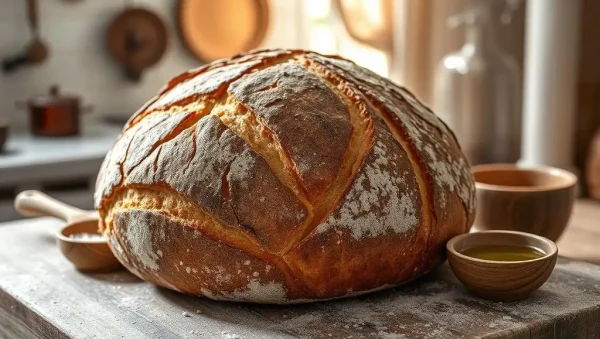
😊 Discover how to craft a perfect rustic boule bread with our easy-to-follow rustic boule bread recipe. BakeWithEase.com simplifies bread making, guiding…
Read article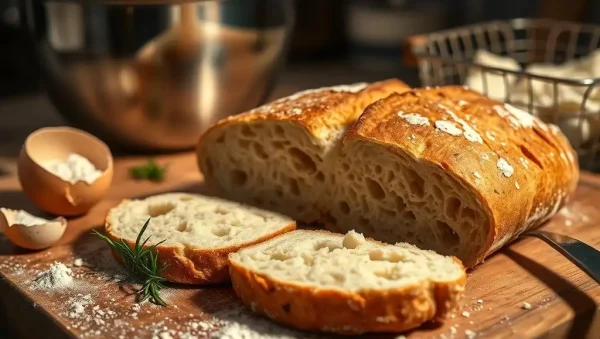
😊 Struggling with ciabatta bread won't rise? Discover quick troubleshooting tips to fix flat ciabatta and achieve the perfect, airy loaf. Visit…
Read article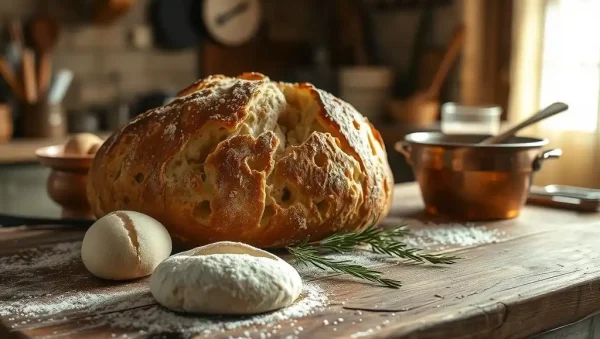
🌟 Discover how to craft perfect artisan loaves with our Easy Ciabatta Bread Recipe! Bake with confidence using simple techniques and tips…
Read article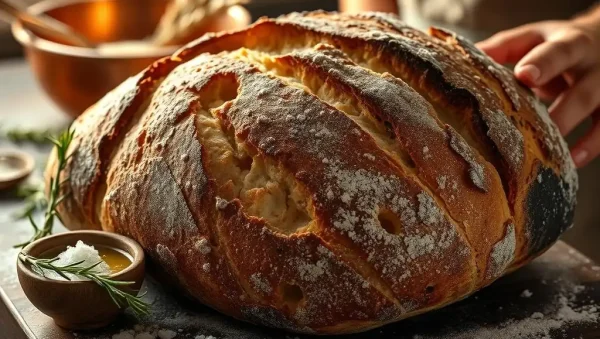
🌾 Unlock the secrets of rustic bread flavor development with expert techniques that enhance taste, aroma, and texture in your loaves. BakeWithEase.com…
Read article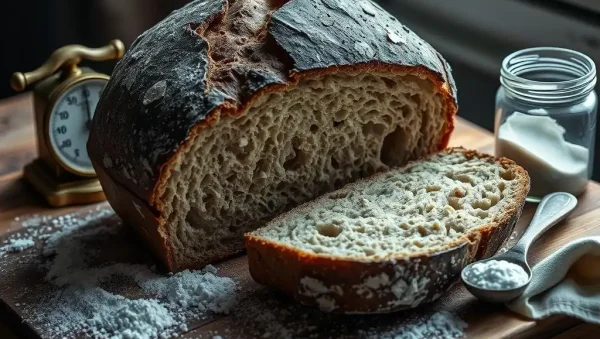
📝 Struggling with dense rustic bread problems? Discover common causes like under-proofing or incorrect oven temperature, and learn practical solutions to achieve…
Read article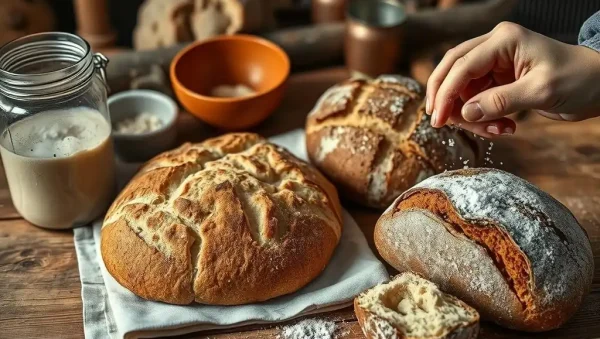
🌾 Discover how using preferments like poolish and biga can elevate your baking, especially with our preferment ciabatta rustic bread recipe. BakeWithEase.com…
Read article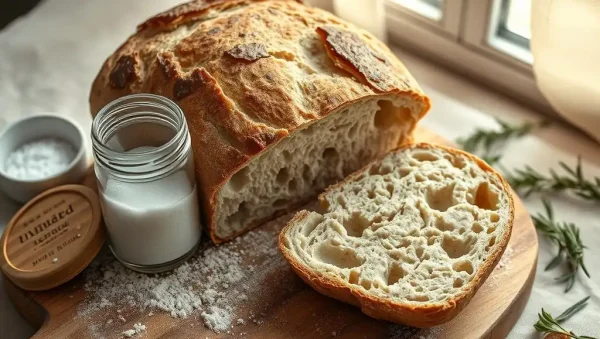
🥖 Discover the joy of baking with our easy beginner sourdough ciabatta recipe on BakeWithEase.com. Perfect for newcomers, this guide simplifies creating…
Read article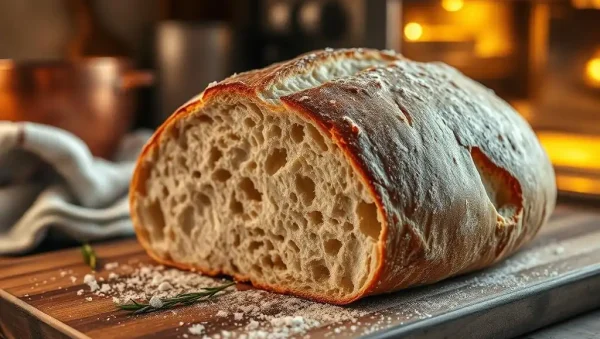
😊 Discover the simplicity of baking with BakeWithEase.com’s easy no knead ciabatta recipe, perfect for busy bakers. Master fluffy, crusty bread effortlessly…
Read article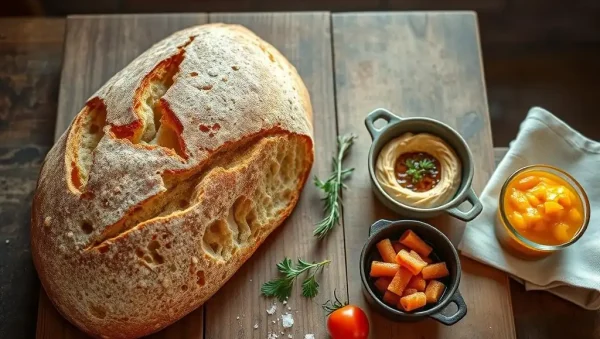
🌟 Discover the art of pairing rustic bread with meals using our flavorful rustic bread dipping recipes. Elevate your dining experience beyond…
Read articleWelcome to our dedicated Ciabatta & Rustic Breads subcategory, part of the Bread Baking hub at BakeWithEase.com. Here, you’ll find everything you need to create airy, holey ciabatta, hearty country loaves, and crusty artisan breads right in your own kitchen. From high-hydration dough handling to the perfect steam-injected bake, these recipes and techniques bridge the gap between home ovens and professional bakeries. Whether you’re a beginner curious about wet doughs or an experienced baker chasing that signature open crumb, this page is your gluten-filled guide. Let’s dive into the rustic world of slow-fermented, wild-risen, and stone-baked goodness.
Ciabatta’s iconic large, irregular holes come from a very high hydration dough (often 75-85%) and a series of stretch-and-fold techniques rather than traditional kneading. At BakeWithEase, we break down the process into manageable steps: mixing a preferment (biga), resting, folding, and shaping without deflating the gas. You’ll learn why a wet dough isn’t a disaster but a golden opportunity for gluten development. Expect clear visual guides on how to tell when your dough is “windowpaned” and ready for its final proof.
Our recipes include classic ciabatta, whole wheat variations, and even a no-knead version using a Dutch oven. We emphasize temperature control and timing, so you can achieve that crisp, crackly crust with a soft, chewy interior. By mastering the stretch-and-fold method, you’ll gain confidence in handling sticky doughs—a skill that transfers to other rustic breads. Each guide explains why every rest period matters and how to adapt for humid or dry climates, ensuring weekend bakers get consistent results.
Rustic breads like pain de campagne, country white, and seeded multigrain rely on minimal ingredients—flour, water, salt, and yeast—but maximize flavor through long ferments and a hot oven. Our tutorials cover using a mix of all-purpose and whole wheat flours, plus how to incorporate rye, spelt, or oats for texture. You’ll explore the “sponge” method, where a portion of flour, water, and yeast ferments overnight, delivering that tangy aroma and complex taste without commercial additives.
Beyond recipe cards, we offer troubleshooting tips for dense loaves, burnt crusts, or weak oven spring. Learn to score patterns for both beauty and controlled expansion, and master the art of steaming your oven with a tray of water or a sprayed loaf. Each rustic loaf recipe includes suggested hydration percentages and baking schedules, so you can plan ahead. From a Sunday sourdough alternative to a quick weekday boule, this section turns humble flour into soul-warming centerpieces for any table.
High-hydration doughs scare many bakers, but they produce the lightest, most aerated crumb. Our step-by-step guides demonstrate wet hand techniques, bench scrapers, and lightly oiled work surfaces to manage sticky doughs with grace. You’ll practice the “coil fold” and “letter fold” methods that build strength without tearing gluten strands. We also explain how to use a dough scraper to pre-shape and final-shape ciabatta and rustic loaves, ensuring they hold their shape during proofing.
Expect video links and photo sequences that show exactly what the dough should look like at each stage—from a shaggy mass to a smooth, bubbly ball. We address common pitfalls like over-proofing, under-mixing, or adding extra flour that ruins the airy texture. With these skills, you’ll confidently bake with 80% hydration and beyond, making bakery-quality loaves that impress family and friends. And yes, we include a foolproof “sheeter” alternative using parchment paper for easy transferring.
The crust is where rustic breads shine, and our crust masterclass covers every variable. Learn how to create steam in a home oven using a cast-iron pan, a spray bottle, or a lidded Dutch oven. We explain why steam keeps the crust elastic during the early bake, allowing maximum oven spring, then how to release it for a crackling finish. Temperature guides range from 450°F to 500°F, with timing charts for thick versus thin crusts.
You’ll also discover the “bake with the lid on, then off” method for loaves, plus how to add a second steam burst for extra blistered surfaces. We discuss how different flours (bread flour, rye, whole wheat) affect browning and crispness. For those who love a deep amber crust, we include malt syrup or honey additions. Each tutorial ends with cooling and storage advice, ensuring your crust stays crunchy while the interior remains moist for days.
Rustic breads gain their signature tang from preferments like biga, poolish, or a simple overnight sponge. Our guides simplify these methods, explaining how a small amount of yeast and flour can develop flavor overnight, reducing the need for commercial yeast. You’ll learn to schedule your bake: mix a preferment in the evening, refrigerate it, then finish the dough the next morning. This slow fermentation also improves digestibility and shelf life, giving you a healthier, tastier loaf.
We provide exact ratios for each preferment type and conversion tips for adapting any recipe. Time-saving strategies include using a stand mixer for mixing but hand-folding for gluten development, plus how to check for ripeness (bubbly, pleasantly sour smell). For those new to sourdough, we offer a gentle intro using a small amount of store-bought starter. With long-fermentation, your ciabatta and rustic loaves will taste like they came from a French farmhouse—no special equipment needed, just patience and our simple timetable.
Even seasoned bakers face flat loaves, gummy centers, or burnt crusts. This segment addresses the most frequent issues with practical solutions. Is your ciabatta dense? We’ll check hydration, fold count, and proofing temperature. Is your rustic loaf cracking on top? That may indicate a dry skin from over-flouring or insufficient steam. Our systematic checklist helps you diagnose problems based on crumb, crust, and feel, turning failures into learning opportunities.
We also cover alternative flours, gluten-free swaps, and dairy-free variations for dietary needs. Each troubleshooting guide includes a quick-reference table, so you can scan and fix on the fly. From using a proofer to adjusting your kitchen’s humidity, we’ve gathered community-tested fixes. Plus, we explain how to store rustic breads properly—paper bags at room temperature or slicing and freezing for later. With these insights, you’ll bake confidently and consistently, making every loaf a keeper.
Start with 70-75% hydration if you’re new to wet doughs. This feels sticky but is manageable with oiled hands and a bench scraper. BakeWithEase’s beginner ciabatta recipe uses 72% hydration and still yields lovely holes. Increase to 80% once you master the stretch-and-fold technique without tearing.
Absolutely! Use a heavy baking sheet or cast-iron skillet placed in the lower oven rack. Preheat a metal pan on the rack below, then add boiling water after placing the dough to create steam. Alternatively, bake on a preheated pizza stone with a tray of water for a crisp crust.
This usually means over-proofing, under-kneading (insufficient gluten development), or handling the dough too roughly during shaping. Ensure your dough doubles in size but still jiggles slightly. Use a light touch and minimal flour when shaping, and check that your oven is preheated to at least 450°F with steam.
Yes, but bread flour or a mix of all-purpose and whole wheat gives better structure and chew. All-purpose has lower protein, so increase hydration slightly and use a longer autolyse (rest period). Baking with a mix of flours also adds complexity. For best results, follow our recipe ratios.
Store cut-side down on a wooden board or in a paper bag at room temperature for up to 2 days. Avoid plastic, which traps moisture and softens the crust. For longer storage, slice and freeze in a zip-top bag; toast directly from frozen for fresh-from-oven taste.