From Provence: Baking the Leafy Fougasse Bread
🌿 Discover the art of baking with our Leafy Fougasse bread recipe from Provence. Perfect for all skill levels, this guide on…
Read article
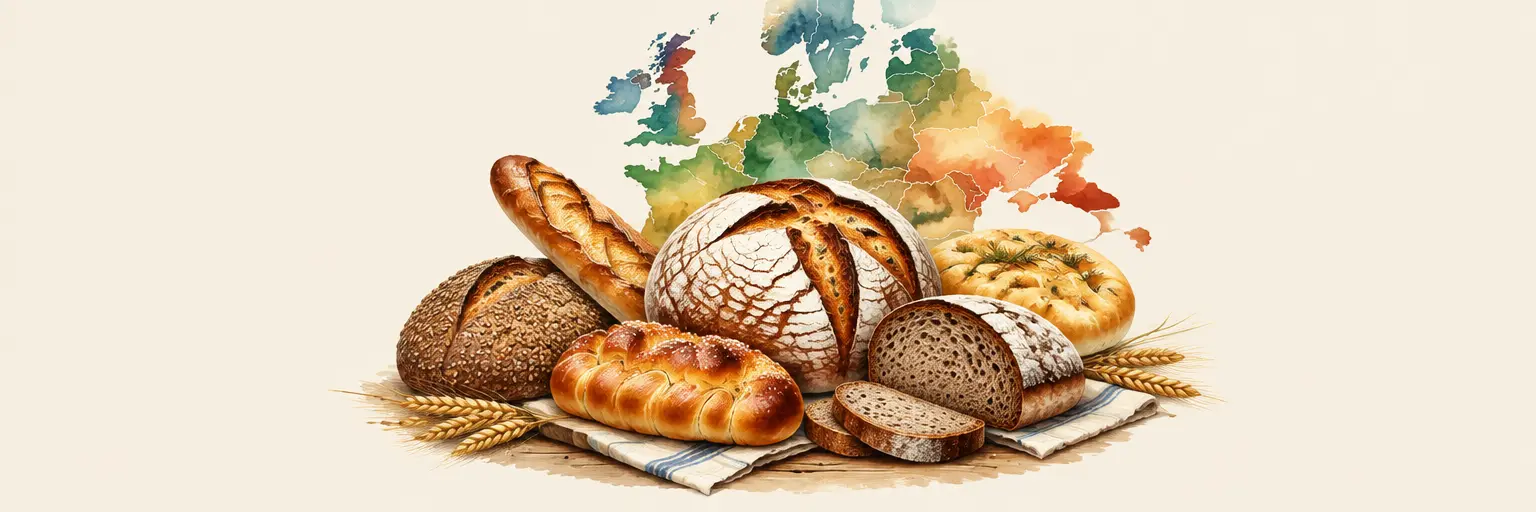
Discover the soul of European baking through our curated guide to regional breads, from the crackling crusts of French baguettes to the hearty rye loaves of Scandinavia. Each bread tells a story of local grains, ancient techniques, and time-honored traditions—perfect for home bakers seeking authentic flavors and new challenges. Whether you’re craving the tangy depth of German pumpernickel, the olive-oil richness of Italian focaccia, or the rustic charm of Irish soda bread, our simple, step-by-step recipes bring these iconic staples to your kitchen with easy-to-find ingredients. Unlock the secrets of slow fermentation, steam baking, and stone-mill flours, and elevate your baking repertoire with regional authenticity and artisan texture—all without leaving your home. From festive holiday loaves to everyday table breads, this collection is your passport to Europe’s diverse bread basket, blending cultural heritage with practical, foolproof methods for bakers of every level.
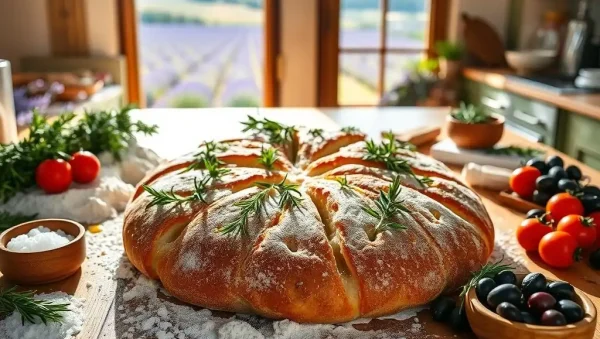
🌿 Discover the art of baking with our Leafy Fougasse bread recipe from Provence. Perfect for all skill levels, this guide on…
Read article
🌟 Unlock the secrets of European bread baking with easy-to-follow tips on BakeWithEase.com. Discover simple techniques and expert advice to elevate your…
Read article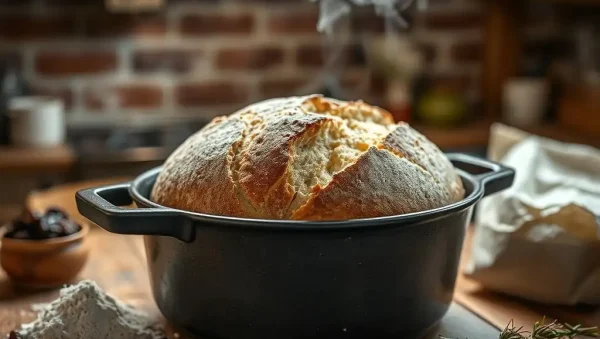
🔥 Discover the secrets of the perfect European-style crust with our Dutch oven sourdough crust recipe. BakeWithEase.com guides you through simple techniques…
Read article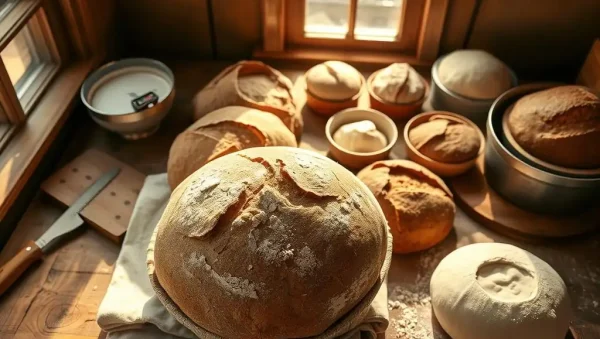
✨ Unlock the secrets to perfect European bread proofing time with BakeWithEase.com. Discover essential techniques, tips, and step-by-step guides to master the…
Read article
😊 Discover the rich tradition behind Finnish rye bread recipe (Reikäleipä) on BakeWithEase.com, your ultimate baking resource. Learn simple techniques and tips…
Read article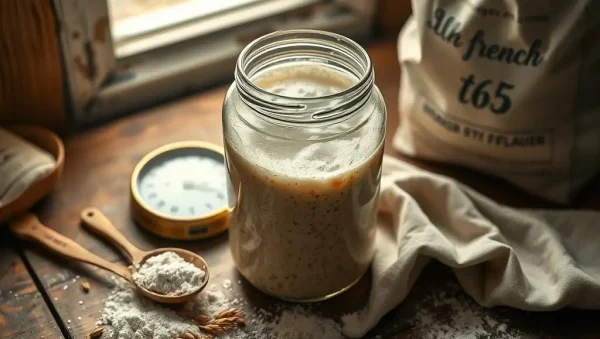
😊 Discover the fascinating science behind European sourdough starters and master your baking with easy troubleshooting tips. BakeWithEase.com offers simple guidance to…
Read article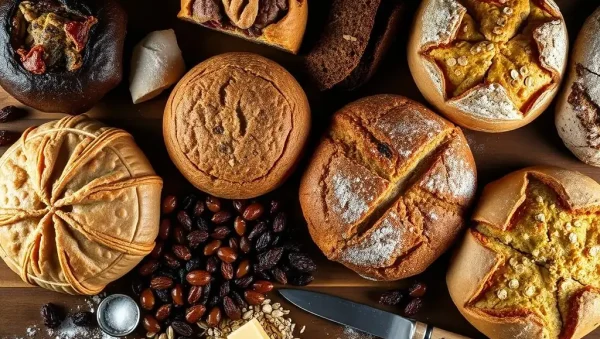
🥖Discover the rich diversity of UK regional bread recipes on BakeWithEase.com, where traditional loaves meet modern baking techniques. Explore unique flavors and…
Read article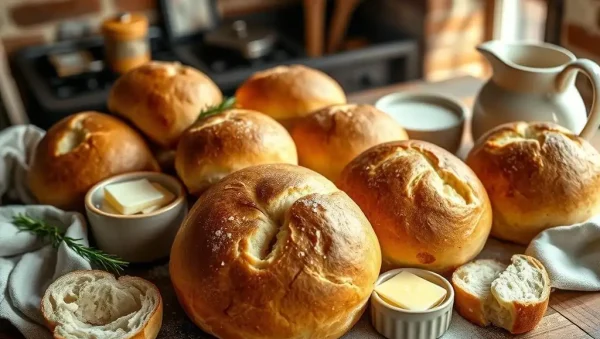
😊 Discover the secrets to perfecting your bread with our easy European dinner roll recipe. BakeWithEase.com guides you through simple techniques and…
Read article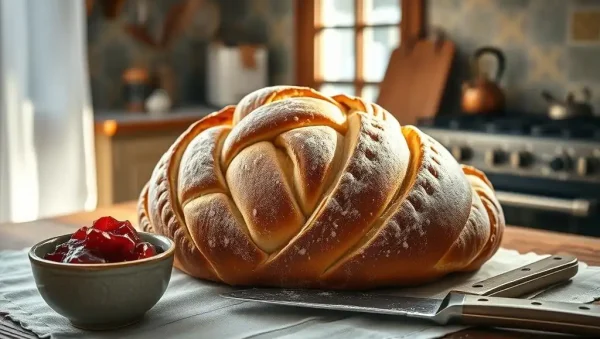
😊 Discover the joy of baking with our Easy Czech Houska Recipe, a beautifully braided Czech bread. Perfect for bakers of all…
Read article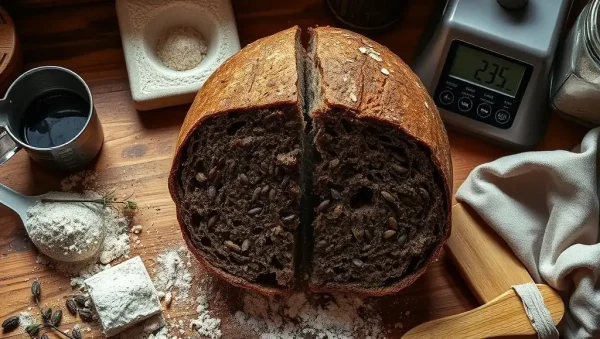
🔧 Struggling with dense European rye bread? Discover essential dense rye bread troubleshooting tips to improve texture and rise. BakeWithEase.com offers simple…
Read article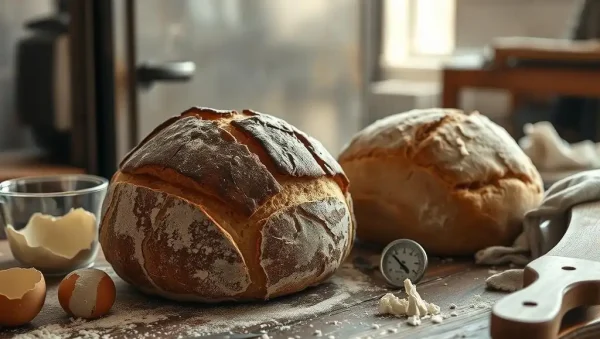
😊 Struggling with European bread baking problems? Discover effective solutions to common mistakes and elevate your baking skills. BakeWithEase.com provides expert tips,…
Read article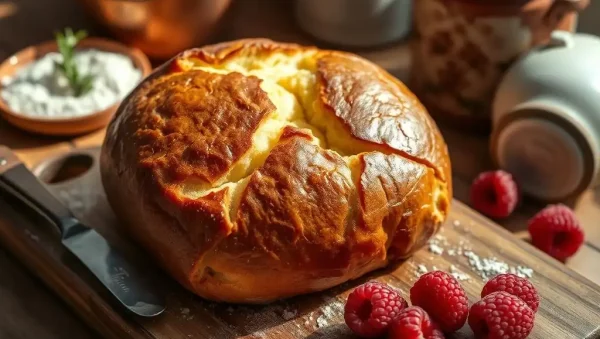
😊 Discover the secrets of creating a perfect, fluffy French brioche with our easy French brioche recipe. BakeWithEase.com guides you through simple…
Read articleWelcome to Regional Breads of Europe, a curated collection within our Bread Baking category at BakeWithEase.com. Here, we celebrate the diverse and time-honored traditions of European baking, from crusty French baguettes to hearty German pumpernickel and Italian focaccia. This subcategory is designed to transport your kitchen across the continent, offering authentic recipes, cultural insights, and step-by-step guidance. Whether you are a novice baker or a seasoned sourdough enthusiast, our goal is to help you recreate these iconic loaves with confidence, using readily available ingredients while honoring their rustic origins.
Dive into the soul of Western European baking with the crisp crust of a classic baguette, the airy crumb of ciabatta, and the olive-oil richness of focaccia. Expect detailed instructions on achieving that perfect blistered crust, using preferments like poolish or biga to enhance flavor and texture. Each recipe includes troubleshooting tips for humidity and oven steaming, ensuring your results rival artisan bakeries. From the golden pain de campagne to the pillowy Sicilian sesame bread, you’ll learn the nuances of hydration, folding, and resting that define these beloved staples.
Beyond the recipe, we explore the cultural rituals surrounding these breads—how the French judge a market loaf by its crackle or how Italian families pass down their focaccia toppings. You’ll also find side-by-side comparisons of flours (Tipo 00 vs. all-purpose) and techniques (direct vs. indirect fermentation) to help you adapt authentic methods to home ovens. By mastering these signatures, you gain a foundation for regional variations like Provençal fougasse or Ligurian farinata, making every bake a journey through history and taste.
Travel north to discover the dense, nutritious world of German pumpernickel, Danish rugbrød, and Finnish sour rye. Our guides demystify long, slow fermentation and the use of sourdough starters with high rye content, which often trip up beginners. Expect clear explanations on how to manage sticky doughs, why steam is less critical here, and how to achieve that characteristic moist crumb without a brick-like texture. You’ll also learn about specialty grains like cracked rye, barley, and spelt that lend earthy, complex flavors.
These recipes emphasize patience and precision, with some loaves requiring a 24-hour steam bake or multi-day fermentation. We provide time-saving alternatives, such as using a bread machine for the initial mix or substituting wheat flour for part of the rye without losing authenticity. Cultural anecdotes—like the Scandinavian tradition of open-faced sandwiches or the Westphalian custom of pairing pumpernickel with ham—add context to your baking. By the end, you’ll appreciate why these breads are not just food but symbols of resilience and regional identity.
Sun-drenched coasts inspire lighter, faster breads: Greek pita, Turkish bazlama, Spanish hogaza, and Italian schiacciata. This section focuses on high-hydration flatbreads that puff dramatically in a hot oven or skillet, perfect for dipping in olive oil or wrapping grilled meats. Expect detailed guidance on shaping, dimpling, and scoring, along with topping ideas from rosemary and sea salt to caramelized onions and cherry tomatoes. You’ll also master the art of using a baking stone or cast-iron pan for that perfect charred bottom.
With an emphasis on versatility, these recipes are forgiving and ideal for quick weeknight dinners or festive gatherings. We include variations like stuffed focaccia (focaccia barese) and gluten-free adaptations using chickpea or rice flour. To deepen your skill, we explain the science behind blistering and the role of olive oil in creating a tender crumb. Each post pairs historical context—such as the Roman origins of pita or the Moorish influence on Spanish breads—so you bake with both technique and story in mind.
Polish żurek bread, Czech chleb, Hungarian ciabatta-like kenyér, and Ukrainian pampushky—here we explore complex sourdoughs with distinctive tangs and hearty textures. Expect recipes that rely on dark rye flours, caraway seeds, and multi-stage preferments to build depth. We break down the fermentation windows, hydration percentages, and proofing cues that produce a robust crust and chewy interior. You’ll also find tips for maintaining a rye starter, which differs from a wheat one in feeding schedules and behavior.
These breads often symbolize hospitality and are deeply tied to seasonal holidays and family gatherings. We share authentic shaping methods, such as braiding for celebration loaves or scoring with symbolic patterns. Troubleshooting covers common issues like gummy centers or over-hydration, plus storage advice to keep these dense loaves fresh for up to a week. By approaching these regional staples, you gain a deeper appreciation for how Eastern European bakers use minimal ingredients to create maximal flavor, often without any commercial yeast at all.
Finally, we elevate your bread-baking repertoire with artisan rustic loaves inspired by European country bakeries—from Petrucci-style Italian biga to French levain. This section is a deep dive into sourdough maintenance, including building a starter from scratch, feeding schedules, and using it to leaven high-hydration doughs. Expect detailed timelines (e.g., 14-hour cold ferment), scoring tutorials for ears and slashes, and tips for baking in Dutch ovens or on stones to maximize oven spring.
We emphasize experimentation with add-ins like olives, walnuts, or dried fruits, showing how different European regions customize their loaves. You’ll also confront the science of gluten development—autolysis, stretch-and-folds, and coil folds—without feeling overwhelmed. Each recipe includes visual cues (bubbles, jiggle, browning) so you can adapt to your environment. Whether you aim for a crackling sourdough batard or a chewy sourdough boule, our guides ensure your bread has that coveted artisan look and taste, even in a home oven.
Start with a simple Italian ciabatta or French pain de campagne. Both use direct doughs and require minimal shaping. Ciabatta is forgiving with high hydration, while pain de campagne includes some wheat flour for easier handling. Follow our step-by-step guides, and you’ll gain confidence in fermentation and oven spring without advanced equipment.
No, you can use commercial yeast for many recipes, but authentic sourdough versions yield more complex flavors. The subcategory offers both yeasted and sourdough alternatives for most breads. For beginners, try yeasted versions first, then progress to building a starter as you build skills.
Rye bread often turns gummy if it’s underbaked or cut too soon. Ensure you bake it to an internal temperature of 205°F (96°C) and let it cool completely, ideally overnight. Also, use a sourdough starter with rye flour to improve acidity and structure, which prevents gumminess.
Yes, but adjust hydration. All-purpose flour has lower protein, so reduce water by 10-20% to avoid sticky dough. For rye recipes, blending with bread flour helps create a more open crumb. Always check consistency and add flour or water as needed during mixing.
Generate steam during the first 15 minutes of baking by placing a pan of hot water in the oven or spraying the loaf. Also, bake at a high temperature (450°F/230°C) and use a Dutch oven for the initial lid-on phase. Let the bread cool on a wire rack to keep the crust crisp rather than trapping moisture.