
Mastering Cinnamon in Your Baked Goods: Tips & Tricks

Welcome to BakeWithEase!
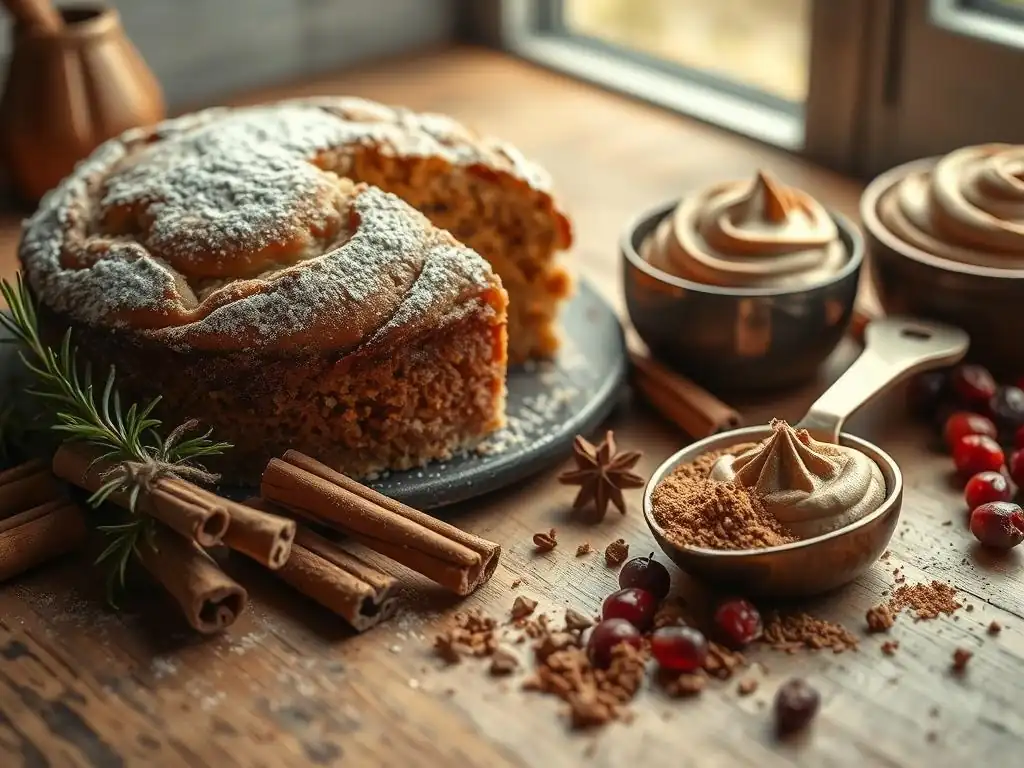
Ever wondered how to unlock the full potential of cinnamon in your baking? This Ingredient Deep Dive explores the secrets to achieving that perfect warm spice note in every bite. From selecting the right type of cinnamon to mastering crucial baking techniques, prepare to elevate your cinnamon baking recipes to a whole new level. Ready to discover the tips and tricks that will transform your baked goods? Let's get started!
- Mastering Spices in Your Baked Goods: Tips & Tricks - BakeWithEase
- Introduction to Spices in Baking: Unlock Flavor Secrets
- Spice Baking Tips for Enhanced Flavor
- Spice Recipes: Baking Techniques and Ideas
- Troubleshooting Common Spice Baking Problems
- Spice and Other Flavors: Flavor Pairings for Baking
- Advanced Spice Baking Techniques
- Spice Baking Recipes: Expert Advice from BakeWithEase
- Conclusion: Elevating Your Baking with Spice Baking Tips
-
Frequently Asked Questions
- How can I ensure my cinnamon flavor is strong and evenly distributed in my baked goods?
- What are some different types of cinnamon and how do they affect the taste of my baking?
- Can I substitute cinnamon with other spices in my baking recipes?
- What's the best way to store cinnamon to maintain its flavor and potency?
- How can I prevent cinnamon from clumping together in my dough or batter?
- Final Reflection: The Enduring Allure of Cinnamon
- Unleash Your Inner Baker: Cinnamon Confections Await!
Mastering Spices in Your Baked Goods: Tips & Tricks - BakeWithEase
Introduction to Spices in Baking: Unlock Flavor Secrets
Baking is a beautiful blend of science and art, and spices are the hidden artists that can transform simple ingredients into culinary masterpieces. From the comforting warmth of cinnamon in your morning rolls to the exotic notes of cardamom in a festive cake, spice baking tips recipes are essential knowledge for any home baker looking to elevate their creations. Understanding how to select, prepare, and use spices correctly can make the difference between a good baked good and an unforgettable one.
Spices don't just add flavor; they contribute aroma, color, and even texture to your baked goods. Think about how the vibrant hue of turmeric can color a cake or how ground ginger adds a slight fibrous quality to a cookie. Mastering spices is about more than just following a recipe; it's about learning to play with flavor profiles and understanding how different spices behave when heated. This guide will walk you through essential spice baking tips recipes to help you unlock the full potential of your spice rack.
Why Spices are a Baker's Best Friend
Spices are incredibly potent flavor enhancers in baking, capable of adding layers of complexity and warmth that simple sugar and vanilla cannot achieve alone. They provide depth, balance sweetness, and create inviting aromas that fill your kitchen. For instance, a study might show that consumers rate baked goods with properly balanced spice profiles as significantly more appealing than those without. Consider a basic sugar cookie versus a sugar cookie enhanced with a touch of nutmeg and cinnamon – the latter offers a richer, more satisfying taste experience.
Furthermore, spices can influence the overall perception of a baked item's richness and quality. A dash of ground cloves in chocolate cake can deepen the chocolate flavor, while a pinch of cardamom in a scone can add a delicate, perfumed note. Using the right spice baking tips recipes means knowing which spices work best with which ingredients and in what quantities. Too little, and the flavor is lost; too much, and it can overwhelm. It's a delicate balance that comes with practice and understanding the properties of each spice.
Exploring Different Types of Spices for Baking Recipes
The world of spice baking recipes is vast and exciting, offering a diverse palette of flavors to experiment with. Common baking spices include the classics like cinnamon, nutmeg, cloves, and ginger, each offering distinct characteristics. Cinnamon provides warmth and sweetness, nutmeg is slightly nutty and pungent, cloves are intensely aromatic and sweet-spicy, and ginger offers a pungent heat and zing. These form the base of many traditional spice blends used in pies, cookies, and cakes.
Beyond the usual suspects, there are many other spices that shine in baked goods. Cardamom, with its unique floral and citrusy notes, is popular in Scandinavian and Middle Eastern baking. Allspice, tasting like a blend of cinnamon, nutmeg, and cloves, is a staple in Caribbean recipes. Star anise has a strong licorice flavor, perfect for pairing with apples or pears. Even black pepper can add a surprising hint of warmth and complexity to sweet recipes like gingerbread or chocolate cookies. Exploring these spices and their profiles is key to expanding your spice baking tips recipes repertoire.
Spice Baking Tips for Enhanced Flavor
Tip #1: Toast Your Spices for Maximum Aroma and Taste
Toasting whole spices before grinding is a simple yet incredibly effective technique that dramatically enhances their flavor and aroma. Heat gently coaxes out the volatile oils within the spice, intensifying their natural characteristics. For example, toasting whole cumin seeds before grinding them for a savory bake or whole cardamom pods for a sweet bread can unleash a depth of flavor that pre-ground or untoasted spices simply can't match.
To toast spices, use a dry skillet over medium-low heat. Add the whole spices and stir or shake the pan frequently. Toast for just a few minutes until they become fragrant – be careful not to burn them, as this will result in a bitter taste. Once toasted, let them cool completely before grinding. This technique is particularly impactful for spices like coriander, cumin, cardamom, and even whole nutmeg before grating. Incorporating this into your spice baking tips recipes will elevate your results significantly.
Tip #2: The Importance of Freshly Ground Spices in Baked Treats
While pre-ground spices are convenient, they lose their potency relatively quickly once exposed to air and light. Grinding spices just before use ensures you are capturing the peak of their flavor and aroma. Think of it like coffee – freshly ground beans produce a far more vibrant cup than pre-ground ones. The same principle applies to your spice baking recipes.
For the best results, invest in a good quality spice grinder (a coffee grinder dedicated solely to spices works well, or a mortar and pestle for smaller amounts). Grind only what you need for a specific recipe. The difference is noticeable, especially with spices like nutmeg, which is exponentially more fragrant when freshly grated, or cinnamon sticks, which yield a more complex flavor when ground just before mixing into your batter.
Tip #3: Spice Storage Secrets to Preserve Potency
Proper storage is crucial for maintaining the freshness and potency of your spice baking tips recipes ingredients. Exposure to heat, light, and air are the enemies of spices, causing their volatile oils to dissipate and their flavors to fade. An old jar of cinnamon stored near the stove might have lost 50% or more of its flavor compared to a properly stored one.
Store both whole and ground spices in airtight containers, away from direct sunlight and heat sources (like your oven or stove). Dark glass jars or opaque containers are ideal. While ground spices will inevitably lose potency faster than whole ones, proper storage can extend their usable life significantly. Aim to replace ground spices roughly every 6-12 months and whole spices every 2-3 years for optimal flavor in your baked goods.
Spice Recipes: Baking Techniques and Ideas
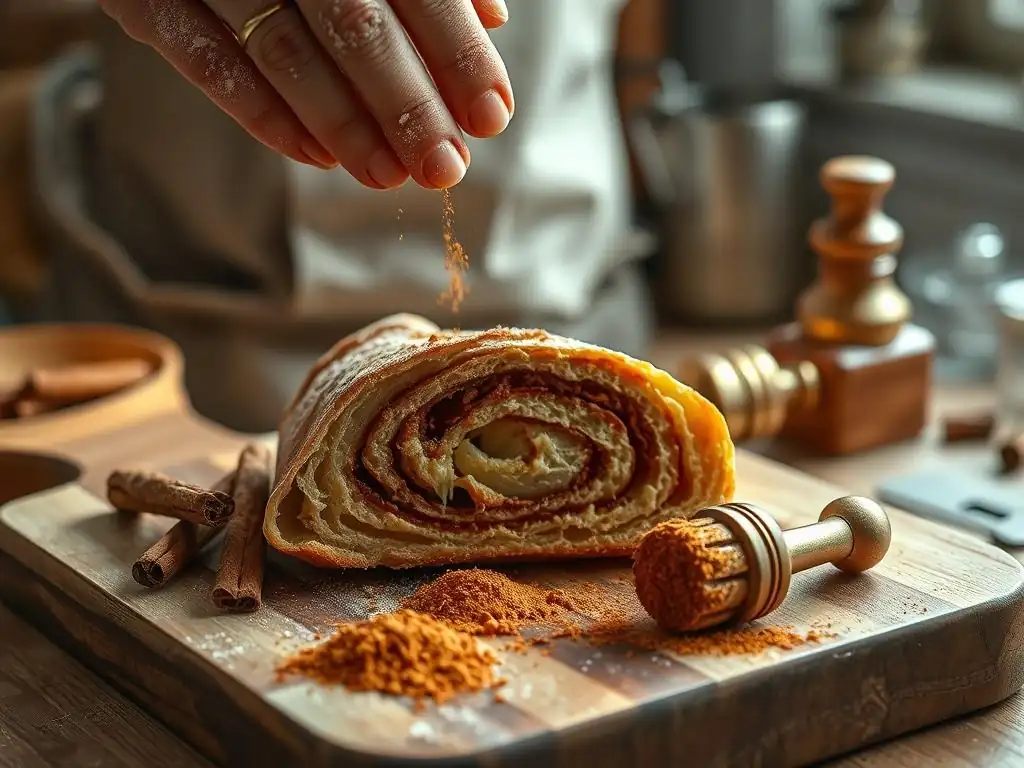
Gingerbread cookies are a beloved classic, and achieving that perfect balance of crisp edge and slightly chewy center, along with a robust spice flavor, is key. The spice blend typically includes ginger, cinnamon, cloves, and sometimes nutmeg or allspice. The ratio of these spices greatly impacts the final taste – more ginger provides heat, while more cinnamon adds warmth and sweetness.
The molasses content also plays a significant role, both in color and texture. Dark molasses contributes a deeper color and a chewier texture, while light molasses is milder. To ensure even spice distribution and prevent sinking (a common issue we'll discuss later), whisk the ground spices thoroughly with the dry ingredients before combining them with the wet ingredients. Baking time is also critical for the snap; slightly longer baking yields a crispier cookie.
Apple Pie: Balancing Sweetness and Spice
Apple pie relies on a harmonious blend of spices to complement the natural sweetness and tartness of the apples. The classic apple pie spice blend often features cinnamon prominently, usually combined with nutmeg, and sometimes allspice or cloves. The amount of spice needed depends on the quantity of apples, but a typical pie filling using 6-8 cups of sliced apples might require 1-2 teaspoons of ground cinnamon and 1/4 to 1/2 teaspoon of nutmeg.
Mixing the spices directly with the sliced apples and a bit of sugar and flour (or cornstarch) ensures even coating. Allowing the spiced apple mixture to sit for 10-15 minutes before filling the pie crust can help the flavors meld and draw out some juice, which thickens during baking. Don't be afraid to adjust the spice quantities based on your preference; some prefer a stronger cinnamon flavor, while others enjoy a hint of clove.
Pumpkin Spice Cake: A Classic Recipe with a Twist
Pumpkin spice cake is synonymous with autumn, and its signature flavor comes from a specific blend of spices. The core components are typically cinnamon, ginger, nutmeg, and cloves. A standard recipe using a 15-ounce can of pumpkin might call for 2 teaspoons of cinnamon, 1 teaspoon of ground ginger, 1/2 teaspoon of nutmeg, and 1/4 teaspoon of ground cloves.
To give this classic a twist, consider adding a pinch of cardamom for an aromatic lift or a touch of allspice for added depth. You can also use freshly grated nutmeg for a more intense flavor. Whisking the spices thoroughly into the dry ingredients (flour, baking soda, baking powder, salt) before adding the wet ingredients ensures they are evenly distributed throughout the batter, preventing clumps of spice in the finished cake.
Spice cookies come in many forms, from crisp gingersnaps to soft and chewy molasses cookies. The texture is often influenced by the fat-to-sugar ratio, the type of sugar used, and the leavening agents, but spices also play a key role in flavor definition. A chewy spice cookie might rely heavily on molasses and ginger, while a crispy one might use more granulated sugar and a blend of cinnamon, nutmeg, and cloves.
For crispy spice cookies, chilling the dough before baking can help them hold their shape and spread less, resulting in a thinner, crispier cookie. For chewy cookies, using more brown sugar (which contains molasses) and slightly underbaking them can help retain moisture. Regardless of texture preference, ensure your ground spices are fresh and well-mixed into the dough for consistent flavor in every bite.
Troubleshooting Common Spice Baking Problems
Avoiding Overpowering Baked Goods with Spices
One of the most common issues in spice baking recipes is using too much spice, resulting in an overpowering flavor that masks other ingredients. This often happens with potent spices like cloves, allspice, or ginger. A little goes a long way! If a recipe calls for a certain amount and you're unsure, start with slightly less and add more next time if desired. It's easier to add spice than to take it away.
If you've accidentally added too much spice to a batter or dough before baking, sometimes adding a bit more of the main flavor ingredient (like more apple in a pie filling or more pumpkin in a cake batter) can help dilute the spice intensity. For finished baked goods that are too spicy, pairing them with something plain or cooling, like vanilla ice cream, whipped cream, or a simple glaze, can help balance the strong flavors.
Preventing Spices from Sinking to the Bottom
Sometimes, particularly with heavier or finer ground spices like ginger or cocoa powder, you might find they sink to the bottom of your batter during baking. This results in uneven flavor distribution and can leave pockets of intense spice at the bottom of your cake or muffins. This is a common issue in spice baking recipes that use liquid batters.
The best way to prevent sinking is to whisk your ground spices thoroughly with the dry ingredients (flour, baking powder, salt) before adding any wet ingredients. The starch from the flour helps to coat the spice particles, suspending them evenly throughout the mixture. This simple step ensures that the spices are distributed uniformly, providing consistent flavor in every bite of your baked goods.
Fixing Dry Baked Goods with Spices
While spices don't inherently cause dryness, strong spice flavors can sometimes make a dry texture more noticeable. If your spice baking recipes result in dry cakes or muffins, the issue is likely with the overall recipe balance (too much flour, not enough fat or liquid, overbaking) rather than the spices themselves. However, ensuring spices are properly integrated can help with perceived dryness.
Ensure you are measuring ingredients accurately, especially flour. Using the "spoon and level" method for flour (lightly spooning flour into a measuring cup and leveling off) prevents packing too much flour, which is a common cause of dryness. If your recipe consistently yields dry results, consider adding a bit more moisture in the form of an extra egg yolk, a splash of milk or buttermilk, or a bit more melted butter or oil, while keeping the spice levels consistent with your preference.
Spice and Other Flavors: Flavor Pairings for Baking
Nutmeg and Cloves: A Classic Combination
Nutmeg and cloves are often paired together in spice baking recipes, forming a warm, aromatic base for many traditional desserts. Think of pumpkin pie, spiced apple cider, or gingerbread. Nutmeg offers a subtly sweet, nutty flavor, while cloves provide an intense, pungent sweetness. Used together in moderation, they create a complex, comforting profile.
The ratio is important; cloves are much stronger than nutmeg. A typical blend might use 3-4 parts nutmeg to 1 part clove. For instance, in an apple crisp using 6 cups of apples, you might use 1/2 teaspoon of ground nutmeg and just 1/8 teaspoon of ground cloves alongside cinnamon. This pairing is fundamental to many classic spice baking tips recipes.
Ginger and Molasses: Adding Warmth and Depth
Ginger and molasses are a powerhouse duo, particularly famous in gingerbread and certain types of spice cookies. Ginger provides a distinct heat and pungency, while molasses adds a deep, slightly bitter sweetness and moisture. This combination creates a rich, warming flavor profile perfect for cooler weather.
The interaction between ginger and molasses is key in achieving the signature taste of gingerbread. The amount of each can be adjusted to control the intensity of the heat and the depth of the sweetness. A recipe heavy on both will yield a very dark, intensely flavored, and potentially chewy cookie or cake, embodying the heart of many robust spice baking recipes.
Cardamom and Orange: An Exotic Blend
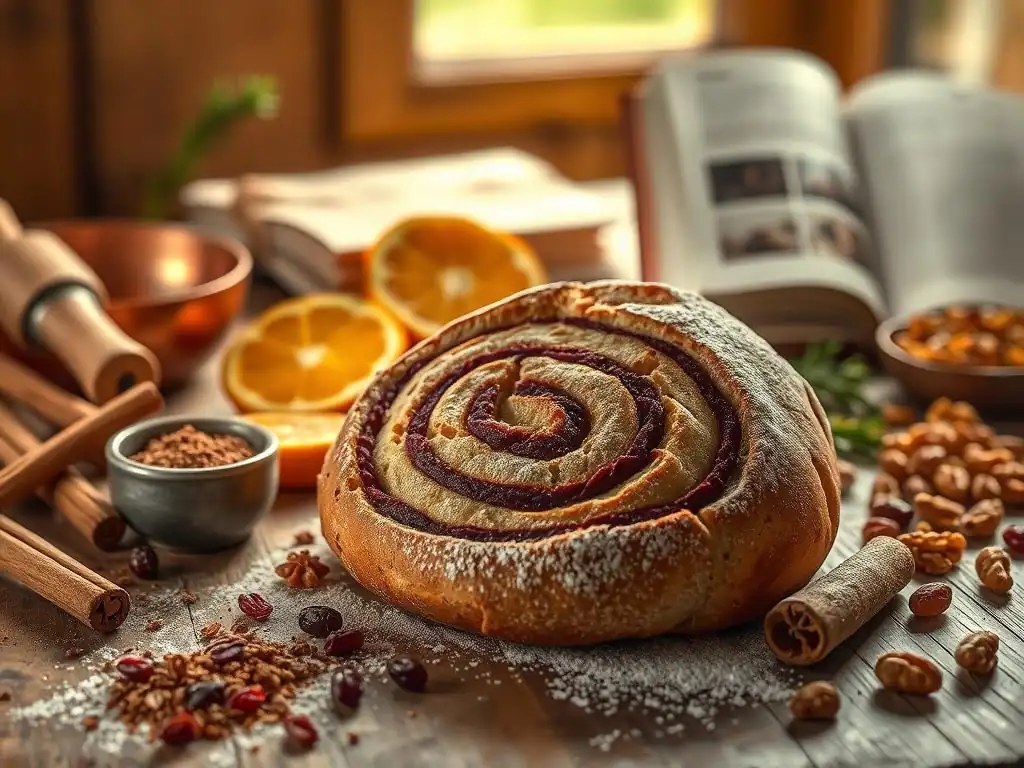
Cardamom and orange create a wonderfully aromatic and slightly exotic flavor pairing that works beautifully in baked goods. Cardamom's floral and citrusy notes naturally complement the bright, sweet acidity of orange zest or juice. This combination is less common in everyday American baking but is a staple in Scandinavian pastries and some Middle Eastern desserts.
Try adding ground cardamom and fresh orange zest to shortbread, pound cake, muffins, or even a simple sugar cookie dough. The bright, fragrant notes lift the richness of the butter and sugar, creating a sophisticated flavor profile. A recipe for cardamom-orange scones might call for 1 teaspoon of ground cardamom and the zest of one orange, demonstrating how these two flavors harmonize in spice baking tips recipes.
Advanced Spice Baking Techniques
Making Spice Blends from Scratch
Creating your own spice blends from scratch allows you to customize flavors and ensures freshness, as you're likely grinding whole spices just before mixing. Common blends include pumpkin pie spice, apple pie spice, and gingerbread spice. A standard pumpkin pie spice blend might be roughly 3 parts cinnamon, 2 parts ginger, 2 parts nutmeg, and 1 part cloves.
Experimenting with ratios and adding less common spices like allspice, cardamom, or even a pinch of black pepper can lead to unique flavor profiles. Store your homemade blends in airtight containers and use them relatively quickly (within a few months) for the best results. This is a fantastic way to personalize your spice baking tips recipes.
Spice Infused Liquids for Baking
Infusing liquids with whole spices is another technique to impart subtle, complex flavors. Milk, cream, or even melted butter can be gently heated with spices like cinnamon sticks, star anise, cardamom pods, or vanilla beans. This allows the flavors to steep and meld without the particulate texture of ground spices.
For example, heating milk with a cinnamon stick and a few cardamom pods for a custard or bread pudding base can add a lovely warmth. Or, infusing melted butter with star anise before adding it to a cake batter can introduce an intriguing note. Remember to strain out the whole spices before using the infused liquid in your recipe. This technique adds a layer of sophistication to your spice baking tips recipes.
Creating Spice Extracts and Tinctures
For an even more intense and pure spice flavor, consider making your own spice extracts or tinctures. This involves steeping spices in alcohol (like vodka or rum) over several weeks or months. While vanilla extract is the most common, you can make extracts from cinnamon sticks, ginger, or even combinations like a chai-spice tincture.
Simply place whole or roughly broken spices in a clean jar, cover completely with high-proof alcohol, seal, and store in a cool, dark place. Shake the jar occasionally. After 4-8 weeks (or longer for stronger flavor), strain out the solids. Homemade extracts offer a potent way to add pure spice flavor to your baked goods without adding bulk or color, making them a valuable addition to your spice baking tips recipes toolkit.
Spice Baking Recipes: Expert Advice from BakeWithEase
Classic Gingerbread Recipe
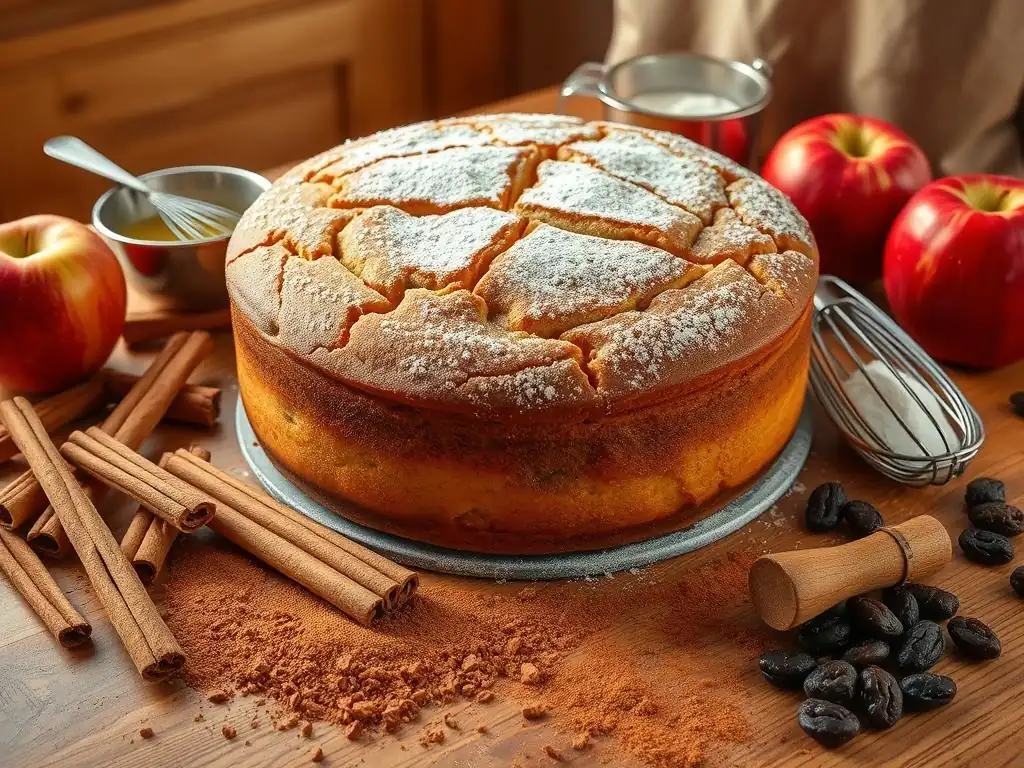
Our take on classic gingerbread focuses on the perfect balance of warming spices and rich molasses. We recommend using a blend of freshly ground ginger, cinnamon, and a touch of cloves and nutmeg. The magic lies in blooming the spices in melted butter or warm molasses briefly before mixing them with the dry ingredients. This helps release their aromatic oils, intensifying the flavor.
For a chewier cookie, use dark brown sugar and add an extra egg yolk. For a crispier one, roll the dough thinner and bake slightly longer. This approach ensures your gingerbread is deeply flavored, embodying the best spice baking tips recipes.
Spiced Apple Crumble Recipe
A great spiced apple crumble is all about complementing the sweet-tart apples with warm spices. Our expert advice is to generously coat your apple slices (we love using a mix of Granny Smith for tartness and Fuji for sweetness) with a blend primarily featuring cinnamon, with supporting roles from nutmeg and a pinch of allspice. Mix the spices with a little sugar and a tablespoon of flour or cornstarch before tossing with the apples – this helps thicken the filling and distribute the spices evenly.
For the crumble topping, consider adding a dash of cinnamon or ginger to the flour, butter, and sugar mixture for an extra layer of spiced goodness. This simple method ensures your apple crumble is bursting with harmonious spice flavors, a perfect example of effective spice baking tips recipes.
Conclusion: Elevating Your Baking with Spice Baking Tips
Mastering spices is a journey that adds immense joy and flavor to your baking. By understanding the characteristics of different spices, learning techniques like toasting and proper storage, and knowing how to pair spices with other ingredients, you can transform your everyday baked goods into something truly special. Whether you're perfecting your cinnamon rolls, experimenting with cardamom in a cake, or honing your gingerbread spice blend, these spice baking tips recipes provide the foundation for delicious results. So go ahead, explore your spice rack, and let these aromatic treasures inspire your next baking adventure!
Frequently Asked Questions
How can I ensure my cinnamon flavor is strong and evenly distributed in my baked goods?
To maximize cinnamon flavor, use freshly ground cinnamon and consider adding it at multiple stages, such as directly into the dough and as a topping. Even distribution is achieved by thoroughly mixing the cinnamon with dry ingredients before adding wet ones.
What are some different types of cinnamon and how do they affect the taste of my baking?
There are several types, including Ceylon, Cassia, and Saigon. Ceylon cinnamon is milder and sweeter, while Cassia and Saigon are stronger and spicier. Choosing the right type depends on your desired flavor profile.
Can I substitute cinnamon with other spices in my baking recipes?
Yes, you can substitute cinnamon with other warming spices like nutmeg, allspice, or cardamom. However, be mindful of the flavor intensity as these spices have different strengths than cinnamon.
What's the best way to store cinnamon to maintain its flavor and potency?
Store cinnamon in an airtight container in a cool, dark, and dry place. This protects it from moisture, light, and heat, which can degrade its flavor over time. Proper storage extends shelf life.
How can I prevent cinnamon from clumping together in my dough or batter?
To prevent clumping, sift the cinnamon with other dry ingredients before adding any wet ingredients. You can also whisk the dry ingredients together to ensure even distribution and prevent clumps.
Final Reflection: The Enduring Allure of Cinnamon
The humble cinnamon stick, a spice seemingly simple, holds a power far beyond its delicate aroma. Its influence on baking, from ancient traditions to modern culinary creations, is undeniable, and its versatility continues to inspire bakers of all levels. This exploration into the nuances of cinnamon's use in baked goods reveals a depth of flavor and technique that elevates even the simplest recipe.
The enduring appeal of cinnamon lies not just in its warmth and sweetness, but in its ability to evoke memories and emotions. It's a spice that transcends cultures, connecting us to cherished family recipes and comforting traditions. As we've explored throughout this article, mastering its use unlocks a world of possibilities, from subtle hints to bold pronouncements of flavor. The smell of cinnamon is the smell of home.
This sentiment, though simple, captures the profound emotional connection many feel with this remarkable spice.
Now, consider your own baking journey. What new techniques will you incorporate? Will you experiment with different types of cinnamon, exploring the subtle variations in their profiles? Perhaps you'll even develop your own signature cinnamon-infused creation, sharing the warmth and joy of this spice with others. Embrace the challenge, experiment with confidence, and discover the magic that awaits you in the world of cinnamon baking. Let the aroma guide you, and let your creativity flourish.
Unleash Your Inner Baker: Cinnamon Confections Await!
Thanks for taking the time to explore the wonderful world of cinnamon baking with us! We hope you've gained some delicious inspiration and valuable tips. Now it's time to put your new knowledge into practice.
- Bake your best cinnamon creation yet! Choose your favorite recipe (or try a new one inspired by this article) and let the aroma fill your kitchen. Don't forget to share a photo on social media using #BakeWithEaseCinnamon.
- Experiment with different cinnamon varieties: Explore the subtle nuances between Ceylon and Cassia cinnamon – the results might surprise you!
- Share this article with a fellow baking enthusiast! Let's spread the cinnamon love.
What unique cinnamon twist will you add to your next baking adventure?