
How to Achieve That Golden Egg Wash on Pain au Chocolat

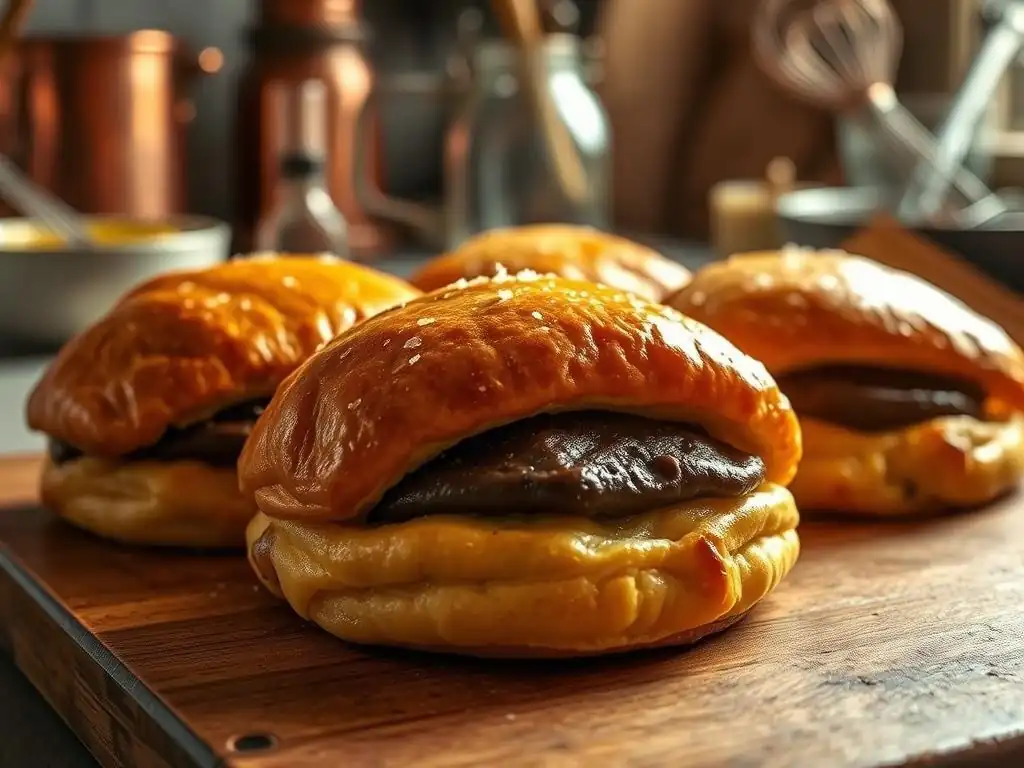
Welcome to BakeWithEase, your guide to unlocking baking brilliance! Are you ready to elevate your pain au chocolat to bakery-worthy status? The secret, as many seasoned bakers know, lies in the perfect egg wash. Discover everything you need to know about achieving that irresistible golden egg wash pain au chocolat finish and transform your baking from good to unforgettable. Intrigued? Let's get started!
- How to Achieve That Golden Egg Wash on Pain au Chocolat: A BakeWithEase Guide
- Introduction: The Secret to Perfect Pain au Chocolat - The Golden Egg Wash
- Understanding the Components of an Egg Wash for Optimal Results
- Step-by-Step Guide to Preparing the Ideal Egg Wash for Your Pain au Chocolat
- Applying the Egg Wash: Techniques for a Professional Look
- Troubleshooting Common Egg Wash Problems
- Baking Your Pain au Chocolat: Ensuring the Egg Wash Sets Properly
- Alternative Egg Wash Options for Pain au Chocolat
- Achieving the Perfect Golden Brown: Final Thoughts and Tips for Pain au Chocolat Success
-
Frequently Asked Questions
- How important is the egg wash for Pain au Chocolat, really?
- What's the best type of egg to use for an egg wash on Pain au Chocolat?
- At what stage of the baking process should I apply the egg wash?
- How do I prevent the egg wash from dripping and pooling on my baking sheet?
- What if I don't have eggs? Are there any alternatives for an egg wash?
- Final Reflection: The Enduring Allure of the Perfect Glaze
- Unlock Your Inner Pâtissier: Master the Golden Egg Wash!
How to Achieve That Golden Egg Wash on Pain au Chocolat: A BakeWithEase Guide
Introduction: The Secret to Perfect Pain au Chocolat - The Golden Egg Wash
Why is the Egg Wash Crucial for Pain au Chocolat?
The humble egg wash plays a surprisingly vital role in transforming simple laminated dough into the glossy, golden pain au chocolat we all adore. Beyond just aesthetics, the egg wash contributes significantly to the final texture and appearance of viennoiseries. It helps seal the surface, preventing excessive drying during baking, and promotes even browning, which is key to that desirable crisp exterior. Without a proper application of a golden egg wash, your pain au chocolat might appear dull, pale, and lack that professional, inviting sheen. It's the finishing touch that signals careful preparation and promises a delightful bite.
Furthermore, the egg wash aids in creating a slightly caramelized crust on the surface sugars of the dough, enhancing both color and subtle flavor. A well-executed golden egg wash on pain au chocolat provides a beautiful contrast to the layers of flaky pastry, making the chocolate within seem even more enticing. Achieving this perfect golden hue is a hallmark of skilled baking and elevates your homemade pain au chocolat from good to truly outstanding. It's a simple step, yet its impact on the final product is profound, making it a crucial technique for any baker aiming for perfection.
What We'll Cover: Mastering the Egg Wash for BakeWithEase.com Readers
In this comprehensive guide from BakeWithEase, we will demystify the process of creating and applying the ideal golden egg wash for your pain au chocolat. We'll break down the components of the wash, explaining how each ingredient contributes to the final result, from color to shine and texture. Our aim is to equip you with the knowledge to confidently prepare an egg wash that delivers that sought-after rich, golden brown finish consistently.
We will walk you through selecting the right ingredients, mixing them to the perfect consistency, and applying the wash using techniques that prevent common pitfalls like streaks or deflation. Whether you're a beginner just starting with laminated dough or an experienced baker looking to perfect your technique, this guide will provide actionable steps and troubleshooting tips. By the end, you'll be well on your way to achieving a professional-looking golden egg wash on pain au chocolat that will impress everyone who takes a bite.
Understanding the Components of an Egg Wash for Optimal Results
Egg Yolk vs. Egg White: Which is Best for Golden Color?
When crafting a golden egg wash for pain au chocolat, the choice between using the whole egg, just the yolk, or just the white makes a significant difference. Egg yolks are rich in fats and pigments (carotenoids) which are primarily responsible for the golden color upon baking. Using only egg yolks, often diluted slightly with liquid, results in the deepest, most vibrant golden brown hue and a beautiful sheen. This is the secret weapon for achieving that rich, almost burnished look often seen in professional viennoiseries.
Egg whites, on the other hand, contain mostly protein and very little fat or pigment. While they can contribute to shine and a slightly crisper crust, they offer very little in terms of color. Using only egg whites or a wash predominantly made of egg whites will result in a paler, less golden finish. A common compromise is using a whole egg, which provides a good balance of color from the yolk and shine/structure from the white, resulting in a reliable golden brown. However, for that truly golden effect, leaning more towards egg yolk content is key.
Adding Liquid: Milk, Cream, or Water for the Perfect Consistency?
Diluting your egg wash with a liquid is essential for achieving the correct consistency for even application and preventing a thick, gloopy layer that can bake unevenly. The choice of liquid also impacts the final result. Water is the simplest diluent; it helps the wash spread thinly and evenly, resulting in a good shine and color. However, it doesn't add any richness or contribute to browning itself.
Milk or cream, due to their fat and sugar content (lactose), contribute to a richer color and a softer crust compared to using water. Milk offers a good balance, providing slight additional browning and richness without making the wash too heavy. Cream, with its higher fat content, will yield an even richer color and a more tender crust, but can sometimes be too thick if not used sparingly.
A common ratio for a versatile golden egg wash pain au chocolat is one whole egg mixed with about 1-2 tablespoons of milk or cream. Experimenting with these ratios can help you find the perfect balance for your desired golden outcome.
The Role of Sugar or Salt in Egg Wash: Enhancing Color and Texture
While not always included, a pinch of sugar or salt can subtly enhance the properties of an egg wash. Adding a tiny amount of sugar (perhaps ¼ teaspoon per egg) can promote slightly more caramelization on the surface during baking, contributing to a deeper golden brown color and a touch of sweetness to the crust. This is particularly effective when aiming for a very dark, glossy finish. However, too much sugar can cause the wash to burn quickly, so moderation is crucial.
Salt, conversely, doesn't directly contribute to browning but can influence the texture and flavor of the crust. A small pinch (less than ⅛ teaspoon) can help break down the egg proteins slightly, leading to a smoother wash and potentially a slightly crispier finish. It also subtly enhances the overall flavor profile of the pain au chocolat. For achieving a deep golden color, focusing on the egg yolk and liquid choice is generally more impactful than adding sugar or salt, but these additions can be used to fine-tune the results.
Step-by-Step Guide to Preparing the Ideal Egg Wash for Your Pain au Chocolat
Choosing the Right Eggs: Freshness Matters!
The quality of your ingredients directly impacts the final outcome, and this holds true for eggs used in egg wash. Fresh eggs generally have tighter whites and richer yolks, which contribute to a better consistency and potentially a more vibrant color in the wash. Look for eggs that are well within their expiration date. For a typical batch of pain au chocolat (around 6-8 pieces), one large egg is usually sufficient for the wash.
Consider the color of the egg yolk, too. While not a strict indicator of freshness, the diet of the hen can influence yolk color, with some diets resulting in deeper orange yolks which might contribute slightly more pigment to your golden egg wash pain au chocolat. Ultimately, using fresh, good-quality large eggs is the foundation for a successful wash.
Mixing the Egg Wash: Achieving a Smooth and Even Consistency
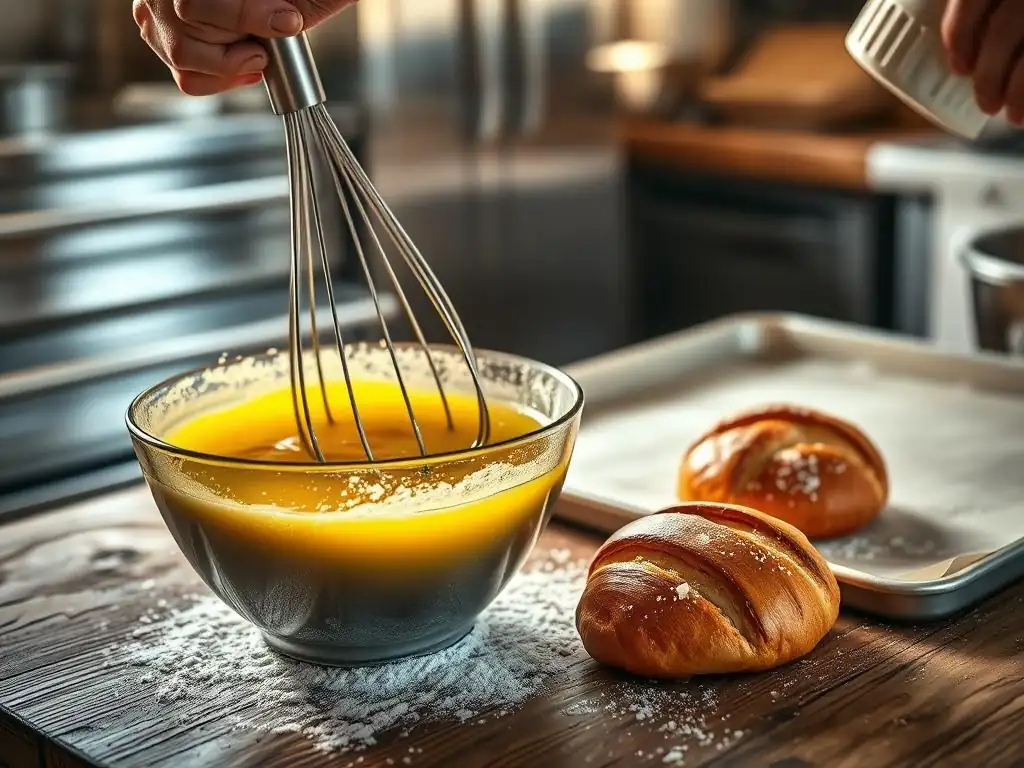
Once you have your egg(s) and chosen liquid (milk, cream, or water), the next step is thorough mixing. Break the egg(s) into a small bowl. Add your preferred liquid; a common starting point is 1-2 tablespoons of liquid per large egg. If you choose to add a pinch of sugar or salt, add it now.
Whisk the mixture vigorously using a fork or a small whisk until the egg white and yolk are completely combined and the mixture is homogenous. There should be no streaks of clear egg white or distinct blobs of yolk. The goal is a smooth, unified liquid. This might take about 30-60 seconds of steady whisking. A well-mixed wash is crucial for achieving an even golden color without patchiness.
Straining the Egg Wash: Removing Chalazae for a Flawless Finish
An optional but highly recommended step for achieving a truly flawless, streak-free golden egg wash is straining. Eggs contain chalazae – those white, stringy attachments that anchor the yolk within the white. While harmless, they don't break down completely when whisked and can leave small clumps or streaks on your baked goods.
To strain, simply pour the whisked egg wash through a fine-mesh sieve set over another small bowl or container. Gently coax the liquid through with a spoon if needed, leaving behind any chalazae or tiny bits of shell. This extra step takes less than a minute but ensures your egg wash is perfectly smooth, leading to a beautifully even golden brown finish on your pain au chocolat. Discard the material left in the sieve.
Applying the Egg Wash: Techniques for a Professional Look
When to Apply: Before or After Proofing?
The timing of applying your golden egg wash on pain au chocolat is critical for maintaining the structure of your pastries. The best time to apply the egg wash is after the pain au chocolat has completed its final proofing phase. During proofing, the dough expands and becomes delicate. Applying the wash before proofing can create a skin on the surface that restricts the dough's rise, resulting in a less airy and flaky texture.
Applying the wash after proofing allows the pastries to achieve their full volume. At this stage, the dough is still fragile, so a gentle touch is paramount (more on that next). The slightly tacky surface of the proofed dough also helps the egg wash adhere smoothly. This timing ensures the wash bakes into a beautiful golden shell over the fully proofed structure, yielding the desired height and flakiness.
The Importance of a Gentle Touch: Avoiding Deflation
As mentioned, the dough is very delicate after proofing. When applying the golden egg wash, use the lightest possible touch. Dip your brush into the strained egg wash, letting any excess drip off. You want just enough wash on the brush to coat the surface thinly, not soak it.
Gently sweep the brush across the surface of each pain au chocolat, covering all visible dough. Avoid pressing down, which can easily deflate the airy layers you worked hard to create during lamination and proofing. Think of it as painting the surface rather than scrubbing it. A deflated pain au chocolat will bake up dense and flat, regardless of how beautiful the golden egg wash is. Practice this gentle technique on your first few pastries to get a feel for the required pressure.
Double Coating: Is it Necessary for Extra Golden Brown Pain au Chocolat?
For an exceptionally deep golden brown color and a pronounced shine, some bakers opt for a double coating of egg wash. This involves applying a thin layer as described above, allowing it to dry slightly (just a minute or two), and then applying a second, equally thin layer. This builds up the amount of egg protein and pigment on the surface, leading to a richer color during baking.
While not strictly necessary for a good result, a double coating can enhance the visual appeal and achieve that truly intense golden egg wash on pain au chocolat. However, be cautious not to apply too much wash in total, as excess liquid can pool in crevices or around the base, leading to soggy spots or uneven color. Two thin coats are better than one thick, heavy coat.
Tools for Application: Brushes and Sprayers Compared
The most common tool for applying egg wash is a pastry brush. Natural bristle brushes hold more liquid but can sometimes shed bristles. Silicone brushes are easier to clean and don't shed, but may not distribute the wash quite as evenly. Choose a brush that feels comfortable and allows for precise, gentle application. A 1-inch wide brush is a good all-rounder for pastries like pain au chocolat.
For bakers making large quantities, an airbrush or sprayer designed for food use can provide an incredibly thin, even coating, resulting in a very smooth and consistent golden egg wash. However, for home baking, a good quality pastry brush is perfectly adequate and offers more control for navigating the shape of the pain au chocolat. Whichever tool you choose, ensure it's clean and dry before use.
Troubleshooting Common Egg Wash Problems
Streaky or Uneven Color: Causes and Solutions
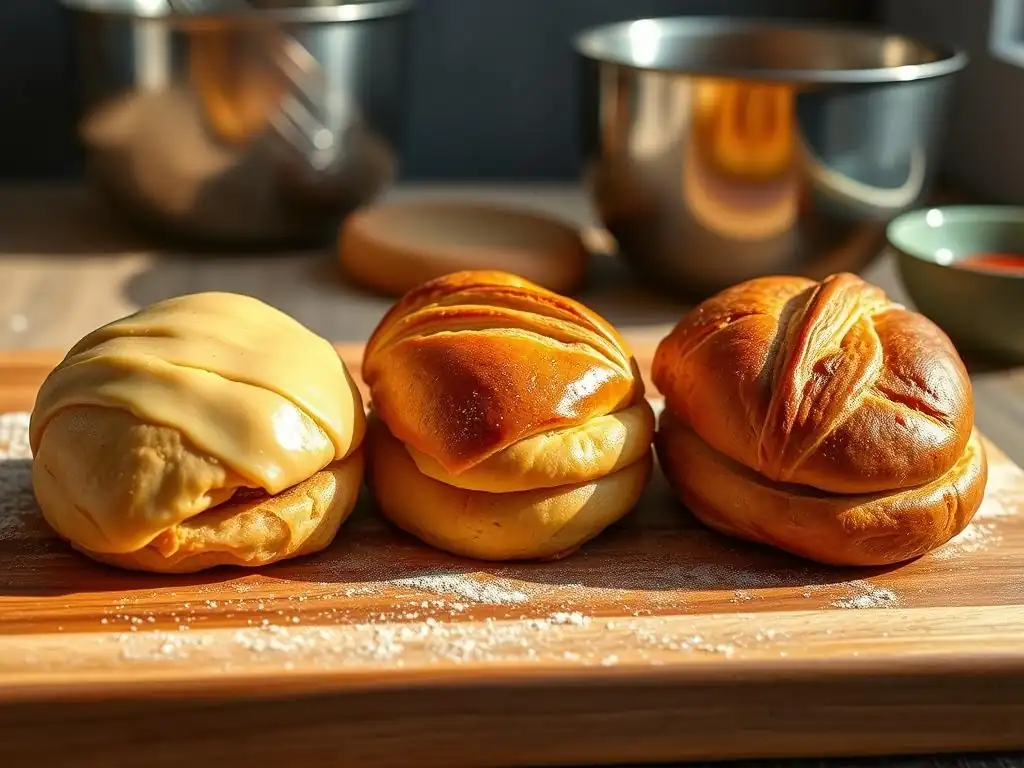
One of the most common frustrations when applying a golden egg wash on pain au chocolat is ending up with streaks or patches of uneven color. This is often caused by an improperly mixed or unstrained egg wash containing clumps of yolk or chalazae. Solution: Ensure your egg wash is thoroughly whisked until completely homogenous and consider straining it through a fine-mesh sieve before use.
Another cause is uneven application – either not enough wash in certain areas or too much pressure with the brush, pushing the wash into the dough rather than coating the surface. Solution: Use a soft brush and a very light, even stroke across the entire surface. Dip the brush frequently to ensure it has enough wash to coat without dragging. Applying two thin coats instead of one thick one can also help achieve a more uniform finish.
Egg Wash Pooling: Preventing Soggy Bottoms
Egg wash pooling, especially in the crevices of the pastry or around the base, is a problem that can lead to dark, burnt spots or a soggy crust after baking. This happens when too much egg wash is applied, and excess liquid collects in low spots. Solution: Always tap or wipe the excess egg wash off your brush before applying it to the pastry. You only need a thin, even layer to achieve a beautiful golden egg wash.
If you notice pooling after applying the wash but before baking, you can gently use the corner of a paper towel or a small, clean brush to carefully wick away the excess from the problematic areas. Be extremely gentle so as not to disturb the proofed dough. Preventing pooling during application is the best approach.
Darkening Too Quickly: Adjusting Oven Temperature
Sometimes, the golden egg wash on pain au chocolat can go from perfectly golden to burnt brown very rapidly in the oven. This usually indicates that the oven temperature is too high or the pastries are placed too close to a heating element. The sugars and proteins in the egg wash caramelize and brown quickly at high heat. Solution: Ensure your oven is calibrated and baking at the correct temperature specified in your recipe, typically around 350-400°F (175-200°C).
If the tops are browning too fast while the rest of the pastry still needs to bake, you can loosely tent the pain au chocolat with aluminum foil. This shields the top from direct radiant heat, slowing down the browning process and allowing the interior to cook through without the egg wash burning. Monitoring your pastries closely during the final stages of baking is key.
Baking Your Pain au Chocolat: Ensuring the Egg Wash Sets Properly
Oven Temperature and Baking Time: Finding the Sweet Spot
Baking temperature and time are critical for developing that beautiful golden egg wash and ensuring your pain au chocolat is cooked through with a flaky interior. Most pain au chocolat recipes call for baking at temperatures between 350°F and 400°F (175°C to 200°C). Lower temperatures (around 350°F) allow for more even cooking and browning, giving you more control over the final color of the golden egg wash. Higher temperatures (closer to 400°F) result in faster baking and a crispier crust, but require closer monitoring to prevent burning.
Baking time typically ranges from 15 to 25 minutes, depending on the size of your pastries and your oven. The pain au chocolat is ready when it is puffed, feels light for its size, and the golden egg wash has achieved a rich, uniform golden brown color across the entire surface. Using an oven thermometer can help verify your oven's actual temperature, as they can often vary significantly from the dial setting.
Monitoring the Color: Preventing Burning
Constant vigilance is required during the last 5-10 minutes of baking to ensure your golden egg wash doesn't burn. The transition from perfectly golden to burnt can happen very quickly. Keep an eye on the color development through your oven door. The edges and tips of the pain au chocolat may brown slightly faster than the flatter surfaces.
If you notice the tops are reaching your desired golden brown color but the pastries don't seem fully baked, use the aluminum foil tenting method mentioned earlier. This allows the interior to continue cooking without further darkening the top. Don't be afraid to pull one pastry out a minute or two early to check its internal structure and color underneath if you are unsure.
Achieving a Shiny, Even Finish: Tips and Tricks
Beyond just color, a beautiful golden egg wash on pain au chocolat should also have an appealing shine. This shine comes from the protein and fat in the egg wash setting on the surface. Using a wash with a higher proportion of yolk or adding a touch of milk/cream can enhance shine compared to using just egg white or water.
Ensuring the egg wash is applied thinly and evenly is the primary technique for a smooth, shiny finish. Avoid drips or thick spots. Baking at the correct temperature also helps the wash set properly without cracking or becoming dull. Some bakers brush the hot pain au chocolat immediately after it comes out of the oven with a very thin layer of melted butter or simple sugar syrup (equal parts sugar and water, boiled until dissolved) for an extra layer of shine, although this is separate from the initial golden egg wash application.
Alternative Egg Wash Options for Pain au Chocolat
Milk Wash: A Dairy-Free Alternative
For those avoiding eggs or looking for a less intense color, a simple milk wash is a viable alternative for pain au chocolat. While it won't achieve the deep golden brown of an egg wash, milk contains lactose (a sugar) and some protein which will still contribute to some browning and a soft crust. Whole milk will provide slightly more browning than lower-fat milk due to its fat content.
To use, simply brush the proofed pain au chocolat with milk. The result will be a paler, matte finish compared to an egg wash, perhaps a light tan or pale golden hue depending on the milk and baking time. It's a good option if the primary goal is a slightly crisp crust and some surface browning without the rich color of an egg-based wash.
Sugar Syrup Wash: For Extra Shine
A sugar syrup wash is often used after baking to add significant shine, but a dilute sugar syrup can also be brushed on before baking, sometimes in combination with another wash or on its own. A simple syrup made from equal parts sugar and water, heated until the sugar dissolves and then cooled, can be brushed onto the proofed pastries.
Applied before baking, a sugar syrup wash will contribute to caramelization, resulting in a darker, often slightly glossy, finish. It is particularly effective at creating a shiny surface. However, it can also make the crust slightly sticky and, if too concentrated or applied too thickly, can lead to burning. It's best used sparingly or in conjunction with another wash for modulated results on your pain au chocolat.
Butter Wash: Enhancing Flavor and Color
Melted butter can also be used as a wash for pastries. Brushing melted butter onto proofed pain au chocolat contributes fat, which enhances flakiness and helps with browning. It also imparts a rich, buttery flavor to the crust. This wash tends to create a more rustic, less uniformly shiny finish compared to an egg wash.
Melted butter encourages browning through the Maillard reaction and caramelization of milk solids present in the butter. It often results in a pleasant golden-brown color, though typically not as deep or vibrant as a yolk-heavy egg wash. It's a simple and flavorful alternative, particularly if you want to emphasize the butteriness of the laminated dough.
Achieving the Perfect Golden Brown: Final Thoughts and Tips for Pain au Chocolat Success
Practice Makes Perfect: Don't Be Afraid to Experiment
Mastering the golden egg wash on pain au chocolat, like any baking technique, improves with practice. Your first attempt might not be perfect, and that's okay! Pay attention to the results: Was the color too pale? Too dark? Streaky? Soggy spots? Use each bake as a learning opportunity.
Experiment with the ratio of yolk to white, the type and amount of liquid, and the application technique. Try a single thin coat versus a double coat. Adjust your oven temperature slightly if you're consistently having issues with burning or insufficient browning. Keep notes on what works best with your specific ingredients and oven. With a little patience and experimentation, you'll soon find your signature method for achieving the perfect golden egg wash pain au chocolat.
We love seeing what our BakeWithEase community creates! The journey to the perfect golden egg wash on pain au chocolat is a rewarding one, and the result is a pastry worth celebrating. Take photos of your beautifully baked pain au chocolat with their glorious golden finish.
Whether you've nailed the technique using our guide or discovered your own tweak, share your successes! Your experiences and results can inspire other bakers in the BakeWithEase community. Happy baking, and may your pain au chocolat always bake up golden and delicious!
Frequently Asked Questions
How important is the egg wash for Pain au Chocolat, really?
The egg wash is crucial for achieving that signature golden color and shine. It also helps to seal the pastry, preventing it from drying out during baking and adding a slight richness.
What's the best type of egg to use for an egg wash on Pain au Chocolat?
While a whole egg can be used, many bakers prefer just the egg yolk for a richer color. Adding a touch of cream or milk can also improve the spreadability and shine.
At what stage of the baking process should I apply the egg wash?
Apply the egg wash right before baking. A second, lighter coat after the initial bake for a few minutes can provide an extra glossy finish, if desired.
How do I prevent the egg wash from dripping and pooling on my baking sheet?
Use a light hand when applying the egg wash. Avoid over-saturating the pastry and ensure even coverage with a soft-bristled brush.
What if I don't have eggs? Are there any alternatives for an egg wash?
Yes, you can use milk or cream alone for a subtle browning. Alternatively, a mixture of melted butter and sugar can provide a similar effect, though the color may be slightly different.
Final Reflection: The Enduring Allure of the Perfect Glaze
The quest for the perfect golden egg wash on pain au chocolat transcends mere aesthetics; it's a testament to the power of meticulous technique and the enduring appeal of artisanal baking. Achieving that rich, glossy sheen isn't just about following a recipe; it's about understanding the interplay of ingredients, temperature, and timing – a delicate dance that elevates a simple pastry to a work of art. This pursuit, as we've explored, is deeply connected to the sensory experience of enjoying this beloved treat.
The impact of a flawlessly executed egg wash extends far beyond the individual pastry. It speaks to a broader appreciation for craftsmanship and the details that elevate the ordinary to the extraordinary. The pursuit of this seemingly small detail reflects a larger cultural shift towards valuing quality, authenticity, and the satisfaction derived from mastering a skill. The details are not the details. They make the design.
- Charles Eames. This quote perfectly encapsulates the importance of the seemingly insignificant elements in achieving true excellence in baking, and in life.
Now, consider your own baking journey. Perhaps you've already experimented with different egg wash techniques, or maybe this article has inspired you to try. I encourage you to embrace the challenge, to experiment with variations, and to find your own perfect golden ratio.
Don't be afraid to fail; each attempt brings you closer to mastering this culinary art. The journey towards the perfect golden egg wash is a rewarding one, mirroring the journey of self-discovery and the pursuit of excellence in any endeavor. So, grab your whisk, your eggs, and your pain au chocolat, and let the golden journey begin!
Unlock Your Inner Pâtissier: Master the Golden Egg Wash!
Thanks for taking the time to elevate your pain au chocolat game! You've now got the secret weapon for that irresistible shine and rich color. Ready to put your newfound knowledge to the test?
- Bake a batch of pain au chocolat TODAY! Use your newly mastered egg wash technique and impress yourself (and everyone else! ).
- Share your golden-crusted creations on social media and tag us @BakeWithEase – we’d love to see your results!
- Consider experimenting with different egg wash variations – try adding a touch of cream or even a splash of milk. What unique flavor twist will you discover?
So, tell us: what's your favorite pain au chocolat pairing – coffee, tea, or perhaps a glass of something bubbly?