
Basic Sourdough: The Role of Salt in Your Recipe Explained

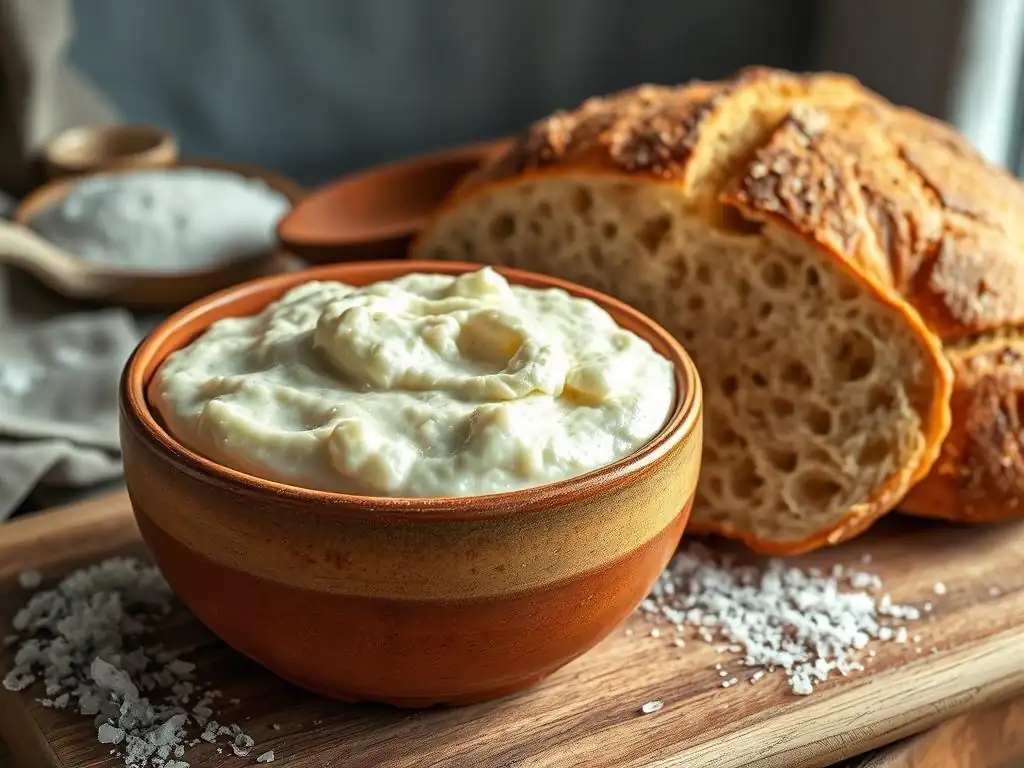
Welcome to BakeWithEase! Ever wondered how just a pinch can make or break your sourdough? Dive into our exploration of salt sourdough starter recipe basics and unlock the secret to perfectly balanced flavor and texture. Discover how salt impacts fermentation, gluten development, and ultimately, the success of your sourdough journey. Ready to elevate your baking game? Let's get started!
- The Baker's Edge: Understanding Salt's Vital Role in Sourdough Baking
- Why Salt is Essential for Sourdough Bread
- Salt's Influence on Sourdough Dough Properties and Structure
- The Right Amount of Salt: Dosage and Measurement
- When to Add Salt to Your Sourdough: Timing is Key
- Different Types of Salt for Sourdough: Choosing the Best Option
- Troubleshooting Sourdough Issues Related to Salt
- Salt and Sourdough Starter Activity: Maintaining a Healthy Starter
- Advanced Techniques: Exploring Salt-Related Sourdough Variations
- Conclusion: The Indispensable Role of Salt in Sourdough
-
Frequently Asked Questions
- What is the primary role of salt in a sourdough starter recipe?
- How much salt should I add to my sourdough starter recipe?
- Can I omit salt from my sourdough starter recipe entirely?
- Does the type of salt I use matter in a sourdough starter recipe?
- What happens if I add too much salt to my sourdough starter recipe?
- Final Reflection: The Unsung Hero of Sourdough – Salt
- Unleash the Power of Salt: Elevate Your Sourdough!
The Baker's Edge: Understanding Salt's Vital Role in Sourdough Baking
Welcome to The Baker's Edge: Mastering Sourdough Techniques
Welcome back to BakeWithEase! Today, we're diving deep into a fundamental ingredient in your basic sourdough recipe: salt. While it might seem like a simple addition, salt plays a surprisingly complex and crucial role in transforming flour and water into that perfect loaf with a crispy crust and chewy interior. Understanding the basics of using salt in your sourdough starter recipe and subsequent dough is key to consistent, delicious results.
Whether you're just starting out with your first sourdough starter or looking to refine your techniques, getting the salt right is non-negotiable. We'll explore how salt impacts everything from flavor and texture to the dough's structure and fermentation process. By the end of this guide, you'll have a solid understanding of why salt is so much more than just a seasoning in your sourdough journey.
Why Salt is Essential for Sourdough Bread
The Fundamental Importance of Salt in Sourdough Baking
Salt, chemically sodium chloride, is a powerhouse ingredient in baking, especially in complex doughs like sourdough. Its primary functions extend far beyond mere taste enhancement. Salt significantly affects gluten development, controls the rate of fermentation, and influences the dough's hydration and structure. Without the correct amount of salt, your sourdough dough would be a sticky, unruly mess that spreads rather than holds its shape.
Think of salt as the architect of your dough's physical properties. It tightens the gluten network, making the dough stronger and more elastic. This improved structure is vital for trapping the gases produced by your sourdough starter during fermentation and proofing, which ultimately gives the bread its rise and open crumb structure. A basic sourdough recipe relies heavily on this structural support provided by salt.
Salt's Impact on Sourdough Flavor Development
Beyond its structural contributions, salt is absolutely critical for developing the characteristic flavor of sourdough bread. It enhances the natural tang produced by the lactic acid bacteria in your sourdough starter, balancing the sour notes and bringing out the subtle sweetness of the fermented flour. Without salt, bread can taste bland and one-dimensional, regardless of how well the fermentation goes.
Consider a typical sourdough loaf made with approximately 2% salt (relative to the flour weight). This seemingly small percentage has a profound impact. It doesn't just make the bread "salty"; it makes it taste more like bread. The salt interacts with other flavor compounds created during fermentation and baking, creating a more complex and appealing profile. It's the difference between flat notes and a full symphony of flavor in your basic sourdough starter recipe outcomes.
Salt's Influence on Sourdough Dough Properties and Structure
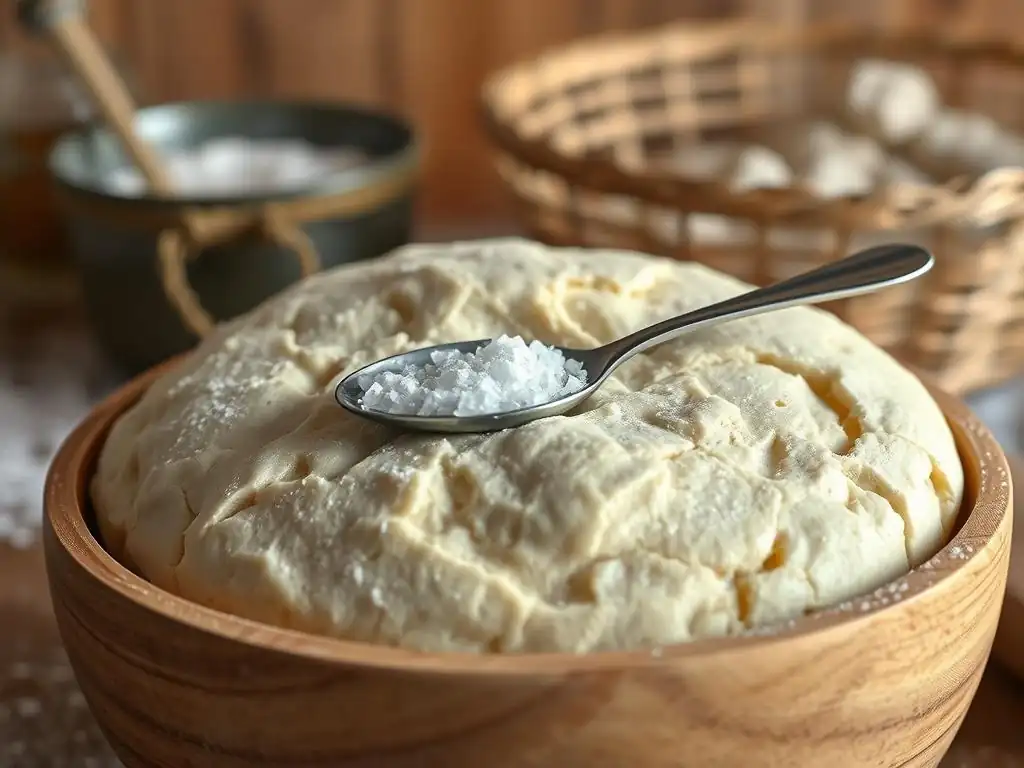
Salt's Role in Gluten Development in Sourdough
Salt plays a vital role in strengthening the gluten network within your sourdough dough. When salt is added to the dough, it attracts water molecules, making less water available for the flour proteins (glutenin and gliadin) to absorb initially. However, as the dough is mixed and rested, the salt's presence causes the gluten proteins to bond more tightly and efficiently.
This process, often called "salt's tightening effect," results in a stronger, more cohesive, and less sticky dough. A well-developed gluten network, aided by salt, is essential for trapping the carbon dioxide produced by the yeast in your sourdough starter. This trapped gas is what causes the dough to rise during bulk fermentation and proofing, leading to a well-aerated crumb structure in the final loaf.
Controlling Sourdough Fermentation with Salt: A Balancing Act
Salt acts as a moderator for the fermentation process driven by the yeast and bacteria in your sourdough starter. It slows down yeast activity, which is crucial for controlling the rate of rise and allowing longer fermentation periods. Longer fermentation times give the complex flavors of sourdough a chance to develop fully.
If you were to make sourdough without salt, fermentation would proceed much too quickly. The yeast would produce gas rapidly, but the underdeveloped gluten network (due to lack of salt) wouldn't be strong enough to hold it, leading to a dough that collapses easily. Salt helps create a harmonious balance, allowing the yeast to work steadily while the gluten network strengthens simultaneously, resulting in optimal flavor development and structure.
Salt's Effect on Sourdough Dough Texture and Elasticity
Beyond gluten development, salt directly impacts the final texture and elasticity of the sourdough dough. A dough with the correct amount of salt will feel smooth, elastic, and manageable. It will stretch without tearing easily, exhibiting good extensibility.
Conversely, dough without enough salt can feel slack, sticky, and difficult to handle. Dough with too much salt can feel overly stiff and less extensible. Achieving the right balance ensures that the dough is pleasant to work with during shaping and that it maintains its structure during proofing and baking, contributing to a desirable crumb texture and oven spring. Understanding this is part of the basics of a great salt sourdough starter recipe.
The Right Amount of Salt: Dosage and Measurement
Determining the Ideal Salt Percentage in Your Sourdough
For most basic sourdough recipes, the ideal salt percentage is typically between 1.8% and 2.2% of the total flour weight. This range provides the optimal balance between flavor enhancement, gluten development, and fermentation control. Some bakers prefer slightly higher or lower percentages based on personal taste or specific flour types, but staying within this general range is a reliable starting point.
To calculate the amount of salt needed, multiply the total weight of flour in your recipe by the desired salt percentage (as a decimal). For example, if your recipe uses 500 grams of flour and you aim for 2% salt, you would need 500 g * 0.02 = 10 g of salt. This precise calculation ensures consistency in your salt sourdough starter recipe results.
Measuring Salt Accurately for Consistent Sourdough Results
Accurate measurement of salt is crucial for consistent sourdough baking. Using a digital scale is highly recommended for measuring salt by weight, as volume measurements (like teaspoons or tablespoons) can vary significantly depending on the type and grain size of the salt. A slight variation in salt percentage can noticeably impact fermentation speed and flavor.
For instance, a recipe calling for 10 grams of salt might be roughly equivalent to 1.5 teaspoons of fine table salt but closer to 2.5 teaspoons of flaky sea salt. Relying on volume could mean your actual salt content is off by 20-30% or more, leading to unpredictable outcomes. For reliable basic sourdough starter recipe results, always weigh your salt.
When to Add Salt to Your Sourdough: Timing is Key
Adding Salt Early vs. Late in the Sourdough Process: Pros and Cons
There are varying opinions on the best time to add salt to sourdough dough. Some bakers advocate adding it right at the beginning with the flour and water (autolyse excluded), while others prefer adding it after the initial mixing or even after the autolyse phase. Adding salt too early can potentially slow down the initial hydration of the flour, but this effect is often negligible when salt is added after the autolyse.
Adding salt late, such as after a period of bulk fermentation, is sometimes done in specific techniques (like salt-laminated doughs) or to allow the dough to develop gluten more freely in the initial stages. However, for a standard basic sourdough recipe, incorporating salt during the main mixing phase is the most common and reliable approach.
The Preferred Method: Incorporating Salt During Sourdough Mixing
The most widely adopted and recommended method for adding salt in basic sourdough recipes is to incorporate it during the main mixing phase, typically after the flour and water have been brought together (and after autolyse, if using one). This allows the flour to hydrate sufficiently before the salt's tightening effect begins.
Often, the sourdough starter is mixed with water, then the flour is added. After a brief mix to combine, the dough might rest for an autolyse period (20-60 minutes). Following the autolyse, the salt is added, and the dough is mixed thoroughly, often with a small amount of reserved water, to ensure even distribution. This timing allows the salt to immediately begin its work on the developing gluten network and influence fermentation from the start of the bulk fermentation period.
Different Types of Salt for Sourdough: Choosing the Best Option
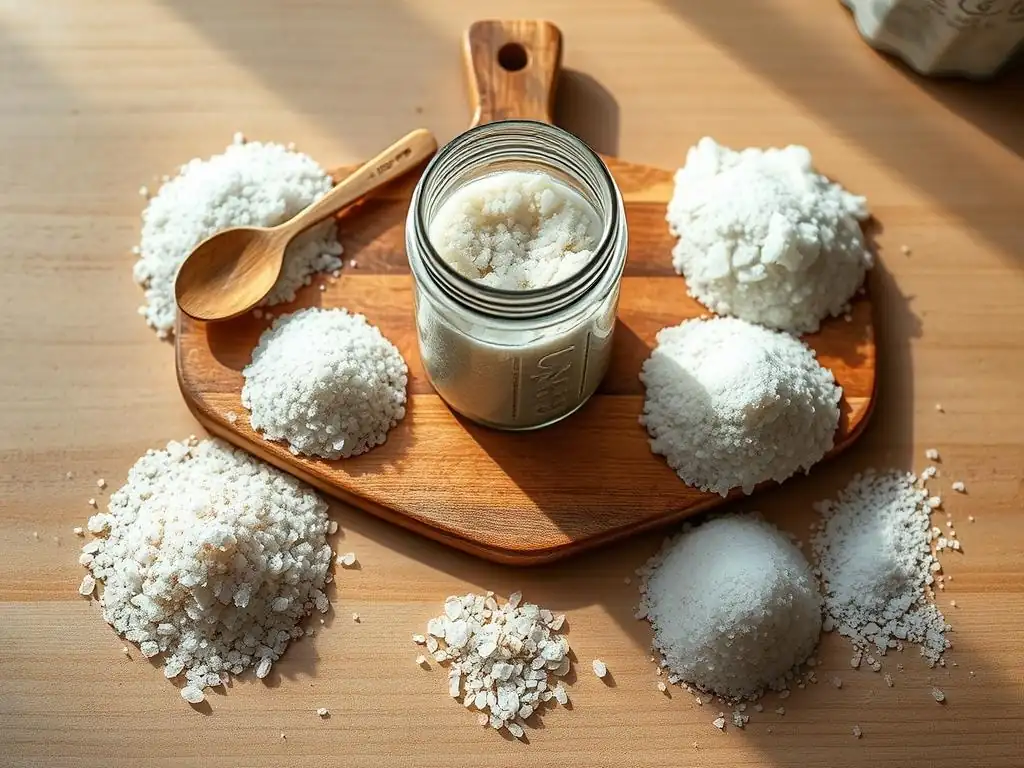
Table Salt vs. Sea Salt vs. Kosher Salt: Which is Best for Sourdough?
The type of salt you use can subtly affect your sourdough. Common options include table salt, kosher salt, and various types of sea salt. Table salt is typically fine-grained, often contains anti-caking agents and sometimes iodine. Kosher salt has a larger, flakier crystal structure and usually contains no additives. Sea salt comes in various forms, from fine to coarse flakes, and contains trace minerals that can impart subtle flavor nuances.
For most basic sourdough recipes, the type of salt matters less than the weight of salt used. However, bakers often prefer kosher or sea salt because they dissolve readily, typically lack additives that could potentially interact with the starter, and many find their flavor cleaner. If using iodized table salt, some purists worry the iodine might slightly inhibit the starter, though this effect is often minimal in standard concentrations.
How Salt Type Affects Sourdough Flavor and Dough Performance
While the primary role of salt (gluten strengthening, fermentation control) is driven by the sodium chloride content, the trace minerals in unrefined sea salts can contribute a subtle depth of flavor. Some bakers swear by specific sea salts for their unique taste profiles.
More importantly, the grain size of the salt affects how quickly it dissolves and distributes in the dough. Fine salts dissolve almost instantly, while coarser salts might take longer during mixing or require a small amount of extra water to help them integrate smoothly. This is why weighing your salt is paramount – 10 grams of fine salt is functionally the same amount of sodium chloride as 10 grams of coarse salt, even though they occupy vastly different volumes. For reliable salt sourdough starter recipe results, focus on weight.
Too Much Salt in Sourdough: Effects and Remedies
Using too much salt in your sourdough can have several negative consequences. The dough will likely feel very stiff and difficult to work with due to excessive gluten tightening. Fermentation will be significantly slowed, potentially leading to a dense loaf with poor rise. The final bread will taste excessively salty, masking the delicate sourdough flavors.
If you realize you've added too much salt before bulk fermentation, you might be able to calculate the excess and add a proportional amount of extra flour and water to rebalance the recipe. This is tricky and can affect dough consistency. If you discover it after baking, unfortunately, there's no fix for the baked loaf's flavor, though you might use it for croutons or breadcrumbs where the saltiness is less problematic. Prevention through accurate weighing is key for your salt sourdough starter recipe basics.
Not Enough Salt in Sourdough: Consequences and Solutions
A common issue when learning the basics of a salt sourdough starter recipe is using too little salt. Dough with insufficient salt will be slack, sticky, and lack structure. It will spread out rather than hold its shape during bulk fermentation and proofing. Fermentation will proceed too quickly, potentially leading to a dense, gummy crumb because the weak gluten network couldn't trap gases effectively. The final bread will be bland and may have an unbalanced, overly sour flavor.
If you realize you've forgotten the salt or used too little during mixing or early bulk fermentation, you can dissolve the calculated amount of missing salt in a tiny bit of water and gently knead or fold it into the dough until fully incorporated. This is easier early in the process. If you discover the error after significant fermentation or baking, there's no way to add structure back, and the flavor will be compromised.
Adjusting Salt Levels Based on Hydration and Flour Type
While 1.8-2.2% is a standard range, you might adjust salt slightly based on your recipe's hydration and the type of flour used. Higher hydration doughs (e.g., 80% hydration or more) can sometimes handle a slightly higher salt percentage (towards 2.2%) as the extra water helps distribute the salt and manage its tightening effect.
Conversely, very low hydration doughs might benefit from being on the lower end of the range (towards 1.8%). Different flours also absorb water differently. As you gain experience with your specific flour and hydration levels, you might fine-tune your salt percentage by a tenth of a percent or two to achieve your desired dough handling characteristics and flavor profile. This level of detail comes with mastering the basics of your salt sourdough starter recipe.
Salt and Sourdough Starter Activity: Maintaining a Healthy Starter

How Salt Impacts the Yeast and Bacteria in Your Sourdough Starter
It's crucial to understand that you should not add salt directly to your active sourdough starter itself when feeding it or maintaining it. Salt is a fermentation inhibitor. While beneficial in the final dough to control fermentation speed, adding it to your starter culture would significantly slow down or even kill the yeast and bacteria responsible for its leavening power and flavor.
A healthy, active sourdough starter thrives on a simple diet of flour and water. Introducing salt at this stage is counterproductive to maintaining a vigorous culture. The salt is added only when you are mixing the dough for baking, combining a portion of your active starter with the main batch of flour and water.
Using Salt to Control Sourdough Starter Acidity
While salt is not added to the starter culture, the level of acidity in your starter (which is influenced by its feeding schedule and maturity) can interact with salt in the final dough. A very acidic starter might make the dough feel slightly weaker initially, and the salt helps counteract this by strengthening the gluten.
However, salt itself isn't used to control the starter's acidity. Acidity is controlled by factors like feeding ratio (e.g., 1:1:1 vs. 1:2:2), temperature, and the time between feedings. A well-maintained starter, used at its peak, will contribute optimal leavening and flavor, and the salt in the dough will then perform its intended functions effectively alongside the starter's activity. Getting the basics right for your salt sourdough starter recipe means keeping the salt out of the starter jar.
Salt-Laminated Sourdough: A Unique Baking Experience
Salt lamination is an advanced sourdough technique where salt is sprinkled over the dough during a lamination fold. This technique involves stretching the dough into a thin rectangle and folding it multiple times, similar to making puff pastry. Sprinkling salt between layers during one of these folds ensures even distribution and can contribute to specific crumb characteristics.
This method allows the salt to interact with the gluten network in the stretched layers, potentially promoting a more open crumb structure in certain areas. It's a technique used by experienced bakers to experiment with dough handling and texture, going beyond the basics of a typical salt sourdough starter recipe.
Utilizing Salt in Baguettes and Focaccia for Enhanced Flavor
Salt plays a crucial role in shaping the specific characteristics of different bread types. In baguettes, the precise amount of salt (often around 2%) is critical for developing the desired crisp crust, chewy interior, and nuanced flavor profile that complements the simple ingredients. The salt helps control the rapid fermentation often used in baguette doughs.
For focaccia, salt is not only mixed into the dough but also traditionally sprinkled generously over the top before baking, often alongside olive oil. This surface salt provides bursts of flavor in each bite and helps create a wonderfully crispy crust. The interaction of salt, oil, and dough contributes significantly to the signature taste and texture of a classic focaccia, showcasing salt's versatility in different sourdough applications.
Conclusion: The Indispensable Role of Salt in Sourdough
Mastering Salt in Your Sourdough: Achieving Perfect Bakes
As we've explored, salt is far from a minor ingredient in your basic sourdough recipe. It is a fundamental component that influences flavor, texture, dough strength, and fermentation control. Mastering the correct dosage and timing of salt addition is a critical step in achieving consistent, high-quality sourdough loaves.
Paying attention to the weight of your salt, understanding how it interacts with gluten and your sourdough starter, and recognizing the signs of too much or too little salt are all part of the journey to becoming a confident sourdough baker. Embrace the science behind this simple ingredient, and you'll unlock new levels of flavor and structure in your bakes.
Your Path to Sourdough Success
By understanding the basics of salt in your sourdough starter recipe and its role throughout the process, you are well on your way to sourdough success. Don't underestimate the power of this humble crystal. Experiment within the recommended range, pay attention to how your dough feels, and taste the difference that proper salt inclusion makes. Happy baking!
Frequently Asked Questions
What is the primary role of salt in a sourdough starter recipe?
Salt plays a vital role in controlling the fermentation process and gluten development. It helps strengthen the dough and improve the flavor of the final sourdough bread.
How much salt should I add to my sourdough starter recipe?
Generally, a ratio of about 2% salt to flour is recommended. This helps to moderate the yeast activity and enhance the taste without inhibiting the rise too much.
Can I omit salt from my sourdough starter recipe entirely?
While technically possible, omitting salt will significantly impact the bread. It can lead to over-fermentation, a weak gluten structure, and a less flavorful loaf.
Does the type of salt I use matter in a sourdough starter recipe?
While any salt will work, sea salt or kosher salt are often preferred. They dissolve easily and don't contain additives that might affect the fermentation process or flavor profile.
What happens if I add too much salt to my sourdough starter recipe?
Too much salt can inhibit the yeast activity, resulting in a slow or incomplete rise. It can also lead to a denser, less flavorful bread.
Final Reflection: The Unsung Hero of Sourdough – Salt
The perfect sourdough loaf isn't just about the starter; it's about the delicate balance of ingredients, and salt plays a far more crucial role than many realize. Understanding the impact of salt on your sourdough recipe isn't just about taste; it's about unlocking the full potential of your starter and achieving that perfect crumb. Ignoring this fundamental element can lead to a disappointing final product, highlighting the importance of mastering this seemingly simple ingredient.
The journey of understanding salt's role in sourdough has been a fascinating one for me. It's not just about enhancing flavor, but about controlling fermentation, strengthening gluten development, and even influencing the final texture. Salt is the soul of food,
a culinary adage rings true, especially in the precise world of sourdough baking. The subtle nuances of salt concentration, from retarding fermentation to enhancing the flavor profile of the final loaf, are a testament to the power of this seemingly simple ingredient. It's a reminder that even the smallest details can have a profound impact on the final outcome.
Now, it's your turn to experiment. Don't be afraid to adjust the salt levels in your next sourdough recipe, paying close attention to the changes in fermentation rate, dough texture, and the final taste. Embrace the subtle art of salt in sourdough baking and unlock the potential to create truly exceptional loaves. The journey of mastering sourdough is a continuous process of learning and refinement, and understanding the role of salt is a crucial step in that journey. So, grab your measuring spoons, your sourdough starter, and embark on your own exploration of this unsung hero of sourdough baking.
Unleash the Power of Salt: Elevate Your Sourdough!
Thanks for taking the time to explore the fascinating world of sourdough salt! You've now unlocked a key ingredient to baking incredible bread. Ready to put your newfound knowledge into practice?
- Bake your best loaf yet: Try adjusting the salt levels in your next sourdough recipe based on what you learned today. Even a small tweak can make a big difference!
- Share your sourdough journey: Show us your results! Post a picture of your perfectly salted loaf on social media and tag #BakeWithEaseSourdough.
- Experiment with different salts: Explore the subtle flavor variations different types of salt can bring to your sourdough. Which one will become your new favorite?
What unique salt will you experiment with in your next sourdough bake?