
Don't Discard Yet! When to Use Your Starter for Baking

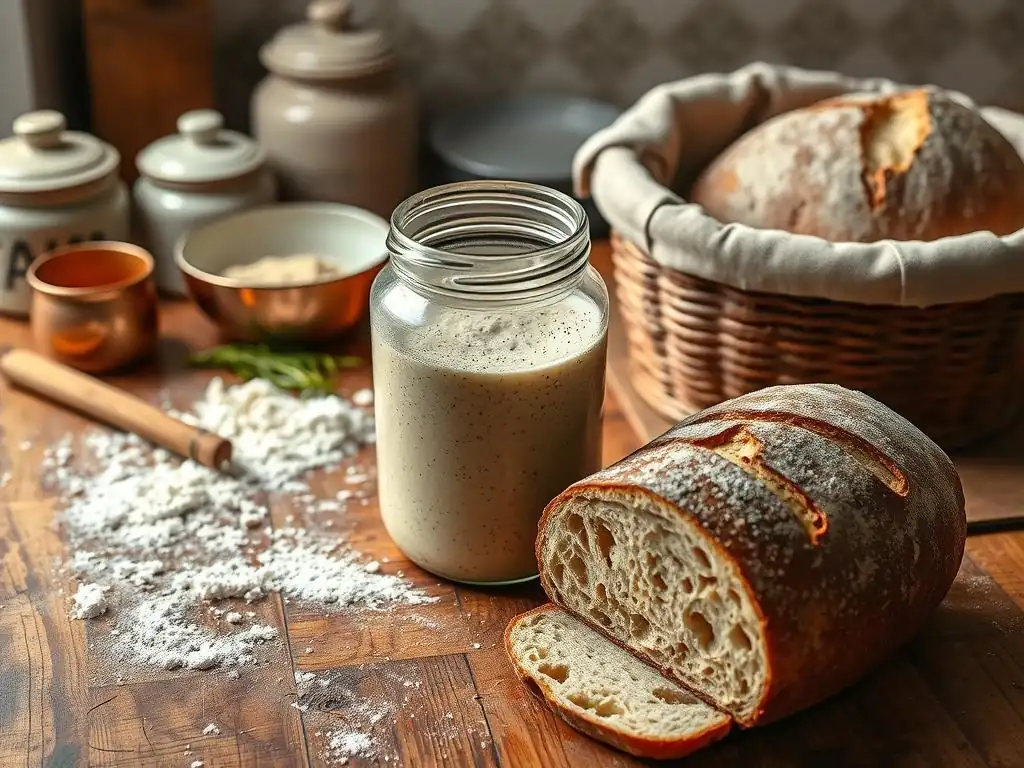
Welcome to BakeWithEase, your companion on the delicious journey of baking! Ever wondered about the perfect moment to harness the tangy power of your sourdough starter? Don't let it languish! This guide unlocks the secrets of when to use sourdough starter for optimal flavor and rise, transforming your baking from good to unforgettable. Read on to discover the baker's wisdom behind this essential ingredient and elevate your creations today!
- Don't Discard Yet! When to Use Your Sourdough Starter for Baking
- Understanding Your Sourdough Starter: A Baking Essential
- Optimal Timing: When to Use Your Sourdough Starter
- Stages of Sourdough Starter Activity and Their Baking Applications
- Troubleshooting: Factors Affecting Starter Activity
- Sourdough Starter Discard: Alternatives to Throwing It Away
- Beyond the Basics: Advanced Techniques with Sourdough Starter
- Conclusion: Maximizing Your Sourdough Baking Potential
- Frequently Asked Questions
- Final Reflection: The Unexpected Power of a Little Patience
- Unlock Your Baking Potential: Mastering the Starter
Don't Discard Yet! When to Use Your Sourdough Starter for Baking
Understanding when to use sourdough starter is perhaps the most crucial skill for successful sourdough baking. Unlike commercial yeast, a starter is a living culture whose activity fluctuates based on various factors. Learning to read your starter's cues will dramatically improve your baking results, ensuring consistent rise, flavor, and texture in your bread and pastries.
Understanding Your Sourdough Starter: A Baking Essential
A sourdough starter is more than just flour and water; it's a dynamic ecosystem of wild yeast and beneficial bacteria. These microorganisms work together to ferment the dough, producing carbon dioxide gas that makes bread rise, and organic acids that contribute to the characteristic tangy flavor and improve the bread's keeping qualities. Properly understanding its behavior is key to knowing when to use sourdough starter effectively.
What is Sourdough Starter and Why It Matters?
At its core, a sourdough starter is a fermented mix of flour and water, typically maintained by regular feeding. The wild yeasts present in the flour and air consume the sugars in the flour, producing ethanol and carbon dioxide. Simultaneously, lactic acid bacteria (LAB) metabolize sugars to produce lactic and acetic acids. This symbiotic relationship creates a leavening agent that imparts unique flavors and textures unattainable with commercial yeast alone. Knowing precisely when to use sourdough starter means tapping into this fermentation process at its most vigorous point.
The health and activity of your starter directly impact your bake. A weak or inactive starter will result in dense, flat loaves, while a vibrant, bubbly one provides the lift needed for airy crumbs and beautiful oven spring. Beyond leavening, the acids produced by the LAB contribute significantly to the bread's aroma, taste, and even its nutritional profile, making the timing of its use paramount for achieving exceptional sourdough.
Recognizing the Signs of an Active Starter
An active and ready-to-use sourdough starter exhibits several clear signs. Visually, it should be significantly increased in volume since its last feeding, often doubling or even tripling in size within a few hours, depending on temperature and hydration. The surface should be covered in bubbles, and the sides of the jar will show visible air pockets.
Beyond appearance, an active starter has a pleasant, tangy aroma – not overwhelmingly alcoholic or like nail polish remover (which can indicate it's gone too long without feeding). When stirred, it should feel light and airy, not dense or gluey. These indicators are your primary tools for assessing when to use sourdough starter for your baking projects, helping you decide if it's at its peak performance.
Optimal Timing: When to Use Your Sourdough Starter
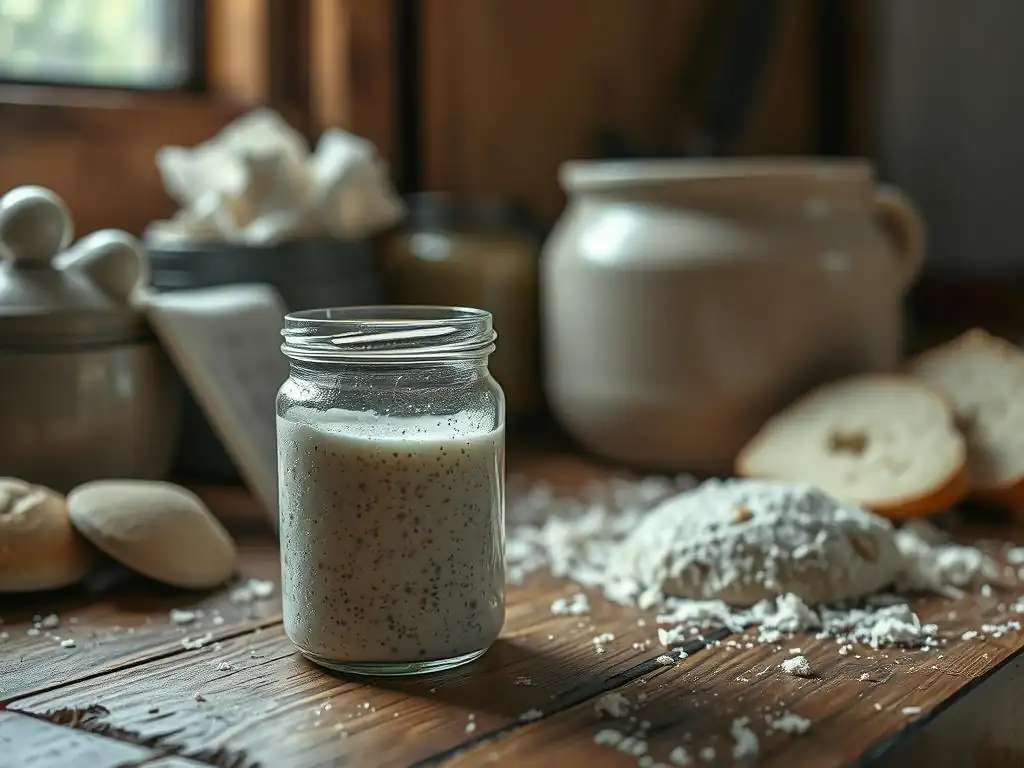
The "optimal time" to use your sourdough starter is generally when it is at its peak activity – the point where it has risen significantly after feeding and is just beginning to show signs of wanting to collapse. However, different recipes can call for starter at slightly different stages, so understanding the timing is flexible depending on your desired outcome.
The Float Test: A Simple Way to Check Starter Activity
A common and helpful test to determine if your starter is ready is the float test. To perform this, gently take a small amount (about a teaspoon) of your starter and drop it into a glass of room-temperature water. If the starter floats on the surface, it is generally considered active enough to leaven bread. This indicates it contains a sufficient amount of trapped carbon dioxide gas.
If the starter sinks to the bottom, it typically means it hasn't built up enough gas yet, or it has peaked and started to deflate, losing its buoyancy. While not foolproof – a very wet starter might sink even if active – the float test is a quick, visual cue that helps bakers decide when to use sourdough starter for their main dough. It's a good initial check before committing to a large batch of dough.
Understanding the Peak of Sourdough Starter Activity
The "peak" of your sourdough starter's activity is the point at which it has reached its maximum volume after being fed. This usually occurs several hours after feeding, often between 4 to 12 hours, depending heavily on the ambient temperature and the hydration level of your starter. At its peak, the starter is full of vigorous yeast activity and contains a balanced level of acids, making it ideal for leavening bread that requires a strong rise.
Using your starter right at its peak ensures you are harnessing the maximum leavening power available. The starter will be bubbly, domed, and may just be starting to show tiny signs of deflation around the edges. This sweet spot is when to use sourdough starter for recipes like classic sourdough loaves, where a strong, sustained rise is essential for a good crumb structure and oven spring.
The Doubling Test: Assessing Starter Volume
Beyond the float test, observing the volume increase of your starter after feeding is a more precise way to gauge its activity and determine when to use sourdough starter. A healthy, active starter, when fed with a 1:1:1 ratio (starter:water:flour) by weight, should at least double in volume within a specific timeframe, typically 4-8 hours at a comfortable room temperature (around 70-78°F or 21-26°C).
To perform this test accurately, use a clear, straight-sided jar and mark the level of the starter immediately after feeding. Check it periodically over the next few hours. When the starter has doubled (or more) and looks bubbly and domed, you know it's active. This visual confirmation is key to understanding your starter's rhythm and deciding when to use sourdough starter for optimal results. Some bakers even use jars with volume markings for easier tracking.
Stages of Sourdough Starter Activity and Their Baking Applications
Your sourdough starter goes through distinct stages after feeding: young, peak, and mature/collapsed. Understanding the characteristics of each stage allows you to use your starter strategically for different types of baked goods, minimizing waste and maximizing flavor. Knowing when to use sourdough starter based on its stage is a versatile skill.
Using a Young Starter: Sourdough Pancakes and Quick Breads
A young starter is one that has been recently fed and has not yet reached its peak volume – perhaps it has increased by only 20-50%. While not strong enough to leaven a robust loaf of bread on its own, a young starter, often referred to as 'discard' if it's part of your regular feeding routine, still contains flavor and some leavening potential. This stage is perfect for recipes where you want sourdough flavor but don't rely solely on the starter for lift, or where you are using an additional leavening agent like baking soda or powder.
Recipes ideal for a young starter include sourdough pancakes, waffles, muffins, scones, and quick breads. These often incorporate baking soda, which reacts with the acids in the starter to produce carbon dioxide, providing a good rise. Using young starter in these recipes adds a delightful tang and complexity that plain flour and water mixtures lack, making it a delicious way to avoid discarding excess starter.
Baking with a Peak Starter: The Ideal Time for Most Sourdough Breads
As discussed earlier, a peak starter is at its most active, having doubled or tripled in size and full of gas and vibrant microbial activity. This is the prime time for when to use sourdough starter in recipes that require significant leavening power and structure, such as classic sourdough boules, batards, or enriched doughs like brioche (though enriched doughs might require a very strong starter or added yeast).
Using your starter at its peak ensures maximum oven spring and a well-aerated crumb structure. The starter contributes both leavening and flavor at this stage. Aim to mix your main dough when your starter is bubbly, domed, and at its highest point before it begins to recede. This is the gold standard for achieving that signature open crumb and beautiful rise in your artisanal loaves.
Utilizing a Mature (or Slightly Collapsed) Starter: Sourdough Crackers and Rustic Loaves
A mature starter is one that has peaked and has started to deflate or collapse back down the jar. It has used up most of the readily available sugars and the yeast activity is slowing down, but the acidic flavor has often deepened as the bacteria continue their work. While past its peak for maximum rise, a mature starter is still incredibly flavorful and useful.
This stage is excellent for recipes where a strong rise isn't the primary goal, but flavor is. Sourdough crackers, pizza dough (which often uses a longer, slower ferment), some rustic rye loaves, or even certain pastry doughs can benefit from a mature starter. The increased acidity contributes a more pronounced tang. When deciding when to use sourdough starter that has fallen, think flavor-forward applications that don't demand significant expansion.
Troubleshooting: Factors Affecting Starter Activity
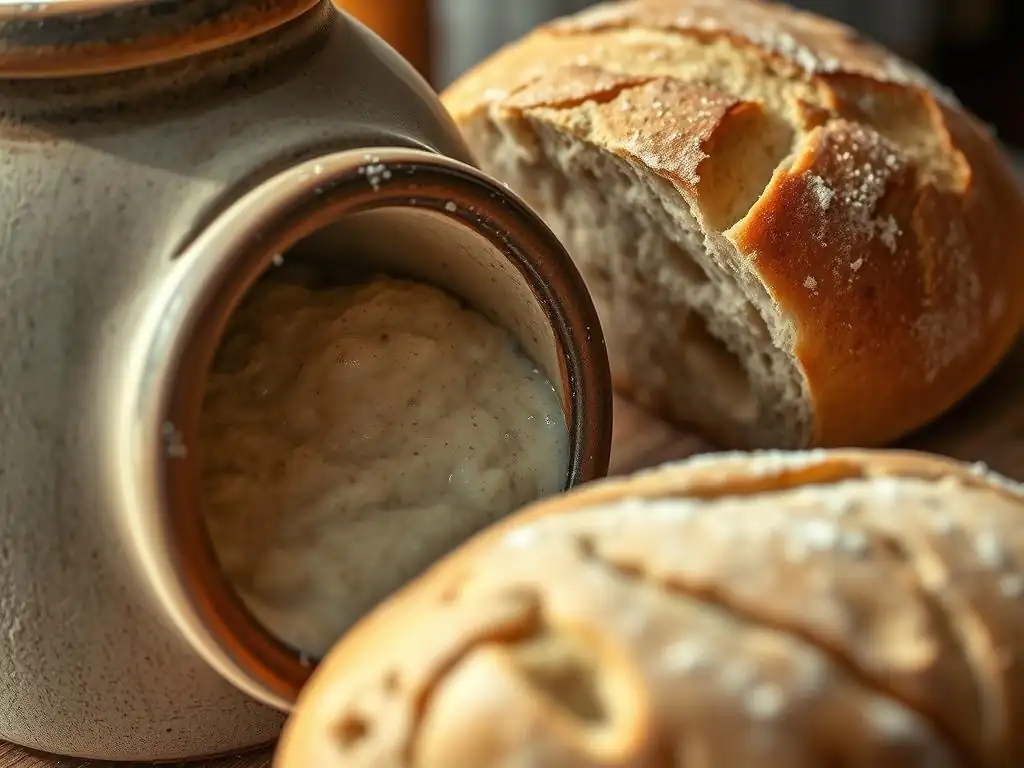
Understanding the factors that influence your sourdough starter's behavior is key to consistently knowing when to use sourdough starter. Temperature, hydration, and feeding schedules are the primary variables you can control to manage its activity.
Temperature's Impact on Sourdough Starter
Temperature is arguably the most significant factor affecting starter activity. Wild yeasts and bacteria are microorganisms that thrive within specific temperature ranges. Generally, warmer temperatures (around 75-80°F or 24-27°C) accelerate fermentation, causing the starter to rise and peak faster, often within 4-6 hours. Cooler temperatures (like room temperature around 68-72°F or 20-22°C) slow down activity, meaning the starter will take longer to rise and peak, perhaps 8-12 hours or even longer.
Very cold temperatures (refrigerator temperatures) dramatically slow activity, which is why storing your starter in the fridge is a common practice for infrequent bakers – it reduces the need for frequent feeding. Conversely, very hot temperatures can stress or even kill the microorganisms. Paying attention to your ambient temperature is crucial when predicting when to use sourdough starter after feeding. For instance, a starter fed in a warm kitchen might be ready in 4 hours, while the same starter in a cooler room might take 8 hours.
Hydration Levels and Starter Performance
Hydration refers to the ratio of water to flour in your starter, usually expressed as a percentage of the flour weight. A typical "standard" starter is 100% hydration, meaning it's fed with equal weights of flour and water (e.g., 50g starter, 50g water, 50g flour). Higher hydration starters (e.g., 125% or 150%) tend to be more liquid, rise faster, and peak sooner because the microbes have easier access to food. They also tend to collapse more quickly after peaking.
Lower hydration starters (e.g., 50% or 75%) are thicker and ferment more slowly. They take longer to rise and peak but also hold their peak longer before collapsing. The hydration level affects the texture and handling of the starter, which in turn affects when to use sourdough starter for different dough types. A wetter starter might be preferred for very wet doughs, while a stiffer starter can be useful for certain rye or whole grain breads. Understanding your starter's hydration helps you predict its behavior.
Feeding Schedules and Their Influence on Baking
The regularity and ratio of your feeding schedule directly impact the health and reliability of your starter, and thus when to use sourdough starter for baking. A starter fed daily with a relatively high ratio of fresh flour and water (e.g., 1:5:5 or 1:10:10 starter:water:flour) will be very active and reach its peak quickly after feeding, often within 3-6 hours, as it has an abundance of fresh food. This is ideal if you plan to bake frequently.
Less frequent feeding (like every few days or weekly when stored in the fridge) results in a less active starter that needs a "refresh" feeding or two to become vigorous enough for baking bread. The ratio matters too; a 1:1:1 feeding provides less food per microbe than a 1:5:5 feeding, meaning the 1:1:1 starter will peak sooner but may also become acidic faster. Consistency in your feeding routine helps you establish a predictable schedule for when to use sourdough starter at its peak.
Sourdough Starter Discard: Alternatives to Throwing It Away
Regularly feeding your sourdough starter, especially if you keep a larger quantity, often results in excess starter that isn't carried forward into the next feeding. This "discard" starter is perfectly usable and flavorful, offering a fantastic opportunity for no-waste baking. Knowing how to use this discard is a key part of managing a starter.
No-Waste Baking: Recipes Using Sourdough Discard
Sourdough discard is simply starter that is past its peak activity for leavening bread but still contains active cultures, flavor, and the basic ingredients of flour and water. Instead of discarding it, you can incorporate it into a wide variety of recipes. This not only reduces waste but also adds a pleasant tang and often improves the texture of the finished product.
Common discard recipes include quick and easy items like pancakes, waffles, muffins, and scones, where the discard provides flavor and moisture. It can also be used in savory applications like pizza dough, crackers, flatbreads, and even pasta. The slightly acidic nature of the discard can also tenderize doughs and batters, making these recipes even more appealing. Using discard is a smart way to make the most of your sourdough journey.
Sourdough Discard Recipes: Crackers, Waffles, and Pizza Dough
Sourdough discard crackers are a popular and simple way to use up excess starter. Typically, discard is mixed with a bit of flour, oil, salt, and optional seasonings, rolled thinly, and baked until crisp. The result is a tangy, satisfying snack. A typical recipe might use 100g of discard, 50g flour, 2 tbsp olive oil, and 1/2 tsp salt, rolled out to about 1/16 inch thick and baked at 350°F (175°C) for 15-20 minutes.
Sourdough discard waffles and pancakes are another staple. The discard adds a lovely flavor and contributes to a tender crumb. Recipes often combine discard with eggs, milk, flour, and baking powder/soda for lift. For pizza dough, discard can be incorporated into a yeasted dough recipe, adding flavor complexity and improving the crust's texture. A common ratio is replacing about 20-30% of the flour weight in a standard pizza dough recipe with discard.
How to Store Sourdough Discard Properly
Sourdough discard can be stored in the refrigerator for convenience. Simply accumulate the discard from your feedings in a separate, clean jar or container. Keep it covered loosely to allow any residual gases to escape. Stored in the fridge, discard remains viable for use in recipes for at least a week, often longer.
The flavor of the discard will become more acidic the longer it sits in the fridge, which can be desirable for certain recipes like crackers or sharp-flavored baked goods. When you're ready to use it, you can use it directly from the fridge, though some recipes might benefit from bringing it closer to room temperature. Keeping a discard jar is a practical way to manage your starter and ensure you always have material ready for quick bakes, complementing your knowledge of when to use sourdough starter for leavened loaves.
Beyond the Basics: Advanced Techniques with Sourdough Starter
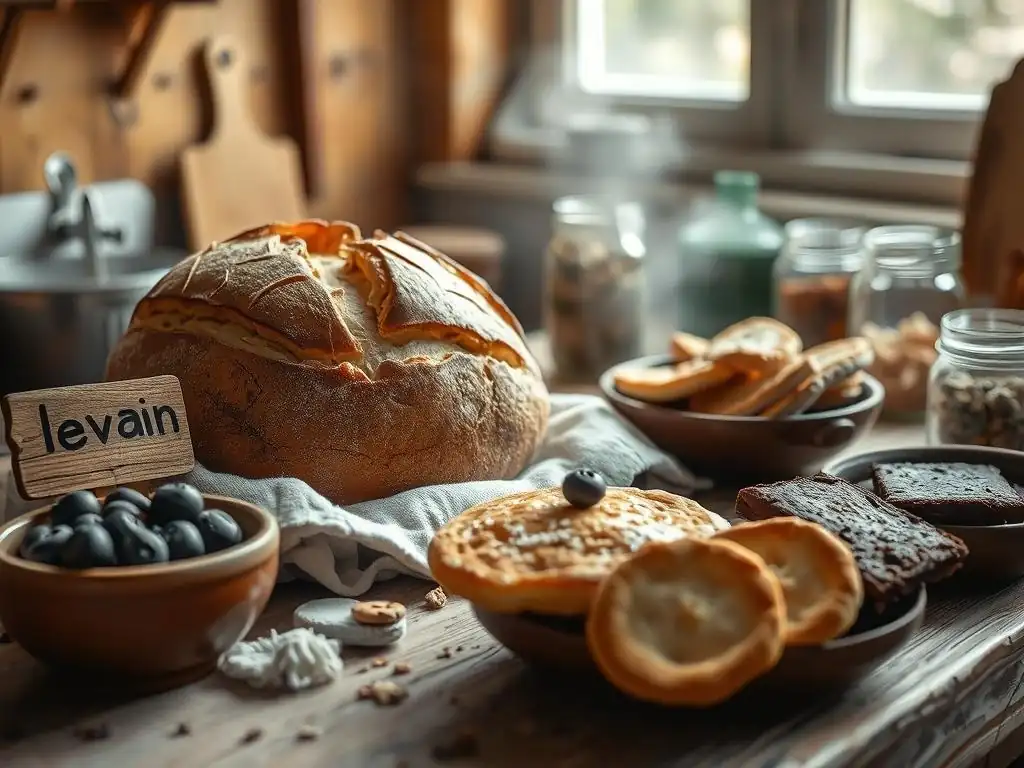
Once you're comfortable with the fundamentals of maintaining and using your sourdough starter, you can explore more advanced techniques to influence its behavior and the characteristics of your bread. These methods allow for greater control over flavor, texture, and fermentation speed.
Using Different Flours to Influence Starter Flavor
The type of flour you use to feed your starter significantly impacts its microbial balance and, consequently, the flavor it imparts to your baking. Feeding exclusively with white bread flour tends to produce a milder, less tangy starter. Using whole wheat flour or rye flour introduces different microbes and sugars, often resulting in a more vigorous starter with a deeper, more complex, and tangier flavor profile due to higher mineral content and different enzymatic activity.
Many bakers maintain separate starters for different purposes or feed their main starter with a blend of flours (e.g., 80% white, 20% whole wheat). Experimenting with flours like spelt, Einkorn, or other heritage grains can also yield unique flavors. Understanding how different flours influence the starter's fermentation helps you tailor its characteristics to the specific type of bread you want to bake, providing more control over when to use sourdough starter for desired outcomes.
Adjusting Starter Hydration for Specific Recipes
While 100% hydration is standard, adjusting your starter's hydration level can be beneficial for certain recipes or techniques. Creating a "stiff" starter (lower hydration, e.g., 50-70%) by feeding with less water results in a starter that ferments slower and produces more acetic acid relative to lactic acid, contributing a sharper tang. Stiff starters are sometimes preferred for enriched doughs or loaves requiring a slower, more controlled rise.
Conversely, creating a "liquid" starter (higher hydration, e.g., 120-150%) results in a starter that ferments faster and tends to produce more lactic acid, leading to a milder, creamier tang. Liquid starters are often used for wetter doughs or in techniques like autolyse where incorporating a liquid leaven is easier. Adjusting hydration is a way to fine-tune your starter's activity and flavor profile, giving you more options for when to use sourdough starter.
Maintaining a Healthy Sourdough Starter for Consistent Baking
Consistency in your sourdough baking hinges on maintaining a healthy, predictable starter. This involves regular feeding with good quality flour and water, keeping it at a suitable temperature, and observing its behavior. An underfed or neglected starter will become sluggish and overly acidic, producing poor results.
Key practices for a healthy starter include feeding it when it shows signs of peaking or just after it starts to fall, using filtered water (chlorine can inhibit microbes), and maintaining a consistent feeding ratio and schedule, whether daily at room temp or weekly in the fridge with appropriate revitalization before use. A robust starter that reliably doubles in volume within a predictable timeframe is your best asset for knowing precisely when to use sourdough starter for successful and consistent baking outcomes.
Conclusion: Maximizing Your Sourdough Baking Potential
Mastering the art of sourdough baking is deeply connected to understanding and working with your sourdough starter. Learning to read its signs – the bubbles, the rise, the aroma – allows you to predict its activity and know precisely when to use sourdough starter for various applications, from light and airy loaves baked at peak activity to flavorful crackers made with discard.
Mastering the Art of Using Your Sourdough Starter
Ultimately, knowing when to use sourdough starter is a skill developed through observation and practice. Pay attention to how your starter behaves in your specific environment, considering the temperature and humidity of your kitchen. Experiment with feeding ratios and hydration levels to see how they affect its rise time and flavor. Use the float and doubling tests as guides, but also trust your senses – the look, feel, and smell of your starter are invaluable indicators.
By understanding the different stages of starter activity and their best uses, you can minimize waste, maximize flavor, and achieve more consistent and satisfying results in all your sourdough creations. Embrace the dynamic nature of your starter, treat it well, and it will reward you with delicious, naturally leavened baked goods. Happy baking!
Frequently Asked Questions
When is my sourdough starter at its peak for baking bread?
Your starter is at its peak when it has doubled or even tripled in size after feeding and shows lots of bubbles. This indicates it has enough activity to leaven your bread effectively.
What does "discard" mean in sourdough baking, and when is it used?
"Discard" refers to the portion of sourdough starter that's removed before feeding. It's used to maintain a manageable amount of starter and can be used in recipes instead of being thrown away.
Can I use sourdough starter straight from the refrigerator?
No, you should feed your starter and allow it to become active at room temperature before using it. Using it straight from the fridge will result in under-proofed bread.
What are some recipes that use sourdough discard?
Many recipes can utilize sourdough discard, including pancakes, waffles, crackers, and even cakes. These recipes benefit from the tangy flavor sourdough brings.
How does the age of my sourdough starter affect my baking?
A mature starter, meaning one that's been consistently fed for weeks or months, usually offers more consistent and robust leavening power. A younger starter may still work, but results might be less predictable.
Final Reflection: The Unexpected Power of a Little Patience
The humble sourdough starter, often relegated to the back of the fridge, represents far more than just a leavening agent; it embodies a commitment to process, a celebration of slow living, and a testament to the enduring power of tradition in a fast-paced world. Its resurgence in popularity isn't just a fleeting trend; it's a reflection of a growing desire for authenticity, connection to our food, and a deeper appreciation for the time-honored techniques that create truly exceptional bread.
The journey of nurturing a sourdough starter mirrors the journey of life itself. It requires patience, consistency, and a willingness to accept imperfections. There will be days of frustration, when the starter seems sluggish or refuses to rise. But those very challenges are what ultimately forge a deeper understanding and appreciation for the process. The best things in life are worth waiting for.
This simple adage perfectly encapsulates the essence of sourdough baking, and indeed, much of what brings true satisfaction in life.
Consider the lessons learned from your starter. It teaches us the value of nurturing something small, of tending to its needs with care and attention. It reminds us that the most rewarding outcomes often require time and dedication. So, I urge you: don't discard your starter, metaphorically or literally. Nurture the slow processes in your life, embrace the imperfections, and savor the rich rewards that come from patience and perseverance. The bread, and the journey, will be all the more delicious for it.
Unlock Your Baking Potential: Mastering the Starter
Thanks for taking the time to explore the world of sourdough starters with us! We hope you gained valuable insights into their power and versatility. Now it's time to put that knowledge into action.
Here's what you can do next:
- Bake your first sourdough loaf! Use the techniques you learned today to create a delicious, tangy bread. This is the perfect way to solidify your new skills.
- Experiment with different flours and hydration levels to see how they affect the flavor and texture of your starter and bread. The possibilities are endless!
- Share your baking journey! Tell us about your experience—what worked well, what challenges you faced—and inspire others in our community.
What unique flavor will you create with your sourdough starter today?