
Egg Wash Secrets for Golden, Glossy Puff Pastry Finishes

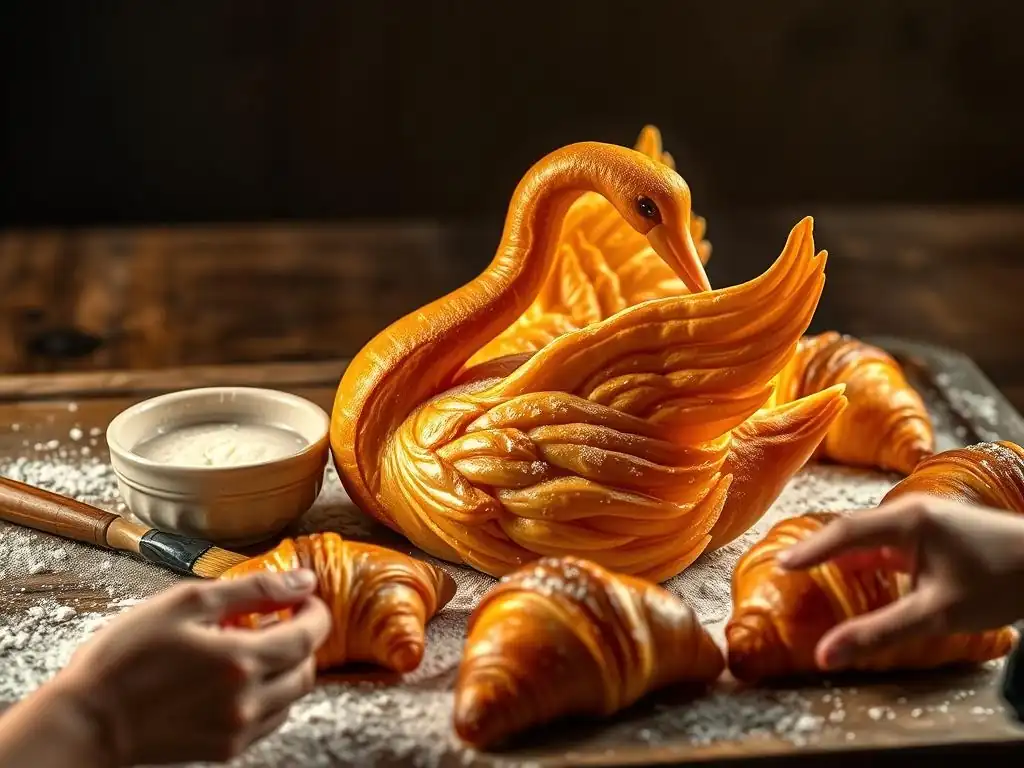
Welcome to BakeWithEase, your guide to unlocking baking brilliance! Ever wondered how to achieve that irresistible, golden-brown sheen on your pastries? This article delves into the secrets of perfecting puff pastry egg wash, revealing the techniques that separate the ordinary from the extraordinary. Discover how a simple ingredient can elevate your baking from good to gorgeous – and leave your friends and family wondering what your secret is. Ready to bake like a pro? Let's get started!
- Achieving the Perfect Crust: Mastering Egg Washes for Baked Goods
- Introduction to Egg Washes: Enhancing Color, Texture, and Flavor
- Understanding Egg Wash Components and Their Effects
- Application Techniques for Even Coverage and Texture
- The Impact of Egg Wash on Crust Characteristics
- Troubleshooting Common Egg Wash Issues
- Advanced Techniques for Professional Results
- Recipes and Variations for Different Baked Goods
- The Science of Browning: The Maillard Reaction
- Preparation and Storage for Optimal Results
- Conclusion: Elevating Your Baking with the Perfect Egg Wash
-
Frequently Asked Questions
- What is the purpose of egg wash on puff pastry?
- What are the different types of egg wash I can use for puff pastry?
- How do I apply egg wash to puff pastry effectively?
- When should I apply the egg wash for the best results?
- Can I use something other than egg wash if I have allergies or dietary restrictions?
- Final Reflection: The Golden Ratio of Pastry Perfection
- Unlock Your Pastry's Golden Potential!
Achieving the Perfect Crust: Mastering Egg Washes for Baked Goods
Introduction to Egg Washes: Enhancing Color, Texture, and Flavor
An egg wash is a simple yet powerful tool in the baker's arsenal. It's typically a mixture of whisked egg and a liquid, brushed onto the surface of baked goods before they go into the oven. While seemingly minor, this thin coating plays a crucial role in the final appearance and texture of pastries, breads, and pies. For anyone perfecting puff pastry egg wash, understanding its fundamentals is the first step towards achieving those coveted golden, glossy results. It transforms a plain dough into a visually appealing masterpiece, signaling deliciousness within.
Beyond just aesthetics, an egg wash contributes significantly to the overall baking process. It helps ingredients like seeds or sugars adhere to the surface, adds a subtle richness or flavor depending on its components, and influences how the crust develops during baking.
Whether you're aiming for a deep mahogany crust on a loaf of bread or a delicate, shimmering finish on a croissant, mastering the art of the egg wash is essential for elevating your baking from good to truly exceptional. It's a technique that offers a wide range of possibilities for customizing the look and feel of your baked creations.
Why Egg Washes Matter: Visual Appeal and More
The primary reason bakers reach for an egg wash is its dramatic impact on visual appeal. A well-applied egg wash gives baked goods a beautiful, golden-brown color and a lovely shine. This is particularly important for items like puff pastry, where the layered structure benefits from a glossy finish that highlights its flakiness. Think of the difference between a pale, matte pastry and one that gleams with a rich, inviting hue – the latter is simply more appetizing. This visual cue signals quality and care in the baking process.
Furthermore, egg washes help create a desirable crust texture. The protein in the egg coagulates and dries during baking, forming a thin, slightly crisp layer. This layer contributes to the overall texture profile, adding a pleasant contrast to the softer interior. For puff pastry, this means achieving that characteristic crisp exterior that shatters beautifully when bitten into. It also aids in the adherence of toppings, ensuring that sesame seeds on a savory swirl or pearl sugar on a sweet pastry stay firmly in place throughout the baking process.
Achieving Consistent Browning and Shine
Consistency is key when aiming for professional-looking baked goods, and the egg wash is central to achieving uniform browning and shine. The proteins and fats in the egg wash react with the heat of the oven, undergoing complex chemical changes like the Maillard reaction, which produces those desirable brown colors and rich flavors. A uniform layer of egg wash ensures that this reaction occurs evenly across the entire surface of the dough.
To achieve consistent browning, the egg wash must be applied thinly and evenly. Any thick spots or puddles will brown faster and darker than thinner areas, leading to an uneven, splotchy appearance. Similarly, for a uniform shine, the wash needs to dry into a smooth, continuous film. This attention to detail in application is crucial for perfecting puff pastry egg wash, ensuring each layer and fold catches the light beautifully. Practicing proper application techniques is paramount to avoiding common pitfalls like streaking or dull patches.
Understanding Egg Wash Components and Their Effects
The composition of your egg wash can be tailored to achieve specific results, making it a versatile tool. While the basic ingredient is always egg, the type of egg component used (yolk or white) and the addition of liquids significantly alter the final outcome. Understanding how each part contributes allows you to customize your wash for different baked goods, from delicate pastries to hearty breads.
Experimenting with ratios and additions is part of the fun of perfecting puff pastry egg wash. A simple whole egg wash is a great starting point, but adding a splash of milk can soften the color, while a touch of cream can deepen the shine. Each component brings unique properties to the mix, influencing everything from the depth of color to the level of gloss and even the texture of the crust.
Egg Yolk vs. Egg White: Color and Richness
Using only egg yolks in your wash will yield the deepest, richest golden color and the most pronounced shine. Yolks are higher in fat and emulsifiers, which contribute significantly to gloss and promote intense browning through the Maillard reaction. A wash made solely from yolks, perhaps thinned slightly with cream, is ideal for achieving a luxurious, burnished finish on items like brioche or delicate pastries where a deep color is desired. However, it can also result in a slightly thicker, richer crust.
Egg whites, on the other hand, contribute more to shine and crispness than color. They are primarily protein and water. A wash made only from whites will result in a very shiny, almost shell-like surface that is quite crisp, but the color will be lighter, often a pale gold.
Using only egg whites is less common for general browning but can be effective for specific decorative purposes or when a very crisp, clear shine is needed without deep color. A whole egg wash (yolk and white combined) provides a balance, offering good color development and shine suitable for most applications, including perfecting puff pastry egg wash.
Liquid Additions: Milk, Cream, or Water for Consistency
Adding a liquid to your egg wash helps thin it out, making it easier to apply evenly and preventing a thick, gummy layer. The choice of liquid also affects the final result. Water provides a clean, bright shine and promotes crispness, as it evaporates completely during baking. A wash with water might be preferred for very flaky pastries where maximum crispness is desired.
Milk or cream, being fats and proteins, contribute to a softer, more tender crust and a slightly less intense shine compared to water, but they enhance browning and richness. Milk gives a softer gold color, while cream provides a deeper, richer hue and adds a touch of decadence to the crust.
Adding about 1 to 2 tablespoons of liquid per large egg is a common starting point, but you can adjust this ratio based on the desired consistency and final effect. For perfecting puff pastry egg wash, a mix with milk or cream is often favored for its balance of color and shine.
Sweet & Savory Enhancements: Sugar, Salt, Spices & Herbs
While less common in a standard egg wash, incorporating small amounts of sugar, salt, or even finely ground spices and herbs can add subtle flavor nuances and further influence browning. A pinch of sugar added to a sweet pastry wash can intensify the caramelization on the surface, leading to a darker, sweeter crust. This is particularly effective on items like cinnamon rolls or sweet buns.
Conversely, a pinch of salt in a savory application, like a pie crust or savory scone, can enhance the overall flavor profile of the crust. Finely ground spices like paprika or herbs like dried thyme can be whisked into the wash not only for flavor but also to add visual flecks on the surface. When perfecting puff pastry egg wash for a savory application, a touch of salt and maybe some black pepper can add a delightful savory note to the crisp exterior.
Application Techniques for Even Coverage and Texture
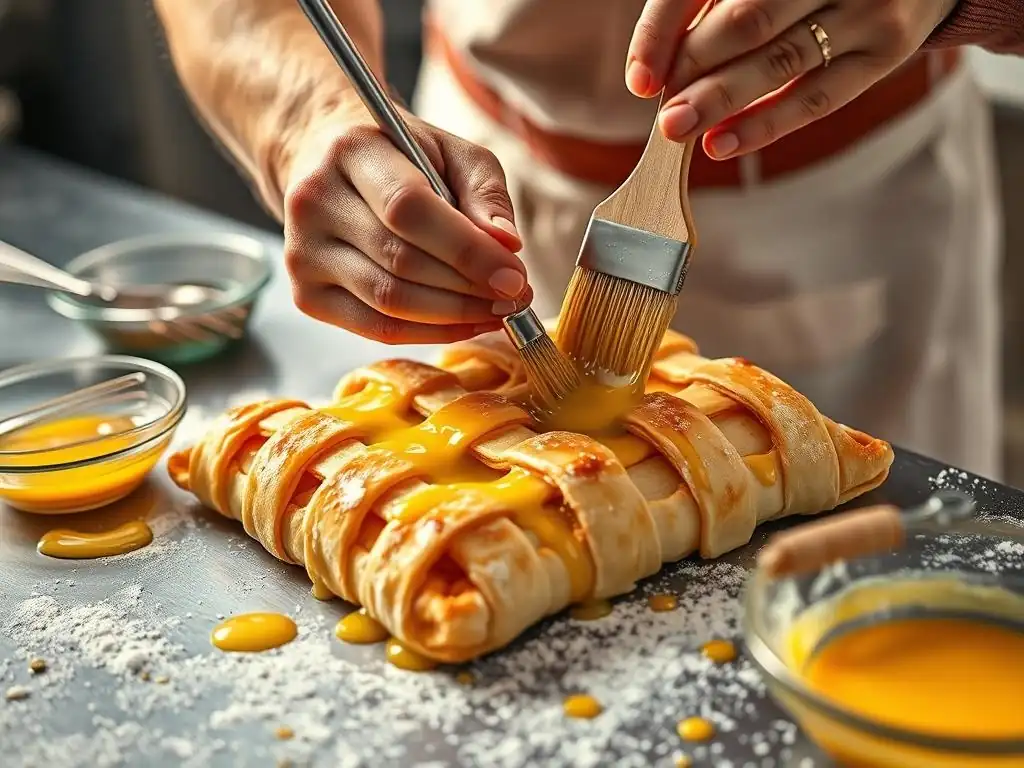
The best egg wash formula is only as effective as its application. Proper technique is vital for achieving that uniform, professional finish. Streaks, drips, and uneven patches are common pitfalls that can detract significantly from the final appearance of your baked goods. Mastering the application is a key step in perfecting puff pastry egg wash.
Attention to detail during this stage ensures that the wash dries into a smooth, consistent layer that browns evenly in the oven. It's not just about getting the wash onto the dough; it's about how you get it on and how much you use.
Brush Selection and Proper Handling
The type of brush you use significantly impacts the ease and effectiveness of application. A pastry brush with soft, natural bristles is often preferred for egg washes. The soft bristles hold the liquid well and distribute it smoothly without scratching or damaging delicate dough surfaces, like the fine layers of puff pastry. Ensure the brush is clean and free of any residual oils or debris from previous uses, as this can affect the wash's adherence and appearance.
Synthetic brushes can also work, but ensure they are designed for food use and have soft tips. When applying, dip the brush only partially into the wash, tapping off any excess against the side of the bowl. This prevents overloading the brush, which can lead to drips and puddles on the dough. Use gentle, even strokes, following the contours of the dough surface.
Achieving Uniform Application: Avoiding Streaks and Pooling
Uniformity is the goal when applying egg wash. To avoid streaks, use smooth, overlapping strokes in one direction across the surface. Avoid going back and forth repeatedly over the same area, as this can cause the wash to lift or become uneven. For items with defined shapes, like braided breads or shaped pastries, follow the lines of the form.
Pooling of egg wash in crevices or corners is another common issue, especially with layered doughs like puff pastry. Excess wash can seal layers together, hindering rise, or it can burn in the oven. To prevent pooling, use a light hand and ensure you tap off excess wash from the brush.
Pay particular attention to edges and seams, using the tip of the brush to gently distribute any accumulated liquid. If you spot a pool, gently wick it away with the corner of a paper towel or a clean brush before baking. Perfecting puff pastry egg wash involves being meticulous about avoiding these pools between layers.
Best Practices: Timing and Number of Coats
The timing of egg wash application is important. For most baked goods, apply the wash just before baking. This allows the wash to dry slightly on the surface, forming a thin film that promotes even browning and shine. Applying too early, especially to doughs that need to proof further, can create a skin that restricts rise. For puff pastry, apply the wash after shaping but before placing it in the oven.
The number of coats depends on the desired depth of color and shine. A single, thin coat is sufficient for a light golden color and subtle shine. For a deeper color and more pronounced gloss, a second coat can be applied after the first one has dried slightly, usually within 5-10 minutes. However, avoid applying too many thick coats, as this can create a tough, eggy crust rather than a delicate one. For perfecting puff pastry egg wash, one or two thin coats are usually plenty to achieve a beautiful finish without impeding the flaky structure.
The Impact of Egg Wash on Crust Characteristics
Beyond color and shine, the egg wash interacts with the dough during baking, influencing the final texture and structure of the crust. This is particularly relevant for laminated doughs like puff pastry, where the separation of layers is key to achieving flakiness. The egg wash can either enhance or hinder these characteristics depending on its composition and application.
Understanding these interactions helps bakers make informed choices about their egg wash formula and technique to achieve the desired crust profile, whether that's maximum crispness, a tender bite, or a delicate shatter.
Influence on Rise and Structure
A properly applied egg wash can actually aid in the rise of certain baked goods by creating a thin, elastic skin on the surface. As the dough expands in the oven, this skin stretches, helping to direct the rise upwards and outwards, contributing to a well-formed structure. This effect is subtle but can contribute to a better oven spring, especially in enriched doughs.
However, an improperly applied egg wash can impede rise. If the wash is too thick or pools in crevices, it can effectively glue layers of dough together, preventing them from separating and expanding properly. For puff pastry, this is critical. Thick egg wash along the edges or in the folds can seal the layers shut, resulting in a dense, heavy pastry instead of a light, airy one. Perfecting puff pastry egg wash means ensuring the wash is thin enough and applied carefully to allow the layers to lift freely.
Effects on Crispness, Flakiness, and Chewiness
The type of egg wash also influences the texture of the baked crust. Washes with higher water content tend to produce a crispier crust because the water evaporates rapidly, leaving behind a thin, brittle protein layer. Washes with milk or cream, containing fats and milk solids, result in a softer, more tender crust with a slightly less pronounced crispness but enhanced richness.
For puff pastry, the goal is maximum flakiness and a delicate crispness. A wash that is too heavy or contains too much fat (like pure cream) might weigh down the delicate layers. A wash with a balance of egg and a little liquid (water or milk) is often best for perfecting puff pastry egg wash, promoting good color and shine while allowing the layers to crisp up beautifully. The protein in the egg contributes to the structure of the crisp outer shell, providing that satisfying shatter.
Troubleshooting Common Egg Wash Issues
Even with the best intentions, egg wash application can sometimes go awry. Identifying common problems and knowing how to fix them is part of the journey towards perfecting puff pastry egg wash and other baked goods. Most issues stem from either the wash consistency, the application technique, or the baking environment.
Don't be discouraged if your first attempts aren't perfect. Baking, like any craft, involves learning from experience. By understanding the causes behind common egg wash problems, you can adjust your approach and achieve better results next time.
Uneven Browning and Streaking
Uneven browning is often caused by inconsistent application. Thick spots of egg wash brown faster and darker than thin areas. Streaks occur when the brush isn't distributing the wash smoothly or when you're using too much pressure.
- Solution: Ensure your egg wash is well-whisked and free of clumps. Use a soft-bristled brush and dip only partially, tapping off excess. Apply with light, even strokes in one direction. Avoid re-brushing areas that are already covered. If baking in an oven with hot spots, rotate your baking sheet halfway through the baking time to promote even browning.
Sticky or Tacky Surfaces
A sticky or tacky surface after baking can result from applying too much sugar to the wash (which caramelizes but can remain sticky) or from underbaking. If the surface hasn't reached a high enough temperature for long enough, the egg wash may not fully set.
- Solution: If using sugar in your wash, use it sparingly. Ensure your oven temperature is accurate and bake the item until the crust is fully set and dry to the touch, not just visually browned. For items that brown quickly but aren't fully baked, you can tent them loosely with foil to prevent further browning while they finish cooking internally.
Runny Egg Wash During Baking
If your egg wash appears to "run" or drip off the pastry during baking, it's likely too thin or you've applied too much, causing it to pool and overflow as the dough expands. This is particularly problematic with puff pastry, where drips can fuse layers.
- Solution: Adjust the ratio of egg to liquid in your wash; use less liquid to make it slightly thicker. Be meticulous during application, using a brush with minimal wash and paying attention to edges and folds to prevent pooling. If you notice excess wash pooling after application but before baking, gently remove it with a clean brush or paper towel. Perfecting puff pastry egg wash requires a delicate touch to avoid this issue.
Advanced Techniques for Professional Results
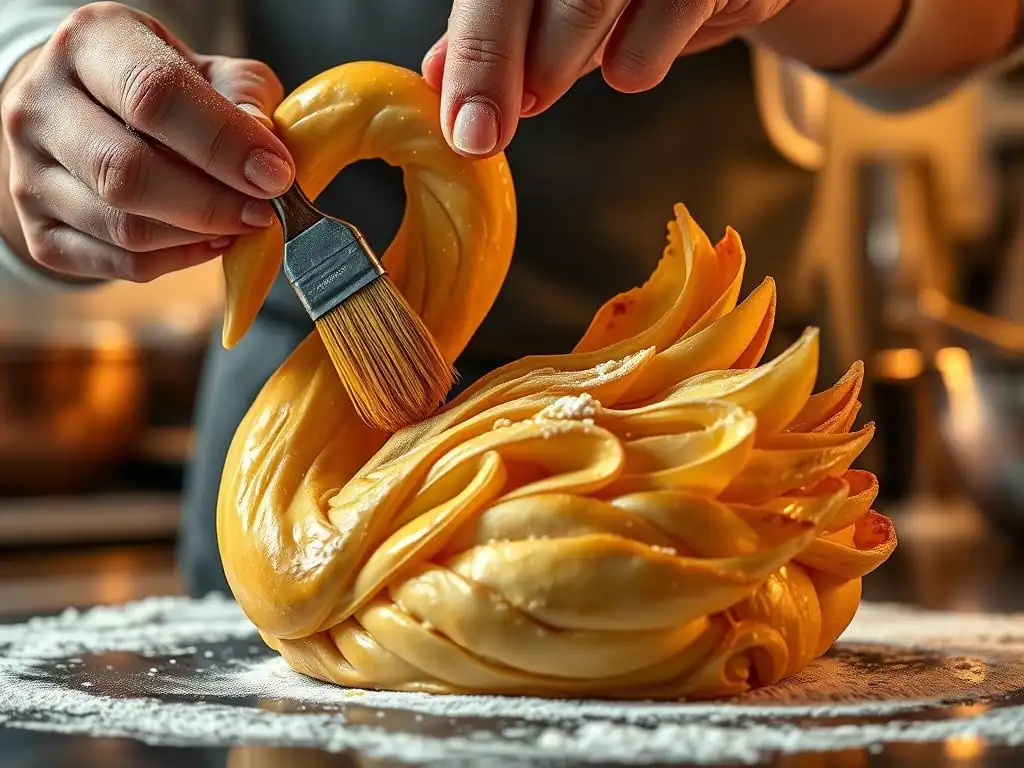
Once you've mastered the basic egg wash, you can explore more advanced techniques to achieve truly professional-level finishes. These methods can add depth of color, enhance texture, or create striking visual effects that elevate your baked goods.
These techniques are particularly useful when you're aiming for bakery-quality presentation, adding that extra touch that makes your creations stand out. They allow for further customization and creativity in your baking.
Double Washing for Deeper Color and Shine
For an exceptionally deep, rich color and a high-gloss finish, consider a double wash. Apply a thin, even first coat of your chosen egg wash. Allow this coat to dry slightly (5-10 minutes) until it appears matte or just tacky. Then, apply a second thin coat.
This technique builds up the layer of egg protein and fat on the surface, leading to more intense browning and a more pronounced shine compared to a single wash. It's often used for items like challah bread, brioche, or high-end pastries where a luxurious finish is desired. When perfecting puff pastry egg wash for a show-stopping result, a careful double wash can provide incredible depth of color and shine without adding too much weight.
Incorporating Seeds, Salts, and Spices for Texture and Flavor
Egg wash acts as a fantastic adhesive for toppings. For savory items, sprinkling seeds (sesame, poppy, nigella), flaky sea salt, or even finely grated cheese onto the wet egg wash before baking is a simple way to add texture, flavor, and visual interest. The egg wash helps these toppings stick firmly throughout the baking process.
For sweet items, you can use pearl sugar, chopped nuts, or even cinnamon sugar. Apply the egg wash, then immediately sprinkle your desired topping generously over the wet surface. Gently press the toppings into the wash to ensure good contact. This not only adds flavor and texture but also creates beautiful visual contrast on the finished crust.
Creating Decorative Finishes with Egg Wash
Egg wash can also be used for decorative purposes. Before applying the main wash, you can score patterns onto the surface of the dough (like slashes on bread or simple designs on pastries). The egg wash will highlight these scores, creating definition as the dough bakes and expands.
Alternatively, you can use different types of washes on different parts of the same item. For example, using a yolk-heavy wash on the top of a loaf for deep color and a white-only wash on the sides for crispness and a different sheen. Another technique is to apply a wash to only certain areas, leaving others plain, to create contrasting textures and colors. This requires precision but can lead to stunning results, adding an artistic touch to your baking.
Recipes and Variations for Different Baked Goods
While the core concept of egg wash is simple, the specific ratios and additions can be tweaked to best suit the type of baked good you are making. The ideal wash for a crusty loaf of bread differs from the perfect wash for delicate puff pastry or a rich pie.
Having a few go-to egg wash formulas in your repertoire allows you to select the best option for the task at hand, ensuring your finished product looks and tastes its best. These recipes provide a starting point for customizing your own washes.
Classic All-Purpose Egg Wash Recipe
This is the most common and versatile egg wash, suitable for a wide range of applications, including perfecting puff pastry egg wash for a balanced result.
- Ingredients:
- 1 large egg
- 1 tablespoon liquid (milk, water, or cream)
- Optional: Pinch of salt or sugar
- Instructions:
- In a small bowl, whisk the egg until the yolk and white are fully combined and no streaks remain.
- Add the liquid and whisk again until thoroughly incorporated and the mixture is smooth.
- If using, add salt or sugar and whisk until dissolved.
- Strain the mixture through a fine-mesh sieve for an extra-smooth wash (optional but recommended for a flawless finish).
- Use immediately or store as directed.
Sweet Egg Wash for Breads and Pastries
This wash is designed to enhance the golden color and sweet flavor of items like brioche, sweet rolls, or fruit tarts.
- Ingredients:
- 1 large egg yolk
- 1 tablespoon milk or cream
- 1 teaspoon granulated sugar (or powdered sugar for smoother results)
- Optional: Pinch of vanilla extract or cinnamon
- Instructions:
- In a small bowl, whisk the egg yolk.
- Add the milk or cream and whisk until smooth.
- Add the sugar (and optional extracts/spices) and whisk until the sugar is mostly dissolved. Powdered sugar dissolves more easily.
- Strain if desired.
- Use on sweet doughs before baking for a rich color and slightly sweeter crust.
Savory Egg Wash for Pies and Savory Bakes
This wash is perfect for pie crusts, savory tarts, or rolls, promoting a golden-brown color without adding sweetness.
- Ingredients:
- 1 large whole egg
- 1 tablespoon water or milk
- Pinch of salt
- Optional: Pinch of black pepper, garlic powder, or dried herbs
- Instructions:
- Whisk the whole egg in a bowl until well combined.
- Add the water or milk, salt, and any optional savory enhancements. Whisk thoroughly.
- Strain if desired.
- Brush onto savory doughs before baking. This wash is excellent for sealing pie crust edges and giving them a beautiful color.
The Science of Browning: The Maillard Reaction
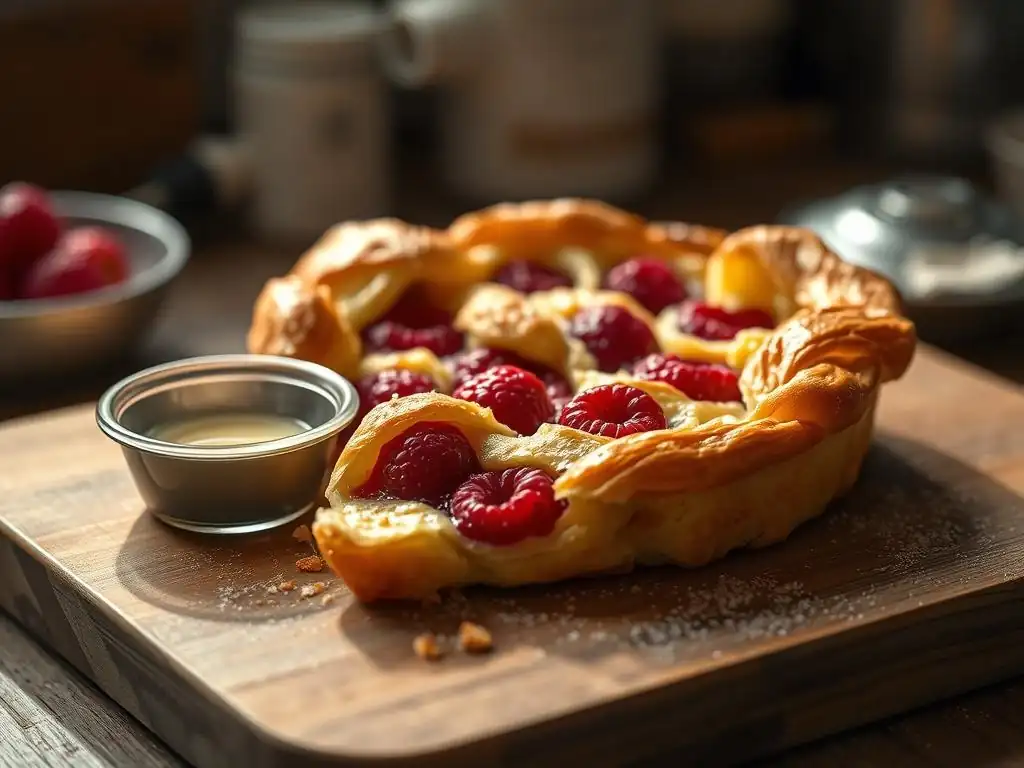
The beautiful golden-brown color achieved with egg wash is not just magic; it's a complex chemical process called the Maillard reaction. This reaction occurs between amino acids (from the egg protein) and reducing sugars (present in the dough and sometimes added to the wash) when heated. It's the same reaction responsible for the browning of seared meat, toasted bread, and roasted coffee beans, producing hundreds of flavor compounds in addition to color.
Understanding the Maillard reaction helps in perfecting puff pastry egg wash and other baked goods by highlighting the conditions needed for optimal browning. It's a key factor in developing both the visual appeal and the depth of flavor in the crust.
How Egg Washes Promote the Maillard Reaction
Egg washes are rich in proteins (amino acids) from both the yolk and white. When applied to the surface of dough, they provide a concentrated source of these compounds right where the browning needs to happen. The heat of the oven initiates the Maillard reaction between these proteins and the sugars in the dough.
The liquid in the egg wash also helps to dissolve any surface sugars on the dough, making them more available to react with the egg proteins. As the water evaporates, the temperature of the surface rises rapidly, hitting the optimal range for the Maillard reaction, which typically occurs vigorously between 300°F and 350°F (150°C and 175°C) on the food's surface. The fats in the yolk and added liquids also contribute to heat transfer, further promoting browning.
Factors Influencing Browning: Temperature, Time, and Ingredients
Several factors influence the rate and depth of the Maillard reaction, and thus the browning achieved with an egg wash.
- Temperature: Higher oven temperatures generally lead to faster and more intense browning. The surface temperature of the food must reach the Maillard reaction's active range. Baking at too low a temperature might result in pale crusts.
- Time: The longer the baked good is in the oven at a sufficient surface temperature, the more the Maillard reaction will progress, leading to deeper browning. However, over-baking can lead to burnt spots.
- Ingredients: The presence of proteins (from the egg) and reducing sugars (in the dough, like glucose and fructose, and sometimes added sugars like granulated sugar) are essential. Doughs with more sugar or enriched with milk and eggs (which contain lactose, a reducing sugar) will brown more readily. Adding a pinch of sugar to the egg wash can also enhance browning.
Perfecting puff pastry egg wash involves considering the baking temperature and time for the specific pastry size and shape to ensure optimal browning without burning the delicate layers.
Preparation and Storage for Optimal Results
Proper preparation and storage of your egg wash are simple steps that ensure you get the best possible results every time you use it. A well-prepared wash is smooth, consistent, and ready to use, contributing to a flawless finish on your baked goods.
Planning ahead slightly can make the baking process smoother and prevent last-minute issues with your egg wash.
Preparing Egg Wash Ahead of Time
Egg wash can typically be prepared a few hours in advance, or even up to 24 hours ahead of time, depending on its components and storage conditions. Whisk together your chosen ingredients thoroughly until completely smooth. Strain the mixture through a fine-mesh sieve into an airtight container. Straining removes any chalazae (the white cords that anchor the yolk) or bits of membrane, ensuring a perfectly smooth wash free of clumps that could cause streaks.
Label and date the container. Store the prepared egg wash in the refrigerator until you are ready to use it. Allow it to come to room temperature for about 10-15 minutes before use for easier application, but don't leave it out for extended periods.
Storing Leftover Egg Wash
If you have leftover egg wash, store it in an airtight container in the refrigerator immediately after use. It should be used within 1-2 days. Due to the raw egg content, proper food safety practices are important.
Before reusing stored egg wash, give it a good whisk as the components may have separated slightly. If it smells off or looks cloudy, it's best to discard it. Do not freeze egg wash, as freezing can alter the texture and effectiveness of the egg components upon thawing. Using fresh or properly stored egg wash is crucial for achieving the best color, shine, and texture on your baked goods, including when perfecting puff pastry egg wash.
Conclusion: Elevating Your Baking with the Perfect Egg Wash
Mastering the egg wash is a fundamental skill that significantly impacts the final appearance and texture of a wide variety of baked goods. From achieving that irresistible golden hue and beautiful shine on breads and pastries to ensuring toppings adhere perfectly, the humble egg wash is a powerful tool in the baker's toolkit. Paying attention to the type of egg component, liquid additions, and application technique allows you to customize the finish for specific results, whether you're aiming for maximum crispness or a deep, rich color.
Perfecting puff pastry egg wash, in particular, requires attention to detail to ensure the delicate layers are enhanced, not hindered, by the application. By understanding the science behind browning and practicing careful technique, you can consistently achieve professional-looking results. Troubleshooting common issues and exploring advanced methods further expands your ability to control the outcome and add your personal touch to your creations.
Key Takeaways for Successful Egg Washing
Here are some essential points to remember for successful egg washing:
- Choose the right egg wash composition (yolk, white, whole egg, liquid) based on the desired color, shine, and texture.
- Use a soft-bristled brush and apply a thin, even coat to avoid streaks and pooling.
- Apply the wash just before baking for best results.
- Consider a double wash for deeper color and shine.
- Use egg wash to adhere seeds, sugars, or spices for added texture and flavor.
- Store prepared egg wash properly in the refrigerator and use within a day or two.
- Understand that oven temperature and baking time influence how the egg wash browns.
Achieving Baking Excellence Through Mastering Egg Washes
Achieving baking excellence is often about mastering the details, and the egg wash is a prime example. It's a small step in the overall process that makes a big difference in the final presentation. By taking the time to perfect your egg wash techniques, especially when perfecting puff pastry egg wash, you elevate your baked goods from homemade to truly artisanal. Each golden, glossy crust is a testament to your skill and attention to detail. So, grab your whisk and brush, and start transforming your baking with the power of the perfect egg wash!
Frequently Asked Questions
What is the purpose of egg wash on puff pastry?
Egg wash serves multiple functions, primarily to add color and shine to your baked goods. It also helps to seal the pastry layers, preventing them from drying out.
What are the different types of egg wash I can use for puff pastry?
The most common is a whole egg beaten with water or milk, but you can also use just egg yolks for a richer color or just egg whites for a glossier, less browned finish. Experiment to see which best suits your needs.
How do I apply egg wash to puff pastry effectively?
Use a soft-bristled brush and apply a thin, even layer. Avoid pooling, as this can lead to uneven browning and a soggy crust.
When should I apply the egg wash for the best results?
Apply the egg wash just before baking. Applying it too early can cause it to dry out, while applying it too late can prevent proper browning.
Can I use something other than egg wash if I have allergies or dietary restrictions?
Yes! Alternatives include milk, cream, or even a simple sugar syrup. Each will provide a different level of shine and browning, so consider the desired outcome.
Final Reflection: The Golden Ratio of Pastry Perfection
The pursuit of the perfect puff pastry transcends mere culinary skill; it's a testament to the enduring power of meticulous technique and the rewarding beauty of a flawlessly golden crust. This article explored the often-overlooked yet crucial element of the egg wash, demonstrating how a simple mixture can elevate a pastry from good to truly exceptional. We've delved into the nuances of yolk-to-white ratios, brushing techniques, and even the impact of ambient temperature – all in the name of achieving that coveted, glossy sheen.
The impact of a perfectly executed egg wash extends beyond the visual appeal. It speaks to a dedication to craft, a respect for ingredients, and the satisfaction of transforming simple elements into something truly magnificent. The details are not the details. They make the design.
– Charles Eames. This quote perfectly encapsulates the importance of mastering the seemingly insignificant aspects of baking, like the egg wash, to achieve extraordinary results. The subtle differences in technique discussed here can dramatically alter the final product, proving that even the smallest details hold significant weight.
Now, consider your own baking journey. What seemingly minor details have you overlooked? What seemingly insignificant techniques could elevate your creations to the next level? I encourage you to experiment with the techniques outlined in this article, to embrace the subtle art of the egg wash, and to discover the joy of achieving that perfect, golden, glossy finish on your own puff pastry. The journey to pastry perfection is a continuous one, and each perfectly brushed pastry is a testament to your dedication and skill.
Unlock Your Pastry's Golden Potential!
Thanks for joining us on this delicious journey into the world of perfect puff pastry! We hope you've learned some valuable techniques to elevate your baking game. Now it's time to put your new knowledge into action.
- Master the art of the egg wash: Experiment with different egg wash variations (adding cream, milk, or even a touch of honey!) to discover your favorite golden hue and glossy finish. This is your chance to truly shine!
- Share your creations: Tag us on social media with your stunning, golden-brown puff pastry masterpieces! We'd love to see what you bake.
- Explore new recipes: Challenge yourself by using your newfound egg wash expertise on a new puff pastry recipe – maybe a savory tart or a delightful croissant?
Ready to transform your baking? What's your favorite puff pastry recipe you plan to perfect with this newfound egg wash knowledge?