
Use Up Your Discard: Effortless Sourdough Discard Pizza Crust

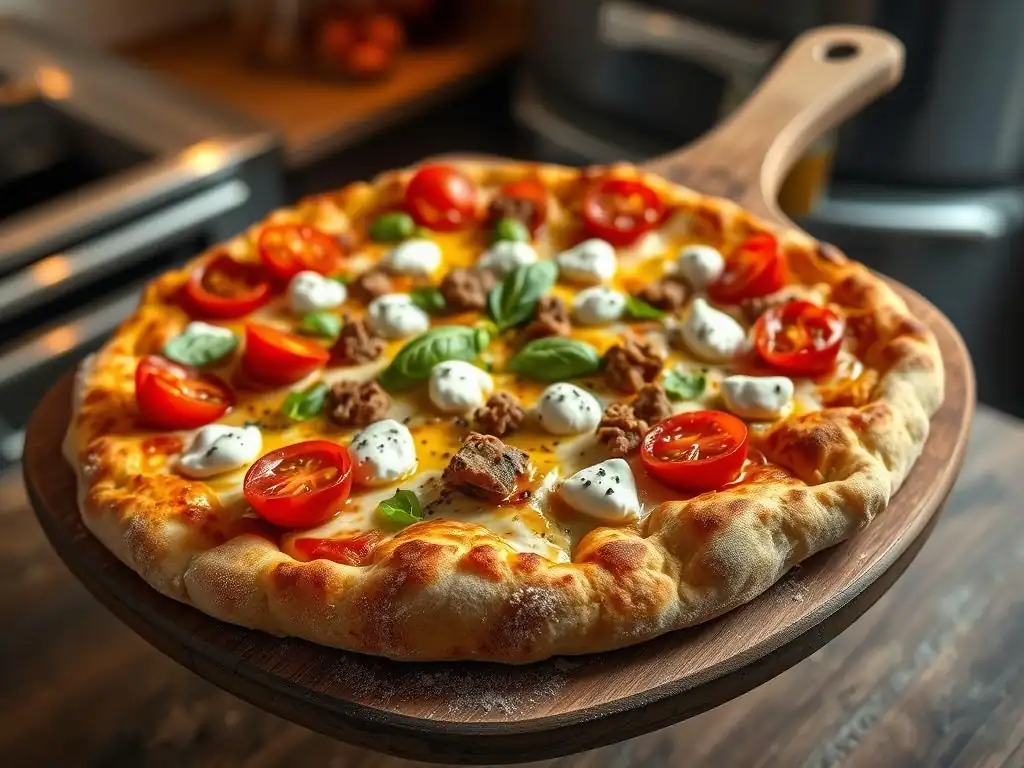
Welcome to BakeWithEase, your haven for simplifying the world of baking! Ever wonder what to do with that extra sourdough discard? Don't toss it! Dive in and discover our surprisingly simple method for crafting an easy sourdough discard pizza crust that's bursting with flavor and unbelievably easy to make. Get ready to transform your baking routine and create pizza night magic!
- Effortless Sourdough Discard Pizza Crust: The Perfect Recipe
- Introduction to Sourdough Discard Pizza
- Mastering the Sourdough Discard Pizza Crust Recipe
- Baking Your Sourdough Discard Pizza
- Tips for the Best Sourdough Discard Pizza Crust
- Delicious Topping Ideas for Your Sourdough Discard Pizza
- Storing and Reheating Sourdough Discard Pizza
- Experimenting with Your Sourdough Discard Pizza Crust Recipe
- Conclusion: Enjoy Your Homemade Sourdough Discard Pizza!
-
Frequently Asked Questions
- How does using sourdough discard benefit my pizza crust?
- Can I use sourdough starter instead of discard for this recipe?
- What if I don't have a stand mixer? Can I still make this crust?
- How long can I store sourdough discard in the refrigerator?
- What are some topping ideas that pair well with the tangy sourdough flavor?
- Final Reflection: The Unexpected Joy of Sourdough Discard
- Unleash Your Inner Pizzaiolo: Transform Discard into Delight!
Effortless Sourdough Discard Pizza Crust: The Perfect Recipe
Introduction to Sourdough Discard Pizza
What is Sourdough Discard and Why Use It?
Sourdough discard refers to the portion of your active sourdough starter that you remove before feeding it. This step is crucial for maintaining a healthy, active starter, as it controls the volume and concentration of wild yeast and bacteria. Instead of simply throwing this unused starter away, which can feel wasteful, it can be repurposed in a myriad of delicious ways. Discard, unlike active starter, is typically less bubbly and acidic, making it perfect for recipes where you want sourdough flavor without the intense leavening power or tang.
Using sourdough discard in recipes like pizza crust adds a subtle depth of flavor that you just can't get with commercial yeast alone. It contributes a pleasant complexity and slight tanginess, enhancing the overall taste profile of your pizza. Beyond the flavor, utilizing discard is a wonderful way to reduce food waste and make the most of your sourdough baking journey. It's an environmentally friendly approach that turns a byproduct into a key ingredient for something truly special, like an easy sourdough discard pizza crust.
Transform Discard into Delicious Pizza: An Easy Recipe
Turning sourdough discard into a fantastic pizza crust is surprisingly simple and satisfying. This recipe focuses on ease and speed, making it accessible even for those new to working with sourdough discard. The process involves minimal kneading and a relatively short rise time compared to traditional sourdough bread, which can take days. This makes it an ideal weeknight project or a fun weekend activity that doesn't require extensive planning.
The beauty of an easy sourdough discard pizza crust lies in its versatility. Once you master the basic dough, you can customize it with various flours or additions to create different textures and flavors. It's a forgiving recipe that allows for experimentation, encouraging bakers of all levels to jump in and create something delicious. Forget complicated steps; this approach is all about simplicity and maximizing the potential of your sourdough discard to create a crispy, flavorful base for your favorite toppings.
Mastering the Sourdough Discard Pizza Crust Recipe
Ingredients for the Perfect Sourdough Pizza
Sourdough Discard
The star ingredient for our easy sourdough discard pizza crust is, of course, the discard itself. For this recipe, it's best to use discard that is relatively "young," meaning it hasn't been sitting in the fridge for months. Discard that is a few days to a week old works perfectly.
Using discard helps you create a flavorful crust without relying heavily on its leavening power, as we'll supplement with a pinch of commercial yeast or rely on baking powder for lift depending on the specific quick recipe variation. Aim for discard that is at least 100% hydration (equal parts flour and water by weight).
Bread Flour
Bread flour is recommended for this recipe due to its higher protein content (typically 12-14%) compared to all-purpose flour (around 10-12%). This higher protein level helps develop gluten more effectively, resulting in a chewier, more structured crust that can hold up to toppings without becoming dense or bready. The gluten network traps air, contributing to a pleasant texture. While all-purpose flour can be used in a pinch, bread flour truly elevates the quality of your easy sourdough discard pizza crust.
Water
Water is essential for hydrating the flour and discard, allowing gluten to develop and creating a workable dough. The temperature of the water can influence the dough's fermentation speed; lukewarm water (around 85-95°F or 29-35°C) is generally preferred for a quicker rise, while cold water will slow things down, potentially allowing for more flavor development if doing a longer proof. The exact amount of water needed can vary slightly based on the hydration of your discard and the type of flour used, so it's often best to add it gradually.
Salt
Salt is a non-negotiable ingredient in any bread dough, and an easy sourdough discard pizza crust is no exception. It doesn't just add flavor, making the other ingredients pop, but it also plays a crucial role in controlling yeast activity and strengthening the gluten structure. Without salt, dough can ferment too quickly and result in a bland, slack crust. Typically, salt is added at about 1.8% to 2% of the total flour weight for optimal results.
Olive Oil
Olive oil adds richness, flavor, and tenderness to the pizza crust. It also helps make the dough more pliable and easier to handle, preventing it from sticking excessively. Incorporating olive oil contributes to a golden-brown color during baking and can help achieve a crispier bottom crust, especially when baked in a hot oven or on a pizza stone. Extra virgin olive oil provides the most robust flavor, but any good quality olive oil will work well in this easy sourdough discard pizza crust recipe.
Step-by-Step Guide to Making Sourdough Discard Pizza Dough
Step 1: Mixing the Dough - Achieving the Right Consistency
Begin by combining your sourdough discard, water, and a pinch of commercial yeast (if using for a quicker rise, typically 1/4 to 1/2 teaspoon) in a large mixing bowl. Whisk briefly to combine. Next, add the bread flour and salt. Stir with a wooden spoon or a sturdy spatula until a shaggy dough forms and there are no dry pockets of flour remaining. At this point, the dough will be quite sticky.
Turn the dough out onto a lightly floured surface. Knead the dough gently for about 5-8 minutes. You can use the stretch and fold method or traditional kneading. The goal is to develop some gluten until the dough becomes smoother and more elastic, though it will still be slightly tacky. If the dough is too sticky to handle, lightly flour your hands and the surface, but avoid adding excessive flour, which can make the crust tough. The final consistency should be smooth but still soft and pliable.
Step 2: Bulk Fermentation - Letting the Dough Rise
After kneading, lightly grease your mixing bowl with a little olive oil. Place the dough in the bowl, turning it to coat all sides. Cover the bowl tightly with plastic wrap or a damp kitchen towel. For an easy sourdough discard pizza crust, a relatively short bulk fermentation is sufficient.
Allow the dough to rest at room temperature for 1 to 2 hours, or until it has visibly increased in size, roughly 50-75%. The exact time will depend on the temperature of your kitchen and the activity of your discard (even if using discard, there's usually some residual activity). You aren't looking for a full doubling like with traditional bread; just a noticeable rise is enough to develop flavor and structure for a great easy sourdough discard pizza crust.
Step 3: Dividing and Shaping the Dough - Preparing for Pizza
Once the bulk fermentation is complete, gently turn the dough out onto a lightly floured surface. Avoid deflating it too much. Use a bench scraper or knife to divide the dough into portions depending on how many pizzas you want to make. This recipe typically yields two medium pizzas or one large one.
Shape each portion into a relatively smooth ball by gently pulling the edges underneath. Let the dough balls rest for 10-15 minutes, covered, to allow the gluten to relax. This resting period makes the dough much easier to stretch in the next step, crucial for achieving that perfect easy sourdough discard pizza crust shape without fighting the dough.
Step 4: Cold Fermentation (Optional) - Enhancing Flavor
For an even more flavorful easy sourdough discard pizza crust, consider adding an optional cold fermentation step. After dividing and shaping the dough balls (Step 3), place them in individual lightly oiled containers or bowls. Cover them tightly and refrigerate for at least 12 hours, and up to 48 hours.
Cold fermentation develops more complex flavors due to the slow activity of the sourdough microbes in the cool environment. It also slightly improves the texture. When you're ready to make pizza, remove the dough from the refrigerator at least 30-60 minutes before stretching to allow it to come to room temperature, making it more pliable and easier to work with. This step truly elevates an easy sourdough discard pizza crust to the next level.
Baking Your Sourdough Discard Pizza
Preheating Your Oven - Temperature and Timing
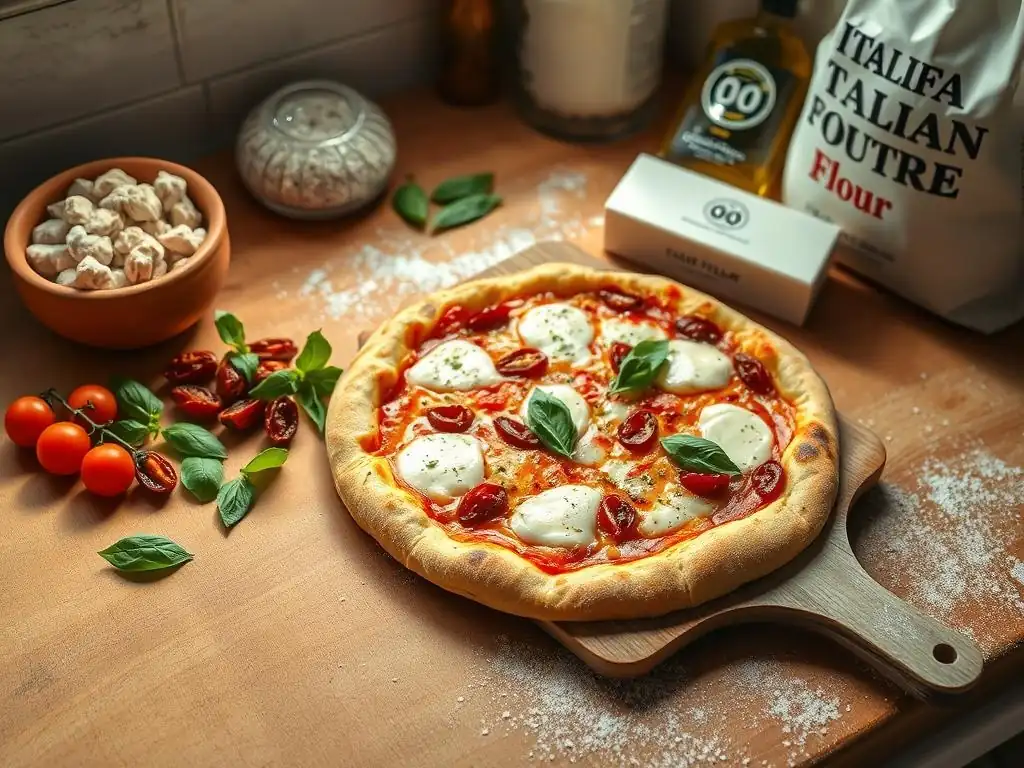
Achieving a great pizza crust, including an easy sourdough discard pizza crust, relies heavily on high heat. Preheat your oven to the highest possible temperature, typically between 475°F and 550°F (245°C to 290°C). If you have a pizza stone or steel, place it in the oven on the middle or upper-middle rack before preheating.
Allow the oven and the stone/steel (if using) to preheat for at least 30 minutes, and ideally 45-60 minutes, after the oven indicates it has reached the set temperature. This ensures the stone or steel is fully heated, providing a burst of heat to the bottom of the crust, which is essential for a crispy base on your easy sourdough discard pizza crust. Proper preheating is perhaps the most critical step for a successful bake.
Stretching and Topping Your Pizza - Getting Creative
Once your dough has rested (after bulk fermentation or cold fermentation) and the oven is fully preheated, it's time to stretch. Gently place a dough ball on a lightly floured surface. Starting from the center, gently push outwards with your fingertips, leaving a small border for the crust. Lift the dough and use your knuckles to gently stretch it into your desired shape and thickness. Be careful not to tear it. For an easy sourdough discard pizza crust, don't worry about perfect circles; rustic shapes are charming!
Transfer the stretched dough to a pizza peel or a baking sheet lined with parchment paper that has been lightly dusted with cornmeal or semolina (this helps it slide). Top your pizza quickly with your desired sauce, cheese, and toppings. Avoid overloading the pizza, as too many toppings can make the crust soggy. Get creative with your favorite combinations!
Baking to Perfection - Achieving a Crispy Crust
Carefully slide your topped pizza onto the preheated pizza stone or steel (or place the baking sheet directly in the oven). Close the oven door quickly to minimize heat loss. The high temperature is key to achieving a rapid bake and a crispy, chewy crust.
Keep an eye on the pizza as it bakes. The edges should puff up and turn golden brown, and the cheese should be melted and bubbly, perhaps with some nice browning spots. The bottom of the crust should be golden and firm. For an easy sourdough discard pizza crust, this typically takes between 8 and 15 minutes, depending on your oven's temperature and the thickness of your crust.
Sourdough Pizza Crust Baking Times & Temperatures
As mentioned, the ideal temperature for baking an easy sourdough discard pizza crust is as high as your oven will go, typically 475°F to 550°F (245°C to 290°C). At these temperatures, the baking time is relatively short.
- At 550°F (approx. 290°C): Expect baking times of 6-10 minutes, especially on a preheated stone or steel.
- At 500°F (approx. 260°C): Baking will likely take 8-12 minutes.
- At 475°F (approx. 245°C): The crust may take 10-15 minutes to fully cook and crisp up.
Always check for visual cues: golden-brown edges, melted and bubbling cheese, and a firm, browned bottom crust. These times are approximate, so use them as a guide and adjust based on your specific oven and desired crust doneness for your easy sourdough discard pizza crust.
Tips for the Best Sourdough Discard Pizza Crust
Sourdough Discard Consistency Matters
The consistency of your sourdough discard can affect the hydration of your dough. Discard from a very thick starter (low hydration, like 50-70%) will be different from discard from a standard 100% hydration starter. Most discard recipes assume a 100% hydration discard (equal weight flour and water).
If your discard is thicker, you might need to add a little more water when mixing the dough. If it's thinner, you might need slightly less water or a touch more flour. Pay attention to the dough's feel during mixing (Step 1) and adjust the water or flour slightly to achieve a soft, slightly tacky consistency. This small adjustment ensures your easy sourdough discard pizza crust has the right texture.
Achieving a Crispy Pizza Crust: Pro Tips
Getting a truly crispy bottom on your easy sourdough discard pizza crust is the goal for many. The most effective way to achieve this is using high heat and a preheated pizza stone or steel. As discussed, preheat your oven and stone/steel for at least 45-60 minutes at the maximum temperature.
Another tip is to use a minimal amount of sauce and toppings, especially in the center of the pizza, to prevent sogginess. Stretching the dough relatively thin in the middle also helps it crisp up faster. If you don't have a stone or steel, using a preheated baking sheet or even baking directly on the oven rack (on parchment) can help, though a stone/steel yields the best results for a crispy easy sourdough discard pizza crust.
Troubleshooting Common Sourdough Pizza Dough Problems
Dough is Too Sticky
If your dough is excessively sticky and difficult to handle after initial mixing and kneading, it likely has too much hydration relative to the flour's absorption. This can happen if your discard was very wet or if you added too much water.
To fix this, add flour, a tablespoon at a time, while gently kneading until the dough becomes manageable, still soft and slightly tacky but not sticking uncontrollably to your hands and the surface. Remember to flour your hands lightly as well. Don't add too much flour at once, as this can make the easy sourdough discard pizza crust tough.
Dough is Too Tough
If your dough feels very stiff, resistant to stretching, or springs back excessively, it might be too dry (not enough water) or it hasn't rested long enough for the gluten to relax.
If it's too dry, you can try kneading in a tiny amount of water with wet hands, though this is harder to do once gluten is developed. More commonly, the dough just needs more rest. After kneading or dividing, ensure you allow the dough balls to rest for the recommended time (10-15 minutes minimum before stretching, or longer if needed) to allow the gluten to relax, making it pliable for your easy sourdough discard pizza crust.
Crust is Not Crispy Enough
A lack of crispiness usually points back to insufficient heat or moisture in the oven. Ensure your oven and any baking surface (stone/steel/sheet) are fully preheated at the highest temperature for at least 45 minutes.
Other factors include overcrowding the pizza with toppings, which releases too much moisture, or not baking it long enough. Make sure the bottom of the crust is golden brown and firm before removing the pizza. If the top is done but the bottom isn't, you can try carefully sliding the pizza directly onto the oven rack for the last minute or two (be cautious of toppings sliding off). Using a pizza stone or steel is truly the best way to achieve a crispy easy sourdough discard pizza crust.
Delicious Topping Ideas for Your Sourdough Discard Pizza

Classic Pizza Topping Combinations
You can't go wrong with the classics on your easy sourdough discard pizza crust. A simple Margherita with San Marzano tomatoes, fresh mozzarella, basil, and a drizzle of olive oil highlights the crust's flavor beautifully. Pepperoni is a perennial favorite, offering salty, slightly spicy notes that contrast nicely with the tangy crust.
Another beloved combination is a supreme pizza, featuring pepperoni, sausage, mushrooms, onions, and bell peppers. A classic white pizza with ricotta, mozzarella, garlic, and maybe some spinach or mushrooms is also fantastic. These traditional toppings work well because their moisture content is manageable, helping ensure your easy sourdough discard pizza crust stays crispy.
Creative and Unique Pizza Topping Ideas
Once you're comfortable with the basic easy sourdough discard pizza crust, feel free to get creative! How about a fig and prosciutto pizza with goat cheese and a balsamic glaze drizzle? Or a spicy sausage and broccoli rabe pizza? Pesto bases instead of tomato sauce offer a fresh twist, paired with cherry tomatoes and fresh mozzarella.
Consider seasonal vegetables like roasted butternut squash and sage in the fall, or fresh corn and basil in the summer. Pulled pork with barbecue sauce and red onion, or even breakfast pizza with eggs, bacon, and cheese, are fun, unique options. The slightly tangy, chewy base of the easy sourdough discard pizza crust provides a wonderful foundation for a wide range of flavors.
Storing and Reheating Sourdough Discard Pizza
Properly Storing Leftover Pizza
If you're lucky enough to have leftover easy sourdough discard pizza, proper storage is key to maintaining its quality. Allow the pizza to cool completely to room temperature before storing. Storing warm pizza will create condensation, making the crust soggy.
Once cool, stack slices with parchment paper in between to prevent sticking. Place the stacked slices in an airtight container or wrap them tightly in plastic wrap and then aluminum foil. Store the pizza in the refrigerator for up to 3-4 days. For longer storage, leftover pizza can be frozen, wrapped well, for up to 1-2 months, though the texture may change slightly upon reheating.
Reheating for Optimal Taste and Texture
Reheating pizza without ruining the crust can be a challenge, but there are methods that work well for an easy sourdough discard pizza crust. The microwave is the quickest option but often results in a rubbery crust.
For the best texture, reheating in a skillet or oven is recommended. To use a skillet, place a slice in a non-stick pan over medium heat. Cover the pan for a few minutes to melt the cheese, then remove the lid to crisp the bottom. For oven reheating, place slices on a baking sheet and reheat at around 350°F (175°C) for 8-12 minutes, or until heated through and the crust is crispy again. This brings back the lovely texture of your easy sourdough discard pizza crust.
Experimenting with Your Sourdough Discard Pizza Crust Recipe
Variations on the Basic Recipe - Whole Wheat, Herbs, and More
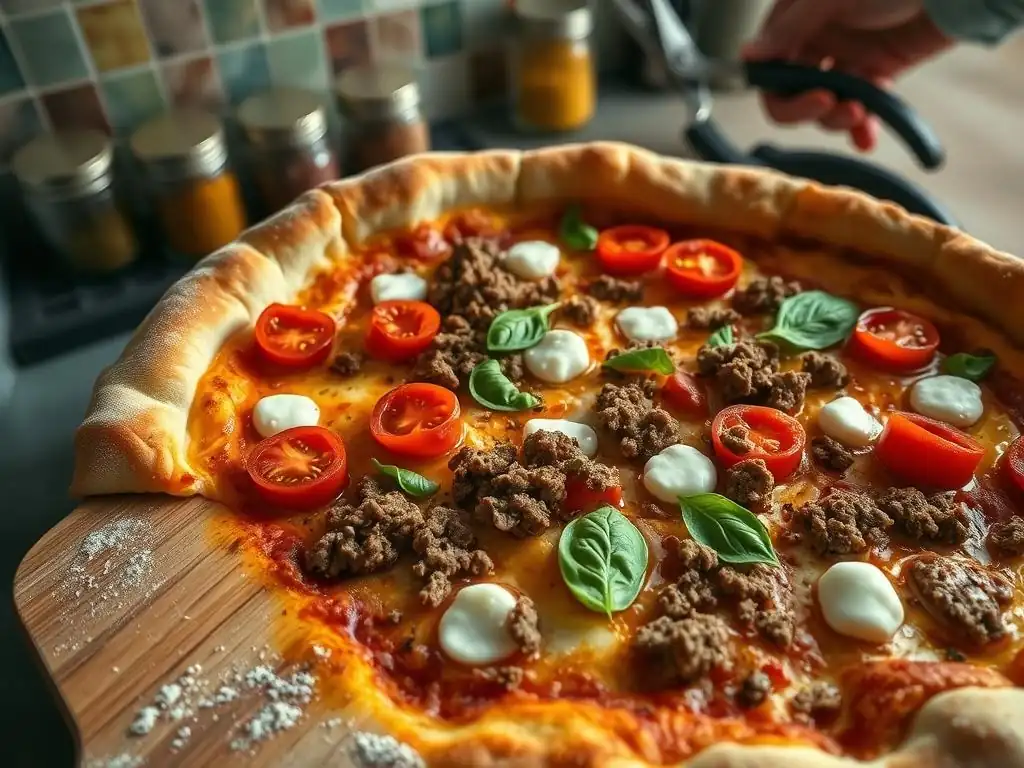
The easy sourdough discard pizza crust recipe is a great starting point for experimentation. You can substitute a portion of the bread flour with whole wheat flour (start with 10-20%) to add a nuttier flavor and more fiber. Keep in mind that whole wheat flour absorbs more water, so you might need a tiny bit more liquid.
Incorporating dried herbs like oregano, basil, or garlic powder into the dough adds extra flavor directly into the crust. You can also mix in a tablespoon or two of grated Parmesan cheese for a savory crust. For a richer crust, you could slightly increase the amount of olive oil used in the dough. These simple variations allow you to customize your easy sourdough discard pizza crust.
Making Sourdough Discard Pizza with Different Flours
Beyond whole wheat, you can experiment with other flours for your easy sourdough discard pizza crust. Using a portion of '00' pizza flour (like 50% bread flour, 50% '00') can result in a very tender interior crumb with a crispy exterior, typical of Neapolitan-style pizza.
Alternative flours like spelt or even a gluten-free blend could potentially work, though they will significantly change the dough's handling and texture and may require recipe adjustments. For example, spelt absorbs water differently and can be more delicate. Rye flour in small amounts can add a distinct tang. Always start with substituting a small percentage of the bread flour (e.g., 10-20%) when trying new flours for your easy sourdough discard pizza crust to see how they behave.
Conclusion: Enjoy Your Homemade Sourdough Discard Pizza!
Embrace the Ease of Sourdough Baking
You've successfully transformed what might have been discarded into a delicious, flavorful pizza crust! Making an easy sourdough discard pizza crust is a rewarding way to utilize your starter and enjoy homemade pizza with a unique depth of flavor. It's a testament to how simple ingredients and a little patience can create something truly special.
Don't be afraid to make this recipe your own. Experiment with different toppings, try variations on the dough, and find what works best in your kitchen. This easy sourdough discard pizza crust recipe is just the beginning of many delicious pizza nights to come, proving that baking with sourdough discard can be both effortless and incredibly tasty. Enjoy every bite of your homemade creation!
Frequently Asked Questions
How does using sourdough discard benefit my pizza crust?
Using sourdough discard adds a unique tangy flavor and improves the texture of your pizza crust. It also reduces waste!
Can I use sourdough starter instead of discard for this recipe?
Yes, but you'll need to adjust the hydration of the dough, as starter is more active. Consider reducing the amount of water slightly.
What if I don't have a stand mixer? Can I still make this crust?
Absolutely! You can mix the dough by hand. It may require a bit more kneading to develop the gluten structure.
How long can I store sourdough discard in the refrigerator?
Sourdough discard can be stored in the refrigerator for up to two weeks. Just ensure it's in an airtight container to prevent drying.
What are some topping ideas that pair well with the tangy sourdough flavor?
Classic toppings like pepperoni and mozzarella work well. Also, try prosciutto with arugula or roasted vegetables with goat cheese for a delicious contrast.
Final Reflection: The Unexpected Joy of Sourdough Discard
The humble sourdough discard, once a symbol of baking waste, has been revealed as a treasure trove of flavor and convenience. This simple recipe proves that embracing imperfection can lead to surprisingly delicious results, transforming a byproduct into a culinary star. The ease of this pizza crust recipe makes utilizing your discard not just practical, but genuinely enjoyable.
The impact of this simple shift in perspective – from waste to resource – resonates far beyond the kitchen. It speaks to a larger movement towards mindful consumption and reducing food waste. This isn't just about making pizza; it's about rethinking our relationship with ingredients and finding creative solutions to common culinary challenges. Waste not, want not,
an old adage, takes on new meaning when we consider the potential locked within seemingly discarded items.
Now, it's your turn. Consider the other "discards" in your life – the leftover vegetables, the slightly wilted herbs, the forgotten ingredients at the back of your pantry. Can you find a new purpose for them? Can you transform something seemingly insignificant into something delicious and meaningful? I encourage you to experiment, to embrace the unexpected, and to discover the joy of resourceful cooking. Let the sourdough discard pizza be your inspiration to unlock the hidden potential within your own kitchen.
Unleash Your Inner Pizzaiolo: Transform Discard into Delight!
Thanks for joining us on this sourdough adventure! You've just learned how to turn a kitchen "waste" product into something truly delicious. Now it's time to put your new skills to the test!
- Bake your own pizza tonight! Use today's recipe as a springboard – experiment with your favorite toppings and share your creation with us.
- Share your pizza masterpiece! Post a picture on social media and tag us – we'd love to see your culinary triumph.
- Challenge a friend to make a discard pizza! Spread the sourdough love and encourage them to join the no-waste baking revolution.
Ready to transform your sourdough discard into a culinary masterpiece? What unique topping combination will you try first?