
Glazing Viennoiseries: Egg Wash, Syrup, or Icing?

Welcome to BakeWithEase!
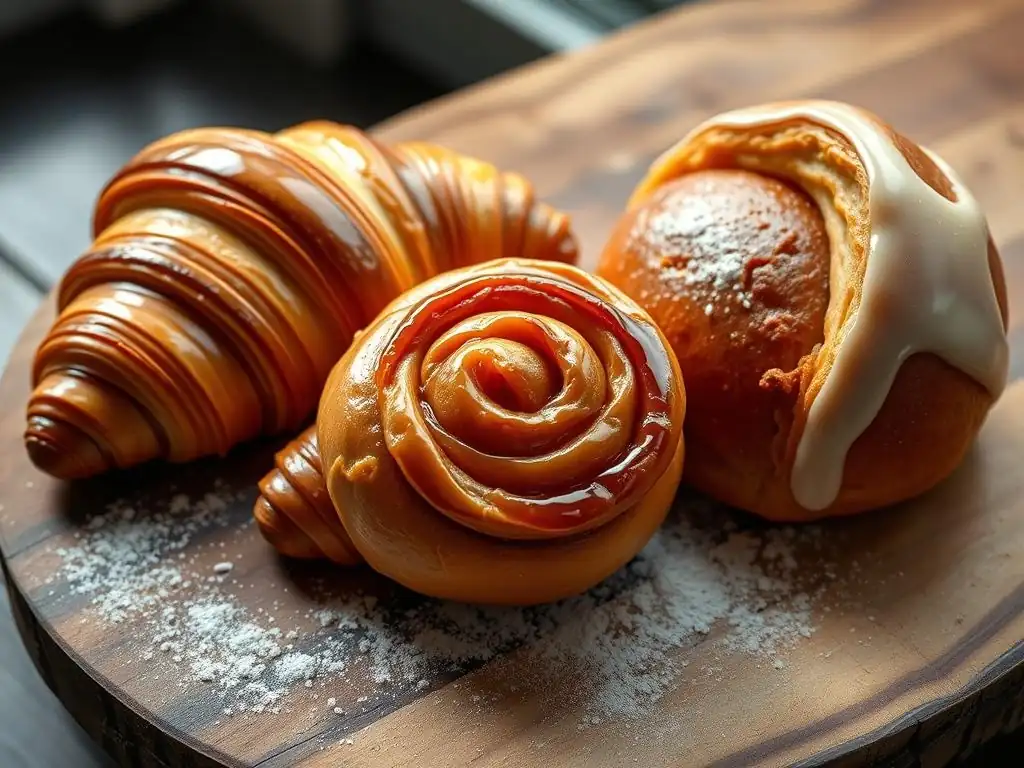
Ever wondered how to achieve that perfect, golden-brown sheen on your viennoiseries? This guide delves into the secrets of glazing, exploring the classic egg wash and other techniques to elevate your baking game. Discover the nuances of each method in our Egg wash glaze viennoiseries recipe and unlock the key to professional-looking results – prepare to be amazed at the difference a simple glaze can make!
- Glazing Viennoiseries: Egg Wash, Syrup, or Icing? - BakeWithEase.com
- Introduction: Achieving the Perfect Shine on Your Viennoiseries
- Egg Wash Glaze for Viennoiseries: The Classic Choice
- Sugar Syrup Glaze for Viennoiseries: Adding Sweetness and Shine
- Icing Glaze for Viennoiseries: A Decorative Touch
- Egg Wash vs. Sugar Syrup vs. Icing: A Comparative Analysis for Viennoiseries
- Troubleshooting Common Glazing Issues in Viennoiseries
- Advanced Glazing Techniques for Viennoiseries
- Mastering the Glaze for Viennoiseries: A Summary
-
Frequently Asked Questions
- What is the purpose of using an egg wash on viennoiseries?
- Besides egg wash, what other glazing options are there for viennoiseries?
- How does an egg wash affect the taste of viennoiseries?
- What are some tips for applying egg wash evenly to viennoiseries?
- Does the type of egg (e.g., whole egg, egg yolk, egg white) affect the outcome of an egg wash glaze?
- Final Reflection: The Golden Glaze: Choosing the Perfect Finish for Your Viennoiseries
- Unlock Your Viennoiserie's Golden Potential!
Glazing Viennoiseries: Egg Wash, Syrup, or Icing? - BakeWithEase.com
Introduction: Achieving the Perfect Shine on Your Viennoiseries
Why Glazing Matters for Viennoiseries
Glazing plays a crucial role in the final appearance and even the texture of viennoiseries like croissants, pain au chocolat, and Danish pastries. A well-applied glaze provides that signature golden-brown hue and appealing shine that makes these pastries so irresistible. Beyond aesthetics, some glazes, like sugar syrup, can also add a subtle sweetness or a slightly crisp exterior layer, enhancing the overall eating experience. Without a proper glaze, viennoiseries can look dull, pale, and unappetizing, losing much of their visual appeal which is key to their charm.
The choice of glaze significantly impacts the final product's visual and tactile qualities. For instance, a classic egg wash glaze for viennoiseries delivers a rich, deep color and a moderate shine, highlighting the beautiful layers of the laminated dough. A simple sugar syrup, on the other hand, typically provides a higher gloss finish and can help keep the pastry slightly softer. Icing offers a completely different look and texture, often used for decorative purposes and adding significant sweetness. Understanding these differences is essential for achieving the desired result for your viennoiserie creations.
Understanding the Key to a Beautiful Baked Finish
Achieving a beautiful baked finish on viennoiseries involves several factors, but glazing is arguably the most impactful for the surface appearance. The Maillard reaction and caramelization, which occur during baking, are responsible for the browning of the dough itself. However, applying a glaze before or after baking enhances these processes or adds a new layer of finish. An egg wash, primarily protein and sugar, accelerates browning and provides a protein-based shine when it denatures and dries.
Sugar-based glazes, whether applied before or after baking, contribute significantly to shine through the caramelization of sugars. A syrup applied post-baking creates a thin, glassy layer as the water evaporates and the sugar cools. Icing, a mixture of powdered sugar and liquid, hardens into an opaque or translucent coating, offering a smooth, often bright, surface that can be further decorated. Each method leverages different chemical reactions and physical properties to transform the pastry's surface from a simple baked dough to a finished, appealing product.
Egg Wash Glaze for Viennoiseries: The Classic Choice
What is Egg Wash and Why Use It?
Egg wash is a simple mixture, typically consisting of beaten egg (whole, yolk, or white) combined with a liquid, most commonly water or milk. It's a staple in baking, used on various doughs, but particularly popular for viennoiseries. Its primary purpose is to provide a beautiful, glossy, golden-brown finish after baking. The proteins in the egg create a strong film that adheres to the dough, while the small amount of sugar naturally present in the egg (or added with milk/water) aids in caramelization during baking, deepening the color.
Using an egg wash glaze for viennoiseries is a traditional method favored by many bakers for the depth of color it imparts and the subtle sheen. It helps define the layers of flaky dough and gives the pastry a professional, finished look. Compared to other glazes, it offers a more natural-looking browning and shine, without adding significant sweetness or altering the texture dramatically beyond the surface. It's a versatile choice, allowing for variations in color intensity depending on the type of egg used and the mixing liquid.
Egg Wash Recipe for Viennoiseries: Step-by-Step Guide
Creating the perfect egg wash glaze for your viennoiseries is straightforward. Here is a simple and effective egg wash glaze viennoiseries recipe:
- Gather your ingredients: You will need 1 large egg and 1 tablespoon of liquid (water or milk). For a richer, darker color and higher shine, use only the egg yolk. For a lighter, more matte finish, use only the egg white. A whole egg provides a balanced result.
- Prepare the mixture: Break the egg into a small bowl. Add the liquid (water for a crisper finish, milk for a slightly softer one).
- Whisk thoroughly: Using a fork or a small whisk, beat the egg and liquid together until the mixture is completely homogeneous. There should be no streaks of egg white or yolk visible. Strain the mixture through a fine-mesh sieve if you want an extra smooth finish, removing any chalazae or bits of unbeaten egg.
This basic egg wash glaze viennoiseries recipe yields enough glaze for approximately 10-12 standard-sized croissants or pain au chocolat. Ensure the mixture is well-combined before application for an even result. You can prepare this while your viennoiseries are proofing, ready to apply just before they go into the oven.
Tips for Applying Egg Wash Effectively
Proper application of the egg wash glaze for viennoiseries is key to achieving that desired even, golden shine. Always apply the egg wash just before baking, after the pastries have proofed. Use a soft pastry brush, preferably one with natural bristles, as synthetic bristles can sometimes leave streaks. Dip the brush lightly into the egg wash, then gently brush the surface of the viennoiseries. Avoid letting the egg wash pool in the crevices or around the base of the pastries, as this can glue the layers together and prevent them from rising properly, ruining the flaky texture.
Apply a thin, even coat over the entire exposed surface. If you desire a deeper color and more shine, you can apply a second thin coat after the first has set slightly (usually within 5-10 minutes). However, avoid excessive layers, as this can lead to a thick, uneven crust. Ensure you get into all the nooks and crannies of shaped pastries like croissants. Applying the egg wash to cold pastries (straight from the fridge after their final proof) can sometimes yield a better result as the wash chills and sets slightly before hitting the heat of the oven.
Achieving Different Shades of Brown with Egg Wash
The shade of brown achieved with an egg wash glaze for viennoiseries can be controlled by several factors. The composition of the egg wash itself is a primary influence. Using only egg yolk mixed with a small amount of cream or milk (like 1 yolk + 1 tsp cream) will produce a much richer, darker, and shinier finish than using only egg white mixed with water (like 1 white + 1 tsp water), which results in a paler, more matte look. A whole egg with water or milk provides a medium brown with a moderate shine.
Baking time and temperature also significantly impact the final color. Baking at a slightly lower temperature for a longer duration allows the color to develop more gradually and evenly. Conversely, a hotter, faster bake can lead to rapid browning, which might be uneven or result in a darker, almost burnt appearance if not monitored closely.
Experimenting with brushing techniques, such as applying a single thin coat versus a double coat, will also affect the final color intensity and shine. For example, a standard egg wash glaze viennoiseries recipe using a whole egg and water baked at 375°F (190°C) for 15-20 minutes typically yields a classic golden brown.
Sugar Syrup Glaze for Viennoiseries: Adding Sweetness and Shine
The Benefits of Using a Sugar Syrup Glaze
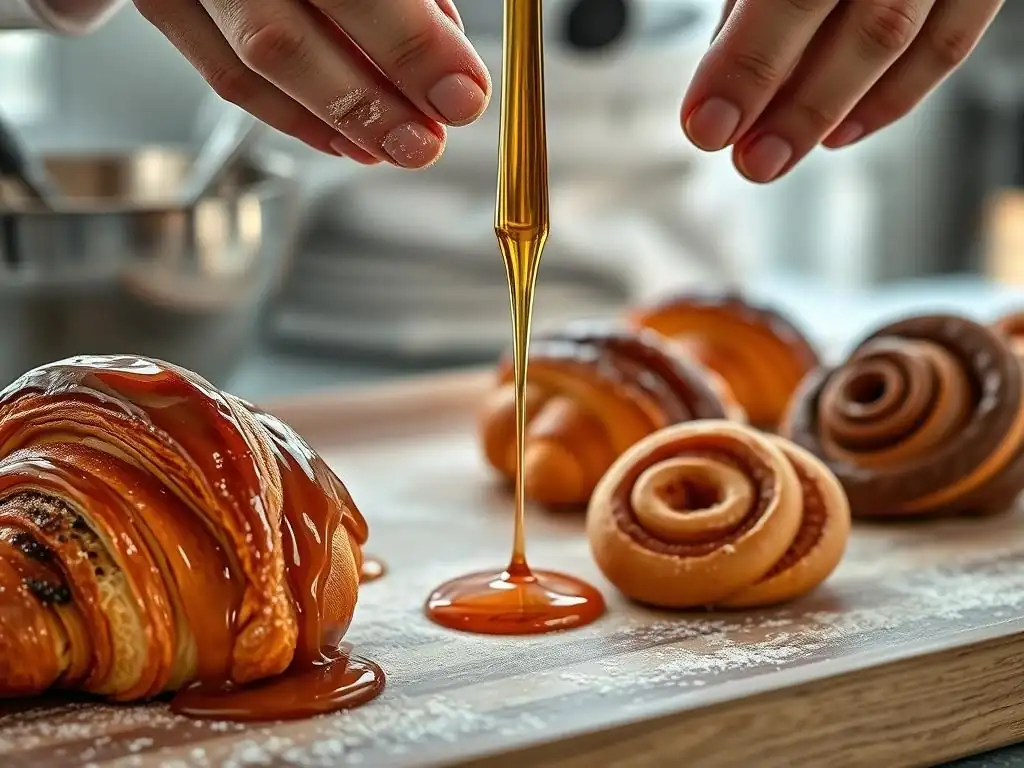
Using a sugar syrup glaze on viennoiseries offers distinct advantages, primarily focused on achieving a high-gloss shine and adding sweetness. Unlike egg wash, which is typically applied before baking, sugar syrup is usually brushed onto viennoiseries immediately after they come out of the oven while they are still hot. The heat of the pastry helps the syrup penetrate slightly and dry into a thin, shiny coating. This method is excellent for pastries where a very bright, almost mirror-like finish is desired, often seen on fruit tarts or certain types of Danish pastries.
Beyond the visual appeal, a sugar syrup glaze adds a noticeable layer of sweetness, which can complement the richness of the butter in the laminated dough. It can also contribute to a slightly softer crust compared to an egg wash. Furthermore, flavored syrups (like apricot or maple) can infuse the pastries with additional aromas and tastes, creating a more complex flavor profile. This flexibility makes sugar syrup a versatile glazing option for a variety of viennoiserie types, allowing for creative flavor pairings.
Simple Sugar Syrup Recipe for Viennoiseries: A Sweet Solution
A basic sugar syrup glaze for viennoiseries is incredibly simple to make. You only need two ingredients: sugar and water. The standard ratio is 1:1 by weight or volume, though a slightly thicker syrup (like 1.5 parts sugar to 1 part water) can provide an even glossier finish.
- Combine ingredients: In a small saucepan, combine 100 grams of granulated sugar with 100 ml of water.
- Heat gently: Place the saucepan over medium heat, stirring occasionally, until the sugar is completely dissolved. Do not boil vigorously at this stage; the goal is just to dissolve the sugar.
- Bring to a simmer (optional): For a slightly thicker syrup, you can bring the mixture to a gentle simmer for 1-2 minutes after the sugar dissolves. Avoid boiling for too long, as this will reduce the water too much and make the syrup too thick or prone to crystallizing.
- Cool slightly: Remove the syrup from the heat. It is best applied while still warm, but not boiling hot, to avoid making the pastry soggy.
This simple sugar syrup recipe yields enough glaze for a batch of viennoiseries. It can be made ahead of time and gently reheated if needed.
How to Apply Sugar Syrup Glaze for Optimal Results
Applying sugar syrup glaze to viennoiseries requires timing and technique. The syrup is best applied immediately after the pastries are removed from the oven, while they are still hot. Use a clean pastry brush and gently brush a thin, even layer of warm syrup over the entire surface of the hot viennoiseries. The heat helps the syrup spread smoothly and dry quickly into a shiny finish.
Avoid applying too much syrup, as this can make the pastry excessively sweet or sticky. A single thin coat is usually sufficient for a good shine. Allow the glazed pastries to cool completely on a wire rack.
As they cool, the syrup will set and harden slightly, providing the desired gloss. If applying to pastries that have cooled, you may need to gently warm the pastry first, or use a slightly warmer syrup, but applying to hot pastry yields the best shine. For example, a pain au chocolat fresh out of a 350°F (175°C) oven is perfectly primed for a brush of warm 1:1 sugar syrup.
Exploring Different Syrup Flavors for Your Viennoiseries [e.g., apricot, maple]
Beyond a basic sugar syrup, you can easily infuse glazes with various flavors to complement your viennoiseries. Fruit-based glazes are very popular, especially apricot. To make an apricot glaze, gently heat apricot jam (about 1/2 cup) with a tablespoon or two of water or fruit juice until it becomes a pourable consistency. Strain it through a sieve to remove any fruit chunks, then brush it warm onto hot viennoiseries. This adds a lovely tangy sweetness and a beautiful shine, often seen on classic fruit Danish.
Maple syrup can also be used, either brushed on directly (though it can be quite sweet and slightly sticky) or mixed with a little melted butter for a richer glaze, particularly good on pastries with nuts or cinnamon. Other possibilities include adding a splash of vanilla extract, almond extract, or even a liqueur like rum or Grand Marnier to your simple sugar syrup after it's removed from the heat, adding another layer of flavor complexity to your glazed viennoiserie. Experimentation can lead to unique and delicious flavor combinations.
Icing Glaze for Viennoiseries: A Decorative Touch
When to Choose Icing Over Egg Wash or Syrup
Icing offers a different aesthetic and flavor profile compared to egg wash or sugar syrup, making it suitable for different purposes. While egg wash and syrup enhance the pastry's natural color and shine, icing provides an opaque or semi-opaque coating that covers the surface. This is ideal when you want a bright white finish, vibrant colors (by adding food coloring), or a thicker, more substantial layer of sweetness. Icing is also perfect for decorating viennoiseries, allowing for piping, drizzling, or flooding techniques.
Choose icing when the primary goal is decoration or adding a significant, distinct layer of sweet flavor. It's less about showcasing the lamination of the dough and more about adding a confectionery finish. Icing is typically applied after the viennoiseries have cooled completely, as applying it to hot pastries would cause it to melt or run off. This makes it a finishing touch rather than part of the baking process itself, unlike an egg wash glaze for viennoiseries which bakes on.
Basic Icing Recipe for Viennoiseries: A Versatile Option
A simple icing glaze for viennoiseries is quick to prepare and incredibly versatile. It's essentially just powdered sugar mixed with a liquid.
- Gather ingredients: You'll need about 1 cup (approx. 120g) of powdered sugar and 2-4 tablespoons of liquid (milk, water, or lemon juice).
- Combine: Place the powdered sugar in a bowl. Add 2 tablespoons of the liquid.
- Mix: Stir with a spoon or whisk until smooth. The consistency should be thick but pourable. Add more liquid, a teaspoon at a time, until you reach the desired consistency for drizzling or spreading. For a thicker icing suitable for piping, use less liquid. For a thinner icing for flooding, use slightly more.
This basic icing can be flavored with extracts (vanilla, almond, etc.) or colored with gel food coloring. It dries relatively quickly into a firm, sweet coating. This amount is usually sufficient for generously drizzling or lightly coating about 6-8 viennoiseries.
Variations of Icing: Royal Icing, Fondant Icing, and More
Beyond the basic powdered sugar and liquid mix, several types of icing can be used on viennoiseries, each offering a different finish and texture. Royal icing, made from powdered sugar, egg whites (or meringue powder), and water, dries very hard and is excellent for intricate piping work and creating defined lines or patterns. It's often used for highly decorative pastries or cookies.
Fondant icing, also known as poured fondant or pourable icing, is smoother and glossier than basic icing. It's made by melting and tempering sugar and glucose syrup, or by simply warming ready-made fondant. When warmed, it can be poured or dipped, drying into a very smooth, opaque, and professional-looking finish, often seen on classic French patisserie. While perhaps less common on everyday viennoiserie, these variations offer advanced decorative possibilities for special occasions.
Techniques for Decorating Viennoiseries with Icing [e.g., piping, flooding]
Icing allows for various decorative techniques to enhance the appearance of viennoiseries. A simple method is drizzling: use a spoon or a piping bag with a fine tip to create random lines or patterns over the cooled pastry. For a more uniform look, you can dip the top of the pastry into a bowl of icing, letting the excess drip off before placing it on a wire rack to set.
Piping is ideal for creating specific designs, borders, or writing on the surface. Use a piping bag fitted with different tips to create stars, rosettes, or intricate patterns. Flooding is a technique where you outline an area with thicker icing (e.g., royal icing) and then fill the center with thinner icing, which spreads to create a smooth, flat surface within the outline.
This technique is more common on flat surfaces like cookies but can be adapted for some viennoiserie shapes. For example, a simple pain aux raisins might have a basic glaze, while a more elaborate Danish could feature piped cream cheese icing.
Egg Wash vs. Sugar Syrup vs. Icing: A Comparative Analysis for Viennoiseries
Shine and Appearance: Which Glaze Wins?
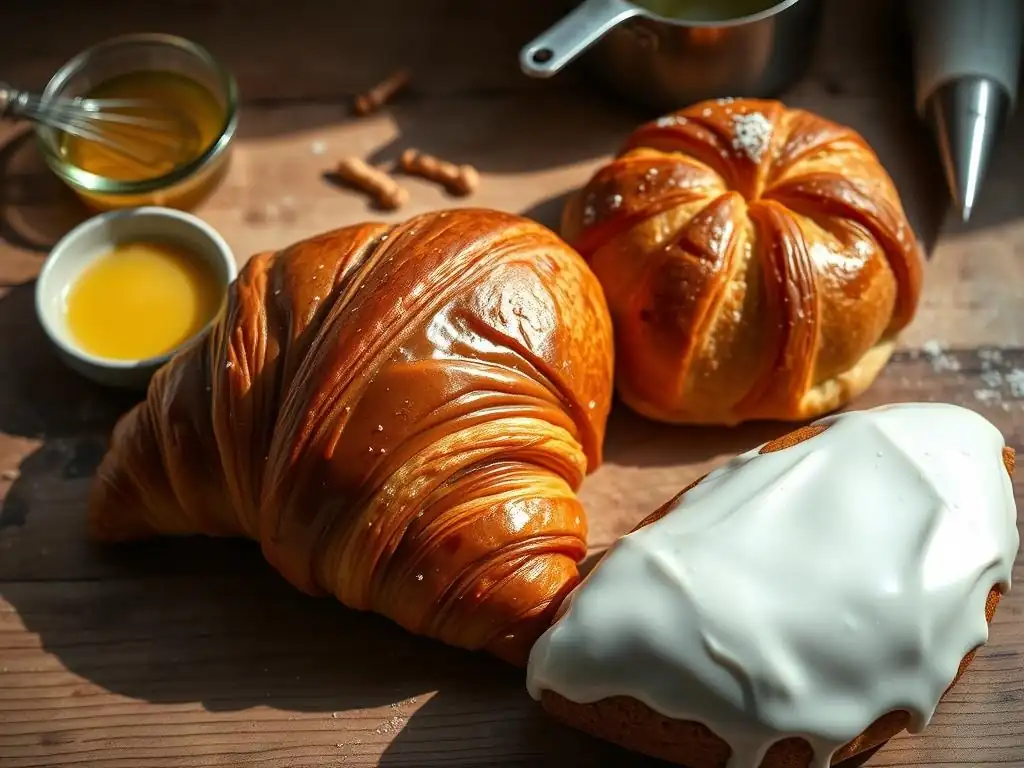
When it comes to achieving shine on viennoiseries, sugar syrup typically provides the highest gloss. Applied to hot pastries, it dries into a thin, almost glass-like coating that reflects light brilliantly. A classic egg wash glaze viennoiseries recipe using a whole egg or yolk provides a beautiful, natural shine, but it's generally less reflective than sugar syrup. The shine from egg wash is more of a soft sheen that highlights the golden-brown color.
Icing provides an opaque or semi-opaque finish that covers the pastry's surface. While some icings, like poured fondant, can have a smooth, somewhat reflective surface, it's not the same kind of transparent gloss provided by syrup or the natural sheen of egg wash. Icing's strength is in providing color and a smooth, uniform look, rather than enhancing the baked dough's appearance. For a classic, natural golden sheen, egg wash is preferred; for maximum gloss, sugar syrup is the winner.
Taste and Texture: How Glazes Affect Your Viennoiseries
Each glaze imparts a different taste and texture to the viennoiseries. An egg wash glaze for viennoiseries has minimal impact on taste; it might add a very subtle richness from the egg protein but doesn't contribute sweetness (unless sugar is added to the wash, which is uncommon in a standard egg wash glaze viennoiseries recipe). Texturally, it creates a thin, slightly firm crust on the surface.
Sugar syrup adds a noticeable sweetness and can make the surface slightly sticky or chewy, depending on the syrup's consistency. A thin syrup creates a delicate crisp layer, while a thicker syrup can be stickier. Flavor-infused syrups add their specific taste profile. Icing adds a significant layer of sweetness due to the high concentration of powdered sugar. Its texture is soft when first applied but dries to a firm, sometimes slightly brittle coating. The choice depends heavily on how much sweetness and what kind of surface texture you want.
Ease of Application: Finding the Right Glaze for Your Skill Level
All three glazes are relatively easy to apply, but they have slightly different requirements regarding timing and technique. Egg wash must be applied before baking, requiring careful brushing to avoid drips. It's forgiving in terms of consistency – just whisked egg and liquid. A simple egg wash glaze viennoiseries recipe is arguably the most straightforward to execute correctly on your first try for a decent result.
Sugar syrup is applied after baking to hot pastries, which requires timing it right as they come out of the oven. Making the syrup is simple, but getting the correct consistency and applying it evenly before it cools and thickens takes a little practice. Icing is applied to cooled pastries, offering the most flexibility in timing. Basic icing is very easy to mix, but achieving the perfect drizzling or spreading consistency might require minor adjustments to the liquid amount. More advanced icing techniques like piping or flooding require specific tools and practice.
Shelf Life and Storage Considerations for Glazed Viennoiseries
The type of glaze can affect how long viennoiseries stay fresh and how they should be stored. Viennoiseries glazed with a standard egg wash glaze tend to keep their texture well, though the shine may fade slightly over time. They can typically be stored at room temperature in an airtight container for 1-2 days.
Sugar syrup glazed pastries can become quite sticky, especially in humid conditions. The sugar coating can also attract moisture over time, potentially making the pastry surface a bit soft. They are best stored in a single layer in an airtight container at room temperature for 1-2 days; stacking can cause them to stick together.
Iced viennoiseries, particularly those with thick icing or certain types like royal icing, should also be stored in a single layer once the icing is completely set. The high sugar content in icing acts as a preservative to some extent, but the main concern is preventing the icing from cracking or melting. They are also typically best consumed within 1-2 days.
Troubleshooting Common Glazing Issues in Viennoiseries
Avoiding a Pale or Uneven Egg Wash
A pale or uneven egg wash glaze for viennoiseries can be disappointing after all the effort of lamination and proofing. If your egg wash results in a pale color, ensure you are using the correct egg mixture – a whole egg or yolk provides more color than just the white. Adding a pinch of sugar to your egg wash glaze viennoiseries recipe (say, 1/4 teaspoon per egg) can also help promote browning. Make sure your oven temperature is accurate and that the pastries are baked for the full recommended time; underbaking will prevent sufficient color development.
Unevenness often results from improper application. Ensure the egg wash is thoroughly mixed with no streaks. Use a clean, soft brush and apply the wash in smooth, even strokes, covering the entire surface. Avoid overloading the brush, which can cause drips and pools of egg wash that bake darker than the surrounding areas. Applying a second thin coat after the first has just started to set can also help achieve a more uniform and deeper color.
Preventing a Sticky Sugar Syrup Glaze
A sticky sugar syrup glaze on viennoiseries is usually a sign that the syrup wasn't cooked to the correct consistency, too much was applied, or the pastries weren't allowed to cool properly. Ensure your sugar syrup is made with the correct sugar-to-water ratio (1:1 is standard, 1.5:1 is thicker but still pourable). If the syrup is too thin (too much water), it won't set properly and will remain sticky. Cooking the syrup for a minute or two after the sugar dissolves helps thicken it slightly, promoting a firmer set.
Applying too much syrup is a common mistake; a thin, even coat is sufficient for shine. Excess syrup pools and creates sticky spots. Always apply the syrup while the pastries are hot from the oven; the heat helps the water evaporate and the sugar set quickly. Finally, allow the glazed pastries to cool completely on a wire rack. Cooling allows the sugar to crystallize and harden. Storing them before they are fully cooled or stacking them while they are still warm will trap moisture and result in stickiness.
Fixing Cracked or Runny Icing
Cracked icing on viennoiseries usually happens if the icing is too thick or applied to warm pastries. Ensure your basic icing recipe has enough liquid to be pourable or easily spreadable for the intended technique. Icing that is too stiff will crack as the pastry underneath expands or contracts slightly. Always wait until the viennoiseries are completely cooled before applying icing. The heat from a warm pastry will melt the sugar and cause the icing to run or become uneven.
Runny icing, conversely, means there is too much liquid in the mixture. This is easily fixed by gradually whisking in more powdered sugar until the desired consistency is reached. If your icing is too runny after application, there's not much you can do except let it set as much as possible. For future batches, be cautious when adding liquid, adding just a teaspoon at a time until the consistency is right. Using milk instead of water can sometimes result in a slightly creamier, less brittle icing that is less prone to cracking.
Advanced Glazing Techniques for Viennoiseries
Double Glazing for Extra Shine and Protection
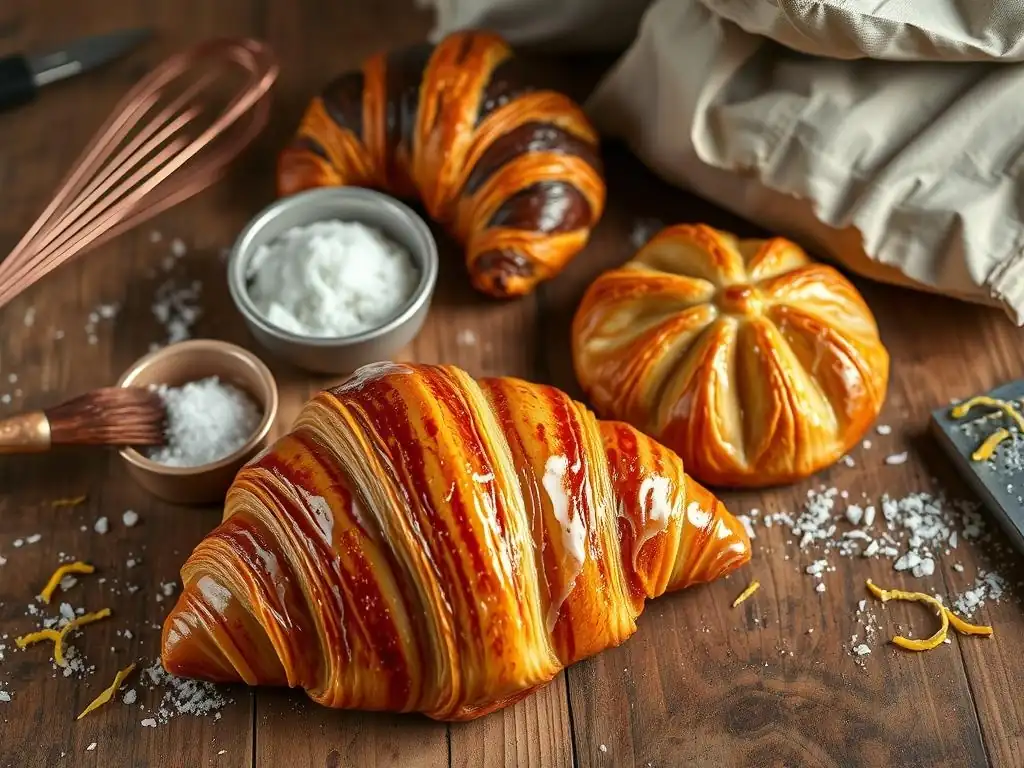
For an exceptionally deep color and high shine on viennoiseries, especially when using egg wash, double glazing is an advanced technique worth exploring. This involves applying a standard egg wash glaze viennoiseries recipe before baking, baking the pastries until they are almost done and have achieved a light golden color, then carefully removing them from the oven and applying a second thin coat of egg wash. The pastries are then returned to the oven to finish baking.
The first coat promotes initial browning and creates a base layer. The second coat, applied to the partially set first layer, enhances the color depth and significantly boosts the final shine. This technique requires careful handling of the hot pastries and quick application to avoid letting the heat escape too much. It's often used by professional bakers aiming for that perfect, rich, glossy finish on their croissants. Alternatively, you can bake with egg wash, and then brush with sugar syrup immediately after removing from the oven for a combined effect.
Adding Extracts and Flavors to Your Glazes
Elevating your viennoiseries can be as simple as adding flavor extracts or zests to your glazes. While not typically added to a traditional egg wash glaze viennoiseries recipe, extracts are excellent additions to sugar syrups and icings. A few drops of vanilla extract or almond extract in a simple sugar syrup can add a subtle layer of aroma that complements the buttery dough.
For icings, the possibilities are even wider. Lemon juice instead of milk provides a tangy lemon icing perfect for fruit-filled Danish. Adding orange zest to a basic icing mixture creates a bright, citrusy glaze. You can also experiment with liqueurs (like rum or coffee liqueur) added to sugar syrup or icing for adult-friendly flavors. When adding extracts, do so after the glaze has been heated (if applicable) to prevent the alcohol from evaporating immediately. Start with a small amount (e.g., 1/4 to 1/2 teaspoon per cup of glaze) and adjust to taste.
Creating Unique Glaze Effects [e.g., marbled glaze, brushed glaze]
Beyond simple uniform coatings, glazes can be used to create unique visual effects on viennoiseries. Marbled icing is achieved by preparing two different colored icings (or one colored and one white). Drizzle lines of one color over the base color, then swirl gently with a skewer or toothpick before the icing sets. This works best on relatively flat surfaces.
A brushed glaze effect can be achieved with egg wash or a slightly thicker sugar syrup. Instead of smooth strokes, use the pastry brush to create textured brush marks on the surface before baking (for egg wash) or cooling (for syrup). This adds a rustic, artisanal look. For a crackle effect on icing, apply a thin layer of icing, let it set partially, then gently expand the pastry slightly (if possible) or move it to a warmer area to encourage the icing to crack naturally. These techniques add visual interest and a touch of artistry to your baked goods.
Mastering the Glaze for Viennoiseries: A Summary
Key Takeaways for Perfect Viennoiseries Glazing
Mastering the art of glazing viennoiseries hinges on understanding the properties of each type of glaze and applying them correctly. A classic egg wash glaze viennoiseries recipe is your go-to for a beautiful, natural golden-brown color and a subtle sheen, applied before baking. Remember to use a light touch and avoid pooling. The type of egg and liquid used influences the final color and shine, with yolk providing the deepest hue and highest gloss among egg washes.
Sugar syrup is applied post-baking to hot pastries, delivering maximum shine and adding sweetness. Getting the right syrup consistency and applying it quickly and evenly are key to avoiding stickiness. Icing, applied to cooled pastries, is primarily for decoration and adding significant sweetness, offering versatility in color and texture but covering the underlying pastry. Each glaze serves a different purpose, and the best choice depends on your desired final appearance, taste, and texture for your viennoiserie.
Resources for Further Baking Exploration on BakeWithEase.com
Exploring the world of viennoiseries and other laminated doughs is a rewarding baking journey. On BakeWithEase.com, you can find a wealth of resources to help you hone your skills. We offer detailed guides on making classic croissant dough, pain au chocolat recipes, and various Danish pastry fillings.
Discover tips on proofing, shaping, and baking techniques that complement your glazing efforts. Whether you're perfecting your egg wash glaze viennoiseries recipe, experimenting with flavored syrups, or trying decorative icing techniques, BakeWithEase.com provides step-by-step instructions and helpful hints for bakers of all levels. Continue exploring our site for more recipes, troubleshooting tips, and inspiration to make your baking endeavors successful and delicious.
Frequently Asked Questions
What is the purpose of using an egg wash on viennoiseries?
An egg wash provides a shiny, golden-brown crust to viennoiseries like croissants and pain au chocolat. It also helps to seal the dough, preventing it from drying out too much during baking.
Besides egg wash, what other glazing options are there for viennoiseries?
Alternatives include simple syrup, which imparts a subtle sweetness and shine, and icing, which adds a richer flavor and a more opaque finish. The choice depends on the desired final result.
How does an egg wash affect the taste of viennoiseries?
An egg wash generally doesn't significantly alter the taste, but it can add a very slight richness. The primary impact is on the visual appeal and crust texture.
What are some tips for applying egg wash evenly to viennoiseries?
Use a soft-bristled brush and apply a thin, even layer. Avoid letting the egg wash pool in crevices, as this can lead to uneven browning. A double coat is usually recommended for a deeper color.
Does the type of egg (e.g., whole egg, egg yolk, egg white) affect the outcome of an egg wash glaze?
Yes, using just the egg yolk results in a richer color and glossier finish. Egg white alone will create a crisper crust with less color. A whole egg offers a balance between the two.
Final Reflection: The Golden Glaze: Choosing the Perfect Finish for Your Viennoiseries
The quest for the perfect viennoiserie glaze is far more than a culinary pursuit; it's a journey into texture, flavor, and the artistry of baking. The seemingly simple act of glazing these delicate pastries profoundly impacts their final presentation and overall enjoyment. This article explored the three most popular methods – egg wash, syrup, and icing – highlighting their unique characteristics and suitability for different viennoiserie types. The choice, as we've seen, is far from arbitrary.
The subtle nuances of each glazing technique have captivated bakers for generations, shaping the cultural landscape of pastry making. The glossy sheen of an egg wash, the delicate sweetness of a syrup, the bold decoration of an icing – each speaks to a different aesthetic and culinary tradition. The proof of the pudding is in the eating,
as the saying goes, and the same holds true for our viennoiseries. The right glaze elevates the entire experience, transforming a simple pastry into a moment of pure indulgence. This exploration has reinforced my own appreciation for the detail and precision required to achieve baking perfection.
Now, it's your turn. Consider the next batch of croissants, pains au chocolat, or brioche you bake. Which glaze will you choose? Will you embrace the classic elegance of an egg wash, the subtle sweetness of a syrup, or the creative freedom of an icing? Don't just bake; experiment! Explore the possibilities, refine your technique, and discover the glaze that best reflects your personal style and elevates your viennoiseries to their full potential. The journey of perfecting your glaze is as rewarding as the final product itself.
Unlock Your Viennoiserie's Golden Potential!
Thanks for joining us on this delicious journey into the world of viennoiserie glazing! You’ve learned the secrets to achieving that perfect shine and irresistible flavor. Now it’s time to put your newfound knowledge into action.
- Master the art of the egg wash: Practice your technique on a smaller batch to perfect that glossy, golden-brown finish before tackling a larger project. This is the key to achieving that classic viennoiserie look!
- Experiment with different syrups: Try infusing your simple syrup with vanilla, citrus, or even spices for unique flavor profiles. Share your creations with us!
- Get creative with icings: Explore different icing recipes, from classic powdered sugar to more elaborate glazes. What unique flavor combinations can you dream up?
Ready to transform your baking game? What’s your favorite glazing technique, and what delicious viennoiserie are you going to try next?