
Unlock the Secret to Perfectly Flaky Puff Pastry Layers

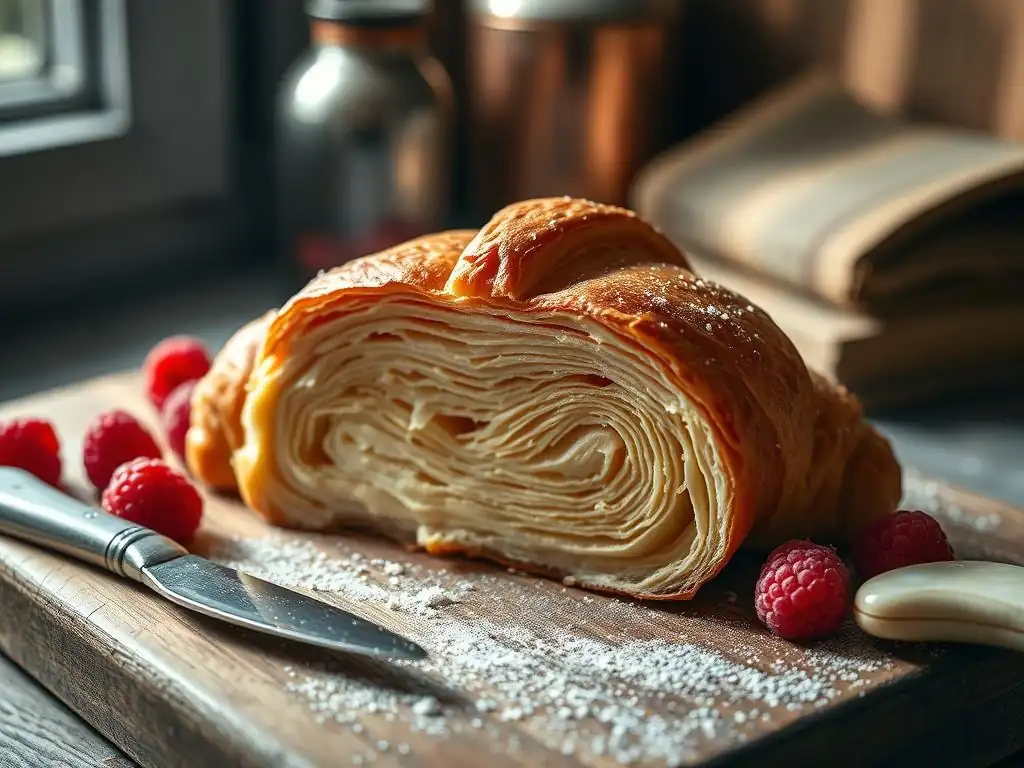
Welcome to BakeWithEase, your guide to unlocking baking brilliance! Ever dream of crafting perfectly flaky puff pastry layers that shatter with each bite? You're in the right place. Discover the secrets behind this delectable treat and embark on a baking journey that will elevate your skills. Let's get started and transform your kitchen into a haven of delicious creations! Ready to unveil the magic?
- Mastering Flaky Puff Pastry: A Baker's Guide
- Introduction: Achieving Superior Lamination
- The Science of Flaky Layers
- Step-by-Step Lamination Process
- Troubleshooting Common Issues
- Tips and Tricks for Elevated Results
- Puff Pastry Recipe Applications
- Conclusion: Achieving Excellence in Puff Pastry
- Frequently Asked Questions
- Final Reflection: The Enduring Allure of Perfectly Flaky Layers
- Unleash Your Inner Pastry Chef!
Mastering Flaky Puff Pastry: A Baker's Guide
Introduction: Achieving Superior Lamination
Creating perfectly flaky puff pastry layers might seem like a challenge, but it's a technique that, once understood, becomes incredibly rewarding. The secret lies in a process called lamination, where layers of dough are interleaved with layers of cold butter. As the pastry bakes at high heat, the water in the butter turns to steam, forcing the dough layers apart and creating that signature airy, flaky texture we all love. Mastering this technique opens the door to a world of delicious baked goods, from sweet palmiers to savory tarts.
This guide will walk you through the science and practice behind achieving those coveted perfectly flaky puff pastry layers. We'll delve into the crucial roles of ingredients like butter and flour, explore the impact of temperature at every stage, and provide a step-by-step process for successful lamination. We'll also cover common issues and offer tips to elevate your results, ensuring your puff pastry is light, crisp, and beautifully layered every time you bake.
The Science of Flaky Layers
Achieving perfectly flaky puff pastry layers is a fascinating interplay of ingredients, technique, and temperature control. It’s not magic, but rather a precise application of culinary science. Understanding why certain steps are crucial helps demystify the process and empowers you to troubleshoot when things don't go exactly as planned. The structure of puff pastry relies on carefully constructed layers that separate during baking, transforming a simple dough and butter block into a delicate, multi-layered marvel.
The core principle is the creation of numerous thin layers of dough separated by equally thin layers of fat (typically butter). When subjected to high heat, the moisture within the butter quickly evaporates into steam. This steam is trapped between the dough layers, pushing them apart and causing the pastry to dramatically puff up. Simultaneously, the dough layers crisp and set around the steam pockets, resulting in a light, airy, and incredibly flaky structure.
Butter's Role in Lamination
Butter is the star player in creating perfectly flaky puff pastry layers. Its composition is key: it's primarily fat (around 80-84% in standard butter, often higher in European-style butter), but it also contains a significant percentage of water (typically 16-18%) and milk solids. During baking, it's this water content that performs the heavy lifting. As the oven temperature rises, the butter melts, and the trapped water rapidly turns into steam, expanding dramatically and forcing the thin dough layers apart.
Beyond providing the crucial steam for lift, the fat in the butter also prevents the dough layers from fusing together during the rolling and folding process. It acts as a barrier, ensuring that each layer remains distinct.
Using a high-quality butter with a higher fat content and lower water content is often recommended, as it creates a more stable fat layer that is less likely to melt prematurely during lamination and contributes to a richer flavor and more pronounced flakiness in the final product. The plasticity of cold butter is also vital; it needs to be firm enough to create distinct layers but pliable enough to roll out evenly with the dough.
Gluten Control for Optimal Texture
While gluten is essential for structure in many breads, controlling its development is paramount for achieving perfectly flaky puff pastry layers that are tender, not tough. Gluten, formed when proteins in flour (glutenin and gliadin) combine with water and are agitated, provides elasticity and strength. Too much gluten development in puff pastry results in a chewy, tough texture that can resist the steam lift, hindering the formation of those delicate flakes.
To minimize excessive gluten development, bakers typically use a lower-protein flour, such as all-purpose flour (which usually contains 10-12% protein) or even pastry flour (often 8-10% protein), compared to bread flour (12-14%+ protein). Mixing the dough is kept minimal – just enough to bring the ingredients together without kneading. Crucially, resting the dough, particularly between turns, allows the gluten network to relax. This relaxation reduces the dough's elasticity, making it easier to roll thinly without snapping back and ensuring the baked pastry is tender and crisp, allowing the layers to separate beautifully.
Temperature's Impact on Layer Definition
Temperature control is arguably the most critical factor throughout the puff pastry making process for achieving perfectly flaky puff pastry layers. Everything, from the initial dough mixing to the final baking, relies on maintaining specific temperatures. The primary goal is to keep the butter cold and firm while the dough is also cold and relatively relaxed. Cold temperatures prevent the butter from melting into the dough before baking, which would result in a dense, greasy pastry rather than a layered one.
During lamination, the dough and butter block should be kept cold enough (typically between 40°F and 55°F, or 4°C to 13°C) so the butter remains solid and distinct. If the butter gets too warm, it becomes soft and can squeeze out of the layers or melt into the dough, destroying the potential for flakiness. Resting the dough in the refrigerator between turns is essential to re-chill the butter and relax the gluten.
Finally, baking at a high initial temperature (often 400-425°F or 200-220°C) is vital. This high heat rapidly melts the cold butter, generating steam quickly and providing the powerful lift needed to create those dramatic, perfectly flaky puff pastry layers before the structure sets.
Step-by-Step Lamination Process
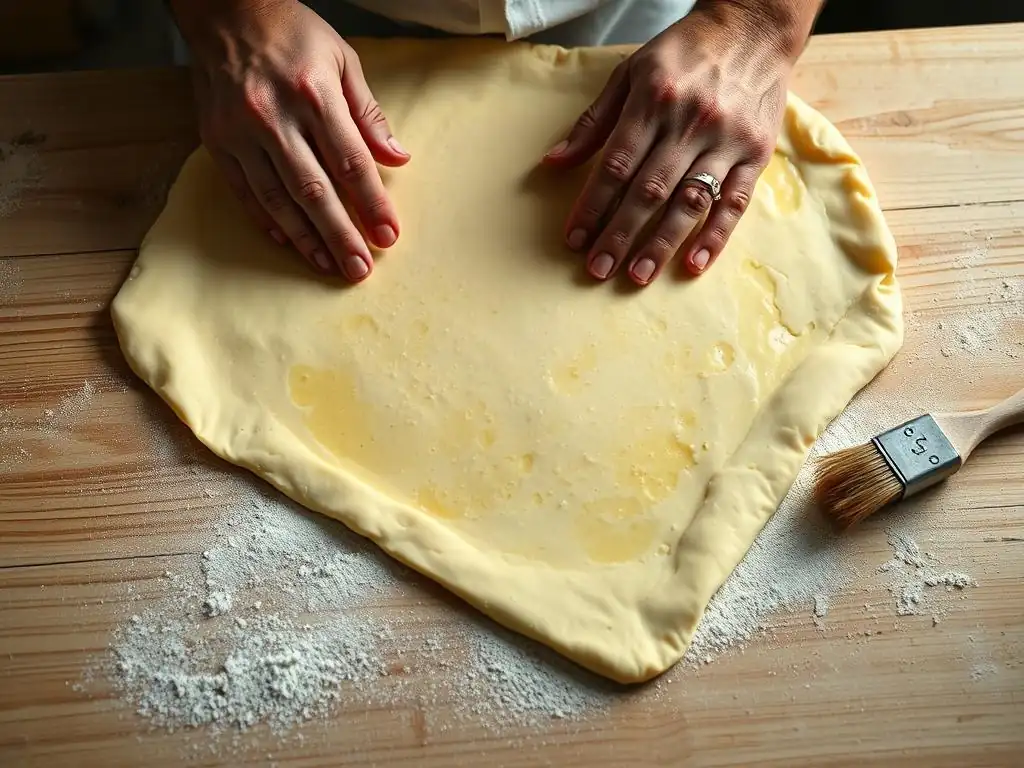
Creating perfectly flaky puff pastry layers is a process that requires patience and precision, but it follows a clear, step-by-step method known as lamination. This technique involves enclosing a block of cold butter within dough and repeatedly rolling and folding the dough to create multiple layers of butter and dough. Each fold, or "turn," multiplies the number of layers exponentially. While it might seem complex at first, breaking it down into manageable stages makes it achievable for any intermediate baker.
The process typically starts with preparing a simple dough, followed by creating a separate butter block. These two components are then combined and subjected to a series of rolling and folding steps, interspersed with crucial resting periods in the refrigerator. Success at each stage is dependent on maintaining cold temperatures and handling the dough gently. Let's walk through each phase to understand how those magnificent layers are built.
Preparing the Dough
The base dough for puff pastry is relatively simple, typically consisting of flour, water, salt, and sometimes a little butter or fat. Unlike bread dough, the goal here is minimal gluten development to ensure tenderness. The consistency should be pliable but not sticky, firm enough to handle the subsequent rolling and folding steps.
Flour Selection for Base Dough
Selecting the right flour is the first step towards achieving perfectly flaky puff pastry layers. As mentioned earlier, a flour with a moderate to low protein content is preferred to limit gluten development. All-purpose flour is commonly used and works well for many bakers. Some purists might opt for pastry flour for an even more tender result due to its lower protein percentage, often around 8-10%.
Using a lower-protein flour helps ensure that the dough remains extensible (easy to roll) rather than elastic (snapping back). This is crucial during the lamination process, as you need to roll the dough thinly and evenly without it fighting back. The goal is just enough gluten structure to hold the layers together during rolling and baking, but not so much that it results in a tough pastry.
Mixing and Hydration
The mixing process for puff pastry dough is deliberately brief. The dry ingredients (flour, salt) are combined, and then cold water is added, often with a small amount of melted butter or shortening. The mixture is brought together just until it forms a cohesive dough, typically in a stand mixer with a paddle attachment or by hand.
Overmixing should be strictly avoided, as this would develop too much gluten. The hydration level (the ratio of water to flour) is often lower than in many bread doughs, resulting in a relatively firm dough that is easier to work with alongside the solid butter block.
The dough might appear shaggy or slightly crumbly initially, which is perfectly acceptable. The goal is simply to hydrate the flour enough to form a mass. Any further development of gluten will happen minimally during the subsequent resting periods. This gentle mixing approach sets the stage for a tender crumb within the layers of your perfectly flaky puff pastry layers.
Importance of Resting
Resting the dough is a non-negotiable step, both before lamination begins and, critically, between each turn. The initial rest, typically for an hour or more in the refrigerator after mixing, serves to fully hydrate the flour and, more importantly, allows the minimal gluten network that has formed to relax. A relaxed dough is significantly easier to roll out thinly and evenly without resistance.
Resting the dough also chills it down thoroughly. A cold dough is essential for maintaining the temperature difference between the dough and the butter block during the initial encapsulation. If the dough is warm, it can cause the butter to soften prematurely, making it difficult to roll and potentially leading to butter leakage. Proper initial resting ensures the dough is in the ideal state to begin the delicate process of incorporating the butter and building those perfectly flaky puff pastry layers.
Creating the Butter Block
The butter block, sometimes called the "beurrage," is the heart of puff pastry lamination. It needs to be handled just right – cold enough to maintain structure but pliable enough to roll out evenly with the dough. The quality and preparation of this butter block are just as important as the dough itself for achieving perfectly flaky puff pastry layers.
Butter Selection for Lamination
Choosing the right butter is paramount. High-quality, unsalted butter is the standard. As discussed, butter with a higher fat content (often labelled as European-style butter, which typically contains 82-84% fat compared to standard North American butter at 80%) is often preferred. The lower water content in high-fat butter makes it more pliable when cold and less prone to melting prematurely during lamination.
Unsalted butter is preferred because salt can affect gluten development and the melting point of the butter. Using unsalted butter gives the baker control over the salt level in the dough itself. The butter should be cold but not rock hard when you begin preparing the block. It should be firm enough to hold its shape but capable of bending slightly without breaking.
Shaping the Butter Block
The butter block needs to be shaped into a relatively flat, even rectangle that is sized appropriately to be enclosed by the prepared dough. A common method is to place the cold butter between two sheets of parchment paper and pound it gently with a rolling pin to soften it slightly and flatten it. Then, roll it out into the desired rectangular shape. Aim for a consistent thickness throughout the block.
The dimensions of the butter block are usually proportional to the size of the detrempe (the dough). A common ratio is for the butter block to be roughly half the size of the rolled-out dough rectangle before the first fold. This ensures that the dough can completely envelop the butter, creating a neat package ready for the first roll. Careful shaping here ensures the butter is evenly distributed from the start, contributing to uniform perfectly flaky puff pastry layers throughout the finished product.
Maintaining Cold Temperature
Throughout the process of shaping and incorporating the butter block, maintaining a cold temperature is non-negotiable. The butter should be cold, but pliable, around 50-55°F (10-13°C) is often ideal for rolling. If it's too cold, it will break and chip during rolling; if too warm, it will melt into the dough.
Keep the butter refrigerated until just before you need to work with it. Once shaped, it should be kept cold until ready to be placed onto the dough. Working quickly helps minimize the time the butter is at room temperature. If at any point the butter feels too soft, immediately return it and the dough to the refrigerator to firm up before continuing. This constant vigilance over temperature is key to preventing disaster and ensuring distinct butter layers that will later yield perfectly flaky puff pastry layers.
Performing Turns and Folds
The magic of lamination happens during the "turns," which involve rolling the dough-encased butter block and folding it. Each turn creates more layers. The number and type of turns determine the final number of layers and contribute significantly to achieving perfectly flaky puff pastry layers. This is the most repetitive part of the process but also the most critical for building structure.
Understanding Types of Folds
There are two primary types of folds used in puff pastry: the single fold (or letter fold) and the double fold (or book fold). A single fold involves folding one-third of the rolled dough rectangle over the middle third, and then folding the remaining third over the top, like folding a letter. This triples the number of layers with each turn (starting with 3 layers after the first fold).
A double fold involves folding both ends of the rolled rectangle towards the center, leaving a small gap, and then folding the whole thing in half like closing a book. This quadruples the number of layers with each turn (starting with 4 layers after the first fold).
A traditional puff pastry typically undergoes either six single folds or four double folds. After four double folds, you have 4^4 = 256 layers of butter and 257 layers of dough. After six single folds, you have 3^6 = 729 layers of butter and 730 layers of dough. While both methods result in hundreds of layers, the double fold is often slightly faster as it requires fewer turns. The key is performing the chosen number of turns correctly and consistently to build the structure for perfectly flaky puff pastry layers.
Even Butter Distribution
The rolling and folding process is designed to distribute the butter evenly throughout the dough rectangle. As you roll, the butter layers spread, becoming thinner and wider alongside the dough layers. The folding action stacks these thin layers on top of each other. It's crucial to roll the dough rectangle to a consistent thickness before each fold to ensure the butter layers are also uniform.
Uneven rolling or folding can lead to areas with too much or too little butter, resulting in uneven puffing during baking. You might end up with dense spots or areas where the butter has leaked out. Gentle, consistent pressure while rolling, working from the center outwards, helps maintain the rectangular shape and ensures the butter is spread smoothly within its dough envelope, contributing to uniformly perfectly flaky puff pastry layers.
Preventing Butter Leakage
One of the most frustrating issues during lamination is butter leakage, where the cold butter starts to squeeze out of the dough edges. This usually happens if the butter is too soft, the dough is too warm, or if the edges weren't properly sealed after enclosing the butter block. Butter leakage compromises the layering structure and can lead to a greasy, less flaky pastry.
To prevent leakage, ensure both the dough and butter are sufficiently cold but still pliable before rolling. Work on a lightly floured, cool surface. When enclosing the butter, pinch the dough edges firmly to create a secure seal. If you notice butter softening or starting to leak during a turn, stop immediately, patch any holes, and return the dough to the refrigerator for a rest until the butter firms up again. Patience and temperature control are your best allies in keeping that butter where it belongs, building those beautiful, perfectly flaky puff pastry layers.
Resting and Refrigeration
Resting and refrigeration are non-negotiable steps in the puff pastry process. These periods allow the dough to relax, the gluten to subside, and the butter to firm up. Skipping or shortening these steps is a common cause of difficulty and can compromise the final texture, preventing you from achieving perfectly flaky puff pastry layers.
Purpose of Resting
Between each turn, and especially after the final turn, the dough must rest in the refrigerator. The primary purposes are twofold: relaxing the gluten that was developed during rolling and chilling the butter block. Rolling stretches the gluten network in the dough, making it elastic and prone to shrinking back. Resting allows these gluten strands to relax, making the dough easier to roll out thinly in the subsequent turn without excessive resistance or tearing.
Simultaneously, the butter softens slightly from the warmth of your hands and the friction of rolling. Refrigeration firms the butter back up to its ideal pliable-but-solid state. This ensures the butter layers remain distinct and don't melt into the dough before baking. Proper resting is essential for successful rolling, preventing toughness, and setting the stage for magnificent expansion in the oven, yielding perfectly flaky puff pastry layers.
Refrigeration Techniques
When refrigerating the dough between turns or for its final rest, proper technique is important. The dough should be wrapped tightly in plastic wrap or placed in an airtight container to prevent it from drying out or absorbing odors from the refrigerator. It should be placed on a flat surface to maintain its shape; resting it on a crumpled surface could distort the layers.
The duration of refrigeration between turns is typically 30 to 60 minutes, or until the dough and butter are sufficiently chilled and firm but still workable. The final rest before baking is often longer, sometimes several hours or even overnight, especially if the pastry needs to be rolled thinner for a specific application. Ensure your refrigerator is cold enough, generally between 35°F and 40°F (2°C and 4°C). Consistent, adequate chilling is key to successful lamination and achieving perfectly flaky puff pastry layers.
Baking for Optimal Results
The final stage in achieving perfectly flaky puff pastry layers is the bake. This is where all the careful lamination work pays off, as the pastry transforms dramatically in the heat of the oven. Baking parameters, particularly temperature, are critical for ensuring maximum puff and crispness.
Oven Temperature Control
Baking puff pastry requires a hot oven. A common temperature range is 400-425°F (200-220°C), sometimes even higher initially. The high heat is crucial for two main reasons: it rapidly melts the cold butter, generating a burst of steam that forces the layers apart with maximum lift, and it quickly sets the outer layers of the pastry, locking in the structure.
Some recipes might call for starting at a high temperature for the first 10-15 minutes to achieve maximum puff, and then reducing the temperature slightly (e.g., to 375-400°F or 190-200°C) to ensure the pastry cooks through to the center without burning the exterior. Monitoring your oven temperature with a reliable thermometer is always recommended, as oven thermostats can be inaccurate. Precise temperature control is vital for unleashing the full potential of your perfectly flaky puff pastry layers.
Baking Surface Considerations
The surface on which you bake puff pastry can influence how the bottom crust cooks. Baking on a standard metal baking sheet works well. Lining the sheet with parchment paper or a silicone baking mat prevents sticking and aids in even browning. For certain applications, like vol-au-vents or tart shells, baking weights or blind baking might be necessary to prevent the base from puffing up excessively or to ensure a crisp bottom.
For recipes requiring a very crisp bottom crust, some bakers prefer using a pizza stone or a baking steel, placed in the oven before preheating. Placing the baking sheet directly on the hot stone or steel provides a burst of heat to the base, helping it set and crisp up quickly. Experimenting with your oven and baking surfaces can help you achieve the ideal base texture to complement your perfectly flaky puff pastry layers.
Identifying Perfect Doneness
Knowing when your puff pastry is perfectly baked is essential. It should be significantly puffed, light, and a beautiful golden brown color across the entire surface, including the sides. The layers should be clearly separated and look airy and crisp. The bottom should also be golden brown and feel firm, not soft or doughy.
Baking time will vary depending on the size and thickness of the pastry piece and your oven. Thin pastry sheets might take 15-20 minutes, while thicker items like vol-au-vent shells could take 25-35 minutes or longer. If the top is browning too quickly, you can loosely tent it with foil. To check if the bottom is cooked, carefully lift one edge with a spatula. If it's pale or soft, it needs more time. Properly baked pastry ensures the structure of the perfectly flaky puff pastry layers is set and stable.
Troubleshooting Common Issues
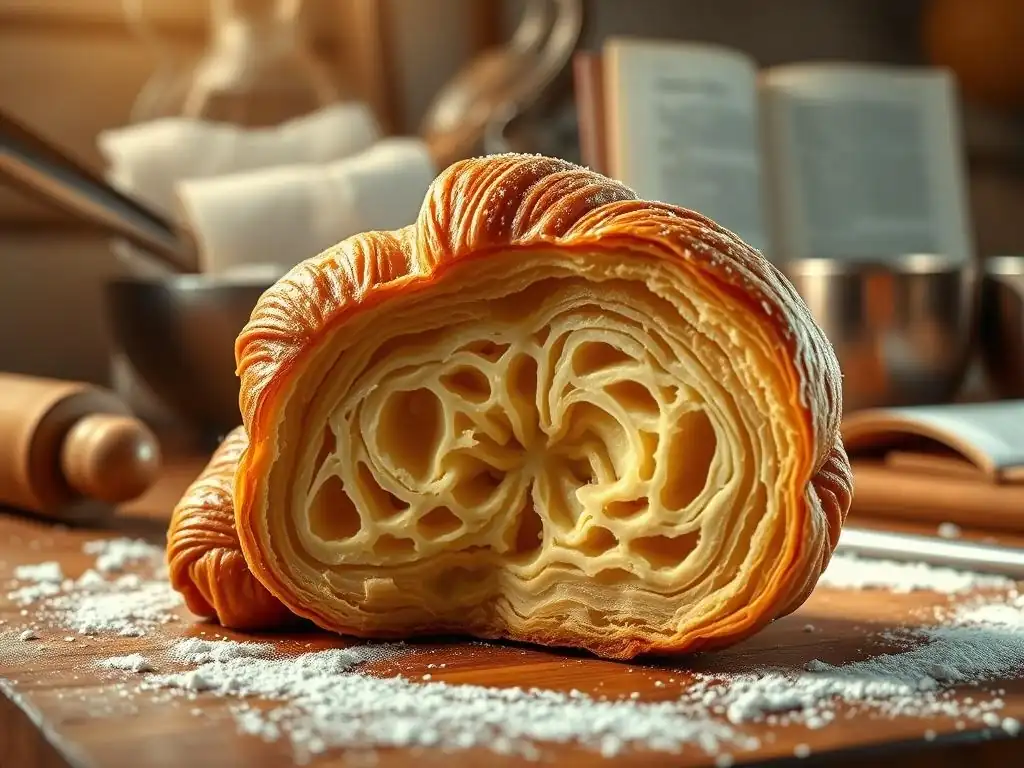
Even with careful technique, sometimes things don't go exactly as planned when making puff pastry. Understanding common pitfalls and how to address them can save your bake and help you learn from mistakes. Don't be discouraged by imperfections; they are part of the learning process.
Preventing Soggy Pastry
Soggy puff pastry, particularly at the base, is a common issue. It often results from underbaking, insufficient heat transfer to the bottom, or sometimes from filling the pastry before it has completely cooled if the filling is wet. The high moisture content in the dough and butter needs enough time and heat to cook off and crisp up.
Ensure your oven is properly preheated to the correct temperature and that the pastry bakes for sufficient time until the bottom is golden brown and firm. Using a hot baking surface like a preheated baking steel or stone can help provide that crucial initial heat to the base. If using a wet filling, consider blind-baking the pastry shell first, or bake the filling separately and add it after the pastry is fully cooked and cooled.
Allowing steam to escape the oven during baking can also help reduce overall moisture. Proper baking technique is vital for preventing a soggy bottom and ensuring perfectly flaky puff pastry layers throughout.
Fixing Tough Pastry
Tough puff pastry is usually a sign of excessive gluten development or insufficient resting. Overmixing the initial dough, handling it too roughly during rolling, or not allowing adequate rest time between turns causes the gluten network to become too strong and elastic. This results in a pastry that is chewy rather than tender and flaky.
To fix or prevent toughness, ensure you use a lower-protein flour and mix the initial dough only until it comes together. Handle the dough gently during rolling, using even pressure rather than forcing it. Most importantly, adhere strictly to the resting times between turns and before baking. These rests allow the gluten to relax, making the dough easier to work with and ensuring a tender crumb within your perfectly flaky puff pastry layers. If your dough feels very resistant or keeps springing back during rolling, it desperately needs more rest in the refrigerator.
Addressing Uneven Baking
Uneven baking, where parts of the pastry are golden while others remain pale or even burnt, can be frustrating. This is often due to hot spots in the oven, inconsistent thickness of the rolled dough, or crowding the baking sheet. Some ovens have areas that are hotter than others, leading to uneven browning.
To mitigate uneven baking, rotate your baking sheet halfway through the baking time. This helps ensure that all sides of the pastry are exposed to similar temperatures. Strive for a consistent thickness when rolling out the dough before cutting or shaping; thinner areas will cook and brown faster than thicker ones. Avoid overcrowding the baking sheet, as this can impede air circulation and lead to uneven cooking. Giving each piece adequate space promotes even heat distribution and helps achieve uniformly golden, perfectly flaky puff pastry layers.
Handling Melted Butter
Melting butter during the lamination process is a significant problem that directly compromises the layering structure. If the butter melts and incorporates into the dough before baking, you lose the distinct fat layers needed for steam lift. The result will be a greasy, dense, and heavy pastry with little to no flakiness.
If you notice the butter becoming too soft, sticky, or starting to leak during rolling, stop immediately. Gently fold the dough back up and return it to the refrigerator for an extended rest (at least 60 minutes, possibly longer) until the butter is firm again. If the butter has significantly melted into the dough, it may be difficult or impossible to salvage the layering.
In severe cases, it might be best to accept the loss and start over, ensuring stricter temperature control from the beginning. Preventing melted butter through diligent chilling is the best strategy for achieving perfectly flaky puff pastry layers.
Tips and Tricks for Elevated Results
Beyond the fundamental steps, a few extra tips and tricks can help you perfect your puff pastry technique and consistently achieve those stunning, perfectly flaky puff pastry layers. These involve paying attention to ingredient quality, refining your handling, and considering preparation strategies.
Ingredient Quality
As highlighted earlier, the quality of your ingredients significantly impacts the final outcome. Using a high-fat, unsalted butter (like European-style butter with 82-84% fat) will provide better plasticity for rolling and more distinct layers compared to lower-fat options. The higher fat content also contributes to a richer flavor.
Similarly, using a good quality all-purpose or pastry flour with a moderate protein level is essential for controlling gluten development. Ensure your water is cold when mixing the dough. While seemingly simple, starting with the best possible components sets a strong foundation for achieving truly exceptional, perfectly flaky puff pastry layers. Think of it like building a house; strong materials are key to a sturdy structure.
Gentle Handling Techniques
Throughout the entire process, from mixing the dough to rolling the final sheet, handling the pastry gently is crucial. Avoid stretching or pulling the dough excessively, as this develops gluten and can tear the delicate layers. Use smooth, even pressure when rolling, working methodically from the center outwards to maintain an even thickness and rectangular shape.
When folding, align the edges neatly without stretching. If the dough resists rolling or feels tight, it's a clear signal that the gluten needs to relax – put it back in the refrigerator for a rest! Overworking the dough is a direct path to tough pastry. Gentle, patient handling preserves the integrity of the layers and ensures they separate beautifully during baking, resulting in the desired perfectly flaky puff pastry layers.
Flavor Variations
While classic puff pastry is made with simple ingredients, you can easily add subtle flavor variations to the dough itself. A pinch of sugar can be added to the dough for slightly sweeter applications. For savory uses, incorporating dried herbs (like thyme or rosemary) or a touch of black pepper into the initial dough mixture can add an extra dimension of flavor that complements the filling.
These additions should be mixed into the dry ingredients before adding the water. Be mindful that adding too much solid material (like large herb flakes or seeds) could potentially interfere slightly with the smoothness of the layers during rolling. However, small amounts incorporated evenly can enhance the overall taste profile of your dishes made with perfectly flaky puff pastry layers.
Advance Preparation and Storage
One of the great advantages of puff pastry is that it can be made ahead of time and stored, making it convenient for entertaining or busy schedules. After completing all the turns and the final rest, the dough can be tightly wrapped in several layers of plastic wrap and then a layer of foil or placed in a freezer bag.
Properly wrapped puff pastry dough can be stored in the refrigerator for 2-3 days. For longer storage, it freezes exceptionally well. Frozen puff pastry can last for several months (typically up to 3-4 months for optimal quality). To use frozen dough, thaw it overnight in the refrigerator. Avoid thawing at room temperature, as this can cause the butter layers to soften too much. Having homemade puff pastry ready to go means you're always just a bake away from enjoying delicious treats with perfectly flaky puff pastry layers.
Puff Pastry Recipe Applications
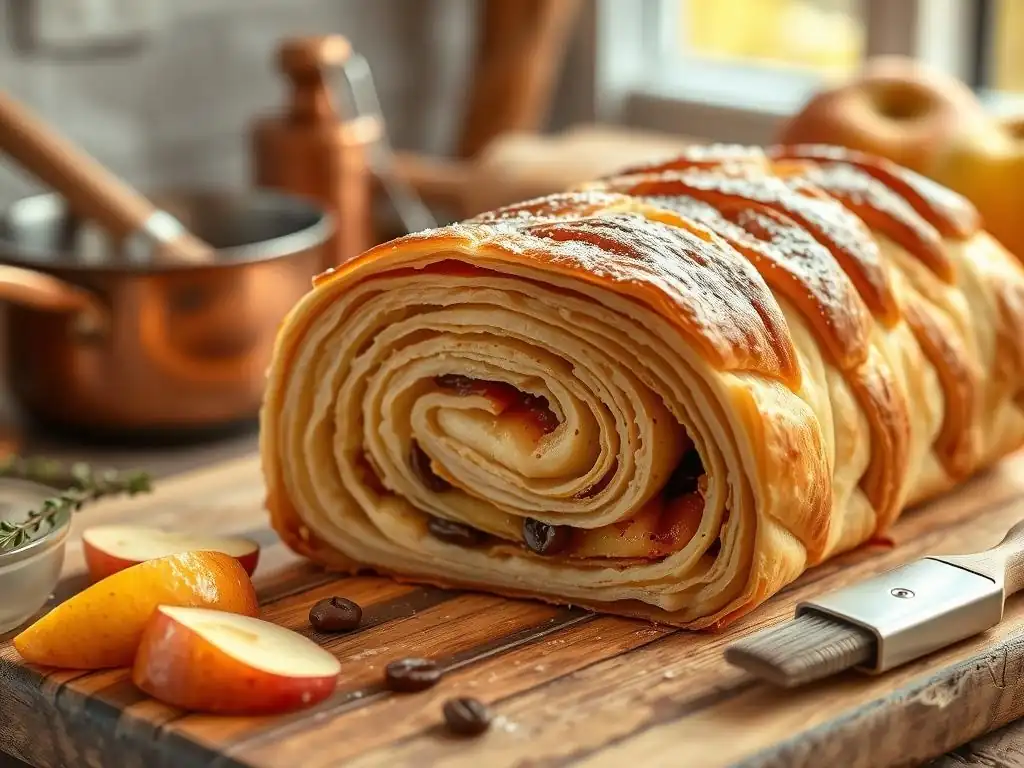
Once you've mastered the art of creating perfectly flaky puff pastry layers, a world of culinary possibilities opens up. From classic pastries to innovative appetizers and main dishes, the versatility of puff pastry is immense. Here are a few popular applications that showcase the beauty of this layered dough.
Classic Palmiers
Palmiers, also known as Elephant Ears or French Hearts, are perhaps one of the simplest yet most elegant uses of puff pastry. A sheet of puff pastry is typically sprinkled generously with granulated sugar, sometimes with added cinnamon or other spices. The sheet is then rolled from both long sides towards the center, creating two scrolls that meet in the middle.
This rolled log is then sliced into individual cookies, about 1/2 inch thick. When baked, the sugar caramelizes, and the layers fan out beautifully, creating a crisp, sweet cookie with distinct perfectly flaky puff pastry layers. They are quick to prepare and a delightful way to highlight the pastry's texture.
Savory Tart with Caramelized Onions and Gruyere
Puff pastry makes an excellent base for savory tarts and quiches. Its sturdy yet flaky crust provides a wonderful contrast to soft or rich fillings. A popular option is a tart filled with slowly caramelized onions and nutty Gruyere cheese. The pastry base is rolled out, placed in a tart pan (or simply shaped on a baking sheet), and blind-baked or partially baked before adding the filling.
The rich, sweet onions and melted cheese bubble within the crisp, golden shell of perfectly flaky puff pastry layers. This application demonstrates how the pastry can support substantial fillings while still contributing its unique texture. Other savory fillings might include roasted vegetables, mushrooms, or different cheeses.
Brie Bites with Fig Jam
For a quick and impressive appetizer, puff pastry brie bites are a go-to. Small squares of puff pastry are topped with a piece of brie cheese and a dollop of fig jam (or other preserves like raspberry or apricot). The edges of the pastry square are then brought up and pinched together to form a small parcel or left open.
Baked until golden brown and puffed, these bites feature warm, melted brie and sweet jam encased in a shell of perfectly flaky puff pastry layers. The combination of creamy cheese, sweet jam, and crisp pastry is irresistible. This simple recipe highlights how puff pastry can elevate even basic ingredients into something special.
Conclusion: Achieving Excellence in Puff Pastry
Mastering the creation of perfectly flaky puff pastry layers is a journey that involves understanding the science behind lamination, practicing precise technique, and paying close attention to temperature. While it requires more effort than store-bought pastry, the superior texture, flavor, and immense satisfaction of baking with homemade puff pastry are well worth it. Every fold, every rest, and every moment of temperature control contributes to the final spectacular rise and the hundreds of crisp, buttery layers.
Practice and Enjoy the Process
Don't be discouraged if your first attempt isn't absolutely perfect. Puff pastry is a skill that improves with practice. Pay attention to how the dough feels, how the butter behaves, and how your oven bakes. Each batch is a learning opportunity. Embrace the process, enjoy the meditative rhythm of rolling and folding, and take pride in the beautiful transformation that happens in the oven. With patience and perseverance, you will consistently achieve those stunning, perfectly flaky puff pastry layers that are the hallmark of this classic baking technique. Happy baking!
Frequently Asked Questions
What is the key to achieving perfectly flaky puff pastry layers?
The secret lies in maintaining cold ingredients and preventing the butter from melting into the dough. This allows the butter to create separate layers of steam during baking, resulting in the desired flakiness.
What type of butter works best for puff pastry?
European-style butter with a high fat content is generally recommended. This type of butter contains less water, which contributes to crisper and more defined layers in the final product.
Can I use a food processor to make puff pastry?
Yes, a food processor can be used but with caution. It's crucial to pulse the ingredients to avoid overmixing and warming the butter. Always aim for visible pieces of butter within the dough.
What temperature should the oven be for baking puff pastry?
A high oven temperature, typically between 400-425°F (200-220°C), is essential. This intense heat helps the water in the butter quickly turn into steam, creating the signature puff and flaky texture.
How do I prevent my puff pastry from shrinking during baking?
Ensure the dough is properly chilled before baking and avoid overworking it. Also, prick the dough lightly with a fork to allow steam to escape and prevent excessive puffing and shrinking.
Final Reflection: The Enduring Allure of Perfectly Flaky Layers
The pursuit of the perfect flaky puff pastry layer transcends mere culinary skill; it's a testament to the power of precision and patience in achieving culinary artistry. From humble beginnings as a simple dough, the transformation into a masterpiece of delicate, airy layers speaks to the transformative potential found in even the most basic ingredients. This process, meticulously detailed in this article, remains relevant today because the desire for exceptional food experiences—for that perfect bite, that moment of pure gustatory delight—continues to drive culinary innovation and home cooking alike.
The impact of mastering puff pastry extends far beyond the plate. It's a journey of discovery, a lesson in understanding the interplay of ingredients and technique, and a celebration of the rewards of dedication. The best things in life are worth waiting for,
and few things exemplify this more than the slow, deliberate creation of perfectly flaky puff pastry. This process, with its careful folding and chilling, mirrors the patience and precision required in many aspects of life, reminding us that true excellence often demands time and attention to detail.
Now, consider your own journey. What seemingly insurmountable challenges have you faced, and what techniques have you employed to overcome them? Perhaps the meticulous layering of puff pastry can serve as a metaphor for your own life's endeavors. I invite you to approach your future challenges with the same dedication and precision you would bring to crafting the perfect puff pastry, knowing that the rewards of patience and persistence are always worth the effort. Embrace the process, celebrate the small victories along the way, and savor the exquisite results of your unwavering commitment.
Unleash Your Inner Pastry Chef!
Thanks for joining us on this flaky journey! We hope you now feel confident tackling even the most delicate puff pastry recipes. Ready to put your new skills to the test?
- Bake your masterpiece! Try one of the recipes mentioned in the article – or even better, experiment with your own variations. Let your creativity flow!
- Share your success! Snap a picture of your amazing creation and share it on social media – tag us, we'd love to see it!
- Explore our other baking tutorials for more delicious inspiration.
What unique flavor combination will you create with your perfectly layered puff pastry?