
Advanced Caramel Techniques: Brown Butter for Deeper Flavor

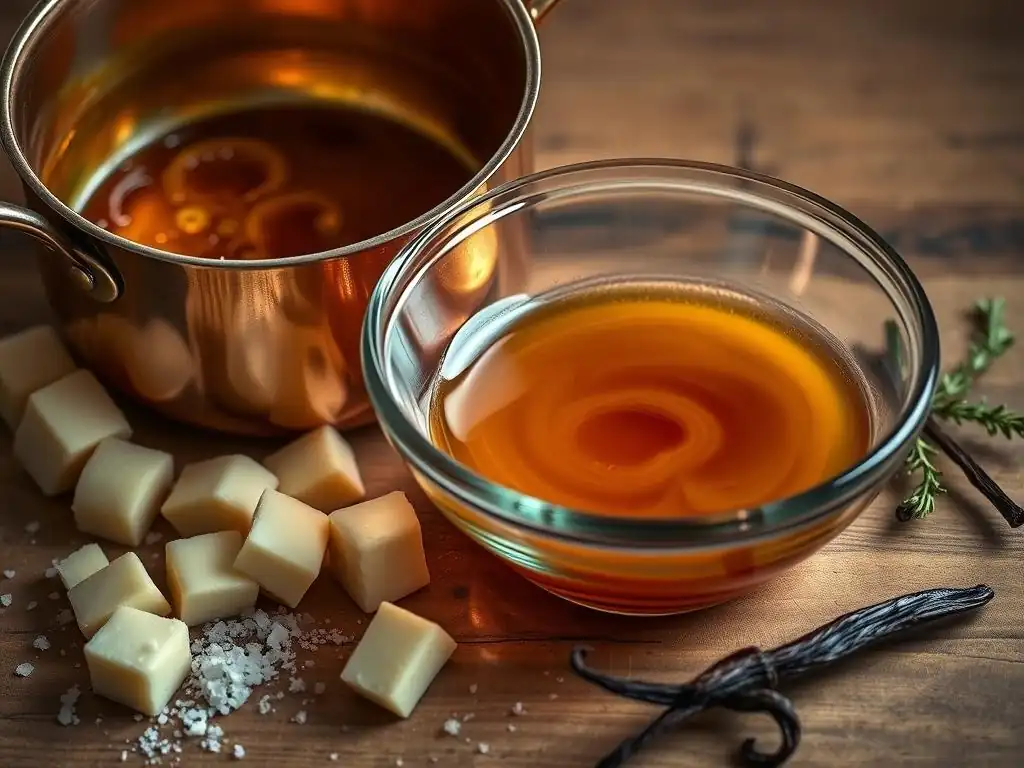
Welcome to BakeWithEase, your guide to unlocking baking brilliance! Ever wondered how a single ingredient can elevate your desserts from simple to sublime? Discover the secret with our guide to advanced caramel techniques, where we delve into the rich, nutty world of brown butter caramel recipes. Prepare to transform your baking with deeper flavor profiles and techniques that will impress even the most seasoned pastry chef. Ready to explore the delicious possibilities? Let's get baking!
- Advanced Caramel Techniques: Unleashing Deeper Flavor with Brown Butter
- Understanding the Science Behind Brown Butter
-
Brown Butter Caramel Recipe: Step-by-Step Guide
- Ingredients for Rich & Flavorful Brown Butter Caramel
- Equipment Needed for Perfect Caramel Every Time
- Step 1: Browning the Butter to Perfection
- Step 2: Cooking the Caramel Base
- Step 3: Combining Brown Butter and Caramel
- Step 4: Achieving the Desired Caramel Consistency
- Step 5: Cooling and Storing Your Brown Butter Caramel
- Tips and Tricks for Brown Butter Caramel Success
- Brown Butter Caramel Recipe Variations & Applications
- Brown Butter Caramel vs. Traditional Caramel: A Flavor Comparison
- Storing and Using Brown Butter Caramel
- Conclusion: Embrace the Richness of Brown Butter in Your Caramel Creations
-
Frequently Asked Questions
- What is brown butter, and why is it used in caramel recipes?
- How does browning the butter affect the caramel's texture?
- Are brown butter caramel recipes more difficult than regular caramel recipes?
- Can any butter be used for making brown butter caramel?
- What types of recipes can brown butter caramel be used in?
- Final Reflection: The Sweet Alchemy of Brown Butter Caramel
- Unlock Caramel's Deeper Secrets: Master the Brown Butter Magic!
Advanced Caramel Techniques: Unleashing Deeper Flavor with Brown Butter
Why Brown Butter Caramel Recipes Are a Game Changer
Brown butter caramel recipes offer a significant step up from traditional caramel, introducing a layer of nutty, toasted flavor that transforms simple sweetness into something complex and sophisticated. While classic caramel relies primarily on the caramelization of sugar for its depth, adding brown butter infuses it with notes reminiscent of hazelnuts or toffee. This unique flavor profile is achieved by gently cooking butter past its melting point, allowing the milk solids to toast and develop new aromatic compounds through the Maillard reaction.
Incorporating brown butter into your caramel provides a richer, more nuanced base for countless desserts. Whether you're making a simple sauce, crafting chewy candies, or using it as a filling for pastries, the depth brown butter brings is unparalleled. It adds a certain je ne sais quoi that elevates even basic brown butter caramel recipes, making them taste more artisanal and refined. The difference is often described as moving from a simple sweet to a deeply satisfying, complex indulgence, perfect for those looking to add an extra dimension to their baking repertoire.
BakeWithEase's Guide to Mastering Brown Butter Caramel
At BakeWithEase, we believe that mastering foundational techniques is key to unlocking your full baking potential, and brown butter caramel is a perfect example. This guide will walk you through the process, demystifying the steps involved in creating this intensely flavorful ingredient. We'll cover everything from the science behind browning butter to practical tips for achieving the perfect consistency and incorporating it into various brown butter caramel recipes.
Our aim is to equip you with the knowledge and confidence to successfully make brown butter caramel from scratch. We'll provide detailed instructions, highlight common pitfalls to avoid, and offer variations to inspire your creativity. By following our step-by-step approach, you'll soon be able to produce consistently delicious brown butter caramel, ready to elevate your cakes, cookies, sauces, and more. Get ready to transform your baking with this simple yet powerful technique.
Understanding the Science Behind Brown Butter
The Maillard Reaction: Developing Nutty Flavors
The magic behind brown butter, and consequently delicious brown butter caramel recipes, lies primarily in the Maillard reaction. This complex chemical process occurs when amino acids and reducing sugars react under heat. As butter heats up, the water evaporates, and the milk solids (which contain proteins and sugars) come into direct contact with the hot butterfat. This interaction triggers the Maillard reaction, creating hundreds of new flavor and aroma compounds.
These compounds are responsible for the distinctive nutty, toasty, and sometimes caramel-like notes we associate with brown butter. The reaction is the same one that browns bread crusts, sears steaks, and roasts coffee beans. By carefully controlling the heat and time, we can guide this reaction to develop the desired depth of flavor in the butter solids, which then infuses the entire batch of butter, ready to be incorporated into rich brown butter caramel recipes.
Butter Solids vs. Butterfat: Key Components in Browning
Understanding the composition of butter is crucial for successful browning. Standard butter is typically composed of about 80-82% butterfat, 16-17% water, and 1-2% milk solids (proteins like casein and whey, and some lactose). When you melt butter, it separates into these components. The water evaporates first as steam. Once the water is gone, the temperature of the butter rises rapidly, and the milk solids begin to cook and brown at the bottom of the pan.
It's these milk solids that undergo the Maillard reaction. The butterfat acts as the cooking medium, transferring heat evenly. To create brown butter, you need to cook the butter long enough for the milk solids to toast to a golden brown color, but not so long that they burn. The nutty flavor comes from these browned solids, which are then stirred back into the liquid butterfat, creating the signature aroma and taste essential for the best brown butter caramel recipes.
Identifying the Perfect Stage of Brown Butter
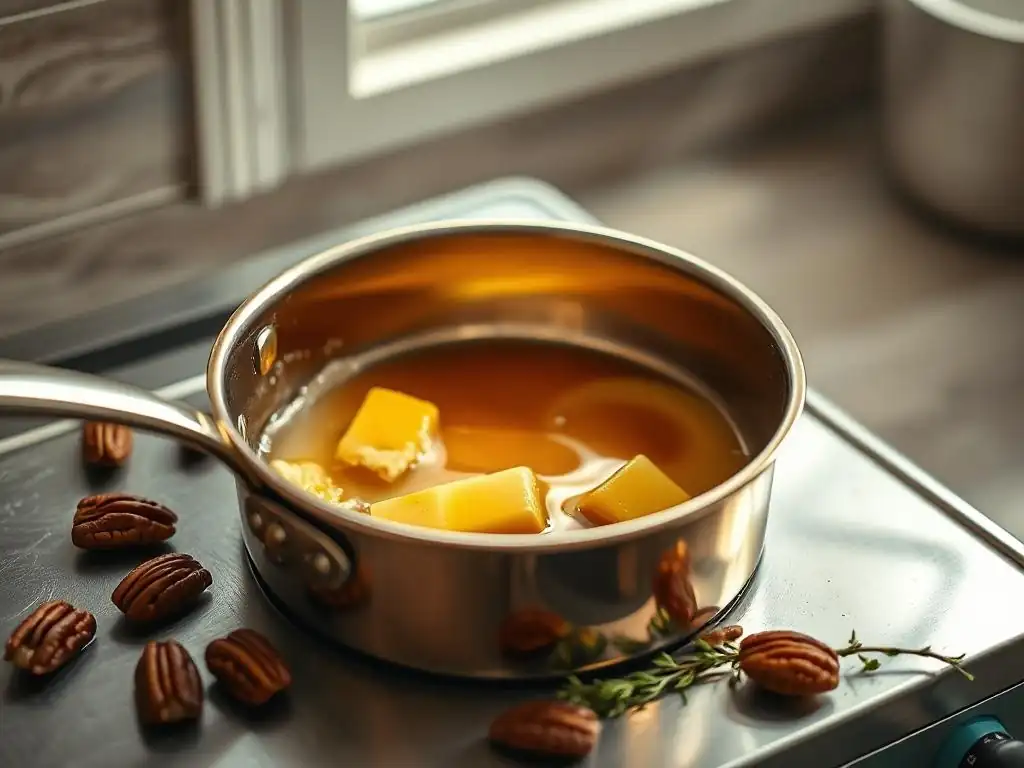
Identifying the perfect stage of brown butter is key to infusing the right flavor into your brown butter caramel recipes. The process starts with melting the butter over medium heat. It will bubble and foam as the water evaporates. Once the bubbling subsides and the foam starts to dissipate, you'll begin to see small particles forming at the bottom of the pan – these are the milk solids. Keep stirring and watching closely.
The milk solids will first turn pale yellow, then golden, and finally a rich, nutty brown. Simultaneously, the aroma will change from a simple melted butter smell to a distinctly nutty, toasted fragrance. This is the critical moment. The butter should smell fragrant and look like liquid gold with evenly browned bits at the bottom. It takes careful observation and often, just a minute or two can be the difference between perfectly browned butter and burnt butter. Remove it from the heat immediately once the desired color and aroma are achieved to stop the cooking process.
Brown Butter Caramel Recipe: Step-by-Step Guide
Ingredients for Rich & Flavorful Brown Butter Caramel
Creating a truly rich and flavorful brown butter caramel requires just a few core ingredients, elevated by the initial browning step. You'll typically need unsalted butter, granulated sugar, water or corn syrup (to prevent crystallization), heavy cream, and often a pinch of salt to balance the sweetness. For many brown butter caramel recipes, using high-quality unsalted butter is paramount, as it allows you to control the salt level and ensures a clean, pure flavor profile.
- Unsalted Butter: Approximately 1 cup (227g)
- Granulated Sugar: Approximately 1.5 cups (300g)
- Water (or Light Corn Syrup): About 1/4 cup (60ml)
- Heavy Cream (35% fat or higher): Approximately 3/4 cup (180ml), warmed slightly
- Salt: 1/4 to 1/2 teaspoon, to taste
The specific ratios can vary slightly depending on the desired consistency and application of the brown butter caramel. Some brown butter caramel recipes might include vanilla extract or other flavorings added at the end.
Equipment Needed for Perfect Caramel Every Time
Having the right equipment is essential for safely and successfully making brown butter caramel. The most important tool is a heavy-bottomed saucepan, preferably stainless steel or a light-colored pan, which allows you to easily monitor the color change of both the butter and the sugar. A larger pan than you think you'll need is also advisable, as the caramel will bubble up vigorously when the cream is added.
- Heavy-bottomed Saucepan (3-4 quart): For even heating and preventing scorching.
- Heatproof Spatula or Wooden Spoon: For stirring (though minimal stirring of sugar is key).
- Candy Thermometer: Highly recommended for precise temperature control, especially for thicker caramels or candies.
- Whisk: For smoothly incorporating the cream.
- Measuring Cups and Spoons: For accurate ingredient measurements.
- Heatproof Container: For pouring and storing the finished caramel.
Using a candy thermometer is particularly helpful for consistency across different batches of brown butter caramel recipes, allowing you to hit specific temperature points for soft, chewy, or firm caramel.
Step 1: Browning the Butter to Perfection
Begin by melting the unsalted butter in your heavy-bottomed saucepan over medium heat. Swirl the pan occasionally as the butter melts. It will first become foamy and bubbly as the water content evaporates. Continue to cook, stirring gently with a heatproof spatula, making sure to scrape the bottom of the pan.
As the water disappears, the bubbling will subside, and you'll start to see small white milk solids forming at the bottom. These solids will gradually change color from white to pale yellow, then golden, and finally a rich, nutty brown. This process usually takes 5-10 minutes depending on the amount of butter and heat level.
Keep a close eye on it; the transition from perfectly browned to burnt happens quickly. Once the butter is fragrant and the solids are nutty brown, immediately remove the pan from the heat to stop the cooking. You now have brown butter, ready for your brown butter caramel recipes base.
Step 2: Cooking the Caramel Base
While the brown butter is still warm in the pan (or you can transfer it to a heatproof bowl and use a clean pan for the sugar), combine the granulated sugar and water (or corn syrup) in a separate clean, heavy-bottomed saucepan. Stir just until the sugar is moistened. Avoid stirring once the sugar starts to heat up, as this can cause crystallization.
Place the pan over medium heat. Let the sugar mixture heat undisturbed. It will first become clear and bubbly, then the edges will start to turn a light amber color. Swirl the pan gently if needed to ensure even coloring, but do not stir with a spoon or spatula. Continue cooking until the sugar reaches a deep amber color, the color of an old penny. For a precise result in your brown butter caramel recipes, aim for a temperature around 340-350°F (170-175°C) on a candy thermometer. This stage typically takes 8-15 minutes.
Step 3: Combining Brown Butter and Caramel
Once your sugar caramel has reached the desired deep amber color and temperature (around 340-350°F / 170-175°C), carefully and slowly whisk in the warmed heavy cream. Be extremely cautious at this step, as the mixture will bubble up and steam vigorously. Stand back and pour the cream in a steady stream while whisking constantly. The temperature will drop significantly, and the caramel will seize up initially.
Continue whisking over low heat until the mixture is smooth and all the hardened caramel has dissolved back into the cream. Then, carefully pour the prepared brown butter (including all the delicious browned bits at the bottom) into the caramel-cream mixture. Whisk until fully combined and smooth. This infusion of brown butter is what gives brown butter caramel recipes their signature depth of flavor.
Step 4: Achieving the Desired Caramel Consistency
The final consistency of your brown butter caramel depends on how long you continue to cook it after adding the cream and brown butter. For a pourable sauce, simply ensure everything is smoothly combined and perhaps cook for just another minute or two until it coats the back of a spoon.
For a thicker sauce or a caramel that will set into a soft candy, you'll need to cook the mixture further. Use a candy thermometer to guide you.
- Soft Pourable Sauce: No further cooking needed after smooth.
- Thicker Sauce/Soft Chewy Caramel: Cook to 235-240°F (118-120°C) - the soft ball stage.
- Firm Chewy Caramel: Cook to 245-250°F (124-126°C) - the firm ball stage.
- Hard Caramel/Toffee: Cook to 295-300°F (146-149°C) - the hard crack stage.
Remove the caramel from the heat once it reaches the desired temperature. Stir in salt and any other flavorings (like vanilla extract) at this point.
Step 5: Cooling and Storing Your Brown Butter Caramel
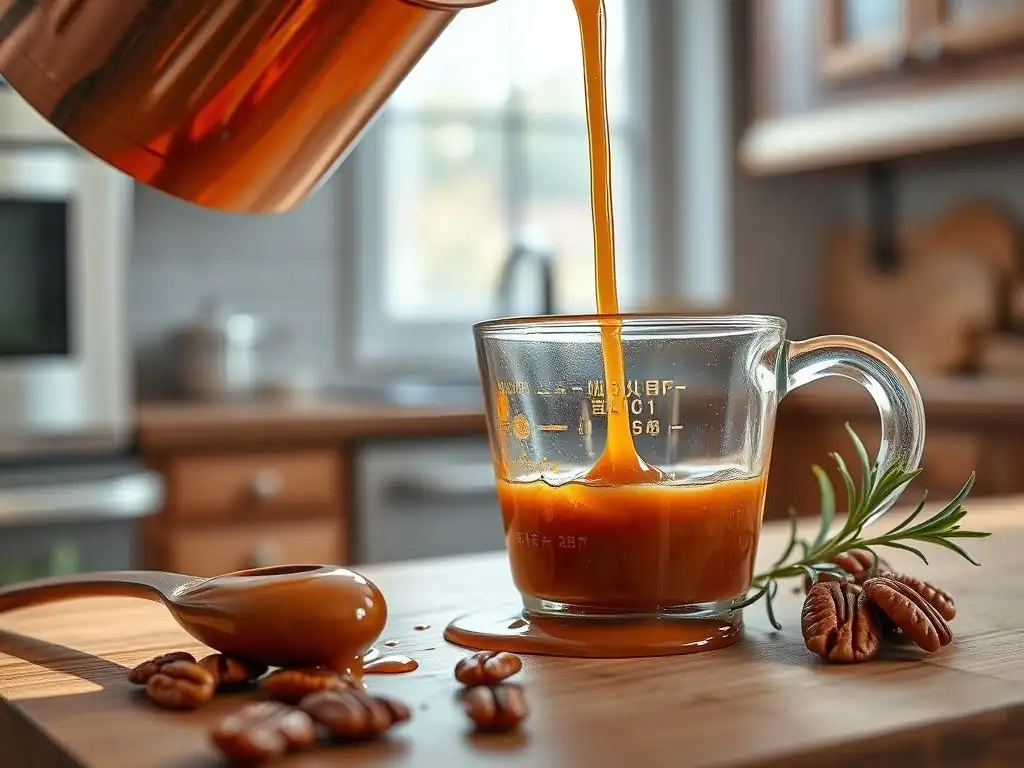
After reaching the desired consistency and adding any final flavorings, carefully pour the brown butter caramel into a heatproof container. A glass jar or a silicone-lined pan (for candies) works well. Allow the caramel to cool completely at room temperature before covering or storing. This cooling period is crucial for the caramel to fully set and for the flavors to meld.
Once cooled, brown butter caramel sauce can be stored in an airtight container in the refrigerator for several weeks. Chewy caramel candies should be wrapped individually in wax paper or cellophane to prevent sticking and stored in an airtight container at room temperature or in the refrigerator. Proper cooling and storage ensure your delicious brown butter caramel is ready to use whenever your brown butter caramel recipes call for it.
Tips and Tricks for Brown Butter Caramel Success
Avoiding Common Caramel Mistakes
Making caramel can seem intimidating, but many common pitfalls can be easily avoided with a little care. One frequent issue is crystallization, where the sugar turns grainy instead of smooth. This often happens from stirring the sugar mixture while it's cooking or getting sugar crystals on the sides of the pan. To prevent this, avoid stirring the sugar once it starts heating, and you can brush down the sides of the pan with a wet pastry brush to dissolve any stray crystals.
Another common mistake in brown butter caramel recipes is burning the sugar or the brown butter. Both happen quickly. For the sugar, use medium heat and watch the color constantly; deep amber is good, black is burnt. For the butter, remove it from the heat the moment the solids are nutty brown. Also, be prepared for the hot steam when adding cold cream to hot caramel; warming the cream slightly helps reduce the intensity of the reaction and makes it easier to incorporate smoothly.
Troubleshooting Burnt or Grainy Caramel
If your sugar caramel turns black and smells acrid, it's burnt and unfortunately, there's no saving it. The burnt flavor is irreversible. You'll need to discard it and start over with a clean pan. Don't try to salvage it, as it will ruin your brown butter caramel recipes.
If your caramel becomes grainy (crystallizes), sometimes you can fix it. Return the caramel to the pan, add a few tablespoons of water or corn syrup, and heat gently while stirring constantly until the sugar dissolves and the mixture becomes smooth again. Be patient, and avoid high heat. This doesn't always work, especially if the crystallization is severe, but it's worth a try before discarding the batch. Preventing crystallization is always easier than fixing it.
Adjusting Sweetness Levels in Brown Butter Caramel
The sweetness level in brown butter caramel recipes can be adjusted slightly to suit your preference or the application. The primary determinant of sweetness is the sugar-to-cream ratio. Using less cream relative to sugar will result in a sweeter, firmer caramel, while more cream will yield a less sweet, softer, and more pourable caramel.
Adding salt is another excellent way to balance the sweetness and enhance the overall flavor. Most brown butter caramel recipes benefit from a pinch of salt, typically 1/4 to 1/2 teaspoon per batch, but you can add a little more to create a "salted" brown butter caramel. Taste and adjust the salt level after the caramel is finished cooking and has cooled slightly. Remember that caramel tastes sweeter when hot than when cooled.
Perfecting the Brown Butter Infusion
Achieving the perfect brown butter infusion is about controlling the initial browning step. The key is to cook the butter long enough to develop the nutty flavor without burning the milk solids. Use medium heat to give yourself control and time to react. Swirl and stir gently to ensure even cooking of the solids at the bottom of the pan.
Pay close attention to both the color and the aroma. The solids should be a rich, deep golden brown, and the butter should smell distinctly nutty, like toasted nuts or popcorn. If it smells acrid or smoky, it's likely overcooked. Removing the pan from the heat the moment it reaches this stage is crucial. Some brown butter caramel recipes suggest straining the brown butter to remove the solids, but for maximum flavor and texture, we recommend including the browned bits in your caramel. They add incredible depth.
Brown Butter Caramel Recipe Variations & Applications
Brown Butter Sea Salt Caramel
One of the most popular variations of brown butter caramel recipes is the addition of sea salt. The combination of deep, nutty brown butter flavor, sweet caramel, and flaky sea salt creates a complex and utterly delicious treat. To make brown butter sea salt caramel, follow the basic brown butter caramel recipe up to the point where you remove it from the heat after cooking to the desired consistency.
Stir in 1/2 to 1 teaspoon of flaky sea salt (such as Maldon or Fleur de Sel) immediately after removing the caramel from the heat. You can also sprinkle flaky sea salt over the top of poured caramel candies or sauces just before they set for a visual and textural contrast. The amount of salt can be adjusted to your preference, but starting with 1/2 teaspoon is a good guideline for most brown butter caramel recipes.
Brown Butter Caramel Sauce for Desserts
Brown butter caramel sauce is perhaps the most versatile application of this technique. It can be drizzled over ice cream, used as a topping for cakes or cheesecakes, stirred into coffee or hot chocolate, or served alongside apple pie or bread pudding. For a pourable sauce, cook the caramel to the soft ball stage (around 235-240°F / 118-120°C) or slightly less.
The richness from the brown butter makes this sauce particularly decadent. You can adjust the thickness by adding a little more or less cream. For a thinner sauce, whisk in a tablespoon or two of hot water or cream after the caramel is finished cooking. This brown butter caramel recipe variation is perfect for elevating simple desserts into something special.
Brown Butter Caramel Candies and Confections
Brown butter caramel is ideal for making chewy candies and confections. By cooking the caramel to a slightly higher temperature, such as the firm ball stage (245-250°F / 124-126°C), it will set into delightful, chewy squares. These can be enjoyed on their own, dipped in chocolate, or used as fillings.
To make brown butter caramel candies, pour the finished caramel into a pan lined with parchment paper or a silicone mat. Allow it to cool completely at room temperature until firm. Cut into squares or desired shapes using a sharp, oiled knife. Wrap each piece individually in wax paper or cellophane to prevent sticking. These brown butter caramel recipes for candy offer a delightful, portable treat.
Incorporating Brown Butter Caramel into Cakes and Pastries
Brown butter caramel adds incredible depth when used as a component in cakes, tarts, pies, and other pastries. It can be used as a filling, a glaze, or incorporated directly into batters or doughs. Imagine a brown butter caramel filling for a chocolate tart, a layer of brown butter caramel sauce between cake layers, or even brown butter caramel chips stirred into cookie dough.
For fillings, a thicker sauce or a soft-set caramel is usually best. For glazes, a thinner, pourable sauce works well. Some brown butter caramel recipes even call for swirling a dollop of the sauce into brownie or cake batter before baking. The possibilities are vast, and the nutty notes of the brown butter pair beautifully with chocolate, apples, nuts, and various spices.
Brown Butter Caramel vs. Traditional Caramel: A Flavor Comparison
The Added Depth of Flavor from Brown Butter
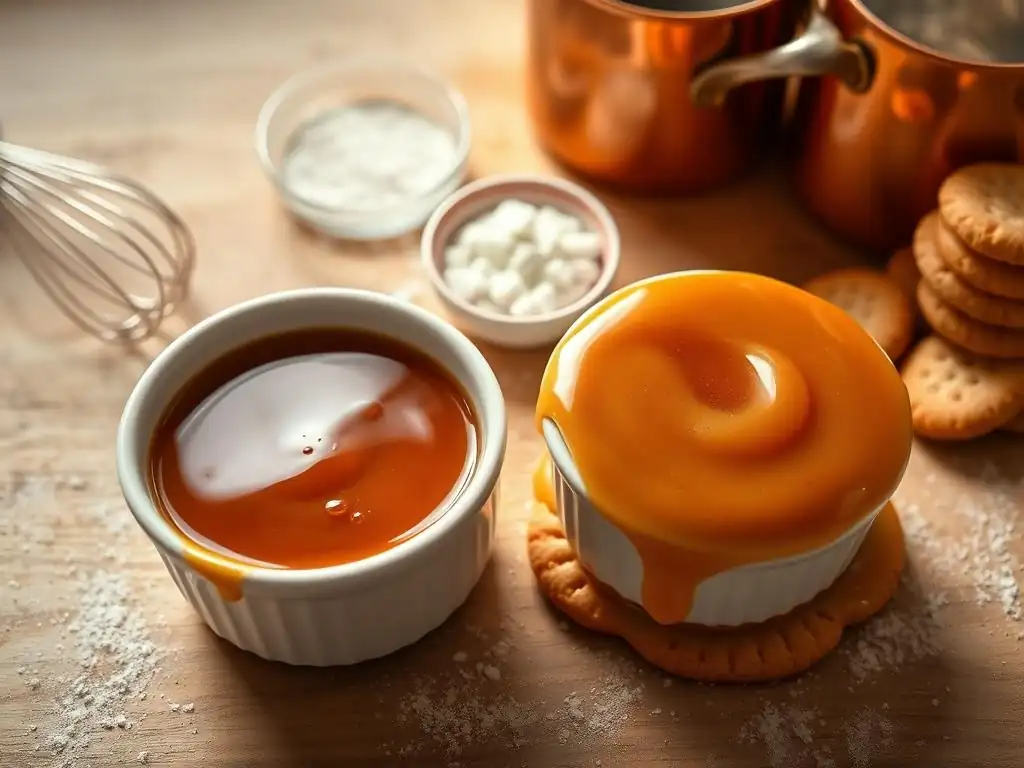
The most significant difference between brown butter caramel recipes and traditional caramel is the flavor profile. Traditional caramel, made solely from sugar and often cream or butter, has a sweet, sometimes slightly bitter taste derived purely from the caramelization of sugar. It's delicious and classic, with notes that can range from simple sweet to complex toasted marshmallow depending on how dark the sugar is cooked.
Brown butter caramel, however, introduces an entirely new dimension. The browning of the butter's milk solids adds distinct nutty, toasty, and sometimes even malty undertones. This creates a richer, more complex flavor that is less one-dimensionally sweet and more savory-sweet. It provides a depth that complements other flavors exceptionally well, making brown butter caramel recipes a preferred choice when a more sophisticated taste is desired.
Texture Differences and How to Achieve the Best Result
While the primary difference is flavor, there can also be subtle textural variations depending on the recipe and technique. Both types of caramel can be made into sauces or candies of varying firmness by controlling the cooking temperature. However, brown butter caramel, especially if the browned milk solids are included, can sometimes have a slightly less smooth texture compared to a perfectly strained traditional caramel sauce.
To achieve the best texture in brown butter caramel recipes while retaining the browned bits, ensure the butter is browned evenly and that the caramel is whisked thoroughly after adding the cream and brown butter. If a completely smooth sauce is paramount, you can strain the brown butter before adding it, but this will sacrifice some of the nutty flavor. Ultimately, the desired texture is achieved by precise temperature control during the final cooking stage, regardless of whether you use brown butter or not.
When to Choose Brown Butter Caramel Over Regular Caramel
Choosing between brown butter caramel and regular caramel depends on the desired outcome for your brown butter caramel recipes or dessert. Opt for brown butter caramel when you want to add a complex, nutty, and deeply rich flavor that goes beyond simple sweetness. It pairs exceptionally well with ingredients like chocolate, nuts, apples, pears, and spices like cinnamon or cardamom.
Traditional caramel is excellent when you want a pure, sweet caramel flavor to shine through without additional nutty notes. It's perfect for classic applications where that specific taste is desired. However, for many modern or elevated desserts, the added depth and sophistication of brown butter caramel make it the superior choice. If you're looking to impress or add a gourmet touch, brown butter caramel recipes are the way to go.
Storing and Using Brown Butter Caramel
Best Practices for Storing Brown Butter Caramel
Proper storage is essential to maintain the quality and texture of your homemade brown butter caramel. Once completely cooled, brown butter caramel sauce should be transferred to a clean, airtight container, such as a glass jar. Store the sauce in the refrigerator. This prevents spoilage and helps it maintain its desired consistency.
If you've made brown butter caramel candies, ensure they are wrapped individually in wax paper or cellophane to prevent them from sticking together. Store the wrapped candies in an airtight container. They can be kept at room temperature in a cool, dry place, but for longer storage, especially in warmer climates, refrigeration is recommended. Always ensure the caramel is fully cooled before sealing the container.
Reheating and Working with Stored Caramel
Brown butter caramel sauce will thicken considerably when refrigerated. To use it, simply scoop out the desired amount and gently reheat it. The best way to reheat brown butter caramel sauce is in a small saucepan over low heat, stirring occasionally, until it reaches a pourable consistency. You can also reheat it in the microwave in short bursts (15-30 seconds), stirring between each burst, until smooth. Be careful not to overheat, as this can cause it to burn.
If working with brown butter caramel candies that have been refrigerated, allow them to come to room temperature for easier handling and a softer chew. Stored brown butter caramel recipes components are just as delicious as fresh and ready to be incorporated into your baking projects.
Shelf Life and Signs of Spoilage
When stored correctly in an airtight container in the refrigerator, brown butter caramel sauce typically lasts for 3-4 weeks. Brown butter caramel candies stored at room temperature might last 1-2 weeks, while refrigerated candies can last longer, perhaps 3-4 weeks as well. The high sugar content acts as a preservative, but dairy can spoil over time.
Signs of spoilage include mold growth (though less common due to sugar), an off smell (sour or cheesy), or a significant change in color or texture that isn't related to temperature. If you see any signs of mold or smell anything unusual, it's best to discard the caramel. Always store in a clean container to minimize the risk of contamination and prolong the shelf life of your brown butter caramel recipes creations.
Conclusion: Embrace the Richness of Brown Butter in Your Caramel Creations
Mastering brown butter caramel techniques opens up a world of flavor possibilities in your baking. By understanding the science behind browning butter and sugar, you can confidently create a caramel that is far more complex and satisfying than its traditional counterpart. From the nutty depth of the brown butter itself to the perfectly balanced sweetness and salt, brown butter caramel recipes deliver an unparalleled taste experience.
We encourage you to try making brown butter caramel using our guide and experiment with its many applications. Whether you drizzle it over ice cream, fold it into a cake, or enjoy it as a chewy candy, the rich flavor profile of brown butter caramel is sure to impress. Elevate your baking and delight your taste buds by embracing this advanced yet accessible technique. Your desserts will thank you for the extra layer of deliciousness that only brown butter can provide.
Frequently Asked Questions
What is brown butter, and why is it used in caramel recipes?
Brown butter, or beurre noisette, is butter that has been cooked until the milk solids have browned, imparting a nutty and rich flavor. It's used in caramel recipes to add depth and complexity beyond the standard sweetness.
How does browning the butter affect the caramel's texture?
The browning process can slightly change the moisture content and fat composition of the butter. This can influence the final caramel texture, potentially leading to a more chewy or fudgy consistency.
Are brown butter caramel recipes more difficult than regular caramel recipes?
While they require more attention, brown butter caramel recipes aren't necessarily more difficult. The key is to carefully monitor the butter while browning and to follow the recipe instructions precisely.
Can any butter be used for making brown butter caramel?
It's best to use unsalted butter, as this gives you more control over the salt content in your final caramel. The quality of the butter can also impact the flavor; higher-quality butter often yields a better result.
What types of recipes can brown butter caramel be used in?
Brown butter caramel can be used in a wide variety of desserts. Think salted caramel sauces, fillings for candies, toppings for ice cream, and even as a flavoring component in cakes and cookies for a unique flavor profile.
Final Reflection: The Sweet Alchemy of Brown Butter Caramel
The art of caramel making, once perceived as a daunting culinary feat, is now within reach, thanks to the transformative power of brown butter. This technique, explored in detail throughout this article, elevates the humble caramel to new heights of flavor complexity and depth, proving that even seemingly simple recipes can yield extraordinary results with a little patience and precision.
The journey of crafting the perfect brown butter caramel is more than just a recipe; it's a testament to the power of transformation. The subtle nutty notes and rich aroma that brown butter imparts to caramel are truly captivating. It's a sensory experience that transcends the simple act of eating, connecting us to the history of culinary innovation and the enduring appeal of handcrafted sweets. The best things in life are simple, but not easy.
This quote perfectly encapsulates the essence of mastering brown butter caramel – a seemingly simple process that requires dedication and attention to detail to achieve perfection.
Now, it's your turn to embark on this delicious adventure. Don't be intimidated by the seemingly complex steps; embrace the process, savor the aroma of the browning butter, and relish the satisfaction of creating a caramel that is uniquely yours. Experiment with different variations, share your creations with loved ones, and let the sweet alchemy of brown butter caramel inspire your own culinary journey. The possibilities are as endless as your imagination.
Unlock Caramel's Deeper Secrets: Master the Brown Butter Magic!
Thanks for taking the time to explore the art of caramel-making with us! We hope you discovered some new techniques to elevate your baking. Now it's time to put your newfound knowledge into practice.
- Try the brown butter caramel recipe today! This is your chance to experience the rich, nutty depth you just learned about.
- Share your caramel creations on social media using #BakeWithEaseCaramel – we'd love to see your masterpieces!
- Explore other advanced baking techniques on BakeWithEase.com – discover your next culinary adventure!
Ready to transform your caramel game? What delicious dessert will you create first?