
Freezing Pies: From Unbaked to Baked, We Show You How

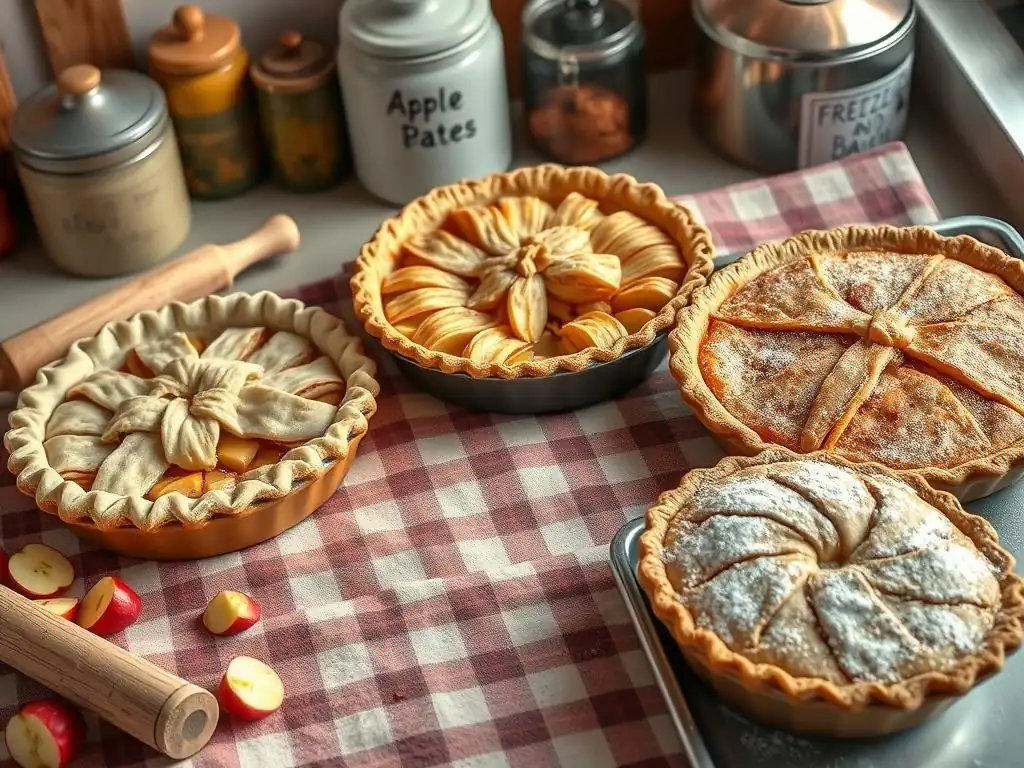
Welcome to BakeWithEase, your haven for simplifying the joy of baking! Ever wondered if you could enjoy the warmth of a homemade pie weeks after baking it? Freezing baked pies isn't just possible, it's a game-changer. Discover our comprehensive guide packed with secrets to preserving your delicious creations, from unbaked masterpieces to golden-crusted wonders. Ready to unlock the freezer's potential and have pie on demand? Let's get started!
- BakeWithEase Guide to Freezing Baked Pies Recipes
- Why Freeze Pies? Benefits of Freezing Pie Recipes
- Freezing Unbaked Pies: A Step-by-Step Guide
- Freezing Baked Pies: Maintaining Quality & Flavor
- Thawing Frozen Pies: Unbaked vs. Baked
- Tips for Successful Pie Freezing and Thawing
- Troubleshooting Common Pie Freezing Problems
- Enjoying Your Perfectly Preserved Pies from BakeWithEase
- Frequently Asked Questions
- Final Reflection: The Sweetness of Preservation, the Joy of Sharing
- Unlock Your Freezer's Baking Potential!
BakeWithEase Guide to Freezing Baked Pies Recipes
This guide provides comprehensive instructions on how to freeze pies, whether they are unbaked or baked, ensuring your delicious creations stay fresh and ready to enjoy. Master the art of pie preservation with BakeWithEase! Freezing baked pies recipes opens up a world of convenience, allowing you to savor your favorite treats anytime.
Why Freeze Pies? Benefits of Freezing Pie Recipes
Freezing pies is a fantastic way to extend their shelf life and enjoy them long after they're baked or assembled. It's a practical skill for any home baker looking to optimize their time and resources. Understanding the best ways for freezing baked pies recipes ensures you maintain that fresh-from-the-oven taste and texture.
Save Time with Freezer-Friendly Pie Recipes
Preparing pies in advance and freezing them is a significant time-saver, especially during busy holiday seasons or when entertaining guests. Imagine having a delicious apple pie ready to bake or thaw in just minutes, rather than spending hours on prep work the day of your event. This makes freezing baked pies recipes a strategic move for efficient kitchen management.
For example, you could bake several pumpkin pies in October and freeze them using proper methods. Then, when Thanksgiving arrives in November, you simply thaw and reheat, freeing up your oven for other dishes. This proactive approach can cut down your dessert preparation time on a big day by 60-90 minutes per pie, allowing you more time with family and friends.
Reduce Waste by Freezing Extra Pies
Sometimes you bake too many pies, or you have leftovers that won't be eaten within a few days. Freezing is an excellent solution to prevent food waste. Instead of discarding perfectly good pie, you can preserve it for later enjoyment.
Consider a scenario where you've baked three pies for a gathering, but only two are fully consumed. Freezing the third pie means you don't have to rush to eat it within the typical 3-4 day freshness window for refrigerated pie. This simple act can save you the cost of ingredients for that pie, which might range from $5 to $15 depending on the filling and crust, adding up to significant savings over time and reducing your environmental footprint.
Enjoy Seasonal Pies Year-Round
Freezing pies allows you to capture the taste of peak-season fruits and enjoy them throughout the year. Imagine biting into a slice of fresh strawberry-rhubarb pie in the middle of winter, made possible because you froze it when the fruit was at its flavorful best.
This benefit is particularly appealing for pies made with highly seasonal ingredients like fresh berries, peaches, or specific apple varieties available only during certain months. By baking and freezing these pies during their season, you ensure access to their vibrant flavor and nutritional value any time you crave them, essentially extending a 2-3 month fruit season into a year-round treat. This is a key advantage when exploring freezing baked pies recipes.
Freezing Unbaked Pies: A Step-by-Step Guide
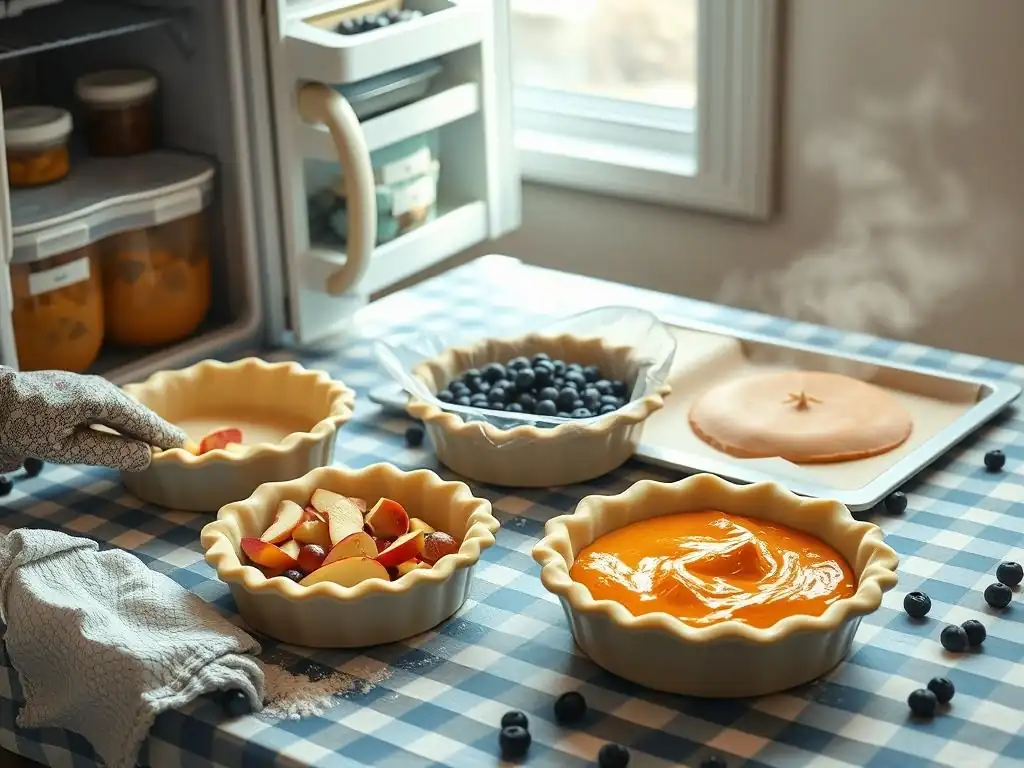
Freezing pies before baking can be ideal for certain fillings, as it often results in a flakier crust when baked fresh from frozen. This method requires careful preparation to prevent freezer burn and maintain the pie's structure.
Preparing Your Unbaked Pie for Freezing
Proper preparation is key to successful freezing of unbaked pies. This involves selecting the right dish and assembling the pie carefully.
Choosing the Right Pie Dish for Freezing
Not all pie dishes are suitable for freezing. Glass and ceramic dishes can be prone to thermal shock and may crack when going directly from the freezer to a hot oven. Disposable aluminum foil pans are a popular choice because they are lightweight, can go directly from freezer to oven, and you don't risk damaging your good bakeware.
If you prefer using your own dishes, consider metal pie pans, which tolerate temperature changes better than glass or ceramic. Ensure the dish is sturdy enough to hold its shape once frozen. A standard 9-inch aluminum foil pie plate typically costs less than $1, making it an economical option for freezer pies.
Assembling Your Unbaked Pie
Assemble your pie as usual, filling the crust with your desired filling. For fruit pies, it's often recommended to use a thickener like flour, cornstarch, or tapioca starch, and sometimes slightly less liquid than a pie intended for immediate baking, as freezing can affect texture. Avoid using egg washes or decorative sugar on the crust before freezing; these are best applied just before baking.
For example, when making an unbaked apple pie to freeze, you might use 1/4 cup less liquid (like apple cider or lemon juice) in the filling compared to a recipe for immediate baking. This helps prevent a watery filling after thawing and baking. Ensure the top crust is vented adequately to allow steam to escape during baking.
Wrapping the Unbaked Pie for Optimal Freezing
Protecting the pie from air and moisture is crucial to prevent freezer burn. Proper wrapping is non-negotiable for quality.
Double Wrapping for Freezer Protection
To create a robust barrier against freezer burn, double wrapping is highly recommended. Start by wrapping the entire unbaked pie tightly in a layer of plastic wrap, pressing it against the surface of the crust and dish to eliminate air pockets.
Follow the plastic wrap with a layer of heavy-duty aluminum foil. Crimp the foil securely around the edges of the pie dish. This double layer provides excellent protection against moisture loss and the absorption of freezer odors, helping to preserve the pie's fresh flavor for up to 3-4 months.
Vacuum Sealing Unbaked Pies (Optional)
For the ultimate protection against freezer burn and to extend the pie's freezer life even further, consider vacuum sealing. This method removes almost all the air around the pie, significantly reducing oxidation and moisture loss.
While a vacuum sealer requires an initial investment (ranging from $50 to $200+), it can be a valuable tool if you freeze baked goods frequently. To vacuum seal an unbaked pie, first flash freeze it until solid (as described below), then place the solid pie (dish and all) into a vacuum seal bag and seal according to the manufacturer's instructions. This can potentially extend the quality life of the frozen pie to 6 months or even longer.
Freezing the Unbaked Pie
Getting the pie into the freezer correctly ensures it freezes quickly and maintains its shape.
Flash Freezing for Best Results
Flash freezing helps the pie freeze rapidly, which minimizes the formation of large ice crystals that can damage the crust's structure and make it soggy. Place the unwrapped or lightly wrapped (e.g., just on a plate) unbaked pie in the freezer until it is completely solid, typically 3-4 hours for a standard 9-inch pie.
Ensure the pie is placed on a flat, level surface in the freezer where it won't be disturbed during this initial freezing phase. This step is particularly important for pies with delicate lattice tops or decorative edges, helping them hold their form before final wrapping.
Proper Storage in the Freezer
Once the unbaked pie is flash frozen, apply the final layers of protective wrapping (plastic wrap and foil, or vacuum seal). Label the wrapped pie clearly with the type of pie (e.g., "Unbaked Apple Pie") and the date it was frozen.
Store the pie on a level shelf in the freezer, away from the door where temperatures fluctuate the most. Keeping the freezer at a consistent temperature, ideally at or below 0°F ( -18°C), is crucial for maintaining quality. Avoid placing heavy items on top of the pie, which could crush the crust.
Freezing Baked Pies: Maintaining Quality & Flavor
Freezing baked pies recipes is incredibly convenient, allowing you to pull out a fully prepared dessert whenever the craving strikes. The key is to preserve the texture, especially the crust, and the flavor of the filling.
Cooling the Baked Pie Completely
This is perhaps the most critical step when freezing baked pies recipes. The pie must be cooled completely to room temperature before wrapping and freezing. Attempting to freeze a warm or even slightly warm pie will result in condensation forming inside the packaging.
This condensation turns into ice crystals, which can lead to a soggy crust and freezer burn on the filling. Allow a standard 9-inch fruit pie to cool on a wire rack for at least 2-4 hours, or even longer, until the pie dish feels cool to the touch. Cream or custard pies may require refrigeration to cool safely after a initial period at room temperature (check specific recipe guidelines).
Wrapping the Baked Pie to Prevent Freezer Burn
Just like with unbaked pies, proper wrapping is essential for protecting baked pies and preserving their quality when freezing baked pies recipes.
Using Plastic Wrap and Foil
Start by wrapping the completely cooled baked pie tightly in a layer of plastic wrap. Ensure the wrap adheres closely to the entire surface of the pie, including the crust edges and the dish, to minimize air exposure.
Follow the plastic wrap with a layer of heavy-duty aluminum foil, crimping it firmly around the pie dish. This double layer provides a barrier against moisture loss and freezer odors, crucial for keeping the crust flaky and the filling flavorful. This method is standard practice when freezing baked pies recipes at home.
Consider a Freezer Bag for Extra Protection
For an extra layer of protection, particularly if you plan to store the pie for several months, place the double-wrapped pie inside a large, heavy-duty freezer bag. Gently press out as much air as possible before sealing the bag.
While perhaps overkill for a pie you plan to eat within a month or two, this triple-layer approach significantly reduces the risk of freezer burn over longer periods (e.g., 4-6 months). It also helps protect the pie from being crushed by other items in a crowded freezer.
Freezing the Baked Pie Effectively
Getting the pie into the freezer correctly after wrapping is the final step before storage.
Labeling with Date and Pie Type
Before placing the wrapped pie in the freezer, always label it clearly. Use a permanent marker to write the type of pie (e.g., "Baked Cherry Pie") and the date it was frozen. This simple step is invaluable for tracking how long the pie has been in the freezer and ensuring you use it within the recommended timeframe for best quality.
Knowing the date helps you adhere to guidelines like using fruit pies within 3-4 months for optimal taste and texture.
Stacking Pies for Efficient Freezer Storage
If you are freezing multiple baked pies, you can often stack them to save freezer space. However, do not stack them directly on top of each other before they are fully frozen and well-protected.
Once the pies are completely frozen solid (after several hours), and they are properly wrapped and potentially in freezer bags, they can often be carefully stacked. Placing a piece of cardboard or a thin cutting board between pies can help distribute weight and prevent damage to the crust, allowing for more efficient use of vertical freezer space.
Thawing Frozen Pies: Unbaked vs. Baked
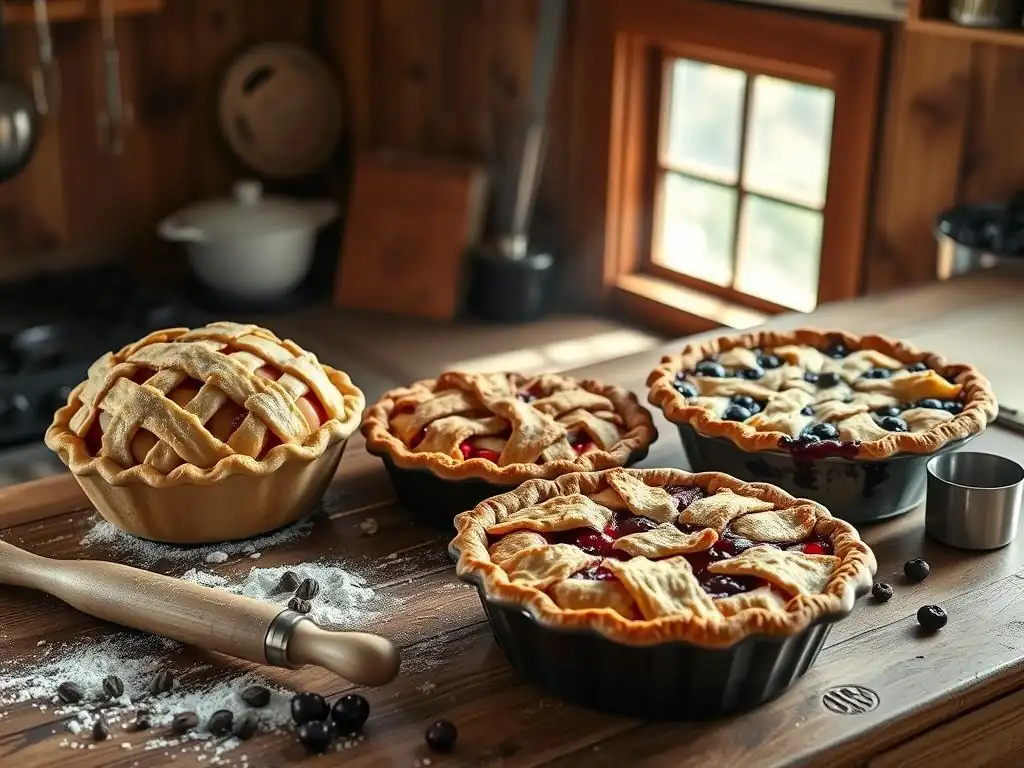
The thawing process differs significantly depending on whether the pie was frozen baked or unbaked. Following the correct procedure is vital for achieving the best possible result.
Thawing Unbaked Pies: Best Practices
Thawing unbaked pies requires care to prevent a soggy bottom crust and ensure even baking.
Thawing in the Refrigerator
The recommended method for thawing an unbaked frozen pie is in the refrigerator. Remove the pie from the freezer and place it (still wrapped) in the refrigerator for 24-48 hours, depending on its size and density. A standard 9-inch fruit pie typically takes about 24 hours.
Thawing in the refrigerator allows for a slow, controlled defrosting, which is less likely to create excessive condensation that can saturate the bottom crust. Place the pie on a baking sheet to catch any drips as it thaws.
Baking from Frozen: Adjusting Baking Time
Many unbaked fruit pies can be baked directly from frozen, without thawing first. This is often the preferred method for a flakier crust. Remove the pie from all wrapping and place it on a baking sheet.
Bake the pie in a preheated oven, typically at a slightly lower temperature initially (e.g., 375°F or 190°C) for 15-20 minutes, then increase the temperature to the recipe's specified baking temperature (e.g., 425°F or 220°C) and continue baking until the crust is golden brown and the filling is bubbling. Baking time will be significantly longer than for a fresh pie, often 60-90 minutes or even more. Keep an eye on the edges of the crust and cover them with foil if they start browning too quickly.
Thawing Baked Pies: Retaining Texture and Taste
Proper thawing of baked pies focuses on bringing them back to an enjoyable temperature and texture without making the crust soggy. This is key when dealing with freezing baked pies recipes you've prepared earlier.
Thawing at Room Temperature
Baked pies are best thawed at room temperature. Remove the frozen, wrapped pie from the freezer and place it on a counter or table. Allow it to thaw completely, which usually takes 3-5 hours for a standard 9-inch fruit pie.
Keep the pie wrapped while it thaws to help prevent condensation from forming on the crust. Once thawed, the pie is ready to be served at room temperature, or you can proceed to reheat it for a warm slice.
Reheating Baked Pies for Warmth
If you prefer your baked pie warm, reheating is simple after it has fully thawed at room temperature. Remove all wrapping.
Place the thawed pie on a baking sheet and warm it in a preheated oven at a moderate temperature, such as 300°F ( 150°C) or 325°F ( 160°C), for 15-25 minutes, or until heated through. Avoid high temperatures, which can dry out the filling or burn the crust. This step is often the final touch when enjoying freezing baked pies recipes.
Tips for Successful Pie Freezing and Thawing
Here are some additional tips to help you master the art of freezing pies, whether unbaked or baked, ensuring delicious results every time.
Best Pie Recipes for Freezing
Some pies freeze better than others. Fruit pies (like apple, cherry, berry, peach) and pecan pie generally freeze very well, both baked and unbaked. The high sugar content in the filling helps maintain texture.
- Fruit pies (apple, berry, cherry, peach)
- Pecan pie
- Pumpkin pie (freezes well, but texture might change slightly)
Pies that contain dairy or eggs as a primary component in the filling, such as custard pies, cream pies, meringue pies, and pies with delicate fillings (like banana cream or chocolate cream), often do not freeze well. The fillings can become watery, curdle, or separate upon thawing. When considering freezing baked pies recipes, stick to those known to freeze successfully.
Avoiding Freezer Burn: Key Strategies
Freezer burn occurs when food is exposed to cold, dry air, causing dehydration and oxidation. The best way to prevent it is to create an airtight seal around the pie.
- Wrap tightly with plastic wrap, pressing out all air.
- Follow with a layer of heavy-duty aluminum foil.
- Consider using a freezer bag or vacuum sealing for extra protection.
- Minimize the amount of time the freezer door is open.
- Ensure the freezer temperature is consistently at or below
0°F(-18°C).
How Long Can Pies Be Frozen?
For best quality, most frozen pies should be consumed within a certain timeframe. While technically safe indefinitely if kept frozen, quality degrades over time.
- Unbaked fruit pies: Up to 3-4 months.
- Baked fruit pies: Up to 3-4 months (some sources say up to 6 months, but quality may decrease).
- Baked pumpkin or pecan pies: Up to 1-2 months for best texture.
- Pies with cream or custard fillings (if frozen at all): Use within 1 month.
Always check the date label on your pie before deciding to thaw and bake.
Signs of a Spoiled Frozen Pie
Even when frozen, pies can spoil or lose quality if not stored correctly or if they've been in the freezer too long.
- Significant freezer burn (large dry, discolored patches on the crust).
- Off odors when thawed.
- Mold (rare if kept consistently frozen, but check).
- Extreme changes in texture that make the pie unappealing.
If a pie shows significant signs of freezer burn or has an unpleasant odor, it's best to discard it.
Troubleshooting Common Pie Freezing Problems

Even with the best practices for freezing baked pies recipes, you might encounter issues. Here's how to address some common problems.
Soggy Crust After Thawing
A soggy bottom crust is a frequent complaint when freezing pies, especially unbaked ones or those not fully cooled before freezing. This is usually due to excess moisture.
- Solution for Unbaked Pies: Ensure you use a thickener in the filling. Consider baking directly from frozen rather than thawing first, or thaw completely in the refrigerator on a baking sheet before baking. Preheat your oven properly and potentially bake the bottom crust partially before adding the filling if your recipe allows (though this isn't possible for all pies).
- Solution for Baked Pies: The primary cause is not cooling the pie completely before freezing, leading to condensation. Always cool thoroughly. When reheating, heat quickly in a moderate oven rather than slowly, which can help crisp the crust slightly.
Filling Changes Texture After Freezing
Some fillings, particularly those with dairy or high moisture content, can separate or become watery or grainy after freezing and thawing.
- Solution: Choose pie recipes known to freeze well (fruit, pecan). For pumpkin pie, the texture might be slightly softer or more crumbly; whisking gently after thawing before reheating can sometimes help. Avoid freezing pies with delicate cream or custard fillings altogether, as their texture is most likely to be compromised.
Pie Crust Cracks After Baking from Frozen
Sometimes, the crust of an unbaked pie baked directly from frozen can crack. This can happen if the dough is too dry, overworked, or if the temperature shock is too great.
- Solution: Ensure your pie dough recipe has adequate fat and moisture. When assembling the pie, handle the dough gently. If you notice small cracks on the frozen crust before baking, you can sometimes patch them with a little extra dough moistened with water. Ensure the oven is properly preheated before placing the frozen pie inside.
Enjoying Your Perfectly Preserved Pies from BakeWithEase
With these tips and techniques for freezing baked pies recipes and unbaked ones, you can confidently preserve your delicious creations. Whether you're saving time, reducing waste, or savoring seasonal flavors, freezing pies is a valuable skill for any home baker. Now go forth and enjoy your perfectly frozen and thawed pies, ready whenever you are!
Frequently Asked Questions
How long can I freeze baked pies?
Baked pies, when properly wrapped, can generally be frozen for 2-4 months. This helps maintain their quality and flavor. Remember to cool completely before freezing.
Can I freeze an unbaked pie crust?
Yes, you can freeze an unbaked pie crust! Just wrap it tightly in plastic wrap and then foil. It can last for up to 3 months in the freezer and allows for easy pie preparation later.
What's the best way to thaw a frozen pie?
For baked pies, thaw in the refrigerator overnight. For unbaked pies, you can bake them directly from frozen, adding about 15-20 minutes to the baking time. This ensures even cooking.
What types of pies freeze best?
Fruit pies, such as apple or berry, tend to freeze very well. Cream pies, however, can become watery, so it's best to avoid freezing them. Consider the filling and potential texture changes when freezing.
How do I prevent freezer burn on my pies?
Prevent freezer burn by wrapping your pies extremely well in multiple layers of plastic wrap and then foil. You can also use freezer-safe containers for added protection.
Final Reflection: The Sweetness of Preservation, the Joy of Sharing
The ability to freeze baked pies extends far beyond mere convenience; it's a testament to our desire to savor delicious moments long after they've been created. Imagine the aroma of warm apple pie wafting through your home on a chilly winter evening, a taste of summer sunshine preserved in a perfectly frozen crust. This isn't just about saving time; it's about preserving memories and extending the joy of baking.
Freezing pies has profoundly impacted our relationship with food, shifting from a solely present-focused activity to one that embraces the future. It allows us to share the fruits of our labor with loved ones across seasons and distances, a modern-day act of generosity echoing the traditions of preserving food for leaner times. The best things in life are better with someone to share them with,
and what better way to share than with a slice of homemade pie, frozen or fresh.
Now, consider your own baking journey. What cherished recipes are waiting to be frozen and shared? What memories are you preserving within those perfectly formed crusts? Take a moment to reflect on the power of preservation, not just for pies, but for the moments and connections they represent. Embrace the art of freezing, and let the sweetness of your labor extend far beyond the initial bake. Share the joy, one frozen pie at a time.
Unlock Your Freezer's Baking Potential!
Thanks for exploring the art of freezing pies with us! You've now got the knowledge to effortlessly bake delicious pies whenever the craving strikes. Ready to put your newfound skills to the test?
- Freeze your first pie today! Use our guide's step-by-step instructions to prepare and freeze either a pre-baked or unbaked pie crust.
- Share your frozen pie creations on social media – tag us so we can celebrate your baking success! We'd love to see your masterpieces.
- Experiment with different fillings! What unique frozen pie will you create next?
What unexpected flavor combination are you excited to try freezing and baking later? Let's discuss in the comments below!