
Balancing Acidity in Ginger Molasses Cookies to Avoid Bitter Notes

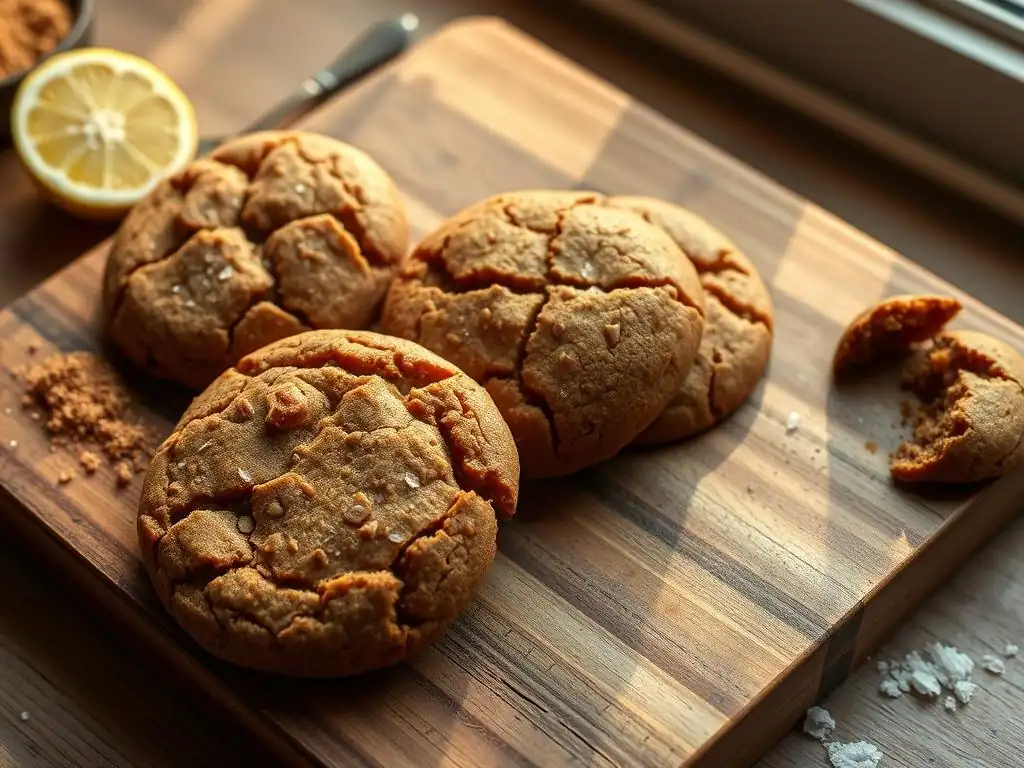
Welcome to BakeWithEase, your haven for effortless baking! Ever wondered why your ginger molasses cookies sometimes carry an unwelcome bitter edge? Dive into this insightful guide where we unlock the secrets to balancing acidity and crafting perfectly sweet, subtly spiced cookies, every single time. Get ready to transform your baking with our proven tips and tricks!
- Balancing Acidity in Ginger Molasses Cookies to Avoid Bitter Notes: BakeWithEase Guide
- Understanding Bitterness in Ginger Molasses Cookies
- Identifying the Culprits: Sources of Acidity Imbalance
- Troubleshooting: How to Fix Bitter Ginger Molasses Cookies
- Preventing Bitterness: Proactive Baking Techniques
- Balancing Act: Neutralizing Acidity in Ginger Molasses Cookies
- Step-by-Step Guide: Achieving Perfectly Balanced Ginger Molasses Cookies
- Mastering Ginger Molasses Cookie Flavor: Advanced Tips
- Conclusion: Baking Delicious, Non-Bitter Ginger Molasses Cookies Every Time
-
Frequently Asked Questions
- How can I ensure my ginger molasses cookies aren't bitter?
- What ingredient in ginger molasses cookies contributes most to a bitter taste?
- How does baking soda help reduce bitterness in ginger molasses cookies?
- Can I substitute ingredients to avoid bitterness in my ginger molasses cookies?
- What other factors, besides ingredients, can cause bitterness in my ginger molasses cookies?
- Final Reflection: The Sweet Science of Ginger Molasses Perfection
- Unlock the Perfect Ginger Molasses Cookie: A Flavor Symphony Awaits!
Molasses is a defining ingredient in ginger molasses cookies, providing their signature deep color, chewy texture, and complex, slightly smoky sweetness. It's a byproduct of the sugar refining process, and its flavor and composition vary significantly depending on how long the sugar is boiled. Light molasses is the result of the first boiling, retaining more sucrose and having a milder flavor.
Dark molasses comes from the second boiling, is less sweet, and has a more pronounced, slightly bitter taste. Blackstrap molasses, from the third boiling, is the darkest, least sweet, and contains the most minerals, possessing a distinctly strong, sometimes bitter flavor that can easily contribute to an unwanted taste in your cookies if not balanced correctly. Understanding these differences is crucial for predicting how molasses will impact your cookie's final flavor profile.
Beyond sweetness and flavor, molasses also plays a critical role in the dough's chemistry because it is inherently acidic. The pH level of molasses varies, but generally, darker molasses is more acidic than lighter varieties. This acidity is important because it reacts with baking soda (sodium bicarbonate), a common leavening agent in these cookies.
This reaction produces carbon dioxide gas, which helps the cookies rise and spread. However, if there isn't enough acid to neutralize all the baking soda, the leftover baking soda will decompose during baking into sodium carbonate, which has a distinctly unpleasant, bitter, and soapy taste. Therefore, the type and amount of molasses used directly influence the acidity level in the dough, which in turn dictates how much baking soda is needed for proper leavening and flavor balance, making it a key factor in whether your ginger molasses cookies avoid bitterness.
Ginger's Contribution to the Overall Flavor Profile
Ginger, the other namesake ingredient, adds warmth, spice, and a pungent kick to these beloved cookies. Most recipes call for ground dried ginger, which is much more potent than fresh ginger. The flavor compounds in ginger, such as gingerol and zingerone, contribute to its characteristic heat and aroma. While essential for the classic taste, ginger, particularly in excess or if it's old and stale, can introduce bitter notes. The intensity of ground ginger can vary significantly between brands and how long it's been sitting in your spice cabinet.
Using too much ginger, especially a very potent variety, can overpower the other flavors and leave a residual bitterness on the palate. Furthermore, ground spices lose potency and can develop off-flavors over time. Old ground ginger might lack its vibrant warmth but still retain or develop harsher, more bitter components.
Balancing the amount of ginger with the sweetness and richness of the molasses and other ingredients is key to achieving a harmonious flavor that is spicy and warm without being unpleasantly bitter. Ensuring your ginger is fresh and high-quality is a simple yet impactful step towards mastering ginger molasses cookies and making sure they avoid bitterness.
The acidity of your cookie dough is not just a matter of taste; it's a fundamental aspect of the chemical reactions that occur during baking, particularly involving leavening. Most ginger molasses cookie recipes use baking soda as the primary or sole leavener. Baking soda requires an acid to react with to produce carbon dioxide gas for lift. Common acids in cookie dough include molasses, brown sugar (which contains molasses), buttermilk (if used), lemon juice (sometimes added), or even cream of tartar.
When baking soda encounters an acid, it produces CO₂ bubbles, causing the dough to rise and spread. This reaction happens relatively quickly. However, if the dough lacks sufficient acidity to react with all the baking soda present, the unreacted baking soda will break down when heated in the oven.
This thermal decomposition of excess baking soda yields sodium carbonate, which is alkaline and has that recognizable soapy or metallic bitter taste. Maintaining the correct balance between the acidic ingredients and the alkaline baking soda is therefore paramount not only for achieving the desired texture but also for ensuring your ginger molasses cookies avoid bitterness and taste perfectly sweet and spicy.
Identifying the Culprits: Sources of Acidity Imbalance
Several common pitfalls can lead to an imbalance of acidity and alkalinity in ginger molasses cookie dough, resulting in bitterness. One frequent error is inaccurate measurement, particularly of baking soda or molasses. Baking soda is a powerful leavener, and even a slight excess can lead to noticeable bitterness if there isn't enough acid in the recipe to neutralize it.
Similarly, using a different type of molasses than the recipe intended (e.g., blackstrap instead of light) without adjusting the baking soda can drastically alter the dough's acidity and throw off the balance. Many recipes are developed using a specific type of molasses, and substituting without consideration can be problematic.
Another significant factor is the quality and age of your ingredients. Stale spices, especially ground ginger, can contribute harsh, bitter notes that weren't present when they were fresh. Old baking soda might be less potent for leavening but can still contribute alkalinity and bitterness if used in the specified amount from a recipe calibrated for fresh soda.
Overmixing the dough can also sometimes affect texture and potentially flavor subtly, though it's less likely a primary cause of strong bitterness compared to ingredient ratios. Identifying these potential sources is the first step in troubleshooting and ensuring your ginger molasses cookies avoid bitterness in future batches.
Using Too Much Baking Soda: A Common Pitfall
As mentioned earlier, using too much baking soda is arguably the most common reason for bitter ginger molasses cookies. Recipes are typically formulated with a specific ratio of baking soda to acidic ingredients to ensure that just enough gas is produced for leavening, and ideally, all the baking soda is neutralized by acid during this process. A standard ratio might be around 1/4 teaspoon of baking soda per cup of flour if there are sufficient acidic ingredients present. However, in rich doughs like ginger molasses cookies with significant amounts of molasses and brown sugar, the ratio might be higher.
If you accidentally add too much baking soda – perhaps you mismeasured, or the recipe itself is poorly formulated for the amount/type of acid present – the excess baking soda will not be neutralized by the acids in the dough. When heated, this leftover baking soda decomposes into sodium carbonate, an alkaline compound with a very distinct, unpleasant bitter or soapy flavor. This bitterness is usually uniform throughout the cookie and can be quite strong. Precise measurement, using level spoonfuls, is crucial to avoid this particular pitfall and help your ginger molasses cookies avoid bitterness.
The Impact of Low-Quality or Old Spices on Taste
While not an acid-alkali balance issue, the quality and freshness of your spices, especially ginger, cinnamon, cloves, and nutmeg, significantly impact the final flavor of ginger molasses cookies and can introduce bitterness. Ground spices contain volatile oils that provide their aroma and flavor. Over time, these oils degrade and evaporate, causing the spices to lose potency. As they age, they can also develop stale, musty, or even bitter off-flavors.
Using old ground ginger, for example, might not give you the warm, spicy punch you expect, but it can leave behind a harsh, acrid, or bitter aftertaste. Similarly, stale cloves or nutmeg can contribute an unpleasant edge. High-quality, fresh spices provide vibrant, clean flavors that complement the molasses without introducing bitterness.
A good rule of thumb is to replace ground spices every 6-12 months. If your spices smell dull or musty rather than fragrant, it's time for a fresh batch. This simple step can make a big difference in ensuring your ginger molasses cookies avoid bitterness and taste their best.
Molasses Variety and Its Effect on Acidity Levels
The type of molasses used is a key determinant of the dough's acidity and, consequently, a major factor in preventing bitterness. As molasses is boiled longer during sugar refining, it becomes darker, thicker, less sweet, and more acidic.
- Light Molasses: Least acidic, highest sugar content. Results in a milder flavor and relies more heavily on other acids (like brown sugar or potential additions) to react with baking soda.
- Dark Molasses: More acidic than light, less sweet, stronger flavor. Contains more minerals.
- Blackstrap Molasses: Most acidic, least sweet, very strong, mineral-rich, and often slightly bitter flavor on its own.
A recipe developed for light molasses typically uses a specific amount of baking soda calibrated for that lower acidity level. If you substitute dark or blackstrap molasses into that same recipe without adjusting the baking soda, you introduce significantly more acid. While this might seem helpful, the recipe's balance might still be off, potentially leading to different texture outcomes or, if the original baking soda amount was already slightly high for even light molasses, the increased acidity might not fully counteract a different source of bitterness (like too much ginger or old spices).
Conversely, using light molasses in a recipe designed for blackstrap (which would likely call for more baking soda due to blackstrap's higher acidity) could result in too much unreacted baking soda, leading to bitterness. Matching the molasses type to the recipe or understanding how to adjust leavening is vital for ginger molasses cookies to avoid bitterness.
Quick Fixes for a Slightly Bitter Batch
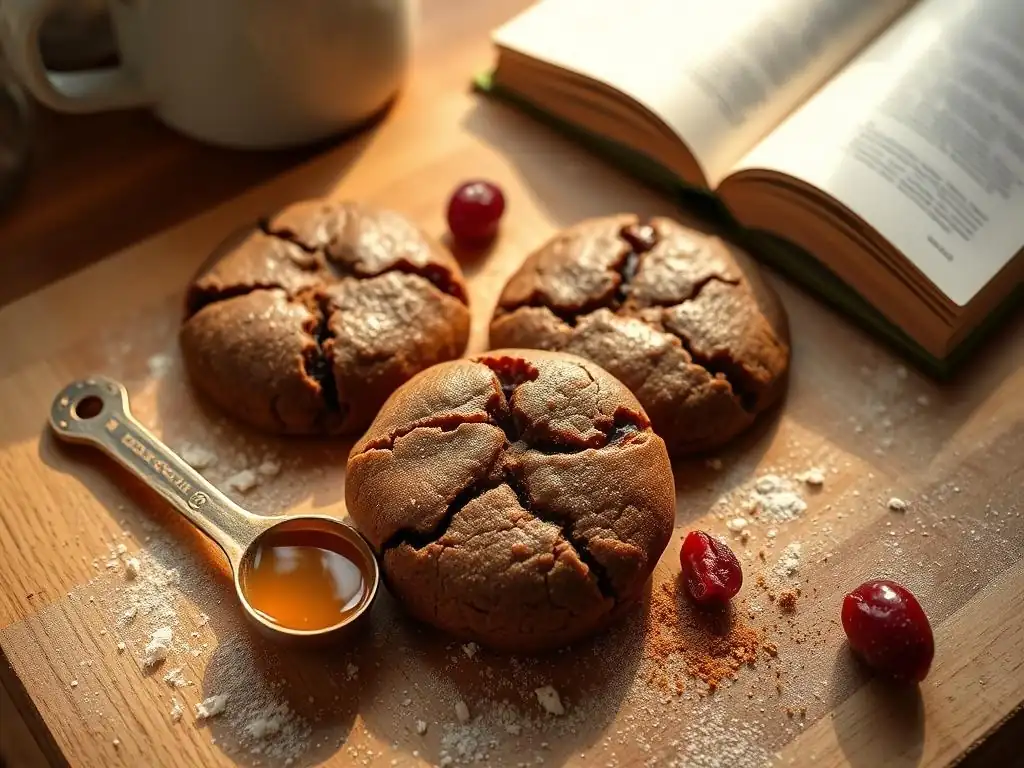
If you've already baked a batch of ginger molasses cookies and they have a slight bitter aftertaste, there are a few things you can do to make them more palatable, although you can't chemically neutralize the bitterness after baking. The goal here is to mask or complement the bitterness with other flavors. One simple approach is pairing the cookie with something sweet or creamy.
A glass of milk is a classic pairing that helps cut through richness and can temper bitterness. Serving them with a scoop of vanilla ice cream or a dollop of whipped cream can also effectively balance the flavors.
Another strategy is to incorporate them into a dessert where other components can balance the bitterness. Crumble the cookies over a sweet pudding or panna cotta, or use them as a crust for a cheesecake or pie where the sweetness of the filling can offset the cookie's bitterness. While these don't remove the bitterness, they make the cookies enjoyable. For future batches, you'll need to address the root cause in the recipe or technique to ensure your next ginger molasses cookies avoid bitterness from the start.
Adjusting the Recipe: Fine-Tuning Ingredients for Optimal Flavor
The most effective way to fix bitter ginger molasses cookies is to adjust the recipe before baking the next batch. Based on the common culprits, consider the following adjustments:
- Reduce Baking Soda: If you suspect excess baking soda is the issue, slightly reduce the amount called for in the recipe, perhaps by 1/8 to 1/4 teaspoon initially. This is especially important if you used dark or blackstrap molasses in a recipe likely intended for light molasses, or if your baking soda is very fresh.
- Check Molasses Type: Ensure you are using the type of molasses specified in the recipe. If you prefer dark or blackstrap but the recipe calls for light, you may need to slightly increase the baking soda (consult reliable baking resources for general ratios) or accept a more intensely flavored cookie.
- Assess Spice Freshness: If your spices are old, replace them. If the cookies are bitter and overly spicy, consider slightly reducing the amount of ground ginger or other spices.
- Consider Adding a Touch More Acid: Some bakers add a very small amount (like 1/2 teaspoon) of lemon juice or vinegar to molasses cookie dough, especially when using light molasses or if they are struggling with bitterness. This provides extra acid to react with baking soda, but be careful not to add too much, which could affect texture.
Making small, controlled adjustments to one ingredient at a time in subsequent batches will help you pinpoint the ideal balance for your specific ingredients and desired flavor profile, ensuring your ginger molasses cookies avoid bitterness consistently.
Preventing Bitterness: Proactive Baking Techniques
Measuring Ingredients Accurately: The Key to Consistent Results
Accurate measurement is fundamental to preventing bitterness and achieving consistent results in any baking project, especially with sensitive recipes like ginger molasses cookies where the balance of acid and alkali is crucial. Dry ingredients like flour, sugar, and spices should be measured carefully. For flour, spoon it lightly into the measuring cup and level off the top with a straight edge; scooping directly from the bag can compact it, resulting in too much flour and throwing off ratios. Granulated and brown sugar should be packed firmly into the cup if the recipe specifies, or spooned and leveled if not.
Most critically for preventing bitterness, baking soda must be measured precisely. Use dry measuring spoons, fill the spoon, and level it off with a straight edge. Do not scoop directly from the box or guesstimate. Even a tiny amount of excess baking soda can lead to a noticeable bitter, soapy flavor. Wet ingredients like molasses should be measured using liquid measuring cups placed on a flat surface. Taking the time to measure each ingredient accurately is a simple step that significantly reduces the risk of bitterness and helps your ginger molasses cookies avoid bitterness consistently.
Choosing the Right Molasses for Your Recipe: Light vs. Dark
Selecting the appropriate type of molasses is essential for achieving the intended flavor and texture of a ginger molasses cookie recipe and managing its acidity. Recipes are typically developed around a specific type of molasses, usually light or dark. Using the type specified is the most straightforward way to ensure the recipe's acid-alkali balance is maintained.
- If a recipe calls for "molasses" without specifying, it most likely intends unsulphured light molasses. This is the most common type used in baking, offering a classic molasses flavor without being overpowering.
- If you prefer a deeper color and stronger, more intense flavor, you can use dark molasses, but be aware it is more acidic and less sweet. If the recipe calls for light and you use dark, you might need a tiny bit less baking soda, or the cookies might spread slightly less.
- Blackstrap molasses is significantly more acidic and has a very strong, mineral-rich, and slightly bitter taste on its own. It's less commonly used as the sole molasses in standard cookie recipes unless specifically called for, as its intense flavor can dominate. Using blackstrap in a recipe designed for light or dark molasses will almost certainly require a significant adjustment to the baking soda to avoid bitterness and manage leavening. Pay attention to the recipe's specifications to help your ginger molasses cookies avoid bitterness.
Selecting High-Quality Spices: Freshness and Potency
The vibrancy and warmth of ginger molasses cookies come largely from the spices. Using fresh, high-quality ground spices is critical for achieving the best flavor and preventing bitter notes that can arise from stale ones. Spices, especially ground ones, lose their potency and can develop off-flavors over time.
To ensure your spices are fresh:
- Check their aroma: They should be fragrant and pungent, not dusty or faint.
- Check the expiration date: While not always exact, it's a good guideline.
- Purchase from stores with high turnover: This increases the likelihood that the spices haven't been sitting on the shelf for too long.
- Store spices properly: Keep them in airtight containers away from heat, light, and moisture.
Replacing old spices every 6-12 months is a good practice for home bakers. Investing in fresh ground ginger, cinnamon, cloves, and nutmeg will provide a much cleaner, more vibrant flavor that complements the molasses beautifully and helps ensure your ginger molasses cookies avoid bitterness from stale spice notes.
The Importance of Proper Mixing and Baking Time
While ingredient ratios are primary, proper mixing and baking technique also play a role in the final flavor and texture of ginger molasses cookies. Overmixing cookie dough can develop too much gluten, resulting in tougher cookies. While not a direct cause of chemical bitterness from baking soda, a tough, poorly textured cookie can be less pleasant and might make any underlying off-flavors more noticeable. Mix just until the ingredients are combined.
Baking time and temperature are also crucial. Baking at the correct temperature ensures even leavening and browning. Overbaking can lead to dry cookies and can sometimes intensify certain flavors, potentially including any latent bitterness. Cookies that are slightly underbaked (but still safe to eat, especially in the center) tend to be chewier and moister, which can sometimes mask or soften any minor bitterness.
Follow the recipe's baking time and temperature closely, and check for doneness at the minimum time specified. Look for edges that are set and slightly golden, while the centers still look a bit soft. Proper technique complements accurate measurement and ingredient selection in making sure your ginger molasses cookies avoid bitterness and turn out perfectly every time.
Using Acidic Ingredients Strategically: Brown Sugar and Lemon Juice
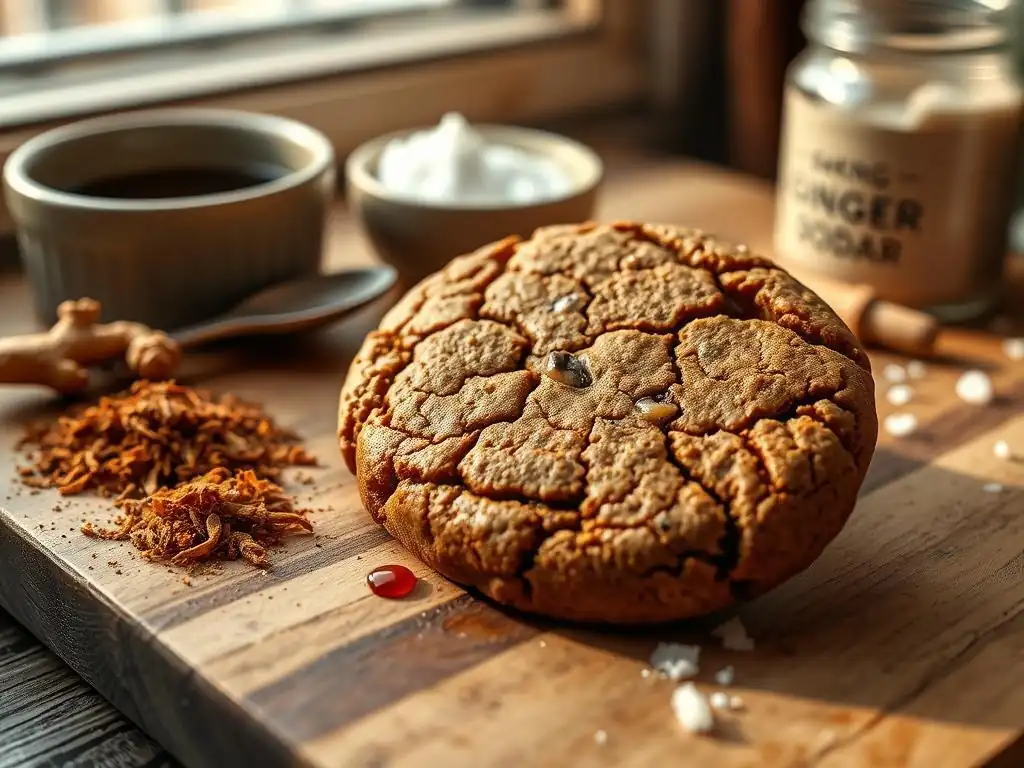
Achieving the perfect balance in ginger molasses cookies involves ensuring there is sufficient acid to react with the baking soda. While molasses itself is acidic, other ingredients contribute as well. Brown sugar, which is granulated sugar with molasses added back in, is more acidic than white sugar. Most ginger molasses cookie recipes use a significant amount of brown sugar, leveraging its acidity along with that of the molasses to activate the baking soda and provide moisture and chewiness. The ratio of brown sugar to white sugar (if any) in a recipe can influence the dough's overall acidity.
Some recipes, particularly those using lighter molasses or seeking extra insurance against bitterness, might include a small amount of additional acid like lemon juice or vinegar (often white vinegar or apple cider vinegar). Even half a teaspoon can provide enough extra acid to react with excess baking soda.
However, adding too much can introduce its own flavor and potentially make the cookies spread too much or become too tender. These acidic ingredients should be used strategically and often in very small quantities to fine-tune the balance and help your ginger molasses cookies avoid bitterness without compromising texture or overall flavor.
The Role of Salt in Flavor Enhancement and Bitterness Reduction
Salt is a critical ingredient in baking, not just for adding its own flavor but for enhancing others and balancing sweetness. In the context of bitter ginger molasses cookies, salt plays a valuable role in mitigating unwanted flavors. Salt receptors on the tongue can suppress the perception of bitterness. By including the correct amount of salt, you can make the sweet, spicy, and rich notes of the cookie more prominent while simultaneously making any slight bitterness less noticeable.
Most standard cookie recipes include salt, typically around 1/4 teaspoon per cup of flour, but this can vary. Using the amount of salt specified in a reliable recipe is important. If you've accidentally used too little salt, the cookies might taste flat and any bitterness might be more pronounced. Ensuring you use the correct type of salt (fine-grain table salt or fine sea salt are common in baking, avoid coarse salts unless specified) and measure it accurately contributes to the overall flavor balance, helping to make sure your ginger molasses cookies avoid bitterness and taste perfectly seasoned.
Experimenting with Different Sweeteners: Honey, Maple Syrup, and Their Impact
While traditional ginger molasses cookies rely primarily on granulated sugar, brown sugar, and molasses for sweetness and structure, experimenting with other liquid sweeteners like honey or maple syrup can impact flavor and potentially acidity, though they are less common main sweeteners in this specific cookie type. Both honey and maple syrup are acidic, similar to molasses.
Substituting a portion of the molasses or sugar with honey or maple syrup would introduce different flavor notes – honey adds floral tones, maple syrup adds its distinct woody sweetness. It would also alter the dough's moisture content and acidity, potentially requiring adjustments to the dry ingredients and leavening. For instance, honey is more acidic than light molasses, while maple syrup's acidity can vary.
Swapping sweeteners is a more advanced technique and requires understanding how they affect not just taste but also texture and chemical reactions. For ensuring classic ginger molasses cookies avoid bitterness, focusing on the molasses, sugar, and baking soda balance is usually the primary concern.
Here is a step-by-step task list to help you bake delicious ginger molasses cookies that avoid bitterness:
- [ ] Step 1: Assess Your Recipe and Identify Potential Acidity Issues
- [ ] Review your recipe: Does it specify the type of molasses (light, dark, blackstrap)?
- [ ] Note the ratio of baking soda to flour and acidic ingredients (molasses, brown sugar).
- [ ] Consider past results: Were previous batches bitter? If so, was it a soapy taste (likely baking soda) or a harsh spice taste?
- [ ] Step 2: Adjust Baking Soda Levels Based on Molasses Type
- [ ] If using a recipe intended for light molasses but substituting dark or blackstrap, consider reducing baking soda slightly (e.g., by 1/8 to 1/4 tsp).
- [ ] If using light molasses and experiencing bitterness, ensure accurate measurement first; a slight reduction might be needed if you suspect the recipe is unbalanced.
- [ ] Note: This step requires caution and small adjustments.
- [ ] Step 3: Incorporate Acidic Ingredients Carefully and Sparingly
- [ ] Ensure the recipe uses sufficient brown sugar or molasses.
- [ ] If troubleshooting persistent bitterness and using light molasses, consider adding a tiny amount (1/2 tsp) of lemon juice or white vinegar to the wet ingredients. Use this sparingly.
- [ ] Step 4: Taste Test the Dough and Make Minor Adjustments
- [ ] Safely taste a tiny amount of dough (remember raw eggs).
- [ ] A slight tang is okay, but a strong soapy or metallic taste indicates too much baking soda.
- [ ] At this stage, it's difficult to fix major baking soda excess, but you can note it for the next batch. Ensure spice level tastes balanced.
- [ ] Step 5: Bake to Perfection and Enjoy Non-Bitter Cookies
- [ ] Measure all ingredients accurately, especially baking soda and spices.
- [ ] Use fresh, high-quality spices and the correct type of molasses.
- [ ] Mix dough until just combined.
- [ ] Bake at the correct temperature for the specified time, checking for doneness.
- [ ] Let cool slightly on the baking sheet before transferring. Enjoy your perfectly balanced ginger molasses cookies!
Exploring Different Ginger Varieties for Unique Flavor Profiles
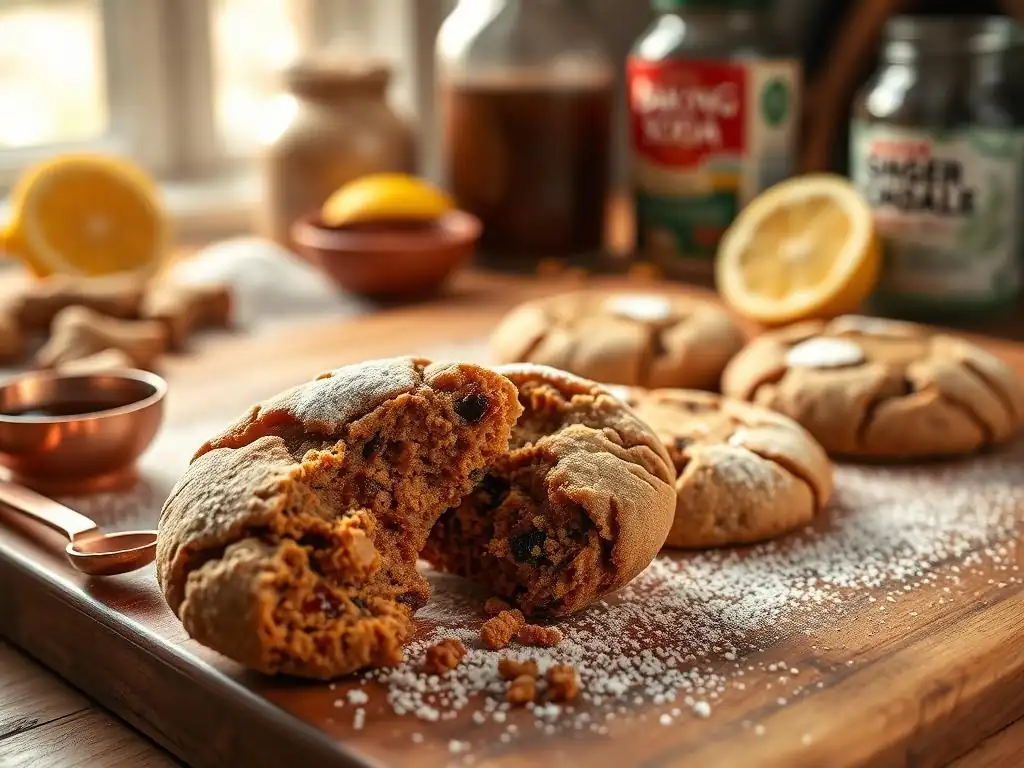
While most recipes call for standard ground ginger ( Zingiber officinale ), exploring different varieties or forms of ginger can lend unique nuances to your ginger molasses cookies. For example, using a blend of ground ginger and a small amount of finely grated fresh ginger can add a brighter, more pungent "zing" that complements the warmth of the dried spice.
Fresh ginger contains gingerol, which provides a spicier heat than the zingerone dominant in dried ginger. However, fresh ginger also contains more moisture and enzymes, which can affect dough consistency and potentially texture, so it should be used judiciously, perhaps substituting a small portion of the ground ginger with fresh.
Another consideration is the origin of the ground ginger. Different regions produce ginger with slightly different flavor profiles and potency. Jamaican ginger is often considered potent and spicy, while Chinese ginger might be milder and more aromatic. Experimenting with high-quality ground gingers from different sources, or even specialty varieties, can help you discover a flavor depth beyond the standard, allowing you to fine-tune the spicy warmth and ensure your ginger molasses cookies avoid bitterness while offering complex aroma.
The Art of Spicing: Creating a Balanced Spice Blend
The spice blend in ginger molasses cookies typically includes ginger, cinnamon, cloves, and sometimes nutmeg or allspice. The ratio of these spices profoundly impacts the cookie's overall warmth and aroma. While ginger is dominant, the other spices provide depth and complexity. Too much clove, for instance, can sometimes lend a slightly medicinal or overwhelming flavor that borders on bitter for some palates. Too little cinnamon might leave the cookies tasting one-dimensionally gingery.
Creating a balanced blend is an art. Consider starting with a classic ratio (e.g., 2 parts ginger, 1 part cinnamon, 1/2 part cloves, 1/4 part nutmeg) and adjust based on your preference. Some recipes might lean heavily on ginger, while others aim for a more harmonious blend.
Using freshly ground whole spices (grinding them yourself just before baking) provides the most vibrant flavor. Paying attention to the quality and balance of your entire spice blend, not just the ginger, is key to developing rich, complex flavors that naturally overshadow any potential for bitterness, making your ginger molasses cookies avoid bitterness issues related to poor spice balance.
An advanced technique used by many bakers to enhance the flavor of cookies, including ginger molasses cookies, is aging the dough in the refrigerator before baking. Chilling the dough for at least 24 hours, or even up to 72 hours, allows the dry ingredients (like flour and spices) to fully hydrate with the wet ingredients (molasses, sugar, butter, eggs). This hydration process helps the flavors meld and intensify.
Furthermore, the enzymes in the flour and other ingredients begin to break down starches into sugars, potentially leading to a slightly sweeter, more complex flavor profile. The spices also have more time to infuse throughout the dough.
While this technique primarily impacts flavor depth and texture (resulting in chewier cookies), the development of more complex sweet and spicy notes can also help to balance or mask any very subtle bitterness that might be present. Aging the dough is a simple step that elevates the flavor of your ginger molasses cookies, contributing to a richer taste that helps them avoid bitterness by enhancing desirable characteristics.
Achieving the perfect ginger molasses cookie is a delightful goal for any baker. While the combination of warm spices and rich molasses is inviting, the potential for bitterness from an imbalance of ingredients, particularly baking soda and acids, is a common challenge. By understanding the role of each ingredient – the acidity of molasses, the potency of ginger, and the leavening power of baking soda – you gain the knowledge to prevent bitterness from the start.
Accurate measurement is your first line of defense, ensuring the delicate ratio of acid to alkali is just right. Choosing the correct type of molasses specified by the recipe or knowing how to adjust for substitutions is crucial. Furthermore, using fresh, high-quality spices contributes clean, vibrant flavor without harsh, bitter notes.
If bitterness does occur, troubleshooting involves identifying the likely culprit, often excess baking soda or stale spices, and making careful adjustments to your recipe for the next batch. By paying attention to these details – from ingredient selection and measurement to mixing and baking technique – you can confidently bake batch after batch of perfectly spiced, chewy, and delicious ginger molasses cookies that truly avoid bitterness, bringing warmth and joy with every bite.
Frequently Asked Questions
The key is balancing the acidity. Ingredients like molasses and ginger can contribute to bitterness, so adding a touch of baking soda helps neutralize this.
While ginger plays a role, molasses is the primary culprit. Its naturally occurring compounds can create a bitter flavor, especially if it's a darker variety.
Baking soda is an alkaline substance that reacts with the acidic components in molasses and ginger. This neutralization process lessens the bitterness.
Yes, you can use lighter molasses (like light or mild) instead of dark or blackstrap. You can also reduce the amount of ginger used in the recipe.
Overbaking can also contribute to a bitter taste. Be sure to follow the baking time in the recipe closely and use an oven thermometer to ensure accuracy.
Final Reflection: The Sweet Science of Ginger Molasses Perfection
The delicate balance of acidity in baking is not merely a technical detail; it's the key to unlocking the full, nuanced flavor profile of beloved treats like ginger molasses cookies. Mastering this balance transforms a potentially bitter experience into a symphony of warm spices and rich molasses. This article explored the crucial role of ingredients like molasses, ginger, and even baking soda in achieving that perfect harmony, and the impact of subtle adjustments on the final product.
The quest for the ideal ginger molasses cookie is a microcosm of the larger culinary pursuit of perfection. It's a journey of experimentation, observation, and a deep appreciation for the interplay of flavors. The art of cooking is the art of making something delicious out of something else.
This simple truth underscores the importance of understanding the chemical reactions happening within our recipes, allowing us to predict and control the outcome. The subtle shifts in acidity we discussed are a testament to this principle, highlighting how a small change can have a profound impact on the final taste.
Now, consider your own baking adventures. Perhaps you've experienced the frustration of a batch gone wrong, a cookie too bitter, too dry, or lacking that certain je ne sais quoi. I encourage you to embrace the scientific method in your kitchen, to experiment with the ratios of ingredients, and to observe the results.
By understanding the role of acidity in your baking, you'll not only improve your ginger molasses cookies, but you'll also gain a deeper appreciation for the artistry and science behind creating truly delicious food. The next time you bake, remember the power of balance, and let the sweet science guide you to perfection.
Thanks for exploring the secrets to perfectly balanced ginger molasses cookies! You've now got the knowledge to avoid those bitter notes and create a truly delicious treat. Ready to put your new skills to the test?
- Bake a batch today! Use your newfound understanding of acidity to perfect your own recipe, or try the one linked in the article.
- Share your baking triumphs (and challenges!) on our BakeWithEase community forum. Let's learn and grow together!
- Consider experimenting with different types of molasses – what subtle differences can you taste?
What unique ingredient will you add to your next batch of cookies to enhance the flavor profile?