
Fixing a Cake That's Too Sweet or Not Sweet Enough

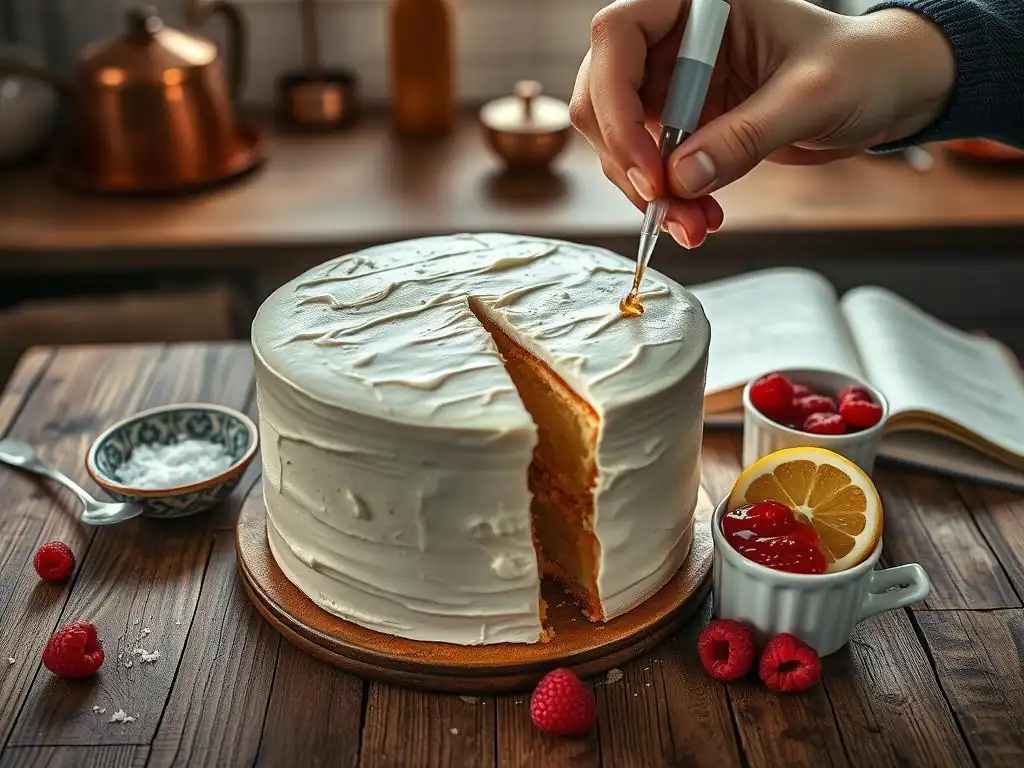
Welcome to BakeWithEase, your trusted companion on your baking journey! Ever wondered exactly how to achieve that perfect balance of sweetness in your cakes? This is the ultimate guide on how to adjust cake sweetness, ensuring every slice is exactly to your taste. Discover the secrets to rescuing a cake that's too sweet, or boosting the flavor of one that's just not quite there. Let's dive in and unlock the secrets to baking perfection!
- How to Adjust Cake Sweetness: The Ultimate Guide for Bakers
- Introduction: Achieving Perfect Cake Sweetness with BakeWithEase
- Understanding Cake Sweetness: Why It Matters
- My Cake is Too Sweet! Troubleshooting and Solutions
- My Cake Isn't Sweet Enough! Troubleshooting and Solutions
- Preventing Future Sweetness Imbalances in Your Cakes
- Mastering Cake Sweetness: Tips and Tricks from BakeWithEase
- Conclusion: BakeWithEase to Achieve Cake Sweetness Perfection
- Frequently Asked Questions
- Final Reflection: The Sweet Science of Baking and Life's Adjustments
- Rescue Your Baking: Sweeten or Save Your Cake!
How to Adjust Cake Sweetness: The Ultimate Guide for Bakers
Introduction: Achieving Perfect Cake Sweetness with BakeWithEase
Welcome to BakeWithEase! We know that baking is a delightful science, and one of the most crucial elements to master is sweetness. A cake that's perfectly balanced in sweetness can elevate your baking from good to absolutely amazing. But what happens when your cake is too sweet, or perhaps not sweet enough? Don't worry, it's a common challenge even for experienced bakers.
This guide is dedicated to helping you understand and control the sweetness level in your cakes. We'll walk you through the reasons why sweetness matters, how to troubleshoot common issues with cake sweetness, and provide practical solutions for adjusting your batter or even baked cakes. Whether you're aiming for a subtly sweet sponge or a decadent dessert, learning how to adjust cake sweetness is a fundamental skill that will empower you in the kitchen.
Understanding Cake Sweetness: Why It Matters
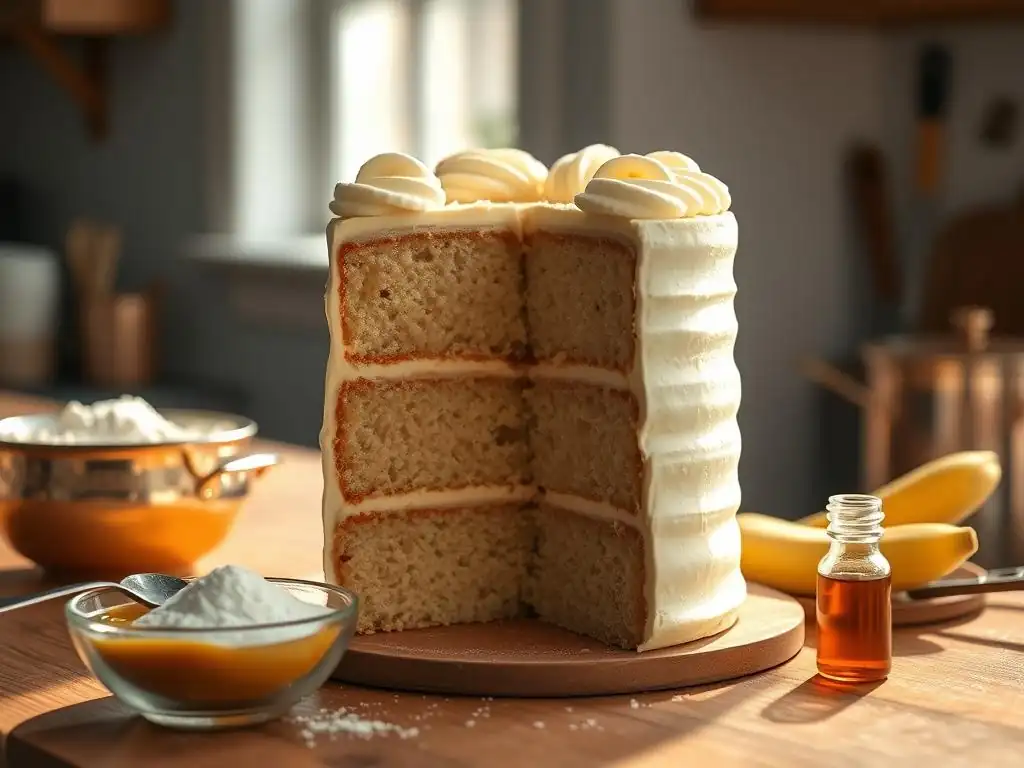
Achieving the right level of sweetness in a cake is more than just a matter of taste preference; it's about balance. Sugar plays multiple roles in baking beyond just providing sweetness. It affects texture, moisture, color, and even the cake's structure. When the sweetness is off, it can throw the entire cake out of harmony, impacting everything from its crumb to its overall flavor profile.
A cake that is too sweet can be cloying and mask other subtle flavors like vanilla, chocolate, or fruit. Conversely, a cake that isn't sweet enough might taste bland, dry, or even slightly bitter, depending on the other ingredients. Mastering how to adjust cake sweetness ensures that all components of your cake work together harmoniously, creating a truly delicious result.
The Role of Sugar in Cake Baking
Sugar is a powerhouse ingredient in cake making, contributing far more than just its sweet taste. Chemically, sugar is a humectant, meaning it attracts and retains moisture. This is why cakes made with adequate sugar tend to be moist and stay fresh longer compared to low-sugar versions. For example, a standard butter cake recipe often uses a significant amount of granulated sugar (sometimes equal in weight to the flour) to ensure a tender, moist crumb.
Beyond moisture, sugar aids in leavening by interacting with fats during creaming, helping to incorporate air. It also contributes to the browning (Maillard reaction) of the crust during baking, giving cakes that appealing golden-brown color. Furthermore, sugar tenderizes the cake by interfering with gluten development. Too little sugar can result in a tough, dry cake with pale crust, while too much can lead to a dense, gummy texture and excessive browning. Understanding these roles is key to successfully learning how to adjust cake sweetness.
Factors Affecting Cake Sweetness Perception
Our perception of sweetness in a cake isn't solely determined by the amount of sugar in the recipe. Several factors can influence how sweet a cake tastes to us. The presence of other flavors, particularly salt, acid (like lemon juice or buttermilk), and bitter notes (like cocoa powder or coffee), can significantly balance or enhance the perception of sweetness. For instance, a chocolate cake with a decent amount of cocoa powder might taste less sweet than a vanilla cake with the same amount of sugar, because the bitterness of the cocoa balances the sugar.
Temperature also plays a role; cold cakes often taste less sweet than cakes served at room temperature. The texture and moisture content of the cake can also affect how the sweetness is perceived as it dissolves in the mouth. Even the type of sugar used matters; while granulated sugar provides a clean sweetness, brown sugar adds moisture and a slight molasses flavor that can alter the overall sweet profile. Considering these factors is vital when troubleshooting or trying to figure out how to adjust cake sweetness effectively.
My Cake is Too Sweet! Troubleshooting and Solutions
It happens to the best of us! You follow a recipe, bake your cake, take a bite, and whoa – it's sweeter than you expected. Don't despair! There are several reasons this might occur, and thankfully, many ways to fix it, whether the cake is still batter or already baked. Learning how to adjust cake sweetness when it's too sweet is a valuable skill.
Identifying the source of the excessive sweetness is the first step. Was it a simple measuring error? Did you substitute an ingredient without considering its sweetness level? Or is the recipe itself just designed to be very sweet? Once you have an idea of the cause, you can choose the most appropriate solution from the techniques below.
Identifying the Cause of Excessive Sweetness
The most common culprit for an overly sweet cake is inaccurate measurement. Accidentally adding too much sugar, or using a measuring cup designed for liquids instead of dry ingredients (which can compact the sugar), can easily throw off the balance. For example, if a recipe calls for 1 cup of granulated sugar (about 200g) but you accidentally scoop and pack it tightly, you could end up with closer to 240-250g, a significant difference in a standard cake.
Another cause could be ingredient substitution. Swapping unsweetened applesauce for oil without reducing the sugar, or using sweetened condensed milk instead of evaporated milk, will drastically increase the sweetness. Sometimes, the recipe itself might be the issue – perhaps it's an older recipe designed for tastes that preferred sweeter desserts, or it's meant to be paired with an unsweetened component.
Quick Fixes for Overly Sweet Cake Batter
If you catch the excessive sweetness while the cake is still in batter form, you have a great opportunity to make adjustments. This is the easiest stage for learning how to adjust cake sweetness directly. The goal is to balance the sweetness by introducing other flavors or diluting the sweet components.
Remember that adding ingredients will change the overall volume and potentially the wet-to-dry ratio of your batter, so start small and incorporate thoroughly. You might need to slightly increase leavening agents if adding significant liquid, but often, simple additions are enough to rebalance.
Adding Acidic Ingredients to Balance Sweetness
Acid is a fantastic counterpoint to sweetness. Just a small amount can cut through intense sugary flavors and brighten the overall taste profile. Think of how a squeeze of lemon elevates a sweet dessert. For cake batter, you can incorporate ingredients like lemon juice, vinegar (white or apple cider), buttermilk, or sour cream.
Start by adding a very small amount, perhaps 1 teaspoon of lemon juice or vinegar per standard cake recipe (e.g., one 8-inch round cake). Mix it in gently but thoroughly and taste the batter again. You can add a bit more if needed, but be cautious not to add so much that it curdles the batter or imparts a strong acidic flavor.
For a milder approach, substituting some of the liquid (like milk) with buttermilk or sour cream can add both richness and balancing acidity. A quarter cup of buttermilk in a recipe calling for 1 cup of milk can make a noticeable difference in balancing sweetness without drastically changing the texture.
Incorporating Unsweetened Dairy or Cream
Adding unsweetened dairy products can help dilute the sweetness and add richness, which also helps balance intense flavors. Ingredients like plain yogurt, sour cream, or even a splash of heavy cream (if the fat content works with your recipe) can be stirred into the batter.
Again, start conservatively to avoid making the batter too wet. For a standard cake batter, adding 2-4 tablespoons of plain, unsweetened yogurt can often help mellow out excessive sweetness while adding moisture. If the batter is already quite liquid, consider adding a tablespoon or two of sour cream or a small amount of unsweetened cream cheese (softened) which can help absorb some sweetness and add body. Taste as you go to ensure you achieve the desired balance.
Adjusting the Recipe to Reduce Sweetness
For future bakes using the same recipe, or if you're developing your own, the most direct way to control sweetness is by adjusting the sugar quantity or type before you even start mixing. This requires a bit more understanding of how sugar functions in the recipe, but it's the best long-term solution for how to adjust cake sweetness to your preference.
Making significant changes to the sugar content can affect the cake's structure, moisture, and browning. It's often best to make gradual adjustments and test the recipe. Keep notes on the changes you make and the results so you can replicate or further refine your perfect sweetness level.
Reducing Sugar Quantity: A Step-by-Step Approach
If you know a recipe is consistently too sweet for your taste, the most straightforward adjustment is to reduce the amount of sugar. However, because sugar affects more than just sweetness, you can't simply cut the amount in half without consequences. A common guideline is to start by reducing the granulated sugar by 10-15% in standard cake recipes (like butter cakes or loaf cakes). For example, if a recipe calls for 2 cups (400g) of sugar, try reducing it to 1.7 cups (approx 340g) or 1.8 cups (approx 360g).
For cakes where sugar plays a crucial structural role (like angel food cake or meringue-based cakes), drastic reductions are not recommended. For other cakes, observe the results of your reduction: is the cake less moist? Does it brown less? If moisture is lost, you might need to slightly increase the liquid ingredients (like milk or yogurt) in subsequent attempts, perhaps by a tablespoon or two, to compensate. Note that larger reductions (25% or more) often require more significant recipe rebalancing.
Substituting Sweeteners: Pros and Cons
Substituting the type of sweetener can also impact perceived sweetness and the cake's characteristics. Using alternative granular sweeteners, like coconut sugar or maple sugar, can offer different flavor profiles and might be perceived as slightly less intensely sweet gram-for-gram than white granulated sugar, though their chemical properties differ. Liquid sweeteners like honey, maple syrup, or agave nectar are sweeter by volume than granulated sugar and also introduce significant moisture and distinct flavors.
When substituting liquid sweeteners for granulated sugar, you typically use less liquid sweetener (often about 2/3 to 3/4 the amount of sugar by volume) and also need to reduce other liquids in the recipe to maintain the right wet-to-dry balance. For instance, replacing 1 cup of sugar might require about 2/3 cup of maple syrup, and you'd need to reduce other liquids by about 1/4 cup. Each substitution will affect texture, moisture, and flavor differently, requiring experimentation to find the right balance for how to adjust cake sweetness with alternatives.
Rescue Strategies for Baked Cakes That Are Too Sweet
Alright, the cake is baked and cooled, and it's definitely too sweet. Don't throw it away! There are still ways to balance the sweetness and make it enjoyable. These methods involve pairing the cake with components that provide contrast or dilute the sweetness.
Think about what flavors and textures would complement your cake while also providing a counterpoint to the sugariness. Often, this involves adding elements that are unsweetened, tangy, or slightly bitter.
Serving with Unsweetened Accompaniments
Pairing a too-sweet cake with unsweetened or lightly sweetened accompaniments is a simple yet effective strategy. Plain whipped cream (sweetened minimally or not at all), Greek yogurt, or crème fraîche offer a creamy texture and a pleasant tang that cuts through sweetness. For example, serving a slice of overly sweet pound cake with a dollop of unsweetened whipped cream and some fresh, unsweetened berries (like raspberries or strawberries) can make it much more palatable.
Other options include unsweetened fruit compotes (made by simmering fruit with minimal or no added sugar), or even a simple dusting of unsweetened cocoa powder or powdered sugar (which, surprisingly, can sometimes seem less intensely sweet than granulated sugar in a bite, and its dryness helps). The contrast in flavor and texture helps reset the palate with each bite.
Creating a Less Sweet Frosting or Glaze
If your plan was to frost the cake, you have a perfect opportunity to balance the sweetness. Instead of a standard buttercream (which can be very sweet), opt for a frosting or glaze that is less sweet or has balancing flavors. A cream cheese frosting, for instance, uses the tang of cream cheese to cut sweetness. You can also reduce the sugar in many frosting recipes by 15-25% without significantly compromising texture, especially in glazes or simple powdered sugar frostings.
Consider glazes made with powdered sugar and lemon juice (the acid helps balance) or a simple ganache made with bittersweet chocolate and cream (the bitterness of the chocolate provides excellent contrast). Even a meringue-based frosting (like Swiss or Italian meringue) can sometimes be made slightly less sweet than a traditional American buttercream.
My Cake Isn't Sweet Enough! Troubleshooting and Solutions
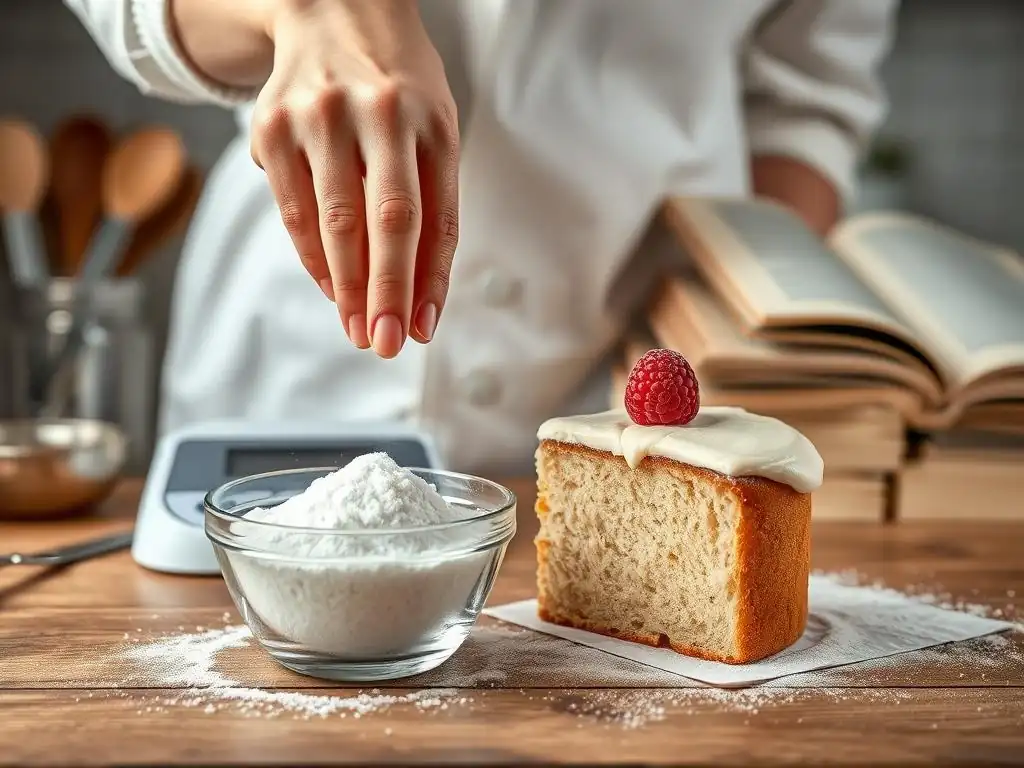
Finding your cake isn't sweet enough can be just as disappointing as finding it too sweet. This issue might arise from recipe modifications, ingredient variations, or simply a preference for a sweeter dessert. The good news is that it's often easier to add sweetness than to take it away!
Just like with overly sweet cakes, identifying the reason is helpful, but the focus here is on how to safely increase the sweetness without negatively impacting the cake's texture or moisture too much. Again, adjustments can be made at the batter stage or after baking.
Identifying the Cause of Insufficient Sweetness
Insufficient sweetness in a cake can stem from several sources. Similar to excessive sweetness, inaccurate measuring can be a factor – perhaps you accidentally used less sugar than called for, or used a measuring cup incorrectly. Using a sugar substitute that isn't as sweet as granulated sugar (like some artificial sweeteners which have different sweetness profiles and baking properties) without proper conversion is another common reason.
Sometimes, it's the recipe itself, especially if it's designed to be healthy or low-sugar. Using ingredients like whole wheat flour or adding a lot of fibrous ingredients can sometimes make the cake taste less sweet overall. Finally, your personal preference simply might be for a sweeter cake than the recipe provides. Understanding these potential causes helps in learning how to adjust cake sweetness effectively for your taste.
Simple Solutions for Under-Sweet Cake Batter
If you realize the batter isn't sweet enough before baking, you have the ideal opportunity to fix it directly. Adding sweetener at this stage allows it to dissolve and distribute evenly throughout the cake.
Be mindful that adding significant dry sugar might affect the wet-to-dry ratio and potentially require a slight increase in liquid, while adding liquid sweeteners will definitely require reducing other liquids. Always mix thoroughly after adding sweetener to ensure it's fully incorporated.
Adding Sugar Gradually
The most direct approach is to simply add more sugar to the batter. It's crucial to do this gradually and taste as you go, as you can easily overshoot and make it too sweet. Start by adding 1-2 tablespoons of the same type of sugar used in the recipe (usually granulated sugar).
Sprinkle the sugar over the batter and mix it in gently but thoroughly until it's completely dissolved. Taste a small amount of batter. If it's still not sweet enough, repeat the process, adding another tablespoon or two. Avoid adding too much at once, as incorporating large amounts of dry sugar late in the process can sometimes lead to a slightly grainy texture if it doesn't fully dissolve.
Using Honey or Maple Syrup for Added Sweetness and Flavor
Liquid sweeteners like honey or maple syrup can not only increase sweetness but also add wonderful depth of flavor to your cake batter. This is a great option if you want to add sweetness while also enhancing the overall taste profile.
Add liquid sweeteners cautiously, as they are often sweeter by volume than granulated sugar and add moisture. Start with 1-2 teaspoons of honey or maple syrup, mix well, and taste. If needed, add another teaspoon. For every 2-3 tablespoons of liquid sweetener added, you might need to slightly increase the dry ingredients (like flour) by a tablespoon or two, or slightly reduce other liquids, to maintain the correct consistency, especially in delicate batters. This method is excellent for adding a nuanced sweetness and learning how to adjust cake sweetness with different profiles.
Adjusting the Recipe to Increase Sweetness
For future attempts with a recipe that wasn't sweet enough, you'll want to adjust the ingredients before mixing. This allows the added sugar to integrate properly with the other ingredients from the start, ensuring the best possible texture and structure.
Increasing sugar is generally easier than decreasing it in terms of not negatively impacting texture, but there are still limits. Adding too much can make the cake dense, gummy, or excessively moist.
Increasing Sugar Quantity: A Balanced Approach
If you find a recipe consistently yields a cake that isn't sweet enough, plan to increase the sugar amount slightly in your next bake. A good starting point is to increase the main sugar by 10-15% of the original amount. For instance, if a recipe calls for 1.5 cups (300g) of granulated sugar, try using 1.65 cups (approx 330g) or 1.7 cups (approx 340g).
Make this increase part of your initial ingredient measurement. Note the change in your recipe. Bake the cake as directed and taste the result. If it's still not sweet enough, you can try increasing it by another 5-10% the next time. Be aware that significantly increasing sugar (more than 20-25%) may require minor adjustments to baking time (it might brown faster) or liquid ratios to maintain the desired texture. Learning how to adjust cake sweetness involves finding this balance through experimentation.
Choosing the Right Type of Sugar for Optimal Sweetness
The type of sugar you use can influence both the sweetness intensity and the overall flavor. Granulated sugar provides a clean, straightforward sweetness. Superfine or castor sugar dissolves more easily, which can be beneficial in some delicate cakes, and its sweetness is perceived similarly to granulated sugar.
Brown sugar adds moisture and a caramel-like note, which can make a cake seem sweeter or richer than it is, depending on the context. Powdered sugar (confectioners' sugar) contains a small amount of cornstarch and is primarily used in frostings and glazes; using it as the main sugar in a cake batter is uncommon and would drastically change the texture.
If you want a cake to taste sweeter without adding a huge amount of granulated sugar, consider if a portion of the sugar could be replaced with brown sugar (which adds flavor depth) or if a recipe designed for a specific sugar type (like a cake relying on the molasses notes of brown sugar) might meet your sweetness preference better. Substituting 1/4 cup of granulated sugar with light brown sugar in a vanilla cake can add a subtle richness that enhances the perception of sweetness.
Rescue Strategies for Baked Cakes That Aren't Sweet Enough
If your cake is already baked and cooled and you discover it's not sweet enough, don't worry! There are several ways to add sweetness and moisture after the fact, primarily through glazes, syrups, or fillings.
These methods work by adding a layer or infusion of sweetness that complements the cake itself. The key is to choose a method and flavor profile that enhances, rather than overwhelms, the cake.
Making a Sweet Syrup to Brush Over the Cake
Brushing a simple sugar syrup over a baked cake is an excellent way to add moisture and sweetness. This works particularly well for sponge cakes, loaf cakes, or layers destined for a layered cake. A basic syrup is made by heating equal parts water and sugar until the sugar dissolves (e.g., 1/2 cup water and 1/2 cup sugar). You can also add flavorings like vanilla extract, citrus zest, or liqueur to the warm syrup.
Once the syrup is made and slightly cooled (it should be warm, not hot), use a pastry brush to gently brush it over the top and sides of the cake. The cake will absorb the liquid, adding both sweetness and moisture. Don't oversaturate the cake; brush just enough to be absorbed. This method is a classic technique for adding sweetness and richness to cakes and a great trick for how to adjust cake sweetness post-baking.
Creating a Sweet Frosting or Glaze
Adding a sweet frosting or glaze to an under-sweet cake is perhaps the most common solution. Since the cake itself isn't very sweet, it provides a neutral base for a sweeter topping. You can use a classic buttercream, a simple powdered sugar glaze, or a poured fondant.
A simple glaze made from powdered sugar and a liquid (like milk, water, or lemon juice) can add a significant boost of sweetness. For example, whisking together 1 cup of powdered sugar with 2-3 tablespoons of milk creates a pourable glaze perfect for a loaf cake. For a layer cake, a standard American buttercream (made with butter, powdered sugar, and a liquid) provides ample sweetness and can easily balance a less sweet cake base.
Adding a Sweet Filling
If your cake is a layer cake, adding a sweet filling between the layers is another effective strategy. Fillings can range from fruit jams or preserves to pastry cream, curd, or even sweetened whipped cream.
A tart fruit curd (like lemon or passion fruit) can provide a lovely sweet-tart contrast that enhances the cake's subtle sweetness. A rich chocolate ganache or a classic vanilla pastry cream can add both sweetness and decadence. Even a simple layer of good quality jam can contribute significant sweetness. This method allows you to infuse sweetness within the cake itself, ensuring a pleasant flavor experience with every bite.
Preventing Future Sweetness Imbalances in Your Cakes
The best way to handle sweetness issues is to prevent them from happening in the first place! By adopting careful techniques and understanding your ingredients and recipes, you can consistently achieve the perfect sweetness level in your cakes. This proactive approach simplifies learning how to adjust cake sweetness by minimizing the need for last-minute fixes.
Focusing on precision, understanding ingredient interactions, and getting to know your oven and recipes are key steps in preventing both overly sweet and under-sweet cakes.
Accurate Measuring Techniques for Consistent Results
Precision in measuring is paramount in baking, perhaps nowhere more so than with sugar. Using the correct measuring tools and techniques is essential for repeatable results. For dry ingredients like granulated sugar, brown sugar, and powdered sugar, use dry measuring cups. Spoon the sugar into the cup and level it off with a straight edge (like the back of a knife) without packing it down, unless the recipe specifically instructs you to pack (this usually applies to brown sugar).
- [ ] Use dry measuring cups for granular sugars.
- [ ] Spoon sugar into the cup gently.
- [ ] Level off the excess with a straight edge.
- [ ] Pack brown sugar only if specified.
- [ ] Use liquid measuring cups (with a spout and volume markers) at eye level for liquid sweeteners if substituting.
Using a kitchen scale to measure ingredients by weight is the most accurate method available and is highly recommended for consistent baking results. For example, 1 cup of granulated sugar weighs approximately 200 grams, while 1 cup of packed brown sugar weighs about 220 grams. Weighing ensures you use the exact amount specified, regardless of how loosely or tightly it's packed into a volume cup.
Understanding the Impact of Ingredient Quality
The quality and type of ingredients can subtly affect the final sweetness and flavor of your cake. For instance, the ripeness of bananas in banana bread, the type of cocoa powder in a chocolate cake (Dutch-processed vs. natural), or the quality of vanilla extract can all interact with the sugar and influence the perceived sweetness. Using very ripe bananas will add more natural sweetness than slightly green ones, potentially allowing for a slight reduction in added sugar.
Similarly, the fat used (butter, oil, shortening) can affect how flavors, including sweetness, are carried and perceived in the cake. Ensure your leavening agents (baking soda and baking powder) are fresh and active, as proper leavening contributes to a light texture where sweetness isn't concentrated or heavy. Understanding these nuances helps you anticipate how ingredients will perform and contributes to your skill in how to adjust cake sweetness.
Recipe Testing and Adjustments: Finding Your Sweet Spot
Even with perfect measurements, sometimes a recipe just isn't calibrated to your personal taste or your specific ingredients/environment. Don't be afraid to test and adapt recipes. If you try a new recipe and find it too sweet or not sweet enough, make a note on the recipe card or in your baking journal.
The next time you make it, implement a small adjustment, like reducing or increasing the sugar by 10-15%. Keep track of the changes and the results. Over time, you'll develop a repertoire of recipes perfectly tailored to your preferred sweetness level. This iterative process of testing and adjusting is fundamental to mastering how to adjust cake sweetness and making any recipe your own.
Mastering Cake Sweetness: Tips and Tricks from BakeWithEase
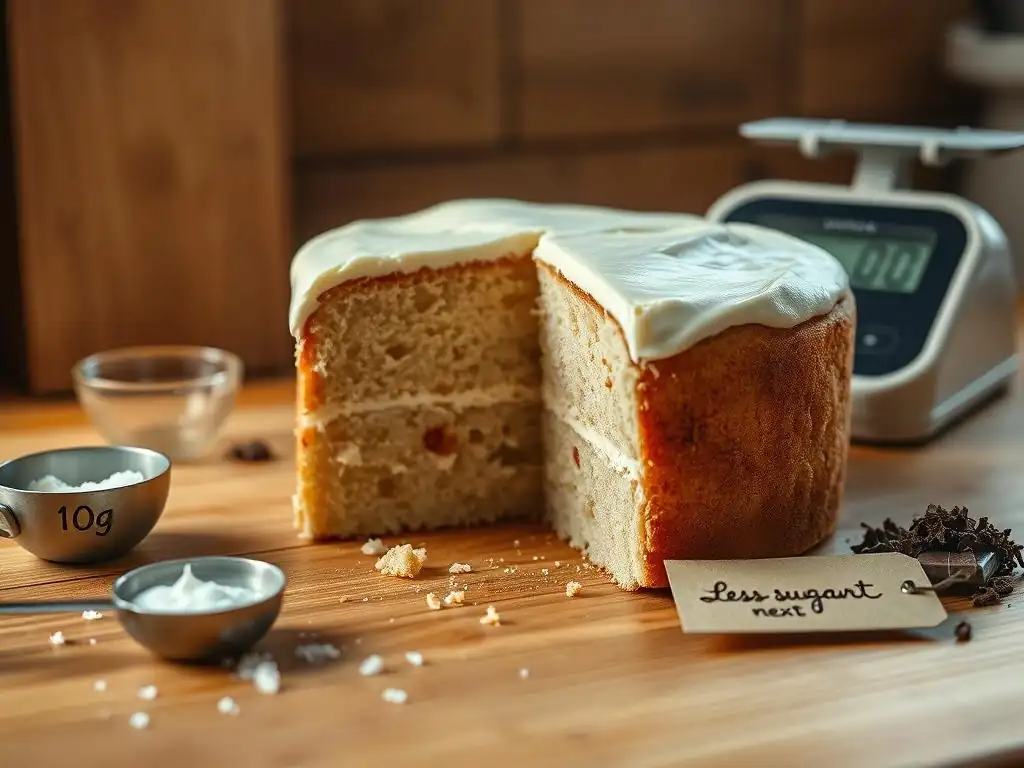
Achieving perfect cake sweetness is an ongoing journey of learning and experimentation. Here are a few extra tips and tricks from BakeWithEase to help you along the way, building on your understanding of how to adjust cake sweetness.
Baking is a science, but adjusting a recipe to your taste is an art. Don't be afraid to experiment!
These insights can provide valuable context and practical advice as you refine your baking skills and learn how to control the sweetness in all your cake creations.
The Importance of Taste Testing Throughout the Baking Process
Taste testing isn't just for the final product! While you shouldn't eat raw batter containing eggs, you can taste components of your recipe before they are combined or before baking (if egg-free). Taste your dry ingredients mixed together (without leavening). Taste your wet ingredients. Taste the batter before adding eggs or flour if you're uncertain about the sweetness of a liquid base or fat/sugar mixture. Once the batter is fully mixed (and contains eggs), you cannot safely taste it.
However, for things like glazes, frostings, or syrups, frequent tasting is key. As you make a simple powdered sugar glaze, add the liquid gradually and taste until the consistency and sweetness are just right. When making buttercream, taste it after the sugar is incorporated to decide if you need a pinch of salt or a touch more liquid to balance the sweetness. This habit of tasting at appropriate stages helps you catch sweetness issues early.
Understanding Different Types of Sugar and Their Sweetness Levels
Not all sugars are created equal in terms of perceived sweetness or how they function. Fructose, found in fruit and honey, is often perceived as sweeter than glucose or sucrose (table sugar). While most cake recipes use sucrose (granulated, brown, powdered), being aware of other sweeteners is helpful. For example, high fructose corn syrup is very sweet, which is why commercially baked goods using it can taste intensely sweet.
Within the sucrose family, particle size matters. Superfine sugar dissolves faster, leading to a smoother texture but not necessarily more or less sweetness than granulated sugar by weight. Brown sugar contains molasses, which adds flavor complexity and moisture, altering the overall sweet experience compared to pure granulated sugar. Understanding these differences allows you to choose the right sugar type when considering how to adjust cake sweetness in a recipe.
How Altitude Affects Cake Sweetness and Baking Times
Baking at high altitude (generally above 3,000 feet or about 900 meters) presents unique challenges because atmospheric pressure is lower. This affects how cakes rise, how liquids evaporate, and how sugars concentrate. At higher altitudes, cakes tend to rise faster and higher, but can also collapse. Liquids evaporate more quickly, which can concentrate the sugar and make the cake taste sweeter and potentially drier.
High-altitude baking often requires adjustments to sugar, liquid, and leavening. Recipes might call for slightly less sugar (to prevent excessive browning and structural weakness caused by sugar concentration), slightly more liquid (to compensate for faster evaporation), and reduced leavening. If you consistently bake at high altitude and find cakes too sweet or dry, try reducing the sugar by 1-2 tablespoons per cup called for and slightly increasing the liquid. This is a specific but important factor in how to adjust cake sweetness depending on your location.
Conclusion: BakeWithEase to Achieve Cake Sweetness Perfection
Mastering how to adjust cake sweetness is a skill that transforms your baking. Whether you're rescuing a cake that's too sweet or adding a touch more to one that's bland, the techniques we've discussed provide practical ways to achieve delicious results. By understanding the role of sugar, practicing accurate measurements, and not being afraid to taste and adjust, you can confidently tackle any cake recipe.
Remember that baking is a journey, and every cake is an opportunity to learn. With these tips and tricks from BakeWithEase, you're well-equipped to find your perfect sweetness balance and bake cakes that are not just sweet, but truly delightful. Happy baking!
Frequently Asked Questions
How do I know if my cake is too sweet before baking?
It's tricky, but taste your batter. A tiny sample can indicate if the sweetness is already overwhelming. Remember that baking usually intensifies flavors, so err on the side of slightly less sweet.
What can I do if my cake batter is already too sweet?
Add a sour element like lemon juice or a small amount of unsweetened cocoa powder. You could also increase the fat content with unsalted butter or oil to balance the sweetness.
How do I fix a cake that's already baked and too sweet?
Counteract the sweetness with an unsweetened topping, such as whipped cream or a tart fruit compote. Alternatively, serve it with a complementary flavor like a strong coffee or tea.
My cake isn't sweet enough. What are my options after it's baked?
A simple sugar glaze brushed over the cake can quickly add sweetness. Dusting with powdered sugar is another easy and effective method for increasing the perceived sweetness.
How can I prevent sweetness issues in my cakes in the future?
Always carefully measure your ingredients, especially sugar. Consider using a reliable recipe and tasting your batter before baking to make adjustments.
Final Reflection: The Sweet Science of Baking and Life's Adjustments
The perfect cake, much like the perfect life, is a delicate balance. A recipe, meticulously followed, can still yield a result that's off-kilter, too sweet or too bland. This imbalance, however, isn't a failure; it's an opportunity to learn, adapt, and ultimately, create something truly exceptional. The techniques explored in this article – from adding acid to counteract sweetness to incorporating more sugar for a richer flavor – are more than just baking tips; they're metaphors for navigating life's own imbalances.
The journey of perfecting a cake mirrors the journey of self-discovery. We all face moments where things aren't quite right, where the sweetness of success is overwhelming or the bitterness of disappointment leaves us wanting. Learning to adjust, to fine-tune our approach, is crucial. As the renowned chef Julia Child once said, Always remember that you're not just baking a cake, you're baking a memory.
This sentiment extends beyond the kitchen; every adjustment we make, every challenge we overcome, shapes our experiences and creates lasting memories.
So, the next time you find yourself facing a less-than-perfect situation – be it a cake that's too sweet or a life that feels unbalanced – remember the lessons learned here. Don't be discouraged; embrace the opportunity to adjust, to experiment, and to create something truly wonderful. You have the power to fine-tune your own recipe for happiness, just as you can fine-tune the sweetness of your cake. Take a deep breath, assess the situation, and make the necessary changes. The perfect outcome, both in baking and in life, is within your reach.
Rescue Your Baking: Sweeten or Save Your Cake!
Thanks for joining us on this baking adventure! We hope you gained some valuable tips on rescuing cakes that are too sweet or not sweet enough. Now it's time to put your newfound knowledge into practice.
- Embrace the challenge: Take on that slightly off-kilter cake you've been hesitant to serve. Use the techniques we outlined to adjust its sweetness, transforming it from a baking mishap into a delightful treat.
- Share your success (or story!): Tell us about your cake rescue mission! Share your experiences and photos on social media using #BakeWithEaseRescue. Let's inspire others!
- Try a new recipe: Explore our other recipes on bakewithease.com, where you'll find tons of perfectly balanced sweet treats to delight your tastebuds!
Ready to transform that cake from a near-miss to a masterpiece? What creative solutions will you try to perfect your next baking project?