
Taking Your GlutenFree Baking to the Next Level with Smart Swaps

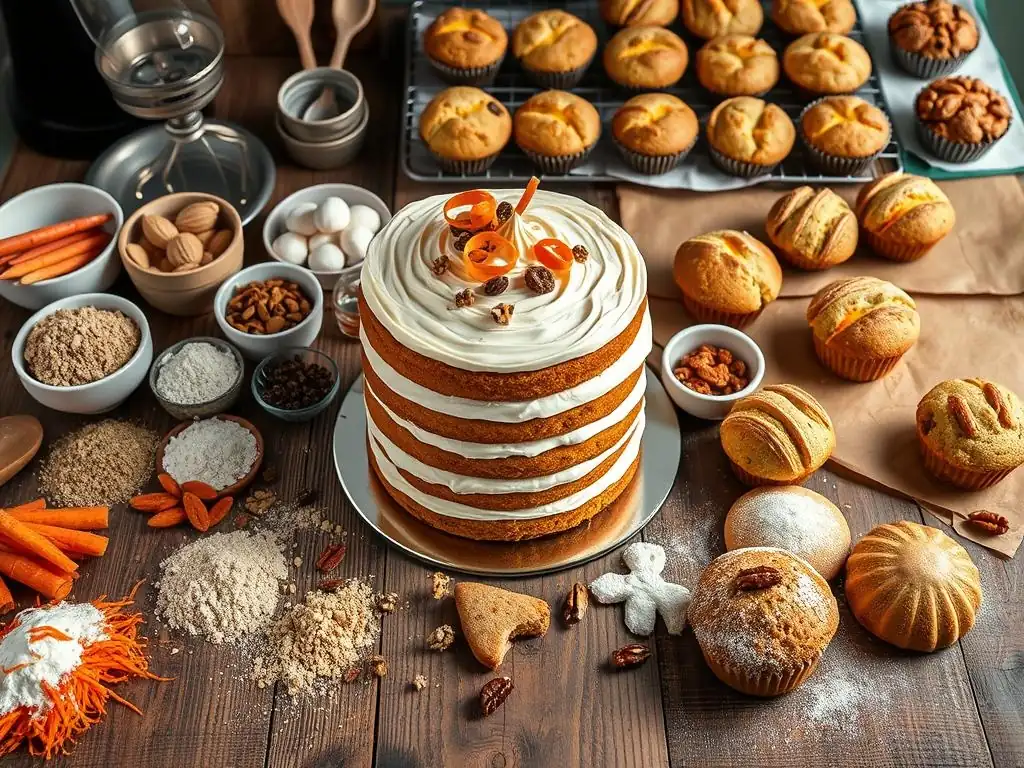
Welcome to BakeWithEase, your partner in crafting delectable baked goods!
Are you ready to unlock the secrets to extraordinary gluten-free treats? This week, we're diving deep into Glutenfree baking smart swaps, uncovering simple yet ingenious ingredient substitutions that will revolutionize your recipes. Discover how to achieve perfect textures and flavors without compromising on taste or dietary needs. Prepare to be amazed – your gluten-free baking adventure starts now!
- Taking Your Gluten-Free Baking to the Next Level with Smart Swaps | BakeWithEase.com
- Mastering Gluten-Free Flour Blends for Superior Results
- Smart Swaps for Binding and Texture in Gluten-Free Baking
- Enhancing Flavor and Moisture in Gluten-Free Baked Goods
- Smart Swaps for Specific Baking Applications: From Bread to Cakes
- Common Mistakes to Avoid When Making Gluten-Free Baking Swaps
- Gluten-Free Baking Smart Swaps: Your Path to Delicious Results
-
Frequently Asked Questions
- What are some common smart swaps used in gluten-free baking?
- Why is it important to use a blend of flours in gluten-free baking instead of just one?
- What are some tips for achieving a good rise in gluten-free baked goods?
- How does baking time differ when using gluten-free flour blends compared to wheat flour?
- Where can I find reliable gluten-free recipes and guidance for successful baking?
- Final Reflection: Unlocking the Delicious Potential of Gluten-Free Baking
- Unleash Your Inner Gluten-Free Baking Genius!
Taking Your Gluten-Free Baking to the Next Level with Smart Swaps | BakeWithEase.com
Why Gluten Matters in Traditional Baking
Gluten, a protein composite found in wheat, barley, and rye, plays a crucial role in traditional baking. When flour is mixed with liquid and kneaded, the gluten proteins (gliadin and glutenin) develop into an elastic network. This network is what gives dough its structure, elasticity, and ability to trap gases produced by leavening agents like yeast or baking powder. Think of it as the internal scaffolding that holds your bread loaf high or gives your pizza crust its chew.
This gluten network is also responsible for the texture of baked goods. In bread, it provides the chewiness and helps create a porous crumb structure. In cakes, a less developed gluten network provides tenderness, while in cookies, controlled gluten development contributes to spread and crispness. Without gluten, achieving these familiar textures and structures requires careful consideration and, importantly, smart swaps.
The Challenges of Gluten-Free Baking
Baking without gluten presents unique challenges because you're removing the primary structural component of traditional flour. Simply swapping wheat flour for a single gluten-free alternative often results in baked goods that are dense, crumbly, dry, or lack the desired rise and texture. For example, using only almond flour might yield a moist but heavy result, while using only rice flour can lead to a gritty texture and poor binding.
The absence of gluten means gluten-free doughs and batters often lack elasticity and the ability to hold together or trap air effectively. Achieving a light, airy cake or a well-risen loaf of bread requires replacing these functions using a combination of different flours and specific binding agents. Mastering gluten-free baking smart swaps is essential to overcome these hurdles and create truly delicious results.
Introducing Smart Swaps: Revolutionizing Gluten-Free Baking
Smart swaps in gluten-free baking involve strategically replacing gluten's functions using alternative ingredients. This isn't just about substituting one flour for another pound-for-pound, but understanding how different gluten-free flours, starches, gums, and other ingredients interact to mimic the properties of gluten. It's about building structure, providing elasticity, enhancing moisture, and ensuring proper leavening and texture.
These gluten-free baking smart swaps include using blends of various gluten-free flours (like rice, tapioca, and potato), incorporating binders such as xanthan gum or psyllium husk, and utilizing ingredients like applesauce or yogurt for moisture and tenderness. By understanding the role each swap plays, bakers can move beyond simply avoiding gluten and actively create baked goods with superior texture, flavor, and appearance, truly elevating their gluten-free baking.
Mastering Gluten-Free Flour Blends for Superior Results
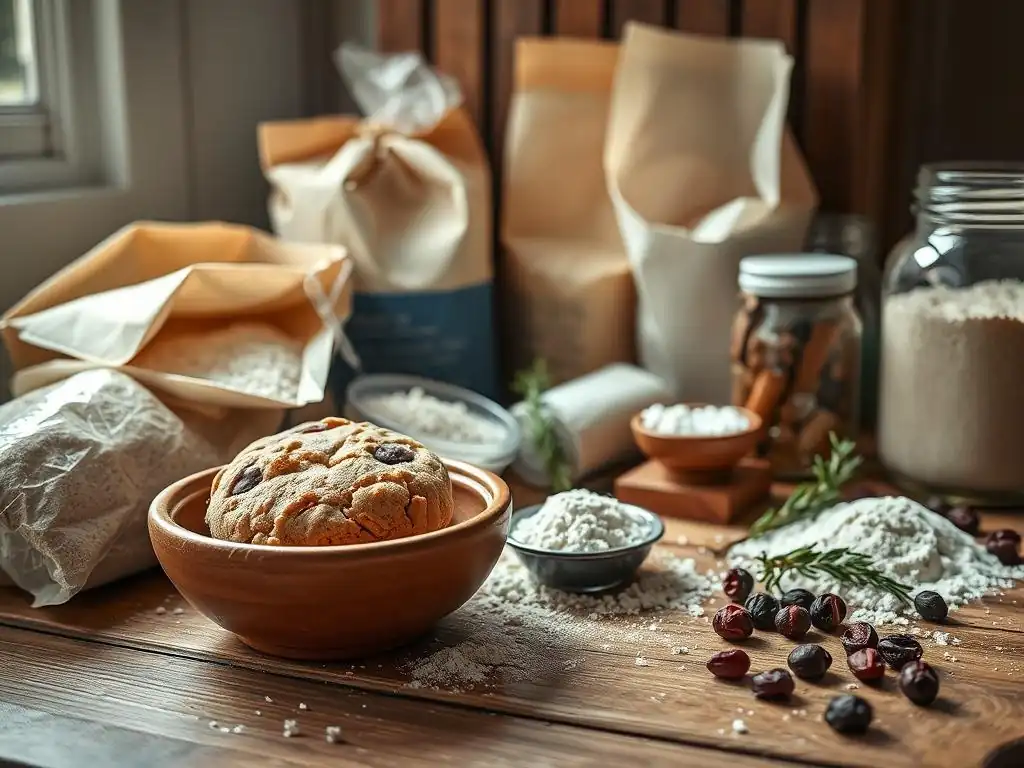
The Importance of Balanced Gluten-Free Flour Blends
Creating a successful gluten-free baked good often hinges on using a balanced blend of different gluten-free flours and starches, rather than relying on a single flour. Each gluten-free flour has unique properties regarding protein content, starch type, absorption rate, and flavor. A single flour like brown rice flour might be too heavy on its own, while tapioca starch alone would be too gummy. Combining flours allows you to leverage their strengths and compensate for their weaknesses, mimicking the performance of wheat flour.
A well-formulated gluten-free flour blend typically combines a mix of 'whole grain' flours (like brown rice, sorghum, or oat flour) for structure, protein, and fiber, with 'starch' flours (like tapioca, potato, or cornstarch) for lightness, binding, and crispness. The ratios are crucial and often depend on the type of baked good you are making. For instance, a blend for cakes might lean more heavily on starches for tenderness, while a blend for bread requires more whole grain flours and binders for structure.
Key Gluten-Free Flours and Their Properties: A Baker's Guide
Understanding the characteristics of common gluten-free flours is fundamental to making effective gluten-free baking smart swaps. Each flour brings something different to the mix, and knowing their strengths helps you build successful blends or make appropriate substitutions in recipes.
Rice Flour: Providing Structure and Stability
Rice flour, available in white and brown varieties, is a staple in many gluten-free blends. Brown rice flour offers more nutrients and fiber and a slightly nutty flavor, while white rice flour has a finer texture and milder taste. Both provide structure but can be gritty if not combined with starches or used in excessive amounts. They absorb a moderate amount of liquid.
Tapioca Starch: Adding Chewiness and Binding
Extracted from the cassava root, tapioca starch is a light, fine starch that becomes gummy when heated. It's excellent for adding chewiness, improving crust crispness, and acting as a binder in gluten-free recipes. It helps create a desirable texture, particularly in items like cookies and pie crusts.
Potato Starch: Creating a Light and Airy Texture
Potato starch is another common starch component in gluten-free blends. It contributes to a light, fluffy texture and can help baked goods rise well. It's often used alongside tapioca starch to balance texture, providing tenderness and softness without excessive gumminess.
Almond Flour: Enhancing Flavor and Adding Moisture
Made from ground almonds, almond flour adds rich flavor, protein, and moisture to baked goods. It's heavier than rice flour or starches and doesn't provide much structure on its own, but it works well in cakes, muffins, and cookies, contributing to a tender crumb and a delicious nutty taste.
Sorghum Flour: Adding a Nutty Flavor and Protein
Sorghum flour is a whole grain flour with a mild, slightly sweet, nutty flavor. It provides protein, fiber, and structure. It's a good addition to blends for bread and muffins, offering a pleasant flavor profile and contributing to a tender crumb without being overly dense.
Creating Your Own Custom Gluten-Free Flour Blend for Cakes
Developing a custom gluten-free flour blend allows you to tailor it specifically to your needs and desired outcomes, especially for delicate items like cakes. A common starting point for a cake blend aims for a ratio of roughly 60-70% starch flours to 30-40% whole grain/protein flours. For example, a blend might consist of 30% white rice flour, 30% tapioca starch, 20% potato starch, and 20% almond flour.
To make a batch, you could mix 300g white rice flour, 300g tapioca starch, 200g potato starch, and 200g almond flour to create 1kg of a versatile cake blend. Store it in an airtight container. Remember that different blends work best for different recipes, and adjusting ratios based on results is part of mastering gluten-free baking smart swaps.
Smart Swaps for Binding and Texture in Gluten-Free Baking
Replacing Gluten's Binding Power: Gums and Starches
Since gluten provides the critical binding structure in traditional baking, gluten-free recipes require alternative binders to prevent crumbliness and ensure ingredients hold together. Gums and additional starches are primary smart swaps used for this purpose. They help create a cohesive dough or batter that can trap air and maintain shape during baking.
Without these binders, gluten-free baked goods often fall apart easily. Incorporating the right amount of a binding agent like xanthan gum or psyllium husk is one of the most impactful gluten-free baking smart swaps you can make to improve texture and structure, allowing for better rise and preventing that frustrating crumbly texture often associated with early gluten-free attempts.
Xanthan Gum: The Gluten-Free Baking Staple
Xanthan gum is perhaps the most widely used binder in gluten-free baking. Produced by the fermentation of a carbohydrate, it acts as an emulsifier and thickener, effectively mimicking gluten's ability to bind ingredients and provide elasticity. It helps gluten-free doughs become more pliable and prevents baked goods from crumbling.
The amount of xanthan gum needed is typically very small, often measured in teaspoons or fractions thereof per cup of flour blend. For example, a general guideline is about 1/4 teaspoon per cup of flour blend for cakes, 1/2 teaspoon for cookies, and 1 teaspoon for bread. Too much can result in a gummy or slimy texture, so precise measurement is important.
Guar Gum: An Alternative Binding Agent
Guar gum, derived from guar beans, is another common binder used in gluten-free baking, often as an alternative to xanthan gum for those who may have sensitivities. Like xanthan gum, it helps to thicken and bind batters and doughs, improving texture and structure.
Guar gum generally requires slightly more than xanthan gum to achieve a similar binding effect, perhaps 1/2 to 3/4 teaspoon per cup of flour blend for cakes. It is sometimes recommended for use in cold applications, while xanthan gum is preferred for baked goods, though both work in heat. Experimenting with both can help you determine which works best in your recipes.
Psyllium Husk: Adding Fiber and Improving Texture
Psyllium husk, the outer coating of the Plantago ovata seeds, is a fibrous ingredient that absorbs a large amount of liquid, forming a gel-like substance. In gluten-free baking, it acts as a binder, adds structure, and contributes valuable fiber. It's particularly effective in bread baking, helping to create a more pliable dough and a less crumbly crumb.
Typically, psyllium husk is used at a ratio of about 1 to 2 tablespoons per cup of gluten-free flour blend in bread recipes, often mixed with hot water first to form a gel before adding to the dough. It significantly improves the elasticity and handling properties of gluten-free bread dough, making it feel more like traditional wheat dough.
Using Eggs Strategically in Gluten-Free Recipes
Eggs serve multiple functions in baking, including binding, leavening, and providing moisture and richness. In gluten-free baking, their binding properties become even more critical as they help hold together ingredients that lack gluten's inherent cohesiveness. Using the right number of eggs can prevent baked goods from becoming too fragile or crumbly.
Eggs contribute protein, which helps create structure when heated, and lecithin, a natural emulsifier that helps distribute fats and liquids evenly, leading to a smoother batter and a more tender final product. In recipes like muffins or quick breads, eggs are key to achieving a moist and slightly chewy texture.
The Magic of Applesauce and Other Fruit Purees
Fruit purees like applesauce, mashed banana, or pumpkin puree are excellent smart swaps for adding moisture and reducing the amount of fat needed in gluten-free baked goods. Their natural sweetness can also allow you to reduce added sugar slightly. Their consistency helps bind ingredients and contributes to a tender, moist crumb, counteracting the tendency for gluten-free items to be dry.
You can typically replace up to half of the butter or oil in a recipe with an equal amount of applesauce (unsweetened is best). For example, if a recipe calls for 1/2 cup (113g) of butter, you could use 1/4 cup (57g) of butter and 1/4 cup (approx. 65g) of applesauce. This swap not only adds moisture but also cuts down on calories and fat, making it a healthier alternative.
Enhancing Flavor and Moisture in Gluten-Free Baked Goods
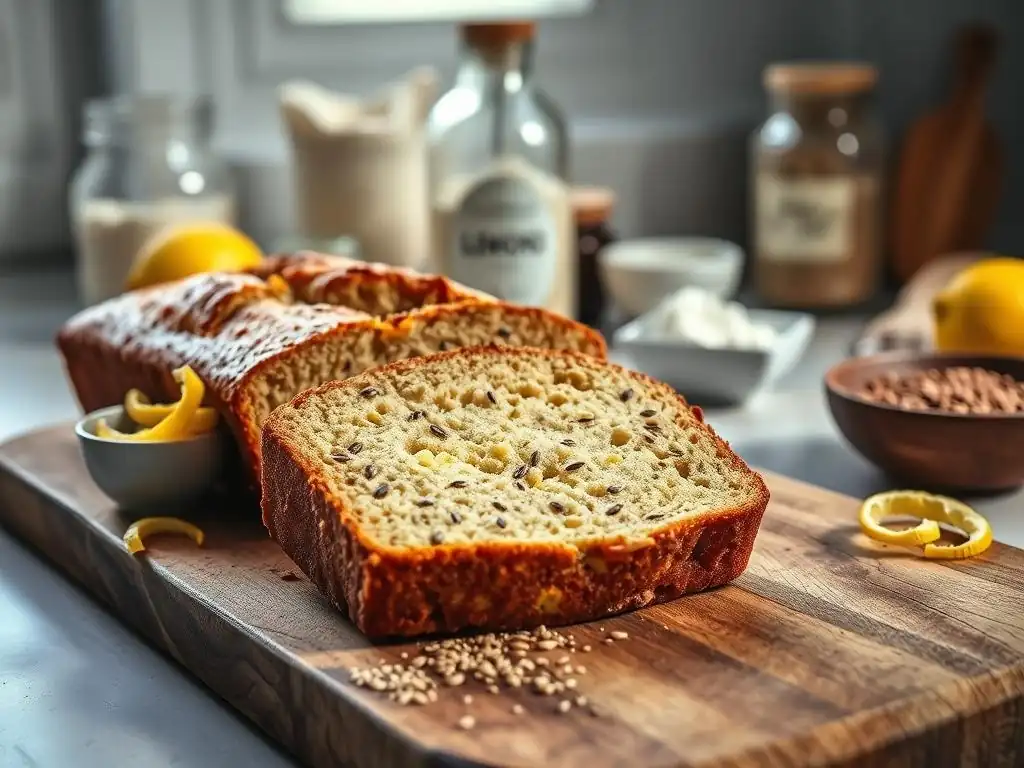
The Importance of Moisture Retention in Gluten-Free Baking
One of the most common challenges in gluten-free baking is preventing dryness. Gluten-free flours, particularly starches, can sometimes lead to a dry or crumbly texture if not properly balanced with moisture-rich ingredients. Unlike wheat flour, which absorbs liquids and holds onto them within the gluten network, some gluten-free flours release moisture more easily during baking.
Therefore, incorporating ingredients that enhance moisture retention is a key strategy in making successful gluten-free baking smart swaps. This includes using ingredients with higher fat content, adding specific moistening agents, and being mindful of baking times to prevent over-drying.
Adding Healthy Fats: Oils and Butters for Flavor and Texture
Fats, whether from oils or solid butters, are crucial for adding moisture, richness, and tenderness to gluten-free baked goods. Fats coat the starch granules and flour particles, preventing them from binding too tightly, which results in a softer, more tender crumb. They also carry flavor and contribute to a pleasant mouthfeel.
Liquid oils like vegetable oil, canola oil, or melted coconut oil tend to produce moister, more tender results in cakes and muffins compared to solid fats like butter, as they distribute more evenly throughout the batter. Butter provides unparalleled flavor and contributes to flakiness in pastries or crispness in cookies, depending on how it's incorporated. Using a combination of fats can sometimes yield the best results.
Using Yogurt and Sour Cream for Tang and Moisture
Yogurt and sour cream are fantastic smart swaps for adding both moisture and a slight tang that can enhance the overall flavor profile of gluten-free baked goods, particularly cakes, muffins, and quick breads. Their acidity can also react with baking soda, contributing to leavening and a lighter texture.
Like fats, they contribute to a tender crumb by inhibiting the formation of a tough structure. Replacing a portion of the liquid or fat with an equal amount of full-fat yogurt or sour cream can significantly improve the moisture and richness of your gluten-free creations. For instance, swapping out half a cup of milk for half a cup of yogurt in a muffin recipe can make a noticeable difference in tenderness.
Exploring Alternative Sweeteners in Gluten-Free Baking: Honey and Maple Syrup
While granulated sugar provides sweetness and contributes to browning and structure, liquid sweeteners like honey and maple syrup can offer additional benefits in gluten-free baking by adding moisture and unique flavors. Their liquid nature helps keep baked goods from drying out and can contribute to a chewier texture.
When using liquid sweeteners as smart swaps for granulated sugar, it's important to adjust the overall liquid content in the recipe, as they add significant moisture. A general guideline is to reduce the other liquids by about 1/4 cup for every cup of liquid sweetener used. Honey adds a distinct floral note, while maple syrup provides a warm, earthy sweetness, allowing you to tailor the flavor profile of your gluten-free treats.
Smart Swaps for Specific Baking Applications: From Bread to Cakes
Gluten-Free Bread Baking: Achieving the Perfect Rise and Crust
Gluten-free bread baking is often considered one of the most challenging areas due to the absence of gluten's structure-building capabilities. Achieving a good rise, a soft interior, and a desirable crust requires specific smart swaps and techniques aimed at replicating the properties of wheat flour dough.
Success in gluten-free bread hinges on using a robust flour blend, effective binders, and often, specific mixing and proofing methods. Unlike wheat dough, which requires kneading to develop gluten, gluten-free bread dough is typically mixed like a batter and handled gently. Understanding these nuances is key to mastering gluten-free bread baking smart swaps.
Smart Swaps for Bread Flour: Brown Rice Flour, Tapioca Starch, and Xanthan Gum
Replacing wheat bread flour requires a blend that provides both structure and some elasticity. A common smart swap involves a combination of brown rice flour (for structure and nutrition), tapioca starch (for chewiness and binding), and a significant amount of xanthan gum or psyllium husk (for crucial binding and elasticity). A typical blend might use around 40-50% brown rice flour, 20-30% tapioca starch, and 20-30% other flours like sorghum or millet, plus 1-1.5 teaspoons of xanthan gum or 1-2 tablespoons of psyllium husk per cup of blend.
This combination aims to create a dough that can hold its shape and trap the carbon dioxide produced by yeast, leading to a decent rise. The binders are particularly important here, as they mimic the stretchy network that gluten would provide, allowing the dough to expand without collapsing.
Mastering the Art of Gluten-Free Bread Proofing
Proofing gluten-free bread dough differs from traditional bread proofing. Because there's no gluten network to develop, the focus is on allowing the yeast to produce gas and the dough to relax slightly. Over-proofing can cause the structure built by binders to collapse. Gluten-free doughs often benefit from a single, shorter proofing period compared to the double proofs common in wheat bread.
Proofing in a warm, draft-free environment is still important, but watch the dough carefully. It may not double in size as dramatically as wheat dough. Baking gluten-free bread in a loaf pan provides structural support during baking, and sometimes baking at a higher initial temperature helps set the crust quickly, supporting the rising loaf.
Gluten-Free Cake Baking: Creating a Light and Fluffy Texture
Achieving a light and fluffy texture in gluten-free cakes is very achievable with the right smart swaps. The goal is to create a tender crumb that doesn't become dense or gummy. This involves using a blend of flours that contribute lightness and utilizing ingredients that add moisture and help with leavening.
Cakes require less binding than bread, so the amount of gums used is typically lower. The focus shifts more towards balancing flours for tenderness and ensuring adequate moisture.
Smart Swaps for Cake Flour: White Rice Flour, Potato Starch, and Almond Flour
Replacing wheat cake flour, known for its low protein and fine texture, involves using a blend high in starches. A good smart swap for cake flour includes white rice flour (for base structure), potato starch (for lightness), and often almond flour (for moisture and tenderness). A potential blend could be 40% white rice flour, 30% potato starch, and 30% almond flour, with just 1/4 teaspoon of xanthan gum per cup of blend.
This ratio provides the necessary structure without making the cake heavy, while the starches contribute to a delicate, open crumb. The almond flour adds richness and helps keep the cake moist.
Tips for Preventing Gluten-Free Cakes from Becoming Dry
Gluten-free cakes can easily dry out due to the nature of the flours used. To combat this, incorporate moisture-enhancing smart swaps like yogurt, sour cream, applesauce, or extra eggs. Using oil instead of solid fat in some recipes can also increase perceived moisture.
Avoid over-mixing the batter, as this can develop any potential binding too much and lead to a tougher texture. Most importantly, do not overbake! Use a toothpick test – when it comes out with a few moist crumbs (not wet batter), the cake is done. Baking just until done is crucial for maintaining moisture.
Gluten-free cookies can range from delightfully chewy to perfectly crisp, depending on the smart swaps and techniques used. The goal is to achieve a texture similar to their gluten-containing counterparts – often requiring a blend that allows for proper spread and holds together without being overly crumbly or hard.
Cookies require a balance of structure and fat to achieve the desired spread and texture. The choice of flour blend and leavening agents significantly impacts the final result.
Smart Swaps for Cookie Flour: Oat Flour, Tapioca Starch, and Almond Flour
A versatile smart swap for cookie flour often includes oat flour (certified gluten-free, providing chewiness and flavor), tapioca starch (for chewiness and spread), and almond flour (for moisture, tenderness, and flavor). A blend like 40% oat flour, 30% tapioca starch, and 30% almond flour, with about 1/2 teaspoon of xanthan gum per cup of blend, works well for many drop cookies.
This combination provides enough structure to hold the cookie together while allowing for adequate spread during baking. The oat and almond flours contribute great flavor and texture.
Controlling Spread and Texture in Gluten-Free Cookies
Controlling cookie spread is essential for texture. Using cold butter cut into pieces and creaming it with sugar helps create structure and limits spread. Chilling the dough for at least 30 minutes before baking is another crucial step; the cold fat takes longer to melt in the oven, resulting in less spread and often a chewier center with crispier edges.
Adding a touch more binder (like a little extra xanthan gum, perhaps 3/4 teaspoon per cup) can also limit spread and make the cookies slightly puffier. Conversely, increasing the amount of fat or using melted fat will increase spread, leading to thinner, crispier cookies.
Common Mistakes to Avoid When Making Gluten-Free Baking Swaps
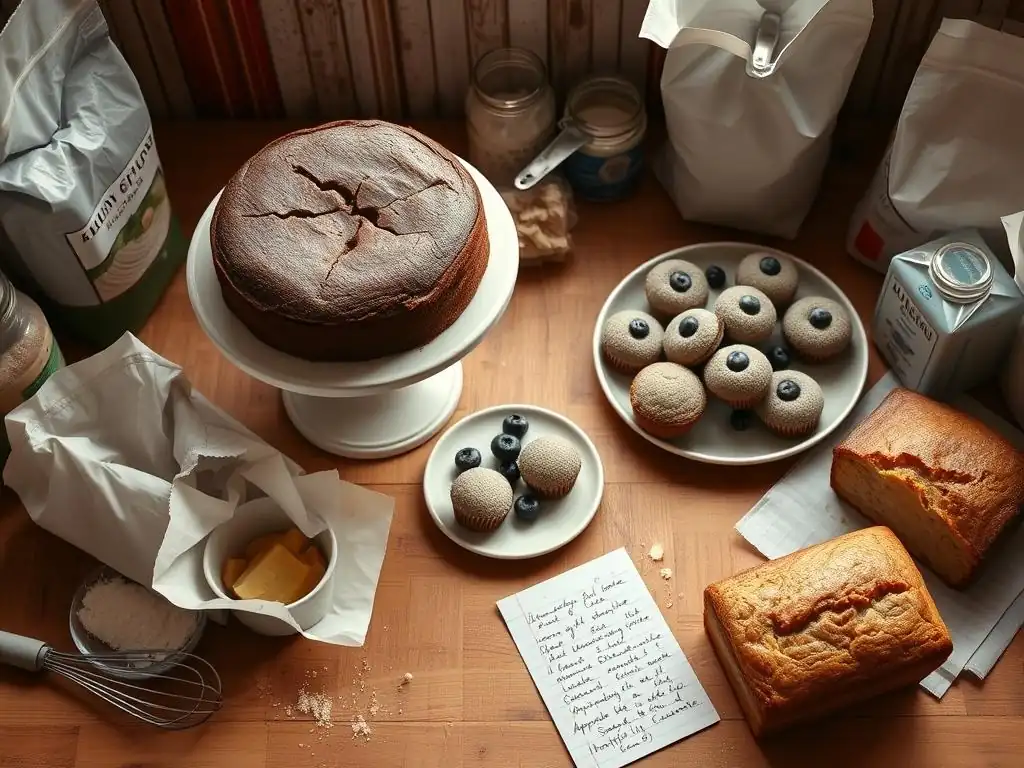
Over-Mixing Gluten-Free Doughs and Batters
One common pitfall when transitioning from traditional to gluten-free baking is over-mixing. While wheat dough requires kneading to develop gluten, gluten-free mixtures do not benefit from excessive mixing. Over-mixing can introduce too much air initially (which then collapses) or, if binders are used, can make the texture tough or gummy.
Mix gluten-free batters and doughs just until the ingredients are combined and no dry streaks of flour remain. This usually takes significantly less time than mixing wheat-based recipes. Gentle handling is key to achieving a tender crumb in most gluten-free baked goods.
Incorrect Flour Ratios: The Key to Success
Using the wrong ratios in your gluten-free flour blend is a primary reason for unsatisfactory results. Simply swapping wheat flour 1:1 with a single gluten-free flour or an improperly balanced blend will likely lead to issues like crumbliness, grittiness, or excessive density. A blend designed for bread will not work well for delicate cakes, and vice versa.
Pay close attention to the recommended ratios for specific types of baked goods or use a high-quality, commercially available blend designed for the recipe type (e.g., a blend labeled for cakes vs. one for bread). If creating your own blend, start with established ratios and make small adjustments based on your results. Precision in measurement is more important in gluten-free baking than in traditional baking.
Overbaking: Preventing Dryness and Crumbly Textures
Gluten-free baked goods can go from perfectly done to dry and crumbly very quickly. Because they lack the moisture-retaining network of gluten, they are more susceptible to drying out when exposed to heat for too long. This is a frequent cause of disappointing results.
Always check for doneness a few minutes before the recipe's suggested minimum baking time. Use visual cues (golden brown edges, set center) and the toothpick test (should come out with moist crumbs, not wet batter). Err on the side of slightly underbaking, as the item will continue to cook slightly from residual heat after being removed from the oven.
Gluten-Free Baking Smart Swaps: Your Path to Delicious Results
Embrace Experimentation and Find Your Perfect Swaps
Mastering gluten-free baking, especially with smart swaps, is a journey that often involves experimentation. Different flour blends, binders, and moisture-adding ingredients can yield slightly different results depending on your specific recipe and even your oven. Don't be discouraged by initial attempts that aren't perfect.
Keep notes on what worked and what didn't. Try substituting different flours in your blend or adjusting the amount of binder slightly. Maybe one recipe benefits more from psyllium husk than xanthan gum, or perhaps using applesauce instead of oil makes a cake too dense for your liking. Each baking session is an opportunity to learn and refine your gluten-free baking smart swaps.
Resources for Gluten-Free Baking Recipes and Inspiration
Finding reliable gluten-free recipes specifically developed using smart swaps is incredibly helpful. Look for resources from experienced gluten-free bakers who understand the science behind the substitutions. Websites and cookbooks dedicated solely to gluten-free baking are excellent places to start.
Many online communities and blogs share tried-and-true recipes and provide support for navigating gluten-free challenges. BakeWithEase.com offers a growing collection of recipes designed with effective gluten-free baking smart swaps in mind, guiding you through the process step-by-step.
Final Thoughts: Baking with Ease, Gluten-Free Style
Taking your gluten-free baking to the next level is entirely possible with the power of smart swaps. By understanding the role of gluten and how alternative ingredients can replicate its functions, you can overcome common hurdles and create baked goods that are not only safe for those with gluten sensitivities but also genuinely delicious, with great texture and flavor.
Embrace the process, learn the properties of different gluten-free flours and binders, and don't be afraid to experiment. With practice and the right smart swaps, you'll find that gluten-free baking can indeed be done with ease, opening up a world of delicious possibilities for everyone to enjoy.
Frequently Asked Questions
What are some common smart swaps used in gluten-free baking?
Common swaps include replacing wheat flour with blends of rice flour, tapioca starch, and potato starch. You can also use almond flour or coconut flour for different textures and flavors.
Why is it important to use a blend of flours in gluten-free baking instead of just one?
Using a blend mimics the properties of gluten, which provides structure and elasticity. A single flour may result in a crumbly or gummy texture, lacking the desired qualities.
What are some tips for achieving a good rise in gluten-free baked goods?
Consider using ingredients like xanthan gum or guar gum to mimic gluten's binding properties. Also, ensure your baking powder or baking soda is fresh for optimal leavening.
How does baking time differ when using gluten-free flour blends compared to wheat flour?
Gluten-free baked goods often require slightly less baking time than traditional recipes. Keep a close eye on them towards the end of baking to prevent over-drying.
Where can I find reliable gluten-free recipes and guidance for successful baking?
Websites like BakeWithEase.com provide step-by-step guides and easy-to-find ingredients to make gluten-free baking accessible for all skill levels. You can also find trusted cookbooks and online forums.
Final Reflection: Unlocking the Delicious Potential of Gluten-Free Baking
The quest for delicious gluten-free baked goods is no longer a niche pursuit; it's a mainstream movement demanding innovative solutions. The rise in gluten intolerance and the increasing desire for healthier eating options have fueled a surge in creativity within the gluten-free baking world, pushing us to explore smarter ingredient swaps and techniques. This article has explored some of the most effective and delicious ways to achieve this, proving that gluten-free doesn't have to mean sacrificing taste or texture.
This journey into the world of gluten-free baking has been a personal one, filled with both triumphs and challenges. I've learned firsthand the importance of understanding the unique properties of gluten-free flours and how to compensate for the absence of gluten's binding power. The secret to great gluten-free baking lies not in imitation, but in innovation.
This quote, while not directly sourced, encapsulates the spirit of this exploration – embracing the differences and finding creative solutions rather than simply trying to replicate traditional recipes. The impact of this shift in perspective is profound, extending beyond the kitchen to a broader appreciation for mindful food choices and culinary experimentation.
Now, it's your turn. Take what you've learned here and experiment! Don't be afraid to try new combinations of flours, starches, and binding agents. Embrace the process of discovery, and remember that every failed attempt brings you closer to a perfect gluten-free masterpiece. The world of gluten-free baking is vast and exciting; your next culinary adventure awaits. Let your creativity flourish, and enjoy the delicious rewards of your smart swaps!
Unleash Your Inner Gluten-Free Baking Genius!
Thanks for joining us on this gluten-free baking adventure! We hope you discovered some clever swaps and new techniques to elevate your baking game. Ready to put your newfound knowledge into practice?
- Master your next gluten-free masterpiece: Try out one of the recipes we discussed, paying close attention to the ingredient substitutions and baking times. Let your creativity shine!
- Share your baking triumph: Post a picture of your creation on social media using #BakeWithEaseGlutenFree and tag us – we’d love to see your results!
- Join our community forum: Connect with fellow gluten-free bakers, share tips, and ask questions. Let's build a supportive and delicious community together!
What's your favorite gluten-free baking swap, and what delicious creation will you bake next?