
Keep Cookies Crunchy: The Ultimate Guide to Cookie Storage

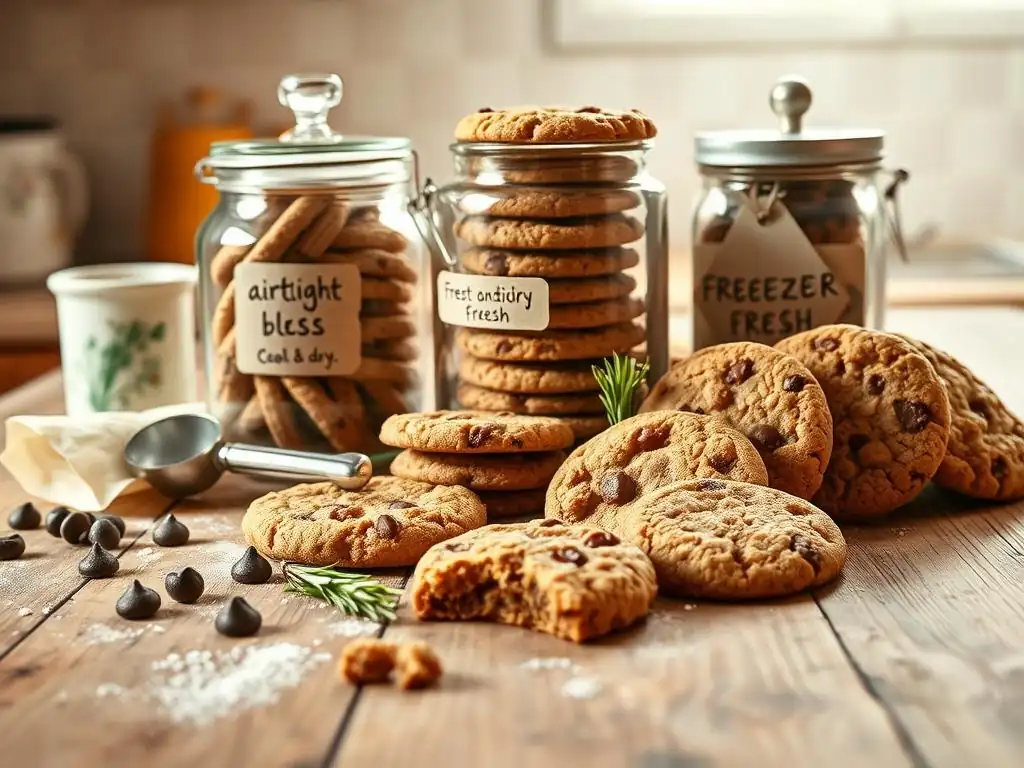
Welcome to BakeWithEase!
Ever wonder why your perfectly baked cookies lose their irresistible crispness just hours after cooling? You're not alone! Dive into our latest guide, "Keep Cookies Crunchy: The Ultimate Guide to Cookie Storage," where we unlock the secrets to maintaining that satisfying snap. Discover proven crispy cookies storage tips and transform your baking game forever. Get ready to bid farewell to soggy cookies and say hello to lasting deliciousness. Curious how it's done? Let's get started!
- Introduction: The Quest for Everlasting Cookie Crispness
- Understanding Cookie Crispness: Why Do Cookies Lose Their Crunch?
- The Enemies of Crispy Cookies: Moisture, Air, and Light
- Crispy Cookies Storage Tips: The Essential Guide
- Specific Cookie Types and Their Storage Needs
- Troubleshooting: Salvaging Soft Cookies
- Advanced Cookie Storage Techniques
- Beyond Storage: Baking Techniques for Extra Crispy Cookies
- Conclusion: Enjoying Perfectly Crispy Cookies Every Time
- Frequently Asked Questions
- Final Reflection: The Enduring Crunch: Preserving Cookie Perfection
- Unlock Your Cookie's Crunchy Potential!
There's little joy quite like biting into a perfectly crunchy cookie, especially after you've put time and effort into baking a fresh batch. But the magic often fades too quickly, leaving you with a soft, sometimes stale treat instead of the delightful crispness you crave. Whether you're a seasoned baker or just starting out, mastering the art of storing your baked goods is crucial.
It's not just about preventing spoilage; it's about preserving that ideal texture and flavor that makes a cookie truly special. Getting your crispy cookies storage tips right can make all the difference between a fleeting moment of enjoyment and having delicious cookies to share (or hoard!) for days or even weeks.
This guide is your comprehensive resource for keeping your cookies gloriously crunchy. We'll dive into the science behind why cookies lose their crispness, identify the common culprits, and provide actionable, proven crispy cookies storage tips that will help you extend the life and maintain the texture of your favorite baked creations. From choosing the right container to understanding the nuances of different cookie types, you'll learn everything you need to know to ensure every bite is as good as the first.
Crispness in cookies isn't just a happy accident; it's a result of precise ingredient ratios and baking processes. When cookies bake, moisture evaporates, and sugars caramelize and solidify, creating that desired firm, brittle texture. The structure of the cookie matrix, formed by flour, sugar, and fat, holds air pockets that contribute to its lightness and snap. However, this delicate state is easily disrupted, leading to the dreaded transition from crispy to soft or even stale.
The primary reason cookies lose their crunch is moisture. Baked goods are hygroscopic, meaning they readily absorb moisture from their surroundings. The drier the cookie and the more humid the environment, the faster this process occurs. As water molecules enter the cookie structure, they disrupt the sugar matrix, causing it to soften and lose its rigidity. This is why a batch of perfect crispy cookies left out on a counter in a humid climate can turn soft surprisingly quickly.
The texture of a cookie is largely determined by the ratio of its main ingredients: sugar, fat, and flour, and how they interact during baking and cooling. For a crispy cookie, a higher proportion of sugar and fat relative to flour often helps create a tender, more spread-out structure that allows moisture to evaporate efficiently in the oven. Granulated sugar, in particular, contributes to crispness because it melts and then recrystallizes into a hard, glass-like structure upon cooling. Brown sugar, which contains molasses, retains more moisture, typically leading to a chewier cookie.
During baking, temperatures exceeding the boiling point of water (212°F or 100°C) drive off moisture. The Maillard reaction and caramelization occur at higher temperatures, contributing to color, flavor, and crucially, a drier, firmer structure. For instance, baking cookies just a few minutes longer or at a slightly lower temperature for a longer time can significantly impact the final moisture content and therefore, the crispness. A cookie baked to a lower internal moisture level, say around 3-5%, is inherently more prone to staying crispy than one with 8-10% moisture.
Beyond initial composition and baking, several external factors dictate how long your cookies will maintain their freshness and texture. The most significant is exposure to air and moisture. Ambient humidity plays a huge role; cookies stored in a dry environment will stay crispy much longer than those in a damp one. Think about the difference between storing cookies in Arizona versus Florida.
Temperature also affects freshness. While not as critical for crispness preservation as moisture control, fluctuating temperatures can cause condensation inside storage containers, introducing unwanted moisture. Light, especially direct sunlight, can degrade fats over time, leading to off-flavors and potentially affecting texture, although its primary impact isn't typically on crispness directly. Proper crispy cookies storage tips always account for these environmental variables to maximize shelf life and quality.
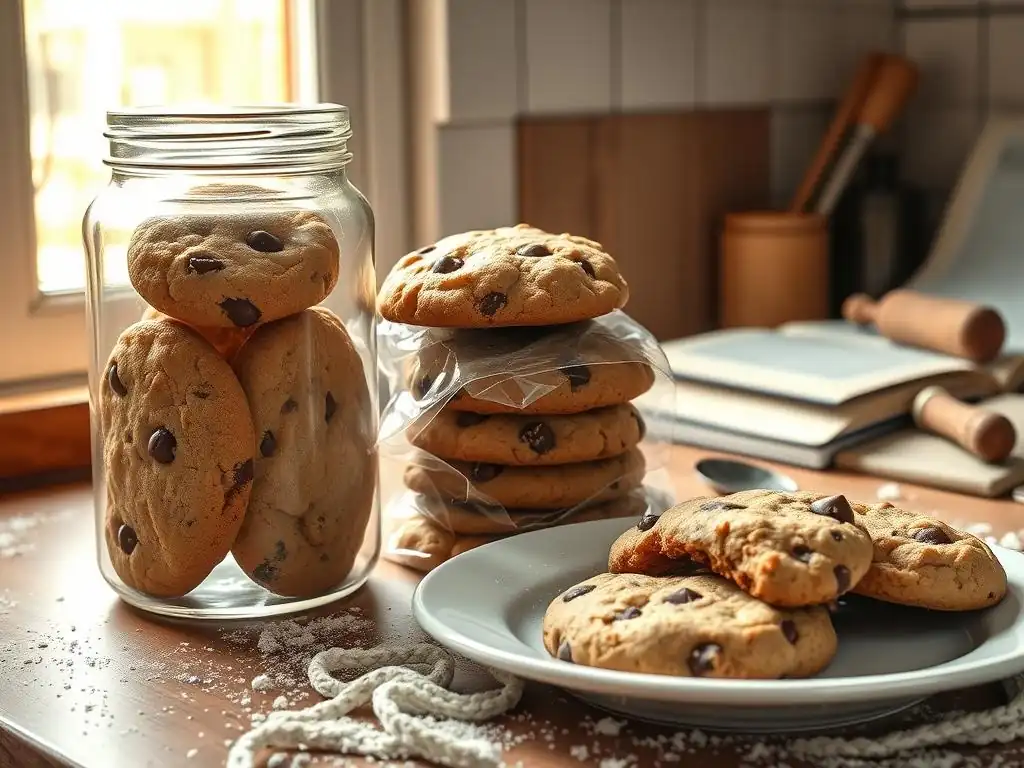
Understanding the primary antagonists is key to implementing effective storage strategies. Moisture, air, and to a lesser extent, light, are the main reasons your once-crispy cookies turn soft, stale, or lose their vibrant flavor. Tackling these three elements head-on is the foundation of successful crispy cookies storage tips.
Imagine your crispy cookie as a tiny sponge desperately trying to reach equilibrium with its environment. If the air around it is more humid than the cookie itself, the cookie will absorb moisture. If the air is drier, the cookie might lose too much moisture and become hard or brittle, but the primary enemy of crispness (turning soft) is gaining moisture. Let's break down how each factor contributes to the decline of your cookie's perfect texture.
How Moisture Saps the Crunch
Moisture is the number one culprit behind soggy cookies. Cookies are designed to be relatively dry compared to cakes or brownies. When exposed to a humid atmosphere, water molecules in the air migrate into the cookie. This process is driven by the difference in water activity between the cookie and its surroundings. As moisture enters the cookie, it plasticizes the sugar and starch structure, causing it to soften and lose its brittle snap.
Consider a batch of delicate lace cookies, which might have a moisture content as low as 2%. Exposing them to air with 60% relative humidity will cause them to rapidly absorb moisture until they reach a similar water activity level, quickly turning them pliable and soft. This is why simply leaving cookies uncovered on a plate, even for a few hours in a typical kitchen environment, can significantly degrade their crispness. Effective crispy cookies storage tips focus heavily on creating a moisture barrier.
Air, particularly air that is not controlled for humidity, is a major factor in moisture absorption. An open container or a loosely sealed bag allows constant exchange of air between the cookies and the surrounding environment. If the ambient air is humid, the cookies will continually absorb moisture. Even if the air isn't particularly humid, prolonged exposure can lead to some moisture gain over time.
Furthermore, air exposure contributes to staling through oxidation. Fats in the cookies can react with oxygen, leading to off-flavors (rancidity). While this doesn't directly make a cookie soft, stale flavors detract from the overall enjoyment, making even a still-crispy cookie less appealing. Limiting air exposure is therefore critical for both texture and flavor preservation, reinforcing the importance of airtight containers in any list of crispy cookies storage tips.
Compared to moisture and air, light has a less immediate impact on cookie crispness, but it can affect overall quality during longer storage periods. Direct sunlight or even strong indoor lighting can cause fats to oxidize more quickly, contributing to rancidity. While this primarily affects flavor, the chemical changes in the fats could potentially have subtle effects on texture over extended storage.
To protect your cookies from potential light degradation, especially if you're storing them for more than a few days, it's best to use opaque containers or store transparent containers in a dark pantry or cupboard. This simple step, often overlooked in basic crispy cookies storage tips, can help maintain the fresh taste and texture of your cookies for a longer time.
Now that we understand the enemies of crispness, let's explore the practical steps you can take to protect your precious baked goods. Implementing effective crispy cookies storage tips involves choosing the right container, mastering layering techniques, and controlling temperature. These strategies work together to create a protective environment for your cookies, keeping them delicious and crunchy for as long as possible.
Proper storage begins as soon as the cookies are completely cooled. Putting warm cookies into a container is a sure way to trap steam, which will condense and make the cookies soft. Always wait until cookies are fully cooled to room temperature, typically 1-2 hours after coming out of the oven, before storing them. This patience is the very first of our essential crispy cookies storage tips.
Choosing the right container is arguably the most critical step in preserving cookie crispness. The goal is to create a barrier between the cookies and the external environment, preventing moisture and air from getting in. Not all containers are created equal when it comes to this task.
A container's material and the quality of its seal are paramount. For crispy cookies, you want something that forms a truly airtight seal. This minimizes air exchange and locks out humidity. While beautiful cookie jars look great on the counter, many have loose-fitting lids that are completely ineffective at maintaining crispness for more than a day or two. Focus on function over form when selecting storage for your crispy treats.
Airtight Containers: Your First Line of Defense
Airtight containers are non-negotiable for keeping cookies crispy. These containers feature lids with rubber or silicone gaskets that create a tight seal when closed, preventing air and moisture from entering or leaving. Common types include plastic food storage containers with locking lids or glass jars with clamp-down lids and rubber seals.
Using an airtight container significantly slows down the rate at which cookies absorb ambient moisture. For example, cookies stored in a well-sealed container in a moderately humid environment (e.g., 50% RH) might stay crispy for a week or two, whereas the same cookies left in an open container could soften within 24-48 hours. This drastic difference highlights why investing in quality airtight storage is one of the most important crispy cookies storage tips.
Glass vs. Plastic: Which Container is Better?
Both glass and plastic containers can be effective for storing crispy cookies, provided they have a truly airtight seal. However, there are some subtle differences. Glass is non-porous and doesn't absorb odors or flavors, making it an excellent choice. It's also often easier to see the contents of a glass container.
High-quality plastic containers with good seals are also very effective and often more durable and less prone to breaking than glass. However, some lower-quality plastics can absorb odors over time. The most important factor is the seal itself. A plastic container with a strong locking lid and silicone gasket will outperform a glass jar with a loose-fitting lid every time when it comes to preserving crispness. For optimal crispy cookies storage tips, prioritize the seal quality above the material, but glass is often a slightly superior long-term option if the seal is comparable.
Cookie Jars: Are They Effective for Long-Term Storage?
Traditional ceramic or glass cookie jars with simple lift-off lids are beautiful kitchen decorations, but they are generally not effective for keeping crispy cookies crunchy for more than a day or two. Their lids are designed for easy access, not for creating an airtight seal. Air and moisture can freely move in and out, quickly leading to soft or stale cookies.
If you love the look of a cookie jar, you can still use it, but perhaps for cookies that are meant to be eaten quickly or for storing individually wrapped cookies (though this adds waste). For preserving crispness, especially for several days or weeks, rely on containers specifically designed with airtight seals. Using a traditional cookie jar is counterproductive to most effective crispy cookies storage tips for maintaining crunch.
Once you have the right container, how you place the cookies inside also matters. Simply dumping a large pile of cookies into a container can lead to breakage, sticking, and uneven freshness. Proper layering helps protect the cookies and allows them to maintain their individual texture.
The key principles of layering are to prevent cookies from sticking to each other and to minimize trapped moisture between them. This is especially important for cookies that might be slightly delicate or contain ingredients prone to melting or becoming sticky, like chocolate chips or caramel bits. A little care during packing goes a long way in preserving the fruits of your baking labor.
Parchment Paper: The Key to Preventing Sticking
Using parchment paper (or wax paper) between layers of cookies is a simple yet highly effective technique. Cut squares or circles of parchment paper to fit the shape of your container. Place a layer of cookies, then a sheet of parchment paper, then another layer of cookies, and so on, until the container is full.
This paper barrier prevents cookies from fusing together, which can happen over time, especially if there are slight variations in temperature or humidity inside the container. It's particularly useful for cookies with sticky surfaces or coatings. Adding parchment between layers is one of the easiest and most impactful crispy cookies storage tips for preventing damage and maintaining individual cookie integrity.
Avoiding Cookie Pileups: Proper Layering Techniques
Beyond using parchment paper, avoid overpacking your container. Stacking cookies too high or cramming too many in can cause breakage, especially for delicate or thin crispy varieties. Leave a little space at the top if possible.
Also, consider storing different types of cookies separately. Soft, chewy cookies will transfer moisture to crispy ones if stored together in the same container, making the crispy ones soft. This is a crucial point for multi-batch bakers: always store crispy cookies with other crispy cookies, and soft cookies with soft cookies. This segregation is a fundamental crispy cookies storage tip to avoid unwanted texture changes.
The location where you store your cookies also impacts their longevity and crispness. Temperature and ambient humidity of the storage location play significant roles. Choosing the right spot is just as important as choosing the right container.
Different storage locations offer varying degrees of temperature and humidity control. Your pantry, refrigerator, and freezer each present different environments suitable for different storage durations and cookie types. Understanding the pros and cons of each is essential for effective crispy cookies storage tips.
Room Temperature Storage: When It's Acceptable
Storing cookies at room temperature is the most common method and is perfectly acceptable for most crispy cookies, provided they are in an airtight container and the room is relatively cool and dry. An ideal room temperature is typically between 65°F and 75°F (18°C and 24°C).
A pantry or cupboard away from heat sources like ovens or sunny windows is an excellent spot. Avoid storing cookies on top of the refrigerator, which can generate heat. Crispy cookies stored properly at room temperature in an airtight container can typically maintain their crunch and freshness for 1-2 weeks. This is the go-to method for everyday crispy cookies storage tips.
Refrigerator Storage: Is it Ever a Good Idea for Cookies?
Generally, storing crispy cookies in the refrigerator is not recommended. Refrigerators are high-humidity environments, which is the opposite of what crispy cookies need. Even in an airtight container, the cold temperature can cause condensation when the container is opened in warmer room air, introducing moisture.
Furthermore, the cold temperature can dull the flavors of baked goods. While refrigeration slows down spoilage (good for dough or fillings), it's detrimental to the texture of crispy cookies. The only exception might be cookies with fillings or toppings that require refrigeration for food safety, but even then, the cookie part will likely soften. For crispy cookies storage tips focused purely on maintaining crunch, the refrigerator is usually a place to avoid.
Freezer Storage: Preserving Cookies for the Long Haul
Freezing is an excellent option for long-term storage of crispy cookies. The extremely cold temperature halts moisture migration and prevents staling and oxidation effectively. Properly frozen crispy cookies can maintain their quality for 6 to 12 months.
To freeze, first ensure cookies are completely cooled. Store them in an airtight container, ideally one designed for freezing (like a heavy-duty plastic freezer container or a freezer bag with all air removed). You can also double-wrap containers or bags for extra protection against freezer burn. When ready to eat, thaw cookies at room temperature in their sealed container before opening. This prevents condensation from forming on the cookies themselves, preserving their crispness. Freezing is perhaps the ultimate crispy cookies storage tip for maximum shelf life.
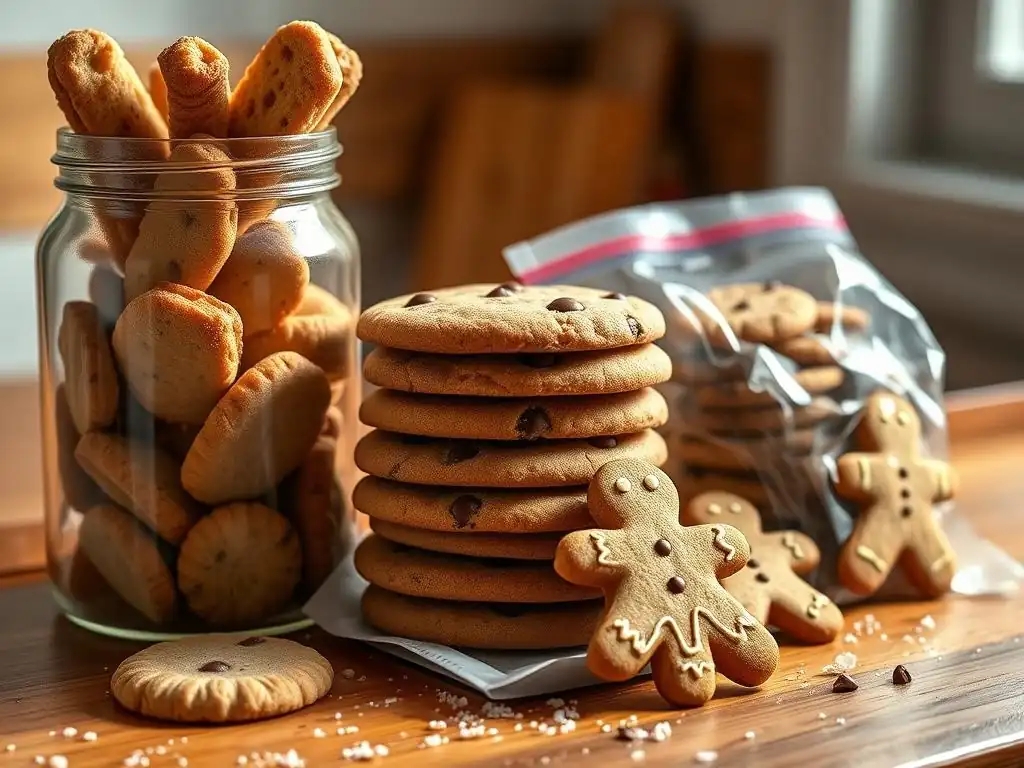
While the general principles of crispy cookies storage tips apply broadly, some cookie types have unique characteristics that influence the best storage methods. Understanding these nuances helps you tailor your approach for optimal results.
The differences often stem from ingredients like molasses, butter content, or the presence of mix-ins like chocolate chips or nuts. These components affect the cookie's initial moisture level and its susceptibility to environmental changes.
Chocolate chip cookies are a classic, but they come in many variations – some are intended to be chewy, others crispy. If your goal is a crispy chocolate chip cookie, follow the general crispy cookies storage tips: store them cooled in an airtight container, ideally separate from any chewy cookies.
The chocolate chips themselves can sometimes attract moisture, so ensuring the container is truly airtight is paramount. For crispy versions, avoid storing them with a slice of bread or apple wedge, a common trick for keeping chewy cookies soft, as this will ruin the crispness. A well-sealed container at room temperature is usually sufficient for 1-2 weeks of crispy enjoyment.
Shortbread cookies are known for their high butter content and often delicate, crumbly, yet crispy texture. Because they are relatively low in moisture initially due to the lack of leavening and eggs, they are particularly susceptible to absorbing ambient humidity.
The best way to preserve shortbread crispness is rigorous adherence to airtight storage. A metal tin with a tight-fitting lid or a high-quality airtight plastic or glass container works well. Parchment paper between layers is helpful to prevent breakage and sticking. Stored properly at room temperature, shortbread can stay crisp for 2-3 weeks or even longer due to its low moisture content.
Oatmeal cookies can range from very chewy to quite crispy depending on the recipe. For crispy oatmeal cookies, the same rules apply: airtight container, cool and dry location. However, the oats themselves can sometimes absorb moisture, so a very tight seal is essential.
If you've made a batch of crispy oatmeal cookies, avoid storing them with softer baked goods. They typically last well in an airtight container at room temperature for 1-2 weeks. Freezing is also a great option for longer storage, preserving that delightful crispy edge.
Gingerbread cookies, especially thin, crisp varieties used for decorating or snacking, rely on a low moisture content and often contain molasses, which can attract moisture over time. To keep them crisp, airtight storage is key.
Store fully cooled gingerbread in layers separated by parchment paper in a tin or airtight container. Avoid exposing them to high humidity. If stored correctly at room temperature, thin gingerbread cookies can remain crisp for several weeks, sometimes even longer, making them excellent candidates for crispy cookies storage tips aimed at extended enjoyment.
Even with the best crispy cookies storage tips, sometimes cookies lose their crunch, whether due to improper storage, high humidity, or simply age. Don't despair! Often, you can bring them back to their former crispy glory with a few simple tricks.
These methods work by gently reheating the cookies to drive off absorbed moisture, essentially giving them a mini second bake. While they might not be exactly as crispy as fresh from the oven, the improvement can be significant.
One of the most effective ways to salvage soft cookies is to briefly reheat them in the oven. This process helps to evaporate some of the absorbed moisture. Preheat your oven to a low temperature, typically around 300°F (150°C).
Place the soft cookies in a single layer on a baking sheet. Bake for 5 to 10 minutes, or until they feel firm when gently pressed. Keep a close eye on them to prevent burning, as they can go from revived to burnt quickly. Let them cool completely on the baking sheet – they will crisp up as they cool. This oven method is a top crispy cookies storage tip for rescue missions.
Using Rice to Absorb Moisture: A DIY Solution
A less aggressive, though sometimes less effective, method for slightly soft cookies is to store them with something that will absorb excess moisture from the air inside the container. A common DIY trick is to add a tablespoon or two of dry rice to a small sachet or wrapped in a piece of cheesecloth, and place it inside the airtight cookie container.
The rice acts as a desiccant, absorbing ambient moisture and helping to keep the air inside the container drier. This method works best for cookies that are only slightly soft and in a truly airtight environment. It's a useful addition to your crispy cookies storage tips arsenal for maintenance rather than a full rescue operation.
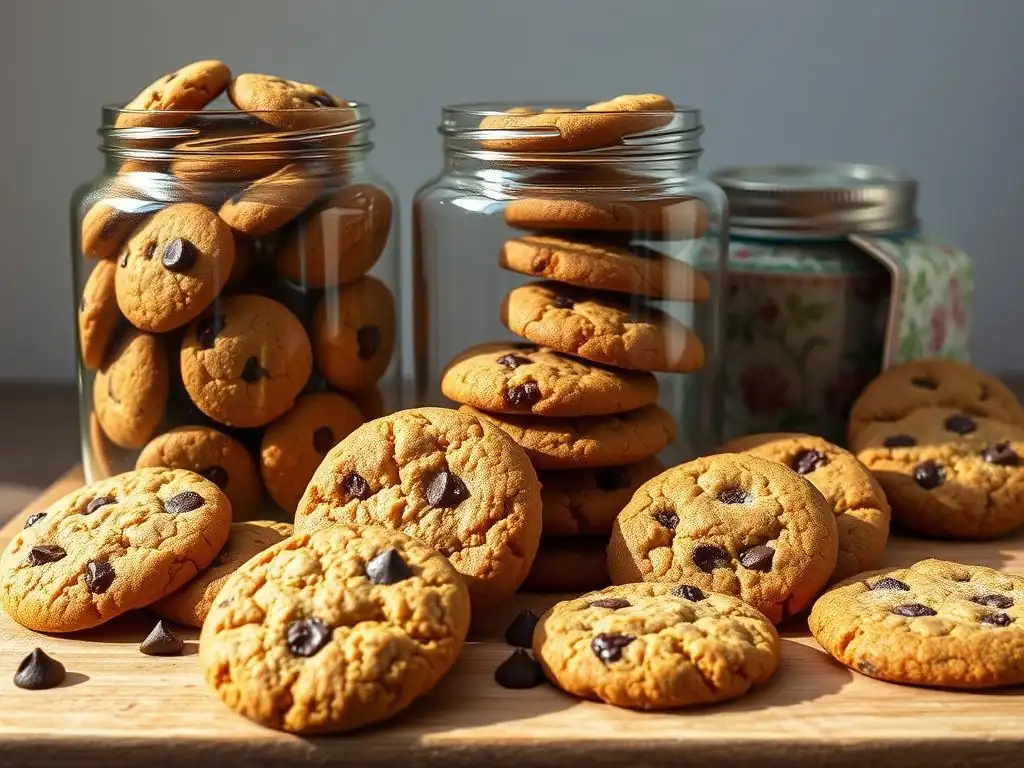
For those serious about maximizing cookie freshness and crispness for extended periods, or perhaps preparing cookies for shipping, there are a couple of more advanced techniques you can employ. These methods offer superior protection against the elements.
While they might require some specialized equipment, they provide the highest level of control over the storage environment, ensuring your crispy cookies stay that way for as long as scientifically possible.
Vacuum sealing removes most of the air from the packaging, creating a near-vacuum environment. This drastically reduces exposure to oxygen (preventing oxidation and staling) and eliminates air space where moisture can accumulate or transfer.
To vacuum seal cookies, ensure they are completely cooled. Place them in a single layer or separated by parchment paper in a vacuum seal bag. Seal the bag using a vacuum sealer. Vacuum-sealed crispy cookies can last for many weeks or even months at room temperature, and even longer in the freezer, maintaining their texture and flavor exceptionally well. This is arguably the most effective of all crispy cookies storage tips for long-term preservation.
Using Oxygen Absorbers: Extending Shelf Life
Oxygen absorbers are small packets containing iron powder that chemically react with oxygen, effectively removing it from a sealed environment. They are commonly used in food packaging to extend shelf life by preventing oxidation and inhibiting the growth of aerobic microorganisms.
When storing crispy cookies in an airtight container or Mylar bag, adding an appropriately sized oxygen absorber packet (available online) can further enhance freshness and crispness preservation, particularly if the container isn't perfectly vacuum sealed or if you're storing cookies for several months. The oxygen absorber creates a low-oxygen environment, which helps protect fats from rancidity and maintains overall quality alongside preventing moisture gain via an airtight seal.
While proper storage is essential for keeping cookies crispy, the journey to ultimate crunch starts in the oven. The way you bake and cool your cookies significantly impacts their initial texture and how well they will hold up in storage. Implementing certain baking techniques can give you a head start in your quest for lasting crispness.
Factors like baking time, temperature, ingredients, and even the cooling process all play a role in the final moisture content and structure of the cookie. Optimizing these steps is the first layer of your crispy cookies storage tips strategy.
Achieving Maximum Crispness in the Oven
To bake cookies that are inherently more likely to stay crispy, focus on recipes with a higher ratio of sugar and fat to flour, and consider using granulated sugar primarily. Baking time and temperature are critical. Baking cookies for a longer time at a slightly lower temperature (e.g., 300-325°F or 150-160°C) can help dry them out more thoroughly without burning, resulting in a crispier end product.
Baking on a lower oven rack might also help achieve a crispier bottom. Ensure your oven temperature is accurate using an oven thermometer. Spreading cookies out on the baking sheet allows for even air circulation, promoting uniform baking and drying. Aim for an even golden-brown color, which indicates sufficient moisture removal and caramelization.
Proper cooling is just as vital as baking for achieving and maintaining crispness. As cookies cool, the sugars and fats solidify, setting the structure and creating the crisp texture. Removing cookies from the hot baking sheet too soon can cause them to break or continue steaming, trapping moisture.
Immediately after removing cookies from the oven, let them rest on the baking sheet for a minute or two if the recipe calls for it (some delicate cookies need this initial set). Then, transfer them promptly to a wire cooling rack using a spatula. A wire rack allows air to circulate freely around the entire cookie, facilitating rapid and complete cooling.
Do not stack warm or even slightly warm cookies. Wait until they are completely cooled to room temperature – cool to the touch throughout – before handling or storing them. This final cooling step is a non-negotiable crispy cookies storage tip prerequisite.
Keeping your homemade cookies wonderfully crunchy doesn't require magic, just a little understanding of the science and consistent application of smart storage practices. By recognizing the threats posed by moisture, air, and light, and implementing the crispy cookies storage tips outlined in this guide, you can significantly extend the life and quality of your baked goods.
From selecting the right airtight container and mastering layering with parchment paper to choosing the optimal storage location and even employing advanced techniques like vacuum sealing, you now have a comprehensive toolkit. Remember to apply these principles diligently, right from the moment your cookies are perfectly cooled. With these techniques in your baking arsenal, you can confidently bake large batches, share them, or simply savor them yourself, knowing that every bite will deliver that satisfying, crispy crunch you worked so hard to achieve. Happy baking, and happy storing!
Frequently Asked Questions
Crispy cookies, when stored properly, can maintain their crisp texture for approximately 2-3 weeks. This depends on factors like humidity and ingredients used.
An airtight container is crucial. Metal tins or plastic containers with a tight seal are ideal for preserving crispness.
It's best to store different types of cookies separately. This prevents moisture transfer from softer cookies to your crispy ones, keeping them crunchy.
You can try to re-crisp them by baking them in a low-temperature oven (around 300°F) for a few minutes. Watch them carefully to prevent burning!
Freezing can slightly alter the texture, but it's still a viable option for long-term storage. Ensure they're completely cooled and well-sealed to minimize ice crystal formation.
The quest for the perfectly crisp cookie is a timeless pursuit, and the methods we employ to achieve this delicious goal are more relevant today than ever. In a world of readily available baked goods, the ability to maintain the satisfying crunch of a homemade cookie remains a testament to both skill and care. It's a small detail, yet it speaks volumes about the appreciation for quality and the simple pleasures in life.
The art of cookie storage, as explored in this guide, transcends mere practicality; it's a reflection of our desire to savor experiences and preserve precious moments. The act of carefully storing cookies, ensuring their texture remains intact, mirrors our efforts to safeguard memories and traditions. As the old adage goes, A cookie shared is a moment cherished.
This simple truth underscores the importance of not only the perfect cookie but also the mindful practices that extend its enjoyment. The techniques discussed here aren't just about preserving texture; they're about preserving the joy associated with a perfectly baked treat.
Now, consider your own cookie-related experiences. What memories are tied to the satisfying crunch of a freshly baked cookie? What methods have you used, successfully or unsuccessfully, to maintain that texture? I encourage you to put the tips outlined in this guide to the test. Embrace the challenge of keeping your cookies crunchy, and in doing so, embrace the art of mindful enjoyment and the preservation of those sweet, sweet memories. The perfect cookie, perfectly stored, is a small victory, but one that speaks to a larger appreciation for the simple things in life.
Thanks for joining us on this delicious journey into the world of perfectly crunchy cookies! We hope you learned some valuable tips to keep your baked goods at their best. Ready to put your new knowledge to the test?
- Master the art of cookie storage: Experiment with different containers and techniques to find what works best for your favorite recipes. (Think airtight jars, specific humidity levels, etc.)
- Share your crunchy cookie secrets: Let us know in the comments what your go-to storage method is – we’d love to hear from you!
- Challenge a friend to a cookie-crunching contest: It's the perfect excuse for another baking session!
What's your favorite way to ensure your cookies stay wonderfully crunchy?