
5 Quick Hacks to Prevent Crystallization in Homemade Toffee

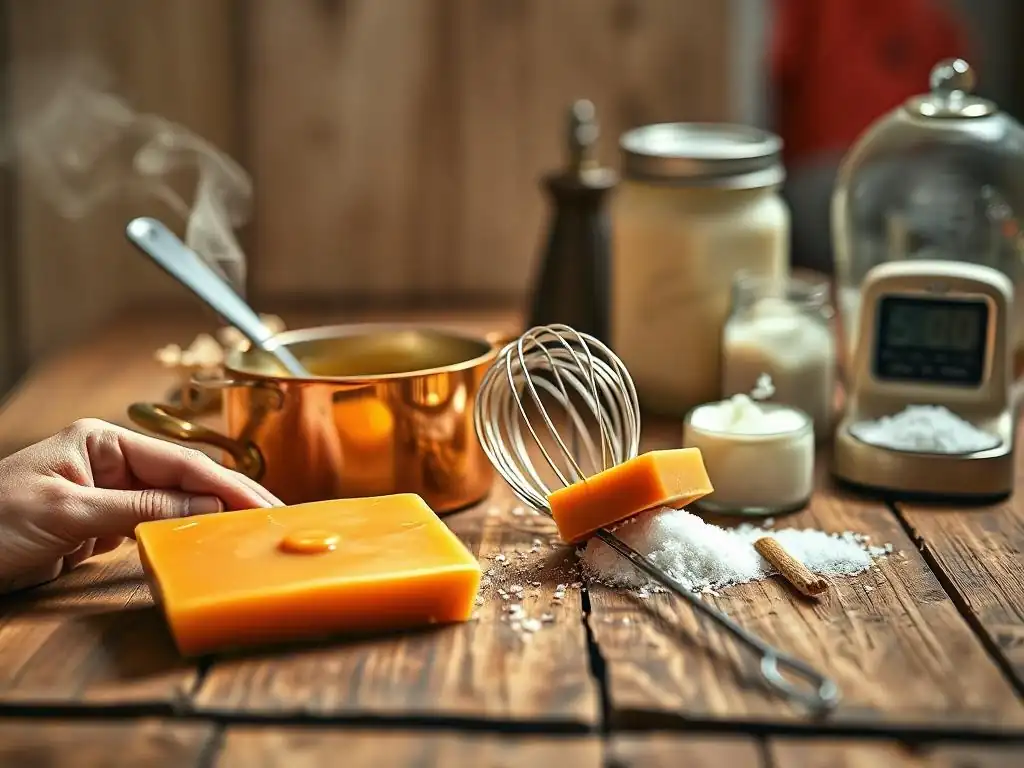
Welcome to BakeWithEase, your haven for baking bliss! Ever wondered how to achieve that perfectly smooth, melt-in-your-mouth toffee without the grainy frustration of crystallization? You've come to the right place. Today, we're diving into 5 Quick Hacks to Prevent Crystallization in Homemade Toffee, unlocking the secrets to consistently flawless results. Eager to learn these game-changing techniques? Let's get baking!
- Introduction: Achieving Smooth, Crystal-Free Toffee at Home
- Hack #1: Incorporate Invert Sugar
- Hack #2: Maintain Consistent Temperature
- Hack #3: Stirring Techniques for Toffee
- Hack #4: Add Fat Strategically
- Hack #5: Prevent Seed Crystal Formation
- Troubleshooting Toffee Crystallization
- Conclusion: Enjoying Perfectly Smooth Homemade Toffee
-
Frequently Asked Questions
- What exactly is toffee crystallization and why does it happen?
- What are the 5 quick hacks mentioned to prevent toffee crystallization?
- How does using corn syrup or cream of tartar help prevent crystallization?
- Why is it important to avoid stirring the toffee while it's boiling?
- What if my toffee does crystallize? Is there a way to save it?
- Final Reflection: The Sweet Science of Toffee Perfection
- Unlock Your Toffee Secrets: Perfect Candies, Every Time!
Introduction: Achieving Smooth, Crystal-Free Toffee at Home
Understanding Toffee Crystallization
Making homemade toffee promises a delightful combination of buttery richness and sweet crunch. However, a common pitfall is crystallization, where the smooth, glassy texture you expect turns grainy and hard. This happens when sugar molecules, specifically sucrose, rearrange themselves from a chaotic liquid state back into an ordered, crystalline structure. Instead of a single, continuous amorphous solid, you get a mass filled with countless tiny sugar crystals.
This transformation occurs because sugar, when heated and dissolved, is in a supersaturated state. It's holding more sugar than it normally can at room temperature. Any disturbance or impurity can cause the sugar molecules to 'find' each other and start forming crystals, much like seeding a cloud for rain. Understanding this process is the first step in learning how to prevent toffee crystallization quickly easy in your own kitchen.
Factors Contributing to Toffee Crystallization
Several factors can trigger this unwanted crystallization in your toffee mixture. The most significant is the presence of 'seed' crystals – tiny, undissolved sugar grains, dust particles, or even microscopic crystals splashed onto the sides of the pan that fall back in. These provide a surface for dissolved sugar molecules to latch onto and start the crystallization chain reaction.
Other culprits include stirring the mixture at the wrong time (especially once it's boiling), fluctuating temperatures during cooking, and even impurities in the ingredients or on your tools. High humidity can also play a role, causing finished toffee to absorb moisture and develop a grainy surface over time. Addressing these factors systematically makes it much easier to prevent toffee crystallization quickly easy.
Hack #1: Incorporate Invert Sugar
Using Honey to Inhibit Sugar Crystals
One of the most effective ways to prevent toffee crystallization quickly easy is by introducing invert sugar into your recipe. Invert sugar is a mixture of glucose and fructose, formed by breaking down sucrose. These smaller molecules interfere with the larger sucrose molecules' ability to bond together and form crystals. Honey is a natural source of invert sugar, typically composed of about 50% glucose and fructose.
Adding a small amount of honey to your sugar mixture can significantly reduce the risk of crystallization. As a general guideline, incorporating 1 to 2 tablespoons of honey per cup of granulated sugar is often sufficient. While honey does impart its distinct flavor, it complements the richness of toffee beautifully, adding another layer of complexity. This simple addition acts as a powerful crystal inhibitor from the start.
Using Golden Syrup for Smooth Toffee
Golden syrup, a common sweetener in the UK and other regions, is another excellent form of invert sugar made from refined sugar cane juice. It's a stable, viscous syrup that confectioners frequently use specifically to prevent sugar crystallization in candies like toffee, fudge, and caramel. Its reliable composition makes it a go-to ingredient for ensuring smoothness.
To use golden syrup effectively, you can substitute a portion of the granulated sugar in your recipe. Replacing approximately 10% to 20% of the total granulated sugar volume with golden syrup works very well. For instance, in a recipe calling for 2 cups of sugar, you might use 1 and 3/4 cups of sugar and 1/4 cup of golden syrup. This substitution not only helps prevent toffee crystallization quickly easy but also contributes a lovely, slightly buttery flavor and a smoother texture to the finished candy.
Hack #2: Maintain Consistent Temperature
The Importance of a Candy Thermometer
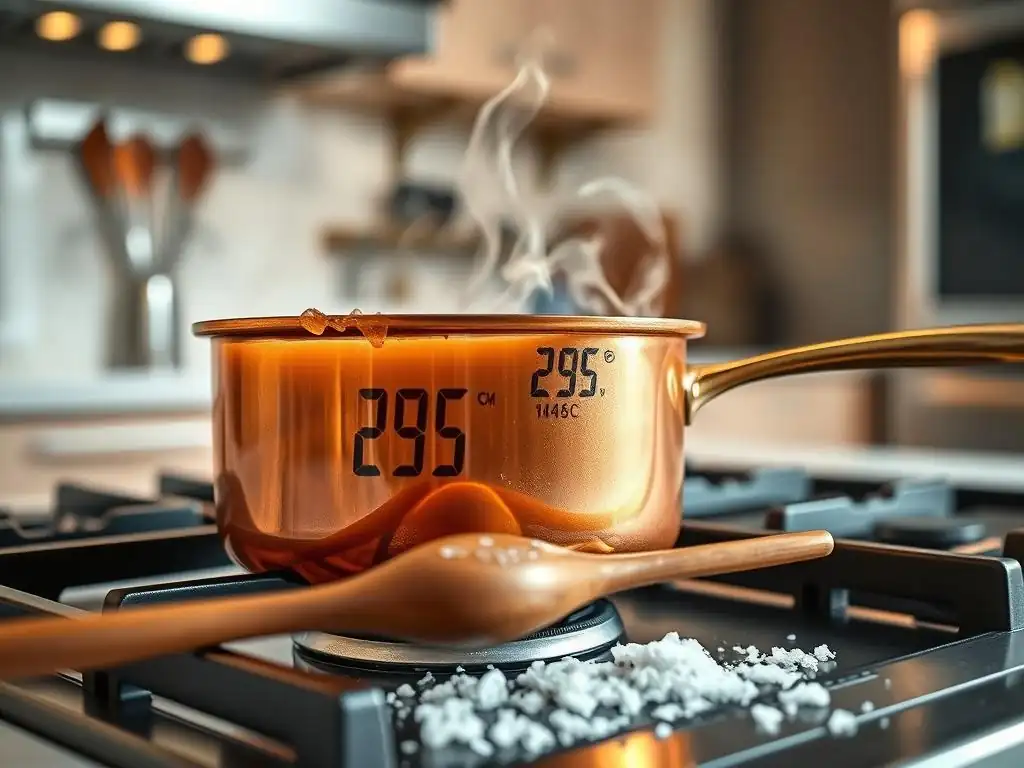
Achieving the correct temperature is paramount when making toffee; typically, it needs to reach the hard crack stage, which is between 285°F and 305°F (140°C and 150°C). Guessing the temperature is a recipe for disaster, often leading to either burnt sugar or undercooked, soft candy prone to crystallization. A reliable candy thermometer is an indispensable tool for precise temperature control.
Using a thermometer allows you to heat the sugar mixture gradually and accurately track its progress. It removes the guesswork and helps ensure you hit the exact temperature required for the toffee to set properly. Before using, calibrate your thermometer by checking if it reads 212°F (100°C) in boiling water at your altitude and adjust your target temperature accordingly. This accuracy is a fundamental step to prevent toffee crystallization quickly easy and successfully.
Avoid Fluctuations in Heat
Once your sugar mixture is cooking, maintaining a steady, consistent heat is crucial. Rapid changes in temperature, such as turning the heat up too high to speed things along or letting it drop significantly, can shock the syrup and encourage crystals to form. Use a medium heat setting that allows the mixture to bubble steadily but not violently.
Employing a heavy-bottomed saucepan is highly recommended. These pans distribute heat much more evenly across the base, preventing hot spots where sugar can scorch or crystallize prematurely. Consistent, gentle heating ensures that all the sugar molecules are heated uniformly, reducing stress on the system and making it easier to prevent toffee crystallization quickly easy.
Hack #3: Stirring Techniques for Toffee
Initial Stirring for Dissolution
When you first combine the sugar with water or other liquid in the saucepan, it is absolutely necessary to stir. Use a spoon or spatula to gently mix the ingredients over low heat until all the sugar granules are completely dissolved. This initial stirring helps break up clumps and ensures the sugar integrates fully into the liquid.
You can tell the sugar is dissolved when the mixture looks clear and you can no longer see any granules clinging to the sides or bottom of the pan. Rubbing a tiny drop between your fingers (carefully!) will feel smooth, not gritty. This initial step is non-negotiable; any undissolved sugar at this stage will act as a seed crystal later, making it very difficult to prevent toffee crystallization quickly easy.
Minimal Stirring During Cooking
Once the sugar is fully dissolved and the syrup begins to boil actively, put your spoon down and stop stirring. Stirring a boiling sugar syrup can cause sugar crystals to splash onto the cooler sides of the pan above the liquid level. These splashed crystals can dry and then fall back into the hot syrup, acting as seed crystals and triggering widespread crystallization.
Allow the syrup to bubble and cook undisturbed. You can gently swirl the pan occasionally if you notice uneven cooking, but avoid scraping the sides or bottom. Letting the syrup cook without agitation in this phase is a critical technique to prevent toffee crystallization quickly easy.
Hack #4: Add Fat Strategically
Butter's Role in Toffee Texture
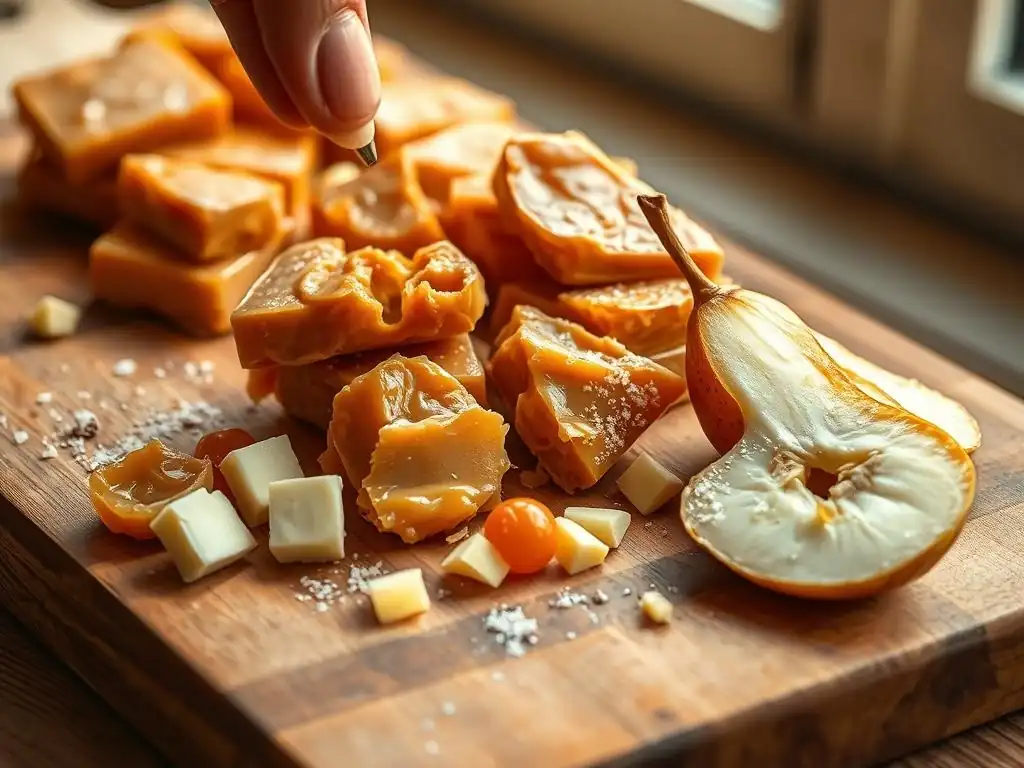
Butter is a key ingredient in most toffee recipes, providing not only essential flavor and richness but also playing a vital role in preventing crystallization and achieving the desired brittle texture. The fat molecules in the butter disperse throughout the sugar syrup.
These fat droplets essentially coat the sugar molecules, physically interfering with their ability to link up and form crystalline structures. This inhibitory effect is significant. Butter is typically added early in the cooking process, often along with the sugar and liquid, or once the syrup reaches a certain temperature (like the soft ball stage, around 240-250°F or 115-120°C), allowing its fat to melt and integrate thoroughly before the sugar concentration gets too high. Using the correct amount of butter (often around 1/2 cup per 1-2 cups of sugar) is a delicious way to prevent toffee crystallization quickly easy.
Adding Chocolate After Cooking
While adding chocolate doesn't prevent crystallization during the sugar cooking phase itself, applying a layer of chocolate after the toffee has cooled and hardened provides crucial protection against future crystallization. Toffee is hygroscopic, meaning it readily absorbs moisture from the air. This absorbed moisture can cause the surface sugar to dissolve slightly and then recrystallize, resulting in a dull, grainy surface known as sugar bloom.
Coating the toffee with a layer of melted chocolate creates a barrier that seals the candy from humidity and air. This significantly extends the shelf life and maintains the smooth, shiny surface and crisp texture. Tempering the chocolate before coating offers the best protection and gives the chocolate a desirable snap and shine. This finishing step is essential for keeping your perfectly cooked toffee crystal-free over time.
Hack #5: Prevent Seed Crystal Formation
Wash Down the Sides of the Pan
This is a classic confectionery trick used by professionals to prevent toffee crystallization quickly easy. As the sugar syrup boils, tiny droplets can splash onto the cooler sides of the pan above the level of the liquid. The water evaporates from these droplets, leaving behind small, dried sugar crystals clinging to the pan.
These dried crystals are potent seed crystals. If they fall back into the hot syrup, they can trigger rapid crystallization of the entire batch. To prevent this, dip a clean pastry brush in hot water and gently brush down the inside walls of the pan just above the boiling line. Do this early in the cooking process while the syrup is still relatively thin. The hot water dissolves the splashed sugar, washing it safely back into the main mixture.
Avoid Undissolved Sugar
Ensuring that every single sugar granule is dissolved at the very beginning of the cooking process is perhaps the most critical step to prevent toffee crystallization quickly easy. Even one or two undissolved grains can start the chain reaction. Use low heat initially and stir patiently until the mixture is clear and no grit remains.
Once the syrup is boiling and you've stopped stirring, be careful not to introduce anything that could carry undissolved sugar back into the mix. Use clean tools, and avoid scraping the bottom or sides of the pan with a spatula later in the process, as this can dislodge settled or stuck sugar crystals. Start with a clean pan, use clean tools, and ensure that initial dissolution is complete.
Troubleshooting Toffee Crystallization
Rescuing Crystallized Toffee
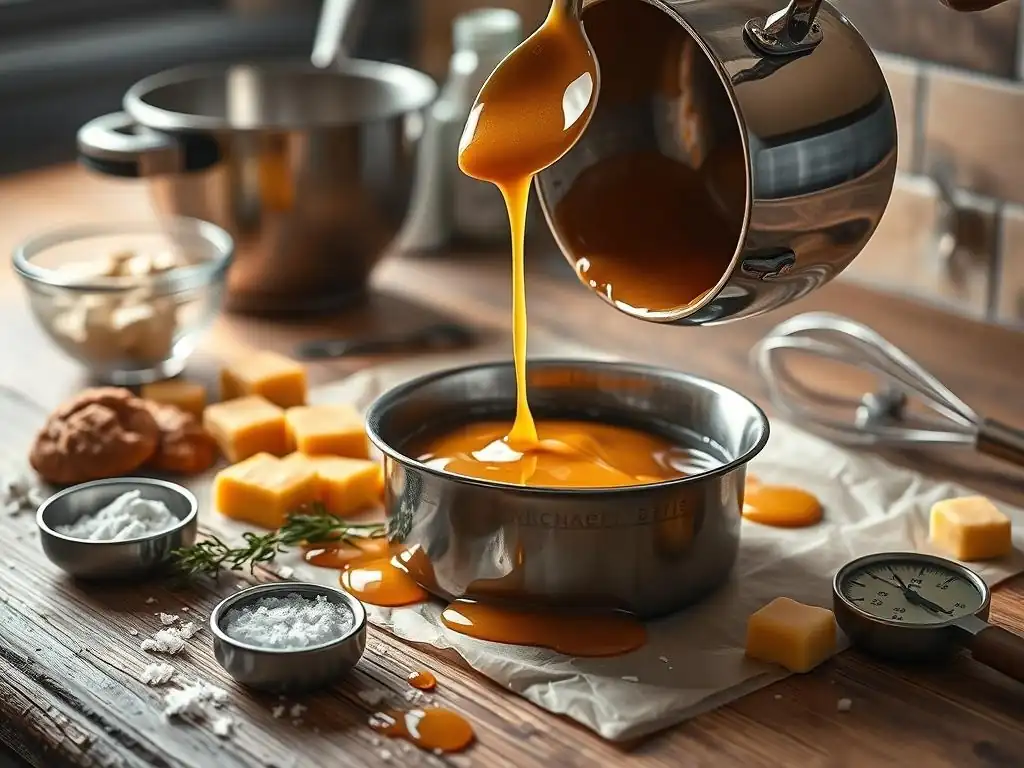
Despite your best efforts, sometimes toffee still crystallizes. Don't despair – it's often salvageable! If your toffee turns grainy in the pan, you can try to dissolve the crystals by adding a small amount of hot water, typically 2-4 tablespoons for an average batch. Heat the mixture gently over very low heat, stirring constantly, until all the sugar crystals have completely redissolved into a clear syrup.
Once dissolved, you can attempt to cook the syrup again to the desired temperature. However, be aware that the flavor might be slightly more caramelized, and the syrup is now more prone to crystallizing again. To increase your chances of success on the second try, consider adding a little extra invert sugar, like a tablespoon of corn syrup or golden syrup, before recooking.
Identifying the Cause of Crystallization
If your toffee crystallizes, take a moment to troubleshoot what might have gone wrong. Review the steps you took:
- [ ] Was the sugar fully dissolved before the syrup boiled?
- [ ] Did you stir the syrup while it was boiling?
- [ ] Did you wash down the sides of the pan?
- [ ] Was the temperature consistent, or did it fluctuate?
- [ ] Did you use a clean pan and clean tools?
- [ ] Were there any impurities introduced (e.g., dust)?
Identifying the likely cause helps you avoid the same mistake next time. For instance, if it crystallized rapidly during cooling, seed crystals might have been the issue. If it became grainy over time, humidity or lack of a protective coating could be the culprit. Learning from each batch is part of mastering how to prevent toffee crystallization quickly easy.
Conclusion: Enjoying Perfectly Smooth Homemade Toffee
Recap: 5 Ways to Prevent Toffee Crystallization
Achieving smooth, crystal-free homemade toffee is a rewarding experience, and it becomes consistently achievable by understanding and applying a few key techniques. The five quick hacks we've covered are powerful tools in your baking arsenal:
- Incorporate Invert Sugar: Adding honey or golden syrup disrupts crystal formation.
- Maintain Consistent Temperature: Use a thermometer and steady heat to avoid shocking the sugar.
- Master Stirring Techniques: Stir initially to dissolve, then stop stirring during the boil.
- Add Fat Strategically: Butter inhibits crystals during cooking, and chocolate protects the finished toffee.
- Prevent Seed Crystal Formation: Wash down pan sides and ensure all sugar is dissolved initially.
By focusing on these areas, you significantly increase your chances of success and make it much simpler to prevent toffee crystallization quickly easy in your kitchen.
Further Baking Tips
Preventing crystallization is just one aspect of successful candy making. As you gain confidence with toffee, consider exploring other related skills. Learning to temper chocolate properly, for example, will enhance the quality of your chocolate-coated toffee. Understanding different sugar stages (like soft ball, firm ball, hard crack) opens up a world of other candy possibilities, from caramels to brittles.
Remember that baking and candy making are processes that benefit from patience and precision. Don't be discouraged by a less-than-perfect batch; each attempt is a learning opportunity. Keep your tools clean, measure accurately, and pay attention to the visual cues and temperatures mentioned in recipes. With practice, you'll be enjoying perfectly smooth homemade toffee every time.
Frequently Asked Questions
What exactly is toffee crystallization and why does it happen?
Toffee crystallization occurs when sugar molecules solidify prematurely, creating a gritty texture. This is often caused by undissolved sugar crystals or disturbances during the cooking process.
What are the 5 quick hacks mentioned to prevent toffee crystallization?
While I don't have access to the full article, common hacks include using corn syrup or cream of tartar, ensuring all sugar is dissolved before boiling, avoiding stirring during boiling, washing down the sides of the pan, and adding butter in small increments.
How does using corn syrup or cream of tartar help prevent crystallization?
These ingredients contain invert sugars that interfere with the formation of sugar crystals. They create a smoother toffee texture by preventing the sugar from solidifying too quickly and unevenly.
Why is it important to avoid stirring the toffee while it's boiling?
Stirring during boiling can introduce sugar crystals from the sides of the pan back into the mixture. These act as seeds, promoting premature crystallization throughout the toffee.
What if my toffee does crystallize? Is there a way to save it?
Sometimes, adding a small amount of water and gently reheating the mixture can dissolve the crystals. However, it's best to start over for the best results, focusing on preventing crystallization from the beginning.
Final Reflection: The Sweet Science of Toffee Perfection
The battle against toffee crystallization is a constant one for home cooks, but mastering these five quick hacks means the difference between a sugary disaster and a flawlessly smooth, melt-in-your-mouth treat. These simple techniques, readily accessible to anyone with a kitchen, transform the seemingly daunting task of toffee-making into a manageable and rewarding experience. No longer will the fear of grainy texture hold you back from creating this beloved confection.
The pursuit of the perfect toffee speaks to a deeper human desire for control and precision in the kitchen. It's a testament to our enduring fascination with transforming simple ingredients into something extraordinary. The art of cooking is more than just following a recipe; it's about understanding the science behind the transformation.
This quote perfectly encapsulates the journey of mastering toffee-making, a journey that requires both careful attention to detail and a willingness to experiment. The subtle nuances of temperature and timing, once understood, unlock a world of culinary possibilities.
So, the next time you find yourself craving the rich, buttery goodness of homemade toffee, remember these five hacks. Don't let the fear of crystallization deter you from embarking on this delicious adventure. Embrace the challenge, experiment with the techniques, and savor the sweet reward of perfectly smooth, delectable toffee. The journey to mastery is as rewarding as the final product itself. Let the sweet science of toffee-making inspire you to explore the possibilities within your own kitchen.
Unlock Your Toffee Secrets: Perfect Candies, Every Time!
Thanks for joining us on this delicious journey into toffee perfection! We hope you've learned some valuable tricks to avoid those pesky crystals and achieve that melt-in-your-mouth texture. Now it's time to put your newfound knowledge to the test!
- Whip up a batch of your own toffee using our tips: Put your skills to the test and create the smoothest, most irresistible toffee you’ve ever made. Don't forget to share your success with us!
- Experiment with different flavor additions: Once you master the basic recipe, get creative! Add sea salt, nuts, or even chocolate for unique toffee experiences.
- Share your toffee triumphs (and challenges!): Join our BakeWithEase community and share your toffee-making journey. Let’s inspire each other with sweet successes and learn together from any mishaps!
Ready to make some truly amazing toffee? What delicious flavor combinations will you try first?