
Creating Vegan "Buttermilk" in Seconds: A Simple Hack

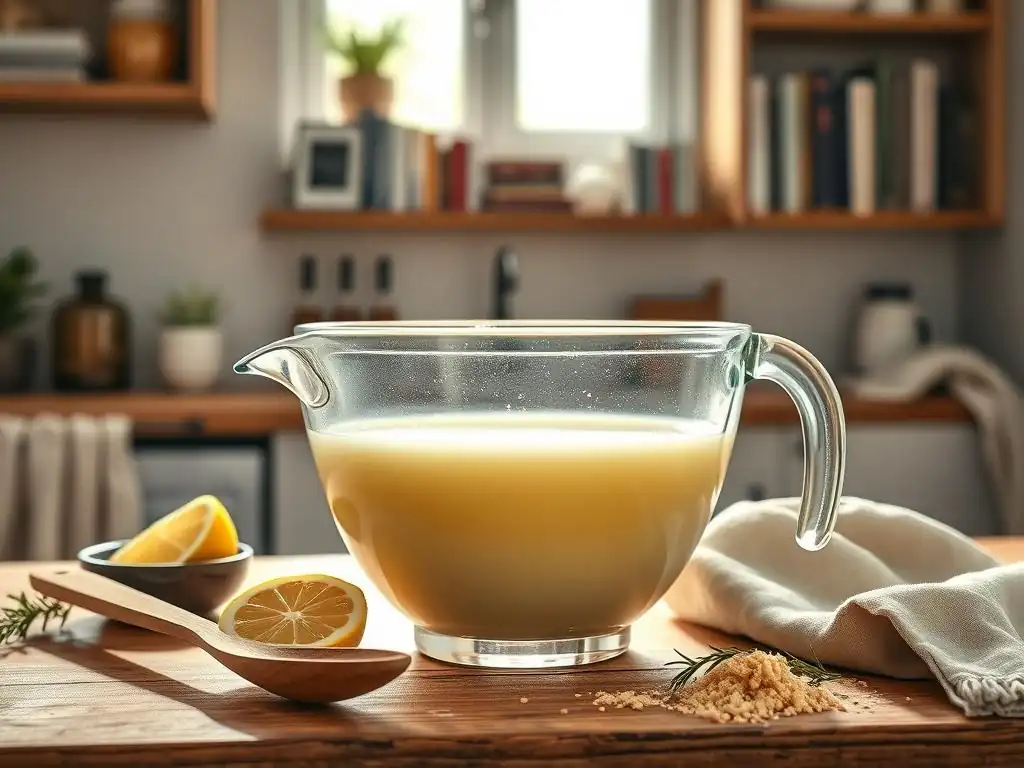
Welcome to BakeWithEase, where delicious baking becomes effortlessly achievable! Are you ready to unlock the secret to perfectly moist and tangy vegan baked goods? Discover how easy it is to create a vegan buttermilk substitute in seconds. This simple hack will revolutionize your plant-based baking, adding a delightful depth of flavor and texture to all your favorite recipes. Intrigued? Let's get started!
- Creating Vegan "Buttermilk" in Seconds: A Simple Hack for Baking
- Introduction: The Power of Vegan Buttermilk in Baking
- Understanding the Science Behind Buttermilk
- The Quick & Easy Vegan Buttermilk Substitute Recipe
- Vegan Buttermilk Substitute Recipe: Ingredient Ratio and Variations
- Using Your Vegan Buttermilk Substitute in Baking Recipes
- Troubleshooting Your Vegan Buttermilk
- Storing Your Vegan Buttermilk
- Conclusion: Mastering the Vegan Buttermilk Substitute Recipe
-
Frequently Asked Questions
- What exactly is a vegan buttermilk substitute and why would I need it?
- What are the basic ingredients for a BakeWithEase vegan buttermilk substitute?
- How long should I let the vegan buttermilk substitute sit before using it in my recipe?
- Can I use any type of plant-based milk for this BakeWithEase recipe?
- What if I don't have lemon juice or apple cider vinegar? Are there other alternatives?
- Final Reflection: The Ripple Effect of a Simple Swap
- Unlock Your Vegan Baking Potential!
Creating Vegan "Buttermilk" in Seconds: A Simple Hack for Baking
Introduction: The Power of Vegan Buttermilk in Baking
Why Vegan Buttermilk is Essential for Vegan Baking
Vegan baking often requires clever substitutions to achieve the textures and rise found in traditional recipes. One ingredient that plays a surprisingly critical role is buttermilk. In dairy baking, buttermilk's acidity reacts with leavening agents like baking soda, creating carbon dioxide gas that helps baked goods rise and develop a tender crumb. Without this acidic component, many vegan recipes, especially those relying on baking soda, can fall flat or become dense.
Creating a vegan buttermilk substitute recipe is therefore a foundational technique for any vegan baker. It provides the necessary acidity to activate baking soda, ensuring light, fluffy results in everything from pancakes to cakes. Mastering this simple hack opens up a world of traditional recipes that can be easily converted to vegan versions, making vegan baking more accessible and successful.
Commitment to Easy Vegan Baking Substitutions
At BakeWithEase, our goal is to demystify baking and provide simple, effective techniques for everyone, regardless of dietary choices. We understand that navigating vegan substitutions can sometimes feel daunting, but it doesn't have to be complicated. Our focus is on providing easy-to-follow hacks and reliable vegan buttermilk substitute recipes that deliver consistent results without needing obscure ingredients or complex processes.
This simple method for making vegan buttermilk in seconds is a prime example of our commitment. It utilizes common pantry staples – plant-based milk and an acid – to replicate the function of traditional buttermilk. By mastering this basic substitution, you gain confidence in tackling a wide range of vegan baking projects, from quick breads to tender scones, knowing you have the tools to achieve the desired texture and lift.
Understanding the Science Behind Buttermilk
What is Traditional Buttermilk and How Does it Work?
Traditional buttermilk was originally the liquid left behind after churning butter from cultured cream. Today, most commercially available buttermilk is made by adding a bacterial culture (like Lactococcus lactis) to pasteurized milk. This culture ferments the lactose (milk sugar) into lactic acid, which gives buttermilk its characteristic tangy flavor and slightly thickened consistency. It typically contains about 1% fat.
In baking, this acidity is key. When combined with an alkaline ingredient like baking soda (sodium bicarbonate), a chemical reaction occurs. The acid from the buttermilk reacts with the baking soda to produce carbon dioxide gas. This gas gets trapped within the batter or dough, causing it to expand and rise as it bakes, contributing to a light, airy texture. The acidity also helps tenderize gluten, resulting in softer baked goods.
The Role of Acidity in Baking: Activation and Texture
Acidity is a crucial component in many baking reactions, particularly when baking soda is involved. Baking soda is an alkaline leavening agent that requires an acid to produce carbon dioxide. Without sufficient acid, baking soda will not fully react, leading to poor rise and potentially a soapy or metallic aftertaste. Acids commonly used in baking include vinegar, lemon juice, yogurt, sour cream, molasses, brown sugar, cocoa powder (natural, not Dutch-processed), and, of course, buttermilk.
The acidity in a vegan buttermilk substitute recipe serves the same purpose as the lactic acid in dairy buttermilk. It reacts with baking soda to create lift and tenderness. The acidic environment also affects protein structure in the batter, contributing to a softer crumb. For example, in vegan pancakes, using vegan buttermilk instead of plain plant milk often results in a noticeably fluffier stack because the acid ensures the baking soda fully activates.
The Quick & Easy Vegan Buttermilk Substitute Recipe
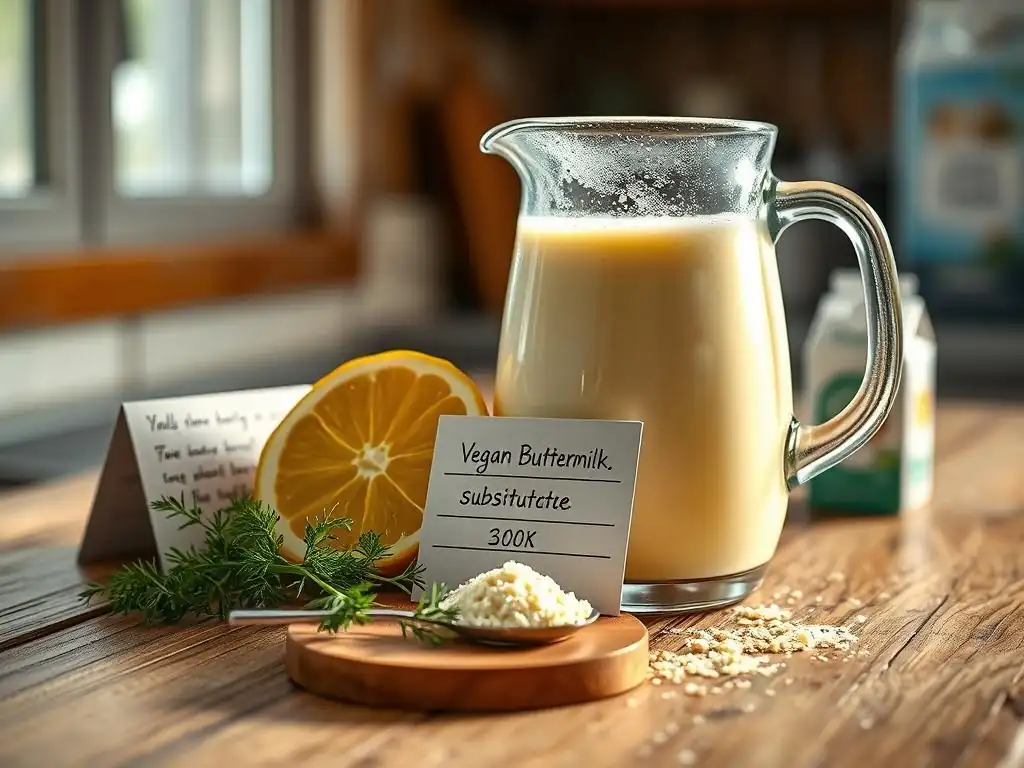
Key Ingredients for Your Vegan Buttermilk: Plant-Based Milk and Acid
Creating a vegan buttermilk substitute recipe requires just two fundamental ingredients: a plant-based milk and an acidic agent. The plant-based milk provides the liquid base, mimicking the consistency of dairy milk, though its protein and fat content will influence how much it appears to "curdle." Common choices include soy milk, almond milk, oat milk, or even cashew milk. For best results, choose an unsweetened, unflavored variety to avoid adding unwanted sweetness or flavors to your baked goods.
The acidic agent is the crucial component that reacts with baking soda and helps thicken the milk slightly. The most common and effective choices are distilled white vinegar or fresh lemon juice. Both are readily available and provide the necessary acidity. Other acids like apple cider vinegar can work but may impart a stronger flavor. The interaction between the acid and the plant milk causes the milk proteins to coagulate or "curdle," giving it a texture and acidity similar to traditional buttermilk.
Step-by-Step Guide: Making Vegan Buttermilk in Seconds
Making your own vegan buttermilk substitute recipe is incredibly fast and straightforward. It takes just a few simple steps and requires minimal effort, proving that vegan baking substitutions can be quick and painless. This method is reliable for almost any recipe calling for buttermilk.
Follow these steps to create your perfect batch of vegan buttermilk substitute:
Step 1: Measuring Your Plant-Based Milk (Recommendations for Best Results)
Measure the required amount of plant-based milk for your recipe into a measuring cup or a small bowl. It's often helpful to use milk that is at room temperature, as this can sometimes encourage a slightly faster and more noticeable "curdling" effect, although cold milk will also work. For most standard vegan buttermilk substitute recipes, you will start with 1 cup (240ml) of your chosen plant-based milk. Using unsweetened, plain varieties of milk like soy, almond, or oat milk will ensure the most neutral flavor for your baked goods.
Step 2: Adding the Acidic Agent (Vinegar or Lemon Juice)
Once the plant-based milk is measured, add your acidic agent directly to the milk. The standard ratio for a reliable vegan buttermilk substitute recipe is 1 tablespoon (15ml) of acid per 1 cup (240ml) of plant-based milk. Pour 1 tablespoon of either distilled white vinegar or fresh lemon juice into the measured milk. Avoid using flavored vinegars or bottled lemon juice that contains additives, as these can affect the flavor of your final product.
Step 3: Letting it Curdle: The Magic of Vegan Buttermilk
After adding the acid, gently stir the mixture once or twice to combine, then let it sit undisturbed for 5 to 10 minutes. During this short resting period, you will typically observe the milk starting to thicken slightly and develop small curdled bits. This visual change indicates that the acid is working, lowering the pH of the milk and causing the proteins to coagulate.
The mixture might not become as thick as dairy buttermilk, depending on the type of plant milk used, but the crucial part is the acidity change, which happens almost instantly. Your vegan buttermilk substitute is now ready to use immediately in your recipe.
Vegan Buttermilk Substitute Recipe: Ingredient Ratio and Variations
The Ideal Ratio for a Foolproof Vegan Buttermilk
The most widely accepted and reliable ratio for a vegan buttermilk substitute recipe is 1 tablespoon of acidic agent per 1 cup of plant-based milk. This ratio provides sufficient acidity to react with baking soda and tenderize baked goods without making the final product overly sour. Sticking to this proportion ensures consistency in your baking results, whether you're making a small batch of muffins or a large cake.
For example, if a recipe calls for 1.5 cups of buttermilk, you would use 1.5 cups of plant-based milk and 1.5 tablespoons of vinegar or lemon juice. This simple mathematical adjustment makes converting recipes incredibly easy. Using slightly less acid might result in insufficient activation of leavening agents, while using significantly more could lead to an unpleasantly tangy flavor and potentially affect the texture negatively.
Exploring Different Plant-Based Milk Options for Vegan Buttermilk
The type of plant-based milk you choose for your vegan buttermilk substitute recipe can influence the outcome slightly, primarily in terms of thickness and flavor. While most unsweetened, unflavored varieties will work to provide the necessary acidity, some curdle more noticeably than others due to their protein and fat content. Experimenting with different types can help you find your preference for specific recipes.
Here are notes on some common options:
Soy Milk Vegan Buttermilk: Notes on Protein Content and Flavor
Soy milk is often considered one of the best options for a vegan buttermilk substitute recipe because it typically has a higher protein content compared to other plant milks (around 7-8 grams per cup). This higher protein level allows it to curdle more visibly and thicken slightly more, closely mimicking the texture of dairy buttermilk. Unsweetened soy milk has a relatively neutral flavor that works well in most baking applications without being detectable in the final product.
Almond Milk Vegan Buttermilk: Notes on Thin Consistency and Flavor
Unsweetened almond milk is a popular choice due to its low calorie count and mild flavor, but it is generally thinner than soy or oat milk and lower in protein (often 1 gram per cup or less). When using almond milk for a vegan buttermilk substitute recipe, it may not curdle as noticeably as soy milk. However, the crucial acidic reaction still occurs, making it effective for leavening. Its very subtle flavor is advantageous in recipes where you want the other ingredients to shine.
Oat Milk Vegan Buttermilk: Notes on Creaminess and Flavor
Oat milk has gained popularity for its creamy texture, thanks to its soluble fiber content. While its protein content varies by brand (ranging from 2-4 grams per cup), it tends to create a vegan buttermilk substitute recipe that feels slightly richer than almond milk. Unsweetened oat milk has a naturally slightly sweet or "oaty" flavor that is usually not noticeable in baked goods, especially if other strong flavors are present. It curdles moderately well, contributing a pleasant mouthfeel.
Choosing Your Acid: Vinegar vs. Lemon Juice for Vegan Buttermilk
The choice between vinegar and lemon juice for your vegan buttermilk substitute recipe depends largely on the flavor profile you desire in your final baked good. Both are effective acidic agents and will perform the necessary chemical reaction with baking soda. However, they each bring their own subtle characteristics.
Consider the type of recipe you are making when selecting your acid:
White Vinegar for Vegan Buttermilk: Flavor Impact and Best Uses
Distilled white vinegar is the most neutral option for a vegan buttermilk substitute recipe. It has a sharp, clean acidity that doesn't impart a noticeable flavor to most baked goods, especially when used in the standard 1 tablespoon per cup ratio. This makes it an excellent all-purpose choice for recipes where you don't want any hint of citrus, such as biscuits, savory scones, or plain cakes where vanilla or other flavors are primary. It's also typically the most cost-effective option.
Lemon Juice for Vegan Buttermilk: Flavor Impact and Best Uses
Freshly squeezed lemon juice provides acidity with a distinct citrus note. While it functions identically to vinegar in terms of reacting with baking soda, its flavor can be noticeable in the final product. This isn't always a drawback; in fact, it can be a welcome addition in recipes like lemon poppy seed muffins, citrus-flavored cakes, or berry scones where a hint of lemon complements the other flavors. Use fresh juice for the cleanest flavor; bottled lemon juice can sometimes have an off-taste.
Using Your Vegan Buttermilk Substitute in Baking Recipes
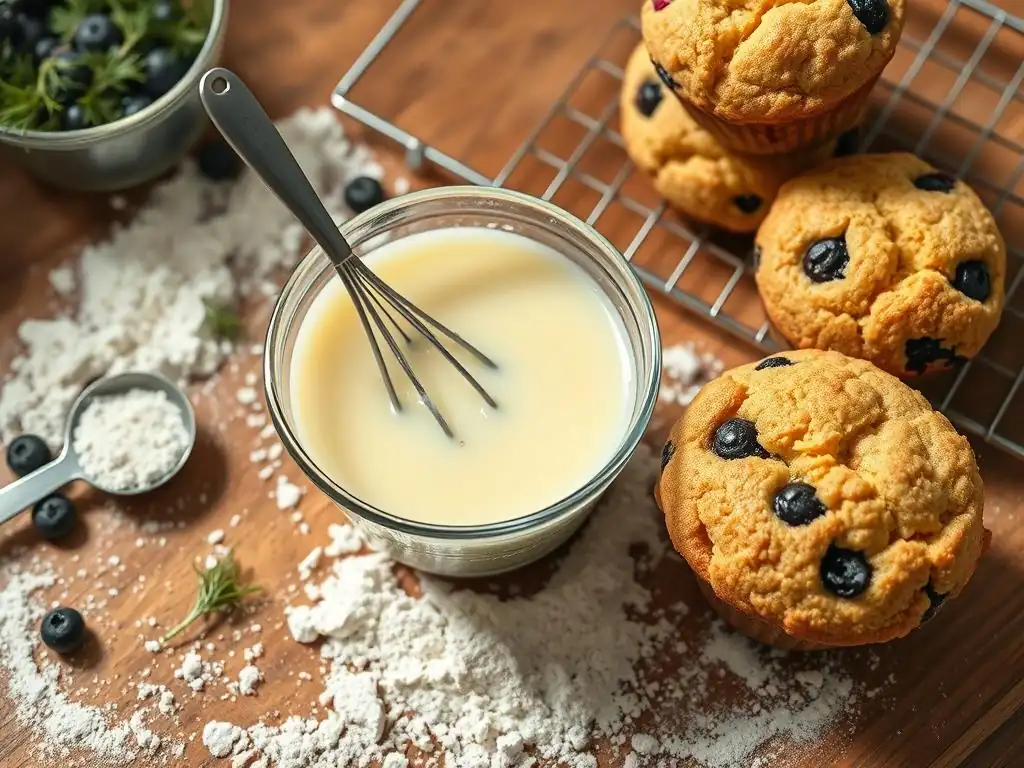
Vegan Buttermilk: Perfect for Cakes, Pancakes, and More
The versatility of a good vegan buttermilk substitute recipe makes it an invaluable tool in your vegan baking arsenal. Its acidity is particularly beneficial in recipes that traditionally rely on buttermilk or call for baking soda as a primary leavening agent. You can confidently use your homemade vegan buttermilk in a wide array of baked goods, from breakfast staples to decadent desserts.
Common applications include fluffy pancakes, tender muffins, quick breads, biscuits, scones, and even certain cakes and cupcakes. Anywhere that dairy buttermilk would contribute to rise and tenderness, this vegan alternative steps in effectively. It helps create a soft crumb structure and ensures that your baked goods achieve a good lift, preventing them from being dense or heavy.
Recipes that Benefit from Vegan Buttermilk: Vegan Pancakes, Vegan Biscuits
Two classic examples that significantly improve with a vegan buttermilk substitute recipe are pancakes and biscuits. For vegan pancakes, the acid from the vegan buttermilk reacts vigorously with baking soda (often used alongside baking powder for extra lift), resulting in exceptionally light and fluffy pancakes with a tender interior. A typical recipe might call for 1 cup of plant milk + 1 tbsp acid mixture per 1 cup of flour, along with baking powder and baking soda.
Similarly, vegan biscuits benefit immensely from the acidity. The vegan buttermilk substitute helps tenderize the dough, creating flaky layers and a soft crumb. It also ensures a good rise, which is essential for light, airy biscuits. A standard vegan biscuit recipe might incorporate 1/2 to 3/4 cup of vegan buttermilk substitute per 2 cups of flour, often combined with baking powder and a pinch of baking soda. Using this simple hack elevates these basic recipes from good to outstanding.
Tips for Incorporating Vegan Buttermilk into Your Favorite Recipes
When adapting a non-vegan recipe that calls for dairy buttermilk, you can typically substitute the same volume of your vegan buttermilk substitute recipe directly. For example, if a recipe requires 1 cup of buttermilk, use 1 cup of your plant milk and acid mixture.
It's important to ensure the recipe also contains an alkaline leavening agent, usually baking soda. If the original recipe only uses baking powder, you might consider adding a small amount of baking soda (e.g., 1/4 to 1/2 teaspoon per cup of flour) to ensure the acid has something to react with, although the acidity itself can still tenderize.
Always add the vegan buttermilk substitute as you would the dairy version, usually along with the wet ingredients. Once added, mix the batter or dough gently until just combined. Overmixing can develop gluten and make baked goods tough, regardless of the type of buttermilk used. Allow the mixture to sit for the recommended 5-10 minutes before adding it to your recipe's dry ingredients to ensure the curdling process has begun.
Troubleshooting Your Vegan Buttermilk
Common Issues and How to Fix Them
While making a vegan buttermilk substitute recipe is generally straightforward, you might occasionally encounter minor issues. Understanding these common problems and their simple solutions will help ensure consistent success in your vegan baking endeavors. Most issues are related to the ingredients used or the process itself.
Don't be discouraged if your first attempt isn't visually perfect; remember that the key function is the change in acidity, which happens quickly. The visual curdling effect is secondary to the chemical reaction needed for leavening. However, addressing issues like lack of curdling or excessive tanginess is important for optimal results.
My Vegan Buttermilk Isn't Curdling: Troubleshooting Tips
If your vegan buttermilk substitute recipe doesn't appear to curdle much after adding the acid, there are a few potential reasons. First, ensure you used an unsweetened, unflavored plant milk; sweetened or flavored varieties can sometimes interfere. Second, verify that you used the correct ratio of acid to milk (1 tablespoon per cup). Using too little acid won't lower the pH enough to cause significant protein coagulation.
Ensure your acid (vinegar or lemon juice) is fresh and potent. Very old or diluted acid may not be effective. While visual curdling is nice, the acidity change is the most important factor for baking performance. If it tastes tangy, it's working, even if it doesn't look drastically different.
My Baked Goods are Too Tangy: Troubleshooting Tips
If your final baked goods have an overly sour or tangy flavor after using a vegan buttermilk substitute recipe, it likely means you used too much acid or the wrong type of acid for that specific recipe. Re-check the ratio you used; it should be 1 tablespoon of acid per 1 cup of milk. Exceeding this ratio can result in excessive tanginess. Also, consider the type of acid.
Lemon juice has a more pronounced flavor than white vinegar. If tanginess is an issue, switch to distilled white vinegar in the future, as it is the most neutral option. Ensure your recipe calls for baking soda; the reaction between acid and baking soda neutralizes some of the acid, which helps reduce tanginess. If the recipe only uses baking powder, the acid won't be neutralized as much, potentially leading to a more noticeable sour flavor.
Storing Your Vegan Buttermilk
How Long Does Vegan Buttermilk Last?
Your homemade vegan buttermilk substitute recipe should be treated similarly to opened plant-based milk in terms of storage. Generally, it is best used immediately after the 5-10 minute resting period when it's made fresh for a recipe. However, if you make a larger batch than needed, or prepare it slightly ahead of time, it can be stored. When refrigerated in a sealed container, it will typically last for about 3 to 5 days.
The "curdled" appearance may become more pronounced over time, but this is normal. Always check for signs of spoilage, such as an off smell, significant discoloration, or mold, before using stored vegan buttermilk. Using it within a few days ensures optimal freshness and performance in your baking.
Best Practices for Storage and Preservation
To store your vegan buttermilk substitute recipe effectively, transfer any unused portion to a clean, airtight container. Glass jars or plastic containers with tight-fitting lids work well. Label the container with the date you made it to help you keep track of its freshness. Store the container in the refrigerator at a consistent cool temperature.
Avoid leaving the vegan buttermilk substitute at room temperature for extended periods, as this can encourage bacterial growth and spoilage, just like regular milk. When you're ready to use stored vegan buttermilk, give the container a gentle shake or stir before measuring, as the "curdled" bits may have settled at the bottom. Using proper storage techniques helps preserve the quality and effectiveness of your vegan buttermilk for future baking projects.
Conclusion: Mastering the Vegan Buttermilk Substitute Recipe
Embrace the Simplicity of Vegan Baking
Vegan baking doesn't have to be complicated or require a pantry full of obscure ingredients. Mastering simple yet effective hacks, like creating your own vegan buttermilk substitute recipe, empowers you to bake delicious vegan treats with ease. This two-ingredient method using readily available plant milk and acid is a perfect example of how straightforward vegan substitutions can be.
By understanding the basic science behind why this substitute works – providing acidity to activate leavening – you gain confidence in its reliability. This simple technique removes a common barrier in converting traditional recipes, making a wider variety of baked goods accessible to vegan diets. Embrace the simplicity and discover how easy it is to achieve fantastic results.
Unlock New Baking Possibilities with This Simple Hack
Adding the vegan buttermilk substitute recipe to your baking repertoire opens up a wealth of new possibilities. Recipes that once seemed off-limits due to their reliance on dairy buttermilk are now within reach. Imagine fluffy vegan pancakes every weekend, tender vegan biscuits for brunch, or moist vegan cakes for celebrations, all made possible by this quick hack.
This technique is a fundamental skill for any vegan baker looking to expand their horizons beyond recipes specifically developed as vegan. It demonstrates that with a little creativity and understanding of ingredient function, you can successfully adapt many classic baking recipes. So, grab your plant milk and vinegar or lemon juice, and start exploring the delicious world unlocked by this simple, effective vegan buttermilk substitute.
Frequently Asked Questions
What exactly is a vegan buttermilk substitute and why would I need it?
A vegan buttermilk substitute mimics the tang and acidity of traditional buttermilk, essential for leavening and flavor in many baked goods. It's needed to make recipes vegan without compromising texture or taste.
What are the basic ingredients for a BakeWithEase vegan buttermilk substitute?
The most common ingredients are non-dairy milk (like soy, almond, or oat) and an acidic ingredient such as lemon juice or apple cider vinegar. These combine to create the desired effect.
How long should I let the vegan buttermilk substitute sit before using it in my recipe?
It only needs to sit for about 5-10 minutes to allow the mixture to curdle slightly. This curdling process is crucial for achieving the desired buttermilk consistency.
Can I use any type of plant-based milk for this BakeWithEase recipe?
While most plant-based milks work, soy milk often yields the best results due to its higher protein content, which aids in curdling. However, almond, oat, or cashew milk are also suitable options.
What if I don't have lemon juice or apple cider vinegar? Are there other alternatives?
Yes! You can also use white vinegar as an alternative, or even cream of tartar mixed with the non-dairy milk, although the latter might require some experimentation to get the right ratio.
Final Reflection: The Ripple Effect of a Simple Swap
The quest for delicious, cruelty-free alternatives is more than just a trend; it's a powerful movement reshaping our food systems and our relationship with the planet. This simple vegan buttermilk substitute recipe, achievable in seconds, demonstrates how accessible and impactful even the smallest changes can be. We've shown that creating a creamy, tangy buttermilk replacement doesn't require complex ingredients or hours of preparation, proving that ethical choices don't have to be inconvenient.
The ease of this recipe highlights the growing accessibility of vegan options, a shift that's profoundly altering the culinary landscape and challenging long-held assumptions about dietary restrictions. The future is plant-based,
is more than a catchy slogan; it's a reflection of a growing awareness of the environmental and ethical implications of our food choices. This simple recipe is a small but significant step in that future, empowering individuals to make conscious choices without sacrificing taste or convenience. It's a testament to the ingenuity and creativity within the vegan community, continuously innovating to make plant-based living more accessible and appealing to a wider audience.
Now, consider your own kitchen. What other seemingly insurmountable culinary challenges could be overcome with a little ingenuity and a willingness to experiment? This recipe isn't just about buttermilk; it's about embracing a mindset of possibility, of finding creative solutions to ethical dilemmas, and of recognizing the power of small actions to create a larger, more sustainable and compassionate world. Try this recipe, adapt it, share it – and let's continue to build a future where delicious and ethical choices go hand in hand.
Unlock Your Vegan Baking Potential!
Thanks for exploring the world of effortless vegan baking with us! You've just learned how to create creamy, tangy vegan buttermilk in seconds – a game-changer for your recipes. Now it's time to put your new knowledge into action.
- Bake your dream vegan treat! Use your freshly made buttermilk in your favorite recipe – from pancakes to cakes, the possibilities are endless. Experiment and see the amazing results!
- Share your creations! Tag us on social media and show us your delicious vegan masterpieces. We'd love to see what you bake!
- Explore more vegan baking hacks on BakeWithEase.com (fictional website, not linked here). We have tons of easy tips and tricks to make plant-based baking a breeze.
What incredible vegan recipe will you tackle first?