
Understanding the Crucial Role of Fats and Oils in Baking: What Every Baker Needs to Know

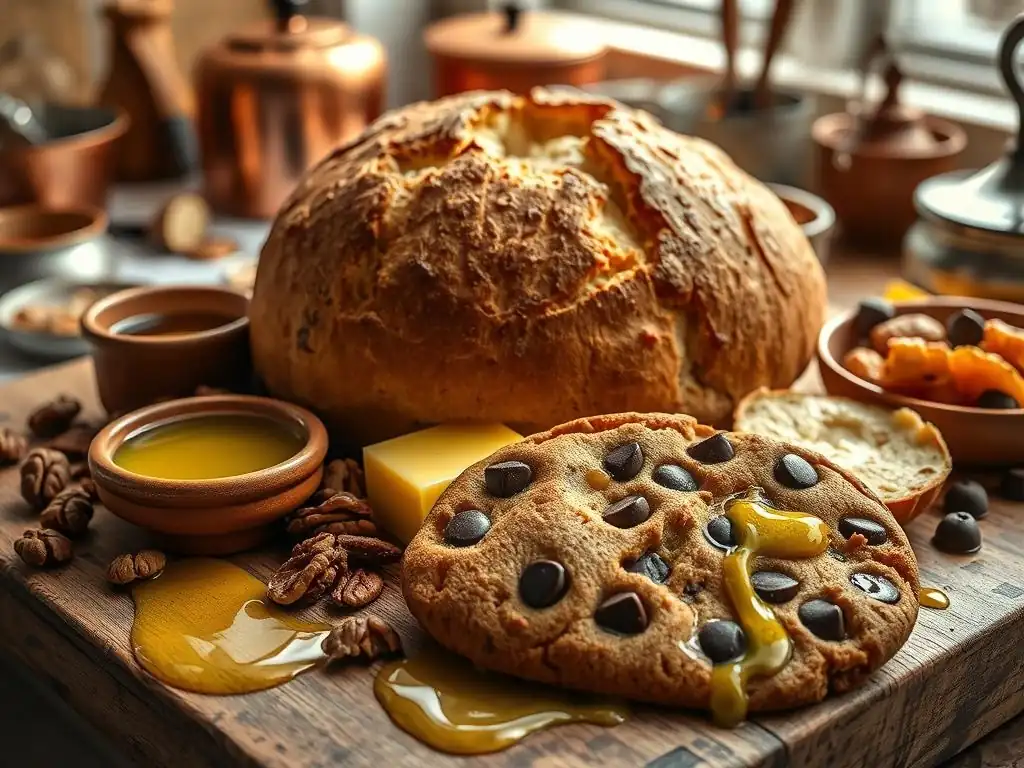
Welcome to BakeWithEase, where we unlock the secrets to baking success! Ever wondered why some recipes work flawlessly while others fall flat? Dive into the often-overlooked, yet crucial world of fats and oils in baking recipes. This guide will reveal how different fats and oils impact texture, flavor, and overall structure, transforming your baking from a gamble into a delicious certainty. Ready to master the art of baking with a deeper understanding of your ingredients? Let's get started!
- BakeWithEase: Mastering Fats and Oils for Baking Recipes
- The Essential Functions of Fats and Oils in Baking
- Types of Fats and Oils Commonly Used in Baking
- Fats and Oils in Baking Recipes: A Practical Guide
- The Science Behind Fats and Oils in Baking
- Tips and Tricks for Working with Fats and Oils in Baking
- Exploring Healthy Fat Options for Baking
- Troubleshooting Common Baking Problems Related to Fats and Oils
-
Frequently Asked Questions
- What is the primary function of fats and oils in baking recipes?
- How do different types of fats and oils affect the final product in baking?
- Can I substitute one type of fat or oil for another in baking recipes?
- Are there healthier fat and oil options for baking?
- How should I store fats and oils to maintain their quality for baking?
- Final Reflection: Embracing the Essence of Fats and Oils in Baking
- Unleash Your Inner Baking Whiz!
BakeWithEase: Mastering Fats and Oils for Baking Recipes
Welcome to BakeWithEase! Today, we're diving deep into a fundamental topic that can truly elevate your baking game: the essential role of fats and oils. Understanding how different fats and oils behave in the oven is key to perfecting your favorite fats oils baking recipes, from flaky pastries to moist cakes. It's not just about adding richness; these ingredients perform crucial functions that impact texture, flavor, and even the structure of your baked goods.
Whether you're a beginner just starting out or looking to refine your techniques, mastering the nuances of fats and oils is a valuable step. We'll explore everything from the common types you'll find in your pantry to the science behind why they work their magic. Get ready to unlock the secrets to consistently delicious results in all your baking adventures.
The Essential Functions of Fats and Oils in Baking
Fats and oils are far more than just ingredients for richness or flavor. They are active participants in the baking process, performing several critical jobs that determine the final outcome of your fats oils baking recipes. From tenderizing the crumb to extending shelf life, their contributions are indispensable.
Think about the difference between a light, airy cake and a dense, chewy cookie. Much of that distinction comes down to the type and amount of fat used and how it interacts with other ingredients like flour and sugar. Understanding these functions allows you to predict results and even troubleshoot common baking issues related to texture and structure.
Enhancing Flavor and Texture with Fats in Baking
Fats are potent carriers of flavor. They distribute flavor compounds throughout the dough or batter, ensuring a richer, more complex taste experience. Butter, for instance, provides a distinct, creamy flavor that's hard to replicate, while olive oil lends its own unique, sometimes peppery, notes. This isn't just about the fat itself; fats also help other flavors, like spices or extracts, shine through.
Beyond flavor, fats are paramount for texture. They coat flour particles, inhibiting gluten development. This creates a more tender crumb in cakes and muffins. In pastries and pie crusts, solid fats like butter or shortening are cut into the flour, creating layers. As the fat melts during baking, it leaves behind air pockets, resulting in that desirable flaky texture. Consider a classic butter cookie: the high fat content contributes significantly to its tender bite and rich flavor.
How Oils Contribute to Moisture and Tenderness in Baked Goods
Oils, being liquid at room temperature, integrate differently into batters than solid fats. Because they are pure fat (100% fat content, unlike butter which is typically 80-82% fat), they distribute very evenly and coat flour particles thoroughly. This coating is highly effective at interfering with gluten formation, leading to incredibly tender results, particularly in cakes, muffins, and quick breads.
Moreover, oils contribute significantly to moisture retention. Baked goods made with oil tend to stay moist and tender for longer periods compared to those made primarily with solid fats. This is why oil is often preferred for cakes, especially those you want to keep fresh for a few days, like a simple loaf cake or a bundt cake. The oil molecules surround the crumb, effectively preventing moisture loss and keeping the texture soft and pleasant.
Types of Fats and Oils Commonly Used in Baking
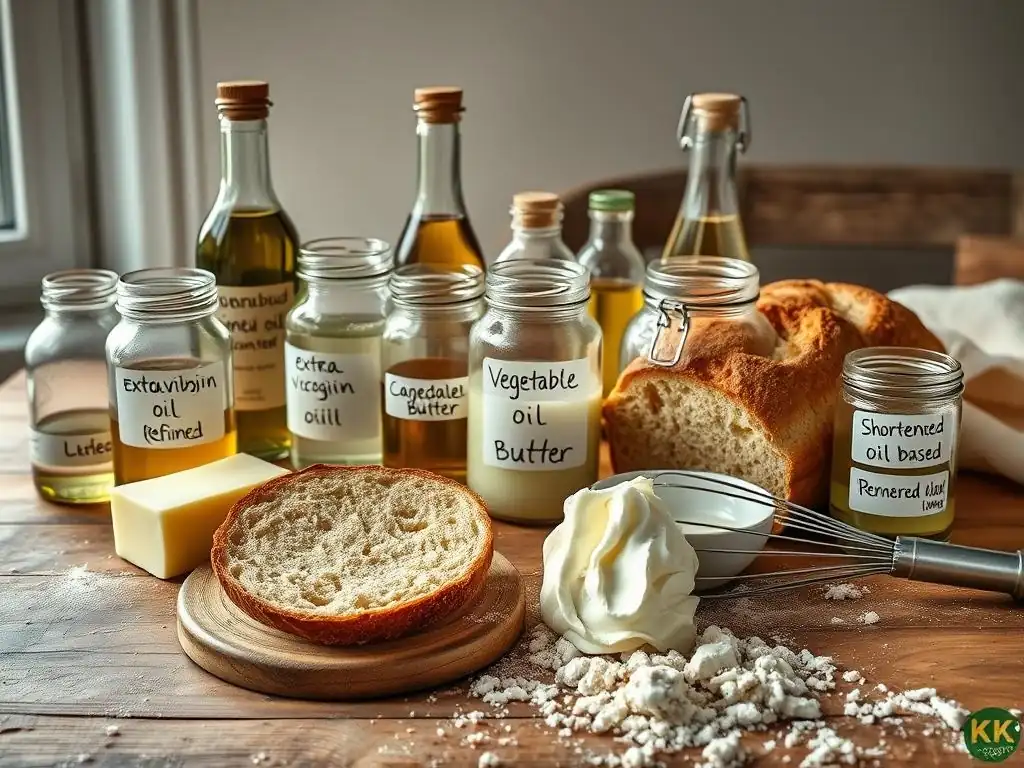
The world of fats oils baking recipes offers a diverse palette of options, each bringing unique properties to the table. Choosing the right fat or oil is a crucial decision that impacts the final texture, flavor, and appearance of your baked goods. Let's explore some of the most common players you'll encounter.
From the classic richness of butter to the neutral versatility of vegetable oil, understanding the characteristics of each type will empower you to make informed choices and achieve the results you desire. Experimentation is part of the fun, but a foundational knowledge of these common fats and oils is essential for any baker.
Butter: The Baker's Classic Choice
Butter is arguably the most beloved fat in baking, and for good reason. It offers unparalleled flavor and contributes to both tenderness and flakiness. Its unique composition – typically around 80-82% butterfat, 16-18% water, and 1-2% milk solids – allows it to perform multiple functions. When creamed with sugar, butter helps incorporate air, contributing to leavening. When cut into dry ingredients, its water content turns to steam during baking, creating flaky layers.
The quality and temperature of butter are critical. Cold butter, cut into pieces, is essential for flaky pastries like scones or pie crusts, as the distinct pieces of fat create separation in the dough. Softened butter, creamed with sugar, is necessary for cakes and cookies where aeration is key for a light texture and proper spread. European-style butters, often having a slightly higher butterfat content (sometimes 82-84%), can offer a richer flavor and potentially flakier results in certain applications.
Understanding Butterfat Content and its Impact
Butterfat is the pure fat component of butter, and its percentage significantly influences how butter behaves in baking. Standard butter in the United States typically contains a minimum of 80% butterfat. The remaining percentage is mostly water and a small amount of milk solids. This water content is crucial for leavening in flaky baked goods – as it turns to steam, it pushes layers of dough apart.
Higher butterfat butters, sometimes labeled "European-style," often contain 82% or more butterfat. This higher percentage means less water. For applications like puff pastry or croissants, this can lead to even flakier layers because there's more fat to create separation and less water to potentially toughen the dough (although the steam from the water is still needed). For cookies, a higher butterfat content might lead to more spread and a tender texture due to the increased fat coating flour particles. Understanding this percentage helps bakers choose the best butter for specific fats oils baking recipes.
Shortening: Achieving Flaky Perfection in Baking
Vegetable shortening is a solid fat made from hydrogenated vegetable oils, giving it a very high melting point relative to butter. Unlike butter, it contains virtually no water (it's 100% fat). This high melting point and lack of water make shortening exceptional for creating tender, flaky textures, especially in pie crusts, biscuits, and certain cookies.
Because it's 100% fat, shortening is highly effective at inhibiting gluten development, resulting in superior tenderness. Its high melting point means it stays solid longer during baking than butter, creating larger pockets of air as it eventually melts, which leads to that characteristic flaky structure. While it lacks the rich flavor of butter, it provides consistent results and is often preferred for its structural benefits in specific fats oils baking recipes.
Lard: The Secret to Tender Pie Crusts and Savory Baking
Lard is rendered pork fat and has been used in baking for centuries, particularly in traditional pie crusts and savory baked goods. Like shortening, it is a solid fat with a high melting point and is nearly 100% fat (usually 99%+). Lard is renowned for producing incredibly tender and flaky crusts, often considered superior to those made with shortening or butter alone by purists.
Its unique crystalline structure contributes to flakiness, and its high melting point ensures that it stays solid longer during baking, creating distinct layers. While modern hydrogenated shortenings mimicked many of lard's properties, some bakers still prefer lard for its subtle savory flavor and exceptional texture in items like biscuits, tamales, and of course, classic fruit pies.
Vegetable Oils: Versatile Options for Baking Recipes
Vegetable oils are liquid fats extracted from seeds or fruits, such as canola, sunflower, soybean, or corn. They are 100% fat and liquid at room temperature, which means they integrate differently into batters than solid fats. Their primary strengths in fats oils baking recipes are contributing moisture, tenderness, and extending shelf life.
Because they are liquid, vegetable oils distribute very evenly throughout a batter, coating flour particles thoroughly and effectively inhibiting gluten development. This results in a very tender crumb, especially noticeable in cakes, muffins, and quick breads. Unlike solid fats that need to be softened or melted, oils are easy to measure and mix, making them convenient for many recipes. Their often neutral flavor allows other ingredients to shine.
Exploring Different Vegetable Oil Profiles and Their Uses
While often used interchangeably in baking, different vegetable oils can have slightly varying properties and flavor profiles. Canola oil is a popular choice due to its neutral flavor, light texture, and relatively high smoke point, making it suitable for a wide range of baked goods where you don't want the fat to impart a strong taste. Sunflower and soybean oils are also commonly used for similar reasons.
Corn oil is another neutral option, often used in commercial baking. Some oils, like grapeseed oil, are even lighter in flavor and texture. While their primary function is moisture and tenderness, choosing a truly neutral oil like canola or a light vegetable blend ensures that the oil doesn't interfere with the intended flavors of your fats oils baking recipes.
Olive Oil in Baking: A Unique Flavor Profile
While often associated with savory cooking, olive oil, particularly extra virgin olive oil, is gaining popularity in baking, especially in Mediterranean-inspired fats oils baking recipes. Its distinct fruity, sometimes peppery, flavor can add a wonderful dimension to cakes, muffins, and even certain cookies or breads.
Olive oil contributes excellent moisture and tenderness, similar to other vegetable oils. Its unique flavor makes it a star in recipes like olive oil cakes, citrus cakes, or certain types of quick breads where its profile complements the other ingredients. When baking with olive oil, consider the intensity of the oil – a robust extra virgin oil will impart a stronger flavor than a lighter, refined olive oil.
Coconut Oil: Adding a Tropical Twist to Your Baked Creations
Coconut oil is a solid fat at room temperature (below around 76°F or 24°C) but melts readily when heated. It's a plant-based saturated fat that behaves somewhat similarly to butter or shortening when solid, but like oil when melted. Its distinct tropical flavor is a key characteristic and can be a wonderful addition to certain fats oils baking recipes.
Virgin coconut oil has a pronounced coconut flavor, perfect for recipes where you want that tropical note to come through, like in muffins, cookies, or granola. Refined coconut oil has a much milder flavor, making it a more neutral solid fat substitute in recipes where you don't want the coconut taste. Coconut oil can contribute to tenderness and, when used cold and cut into flour, can help create flakiness, though typically less effectively than butter or shortening.
Fats and Oils in Baking Recipes: A Practical Guide
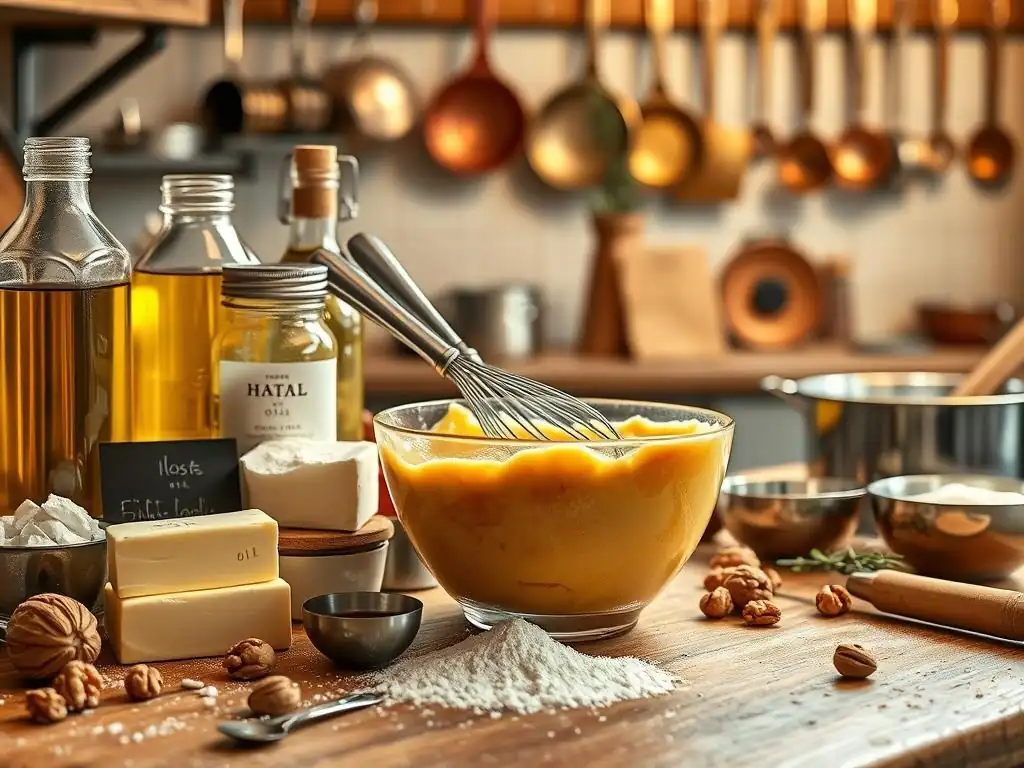
Navigating the world of fats and oils in the kitchen involves more than just knowing the types; it's about making the right choices for specific recipes, measuring accurately, and understanding how to substitute when needed. Mastering these practical aspects is crucial for consistent success with all your fats oils baking recipes.
From deciding between butter and oil for your cake to knowing how to swap one fat for another, these practical skills are what turn a good baker into a great one. Let's delve into some hands-on guidance for working with fats and oils.
Choosing the Right Fat or Oil for Specific Baking Needs
The choice of fat or oil is often dictated by the desired outcome – texture, flavor, and structure. A recipe developer carefully selects the fat based on how its unique properties will interact with other ingredients and the baking process. Understanding these interactions is key to modifying recipes or troubleshooting.
For example, if you want a cake that is incredibly moist and stays fresh for days, oil is usually the best choice. If you're aiming for a cookie that spreads nicely and has a rich, crisp edge with a slightly chewy center, butter is typically preferred. For flaky layers in pie crusts or biscuits, a solid fat like butter, shortening, or lard is essential.
Best Fats for Cakes: Butter vs. Vegetable Oil
When it comes to cakes, the debate often centers on butter versus vegetable oil. Butter provides rich flavor and contributes to aeration when creamed with sugar, leading to a tender crumb with a classic taste. A butter-based cake often has a finer, more delicate crumb structure.
Vegetable oil, on the other hand, produces cakes that are exceptionally moist and stay tender for longer periods. Because oil is 100% fat, it coats flour particles very effectively, inhibiting gluten and ensuring tenderness. Oil-based cakes tend to have a slightly coarser crumb than butter-based cakes but are often more forgiving and less prone to drying out. Many recipes use a combination of both for the best of both worlds – flavor from butter and moisture from oil.
Best Fats for Cookies: Shortening vs. Butter
The choice between shortening and butter significantly impacts cookie texture. Butter, with its water content and lower melting point, contributes to spread and creates a classic, slightly crisp-chewy cookie. As butter melts earlier in the baking process, it allows the cookie to flatten before the structure sets, resulting in a wider, thinner cookie.
Shortening, being 100% fat with a higher melting point, results in cookies that spread less and are typically thicker and softer with a more uniform texture. Shortening is excellent for cut-out cookies as they hold their shape better. For a balance of flavor and texture, many cookie fats oils baking recipes call for a blend of butter and shortening – butter for flavor and some spread, shortening for tenderness and structure.
Best Fats for Breads: Olive Oil vs. Canola Oil
In bread making, fats are often used to tenderize the crumb and add flavor or moisture. Olive oil is a fantastic choice for rustic or savory breads, like focaccia or ciabatta, where its distinct flavor profile is desired. It contributes to a tender crumb and can add a lovely richness.
Canola oil or other neutral vegetable oils are often used in softer breads, like sandwich loaves or rolls, where a neutral flavor is preferred. They help tenderize the crumb and keep the bread moist. The amount of fat in bread recipes varies greatly; lean doughs (like baguettes) have little to no fat, while enriched doughs (like brioche or challah) contain significant amounts of butter or oil for tenderness and richness.
Measuring and Substituting Fats and Oils in Baking
Accurate measurement is paramount in baking, and this is especially true for fats and oils, as even small discrepancies can alter texture and structure. Substituting fats and oils requires understanding their properties and how they function in a specific recipe.
While some substitutions are straightforward, others can significantly change the outcome. Always consider the state of the fat (solid, liquid) and its fat content when contemplating a substitution in your fats oils baking recipes.
Accurate Measurements for Consistent Results
Measuring fats and oils accurately is non-negotiable for consistent baking. Solid fats like butter or shortening, especially when softened or at room temperature, should be measured using the displacement method in a liquid measuring cup (pressing out air bubbles) or by weight using a kitchen scale for the most precision. If a recipe calls for "1 cup softened butter," packing it into a dry measuring cup is acceptable, but weight (around 8 oz or 227g) is always more accurate.
Liquid oils should always be measured using a clear liquid measuring cup placed on a flat surface, reading the measurement at eye level. Using a dry measuring cup for liquids can lead to inaccurate measurements due to surface tension and the difficulty of leveling. Precision in measuring fats directly impacts the fat-to-flour ratio, which governs tenderness and structure.
Fat and Oil Substitution Guide: Butter for Coconut Oil
Substituting fats and oils can be tricky, but understanding their properties helps. A common substitution might be replacing butter with coconut oil (refined if a neutral flavor is desired) in vegan fats oils baking recipes.
Since butter is ~80-82% fat and coconut oil is ~100% fat, a straight 1:1 substitution by volume might add slightly more fat, potentially changing the texture. However, for most recipes, a 1:1 volume substitution (e.g., 1 cup butter for 1 cup solid coconut oil) or a 1:1 weight substitution works reasonably well, especially if the recipe relies on the fat being solid at room temperature.
Substituting oil for solid fat (or vice versa) is more complex because of the state change and water content difference. Replacing butter with oil in a cookie recipe will likely result in a flatter, greasier cookie that spreads excessively. Replacing oil with butter in a cake might result in a less moist cake that stales faster. Always look for substitution charts or recipes specifically designed for the fat you wish to use, or be prepared for potential variations in the final product when experimenting.
The Science Behind Fats and Oils in Baking
Baking is often described as a science, and nowhere is this more evident than in the behavior of fats and oils. Their interactions with other ingredients, particularly flour and liquids, are complex and govern many of the textural outcomes we seek in fats oils baking recipes. Understanding these scientific principles elevates baking from following instructions to truly mastering the craft.
From how fats inhibit gluten development to their role in creating stable mixtures, a peek into the chemistry and physics of fats and oils provides valuable insights into why certain techniques are used and why certain fats are preferred for specific applications.
Gluten Development and Fat's Inhibitory Role
Gluten is a protein network formed when glutenin and gliadin proteins in flour combine with water and are agitated (like kneading or mixing). This network provides structure and elasticity, essential for bread, but can make cakes and pastries tough if overdeveloped. Fats play a crucial role in controlling gluten development.
Fats coat the flour particles, creating a barrier that prevents the gluten-forming proteins from fully hydrating and connecting. This is why adding fat early in the mixing process (like rubbing butter into flour for pie crust) is so effective at tenderizing. The more thoroughly the fat coats the flour, the more inhibited the gluten development will be, resulting in a more tender crumb or a flakier pastry. Oils, being liquid, are particularly effective at coating flour uniformly.
Emulsification: Creating Stable Baking Batters
Emulsification is the process of combining liquids that normally don't mix, like oil and water, into a stable mixture. In baking, this often involves creating an emulsion between fats, liquids (like milk or eggs), and other ingredients. Eggs are natural emulsifiers, containing lecithin, which helps bridge the gap between fat and water molecules.
When you cream butter and sugar, you're not just incorporating air; you're also starting to create an emulsion as the fat interacts with the small amount of liquid in the butter and any added liquid (like eggs). In cake batters, properly emulsified mixtures are smooth and homogenous, preventing separation and ensuring an even distribution of fat, moisture, and leavening, leading to a fine, even crumb. If an emulsion breaks (looks curdled), it can result in a greasy or uneven texture in the final baked good.
Melting Points and Their Effect on Texture
The melting point of a fat is the temperature range at which it transitions from a solid to a liquid state. This property is critical in baking, especially for textures like flakiness and spread. Fats with higher melting points, like shortening (around 115-125°F or 46-52°C), stay solid longer during baking than fats with lower melting points, like butter (around 90-95°F or 32-35°C).
In flaky pastries, cold, solid fat is cut into the dough. As the dough bakes, the fat melts, creating steam from any water content (in butter) and leaving behind air pockets where the solid fat once was. A higher melting point means the fat stays solid longer, creating more distinct layers and thus more flakiness. In cookies, a lower melting point (like butter's) causes the fat to melt sooner, allowing the cookie to spread out before the structure sets, while a higher melting point (like shortening's) results in less spread and a thicker cookie.
Tips and Tricks for Working with Fats and Oils in Baking
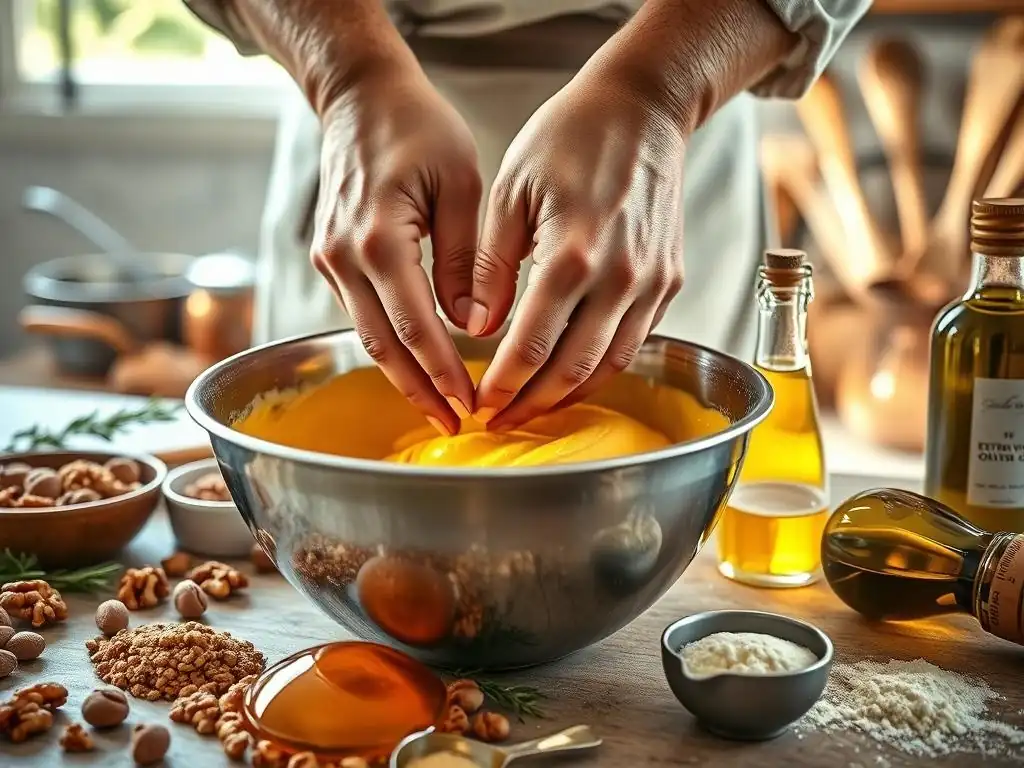
Working with fats and oils effectively goes beyond just measuring them correctly. Knowing how to handle them, prepare them, and store them can significantly impact the success of your fats oils baking recipes. Here are some practical tips to help you get the best results.
From getting butter to the perfect temperature quickly to ensuring your oils stay fresh, these simple techniques can make a big difference in your daily baking practice.
Softening Butter Quickly and Effectively
Many fats oils baking recipes, particularly for cakes and cookies, call for softened butter. This means butter that is pliable but still holds its shape, typically around 68-70°F (20-21°C). It should be easily indented with a finger without being greasy or melted. Softened butter is essential for creaming with sugar to incorporate air and create a light texture.
- Quick Softening Methods:
- Cut the butter into small cubes (about 1/2 inch or 1.5 cm) and let sit at room temperature for 15-30 minutes.
- Place the unwrapped butter between two sheets of plastic wrap and gently pound and roll it with a rolling pin until pliable.
- Microwave on a very low power setting (e.g., 10-20%) in short bursts (5-10 seconds), rotating the butter each time, until softened. Be careful not to melt it!
Preventing Oil Separation in Baking Recipes
Oil separation can sometimes occur in batters or finished baked goods, especially if the emulsion isn't stable or if the recipe is left to sit for too long before baking. This can result in a greasy layer on top or an uneven texture.
- Tips to Prevent Separation:
- Ensure all ingredients are at the correct temperature (often room temperature for liquids and fats) to help them emulsify properly.
- Follow mixing instructions carefully, especially steps involving emulsification (like adding oil gradually to a wet mixture).
- Avoid overmixing once wet and dry ingredients are combined, as this can break down the emulsion and overdevelop gluten.
- Bake batters promptly after mixing, especially if they contain oil, to prevent the oil from separating out over time.
Storing Fats and Oils to Maintain Freshness
Proper storage is key to keeping your fats and oils fresh and preventing them from going rancid, which can ruin the flavor of your fats oils baking recipes. Fats and oils can absorb odors and flavors from their surroundings, so airtight storage is important.
- Butter: Store butter in its original wrapping in the coldest part of the refrigerator. For longer storage (several months), wrap it tightly in plastic wrap and aluminum foil or place it in a freezer-safe container and freeze.
- Shortening/Lard: Store at cool room temperature or in the refrigerator in a tightly sealed container. They have a relatively long shelf life (several months at room temp, longer refrigerated).
- Vegetable Oils: Store in a cool, dark place away from heat and light, which can cause them to degrade and become rancid. A pantry cupboard is ideal. Tightly seal the cap after each use. Most oils are best used within 6-12 months of opening.
Exploring Healthy Fat Options for Baking
With growing interest in health and nutrition, many bakers are looking for ways to incorporate healthier fats into their fats oils baking recipes or reduce less desirable ones. While traditional fats like butter and shortening have their place, there are alternatives that can offer nutritional benefits while still providing good results.
Exploring these options allows you to adapt your favorite recipes or discover new ones that align with dietary preferences without sacrificing flavor or texture entirely. It's about making informed choices and understanding the potential impacts on your baked goods.
Using Avocado Oil for Heart-Healthy Baking
Avocado oil is a monounsaturated fat, similar in composition to olive oil, and is considered heart-healthy. It has a very mild, almost neutral flavor (especially refined avocado oil) and a high smoke point, making it a versatile option for baking where you would typically use vegetable oil.
Substituting avocado oil for canola or vegetable oil in cakes, muffins, or quick breads (like 1:1 by volume) is a simple way to add a source of beneficial monounsaturated fats to your fats oils baking recipes without significantly altering the taste or texture. It contributes moisture and tenderness effectively, much like other liquid oils.
Substituting with Nut Butters for Added Flavor and Nutrients
Nut butters like peanut butter, almond butter, or cashew butter can serve as partial or full fat substitutes in certain baking applications, particularly in cookies, brownies, and some quick breads. They add not only fat but also protein, fiber, and distinct nutty flavors, significantly changing the nutritional profile and taste.
Substituting nut butter for a portion of the solid fat (like butter or shortening) or liquid oil requires recipe adjustment, as nut butters also contain solids. A simple 1:1 substitution is often not direct; you might need to adjust other liquids or dry ingredients. Recipes specifically developed for using nut butters are best, but they offer a delicious way to incorporate different fats and nutrients into your fats oils baking recipes.
Reducing Saturated Fat in Baking Recipes: Using Applesauce
For those looking to reduce saturated fat and overall fat content in fats oils baking recipes, unsweetened applesauce is a popular substitute, particularly in muffins, quick breads, and some cakes. Applesauce replaces a portion of the fat (often 1/2 to 1/3 of the butter or oil) and adds moisture and natural sweetness.
While it reduces fat, applesauce does not contribute to tenderness or flakiness in the same way fat does. Baked goods made with applesauce as a fat substitute can sometimes be denser or gummier, and they won't brown as much. A common substitution is replacing half the fat with an equal amount of applesauce by volume (e.g., if a recipe calls for 1 cup oil, use 1/2 cup oil and 1/2 cup applesauce). This retains some of the fat's tenderizing properties while still reducing the overall fat content.
Even experienced bakers encounter issues, and often, the culprit can be related to how fats and oils were handled or used. Understanding the common problems associated with fats and oils in fats oils baking recipes can help you diagnose issues and prevent them in the future.
Let's look at some frequent frustrations in the kitchen and how they might be linked to the fats or oils you're using, along with potential solutions.
Greasy Baked Goods: Identifying the Cause and Solution
If your cookies spread into flat, greasy puddles or your muffins have a slick, oily texture, the amount or temperature of your fat is likely the issue.
- Possible Causes:
- Using too much fat relative to dry ingredients.
- Fat being too warm or melted when it should have been solid or softened. For cookies, using melted butter instead of softened butter will cause excessive spread.
- Overmixing after adding the fat, causing the emulsion to break.
- Incorrect oven temperature (too low can cause fat to melt too slowly or excessively before the structure sets).
- Solutions:
- Double-check your measurements.
- Ensure fats are at the correct temperature as specified in the recipe (cold for flaky doughs, softened for creaming, liquid for oil-based recipes).
- Mix just until combined when incorporating fat or liquids into dry ingredients.
- Verify your oven temperature with an oven thermometer.
Dry and Crumbly Baked Goods: Correcting Fat Deficiencies
Baked goods that are dry, tough, or excessively crumbly often lack sufficient fat or moisture. Fat contributes significantly to tenderness by interfering with gluten development and adding richness.
- Possible Causes:
- Not enough fat was used or measured incorrectly (too little).
- Substituting a low-fat option (like applesauce) for too much of the required fat without other recipe adjustments.
- Overmixing, leading to excessive gluten development that wasn't inhibited by fat.
- Too much dry ingredient (flour) relative to fat and liquid.
- Solutions:
- Ensure accurate measurement of fats.
- When substituting lower-fat options, start by replacing only a portion of the fat and be prepared for textural changes, or seek recipes designed for lower fat content.
- Mix batters and doughs gently, especially after adding flour, mixing only until combined.
- Check the balance of dry and wet ingredients in your recipe.
Sinking Cakes: Understanding the Role of Fat in Structure
While often attributed to leavening or oven temperature, the role of fat in cake structure is also significant. An imbalance of fat can contribute to a cake sinking in the center.
- Possible Causes:
- Too much fat in the recipe for the amount of flour and leavening, weighing down the structure.
- Fat (especially butter) being too cold when creamed with sugar, resulting in poor aeration which is crucial for lift.
- Emulsion breaking during mixing (e.g., adding cold eggs to creamed butter), leading to an unstable batter that can collapse.
- Solutions:
- Follow the recipe's fat measurements precisely.
- Ensure butter is properly softened (around 68-70°F or 20-21°C) before creaming to maximize air incorporation.
- Use room temperature eggs and add them gradually to creamed butter and sugar, mixing well after each addition to maintain a stable emulsion.
- Avoid opening the oven door too early, especially in the first two-thirds of the baking time, as sudden temperature changes can cause a fragile structure to collapse.
Frequently Asked Questions
What is the primary function of fats and oils in baking recipes?
Fats and oils contribute significantly to the texture and flavor of baked goods. They create moisture and tenderness, while also influencing the browning process.
How do different types of fats and oils affect the final product in baking?
Different fats and oils have varying melting points and fat content, which impact the texture and structure. For example, butter provides a rich flavor, while vegetable oil results in a tender crumb.
Can I substitute one type of fat or oil for another in baking recipes?
Substitutions are possible, but consider the flavor profile and fat content of the original ingredient. Adjustments might be needed to maintain the desired texture and moisture.
Are there healthier fat and oil options for baking?
Yes, options like olive oil, avocado oil, and unsweetened applesauce can be used to reduce the saturated fat content. However, be mindful of how these changes affect the overall flavor and texture.
How should I store fats and oils to maintain their quality for baking?
Store fats and oils in a cool, dark place to prevent rancidity. Some fats, like butter, may require refrigeration. Always check the expiration date for optimal results.
Final Reflection: Embracing the Essence of Fats and Oils in Baking
Understanding the role of fats and oils in baking is not just a matter of technique; it is a fundamental aspect that shapes the very essence of our baked goods. In today's culinary landscape, where the pursuit of texture, flavor, and nutrition is paramount, the significance of these ingredients cannot be overstated. The delicate balance they provide in recipes is what transforms simple mixtures into extraordinary creations, making them a crucial element for every baker to master.
Culturally and socially, the impact of fats and oils in baking extends far beyond the kitchen. They connect us to our heritage, evoke memories of family gatherings, and inspire creativity in our culinary endeavors. As we explore the nuances of these ingredients, we recognize their ability to influence not only the outcome of our recipes but also the way we experience food. Baking is both an art and a science, and understanding the role of each ingredient is key to unlocking the full potential of our creations.
This ongoing dialogue about fats and oils continues to shape our baking practices, encouraging us to innovate while honoring tradition.
As you reflect on the insights shared in this article, I invite you to embrace the transformative power of fats and oils in your own baking journey. Consider how these ingredients can elevate your recipes, enhance flavors, and create memorable experiences for those you share your creations with. Let this knowledge inspire you to experiment, to learn, and to savor the magic that happens when you blend art with science in the kitchen. Your next baking adventure awaits—make it a delicious one!
Unleash Your Inner Baking Whiz!
Thanks for diving into the world of fats and oils with us! We hope you gained a deeper appreciation for their crucial role in creating delicious baked goods. Now it's time to put your newfound knowledge into action!
- Experiment with different fats: Try substituting one fat for another in your favorite recipe (coconut oil for butter, anyone?). Note the texture and flavor differences – it's a delicious experiment!
- Share your baking triumphs (and challenges!): Let's build a community! Tell us about your experiences in the comments below – we'd love to hear how you're applying these tips.
- Explore our recipe collection: Discover even more ways to incorporate the power of fats and oils in your baking journey on BakeWithEase.com.
Ready to transform your baking game? What's the first fat you're going to experiment with today?