
Flour Facts Every Home Baker Needs to Know for Consistent Results

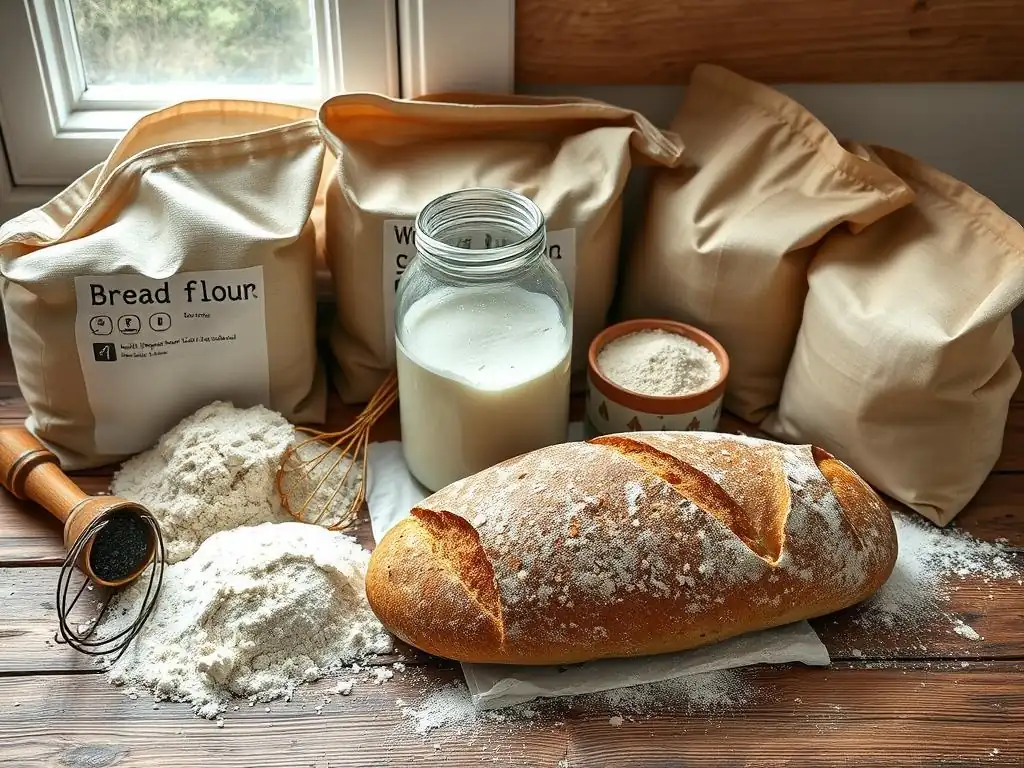
Welcome to BakeWithEase, your culinary companion on the journey to baking brilliance! Ever wondered if the type of flour you're using is the secret ingredient to achieving that perfect rise or tender crumb? This article dives deep into flour types for baking, unraveling the mysteries behind each variety and how they impact your delicious creations. Get ready to unlock the secrets to consistent and mouthwatering results – your baking adventures are about to get a whole lot easier!
- Understanding Flour Types for Baking: A Baker's Guide
- The Importance of Flour Selection in Baking
- Common Flour Types for Baking: An Overview
- Exploring Alternative Flour Options for Baking
- Mastering Flour Storage for Optimal Freshness
- Troubleshooting Baking Issues Related to Flour
- Choosing the Right Flour: A Quick Reference Guide
- Frequently Asked Questions
- Final Reflection: Mastering the Flour Power in Your Kitchen
- Unleash Your Inner Baking Whiz!
Understanding Flour Types for Baking: A Baker's Guide
Flour is arguably the most fundamental ingredient in baking, forming the structure of everything from delicate cakes to crusty breads. Understanding the different flour types for baking is crucial for achieving consistent and successful results in the kitchen. Each type of flour possesses unique characteristics, primarily determined by the type of wheat used, how it's milled, and its protein content. These factors directly influence how the flour behaves when mixed with liquids and subjected to heat, impacting the final texture, structure, and rise of your baked goods.
Navigating the world of different flours for baking might seem daunting at first, given the variety available on supermarket shelves. However, by learning about the key distinctions between common flour types and their specific applications, home bakers can make informed choices. This knowledge empowers you to select the best flour for a particular recipe, understand why certain flours are recommended, and even troubleshoot common baking issues related to flour selection.
The Importance of Flour Selection in Baking
Choosing the right flour type for baking is not merely a suggestion; it's a critical step that dictates much of the outcome of your recipe. The flour's composition, particularly its protein content, directly affects gluten development, which in turn influences the texture and structure of the final product. Using the wrong flour can lead to unexpected results, such as a dense cake when you intended a light and airy one, or a crumbly bread lacking chewiness.
Furthermore, different flours absorb liquid at varying rates and possess distinct flavors and nutritional profiles. A whole wheat flour, for instance, will behave differently and impart a nuttier taste compared to a refined white flour. Paying attention to the flour specified in a recipe and understanding why it's recommended is a cornerstone of successful baking. It allows you to predict how your dough or batter will behave and ensures that your baked goods turn out as intended, time after time.
How Flour Affects Baking Results: Gluten Development and Texture
The primary way flour impacts baking results is through gluten development. Gluten is a network formed when two proteins found in wheat flour, glutenin and gliadin, combine with liquid and are agitated (like during mixing or kneading). Gluten provides elasticity and structure to doughs and batters, allowing them to trap gases produced by leavening agents (like yeast or baking powder) and rise. Flours with higher protein content, like bread flour, develop stronger gluten networks, which are ideal for chewy breads.
Conversely, flours with lower protein content, such as cake flour, develop less gluten. This results in a weaker, more tender structure, perfect for delicate cakes and pastries where a light, fine crumb is desired. The amount of gluten developed directly correlates with the texture of the baked good – more gluten equals more chewiness and structure, while less gluten results in tenderness and a finer crumb. Understanding this relationship is key to mastering different flour types for baking.
Baking with Different Flours: Achieving Consistent Outcomes
Achieving consistent outcomes when using different flours for baking requires attention to their unique properties. Swapping one flour for another without understanding the potential impact on hydration, gluten development, and leavening can lead to unpredictable results. For example, substituting all-purpose flour for cake flour in a delicate sponge cake recipe will likely result in a tougher texture because the higher protein content of all-purpose flour creates a stronger gluten network than desired.
To bake consistently, it's best to follow the flour recommendation in a recipe, especially if you are new to it. If you need to substitute, research how the replacement flour will behave. You might need to adjust liquid amounts, mixing times, or even leavening agents. For instance, whole wheat flour absorbs more liquid than white flour due to the presence of the bran and germ, so recipes using it often require more hydration. By respecting the characteristics of various flour types for baking, you lay the foundation for reliable and delicious results every time.
Common Flour Types for Baking: An Overview
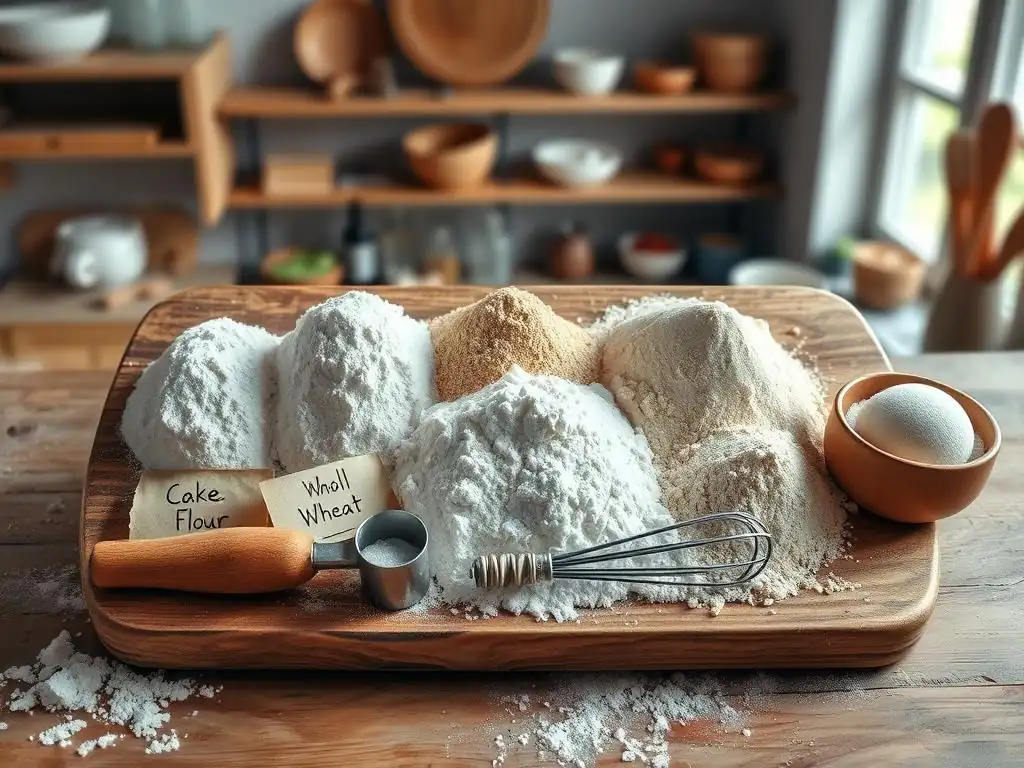
The world of flour types for baking is vast, but several common varieties form the backbone of most home baking. These flours differ primarily in their protein content and how they are processed, making each uniquely suited for different applications. Understanding these staples is the first step to expanding your baking repertoire and achieving optimal results in your kitchen.
From the versatile all-purpose flour that finds its way into countless recipes to specialized flours designed for specific baked goods like airy cakes or chewy breads, each type plays a distinct role. Getting to know the characteristics of these common flours will demystify many baking processes and help you troubleshoot issues that arise when a recipe doesn't turn out quite right.
All-Purpose Flour: The Versatile Baking Staple
All-purpose flour, often simply labeled "flour," is the most common and widely available flour type for baking in many parts of the world. It is a blend of hard and soft wheats, milled to achieve a moderate protein content that makes it suitable for a wide range of baking applications. This versatility is why it's called "all-purpose" – it can be used successfully in everything from cookies and cakes to breads and pastries, although it may not yield the absolute best results for items where a very specific texture (like extreme tenderness or chewiness) is paramount.
Its balanced protein level allows it to develop enough gluten for structure in breads and yeasted doughs, while still being tender enough for quick breads, muffins, and many types of cookies. For many novice bakers, starting with all-purpose flour is an excellent way to get comfortable with fundamental baking techniques before exploring more specialized flour types for baking.
All-Purpose Flour Protein Content and Baking Applications
All-purpose flour typically has a protein content ranging from about 10% to 12%. This moderate level allows for a decent amount of gluten development, making it adaptable for numerous recipes. For instance, it provides enough structure for a loaf of simple sandwich bread while remaining tender enough for a batch of chocolate chip cookies.
Due to its balanced protein, all-purpose flour is the go-to choice for countless recipes including pancakes, waffles, biscuits, scones, muffins, pies, and many cakes and cookies. While specialized flours might offer marginal improvements for specific items (e.g., cake flour for a truly tender cake crumb), all-purpose flour provides reliable performance across the board, making it an essential staple in any home baker's pantry.
Bleached vs. Unbleached All-Purpose Flour: What's the Difference?
All-purpose flour comes in two main forms: bleached and unbleached. The difference lies in how the flour is aged and whitened. Unbleached flour is naturally aged over time, which slightly oxidizes the protein and helps with gluten development. It has a slightly off-white or creamy color. Bleached flour is treated with chemical agents (like chlorine or benzoyl peroxide) to speed up the aging process and whiten the flour. This process can also slightly alter the protein structure and absorbency.
For most home baking applications, the difference between bleached and unbleached all-purpose flour is minimal and often undetectable in the final product. Some bakers feel unbleached flour has slightly better gluten-forming potential, making it marginally better for yeasted goods. Bleached flour, being slightly finer and softer, can sometimes be preferred for tender cakes and pastries. Unless a recipe specifically calls for one over the other, you can typically use either interchangeably when exploring flour types for baking.
Bread Flour: High Protein for Chewy Breads
Bread flour is a high-protein flour type for baking, specifically milled from hard wheat varieties. Its protein content typically ranges from 12% to 14%, significantly higher than all-purpose flour. This higher protein level is crucial for developing a strong, elastic gluten network necessary to produce chewy, well-structured breads with a good rise and an open crumb structure.
When kneaded, bread flour forms a very strong and pliable dough that can withstand the vigorous mixing required for bread making and effectively trap the carbon dioxide produced by yeast. If your goal is to bake artisan loaves, chewy bagels, or substantial sandwich breads, bread flour is often the preferred choice among different flours for baking.
Using Bread Flour to Achieve Optimal Gluten Strength
The key benefit of using bread flour is its ability to develop high gluten strength. To utilize this property effectively, doughs made with bread flour often require more vigorous and longer kneading compared to doughs made with lower-protein flours. This mechanical action helps the glutenin and gliadin proteins link together, forming a robust network that gives bread its characteristic chewiness and structure.
Proper hydration is also important when working with bread flour, as its higher protein means it can absorb more liquid than all-purpose flour. Recipes often specify higher hydration percentages when using bread flour to ensure the dough is not too stiff, allowing for better gluten development and a lighter crumb. Mastering the use of bread flour involves understanding how kneading and hydration work together to build optimal gluten strength for your yeasted bakes.
Bread Flour for Sourdough: A Baker's Secret Weapon
Bread flour is a favorite among sourdough bakers for good reason. The robust gluten network it provides is perfectly suited to the long fermentation times and high hydration often used in sourdough baking. A strong gluten structure helps the dough maintain its shape and trap the gases produced by the slow-acting wild yeast and bacteria in a sourdough starter, resulting in a well-risen loaf with a desirable open crumb.
While you can make sourdough with all-purpose flour, using bread flour often leads to a more predictable rise and a chewier texture, which many consider characteristic of classic sourdough bread. Its reliability in developing strong gluten makes it a go-to flour type for baking when aiming for professional-quality sourdough loaves at home.
Cake Flour: Low Protein for Tender Cakes
Cake flour is a finely milled, low-protein flour type for baking, typically derived from soft wheat. Its protein content is usually between 7% and 9%, the lowest among common wheat flours. This low protein level means it develops very little gluten when mixed, resulting in baked goods with an exceptionally tender, soft, and fine crumb – the hallmark of a great cake.
Cake flour is also often chlorinated, which further weakens the protein and alters the starch, allowing the flour to absorb more liquid and sugar than unbleached flours. This increased absorption contributes to a moist cake with a delicate structure. When a recipe calls for cake flour, it's usually because a light and airy texture is paramount.
Creating Delicate Cakes with Cake Flour
The key to creating delicate cakes with cake flour lies in its low gluten-forming potential. By minimizing gluten development, the flour prevents the cake from becoming tough or rubbery. Recipes designed for cake flour often use specific mixing methods, like the reverse creaming method, which coats the flour particles with fat before adding liquid, further inhibiting gluten formation and ensuring a tender result.
Using cake flour is particularly beneficial for cakes where a fine, soft crumb is desired, such as sponge cakes, chiffon cakes, and some butter cakes. While you can sometimes substitute all-purpose flour (often by removing a tablespoon or two per cup and replacing with cornstarch to approximate the protein level), using true cake flour provides the most reliable path to achieving that signature delicate texture.
When to Use Cake Flour in Baking Recipes
You should use cake flour in recipes specifically developed for it or when your primary goal is an extremely tender and fine-crumbed baked good. It is ideal for light and airy cakes, cupcakes, and sometimes used in biscuits or scones for a softer texture. Its properties make it less suitable for recipes requiring significant gluten development, like most breads.
Look for recipes that emphasize a "light," "airy," or "tender" texture, or those that specifically list cake flour as an ingredient. While it might not be as versatile as all-purpose flour, having cake flour on hand is essential if you frequently bake delicate desserts and want to achieve the best possible results with these specific flour types for baking.
Pastry Flour: Balancing Flakiness and Tenderness
Pastry flour strikes a balance between cake flour and all-purpose flour in terms of protein content, typically falling between 8% and 10%. This moderate-low protein level allows it to develop enough gluten for some structure, but not so much that it becomes tough. It's milled from soft wheat, like cake flour, but is less finely ground and usually not chlorinated.
This unique protein range makes pastry flour perfect for baked goods that require a balance of flakiness and tenderness, such as pie crusts, tarts, biscuits, and some cookies. It provides just enough structure to hold layers (like in puff pastry) while ensuring a tender bite, making it a specialized but valuable flour type for baking.
Achieving Perfect Pastries with Pastry Flour
Pastry flour is designed to create doughs that are tender yet workable, essential for rolling and shaping without becoming tough. When making pie crusts or biscuits, the goal is to develop just enough gluten to hold the dough together, but not so much that it becomes elastic and shrinks when baked. The protein content of pastry flour is ideally suited for this delicate balance.
For flaky pastries like puff pastry or croissants, pastry flour provides sufficient structure to support the layers of butter and dough, allowing them to puff up beautifully while maintaining a tender interior. Using pastry flour helps ensure that your pastries are melt-in-your-mouth tender and wonderfully flaky, achieving results that can be harder to replicate with higher-protein flours.
Pastry Flour vs. All-Purpose Flour: Understanding the Nuances
While you can often make decent pastries with all-purpose flour, pastry flour offers a noticeable advantage. All-purpose flour's higher protein content (10-12%) means it will develop more gluten than pastry flour (8-10%) under the same mixing conditions. This can result in tougher pie crusts or less tender biscuits if not handled carefully.
Using pastry flour minimizes the risk of overdeveloping gluten, making it easier to achieve that desired tender and flaky texture. While not as common in home kitchens as all-purpose or bread flour, pastry flour is a worthwhile addition for bakers who frequently make pies, tarts, or biscuits and want to elevate the quality of these specific flour types for baking.
Self-Rising Flour: Convenience and Considerations
Self-rising flour is a pre-mixed flour type for baking that contains all-purpose flour, a leavening agent (typically baking powder), and salt. This blend is designed for convenience, allowing bakers to quickly whip up certain recipes without measuring out separate leavening and salt. It's particularly popular for quick breads like biscuits, scones, pancakes, and some simple cakes.
While convenient, self-rising flour is not a direct substitute for all-purpose flour in all recipes. The amount of leavening and salt is pre-determined, which might not match the proportions required for recipes designed for plain flour where these ingredients are added separately. Understanding its composition is key to using it effectively among the various flour types for baking.
Understanding Self-Rising Flour Ingredients: Leavening Agents
The standard ratio in self-rising flour is generally considered to be about 1 ½ teaspoons of baking powder and ¼ teaspoon of salt per cup of all-purpose flour (about 125 grams). The leavening agent, usually double-acting baking powder, reacts with liquid and heat to produce carbon dioxide gas, causing the baked good to rise.
The salt in the mixture not only adds flavor but also helps regulate the leavening action. Because these ingredients are already present, using self-rising flour means you should omit the baking powder and salt called for in a recipe that specifies plain flour. This pre-measured blend simplifies the baking process for certain items, making it a handy option when time is short.
Best Uses for Self-Rising Flour in Baking
Self-rising flour is best used in recipes specifically formulated for it or in simple quick bread recipes where the standard leavening and salt ratio is appropriate. It excels in recipes like traditional Southern biscuits, some muffin recipes, pancakes, and simple tea cakes. Its convenience makes it a good choice for beginners tackling these types of baked goods.
However, it is generally not recommended for yeast breads, complex cakes, or recipes where precise control over leavening is critical, such as delicate meringues or macarons. Using self-rising flour in recipes that don't call for it can lead to incorrect leavening, resulting in bakes that don't rise properly or have an off-flavor from too much baking powder or salt.
Exploring Alternative Flour Options for Baking
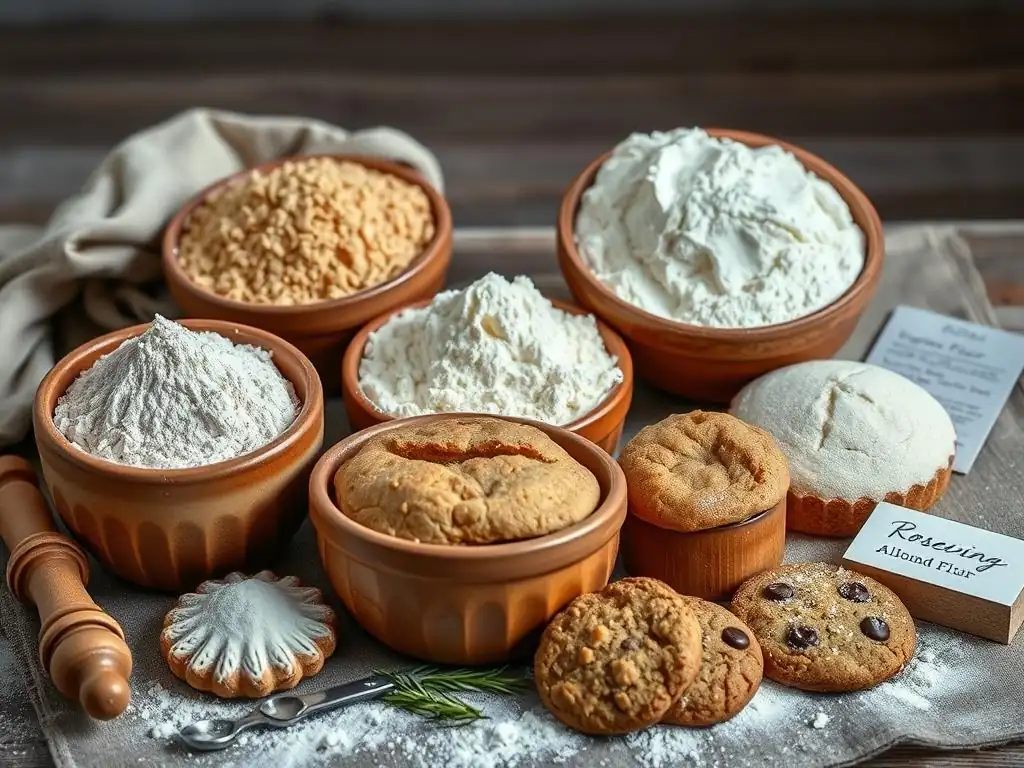
Beyond the common wheat-based flour types for baking, there's a growing world of alternative flours made from different grains, nuts, seeds, or roots. These flours offer unique flavors, textures, and nutritional profiles, catering to dietary needs (like gluten-free) or simply adding variety to your bakes. Exploring these options can open up new possibilities in your home baking.
From the hearty nature of whole wheat flour to the diverse textures of gluten-free blends and the distinct taste of rye, alternative flours require different handling techniques compared to traditional white wheat flours. Incorporating them successfully into your baking often involves understanding their unique properties and how they interact with other ingredients.
Whole Wheat Flour: Nutritious and Flavorful Bakes
Whole wheat flour is milled from the entire wheat berry, including the bran, germ, and endosperm, unlike white flour which only uses the endosperm. This inclusion of all parts of the grain makes whole wheat flour more nutritious, containing more fiber, vitamins, and minerals. It also imparts a heartier texture and a distinct, nutty flavor to baked goods.
Due to the presence of bran and germ, whole wheat flour has higher protein content than all-purpose flour, often ranging from 13% to 15%. However, the sharp edges of the bran particles can interfere with gluten development by cutting the gluten strands. This often results in denser baked goods compared to those made with white flour, requiring adjustments in recipes to achieve a lighter texture.
Baking with Whole Wheat Flour: Tips for Success
Baking with whole wheat flour requires slightly different techniques than using white flour. Because it absorbs more liquid, you often need to increase the hydration in a recipe. Allowing the dough or batter to rest after mixing helps the bran soften and absorb moisture, leading to a more tender result.
To counteract the interference with gluten development, some recipes might call for a mix of whole wheat and white flour, or suggest techniques like autolysing (resting the dough after initial mixing of flour and water) to encourage hydration and gluten formation before adding other ingredients. Using a scale for accurate measurement is also crucial, as whole wheat flour is less dense than white flour and compacts differently in measuring cups.
Whole Wheat Flour Variations: White Whole Wheat and Stone-Ground
There are variations of whole wheat flour available. "White whole wheat flour" is milled from a different variety of white wheat (instead of the traditional red wheat) but still includes the entire berry. It has a lighter color and milder flavor than regular whole wheat flour, making it a good entry point for those new to whole wheat baking, while still offering the nutritional benefits.
"Stone-ground whole wheat flour" is milled using traditional stone mills, which often results in a coarser texture compared to roller-milled flours. The larger particles of bran and germ can further impact gluten development and texture. Understanding these variations within the realm of whole wheat flour types for baking allows you to choose the best option for your desired outcome.
For individuals with celiac disease or gluten sensitivity, or those choosing a gluten-free diet, gluten-free flour blends are essential flour types for baking. Since they lack gluten, these blends rely on a mix of different flours, starches, and sometimes gums (like xanthan or guar gum) to mimic the structure-building properties of wheat flour.
These blends are typically a combination of flours made from grains like rice (white and brown), sorghum, millet, and corn; starches like tapioca, potato, and cornstarch; and sometimes nut or seed flours like almond or sunflower seed flour. The specific composition of a blend will affect its flavor, texture, and how it behaves in different recipes.
Common Gluten-Free Flours: Almond, Rice, and Tapioca Flour
Several individual flours are commonly used in gluten-free baking or as components in blends. Almond flour, made from ground almonds, adds moisture, richness, and a slightly sweet, nutty flavor. It's popular for cakes, cookies, and macarons but doesn't provide much structure on its own.
Rice flour (white or brown) is a staple base for many blends, offering a neutral flavor but can sometimes result in a slightly gritty texture. Tapioca flour (or starch), derived from the cassava root, is a common starch used for thickening and adding chewiness and crispness to baked goods, often used in combination with other gluten-free flours.
Gluten-Free Flour Blend Recipes for Baking
Many home bakers create their own gluten-free flour blends to tailor them to specific recipes or preferences. A common approach is to combine a base flour (like rice or sorghum), a secondary flour (like millet or almond), and a starch (like tapioca or potato starch), often with the addition of a gum. For example, a simple blend might be 2 parts brown rice flour, 1 part white rice flour, 1 part tapioca starch, and ½ teaspoon xanthan gum per cup of blend.
Pre-made gluten-free flour blends are also widely available and offer convenience. However, it's important to note that different commercial blends vary significantly in their composition, which can lead to different results in the same recipe. When baking gluten-free, using a blend recommended by the recipe developer or sticking to one brand consistently is often the best approach for reliable outcomes.
Rye Flour: Adding Depth of Flavor to Breads and More
Rye flour, milled from rye grain, is a distinct flour type for baking known for its robust, slightly tangy, and earthy flavor. It's a staple in many European bread traditions, particularly for dense, hearty loaves. Rye flour contains gluten, but the glutenin and gliadin proteins are structured differently than in wheat, and it also contains pentosans, which are water-binding carbohydrates that inhibit gluten development.
This means that rye doughs tend to be stickier and denser than wheat doughs and don't develop the same elastic gluten network. As a result, breads made with a high percentage of rye flour are typically denser and have a tighter crumb structure than wheat breads. Rye flour comes in different grades, from light (finely sifted, less bran/germ) to dark (whole grain, more bran/germ), each impacting flavor and texture.
Baking with Rye Flour: Understanding its Unique Properties
Baking with rye flour requires an understanding of its unique properties. Due to the pentosans, rye flour absorbs a significant amount of water, and doughs can feel sticky. The limited gluten development means that rye breads often rely more on starter or yeast activity and techniques like using a pre-ferment (like a sourdough starter or a sponge) to build structure and flavor.
Using a high percentage of rye flour (e.g., 50% or more) will result in a dense loaf. For lighter rye breads, rye flour is often combined with stronger wheat flour like bread flour. The distinctive flavor of rye pairs well with caraway seeds, molasses, and other ingredients commonly found in traditional rye bread recipes.
Rye Flour in Sourdough and Other Bread Recipes
Rye flour is a popular addition to sourdough starters and bread recipes. Adding a percentage of rye flour to a wheat-based sourdough starter can make it more vigorous and add a desirable tangy complexity to the final bread's flavor. Many mixed-flour sourdough recipes incorporate rye for its unique taste and contribution to crumb structure.
Beyond sourdough, rye flour is used in various traditional breads like pumpernickel (often made with dark rye and long, slow baking), as well as in lighter sandwich loaves and rolls when combined with wheat flour. Its distinct flavor profile makes it a valued flour type for baking when seeking to create breads with character and depth.
Mastering Flour Storage for Optimal Freshness
Proper storage is just as important as choosing the right flour types for baking. Flour is a pantry staple, but it is perishable. Improper storage can lead to spoilage, pest infestations, and off-flavors, ruining your baked goods before you even start mixing. Taking a few simple steps can significantly extend the shelf life of your flour and ensure it remains fresh and potent.
Understanding the factors that contribute to flour spoilage – primarily moisture, air, light, and temperature – allows you to create the ideal storage environment. This helps protect the quality of the flour, preserving its baking performance and preventing waste. Effective storage is a key habit for any serious home baker using various flour types for baking.
Proper Flour Storage Techniques: Keeping Flour Fresh
The best way to store flour is in a cool, dark, and dry place. Heat and moisture are the enemies of flour, promoting oxidation and potential mold growth. A pantry or cupboard away from the oven or direct sunlight is ideal. Once opened, transfer flour from its original paper bag into an airtight container.
Airtight containers made of plastic, glass, or metal protect the flour from moisture, odors, and pantry pests. For longer-term storage, especially for whole wheat or alternative flours which contain more oils (in the germ) that can go rancid, the refrigerator or freezer is recommended. Storing flour in the freezer can extend its shelf life significantly.
Identifying and Preventing Flour Spoilage
Spoiled flour can manifest in several ways. A rancid or unpleasant odor (sometimes described as musty or like old nuts) is a key indicator, particularly for whole grain flours. Discoloration or the presence of mold are obvious signs it should be discarded. Infestation by pantry pests, like flour beetles or moths, is another common issue resulting from improper storage.
Preventing spoilage starts with buying flour from a source with good turnover and checking the expiration date. Upon opening, immediately transfer to an airtight container. Regularly inspect your stored flour for any signs of pests or off-odors. Cleaning storage areas periodically and storing flour away from other susceptible dry goods can also help prevent cross-infestation.
Extending Flour Shelf Life: Tips and Tricks
While white all-purpose flour stored properly in a pantry might last 6-12 months, whole wheat and gluten-free flours have a shorter shelf life, typically 3-6 months in the pantry, due to their higher oil content which is prone to rancidity. Refrigeration can extend this to 6-12 months, and freezing can keep flour fresh for up to 2 years or even longer.
- Tip 1: Label your containers with the type of flour and the date you opened it.
- Tip 2: For freezer storage, ensure the container is truly airtight to prevent freezer burn and condensation.
- Tip 3: When using frozen flour, allow it to come to room temperature before measuring, as cold flour can affect dough temperature and hydration.
- Tip 4: If you bake infrequently, buy smaller quantities of flour to ensure you use it within its optimal freshness window.
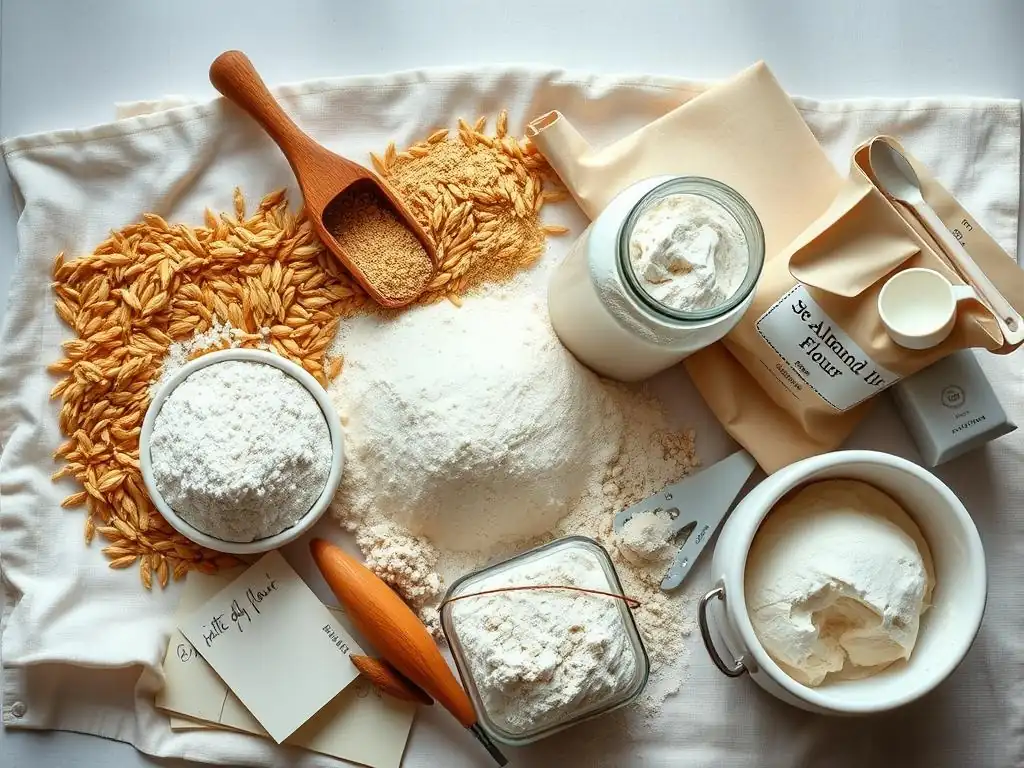
Even with the right flour types for baking, issues can arise. Understanding how flour behaves and common problems associated with its use can help you diagnose and fix baking mishaps. Many common baking failures, such as dense cakes or tough breads, can be traced back to factors related to the flour itself or how it was handled.
By learning to recognize the symptoms of flour-related problems, you can adjust your technique or ingredients in future bakes. Troubleshooting is an integral part of becoming a better baker, and flour is often at the heart of the matter.
A dense cake, lacking the desired light and airy texture, can often be linked to flour issues. One common cause is using a flour with too high a protein content, such as all-purpose or bread flour, instead of lower-protein cake flour. This leads to excessive gluten development, creating a tough, dense crumb.
Another cause can be overmixing the batter after the flour has been added. This further develops the gluten network, even with lower-protein flours. Using too much flour, or packing the flour into the measuring cup instead of spooning it lightly, also adds excess dry ingredient, leading to a heavy, dense result. Ensuring accurate measurement and gentle mixing once the flour is incorporated are key steps to avoid this issue.
Tough Bread: Understanding Gluten Overdevelopment
While gluten development is desirable in bread making, overdeveloping it can lead to tough, rubbery bread. This often happens when bread dough is kneaded for too long, especially with high-protein flour types for baking like bread flour. The gluten network becomes too tight and resistant, resulting in a dense texture that lacks tenderness.
Overmixing in a stand mixer is a common culprit; hand kneading provides more tactile feedback, making it easier to gauge when the gluten is sufficiently developed (the dough should be smooth, elastic, and pass the windowpane test). Using flour that is too low in protein for a chewy bread (like cake flour) can also result in a poor, tough texture because it lacks the necessary structure.
While many cookie recipes call for all-purpose flour, using a flour with too low a protein content, such as pastry flour or even cake flour, can sometimes contribute to flat, overly spread cookies, especially if the recipe isn't specifically formulated for it. Lower protein means less structure to hold the cookie's shape as it bakes and the fat melts.
Conversely, using too high a protein flour (like bread flour) can result in cookies that are too thick and don't spread enough, with a tougher texture. The sweet spot for most cookies lies with all-purpose flour, which provides enough structure for spread control while maintaining tenderness. If your cookies are consistently flat, double-check the type of flour types for baking you are using and ensure it matches the recipe's intention.
Choosing the Right Flour: A Quick Reference Guide
With the variety of flour types for baking available, having a quick reference can be incredibly helpful when selecting the best one for your recipe. Matching the flour type to the intended outcome is a fundamental skill that ensures baking success. This guide summarizes common flours and their best uses.
Remember that while substitutions are sometimes possible, using the flour specified in a recipe, especially one you haven't tried before, is the most reliable way to achieve the desired results. Experimentation can come later once you understand the basics of how different flours for baking behave.
Flour Type Cheat Sheet: Flour Type - Best Use - Protein Content
Here is a quick cheat sheet summarizing the key characteristics of common flour types for baking:
- All-Purpose Flour
- Best Use: Cookies, muffins, quick breads, pie crusts, general baking
- Protein Content: ~10-12%
- Bread Flour
- Best Use: Yeasted breads, bagels, pizza dough, pretzels, sourdough
- Protein Content: ~12-14%
- Cake Flour
- Best Use: Delicate cakes, sponge cakes, cupcakes, some biscuits
- Protein Content: ~7-9%
- Pastry Flour
- Best Use: Pie crusts, tarts, biscuits, scones, some cookies
- Protein Content: ~8-10%
- Self-Rising Flour
- Best Use: Biscuits, scones, pancakes (in specific recipes)
- Protein Content: ~10-12% (plus leavening/salt)
- Whole Wheat Flour
- Best Use: Hearty breads, muffins, cookies, pancakes (often mixed with white flour)
- Protein Content: ~13-15% (bran/germ impacts gluten)
- Gluten-Free Blends
- Best Use: Gluten-free versions of various baked goods (cakes, cookies, bread)
- Protein Content: Varies widely depending on blend components
- Rye Flour
- Best Use: Rye breads (often mixed with wheat flour), sourdough starter
- Protein Content: ~7-16% (structure impacted by pentosans)
Matching Flour to Recipe: Ensuring Baking Success
Successfully matching the flour type for baking to your recipe's requirements is a critical step towards consistent results. Ask yourself what kind of texture the final product should have: chewy and structured, or tender and delicate? This will guide your flour choice.
For example, if a recipe aims for a light, airy cake, cake flour is the clear choice. If it's a crusty, chewy loaf of bread, bread flour is likely needed. For general-purpose items like muffins or cookies where a balanced texture is desired, all-purpose flour works well. Consulting the recipe's instructions and understanding the role each flour type for baking plays will set you on the path to baking success.
Frequently Asked Questions
What is the most versatile type of flour for general baking purposes?
All-purpose flour is considered the most versatile. It's a blend of hard and soft wheat, offering a good balance for a variety of recipes, making it a reliable choice for many home bakers.
Why does the type of flour matter in baking?
Different flours have varying protein contents, which affects gluten development. Gluten impacts the structure and texture of baked goods, making flour selection essential for achieving desired results.
What is the difference between bread flour and all-purpose flour?
Bread flour has a higher protein content than all-purpose flour. This higher protein leads to more gluten formation, resulting in chewier breads with a stronger structure.
Can I substitute different types of flour in a recipe?
While sometimes possible, substitutions can significantly alter the outcome. It's important to understand how each flour type behaves and adjust the recipe accordingly, if necessary.
What is cake flour, and when should I use it?
Cake flour is a very fine flour with a low protein content. It's ideal for creating tender and delicate cakes and pastries due to its reduced gluten development.
Final Reflection: Mastering the Flour Power in Your Kitchen
Understanding the nuances of flour is not just about following recipes; it's about unlocking the potential for consistently delicious baked goods. The seemingly simple ingredient of flour holds the key to unlocking perfectly textured cakes, flawlessly crisp cookies, and airy breads. Ignoring the subtle differences between flour types can lead to frustrating inconsistencies, but embracing this knowledge empowers you to become a truly confident baker.
The impact of flour choice extends far beyond the individual kitchen; it speaks to a deeper connection with food production and the artistry of baking. Understanding the origins and properties of different flours allows us to appreciate the craftsmanship involved in transforming simple grains into culinary delights. Baking is at once child's play and adult joy. And it offers immediate gratification.
– Paul Hollywood. This quote perfectly encapsulates the satisfaction of mastering the fundamentals, like flour selection, and seeing the tangible results in your baking.
Now, it's your turn to experiment! Don't be afraid to explore different flour types, to test recipes, and to discover your own preferences. Each batch is a learning opportunity, a chance to refine your technique and deepen your understanding of this fundamental ingredient. Embrace the journey, celebrate the successes, and learn from the occasional mishaps – for within each loaf, cookie, or cake lies the potential for delicious discovery.
Unleash Your Inner Baking Whiz!
Thanks for diving into the world of flour with us! We hope you now feel empowered to conquer even the most challenging baking recipes. Ready to put your new flour knowledge to the test?
- Master your next bake: Try experimenting with different flour types based on the recipes you already love. Note the changes in texture and taste – you might discover a new favorite!
- Share your flour wisdom: Tell us about your flour-related successes (or even your flour-related mishaps!) in the comments below. Let's learn from each other!
- Explore our other baking guides: Dive deeper into the BakeWithEase library for more tips and tricks to become a true baking pro.
So, what flour adventure will you embark on first?