
Beyond Vanilla: Unexpected Flavor Pairings for Chocolate Bakes

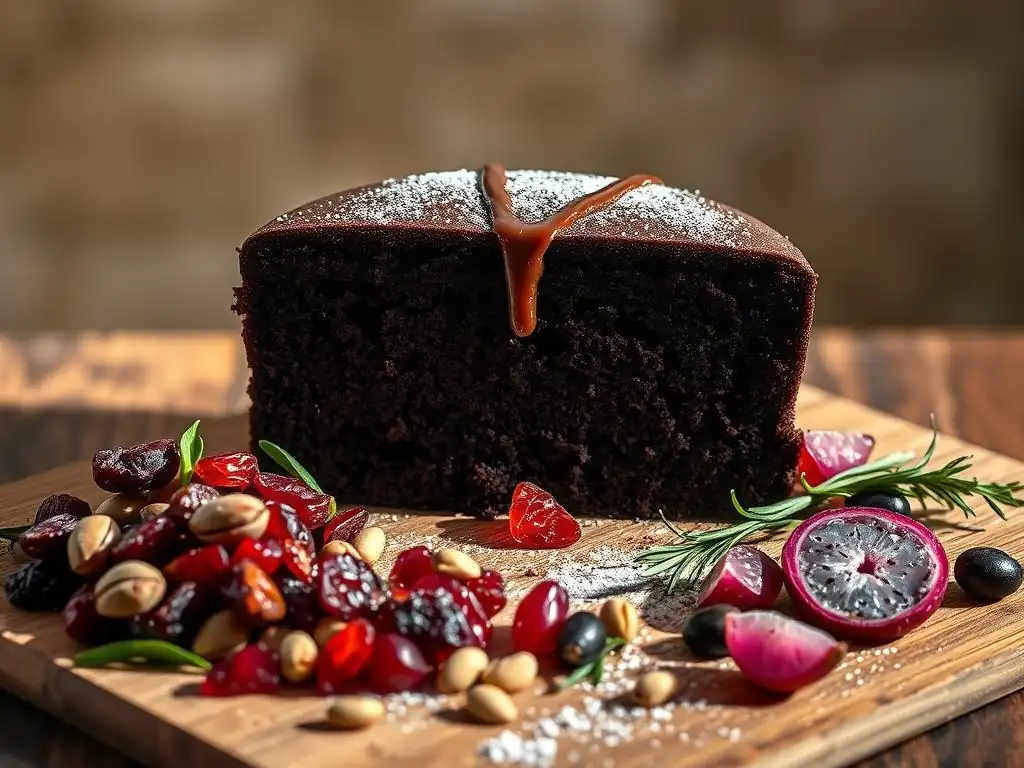
Welcome to BakeWithEase, your kitchen companion for all things baking! Ever wondered what truly elevates a chocolate cake from ordinary to extraordinary? Prepare to unlock a world of unexpected delight as we delve into the art of chocolate cake flavor combinations. Discover surprising pairings that will tantalize your taste buds and transform your baking. Intrigued? Read on to uncover the secrets to creating truly unforgettable chocolate bakes!
- Introduction: Elevating Your Chocolate Baking with Unique Flavors
- Chocolate Flavor Combinations: A World of Possibilities
- Tips for Successful Chocolate Flavor Pairings
- Conclusion: Embrace the Unexpected in Your Chocolate Baking
-
Frequently Asked Questions
- What are some unexpected flavor pairings that work well with chocolate cake?
- Where can I find easy-to-follow recipes for chocolate cake with unique flavor combinations?
- Are there any specific techniques I should know when adding unconventional flavors to chocolate cake?
- What kind of ingredients do I need to consider to create different flavor combinations for chocolate cake?
- How does BakeWithEase.com help beginners explore chocolate cake flavor combinations?
- Final Reflection: Unlocking the Symphony of Chocolate
- Unleash Your Inner Chocolate Alchemist!
Introduction: Elevating Your Chocolate Baking with Unique Flavors
Why Experiment with Chocolate Flavor Combinations?
Chocolate is a beloved ingredient in baking, a staple that brings richness and depth to countless desserts. While classic chocolate cake flavor combinations like vanilla and milk chocolate are comforting and popular, sticking solely to these can limit your creative potential. Experimenting with different flavor pairings opens up a world of exciting possibilities, transforming familiar chocolate treats into extraordinary culinary experiences. It's about pushing boundaries, surprising your taste buds, and discovering new dimensions of flavor that can elevate your baking from good to truly exceptional.
Stepping outside the box with chocolate cake flavor combinations allows you to cater to a wider range of palates and occasions. Imagine a decadent dark chocolate cake infused with a hint of spice, or a creamy milk chocolate mousse brightened by a burst of citrus. These unique pairings aren't just novel; they can enhance the inherent qualities of the chocolate itself, highlighting its bitterness, sweetness, or fruitiness in unexpected ways. It's a journey of culinary discovery that invites you to play with ingredients and techniques, ultimately making your baking more personal and exciting.
The Allure of Unexpected Chocolate Pairings
There's a certain magic in the harmony created when seemingly disparate flavors come together beautifully. Unexpected chocolate cake flavor combinations often work by leveraging contrasting elements – sweetness against heat, richness against acidity, or bitterness against floral notes. This interplay creates a complex and memorable taste experience that simple pairings might lack. Think about the popular combination of sea salt and caramel with chocolate; the saltiness doesn't just contrast the sweetness but also intensifies the caramel and chocolate flavors, proving that opposites can indeed attract in the kitchen.
Exploring these less common chocolate cake flavor combinations also sets your baked goods apart. In a world saturated with standard chocolate desserts, a unique flavor profile can make your creation stand out, whether it's for a special event, a bake sale, or simply a treat for loved ones. It shows thoughtfulness and creativity, turning a simple dessert into a conversation piece. The initial surprise of an unusual pairing quickly gives way to delight as the complex flavors unfold on the palate, leaving a lasting impression.
Chocolate Flavor Combinations: A World of Possibilities
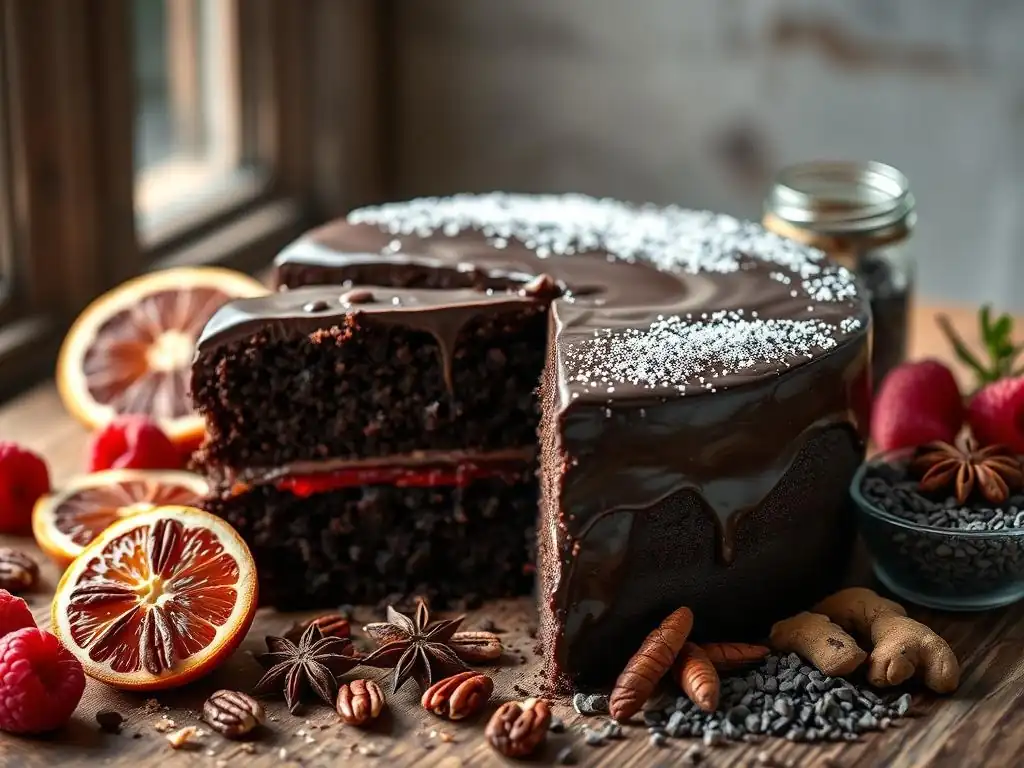
Fruit and Chocolate: A Match Made in Baking Heaven
Fruit and chocolate have a long-standing relationship in the culinary world, but moving beyond the usual suspects can reveal delightful new chocolate cake flavor combinations. The acidity and freshness of fruit provide a wonderful counterpoint to the richness and sweetness of chocolate, creating a balanced and vibrant dessert. Whether baked into a cake, swirled into a mousse, or paired in a ganache, fruit adds moisture and often a pleasant tanginess that cuts through the chocolate's intensity.
Consider a dark chocolate tart with a vibrant raspberry filling, or a milk chocolate loaf cake studded with dried cherries. The natural sugars in the fruit caramelize slightly during baking, enhancing their sweetness, while their inherent tartness prevents the dessert from becoming cloying. Approximating data suggests that fruit-based chocolate desserts remain consistently popular, with berry and citrus pairings frequently topping preference surveys, though less common fruits are gaining traction among adventurous bakers.
Citrus Zest: Brightening Dark Chocolate Cakes
Citrus zest, particularly from oranges, lemons, and limes, offers an intense aromatic oil that pairs beautifully with dark chocolate. The bright, slightly bitter, and fragrant notes of the zest cut through the deep, often slightly bitter, flavor of dark chocolate, creating a sophisticated and refreshing combination. A small amount of finely grated zest can dramatically lift the flavor profile of a dense chocolate cake or a rich chocolate ganache.
For example, adding the zest of one large orange to a standard 8-inch dark chocolate cake batter can infuse the entire cake with a subtle, elegant citrus aroma and taste. This isn't about making the cake taste like orange; it's about using the zest to highlight and complement the chocolate's complexity.
Lime zest offers a sharper, more acidic note, perfect for pairing with very dark or even unsweetened chocolate, while lemon zest provides a classic brightness that works well with milk or semi-sweet chocolate. The essential oils in the zest are potent, so a little goes a long way in creating a noticeable, yet harmonious, flavor enhancement.
Berry Bliss: Pairing Chocolate with Raspberries, Strawberries, and Blackberries
Berries are perhaps the most classic fruit pairing with chocolate, and for good reason. Their natural tartness and vibrant juiciness provide a perfect contrast to the richness of chocolate. Raspberries, with their intense sweet-tart flavor, are a particularly popular choice, often appearing in chocolate tarts, mousses, and cakes. Strawberries offer a sweeter, milder flavor that pairs well with both milk and dark chocolate, while blackberries provide a deeper, slightly earthier note.
Using freeze-dried berry powder can intensify the berry flavor in frostings or cake batters without adding excess moisture. Approximately 1/4 cup of freeze-dried raspberry powder can add a punchy berry flavor to a standard batch of chocolate buttercream. Fresh berries can be folded into batters (though they may sink) or used as a stunning and flavorful garnish. A dark chocolate torte topped with a mix of fresh raspberries and blackberries is not only visually appealing but offers a delightful interplay of textures and flavors, making it a prime example of effective chocolate cake flavor combinations.
Stone Fruit Sensations: Apricots, Peaches, and Plums with Chocolate
Stone fruits like apricots, peaches, and plums might seem less intuitive partners for chocolate than berries, but their unique sweetness and slight tang offer fascinating chocolate cake flavor combinations. When roasted or gently cooked, stone fruits develop a deeper, caramelized sweetness that complements chocolate beautifully, especially darker varieties. Dried apricots, with their concentrated sweetness and chewiness, are particularly effective when chopped and folded into chocolate cookie dough or muffins.
Consider a dark chocolate cake layered with a roasted apricot compote. The natural sugars in the apricots caramelize slightly during roasting, enhancing their sweetness and creating a jam-like texture that pairs wonderfully with the dense chocolate. Peaches, especially when ripe, offer a delicate sweetness and aroma that works surprisingly well with milk chocolate, perhaps in a crumble or a light mousse. Plums, with their varying degrees of sweetness and tartness depending on the variety, can add a sophisticated depth to chocolate tarts or cakes, providing a pleasant counterpoint to the richness.
Spice Up Your Chocolate: Unexpected Spice Pairings
Spices offer an incredible range of aromatic and flavor profiles that can transform chocolate bakes in unexpected ways. Beyond the usual suspects like cinnamon, exploring spices can lead to truly unique and memorable chocolate cake flavor combinations. Spices can add warmth, heat, complexity, or subtle aromatic notes that enhance the chocolate without overpowering it.
Integrating spices effectively requires understanding their potency and how they interact with the fats and sugars in chocolate. A pinch too much can dominate, while the right amount can elevate the entire dessert. For example, a hint of ground cardamom in a chocolate lava cake can add an exotic, fragrant layer, while a touch of cayenne pepper can introduce a thrilling warmth that lingers after each bite. The key is often subtlety – using spices to complement, not compete with, the chocolate flavor.
Chili Chocolate: A Warm and Spicy Kick
The combination of chili and chocolate is a classic example of how contrasting flavors can create a captivating experience. The capsaicin in chili peppers provides a gentle warmth or even a pronounced heat that follows the initial sweetness and richness of the chocolate. This pairing, rooted in ancient traditions (like the Mayan use of cocoa with chili), offers a sophisticated and intriguing chocolate cake flavor combination.
A small pinch of cayenne pepper or ancho chili powder added to a dark chocolate ganache or a chocolate brownie batter can create a delightful warming sensation. For a more pronounced heat, consider infusing cream with dried chilies before making a ganache or adding finely minced fresh chili (like a jalapeño, with seeds removed for less heat) to a chocolate sauce.
The intensity of the heat should be balanced with the sweetness and bitterness of the chocolate; a common ratio might involve 1/4 teaspoon of cayenne per 8 ounces of dark chocolate, though this can be adjusted to personal preference.
Cardamom's Complexity: An Aromatic Chocolate Enhancement
Cardamom, with its complex, slightly floral, and citrusy notes, is an often-overlooked spice that pairs beautifully with chocolate. Its aromatic quality adds a layer of sophistication that can elevate simple chocolate cake flavor combinations. Green cardamom pods, freshly ground, offer the most vibrant flavor.
Adding 1/2 teaspoon of ground cardamom to a standard 9-inch chocolate cake batter can infuse the cake with a subtle, fragrant aroma. For a more intense flavor, steep crushed cardamom pods in milk or cream before incorporating it into a chocolate sauce, pudding, or ganache. This spice works particularly well with milk and semi-sweet chocolates, bringing out their creamy notes while adding an unexpected, exotic twist. Cardamom chocolate truffles or a chocolate pound cake with a hint of cardamom are excellent ways to explore this aromatic pairing.
Cinnamon and Chocolate: A Classic Combination, Elevated
While cinnamon and chocolate is a well-established pairing, there are ways to elevate this classic chocolate cake flavor combination. The type of cinnamon used can make a significant difference. Ceylon cinnamon, often considered "true" cinnamon, offers a milder, more nuanced flavor than the more common Cassia cinnamon. Using different forms, like cinnamon sticks steeped in liquids or ground cinnamon swirled into batters, also impacts the final taste.
Beyond simply adding ground cinnamon to batter, consider infusing milk or cream with a cinnamon stick for a chocolate sauce or ganache. This imparts a deeper, more rounded cinnamon flavor. Swirling a mixture of cinnamon and sugar into a chocolate brownie batter before baking creates pockets of caramelized spice. A dark chocolate cake with a hint of cinnamon and a touch of espresso powder is a prime example of how this classic pairing can be made more complex and exciting, demonstrating that even familiar chocolate cake flavor combinations can be reinvented.
Herbaceous Harmony: Unconventional Herb Pairings for Chocolate
Herbs are not typically the first ingredients that come to mind when thinking about chocolate desserts, but their fresh, often savory notes can create surprisingly harmonious and sophisticated chocolate cake flavor combinations. The aromatic oils in herbs can provide a refreshing contrast to the richness of chocolate, adding complexity and intrigue.
Using herbs in chocolate requires a delicate hand. The goal is usually a subtle infusion rather than an overpowering herbal taste. This can be achieved by steeping herbs in warm liquids (like milk or cream for ganache or pudding), finely mincing them and folding them into batters, or using them as a garnish. The freshness of herbs like mint, rosemary, or even lavender can provide a beautiful counterpoint to the deep, sometimes heavy, flavor of chocolate.
Rosemary and Chocolate: A Savory-Sweet Delight
Rosemary's pungent, piney aroma and slightly peppery taste might seem an unlikely partner for chocolate, but this savory herb can create a truly unique and sophisticated chocolate cake flavor combination. The herbaceous notes of rosemary provide a fascinating counterpoint to the sweetness and bitterness of chocolate, particularly dark chocolate.
Infusing warm cream with a sprig of fresh rosemary for about 10-15 minutes before making a dark chocolate ganache is a popular method. The rosemary imparts its aromatic oils subtly, resulting in a ganache that is rich and chocolatey with an intriguing herbal undertone. Another approach is to finely chop fresh rosemary and add a small amount (perhaps 1/2 teaspoon per cup of flour) to a chocolate cookie or brownie batter.
The herb becomes slightly crispy during baking, adding a textural element and a burst of savory aroma that plays beautifully with the sweet chocolate. A dark chocolate tart with a hint of rosemary in the crust or filling is a prime example of this surprising yet delightful pairing.
Mint Chocolate: Beyond the Classic Pairing
Mint and chocolate is a well-loved combination, but it often conjures images of bright green mint extract in milk chocolate. However, using fresh mint can elevate this pairing and explore more sophisticated chocolate cake flavor combinations. Fresh mint offers a cleaner, more natural flavor than artificial extracts, ranging from cool spearmint to pungent peppermint.
Steeping fresh mint leaves in hot cream or milk before making a chocolate ganache or ice cream base is an excellent way to capture the pure essence of the herb. Approximately 1 cup of packed fresh mint leaves steeped in 1 cup of hot cream for 20-30 minutes can provide a vibrant mint flavor.
Finely minced fresh mint can also be folded into chocolate cookie dough or used as a garnish on chocolate desserts. Pairing dark chocolate with fresh peppermint, or milk chocolate with the milder spearmint, can create nuanced versions of this classic duo, moving beyond the artificial and towards a fresher, more natural flavor profile.
Lavender's Floral Note: A Sophisticated Chocolate Infusion
Edible lavender flowers offer a delicate, floral aroma and flavor that can add a sophisticated touch to chocolate. This pairing is subtle and requires careful handling to avoid a soapy taste, but when done correctly, it creates an elegant and unexpected chocolate cake flavor combination. Lavender pairs particularly well with white and milk chocolate, where its floral notes are less likely to be overwhelmed by bitterness, but can also complement certain dark chocolates.
Infusing warm milk or cream with culinary-grade dried lavender is the most common method. Use approximately 1-2 teaspoons of dried lavender per cup of liquid, steeping for about 10-15 minutes before straining. This infused liquid can then be used to make chocolate ganache, pudding, or ice cream. Lavender-infused white chocolate ganache piped onto dark chocolate cupcakes, or a milk chocolate panna cotta with a hint of lavender, demonstrates the potential of this floral pairing. The key is using high-quality culinary lavender and using it sparingly to achieve a gentle floral whisper rather than a perfumed punch.
Nutty Adventures: Exploring Nut and Chocolate Combinations
Nuts and chocolate are natural partners, their earthy, often roasted flavors providing a wonderful textural and taste contrast to creamy or dense chocolate. Beyond the ubiquitous almond or walnut, exploring different nuts opens up exciting new chocolate cake flavor combinations. Nuts can be incorporated in various forms – chopped, ground into flour, made into pastes, or used whole.
The fat content in nuts complements the fat in chocolate, resulting in a rich and satisfying mouthfeel. Roasting nuts before adding them to chocolate bakes enhances their flavor and aroma significantly. For instance, toasting hazelnuts at 350°F (175°C) for about 10-15 minutes releases their oils and intensifies their nutty sweetness, making them an even better match for chocolate.
Hazelnut and Chocolate: A Timeless Duo
Hazelnut and chocolate is a pairing so beloved it has spawned iconic confections. The rich, slightly sweet, and earthy flavor of roasted hazelnuts is a perfect match for both milk and dark chocolate. This enduring chocolate cake flavor combination works because the nutty notes complement the chocolate's depth without overpowering it.
Using hazelnut paste (like gianduja) or finely ground roasted hazelnuts in chocolate batters or fillings adds intense flavor and a delightful texture. Incorporating 1/2 cup of finely ground roasted hazelnuts into a standard brownie recipe can transform it into a rich, nutty treat. Hazelnut praline paste swirled into chocolate ganache or layered in a chocolate cake provides a luxurious texture and concentrated flavor. The slight bitterness of the hazelnut skin, often left on when ground, can also add an interesting complexity, particularly with dark chocolate.
Pistachio and Chocolate: A Vibrant and Nutty Pairing
Pistachios, with their vibrant green color and distinct, slightly sweet, and earthy flavor, offer a visually stunning and delicious chocolate cake flavor combination. They pair beautifully with both white and dark chocolate, providing a pleasant crunch and a unique nutty profile that differs from more common nuts.
Finely chopped roasted pistachios can be folded into white chocolate cookie dough or sprinkled over dark chocolate truffles for added texture and flavor. Pistachio paste, made from ground pistachios, sugar, and oil, can be swirled into chocolate cake batter or used to flavor chocolate mousse or ganache. Approximately 2-3 tablespoons of good quality pistachio paste can infuse a standard batch of white chocolate ganache with a lovely green hue and nutty flavor. The slight saltiness often present in roasted pistachios (if salted) also provides a delightful contrast to the sweetness of the chocolate.
Peanut Butter and Chocolate: The Ultimate Comfort Combination
Peanut butter and chocolate is a classic comfort food pairing that transcends simple sweetness, offering a delightful balance of salty, sweet, and nutty flavors. This popular chocolate cake flavor combination is beloved for its familiar, satisfying taste and creamy texture.
Incorporating peanut butter into chocolate bakes can take many forms. Swirling creamy or crunchy peanut butter into brownie batter before baking creates pockets of gooey peanut butter. Making a peanut butter frosting or ganache to top chocolate cupcakes or cakes is another popular method. A ratio of roughly equal parts peanut butter and melted chocolate (adjusting for desired consistency and sweetness) can create a simple yet decadent glaze. Using natural peanut butter (without added sugar) can offer a more intense peanut flavor that contrasts beautifully with sweet chocolate, demonstrating the versatility of this comforting duo.
Tips for Successful Chocolate Flavor Pairings
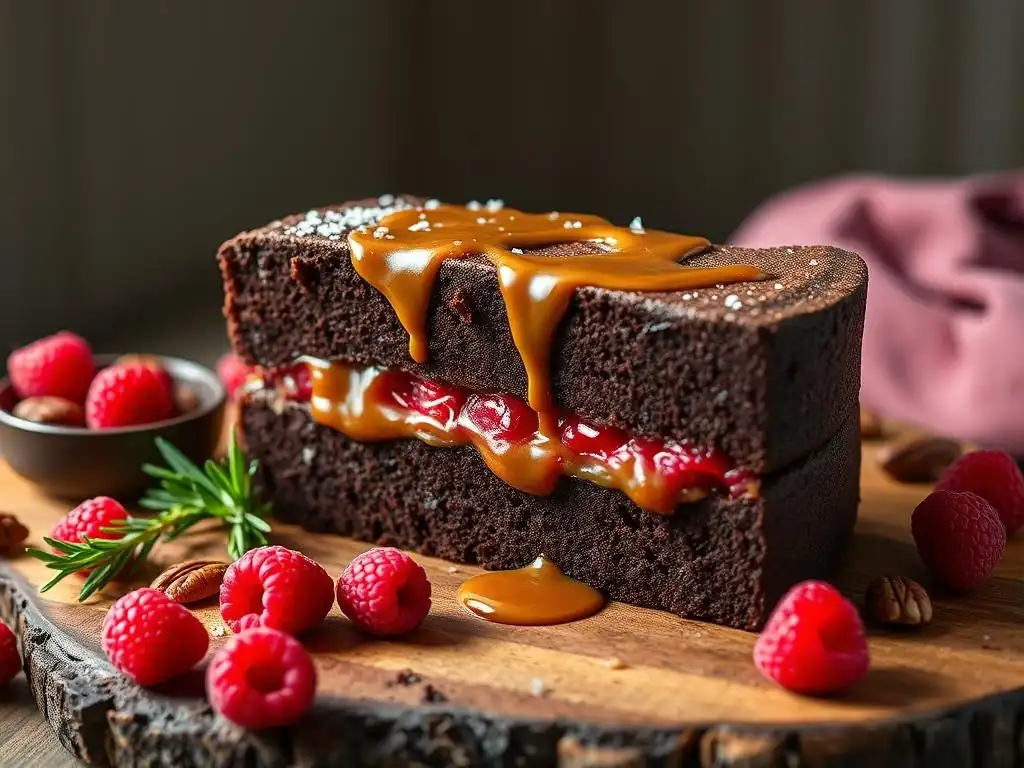
Balancing Flavors: Sweet, Sour, Bitter, and Salty
Achieving successful chocolate cake flavor combinations is fundamentally about balancing the core taste elements: sweet, sour, bitter, and salty. Chocolate itself often carries notes of sweetness and bitterness, especially dark chocolate. Introducing other flavors should aim to complement or contrast these inherent qualities in a harmonious way.
- Sweetness: Often provided by sugar, caramel, or sweet fruits. Needs to be balanced so the dessert isn't cloyingly sweet.
- Sourness: Found in citrus, berries, or certain yogurts/creams. A touch of sourness can cut through richness and brighten flavors.
- Bitterness: Present in dark chocolate, coffee, or citrus zest. Can add depth and complexity, especially when balanced with sweetness.
- Saltiness: A small amount of salt enhances sweetness and rounds out flavors. Sea salt sprinkled on caramel or chocolate is a prime example.
Understanding how these elements interact is crucial. For instance, a very dark chocolate (high bitterness) might pair well with something sweet and slightly sour like raspberries, while a sweeter milk chocolate might benefit from a touch of salt or a more subtle flavor like hazelnut. Tasting as you go and adjusting quantities is key to finding the perfect equilibrium in your chocolate cake flavor combinations.
Using Extracts, Zests, and Spices Effectively
Extracts, zests, and spices are powerful tools for introducing unique flavors into chocolate bakes. They often contain concentrated aromatic compounds that can infuse a dessert with significant flavor without adding much volume or moisture.
- Extracts: Vanilla is standard, but almond, peppermint, orange, or even coffee extract can add distinct flavors. Use sparingly, as extracts can be potent and some can taste artificial if overused. Adding extracts towards the end of mixing or to liquid components helps distribute the flavor evenly.
- Zests: Citrus zest (orange, lemon, lime, grapefruit) contains essential oils that provide bright, fresh, and slightly bitter notes. Zest should be finely grated to release oils without including the bitter white pith. It pairs exceptionally well with dark chocolate.
- Spices: Ground spices or whole spices (infused) offer warmth, heat, or complex aromatics. Toasting whole spices before grinding or infusing can deepen their flavor. Consider how the spice will interact with heat during baking; some flavors mellow, while others intensify. Start with a small amount (e.g., 1/4 teaspoon per cup of flour or liquid) and increase gradually based on taste preferences for optimal chocolate cake flavor combinations.
Recipe Inspirations: Putting Flavor Combinations to Work
Applying these chocolate cake flavor combinations to actual recipes is where the fun begins. Start with a reliable base recipe for chocolate cake, brownies, or ganache, and then experiment with incorporating the new flavors.
- For Cakes: Try adding citrus zest to the batter, infusing milk with herbs or spices for the liquid component, or layering with fruit compotes or flavored ganaches. A dark chocolate cake with a rosemary-infused ganache filling is a sophisticated option.
- For Brownies/Cookies: Fold in chopped stone fruit, nuts, or spices like cardamom or chili powder. Swirling in flavored nut butters or fruit purees can also create interesting patterns and flavor pockets. Peanut butter swirls in a standard chocolate brownie mix exemplify a simple yet effective technique for chocolate cake flavor combinations.
- For Mousses/Puddings: Infuse the dairy base with herbs, spices, or citrus zest. Fold in fruit purees or chopped nuts. A white chocolate mousse with a hint of lavender and topped with toasted pistachios offers a delicate and aromatic dessert.
Experimenting with small batches allows you to test different ratios and techniques before committing to a full recipe. Don't be afraid to combine multiple unexpected elements – perhaps a dark chocolate cake with orange zest and a hint of chili, or a milk chocolate tart with a roasted apricot and cardamom filling.
Conclusion: Embrace the Unexpected in Your Chocolate Baking
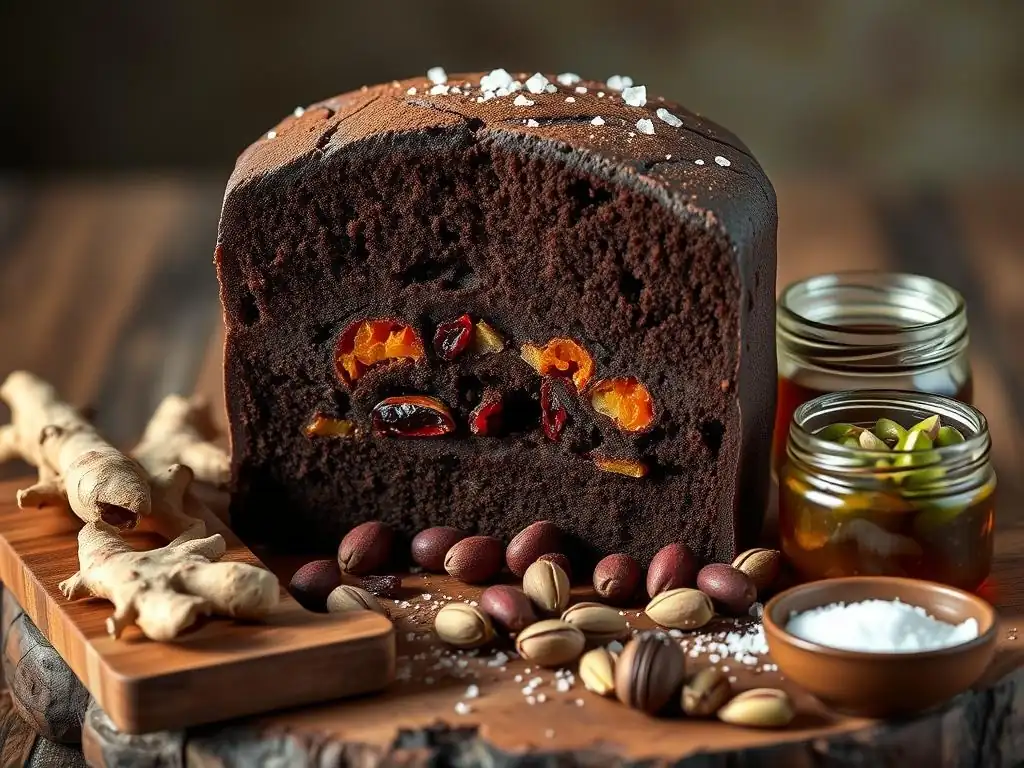
Unleash Your Creativity with Chocolate Flavor Combinations
Moving beyond traditional vanilla and milk chocolate pairings is an exciting way to elevate your baking skills and delight those who enjoy your creations. The world of chocolate cake flavor combinations is vast and full of potential, limited only by your imagination. By understanding how different flavor profiles – sweet, sour, bitter, salty, spicy, herbaceous, and nutty – interact with chocolate, you can unlock new dimensions of taste and aroma.
Embracing unexpected chocolate cake flavor combinations encourages you to experiment, learn, and develop your palate. Whether it's the warming kick of chili, the fragrant note of cardamom, the fresh zest of citrus, or the earthy richness of pistachio, each pairing offers a unique opportunity to transform a simple chocolate bake into a memorable culinary experience. So, next time you reach for that bar of chocolate, consider which unexpected partner might just take your dessert from delicious to absolutely unforgettable. Happy baking!
Frequently Asked Questions
What are some unexpected flavor pairings that work well with chocolate cake?
Many flavors beyond vanilla complement chocolate! Some surprising pairings include chili and cinnamon for warmth, espresso or coffee to deepen the chocolate's richness, or even lavender or rosemary for a floral and earthy twist.
Where can I find easy-to-follow recipes for chocolate cake with unique flavor combinations?
BakeWithEase.com offers a variety of simple recipes catering to all baking levels. Look for sections dedicated to cakes or specifically search for "chocolate cake" to find recipes with instructions.
Are there any specific techniques I should know when adding unconventional flavors to chocolate cake?
Consider the intensity of the added flavor. Infuse liquids like milk or cream, use extracts sparingly, or fold in chopped herbs carefully to achieve a balanced taste profile.
What kind of ingredients do I need to consider to create different flavor combinations for chocolate cake?
You'll need high-quality cocoa powder or chocolate as a base, and then select ingredients based on your desired flavor profile. Think spices, extracts, herbs, fruits, nuts, and even coffee.
How does BakeWithEase.com help beginners explore chocolate cake flavor combinations?
The website provides step-by-step guides and tips for bakers of all levels. It breaks down complex techniques and offers easy-to-find ingredients, making experimentation less daunting.
Final Reflection: Unlocking the Symphony of Chocolate
The unexpected pairings explored in this article aren't just about creating delicious chocolate cakes; they're about challenging our preconceived notions of flavor and embracing culinary adventure. The world of baking, and chocolate in particular, is ripe for exploration, and the possibilities are truly endless. This isn't just about following recipes; it's about understanding the fundamental principles of flavor profiles and using them to create unique and unforgettable experiences.
The journey through these unconventional chocolate cake flavor combinations has been a personal one, highlighting how seemingly disparate ingredients can harmonize beautifully when approached with creativity and a willingness to experiment. The best flavor combinations are often the ones you least expect.
This quote, though not directly from a culinary expert, perfectly encapsulates the spirit of this exploration. The impact of these pairings extends beyond the individual cake; it encourages a broader appreciation for the art of flavor blending, influencing how we approach cooking and baking in general.
Now, it's your turn. Don't be afraid to step outside your comfort zone. Try one of the pairings discussed, or even better, let this article inspire you to create your own unique chocolate masterpiece. What unexpected flavors will you discover? What symphony of taste will you orchestrate in your own kitchen? The possibilities are as rich and decadent as the finest dark chocolate itself. Embrace the unexpected, and let your culinary creativity flourish.
Unleash Your Inner Chocolate Alchemist!
Thanks for joining us on this delicious journey into the world of unexpected chocolate flavor pairings! We hope you've discovered some exciting new ideas to elevate your baking game. Ready to take your chocolate creations to the next level?
- Experiment with a surprising pairing: Try incorporating the cardamom and orange zest combo from the article into your next brownie recipe – you might be amazed!
- Share your chocolate adventures: Post a picture of your creation on social media using #BakeWithEaseUnexpectedChocolate. Let's inspire each other!
- Dive deeper into flavor exploration: Explore our blog for more unique flavor combinations and baking tips – we've got a whole universe of deliciousness waiting for you!
What unexpected ingredient are you most excited to try in your next chocolate bake? Let us know in the comments below!