
Combining Mechanical and Chemical Leavening for Perfect Sponge Cakes

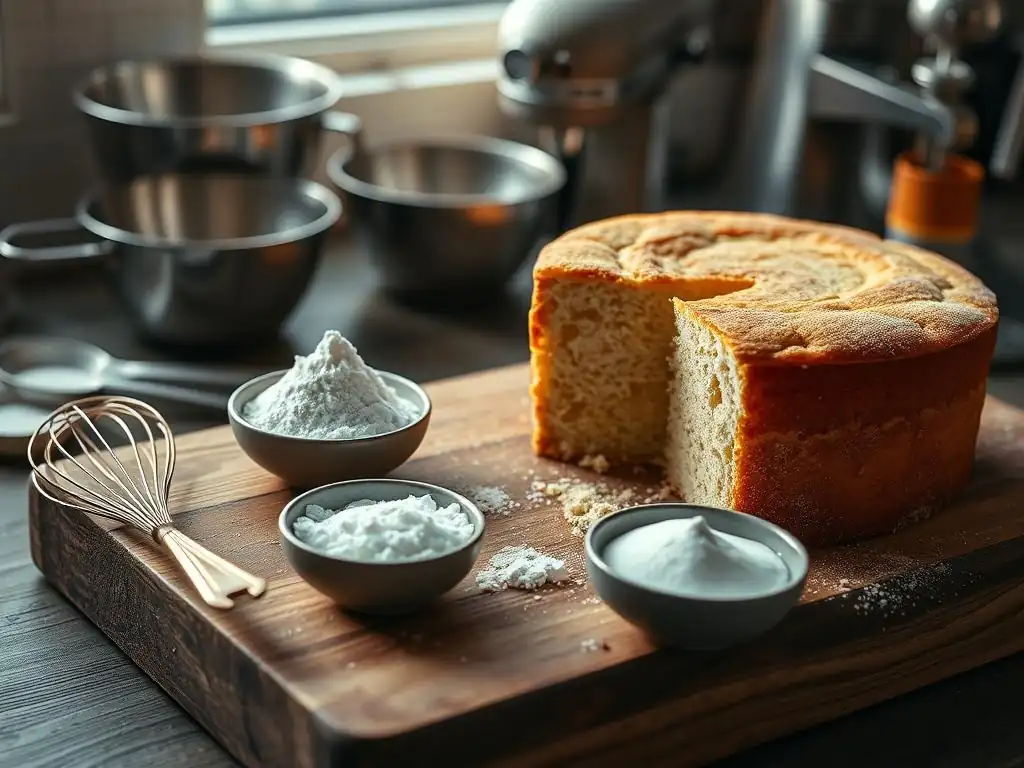
Welcome to BakeWithEase, your haven for all things baking! Are you ready to unlock the secrets to creating unbelievably light and airy sponge cakes? This article dives deep into the fascinating world of sponge cake leavening techniques, revealing how to master the delicate balance between mechanical and chemical leavening. Discover the methods that will transform your baking and leave you wondering why you didn't try this sooner. Intrigued? Keep reading to uncover the secrets to sponge cake perfection!
- Combining Mechanical and Chemical Leavening for Perfect Vanilla Sponge Cakes
- Understanding Sponge Cake Leavening Techniques for Baking Success
- Mechanical Leavening: The Foundation of a Light Sponge
- Chemical Leavening: Boosting Your Sponge Cake's Rise
- The Synergy: Combining Mechanical and Chemical Leavening for Optimal Results
- Step-by-Step Guide to Combining Leavening Techniques
- Troubleshooting Common Sponge Cake Leavening Issues
- Advanced Sponge Cake Leavening Tips
- Mastering Sponge Cake Leavening: A Conclusion
-
Frequently Asked Questions
- What are the main types of leavening techniques used in sponge cakes?
- Why is it important to use both mechanical and chemical leavening in sponge cakes?
- How does mechanical leavening work in a sponge cake?
- What role does baking powder play in sponge cake leavening?
- What are some common mistakes that can affect sponge cake leavening?
- Final Reflection: The Art and Science of the Perfect Sponge
- Unlock the Secrets of Fluffy Sponge Cakes!
Combining Mechanical and Chemical Leavening for Perfect Vanilla Sponge Cakes
Understanding Sponge Cake Leavening Techniques for Baking Success
The Importance of Proper Leavening in Sponge Cakes
Achieving that signature light, airy texture in a sponge cake hinges critically on mastering its leavening. Unlike heavier cakes that rely solely on chemical leaveners like baking soda or baking powder, a classic sponge cake primarily uses mechanical leavening – incorporating air into the batter. This trapped air expands during baking, causing the cake to rise and creating its delicate crumb structure. Without sufficient leavening, a sponge cake would be dense, heavy, and lack the desired height and tenderness.
Effective sponge cake leavening techniques ensure that the cake rises evenly and maintains its structure as it bakes. This is crucial for achieving a cake that is not only visually appealing but also has the melt-in-your-mouth quality characteristic of a well-made sponge. A properly leavened sponge cake can double or even triple in height during baking, demonstrating the power of air and heat working together. Understanding how different leavening methods interact is key to consistent success in your baking endeavors.
A Guide to Mastering Sponge Cake Leavening
Mastering sponge cake leavening involves understanding the science behind how air is incorporated and expanded within the batter. It's a delicate balance of technique and timing, particularly when dealing with the fragile structure created by whipped eggs. This guide will walk you through the primary methods – mechanical and chemical – and explain how combining them can lead to superior results, enhancing both the volume and the tenderness of your sponge cake.
We'll delve into specific steps, from whipping egg whites to folding in dry ingredients, highlighting common pitfalls and how to avoid them. For instance, overmixing after adding flour can deflate the precious air pockets, resulting in a tougher cake. By following precise steps and understanding the purpose of each action, you can reliably produce sponge cakes with the perfect rise and texture, showcasing your mastery of sponge cake leavening techniques.
Mechanical Leavening: The Foundation of a Light Sponge
What is Mechanical Leavening? Incorporating Air into Your Sponge Cake Batter
Mechanical leavening is the process of physically incorporating air into a batter or dough through methods like whipping, creaming, or folding. In the context of sponge cakes, this primarily involves beating eggs (either whole or separated) to create a foam. As the eggs are beaten, air bubbles are trapped within the protein structure, forming a stable network. This trapped air is the primary leavening agent in traditional sponge cakes.
The volume of the finished cake is directly related to the amount of air successfully incorporated and retained during the mixing and baking process. For example, whipping egg whites until they reach stiff peaks can increase their volume by up to eight times. This dramatic increase in volume translates directly to the potential lightness and height of the sponge cake. The goal of mechanical leavening is to build a strong yet airy structure that can support the other ingredients and withstand the heat of the oven.
The Role of Egg Whites in Mechanical Leavening
Egg whites are particularly effective for mechanical leavening due to their protein composition. When egg whites are whipped, the mechanical action denatures the proteins, causing them to unfold. These unfolded proteins then link together, trapping air bubbles and forming a stable foam. The quality and stability of this foam are paramount to the success of sponge cake leavening. Factors like the freshness of the eggs, temperature (room temperature eggs whip best), and the absence of fat or yolk traces can significantly impact the volume and stability of the whipped whites.
The protein network in whipped egg whites provides the structural support for the sponge cake batter. During baking, the heat causes the trapped air to expand, and simultaneously, the protein structure coagulates, setting the cake's form. A well-whipped and carefully folded egg white foam is the backbone of a light and airy sponge, contributing significantly to its final texture and volume.
Whipping Egg Whites to Stiff Peaks: A Detailed Technique
Whipping egg whites to stiff peaks is a critical step in sponge cake leavening techniques. Start with clean, dry equipment – any trace of fat or moisture can prevent the whites from whipping properly. Begin whipping the egg whites on medium speed until they become frothy. Gradually increase the speed to medium-high. As you whip, the foam will progress from large bubbles to smaller, more uniform bubbles, becoming opaque and increasing significantly in volume.
You know you've reached stiff peaks when the whites are glossy and hold their shape firmly. When you lift the whisk, the peak should stand straight up without drooping. Over-whipping can cause the proteins to break down, resulting in a dry, curdled texture that won't incorporate smoothly into the batter. This typically takes anywhere from 5 to 10 minutes depending on the mixer and the volume of egg whites.
Stabilizing Egg Whites: Cream of Tartar and Sugar
To enhance the stability of whipped egg whites, especially in sponge cakes where they form the primary structure, bakers often use stabilizers. Cream of tartar, an acidic salt, is a common choice. Adding a small amount (typically 1/8 to 1/4 teaspoon per large egg white) at the frothy stage helps the protein network develop more strongly and prevents over-whipping. It also contributes to a whiter, more tender crumb.
Sugar is another crucial stabilizer, though it should be added gradually once soft peaks have formed. The sugar dissolves and bonds with the protein, creating a more stable and glossy meringue. Adding sugar too early can inhibit volume development, while adding it too late may result in a grainy texture. Incorporating the sugar slowly, a tablespoon at a time while the mixer is running, ensures it dissolves properly and integrates smoothly into the foam, resulting in a stable and resilient meringue essential for effective sponge cake leavening.
Incorporating Air Through Creaming: The Egg Yolk and Sugar Method
While whipped egg whites provide the majority of the lift in many sponge cakes, incorporating air into the egg yolk and sugar mixture (often called creaming, though it's more like whipping in this context) also contributes to mechanical leavening. This step typically involves beating egg yolks with sugar until the mixture is thick, pale yellow, and ribbons when the whisk is lifted. This process incorporates a significant amount of air into the yolks, creating a foamy base.
The volume increase during this stage might not be as dramatic as with egg whites, but it's still substantial, often doubling or tripling the original volume. This aerated yolk mixture adds richness and structure to the sponge cake and helps support the lighter egg white foam. The warmth of the eggs (using room temperature eggs is key) helps the sugar dissolve and allows the yolks to whip to their maximum volume and stability, further enhancing the overall sponge cake leavening techniques employed.
Chemical Leavening: Boosting Your Sponge Cake's Rise
Understanding Baking Powder in Sponge Cakes
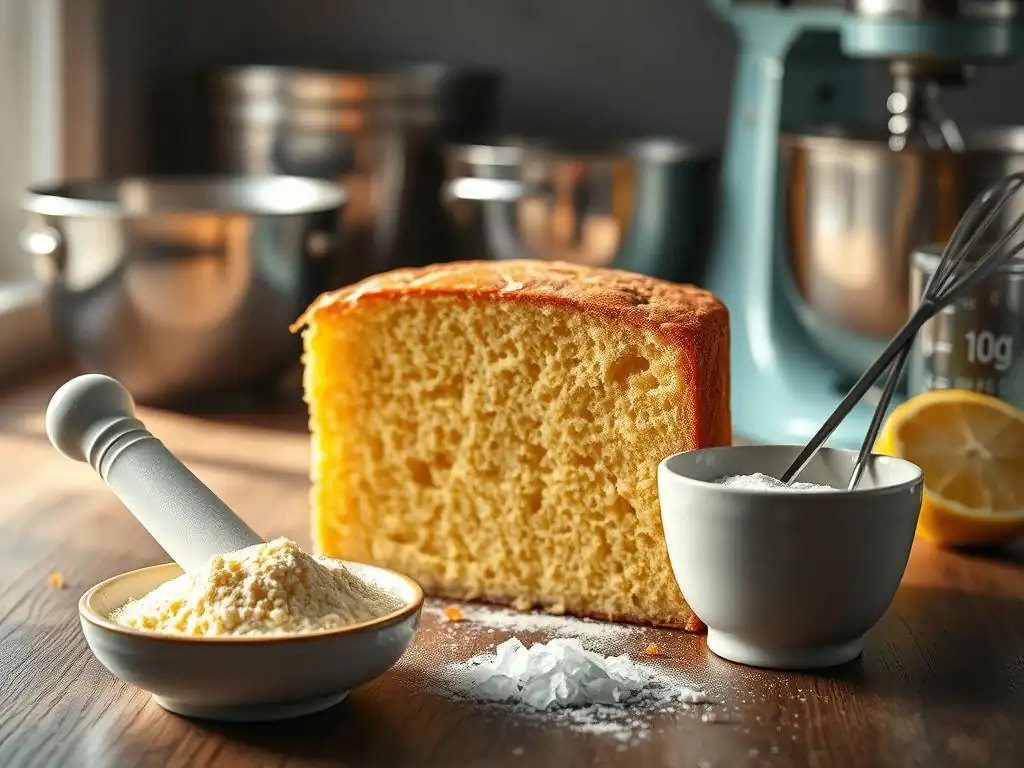
While traditional sponge cakes rely purely on mechanical leavening, many modern recipes incorporate a small amount of chemical leavening, primarily baking powder. Baking powder is a dry chemical leavening agent that contains a carbonate (usually sodium bicarbonate, also known as baking soda), one or more acid salts, and usually cornstarch to prevent clumping. When moisture and/or heat are introduced, the acid reacts with the carbonate, producing carbon dioxide gas.
This added chemical leavening provides an extra boost, helping to lift a slightly heavier batter or providing insurance against potential deflation of mechanically incorporated air. It contributes to a more reliable rise and can result in a slightly coarser but often more uniformly open crumb structure compared to a purely mechanically leavened sponge. The amount used is typically small, perhaps 1 to 2 teaspoons for a standard cake, carefully balanced to avoid a chemical or bitter aftertaste.
Types of Baking Powder: Double-Acting
Most baking powder sold today is "double-acting." This means it contains two different acid salts that react at different stages. The first reaction occurs when the baking powder is moistened in the batter (e.g., when mixing wet and dry ingredients), producing an initial release of carbon dioxide bubbles. This provides some lift before the cake even enters the oven.
The second, more significant reaction occurs when the batter is heated in the oven. This heat-activated reaction releases a second burst of carbon dioxide gas, providing a powerful lift during the crucial baking phase. This double action provides a more sustained and reliable rise, which is particularly beneficial in sponge cakes where maintaining volume is critical. Using double-acting baking powder is a common element in modern sponge cake leavening techniques for consistent results.
How Baking Powder Reacts with Heat in Sponge Cake
The heat reaction of double-acting baking powder is key to its effectiveness in the oven. Once the sponge cake batter is placed in the hot oven, the temperature rise activates the slower-acting acid salts in the baking powder. As the temperature increases, these acids react with the sodium bicarbonate, generating a significant volume of carbon dioxide gas.
These newly generated gas bubbles expand within the batter, pushing it upwards. This expansion happens simultaneously with the setting of the cake's structure as the proteins from the eggs and gluten from the flour coagulate. This synchronized expansion and setting is what gives the cake its final height and airy texture. The chemical reaction continues until the baking powder is exhausted or the cake's internal temperature stabilizes, usually around the point where the cake is fully set.
The Synergy: Combining Mechanical and Chemical Leavening for Optimal Results
Why Use Both Methods? Enhanced Texture and Volume in Sponge Cakes
Combining mechanical and chemical leavening techniques offers significant advantages for sponge cakes. Mechanical leavening from whipped eggs provides the foundational lightness and tender crumb characteristic of a classic sponge. It creates a fine network of air cells that contribute to a delicate texture. However, egg foams can be fragile and prone to deflation, especially during mixing and transferring the batter.
Adding a small amount of baking powder provides insurance and an extra lift. The chemical reaction generates gas independent of the egg foam's stability, helping to boost the overall volume and ensuring a more consistent rise. This synergy results in a cake that is not only tall and light but also has a more uniform and open crumb structure than a purely mechanically leavened cake might achieve, offering a superior example of advanced sponge cake leavening techniques.
Balancing Act: Finding the Right Ratio of Air and Baking Powder
Successfully combining mechanical and chemical leavening requires finding the right balance. Too much baking powder can lead to a rapid, unstable rise followed by a collapse, or result in a cake with a coarse texture and a chemical taste. Too little, and the cake might not achieve the desired height, relying too heavily on the potentially fragile mechanical leavening.
A typical ratio in recipes that combine both methods might involve using 1 to 1.5 teaspoons of double-acting baking powder per cup of flour, in conjunction with the significant mechanical leavening from 4-6 large eggs. The exact amount will depend on the specific recipe, the total volume of batter, and the desired outcome. Experimentation and following tested recipes are key to finding this balance for perfect sponge cake leavening.
Step-by-Step Guide to Combining Leavening Techniques
Recipe Example: Classic Vanilla Sponge Cake
Here is a simplified example demonstrating the combination of sponge cake leavening techniques. This recipe yields a light and airy cake, perfect for layering.
- Ingredients:
- 1 cup (120g) cake flour, sifted
- 1.5 teaspoons double-acting baking powder
- 1/4 teaspoon salt
- 4 large eggs, separated, at room temperature
- 1 cup (200g) granulated sugar, divided (3/4 cup for yolks, 1/4 cup for whites)
- 1/4 cup (60ml) milk, room temperature
- 1 teaspoon vanilla extract
- 1/4 teaspoon cream of tartar (optional, for egg whites)
Step 1: Mechanical Leavening - Whipping the Egg Whites
Begin by preparing the egg whites for mechanical leavening. Ensure your mixing bowl and whisk are spotlessly clean and dry. Add the egg whites and, if using, the cream of tartar. Whip on medium speed until soft peaks form. Gradually add the reserved 1/4 cup of granulated sugar, a tablespoon at a time, whipping until stiff, glossy peaks form. Be careful not to over-whip. Set the meringue aside.
In a separate bowl, whisk the egg yolks with the remaining 3/4 cup of sugar until the mixture is thick, pale yellow, and ribbons when the whisk is lifted. This process incorporates air into the yolks, contributing to the mechanical leavening. Stir in the milk and vanilla extract into the yolk mixture.
Step 2: Incorporating Chemical Leavening - Adding Baking Powder
In a medium bowl, whisk together the sifted cake flour, baking powder, and salt. This step ensures the baking powder is evenly distributed throughout the dry ingredients, which is crucial for a uniform chemical rise. The baking powder is now ready to react when it comes into contact with the wet ingredients, initiating the first phase of chemical leavening.
Carefully add about one-third of the dry ingredients to the egg yolk mixture. Mix gently with a whisk or spatula until just combined. Then, add half of the remaining dry ingredients and mix until just combined. Repeat with the last third of the dry ingredients. Do not overmix; overmixing develops gluten and can deflate the air incorporated during the mechanical leavening steps.
Step 3: Gently Folding Ingredients for Maximum Air Retention
This is perhaps the most critical step for preserving the mechanical leavening. Add about one-third of the whipped egg white meringue to the batter. Gently fold it in using a large spatula with a cutting and folding motion. The goal is to lighten the batter and temper the meringue without deflating it.
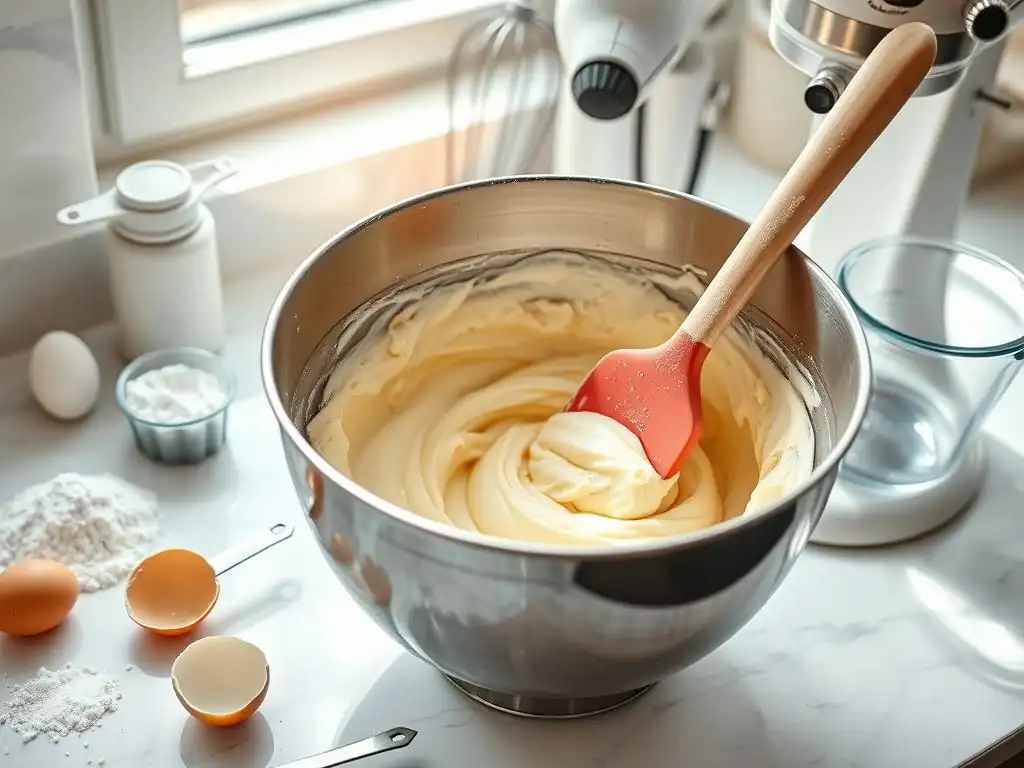
Add the remaining meringue in two more additions, folding gently after each addition until no streaks of white remain. The batter should be light and airy. Immediately pour the batter into your prepared cake pan(s). Folding gently is essential to maintain the volume created by both the whipped eggs (mechanical leavening) and the initial reaction of the baking powder (chemical leavening), ensuring a light final texture.
Troubleshooting Common Sponge Cake Leavening Issues
Flat Sponge Cakes: Causes and Solutions
A flat sponge cake is often a sign of leavening failure. One common cause is under-whipped or deflated egg whites – if they weren't whipped to stiff peaks or were mixed too vigorously into the batter, they won't provide sufficient lift. Ensure egg whites are whipped correctly and folded gently. Another cause can be expired or inactive baking powder; always check the expiration date and test a small amount in hot water – it should bubble vigorously.
Overmixing the batter after adding flour is another frequent culprit. This develops gluten, which can toughen the cake and cause it to collapse, counteracting the sponge cake leavening techniques used. Mix only until the flour is just incorporated. Also, opening the oven door too early during baking can cause the cake to cool rapidly and sink before its structure is set. Resist the urge to check on it until at least two-thirds of the way through the baking time.
Uneven Rise: Identifying and Correcting Leavening Problems
An uneven rise, where one part of the cake is higher than another, can point to issues with heat distribution or uneven mixing of leavening agents. Ensure your oven temperature is accurate by using an oven thermometer; hot spots can cause uneven baking and rising. Rotating the cake halfway through baking can help promote even heating.
Unevenly distributed baking powder can also cause localized rising, leading to peaks and valleys. Always whisk dry ingredients thoroughly together before adding them to the wet ingredients. Furthermore, if the batter sits too long before baking, the gas produced by the baking powder can escape, leading to a weaker rise, potentially unevenly distributed. Prepare your pan and preheat the oven before starting the batter to minimize resting time.
Dense Sponge Cakes: Avoiding Deflated Egg Whites
Density in a sponge cake is almost always due to deflated egg whites or overmixing. The delicate foam created during mechanical leavening is easily destroyed by rough handling. When folding the dry ingredients and meringue into the yolk mixture, use a light hand and a cutting/folding motion rather than stirring vigorously.
Ensure all ingredients are at room temperature; cold ingredients can make the batter stiffer and harder to fold gently, increasing the risk of deflating the air pockets. Also, avoid overcrowding the oven, as this can lower the temperature and steam the cakes rather than baking them properly, hindering the setting of the leavened structure and leading to a denser result.
Advanced Sponge Cake Leavening Tips
Using Cake Flour and Its Impact on Leavening
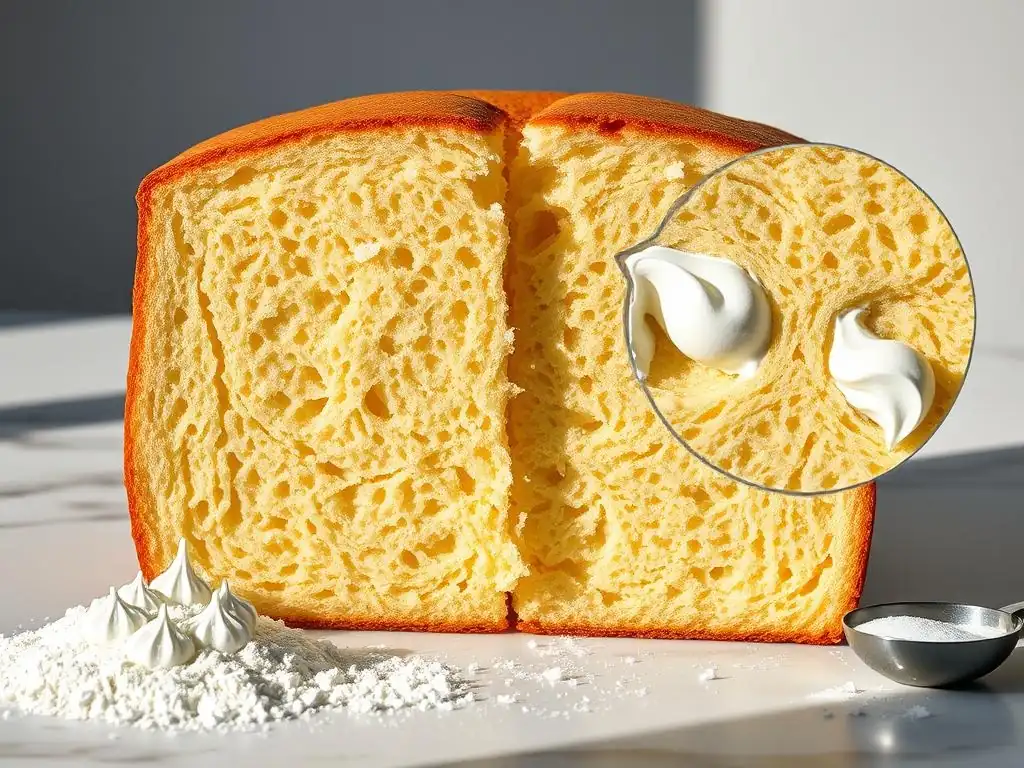
Using cake flour is highly recommended for sponge cakes. Cake flour has a lower protein content (typically 6-8%) compared to all-purpose flour (10-12%). Less protein means less potential for gluten development when mixing. Since excessive gluten can toughen the cake and weigh down the delicate air structure created by mechanical leavening, using cake flour helps maintain a tender crumb.
The lower protein content also means the flour absorbs slightly less liquid. This allows the batter to remain lighter and more fluid, making it easier to fold in the whipped eggs gently without deflating them. The fine texture of cake flour also contributes to a smoother batter and a finer, softer crumb, complementing the lift achieved through combined sponge cake leavening techniques.
Adjusting Leavening Based on Oven Calibration
Knowing your oven is crucial for successful baking, especially when it comes to leavening. Ovens can vary significantly in temperature from what the dial indicates, sometimes by as much as 25-50°F (about 15-30°C). An oven running too cool will result in a slow rise and a cake that dries out before it sets, potentially collapsing. An oven that's too hot can cause the cake to rise too quickly and crack, or burn before the inside is cooked.
Using an oven thermometer is essential to verify your oven's true temperature. If your oven consistently runs cool, you might need to slightly increase the temperature setting (e.g., set it to 375°F/190°C if you want 350°F/175°C). Consistent temperature helps the chemical leavening react properly and allows the mechanically incorporated air to expand and the cake structure to set at the correct pace.
Experimenting with Extracts and Their Effect on the Leavening Process
While extracts like vanilla are typically added in small quantities and don't directly leaven the cake, the liquid they add can interact with the chemical leavening. Alcohol-based extracts evaporate during baking, which can slightly affect the final moisture content and structure. Water-based extracts or flavorings add more moisture, potentially impacting the initial reaction of double-acting baking powder.
Generally, the small amounts of extract used in most sponge cake recipes (like 1-2 teaspoons) have a negligible effect on the overall leavening process compared to the impact of properly whipping eggs or using active baking powder. However, using significantly larger quantities of liquid flavorings could alter the batter consistency and moisture level, potentially influencing how the leaveners perform. It's always best to stick to the recommended amounts unless you are intentionally experimenting.
Mastering Sponge Cake Leavening: A Conclusion
Key Takeaways for Perfect Sponge Cakes Every Time
Mastering sponge cake leavening techniques is a journey of understanding and practice. Remember that mechanical leavening, primarily through whipping eggs to incorporate air, forms the essential light structure. Using room temperature eggs, ensuring clean equipment, and whipping to the correct peak consistency are vital steps.
Combining this mechanical lift with the reliable boost from chemical leavening, specifically double-acting baking powder, provides insurance against deflation and contributes to a more consistent, higher rise and often a more uniform crumb. The key is using the right amount of baking powder – typically 1 to 1.5 teaspoons per cup of flour in combined methods – and ensuring it is fresh and evenly distributed. Gentle folding after incorporating dry ingredients and meringue is paramount to preserving the air pockets created by both methods.
Further Baking Resources and Recipes
Perfecting your sponge cake leavening techniques opens the door to a world of delicious possibilities. A perfectly leavened sponge cake is the foundation for classic desserts like trifles, roulades, and layered cakes filled with cream and fruit. Continue exploring different sponge cake variations, such as génoise (which uses whole whipped eggs) or chiffon cake (which adds oil for moisture and relies heavily on both egg foam and baking powder).
Practice makes perfect when it comes to baking, especially with delicate recipes like sponge cake. Don't be discouraged by initial results; analyze what might have gone wrong based on common issues like deflated eggs or inactive baking powder. With each attempt, you'll gain confidence and skill in managing the crucial balance of mechanical and chemical leavening, leading you to consistently achieve that desired light, airy, and delicious sponge cake. Explore more recipes and tips on BakeWithEase.com to continue your baking journey!
Frequently Asked Questions
What are the main types of leavening techniques used in sponge cakes?
The primary leavening techniques are mechanical leavening, relying on air incorporated during mixing, and chemical leavening, often using baking powder. The combination of both is key for a light and airy texture.
Why is it important to use both mechanical and chemical leavening in sponge cakes?
Using both creates a synergistic effect. Mechanical leavening provides the initial volume, while chemical leavening ensures the structure is set during baking, preventing collapse.
How does mechanical leavening work in a sponge cake?
Mechanical leavening involves whisking eggs and sugar to incorporate air bubbles. These air bubbles expand during baking, contributing to the cake's volume and lightness.
What role does baking powder play in sponge cake leavening?
Baking powder is a chemical leavening agent that releases carbon dioxide gas when heated. This gas creates additional air pockets, further lightening the cake's texture.
What are some common mistakes that can affect sponge cake leavening?
Overmixing can deflate the batter, while using expired baking powder will hinder proper leavening. Also, incorrect oven temperature can prevent the cake from rising fully.
Final Reflection: The Art and Science of the Perfect Sponge
The quest for the perfect sponge cake transcends mere baking; it's a testament to the delicate balance between precision and artistry. Understanding the interplay of mechanical and chemical leavening agents is not just about achieving a light and airy texture, but about mastering the fundamental principles of baking itself. This knowledge empowers bakers to troubleshoot, innovate, and ultimately create truly exceptional results.
The exploration of different leavening techniques has profoundly impacted my own baking journey, shifting my perspective from a purely recipe-following approach to a more scientific and intuitive understanding of the process. The best bakers are those who understand not just the recipe, but the 'why' behind each ingredient and step.
This quote resonates deeply, as mastering sponge cake leavening has opened up a world of possibilities, allowing for greater control and creativity in the kitchen. The subtle differences in texture and rise achieved through varying combinations of mechanical and chemical leavening are a constant source of fascination and learning.
Now, it's your turn to experiment! Don't be afraid to deviate from traditional recipes, to adjust ratios, and to explore the fascinating world of leavening. Each failed attempt is a step closer to mastering the art of the perfect sponge. Embrace the process, savor the learning, and most importantly, enjoy the delicious results of your efforts. The journey towards baking perfection is a rewarding one, filled with delightful discoveries and the sweet satisfaction of a perfectly risen sponge cake.
Unlock the Secrets of Fluffy Sponge Cakes!
Thanks for diving into the world of perfect sponge cakes! You've now learned how to master the art of combining mechanical and chemical leavening for incredibly light and airy results. Ready to put your new skills into action?
- Bake your dream sponge cake: Grab your ingredients and try the recipe today! Experiment with different flavor combinations and share your creations with us.
- Share your baking journey: Tag us on social media with your baking photos using #BakeWithEaseSponge and inspire others!
- Explore our other baking guides: Dive deeper into the world of baking with our other helpful guides, focusing on different cake types, frosting techniques, and more.
Ready to create your masterpiece? What unique flavor combination will you try in your next sponge cake?