
Crafting Golden Caramel Drizzle for Bundt Cakes: Temperature & Timing

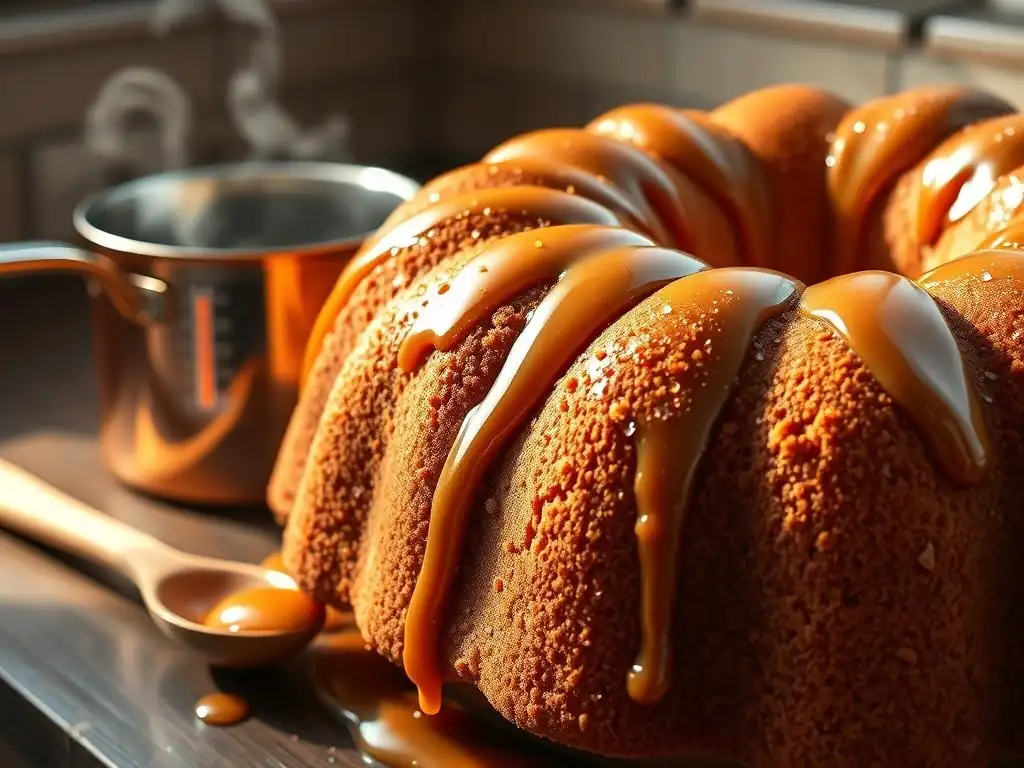
Welcome to BakeWithEase, where the joy of baking meets effortless execution! Ever wondered how to achieve that perfectly golden, decadent caramel drizzle that elevates a simple bundt cake to a showstopper? Today, we're diving deep into the art and science of perfecting caramel drizzle for bundt cakes, uncovering the secrets to temperature control and timing that will transform your baking. Ready to unlock the key to irresistible caramel? Let's get started...
- Mastering Caramel Drizzle: The Key to Perfect Bundt Cakes
- Understanding the Science of Caramel: Temperature is Everything
- Step-by-Step Guide to Making Golden Caramel Drizzle for Bundt Cakes
- Timing is Crucial: Avoiding Common Caramel Drizzle Mistakes
- Achieving the Perfect Caramel Drizzle Texture for Bundt Cakes
- Tips and Tricks for Enhancing Your Caramel Drizzle
- Applying Your Golden Caramel Drizzle to Bundt Cakes
- Perfecting Caramel Drizzle Bundt Cakes: A Recap of Key Techniques
-
Frequently Asked Questions
- What's the ideal temperature for achieving a smooth caramel drizzle?
- How does timing impact the caramel's consistency for a bundt cake?
- What are common mistakes when making caramel drizzle for bundt cakes?
- Can I use different types of sugar for the caramel drizzle?
- How can I prevent my caramel drizzle from becoming grainy after cooling on the bundt cake?
- Final Reflection: The Sweet Science of the Perfect Caramel Drizzle
- Unlock Your Inner Pastry Chef: Master the Caramel Drizzle!
Mastering Caramel Drizzle: The Key to Perfect Bundt Cakes
A beautifully baked bundt cake, with its intricate shape and often moist crumb, is a showstopper on its own. However, adding a luscious, golden caramel drizzle can elevate it from delicious to truly unforgettable. The perfect caramel drizzle for bundt cakes isn't just about sweetness; it's about achieving the right balance of flavor, color, and, crucially, texture. A drizzle that's too thin runs off the cake completely, while one that's too thick clumps unattractively. Getting it just right transforms your bundt into a professional-looking masterpiece.
Achieving this level of perfection in your caramel drizzle hinges primarily on two critical factors: precise temperature control and impeccable timing. Unlike many baking tasks where a little wiggle room is acceptable, caramel making is a delicate process. A few degrees too high or a few seconds too long can mean the difference between a silky, pourable glaze and a hard, brittle candy or, worse, a bitter, burnt mess. Mastering these aspects is the secret to consistently crafting perfect caramel drizzle bundt cakes.
Understanding the Science of Caramel: Temperature is Everything
Caramelization is a complex chemical process that occurs when sugars are heated to high temperatures. As the sugar molecules break down and rearrange, they form hundreds of new compounds, which are responsible for the characteristic flavor, aroma, and color of caramel. This transformation doesn't happen all at once; it progresses through distinct stages, each corresponding to a specific temperature range. Understanding these stages is fundamental to controlling the outcome of your caramel drizzle.
The journey from granulated sugar to golden caramel involves careful temperature management. Starting with sugar crystals, often dissolved in a bit of water to ensure even heating, the mixture first boils and evaporates the water. Once the water is gone, the sugar's temperature begins to climb rapidly. As it passes approximately 320°F (160°C), caramelization begins. The sugar starts to melt and change color, moving from clear to pale yellow, then amber, and finally dark brown. Each shade represents a different intensity of flavor – from light, delicate sweetness to deep, slightly bitter complexity.
The Importance of Accurate Temperature Readings for Caramel
Precision is paramount when making caramel, and using a reliable thermometer is non-negotiable. Eyeballing the color alone can be misleading, as the color continues to darken even after the heat source is removed due to residual heat. A difference of just 5-10 degrees Fahrenheit can dramatically alter the final consistency and flavor of your caramel drizzle. For instance, a temperature around 340°F (170°C) might yield a lighter, sweeter caramel, while reaching 355°F (179°C) will produce a richer, more complex flavor profile often desired for perfecting caramel drizzle bundt cakes.
Using a candy thermometer or a digital instant-read thermometer with a high-temperature range allows you to track the sugar's temperature precisely as it rises. Clipping a candy thermometer to the side of the pan ensures you get a continuous reading without needing to hold it, reducing the risk of burns. For smaller batches, an instant-read thermometer is excellent for quick checks. Consistent, accurate temperature monitoring is the most reliable way to ensure you hit the desired caramelization stage every time, leading to predictable and delicious results for your bundt cake topping.
Different Stages of Caramelization: From Thread to Hard-Crack Stage
Sugar syrup undergoes several distinct stages as its temperature increases, beyond just caramelization. These stages are primarily defined by the sugar concentration and temperature, which dictate how the syrup behaves when cooled. While many stages exist, a few are particularly relevant to understanding the process before caramelization begins and how it impacts the final texture.
- Thread Stage: 230-235°F (110-113°C). When dropped in cold water, forms fine threads.
- Soft Ball Stage: 235-240°F (118-120°C). Forms a soft, pliable ball in cold water.
- Firm Ball Stage: 245-250°F (124-126°C). Forms a firm ball that holds its shape but is still pliable.
- Hard Ball Stage: 250-265°F (126-132°C). Forms a hard ball that is slightly sticky.
- Soft Crack Stage: 270-290°F (132-143°C). Forms threads that are firm but still bendable.
- Hard Crack Stage: 300-310°F (149-154°C). Forms brittle threads that break easily.
Caramelization begins above these stages, generally starting around 320°F (160°C). The desired temperature for a pourable caramel drizzle for bundt cakes typically falls between 340°F (170°C) and 355°F (179°C), depending on the desired depth of flavor and color. Going beyond 360°F (182°C) quickly leads to burnt sugar, which is irreversible and has a bitter, unpleasant taste.
How Temperature Affects Caramel Drizzle Consistency
The final consistency of your caramel drizzle is a direct result of the maximum temperature the sugar reached during the caramelization process and the amount of liquid (like cream or butter) added after caramelization. Higher caramelization temperatures result in a higher concentration of caramelized sugar compounds, which can lead to a thicker, more viscous caramel once cooled. Conversely, stopping the process at a slightly lower temperature within the caramel range (e.g., 340°F) will yield a lighter, often thinner caramel before other ingredients are introduced.
However, the most significant factor influencing drizzle consistency after caramelization is the addition of fats and liquids. When hot caramel reaches its desired temperature, butter and cream are typically stirred in. The heat from the caramel melts the butter and warms the cream, creating a smooth, emulsified sauce.
The amount of cream added is what primarily dictates how thick or thin the final drizzle will be. More cream results in a thinner sauce, ideal for a light glaze on a bundt cake, while less cream creates a thicker, richer sauce perfect for a more substantial topping or filling. Getting this balance right is key to perfecting caramel drizzle bundt cakes with the ideal flow.
Step-by-Step Guide to Making Golden Caramel Drizzle for Bundt Cakes
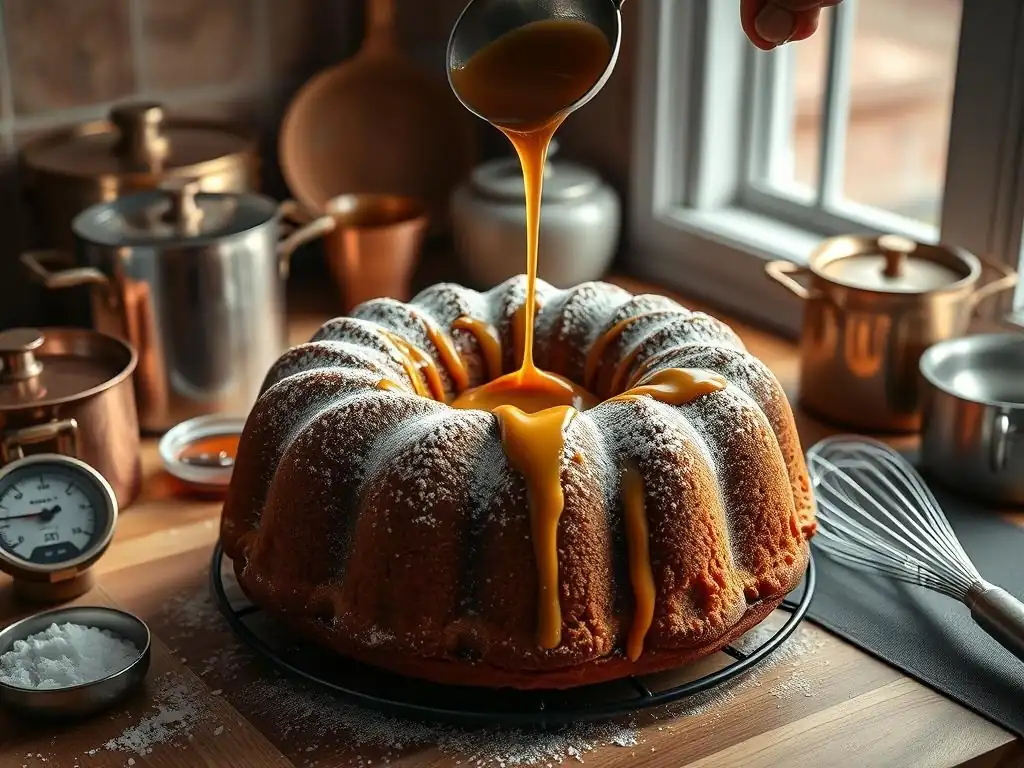
Crafting that perfect golden caramel drizzle for your bundt cake is a rewarding process that requires patience and attention to detail. By following a precise method, you can ensure consistent results and avoid common pitfalls. This guide breaks down the process into manageable steps, focusing on the critical temperature and timing aspects we've discussed.
Before you begin, gather all your ingredients and equipment. Caramel making moves quickly once the sugar starts to brown, so having everything ready to go is essential for success. This mise en place approach minimizes distractions and allows you to focus on monitoring the sugar's transformation and temperature.
Ingredients for a Flawless Caramel Drizzle
To make a classic, rich caramel drizzle suitable for topping a bundt cake, you typically need just a few high-quality ingredients. The quality of your ingredients can subtly impact the final flavor, but the primary focus is on their role in achieving the desired consistency and preventing crystallization.
Here are the standard components:
- Granulated Sugar: About 1 cup (approximately 200g). This is the base that will caramelize.
- Water: About 1/4 cup (approximately 60ml). Helps the sugar dissolve evenly and prevents hot spots, ensuring uniform caramelization.
- Unsalted Butter: About 4-6 tablespoons (approximately 55-85g), cut into pieces. Adds richness, flavor, and contributes to the smooth texture. Using unsalted butter allows you to control the salt level if you want to make salted caramel.
- Heavy Cream: About 1/2 - 3/4 cup (approximately 120-180ml), warmed slightly. This is the liquid that turns the caramelized sugar into a pourable sauce. Warming it slightly prevents the caramel from seizing up drastically when added.
Optional additions for flavor include a pinch of salt (for salted caramel), vanilla extract (added after cooking), or other flavorings. The ratios of butter and cream can be adjusted slightly based on personal preference for richness and thickness, but these amounts provide a great starting point for a versatile drizzle.
Equipment Needed for Perfect Caramelization
Having the right tools makes the caramel-making process safer and more predictable. Using the correct equipment helps manage the heat effectively and allows for accurate temperature monitoring.
Essential equipment includes:
- Heavy-Bottomed Saucepan: A pan with a thick base distributes heat more evenly, reducing the risk of burning the sugar in spots. Stainless steel is often preferred as it allows you to clearly see the color change of the sugar. A 2-3 quart size is usually sufficient for a standard batch.
- Candy Thermometer or Digital Instant-Read Thermometer: As discussed, this is crucial for accurate temperature readings. A clip-on candy thermometer is ideal for continuous monitoring.
- Wooden Spoon or Heatproof Spatula: For stirring, especially when adding butter and cream. Avoid using plastic spatulas that might melt.
- Whisk: Useful for incorporating the butter and cream smoothly, especially if the caramel starts to seize slightly.
- Pastry Brush and Water (Optional but Recommended): To brush down sugar crystals from the sides of the pan, preventing crystallization.
Having everything clean and within reach before you start is crucial. Caramel is very hot and sticky, so preparedness is key for both safety and success in perfecting caramel drizzle bundt cakes.
The Caramelization Process: A Detailed Walkthrough
Making caramel involves careful heating and mixing. Follow these steps precisely, paying close attention to the temperature and visual cues.
Step 1: Preparing the Sugar and Water
Combine the granulated sugar and water in your heavy-bottomed saucepan. Place the pan over medium heat. Stir gently with a wooden spoon or heatproof spatula just until the sugar is dissolved. Stop stirring once the mixture comes to a boil. Continued stirring after this point can encourage sugar crystals to form on the sides of the pan, leading to crystallization of the entire batch.
Once boiling, resist the urge to stir. You can gently swirl the pan occasionally to ensure even heating, but avoid introducing utensils unless absolutely necessary to brush down crystals. If sugar crystals form on the sides of the pan, dip a pastry brush in water and carefully brush them back down into the boiling syrup. This water evaporates quickly but helps prevent the crystals from seeding the entire batch.
Step 2: Monitoring the Temperature During Cooking
Attach your candy thermometer to the side of the pan, ensuring the bulb is fully submerged in the sugar syrup but not touching the bottom of the pan. If using an instant-read thermometer, be ready to dip it into the syrup periodically for quick readings. Allow the syrup to boil undisturbed. The temperature will rise steadily as the water evaporates.
Watch the thermometer closely as the temperature climbs past the various sugar stages (soft ball, hard crack, etc.). The syrup will remain clear initially, then start to turn pale yellow around 320°F (160°C). This is where caramelization begins. The process will accelerate as the temperature increases, so stay vigilant.
Step 3: Achieving the Ideal Golden Brown Color
As the temperature rises above 320°F (160°C), the color of the syrup will deepen. You are looking for a rich, golden amber color, similar to dark honey or copper pennies. This typically occurs when the temperature reaches between 340°F (170°C) and 355°F (179°C). The exact temperature depends on your desired depth of flavor – lower temperatures yield a sweeter, lighter caramel, while higher temperatures result in a more complex, slightly less sweet caramel.
Keep a very close eye on the color once it starts to change. It can go from perfect amber to burnt very quickly, often in a matter of seconds, especially once it passes 350°F (177°C). Remove the pan from the heat immediately once it reaches your desired color and temperature. Remember that the temperature will continue to rise slightly from residual heat.
Step 4: Adding Butter and Cream for a Smooth Drizzle
Once the pan is off the heat, carefully add the butter pieces to the hot caramel. The caramel will bubble and steam vigorously, so be cautious and stand back. Stir continuously with a wooden spoon or whisk until the butter is completely melted and incorporated.
Next, slowly and carefully pour in the warmed heavy cream while stirring constantly. Again, the mixture will bubble and steam. Continue to stir until the cream is fully incorporated and the mixture is smooth. If the caramel hardens or seizes slightly upon adding the cream, return the pan to very low heat and stir until it becomes smooth again. Do not boil it at this stage.
Step 5: Cooling and Adjusting the Caramel Drizzle Consistency
After the butter and cream are fully incorporated and the sauce is smooth, remove the pan from the heat entirely. The caramel drizzle will be quite thin when hot. Allow it to cool in the pan for a few minutes before transferring it to a heatproof jar or container.
The caramel drizzle will continue to thicken as it cools. For drizzling over a bundt cake, you want a consistency that flows smoothly but is thick enough to coat the cake slightly and not just run off. It should be pourable but not watery.
If it seems too thick as it cools, you can gently warm it again and stir in a tiny amount (a teaspoon at a time) of additional warm cream or milk until the desired consistency is reached. If it's too thin, unfortunately, there's not much you can do at this stage except use it as a soak or a sauce, or perhaps gently reheat it to evaporate a tiny bit more moisture (be extremely careful not to burn it).
Timing is Crucial: Avoiding Common Caramel Drizzle Mistakes
While temperature is the scientific backbone of caramel making, timing is its practical application. Knowing when to intervene, when to remove from the heat, and when to add other ingredients is just as vital as hitting the right temperature marks. A few seconds too long can ruin an entire batch.
Developing an intuition for the timing comes with practice, but understanding the common pitfalls can help you avoid disaster from the start. Being prepared and focused during the cooking phase, especially once the sugar starts to change color, is paramount to success when perfecting caramel drizzle bundt cakes.
Common Pitfalls in Caramel Making and How to Avoid Them
Several issues can arise when making caramel, often related to temperature, timing, or technique.
- Crystallization: This happens when sugar crystals form and multiply throughout the batch, turning your smooth caramel into a grainy mess. It's often caused by stirring the sugar solution after it starts boiling, or by sugar crystals clinging to the sides of the pan falling back in. To avoid this, dissolve the sugar before boiling, avoid stirring once boiling, and use a wet pastry brush to wash down any crystals from the sides.
- Burning: This is the most common and irreversible mistake. Heating the sugar too high (typically above 360°F / 182°C) or leaving it on the heat for too long once it reaches the desired color results in a bitter, acrid taste and dark, smoking caramel. Use a thermometer and remove the pan from the heat immediately when the correct color is achieved.
- Seizing: When cold or cool liquids (like cream) are added to hot caramel, the sudden temperature difference can cause the sugar to crystallize or harden into a solid mass. While often fixable by gently reheating, it's best to avoid by warming your cream slightly before adding it to the hot caramel.
By being aware of these issues and taking preventive measures, you significantly increase your chances of crafting perfect caramel drizzle for your bundt cakes on the first try.
Recognizing the Signs of Burnt Caramel
Recognizing burnt caramel is crucial because once it's burnt, there's no saving it. The signs are both visual and aromatic. Visually, the caramel will turn a very dark brown, almost black, color. It will look significantly darker than the desired rich amber.
Aromatically, burnt sugar has a very strong, acrid, and unpleasant smell. It smells distinctly like something is burning, not like sweet, toasted sugar. If you see the color quickly darkening beyond a deep amber and start to smell this acrid odor, remove the pan from the heat immediately and, if possible, place the bottom of the pan in an ice bath for just a few seconds to halt the cooking process. However, even if you stop the cooking, the burnt flavor will likely have permeated the entire batch. It's usually best to discard it and start over.
Adjusting Cooking Time for Different Stovetops
The cooking time for caramel can vary significantly depending on the type of stovetop you use. Gas stoves often provide more immediate and controllable heat, potentially caramelizing sugar faster once it reaches temperature. Electric coil stoves can have hot spots and retain heat longer, requiring careful monitoring and potentially faster removal from the burner. Induction stovetops offer precise temperature control and rapid heating but also cool down quickly when the heat is turned off.
Because of these variations, relying solely on a timer is unreliable. Always use a thermometer to guide you. Pay attention to how quickly the temperature rises on your specific stovetop once the water has evaporated and the sugar starts to color. This will help you anticipate when it's about to reach the target temperature and color, allowing you to react quickly and avoid burning. Practice on your own stovetop will help you gauge the timing needed for perfecting caramel drizzle bundt cakes in your kitchen.
Achieving the Perfect Caramel Drizzle Texture for Bundt Cakes
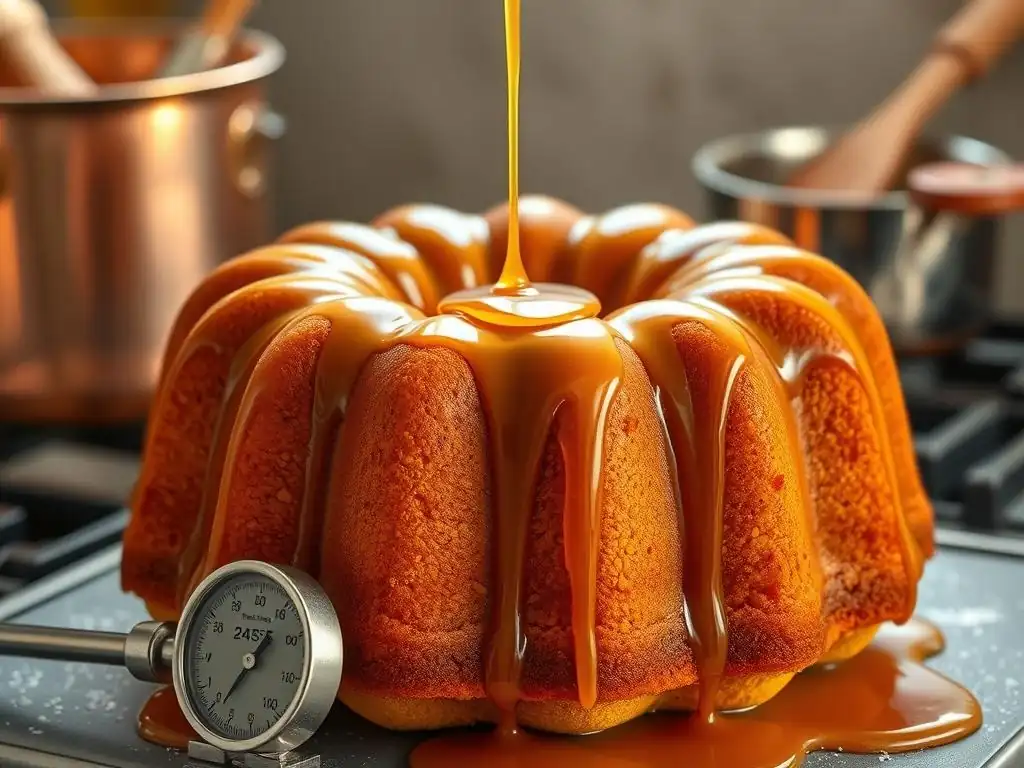
The ideal texture of caramel drizzle for a bundt cake is subjective and depends on your preference and the cake's design. Some bakers prefer a thin, almost glaze-like consistency that soaks slightly into the cake, while others opt for a thicker, more opulent sauce that sits on top and creates dramatic drips. Understanding how to control this final consistency is key to tailoring your caramel drizzle to your specific bundt cake vision.
The primary factor determining the final cooled consistency, once the sugar is caramelized, is the ratio of added liquid (specifically cream) to the caramelized sugar. More liquid results in a thinner sauce, less liquid results in a thicker one.
Thin Caramel Drizzle vs. Thick Caramel Drizzle
A thin caramel drizzle flows easily and creates delicate streams down the sides of the bundt cake. It might soak into the cake more readily, especially if the cake is warm. This consistency is achieved by using a higher ratio of cream to the amount of sugar caramelized, or by stopping the caramelization at a slightly lower temperature within the caramel range (e.g., 340°F) before adding the standard amount of cream. It cools to a soft, slightly sticky glaze.
A thick caramel drizzle is more viscous and holds its shape better, creating substantial drips that are more prominent visually. It sits more on the surface of the cake rather than soaking in deeply. This consistency is achieved by using a lower ratio of cream to caramelized sugar, or by allowing the caramel to reach a slightly higher temperature (e.g., 355°F) before adding the standard amount of cream, resulting in a higher concentration of caramelized sugar solids. It cools to a fudge-like or very thick sauce consistency.
How to Achieve Your Desired Consistency
To control the consistency, the simplest method is to adjust the amount of heavy cream you add after the sugar has caramelized to your desired color and temperature (e.g., 345°F / 174°C for a balanced flavor).
- For a thinner drizzle, start with the standard amount of cream (e.g., 3/4 cup per 1 cup sugar). If after cooling for 10-15 minutes it's still too thick, gently reheat it over low heat and stir in additional warmed cream, a tablespoon at a time, until it reaches the desired flow.
- For a thicker drizzle, use slightly less cream initially (e.g., 1/2 cup per 1 cup sugar). If after cooling it's too thin for your liking, you can try gently heating it again to evaporate a tiny bit of moisture, but this is risky and can lead to burning if not done very carefully over extremely low heat. It's generally easier to start with less cream and add more if needed.
Remember that the caramel will thicken considerably as it cools, so assess its thickness when it's warm but not piping hot.
Troubleshooting Caramel Drizzle That's Too Thick or Too Thin
- Caramel Drizzle is Too Thick: The easiest way to fix overly thick caramel drizzle is to gently reheat it. Place the container in a bowl of warm water, or heat it very gently in a saucepan over low heat. Once warm and more liquid, stir in a small amount (start with a teaspoon) of warm heavy cream or milk. Stir until fully incorporated and smooth. Repeat until you achieve the desired pourable consistency. This method is generally safe and effective.
- Caramel Drizzle is Too Thin: Fixing caramel drizzle that is too thin is more challenging. The most straightforward approach is to use it as is – perhaps as a soaking syrup for the cake layers before assembling, or as a general sauce rather than a thick drizzle. Attempting to thicken it by cooking it down further is risky, as you might burn the sugar, especially if you've already added the cream and butter. If you must try, do so over extremely low heat, stirring constantly, and watch it like a hawk for any sign of darkening or burning. A safer, though less ideal, method might be to make a separate, very thick batch of caramel and stir the thin batch into it, hoping to achieve a combined, thicker consistency.
Tips and Tricks for Enhancing Your Caramel Drizzle
Once you've mastered the basic technique of making golden caramel drizzle by controlling temperature and timing, you can start experimenting with variations to add extra layers of flavor and ensure your homemade caramel is always ready when you need it for perfecting caramel drizzle bundt cakes.
Small additions can make a big difference, transforming a simple caramel into a gourmet sauce. Proper storage and reheating techniques also play a vital role in maintaining the quality and usability of your delicious creation.
Adding Flavors to Your Caramel Drizzle: Salted Caramel, Vanilla Bean, Espresso
Elevating your caramel drizzle is easy with a few flavor additions:
- Salted Caramel: This is perhaps the most popular variation. Stir in 1/2 to 1 teaspoon of sea salt or kosher salt with the butter and cream, or after the sauce is complete. Taste and add more salt if desired. The salt enhances the sweetness and complexity of the caramel flavor.
- Vanilla Bean: For a luxurious touch, split a vanilla bean and scrape the seeds into the heavy cream before warming it. Let the bean pod steep in the warm cream for about 15-20 minutes to infuse the flavor, then remove the pod before adding the cream to the caramel. Alternatively, stir in 1-2 teaspoons of pure vanilla extract after the caramel sauce is finished and slightly cooled (adding it too early means the flavor evaporates).
- Espresso: Add a teaspoon or two of instant espresso powder or strongly brewed espresso coffee to the warmed heavy cream before adding it to the caramel. This creates a coffee-caramel flavor that pairs wonderfully with chocolate or plain bundt cakes.
Other possibilities include a splash of bourbon or rum (added carefully off the heat), spices like cinnamon or cardamom, or even a touch of orange zest steeped in the cream.
Storing Your Homemade Caramel Drizzle Properly
Proper storage ensures your homemade caramel drizzle stays fresh and maintains its quality for future use on bundt cakes or other desserts. Allow the caramel drizzle to cool completely before storing it.
Transfer the cooled caramel drizzle to an airtight container or jar. It can be stored at room temperature for about 1-2 weeks. For longer storage, keep it in the refrigerator for up to 1 month. The caramel will thicken considerably when chilled.
Avoid storing caramel in containers that are not airtight, as exposure to air can lead to crystallization over time. Label the container with the date so you know how long it's been stored.
Reheating Caramel Drizzle for Optimal Use
When you're ready to use stored caramel drizzle, especially if it's been refrigerated, it will likely be too thick to pour or drizzle. Reheating it gently will bring it back to a pourable consistency.
The best way to reheat caramel drizzle is using a double boiler or by placing the jar/container in a bowl of warm water. You can also reheat it gently in a small saucepan over very low heat, stirring constantly. Be careful not to overheat it, as this can cause it to become too thin or even burn if left unattended.
Heat just until it is warm and flows smoothly, which should be around 90-110°F (32-43°C). Avoid microwaving unless you do so in very short bursts (10-15 seconds), stirring between each, as microwaves can create hot spots and potentially burn the caramel quickly.
Applying Your Golden Caramel Drizzle to Bundt Cakes
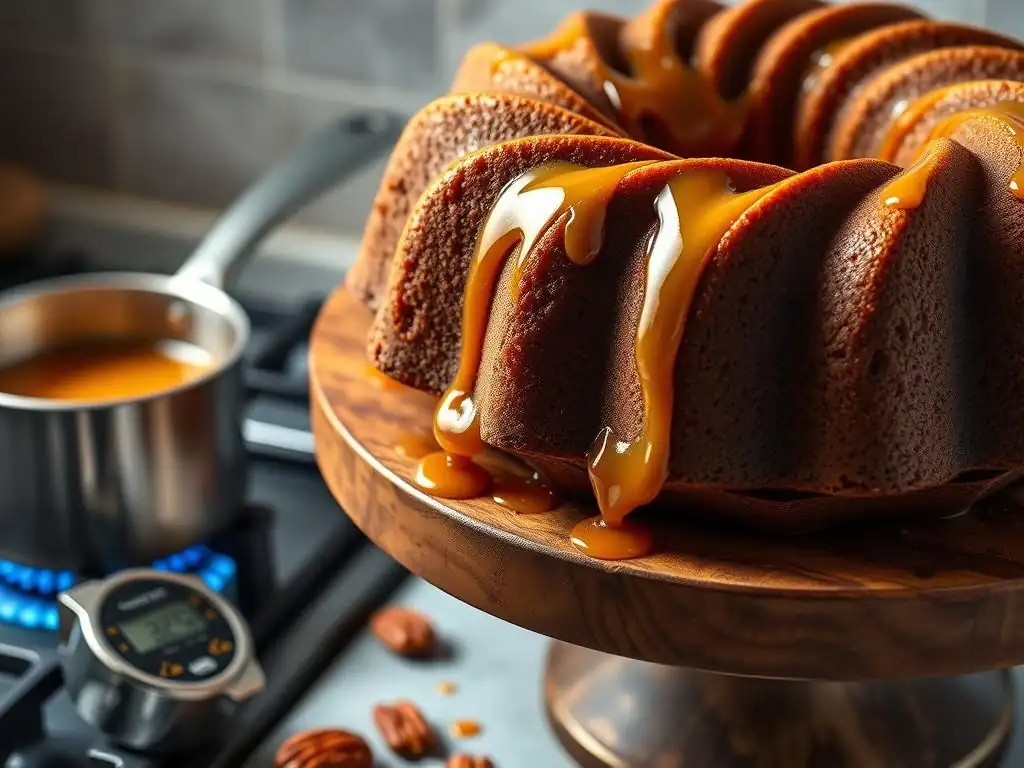
You've successfully crafted a beautiful batch of golden caramel drizzle. Now comes the fun part: applying it to your bundt cake! The way you drizzle can dramatically affect the final presentation.
Ensure your bundt cake is completely cooled before applying the caramel drizzle. Applying warm or hot caramel to a warm cake can cause the cake to absorb too much of the drizzle or even damage the cake's structure. A cool cake provides a stable surface for the caramel to set properly.
Best Practices for Drizzling Caramel on Bundt Cakes
- Cool the Cake: As mentioned, wait until the bundt cake is completely cool. This typically takes at least 1-2 hours after removing it from the pan.
- Consider Caramel Temperature: The temperature of the caramel drizzle itself is important for application. It should be warm enough to flow easily but not so hot that it melts the cake or runs off too quickly. Aim for a temperature where it flows off a spoon in a steady stream, usually slightly warmer than room temperature, around 90-100°F (32-38°C). Reheat gently if needed.
- Use the Right Tool: A spoon is the simplest tool for drizzling. For more control, you can use a piping bag fitted with a small round tip, or even a zip-top bag with a corner snipped off.
- Elevate the Cake: Place the cooled bundt cake on a wire rack set over a baking sheet or parchment paper. This catches any excess drizzle, making cleanup easier and preventing the bottom of the cake from sitting in a puddle of caramel.
- Start Drizzling: Begin drizzling the caramel over the top of the bundt cake, allowing it to run down the sides. You can control the pattern and coverage by moving your hand or bag.
Creative Caramel Drizzle Designs for Bundt Cakes
Beyond a simple random flow, you can create more deliberate designs:
- Classic Drip: Focus the drizzle along the edges of the center hole and the outer perimeter, letting gravity create natural drips down the fluted sides of the bundt. Vary the amount of caramel in different spots for uneven, artistic drips.
- Full Coverage Glaze: If your caramel drizzle is on the thinner side, you can pour a larger amount over the entire top surface of the cake, allowing it to completely cover the top and run down all sides for a glossy, glazed look.
- Crosshatch Pattern: Use a piping bag or a spoon to create lines of caramel that crisscross over the top of the cake.
- Target or Swirl: Start drizzling in the center hole and work your way outwards in a circular motion, or create swirls on the flat top surface of the cake.
Experiment with different consistencies and tools to find the design you like best for your specific bundt cake shape.
Pairing Caramel Drizzle with Different Bundt Cake Flavors
Caramel drizzle is incredibly versatile and pairs well with a wide range of bundt cake flavors.
- Classic Pairings: Vanilla bean bundt cake, chocolate bundt cake, apple bundt cake, banana bundt cake, and spice bundt cake are all natural partners for golden caramel drizzle.
- Nutty Flavors: Pecan, walnut, or almond flavored bundt cakes are enhanced by the rich notes of caramel. Consider adding toasted nuts on top of the caramel drizzle for extra texture.
- Coffee & Espresso: A coffee or espresso flavored bundt cake is divine with classic or salted caramel drizzle, especially if you've added a touch of espresso to the caramel itself.
- Fruit Flavors: While some fruit cakes might seem less obvious, caramel can complement pear, fig, or even some citrus flavors in a bundt cake.
Perfecting caramel drizzle bundt cakes involves not just the technical skill of making the caramel, but also the artistic choice of how to apply it and the culinary decision of which cake flavor it will complement best.
Perfecting Caramel Drizzle Bundt Cakes: A Recap of Key Techniques
Achieving that glossy, golden caramel drizzle that makes your bundt cake truly special boils down to a few key principles. We've walked through the science, the steps, and the troubleshooting, emphasizing that temperature and timing are the cornerstones of success.
Remember to use a reliable thermometer and monitor the sugar's temperature precisely as it caramelizes. Aim for that sweet spot between 340°F and 355°F (170-179°C) for optimal flavor and color without burning. Be prepared to remove the pan from the heat immediately once the target is reached.
Timing is critical, especially once the sugar begins to change color – the process accelerates rapidly. Have your butter and warmed cream ready to add without delay. Pay attention to the signs of crystallization and burning, and know how to prevent them.
Finally, control the consistency by adjusting the amount of cream added and by gently reheating to the desired flow before drizzling onto a fully cooled bundt cake. With practice and attention to these details, perfecting caramel drizzle bundt cakes will become a consistent and rewarding part of your baking repertoire. Enjoy the process and the delicious results!
Frequently Asked Questions
What's the ideal temperature for achieving a smooth caramel drizzle?
The ideal temperature is crucial. You're aiming for a soft ball stage, around 235-240°F (113-116°C). This ensures a pourable, not crystallized, caramel.
How does timing impact the caramel's consistency for a bundt cake?
Timing is everything! Too short, and it's watery; too long, and it's hard. Watch for a golden amber color and that soft ball stage for perfect consistency.
What are common mistakes when making caramel drizzle for bundt cakes?
Common mistakes include burning the sugar, not stirring properly, and adding cold ingredients too quickly. These lead to crystallization and uneven texture.
Can I use different types of sugar for the caramel drizzle?
While granulated sugar is most common, brown sugar can add a deeper flavor. However, adjust cooking time accordingly, as brown sugar caramelizes faster than white sugar, potentially leading to burnt caramel.
How can I prevent my caramel drizzle from becoming grainy after cooling on the bundt cake?
To prevent graininess, ensure the sugar is fully dissolved at the beginning and avoid stirring once it starts boiling. Adding a touch of acid, like lemon juice, can also help prevent crystallization.
Final Reflection: The Sweet Science of the Perfect Caramel Drizzle
The quest for the perfect caramel drizzle isn't just about achieving a visually stunning Bundt cake; it's about mastering the delicate balance of temperature and timing that transforms simple sugar into a luscious, golden masterpiece. This seemingly simple act of drizzling caramel speaks volumes about precision, patience, and the transformative power of heat. The techniques explored in this article are not just recipes; they are pathways to understanding the fundamental principles of caramelization, principles applicable far beyond the confines of baking.
The journey of perfecting the caramel drizzle has been a deeply personal one, revealing the intricate dance between science and artistry in the kitchen. It's a reminder that even the most seemingly straightforward culinary tasks can hold hidden depths of complexity and reward. The art of cooking is the art of mastering the elements,
a wise chef once said, and this couldn't be truer when it comes to achieving that perfect, glossy caramel. The subtle shifts in color, the delicate crackle as it cools – these are the sensory details that elevate a simple cake into something truly special.
Now, I invite you to take what you've learned and apply it to your own baking endeavors. Don't be afraid to experiment, to adjust temperatures, to play with timing. The perfect caramel drizzle, like any great culinary achievement, is a testament to your dedication and willingness to embrace the process. The next time you find yourself facing a bowl of simmering sugar, remember the lessons learned here, and let your own golden drizzle become a symbol of your culinary mastery. Embrace the challenge, and savor the sweet reward.
Unlock Your Inner Pastry Chef: Master the Caramel Drizzle!
Thanks for taking the time to perfect your caramel drizzle technique! You've learned the secrets to golden perfection—now it's time to put your newfound knowledge into action.
Here's how to take your baking to the next level:
- Whip up a batch of your own caramel drizzle: Use the tips and tricks from the article to create the richest, most delicious caramel you’ve ever tasted. This is your chance to shine!
- Experiment with different bundt cake flavors: See how the caramel complements various cake bases – from chocolate to lemon to even spiced pumpkin! Share your results!
- Challenge a friend to a caramel-drizzle-off: Let’s see who can create the most stunning (and delicious) caramel masterpiece. Post your creations on social media and tag us!
Ready to create your signature caramel drizzle? What flavor combination will you try first?