
Powdered Sugar vs. Granulated: Knowing When to Use Which for Best Results

Welcome to BakeWithEase, where we unlock the secrets to baking perfection! Have you ever wondered if you're using the right type of sugar in your recipes? Today, we delve into the fascinating world of granulated sugar for baking recipes and how it stacks up against its powdery counterpart. Discover the subtle nuances that can make or break your next masterpiece, and learn when to reach for each to achieve truly exceptional results. Intrigued? Let's get baking!
- Brown Sugar vs. White Sugar: Knowing When to Use Which for Best Results
- Understanding Sugar's Role in Baking: Brown and White Sugar Explained
- White Sugar for Baking Recipes: Properties and Best Uses
- Brown Sugar in Baking: A Deep Dive into its Applications
- Brown Sugar vs. White Sugar: A Detailed Comparison for Baking Success
- Substituting Brown Sugar for White Sugar (and Vice Versa): Is It Possible?
- Common Mistakes When Using Brown and White Sugar in Baking
- Mastering Sugar in Baking: Advanced Techniques and Tips
-
Frequently Asked Questions
- What is the main difference between powdered sugar and granulated sugar when used in baking?
- Why does the article focus on both powdered and granulated sugar, especially when I'm interested in "granulated sugar for baking recipes"?
- Can I substitute granulated sugar for powdered sugar (or vice versa) in any baking recipe?
- What are some specific baking recipes where granulated sugar is the preferred choice?
- How does the size of granulated sugar crystals affect the final result in baking?
- Final Reflection: The Sweet Science of Sugar Selection
- Unlock Your Baking Potential: Master Sugar's Secrets!
Brown Sugar vs. White Sugar: Knowing When to Use Which for Best Results
Understanding Sugar's Role in Baking: Brown and White Sugar Explained
The Importance of Sugar Type in Baking Outcomes
The type of sugar used in a baking recipe is far more critical than just providing sweetness. Different sugars interact with other ingredients in unique ways, significantly impacting the final texture, moisture, spread, and even color of your baked goods. For instance, selecting the right sugar is key whether you're aiming for a crisp cookie, a moist cake, or a perfectly chewy brownie. Granulated sugar for baking recipes, also known as white sugar, behaves differently than brown sugar, which contains molasses, and understanding these differences is fundamental to achieving consistent and delicious results.
Consider the structure of a cake or cookie. Sugar crystals play a role in creaming butter, creating air pockets that contribute to leavening. The size and shape of these crystals, which vary between sugar types, influence how well they cut into fat and incorporate air. Furthermore, sugar affects the gluten structure in doughs and batters and influences the gelatinization of starches. Choosing the wrong sugar can lead to results that are too dry, too crumbly, too flat, or simply not what the recipe intended, highlighting why paying attention to the sugar specified is a non-negotiable step for successful baking.
Exploring Different Types of Sugar for Baking: A Quick Overview
Beyond the common white and brown varieties, the world of sugar for baking recipes is quite diverse. Granulated sugar (white sugar) is a highly refined sucrose with uniform, medium-sized crystals. Finer versions like superfine or caster sugar dissolve more quickly, ideal for delicate cakes and meringues, while coarser sugars like sanding or decorating sugar are used for topping for sparkle and crunch.
Brown sugar, on the other hand, is essentially granulated sugar with molasses added back in (or less refined sugar where molasses hasn't been completely removed). It comes in light and dark varieties, differing in molasses content – dark brown sugar has more molasses, resulting in a deeper color, stronger flavor, and higher moisture.
Other sugars like confectioners' sugar (powdered sugar mixed with a small amount of cornstarch) are used for frostings and dusting, while liquid sweeteners like honey, maple syrup, and corn syrup offer distinct flavors and moisture properties. Each type of sugar, including the fundamental granulated sugar for baking recipes and its brown counterpart, has specific applications where its unique characteristics shine.
White Sugar for Baking Recipes: Properties and Best Uses
What is White Sugar? Composition and Characteristics
White sugar, most commonly referred to as granulated sugar in the kitchen, is a highly refined form of sucrose. It is produced from sugarcane or sugar beets, processed to remove all molasses and impurities, resulting in pure sucrose crystals that are typically uniform in size. This refining process gives granulated sugar its characteristic white color and clean, sweet flavor. It has a crystalline structure that doesn't readily absorb moisture from the air, making it relatively free-flowing and stable.
The uniform crystal size of granulated sugar for baking recipes is crucial in many techniques, particularly creaming with butter. As the sharp sugar crystals are beaten with fat, they cut into it, creating tiny air pockets. These air pockets expand during baking, contributing to the lift and texture of baked goods.
White sugar also melts at a specific temperature and caramelizes, contributing to crust development and browning, albeit without the added complexities that molasses brings. Its neutral flavor allows the other ingredients in a recipe to stand out, making it a versatile staple for countless granulated sugar for baking recipes.
When to Use White Sugar in Baking: Ideal Scenarios
Granulated sugar for baking recipes is the go-to choice when you need structure, spread, and a clean, pure sweetness. Its ability to create air pockets when creamed with fat makes it essential for achieving a light and airy texture in many cakes and cookies. It also promotes spread in cookies due to its melting properties during baking. Furthermore, white sugar caramelizes to a beautiful golden brown, contributing to desirable crusts and finishes.
- Meringues: The fine crystals of granulated sugar dissolve easily in egg whites and provide structure, resulting in stable, glossy peaks.
- Crisp Cookies: Recipes aiming for a crunchy texture, like classic sugar cookies or shortbread, rely on granulated sugar for its ability to promote spread and crispness.
- Light & Airy Cakes: Sponge cakes, génoise, and many butter cakes benefit from the leavening provided by creaming butter and granulated sugar for baking recipes, leading to a tender crumb.
- Caramel: Pure granulated sugar is essential for making clear, smooth caramel due to the absence of molasses.
Using White Sugar for Cookies
When making cookies, especially those intended to be crisp or have a significant spread, granulated sugar for baking recipes is often the primary sweetener. Its crystalline structure helps aerate the dough during creaming, which contributes to lift and texture. More importantly, as the cookies bake, the granulated sugar crystals melt and spread relatively quickly before the structure of the cookie sets. This melting action is key to achieving that desirable thin, crispy edge and overall spread found in many classic cookie recipes, like simple sugar cookies or certain types of chocolate chip cookies where crispness is desired.
For example, a standard sugar cookie recipe often relies heavily on granulated sugar. A typical ratio might be 1 part sugar to 1 part butter and 2 parts flour by weight. Using granulated sugar here ensures the cookies spread nicely on the baking sheet and develop a uniform, crisp texture throughout after cooling. If you were to substitute entirely with brown sugar, you'd end up with a thicker, chewier cookie with less spread, demonstrating the specific role granulated sugar plays in cookie structure and texture.
Using White Sugar for Cakes
In cake baking, granulated sugar for baking recipes is fundamental, particularly in recipes that start with creaming butter and sugar. The process of creaming incorporates air, which is a primary leavening agent in many cakes. The sharp edges of granulated sugar crystals cut into the solid fat, creating tiny air pockets that expand in the oven, contributing to a light and tender crumb structure. Recipes for classic butter cakes, pound cakes, and some sponge cakes depend on this aeration process.
Beyond aeration, white sugar contributes to the overall structure by interfering with gluten development, preventing the cake from becoming tough. It also raises the temperature at which starches gelatinize and proteins coagulate, allowing the cake to rise more before setting. For example, in a standard butter cake, using the correct amount of granulated sugar ensures a moist crumb and a delicate texture.
Using too little sugar can result in a dry, dense cake, while using too much can cause it to collapse. The clean sweetness of white granulated sugar also allows other flavors, like vanilla or citrus zest, to come through clearly.
Benefits of Using White Sugar in Baking
Using granulated sugar for baking recipes offers several distinct advantages. Its neutral flavor profile means it provides sweetness without adding any competing tastes, allowing the primary flavors of your ingredients – be it chocolate, fruit, or spice – to be the star. This makes it incredibly versatile for a wide range of recipes, from delicate pastries to robust bread doughs.
Furthermore, white sugar contributes significantly to the texture of baked goods. Its ability to promote spread in cookies, create a crisp exterior, and assist in aeration during creaming are invaluable properties. It also helps stabilize egg foams in meringues and soufflés. Granulated sugar is also highly stable, with a long shelf life when stored properly, and is readily available, making it a convenient and reliable ingredient for everyday baking needs.
Brown Sugar in Baking: A Deep Dive into its Applications
What is Brown Sugar? Composition and Production Process
Brown sugar is essentially granulated sugar combined with molasses, or it is less refined sugar where some of the natural molasses remains. The amount of molasses added back dictates whether it is classified as light brown sugar or dark brown sugar. Light brown sugar typically contains about 3.5% molasses by weight, while dark brown sugar contains about 6.5% molasses. This molasses content is what gives brown sugar its characteristic moist texture, darker color, and distinct flavor.
The production process often involves taking fully refined white granulated sugar and blending it with a precise amount of food-grade molasses syrup. Alternatively, some brown sugar is produced by stopping the refining process earlier, allowing a certain percentage of molasses to remain with the sugar crystals. This residual molasses method is less common for commercially sold brown sugar. Regardless of the method, the presence of molasses is key, providing not just color and flavor but also hygroscopic properties, meaning it attracts and retains moisture.
Understanding the Texture and Purpose of Brown Sugar
The defining characteristic of brown sugar is its moist, soft, and slightly sticky texture, which comes directly from the molasses content. Unlike the free-flowing crystals of granulated sugar for baking recipes, brown sugar tends to clump together unless specifically handled or stored to prevent this. This moisture is not just a textural quirk; it plays a functional role in baking.
The hygroscopic nature of molasses means that brown sugar adds moisture to baked goods and helps them retain moisture over time, resulting in softer, chewier, and more tender results. It also contributes a distinct, slightly caramel or toffee-like flavor due to the molasses, which can enhance the overall taste profile of certain recipes, particularly those featuring spices, chocolate, or fruit. Its color also imparts a darker hue to batters and finished products.
When to Use Brown Sugar in Baking: Ideal Applications
Brown sugar is the preferred choice when you want to add moisture, chewiness, and a rich, slightly caramelized flavor to your baked goods. Its molasses content makes it excellent for recipes where a soft, tender texture is desired, and where the subtle notes of molasses complement the other ingredients.
- Chewy Cookies: Brown sugar is a cornerstone ingredient in many classic chewy cookie recipes, like chocolate chip cookies, contributing both moisture and flavor.
- Moist Cakes: Cakes like carrot cake, gingerbread, and spice cakes often use brown sugar to enhance moisture retention and add depth of flavor.
- Brownies: Brown sugar is frequently used in brownie recipes to create a fudgier, moister texture and a richer flavor.
- Certain Breads: Some quick breads and yeast breads benefit from brown sugar for added moisture and a touch of sweetness with flavor complexity.
Using Brown Sugar for Cookies: Achieving Chewy Texture
Brown sugar is indispensable for achieving that coveted chewy texture in cookies, most famously in the classic chocolate chip cookie. Compared to using only granulated sugar for baking recipes, brown sugar contributes significantly more moisture due to its molasses content (around 5-10% moisture vs. <0.5% for white sugar). This extra moisture prevents the cookies from drying out and becoming brittle, resulting in a softer, more pliable texture even after cooling.
Furthermore, brown sugar contains trace minerals from the molasses, which slightly affects how it interacts with proteins and starches during baking compared to pure sucrose. This subtle difference, combined with the higher moisture, inhibits spread slightly and promotes a thicker, chewier interior. A typical chewy chocolate chip cookie recipe might use a higher ratio of brown sugar to white sugar, perhaps a 2:1 or even 3:1 ratio of brown to white, specifically to maximize chewiness and the rich molasses flavor.
Using Brown Sugar for Cakes: Adding Moisture and Molasses Flavor
Incorporating brown sugar into cake recipes is an excellent way to enhance both moisture and flavor. Cakes that tend to dry out quickly, such as spice cakes, fruit cakes, or dense loaf cakes, benefit greatly from brown sugar's hygroscopic properties. The molasses attracts and holds onto water, keeping the crumb soft and moist for longer than if only granulated sugar for baking recipes were used.
Beyond moisture, brown sugar imparts a warm, slightly caramel or toffee note that pairs wonderfully with spices like cinnamon, ginger, and nutmeg, as well as ingredients like apples, bananas, and carrots. A carrot cake recipe, for instance, often uses brown sugar not just for moisture but also because its flavor profile complements the earthy sweetness of carrots and spices. Using dark brown sugar will result in a more pronounced molasses flavor and a darker cake compared to using light brown sugar.
Using Brown Sugar for Brownies
Brown sugar is a secret weapon for achieving moist, fudgy brownies. While granulated sugar contributes to the crust and overall sweetness, brown sugar is key to the desirable dense, chewy texture. The molasses content helps create a softer crumb and prevents the brownies from becoming cakey or dry.
Many popular brownie recipes call for a significant amount of brown sugar, sometimes even using it as the sole sweetener. For example, a recipe aiming for ultimate fudginess might use 1.5 cups of packed brown sugar and only 0.5 cups of granulated sugar. This high ratio of brown sugar ensures a moist interior that stays fudgy even after cooling, unlike recipes relying solely on granulated sugar, which might yield a result closer to a chocolate cake. The molasses also adds a subtle depth of flavor that complements the rich chocolate.
Advantages of Using Brown Sugar in Baking
The primary advantages of using brown sugar in baking are its ability to enhance moisture, improve texture, and add flavor complexity. The molasses content ensures baked goods stay moist and tender, improving their keeping quality. This is particularly noticeable in cookies, brownies, and certain cakes that can otherwise dry out quickly.
Brown sugar contributes to a desirable chewy texture, especially in cookies and brownies, which is often the preferred outcome for these treats. The unique caramel-like flavor from the molasses adds warmth and depth, complementing spices, chocolate, and fruits in a way that the clean sweetness of granulated sugar cannot. While it may require slightly different handling due to its tendency to clump, the textural and flavor benefits it brings make brown sugar an invaluable ingredient in the baker's pantry.
Brown Sugar vs. White Sugar: A Detailed Comparison for Baking Success
Texture and Consistency: White vs. Brown Sugar in Baking
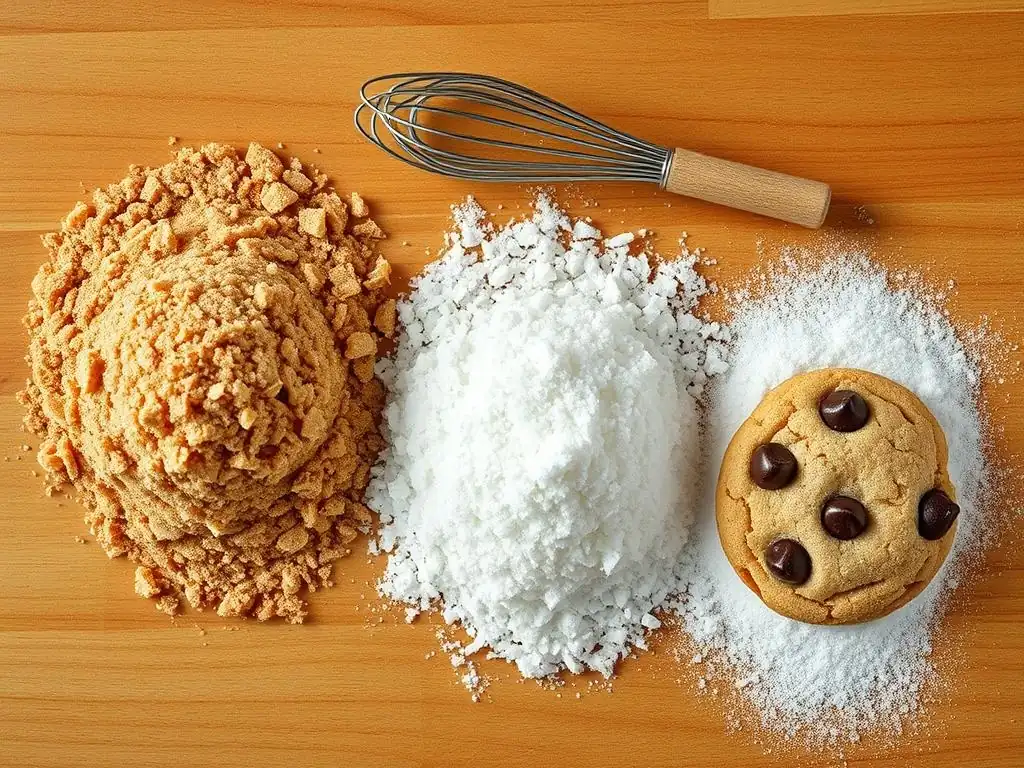
The most apparent difference between white and brown sugar lies in their texture and consistency. Granulated sugar (white sugar) consists of individual, free-flowing crystals that are dry and uniform in size. This crystalline structure is essential for certain mechanical functions in baking, such as creating air pockets when creamed with fat. The dry nature also contributes to crispness in finished products.
Brown sugar, conversely, is moist and tends to pack together due to its molasses content. This moisture gives it a soft, slightly sticky texture. When used in baking, this inherent moisture is transferred to the dough or batter, resulting in a softer, chewier texture in the final baked good. For example, consider a standard chocolate chip cookie recipe: using a higher proportion of white granulated sugar for baking recipes will yield a flatter, crispier cookie, while increasing the brown sugar ratio will result in a thicker, chewier cookie with less spread.
Moisture Content and its Effect on Baked Goods
The difference in moisture content is perhaps the most significant functional distinction between white and brown sugar. Granulated sugar is nearly 100% sucrose and contains less than 0.5% moisture. Brown sugar, containing molasses, has a moisture content typically ranging from 3.5% (light brown) to 6.5% (dark brown). This difference profoundly impacts the outcome of baked goods.
The higher moisture level in brown sugar contributes to a moister crumb in cakes and breads and a softer, chewier texture in cookies and brownies. It also helps baked goods retain moisture over time, extending their freshness. For instance, a batch of muffins made with brown sugar will likely stay moist longer than an identical batch made with only white granulated sugar for baking recipes. This hygroscopic property is a key reason brown sugar is favored in recipes where moisture retention is crucial.
Sweetness Level and Impact on Flavor Profiles
While both brown and white sugar are primarily sucrose and provide sweetness, their flavor profiles differ due to the presence of molasses in brown sugar. Granulated sugar offers a clean, pure sweetness that is relatively neutral. It sweetens the product without adding any other significant flavor notes, allowing the flavors of other ingredients to dominate.
Brown sugar, on the other hand, provides sweetness along with the distinct flavor of molasses. This flavor can range from a mild caramel or toffee note in light brown sugar to a richer, more pronounced flavor in dark brown sugar. This added flavor complexity can enhance recipes, particularly those with warm spices, chocolate, or fruit.
For example, a gingerbread cookie made with brown sugar will have a deeper, more complex flavor than one made solely with white granulated sugar for baking recipes. The choice between them often depends on whether a pure sweet base or a more nuanced flavor profile is desired.
Baking Applications: Choosing the Right Sugar for the Right Recipe
Selecting the appropriate sugar is paramount for achieving the desired outcome in baking. As we've seen, white granulated sugar for baking recipes is ideal for applications requiring crispness, spread, aeration through creaming, and a clean, neutral sweetness. Think of meringues, crisp cookies, light sponge cakes, and delicate pastries.
Brown sugar is better suited for recipes where moisture, chewiness, and a molasses-rich flavor are desired. This includes chewy cookies, moist cakes, fudgy brownies, and spiced baked goods. Many recipes will call for a combination of both sugars to leverage the benefits of each – the spread and crispness from white sugar combined with the moisture and chewiness from brown sugar, as seen in many classic chocolate chip cookie recipes. Understanding these functional differences empowers you to choose the best sugar for your specific baking goals.
Substituting Brown Sugar for White Sugar (and Vice Versa): Is It Possible?
Considerations When Substituting Sugars in Baking
Substituting brown sugar for white granulated sugar for baking recipes (or vice versa) is often possible, but it's rarely a simple 1:1 swap without potential consequences. The key considerations are the differences in moisture content, crystal size, flavor profile, and how these properties affect texture and spread. Brown sugar contains significantly more moisture and molasses flavor than white sugar.
When substituting, you must consider what role the original sugar played in the recipe. Was it primarily for crispness and spread (white sugar)? Or was it for moisture, chewiness, and flavor (brown sugar)? Swapping without accounting for these functional differences can alter the final texture, moisture level, color, and flavor of your baked goods, potentially leading to results that are too dry, too wet, too crumbly, too flat, or simply off-flavor.
Adjusting Recipes for Sugar Substitutions: Tips and Tricks
If you need to substitute brown sugar for white granulated sugar for baking recipes, or vice versa, here are a few tips to help mitigate potential issues:
- 1:1 Volume Substitution (with caution): For many recipes, a 1:1 volume substitution (e.g., 1 cup brown sugar for 1 cup white sugar) can work, but expect changes. Brown sugar is denser when packed, so 1 cup packed brown sugar is heavier than 1 cup white sugar (approx. 220g vs. 200g). This difference in weight/density means you're adding slightly more sugar by weight when using brown sugar by volume.
- Adjust Liquid: When substituting brown sugar for white, you are adding moisture. In some sensitive recipes, reducing the liquid (like milk or water) by a tablespoon or two per cup of brown sugar substituted might help maintain the intended consistency. Conversely, substituting white sugar for brown might require adding a tiny bit of liquid.
- Expect Texture Changes: Be prepared for the texture to be different. Substituting brown for white will likely result in a chewier, moister product with less spread. Substituting white for brown will likely result in a crispier, drier product with more spread.
- Consider Flavor: Remember the molasses flavor. Substituting brown for white will add that flavor; substituting white for brown will remove it. Ensure this flavor change is acceptable for your recipe.
Potential Problems and How to Avoid Them
Substituting sugars without considering their properties can lead to several common problems. One major issue is altered texture. Substituting brown sugar for white granulated sugar for baking recipes in a crisp cookie recipe, for example, will likely result in a softer, chewier cookie instead of the desired crisp one. Conversely, using white sugar in a recipe designed for brown sugar might lead to a dry or crumbly result.
Another problem is changes in spread, particularly in cookies. White sugar promotes more spread than brown sugar. Swapping them can drastically alter how your cookies bake.
Flavor changes are also inevitable; the distinct molasses flavor of brown sugar will be introduced or removed. To avoid these issues, the best approach is to stick to the sugar specified in the recipe, especially for sensitive items like meringues, caramels, or delicate cakes. If you must substitute, do so in recipes where texture and flavor variations are less critical, and consider making small adjustments to liquid or fat to compensate for the moisture difference.
Common Mistakes When Using Brown and White Sugar in Baking
Measuring Sugar Accurately: Ensuring Consistent Results
Accurate measurement is fundamental to successful baking, and sugar is no exception. A common mistake is improperly measuring brown sugar. While granulated sugar for baking recipes is typically spooned lightly into a measuring cup and leveled off, brown sugar needs to be firmly packed into the measuring cup. Failure to pack brown sugar results in using less sugar than the recipe intends, leading to changes in sweetness, texture, and moisture.
For granulated sugar, simply scooping directly from the bag can also lead to inaccurate measurements if the sugar is compacted. Spooning it into the cup ensures a more consistent volume. For maximum accuracy, especially in professional baking or when developing recipes, weighing sugar is always the preferred method. A cup of white granulated sugar weighs approximately 200 grams, while a cup of packed light brown sugar weighs about 220 grams. Using a digital scale eliminates the variability of volume measurement, ensuring reliable and repeatable results every time.
Mixing Techniques: Incorporating Sugar Properly into Batters and Doughs
How sugar is incorporated into a batter or dough significantly impacts the final texture. A common mistake, particularly when using granulated sugar for baking recipes, is not creaming it with butter for the correct amount of time or at the right speed. The creaming process relies on the sharp sugar crystals cutting into the fat to create air pockets. If under-creamed, insufficient air is incorporated, resulting in a denser, less airy baked good. Over-creaming can also be detrimental, warming the butter too much and collapsing the air structure.
When adding sugar to wet ingredients or egg foams, ensure it is fully dissolved or evenly dispersed. Forgetting to sift confectioners' sugar can lead to lumps. With brown sugar, ensuring it's not in solid clumps before adding it to other ingredients is important for even distribution. Different recipes require different mixing techniques – some call for creaming, others for whisking sugar into eggs, and some for simply stirring dry ingredients together. Following the recipe's specific instructions for incorporating sugar is crucial for achieving the intended outcome.
Storage Tips: Maintaining the Quality of Your Sugar
Improper storage can negatively affect the quality and usability of both brown and white sugar. Granulated sugar for baking recipes is relatively stable due to its low moisture content but can absorb odors or become clumpy if exposed to moisture or air over long periods. Storing it in an airtight container in a cool, dry place is best.
Brown sugar is prone to hardening because its moisture evaporates when exposed to air. This makes it difficult to measure and incorporate into recipes. To prevent brown sugar from hardening, store it in a truly airtight container. If it does harden, it can often be softened by placing a slice of bread, a few marshmallows, or a terracotta brown sugar saver (soaked in water) in the container with the sugar overnight. Avoid storing sugar near heat sources or in humid environments, as this can cause clumping or melting. Proper storage ensures your sugar remains in optimal condition for baking.
Mastering Sugar in Baking: Advanced Techniques and Tips
Infusing Sugar with Flavors: Elevating Your Baking
Taking your baking to the next level can involve infusing your granulated sugar for baking recipes with other flavors. This simple technique can add subtle complexity to your baked goods without altering the recipe's structure. You can infuse sugar by storing it with aromatic ingredients in an airtight container for a week or two.
Consider adding a vanilla bean pod to your white sugar container for fragrant vanilla sugar, perfect for cookies, cakes, or whipped cream. Citrus zest can also be rubbed into sugar crystals to create vibrant lemon, orange, or lime sugar, excellent for muffins, quick breads, or glazes. Spices like cinnamon sticks or star anise can also subtly flavor sugar. This infused sugar can then be used cup-for-cup in any recipe calling for plain sugar, adding an extra layer of flavor dimension.
Making Your Own Brown Sugar: A Simple Guide
If you find yourself without brown sugar, or want to control the level of molasses flavor, you can easily make your own using white granulated sugar for baking recipes and molasses. This DIY method allows you to create either light or dark brown sugar.
To make light brown sugar, combine 1 cup (about 200g) of granulated sugar with 1 tablespoon of molasses. For dark brown sugar, use 2 tablespoons of molasses per cup of granulated sugar. Place the sugar and molasses in a bowl and mix thoroughly.
The best way to combine them evenly is often using a stand mixer with the paddle attachment or a food processor, mixing until the sugar is uniformly colored and the molasses is fully incorporated. You can also do this by hand, rubbing the molasses into the sugar crystals with your fingers or a spoon until no white streaks remain. This homemade version functions just like commercial brown sugar in recipes.
Exploring Different Types of Brown Sugar for Baking
While light and dark brown sugar are the most common, exploring other less refined or specialty brown sugars can open up new flavor possibilities in your baking. Muscovado sugar, for example, is a less refined brown sugar with a much higher molasses content than standard dark brown sugar. It has a strong, pungent molasses flavor and a moist, slightly sticky texture.
Using muscovado sugar can add a deeper, more intense flavor to gingerbread, fruitcakes, or rich chocolate desserts. Demerara and Turbinado sugars are coarse-grained, partially refined sugars with a golden color and a mild, toffee-like flavor. While less suitable for incorporating into batters due to their large crystals, they are excellent for sprinkling on top of muffins, scones, or pies before baking to create a crunchy, caramelized crust. Experimenting with these different types of brown sugar for baking can add unique dimensions to your favorite recipes.
Frequently Asked Questions
What is the main difference between powdered sugar and granulated sugar when used in baking?
The primary difference lies in their texture and how they dissolve in recipes. Granulated sugar provides structure and crispness, while powdered sugar creates a smooth, melt-in-your-mouth texture.
Why does the article focus on both powdered and granulated sugar, especially when I'm interested in "granulated sugar for baking recipes"?
Understanding the contrast helps you choose the right sugar for your desired outcome. Knowing when not to use powdered sugar clarifies granulated sugar's specific benefits in certain recipes.
Can I substitute granulated sugar for powdered sugar (or vice versa) in any baking recipe?
Generally, no. Substituting sugars directly can drastically alter the recipe's texture and structure. This is because of the different processing and starch content in powdered sugar.
What are some specific baking recipes where granulated sugar is the preferred choice?
Granulated sugar shines in recipes needing structure and caramelization, such as cookies, cakes, and breads. It creates a desirable chewiness and golden-brown crust.
How does the size of granulated sugar crystals affect the final result in baking?
The size of the crystals affects the dissolving rate and texture. Finer granulated sugar dissolves more readily, leading to a smoother batter and a more even bake.
Final Reflection: The Sweet Science of Sugar Selection
The seemingly simple choice between powdered and granulated sugar profoundly impacts baking results, a fact often overlooked by even seasoned bakers. Understanding the subtle differences in texture, moisture content, and resulting effects on recipes is crucial for achieving consistent, high-quality baked goods. This isn't just about following a recipe; it's about mastering the art of baking.
The ongoing exploration of ingredient nuances, like the distinctions between powdered and granulated sugar, reflects a broader cultural shift towards mindful cooking and baking. We're moving beyond simply following instructions and delving into the "why" behind each ingredient. This deeper understanding allows for greater creativity and control in the kitchen. The best bakers are the ones who understand the science behind the art.
– This anonymous quote perfectly encapsulates the spirit of this article, emphasizing the importance of knowledge in achieving culinary excellence.
So, the next time you reach for the sugar bowl, pause for a moment. Consider the recipe's requirements and the desired outcome. Will the delicate texture of a meringue benefit from the fine consistency of powdered sugar, or will the robust structure of a cake thrive with the coarser crystals of granulated sugar? The choice is yours, and with the knowledge gained here, you are now empowered to make the best decision for your baking success. Embrace the subtle science, experiment with different sugars, and discover the sweet rewards of informed baking.
Unlock Your Baking Potential: Master Sugar's Secrets!
Thanks for diving into the delicious world of sugar with us! You've now got the knowledge to elevate your baking game. Ready to put your new expertise to the test?
- Experiment with both sugars: Try substituting powdered sugar for granulated in a familiar recipe (and vice versa!) to see how it impacts the texture and taste. Note your findings!
- Share your sweet discoveries: Post your baking triumphs (or even your flour-power fails!) on social media and tag us @BakeWithEase! Let's build a community of baking enthusiasts.
- Challenge yourself with a new recipe: Find a recipe that specifically calls for one type of sugar and see if you can adapt it using the other. What creative results can you achieve?
What unique baking adventure will you embark on next?