
Whole Grain vs. Refined Flour: What's the Difference for Baking?

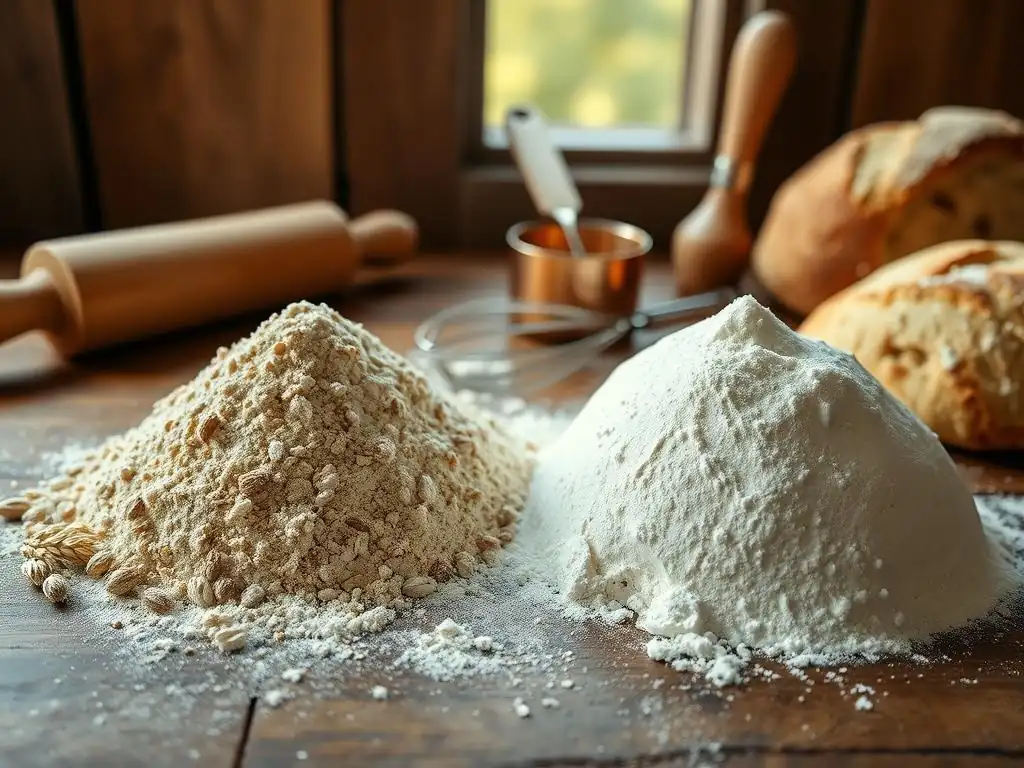
Welcome to BakeWithEase, your trusted guide to the delightful world of baking! Ever wondered how using whole grain flour can transform your favorite recipes? This article dives deep into the differences between whole grain and refined flours, revealing secrets to unlock richer flavors and textures in your baking creations. Discover how to harness the power of whole grains and elevate your skills with our expert tips and tricks. Ready to bake healthier and tastier treats? Let's get started!
- Whole Wheat vs. All-Purpose Flour: What's the Difference for Baking?
- Understanding Whole Wheat and All-Purpose Flour for Baking
- Nutritional Comparison: Whole Wheat Flour vs. All-Purpose Flour in Baking
- Baking with Whole Wheat Flour: Techniques and Tips
- Baking with All-Purpose Flour: Advantages and Disadvantages
- Best Uses: Whole Wheat vs. All-Purpose Flour in Different Baked Goods
- Converting Recipes: Replacing All-Purpose Flour with Whole Wheat Flour
- Storing Whole Wheat and All-Purpose Flour: Maintaining Freshness for Baking
- Conclusion: Choosing the Right Flour for Your Baking Needs
-
Frequently Asked Questions
- What are the main differences between whole grain flour and refined flour when baking?
- How does using whole grain flour affect the texture of my baked goods?
- Can I substitute whole grain flour directly for refined flour in any recipe?
- What are some common challenges when baking with whole grain flour and how can I overcome them?
- What are the health benefits of using whole grain flour in baking?
- Final Reflection: The Flour Power of Conscious Baking
- Unleash Your Baking Potential: Master Whole Grains!
Whole Wheat vs. All-Purpose Flour: What's the Difference for Baking?
Understanding Whole Wheat and All-Purpose Flour for Baking
Defining Whole Wheat Flour: A Baker's Perspective
Whole wheat flour is milled from the entire wheat kernel, including the bran, germ, and endosperm. This comprehensive approach to milling is what gives whole wheat flour its distinctive color, flavor, and nutritional profile. When you're exploring whole grain flour baking, understanding this composition is key. The bran is the outer layer, rich in fiber; the germ is the embryo, packed with nutrients and oils; and the endosperm is the starchy interior, which makes up the bulk of the kernel. Using the whole kernel means you get all the components working together in your dough or batter.
From a baker's viewpoint, this composition significantly impacts how the flour behaves. The presence of bran and germ affects gluten development, hydration needs, and shelf life. For example, the sharp edges of the bran particles can cut gluten strands as they form, potentially leading to denser baked goods if not handled properly. The oils in the germ can also contribute to a shorter shelf life compared to more refined flours. Successfully incorporating whole wheat flour into your whole grain flour baking requires acknowledging these unique characteristics and adjusting your techniques accordingly.
Defining All-Purpose Flour: What Bakers Need to Know
All-purpose flour, in contrast, is a refined flour. It is primarily made from the endosperm of the wheat kernel, with the bran and germ removed during the milling process. This results in a fine, white powder that is consistent in texture and behavior, making it incredibly versatile – hence the name "all-purpose." It typically has a moderate protein content, usually ranging from 10% to 12%, which allows it to be used for a wide range of baked goods, from delicate cakes to sturdy breads.
For bakers, the primary advantage of all-purpose flour is its predictability and ease of use. Without the bran and germ interfering, the gluten network develops more smoothly, leading to lighter, airier textures in many recipes. Its neutral flavor also allows other ingredients to shine. While it's a staple in most kitchens for general baking tasks, its lack of bran and germ means it has a different nutritional profile compared to whole grain options for whole grain flour baking, containing less fiber and fewer vitamins and minerals naturally present in the whole kernel.
Nutritional Comparison: Whole Wheat Flour vs. All-Purpose Flour in Baking
Fiber Content: How Whole Wheat Flour Impacts Baking
One of the most significant nutritional differences between whole wheat and all-purpose flour lies in their fiber content. Whole wheat flour retains the bran, which is a rich source of dietary fiber. This high fiber content not only offers health benefits but also impacts baking performance. For instance, a typical whole wheat flour might contain around 12-14 grams of fiber per 100 grams, while an all-purpose flour might have only 2-3 grams per 100 grams. This substantial difference means that baked goods made with whole wheat flour contribute significantly more fiber to your diet.
In baking, this higher fiber content affects how the flour absorbs liquid. Whole wheat flour requires more hydration than all-purpose flour because the fiber and other components in the bran and germ absorb water. This increased absorption can lead to drier baked goods if you don't adjust the liquid in your recipe. However, properly hydrated whole wheat dough can yield loaves with a satisfying chew and crumb structure, characteristic of excellent whole grain flour baking.
Vitamins and Minerals: The Nutritional Edge of Whole Wheat
The bran and germ of the wheat kernel are where the majority of its vitamins and minerals are concentrated. Since these parts are removed during the processing of all-purpose flour, whole wheat flour inherently contains a broader spectrum of micronutrients. For example, whole wheat flour is a good source of B vitamins (like niacin, thiamine, and riboflavin), iron, magnesium, zinc, and selenium. While many all-purpose flours are enriched with some of these nutrients after milling, the natural package found in whole wheat is often more complete and includes other beneficial compounds like antioxidants.
When you choose whole wheat flour for your whole grain flour baking projects, you're adding more than just fiber; you're incorporating these vital nutrients into your diet. This makes whole wheat baked goods a more nutritionally dense option compared to those made solely with refined flour. Although enrichment helps all-purpose flour recover some nutritional value, it doesn't fully replicate the richness of the whole grain.
Calorie and Carbohydrate Differences: All-Purpose vs. Whole Wheat in Baked Goods
When comparing calorie and carbohydrate content by weight, the differences between whole wheat and all-purpose flour are often less dramatic than the fiber or micronutrient variations. Both flours are primarily carbohydrates. Per 100 grams, whole wheat flour typically contains slightly fewer calories (around 340 kcal vs. 364 kcal for all-purpose) and slightly fewer total carbohydrates, but more complex carbohydrates (due to the fiber). The difference in simple sugars is minimal.
However, the impact on a baked good's glycemic index can differ. Due to its higher fiber content, whole wheat baked goods tend to have a lower glycemic index compared to those made with all-purpose flour, meaning they cause a slower, more gradual rise in blood sugar levels. So, while the raw numbers per gram might seem close, the way the body processes baked goods made with whole grain flour can be quite different.
Baking with Whole Wheat Flour: Techniques and Tips

Adjusting Recipes for Whole Wheat Flour: A Guide for Bakers
When embarking on whole grain flour baking, simply substituting whole wheat flour 1:1 for all-purpose often doesn't yield the best results. Whole wheat flour absorbs more liquid, and the bran can inhibit gluten development. A good starting point for substitution is to replace only a portion of the all-purpose flour, perhaps 25% to 50%, especially when first experimenting.
If you want to go for 100% whole wheat, you'll almost certainly need to increase the liquid in the recipe. A common adjustment is to add about 1-2 tablespoons of extra liquid per cup of whole wheat flour used, but this can vary depending on the recipe and specific flour.
Allowing the dough or batter to rest after mixing is another crucial technique. This resting period, sometimes called an autolyse (when just flour and water are mixed), allows the bran to soften and the flour to fully hydrate before you add other ingredients or begin kneading. This helps improve the texture and moisture of the final product. Being mindful of these adjustments is key to successful whole grain flour baking.
Hydration and Gluten Development in Whole Wheat Baking
Hydration is particularly critical when working with whole wheat flour. Because the bran and germ absorb more water than the endosperm alone, a dough or batter made with whole wheat flour will feel drier at the same hydration level as one made with all-purpose flour. Insufficient hydration is a common cause of dense, dry whole wheat baked goods. Adding enough water is essential, but it's also a balance; too much can make the dough difficult to handle.
Regarding gluten development, the bran particles can physically interfere with the formation of the gluten network. This means that whole wheat doughs often require longer kneading or a longer fermentation period to develop sufficient strength. Techniques like stretch and folds during bulk fermentation can be very effective for building strength gently without overworking the dough. Understanding this interplay between hydration and gluten is fundamental to mastering whole grain flour baking.
Common Challenges of Baking with Whole Wheat Flour and How to Solve Them
Challenge: Dense Texture
Baked goods made with 100% whole wheat flour can sometimes turn out dense and heavy, lacking the light, airy structure often desired in breads or cakes. This is often due to the bran inhibiting gluten development and insufficient hydration.
Solution: Adding Vital Wheat Gluten
One effective solution is to add vital wheat gluten to your whole wheat flour. Vital wheat gluten is a concentrated protein extracted from wheat, containing about 75-80% protein. Adding just 1-2 tablespoons per cup of whole wheat flour can significantly boost the overall protein content and improve gluten development, leading to a lighter, more voluminous crumb in your whole grain flour baking.
Challenge: Bitter Taste
Some people find that whole wheat flour can impart a slightly bitter or grassy taste to baked goods, particularly breads. This flavor comes from the oils in the germ, which can oxidize over time.
Solution: Using a Soaker or Tangzhong Method
Using a soaker (mixing a portion of the flour with liquid and letting it rest for several hours or overnight) or a tangzhong (cooking a small portion of the flour with liquid to form a paste) can help. These methods hydrate the flour more thoroughly, soften the bran, and can mellow out some of the stronger flavors associated with whole wheat flour, resulting in a sweeter, less bitter finished product in your whole grain flour baking.
Baking with All-Purpose Flour: Advantages and Disadvantages
The Consistency of All-Purpose Flour: Predictable Baking Results
A major advantage of all-purpose flour is its consistency. Because the bran and germ are removed and the milling process is highly controlled, different batches of all-purpose flour from the same brand tend to behave very similarly. This reliability makes it a go-to choice for bakers who need predictable results, whether following a new recipe or a trusted family favorite. This consistency simplifies the baking process, as you typically don't need to make significant adjustments from batch to batch.
This predictability is particularly valuable in recipes where precise ratios and techniques are critical, such as pastry making or delicate cake layers. While whole grain flour baking offers distinct benefits, the sheer reliability of all-purpose flour makes it an indispensable ingredient for many standard baking applications.
Flavor Profile of All-Purpose Flour in Baked Creations
All-purpose flour has a relatively neutral flavor compared to whole wheat flour. This mildness is an advantage in many baking applications as it allows the flavors of other ingredients – like sugar, butter, vanilla, chocolate, or fruit – to be the stars of the show. It doesn't introduce the nutty or slightly earthy notes characteristic of whole grain flour baking.
This neutral profile makes all-purpose flour ideal for creating baked goods where a clean, simple base is desired. Think of classic white cakes, sugar cookies, or flaky pie crusts. The subtle flavor ensures that the primary taste experience comes from the added ingredients, providing a blank canvas for a wide variety of sweet and savory creations.
All-Purpose Flour and Gluten Development: Achieving Light and Airy Textures
All-purpose flour's protein content (typically 10-12%) is ideal for developing a moderate gluten structure. When hydrated and kneaded, the proteins (glutenin and gliadin) form a network that traps gases produced by leavening agents like yeast or baking powder. This network provides structure and allows baked goods to rise, resulting in light and airy textures. Since all-purpose flour lacks the bran and germ, there's less interference with this gluten development compared to whole wheat flour.
This ease of gluten development makes all-purpose flour excellent for achieving classic textures in items like fluffy white bread, tender muffins, and light-as-air cakes. While whole grain flour baking requires specific techniques to manage gluten, all-purpose flour makes it relatively straightforward to achieve lift and tenderness.
Best Uses: Whole Wheat vs. All-Purpose Flour in Different Baked Goods
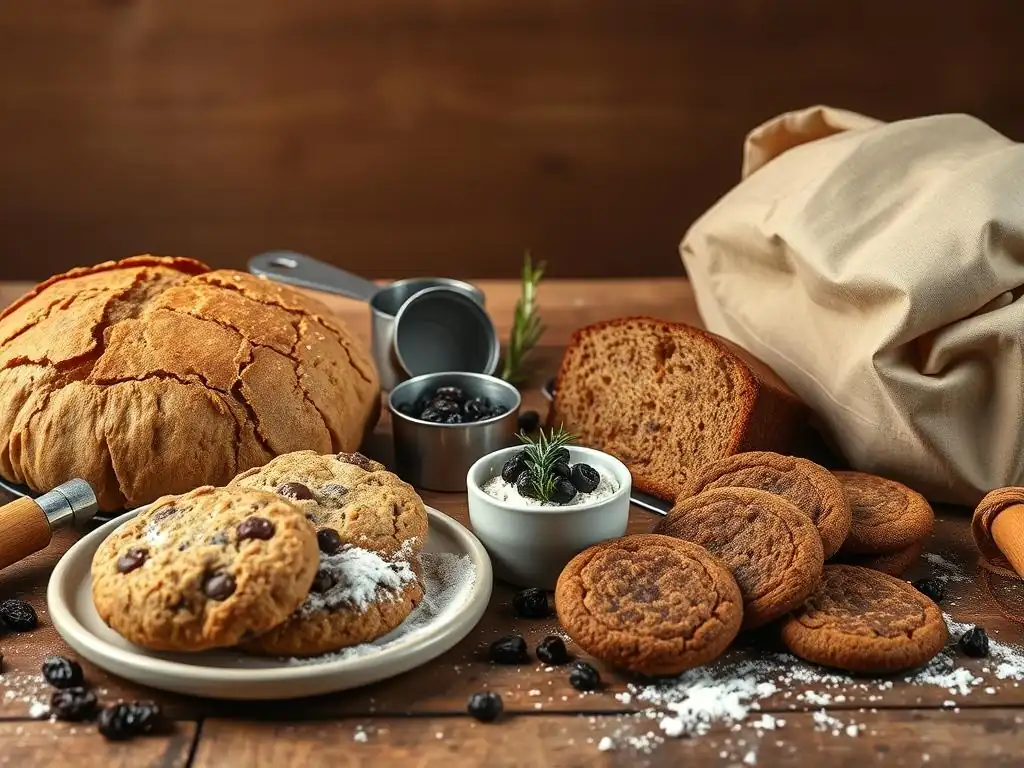
Whole Wheat Flour: Ideal Bakes for Flavor and Nutrition
Whole wheat flour shines in baked goods where its robust flavor and nutritional benefits are desired. It brings a hearty, slightly nutty taste and a denser texture that complements certain types of baking.
Whole Wheat Bread Recipes
Whole wheat flour is a natural fit for bread baking, particularly rustic loaves, sandwich breads, and rolls. Its strong flavor pairs well with seeds, nuts, and grains. Many recipes for whole grain bread use 50-100% whole wheat flour, often combined with techniques like long fermentation or adding vital wheat gluten to manage density.
Whole Wheat Muffins and Scones
Whole wheat flour adds depth of flavor and a pleasing texture to muffins and scones. While it can make them denser, this is often desirable for a heartier treat. Using a mix of whole wheat and all-purpose flour (e.g., 50/50) is common to balance texture and nutrition in whole grain flour baking for these items.
All-Purpose Flour: Perfect for Delicate and Light Baking
All-purpose flour's consistency and ability to create tender textures make it the preferred choice for many classic baked goods where a fine crumb and light structure are paramount.
Cakes and Pastries Made with All-Purpose Flour
For light, fluffy cakes, delicate cupcakes, flaky pie crusts, and tender pastries like croissants or puff pastry, all-purpose flour is typically the standard. Its lower protein content compared to bread flour prevents excessive toughness, and the absence of bran ensures a smooth, fine crumb.
Cookies and Biscuits: All-Purpose Flour's Role
All-purpose flour is widely used for cookies and biscuits. For cookies, it provides the right balance of structure and tenderness, allowing for variations from crisp to chewy. For biscuits, it helps create tender layers when combined with techniques like cutting in cold fat. While you can incorporate some whole wheat flour into some cookie or biscuit recipes, all-purpose flour is key for achieving specific desired textures.
Converting Recipes: Replacing All-Purpose Flour with Whole Wheat Flour
Percentage Adjustments: A Practical Guide to Flour Substitution
Substituting whole wheat flour for all-purpose flour is a common goal in whole grain flour baking to boost nutrition. A practical approach is to start with partial substitution. For instance, in a muffin or quick bread recipe calling for 2 cups of all-purpose flour, try using 1 cup of whole wheat and 1 cup of all-purpose. This often works without significant adjustments. For recipes where texture is critical, like delicate cakes, start with a smaller percentage, perhaps replacing only 25% of the all-purpose flour with whole wheat.
When substituting a larger percentage (50% or more) or going for 100% whole wheat, you will almost certainly need to increase the liquid. As a rule of thumb, add about 1-2 tablespoons of extra liquid (water, milk, etc.) per cup of whole wheat flour used. Observe the dough or batter consistency – it should feel similar to the all-purpose version, maybe slightly stickier. It's also beneficial to let the mixture rest for 15-30 minutes after mixing to allow the whole wheat flour to fully hydrate.
Recipe Conversion: All-Purpose Flour Sourdough to Whole Wheat Sourdough
Converting a beloved all-purpose flour sourdough recipe to whole wheat sourdough is a rewarding challenge in whole grain flour baking. If your original recipe uses 500g of all-purpose flour, you might start by trying 250g whole wheat and 250g all-purpose, keeping the hydration the same. If you want to increase the whole wheat proportion, say to 500g whole wheat, you'll need to increase the water significantly.
An all-purpose sourdough might use 350g water (70% hydration). A 100% whole wheat sourdough often requires 80% hydration or even more, so you might start with 400g water (80% hydration) and be prepared to add a little more if the dough feels too stiff.
Additionally, whole wheat doughs can ferment faster due to more microbial activity from the bran and germ, but they can also be slower to develop gluten strength. You might need to adjust fermentation times, perform more sets of stretch and folds during the bulk ferment, or even use a small amount of vital wheat gluten (e.g., 1-2% of the flour weight) to achieve the desired structure in your whole grain flour baking project. Patience and observation are key when converting sourdough recipes.
Storing Whole Wheat and All-Purpose Flour: Maintaining Freshness for Baking
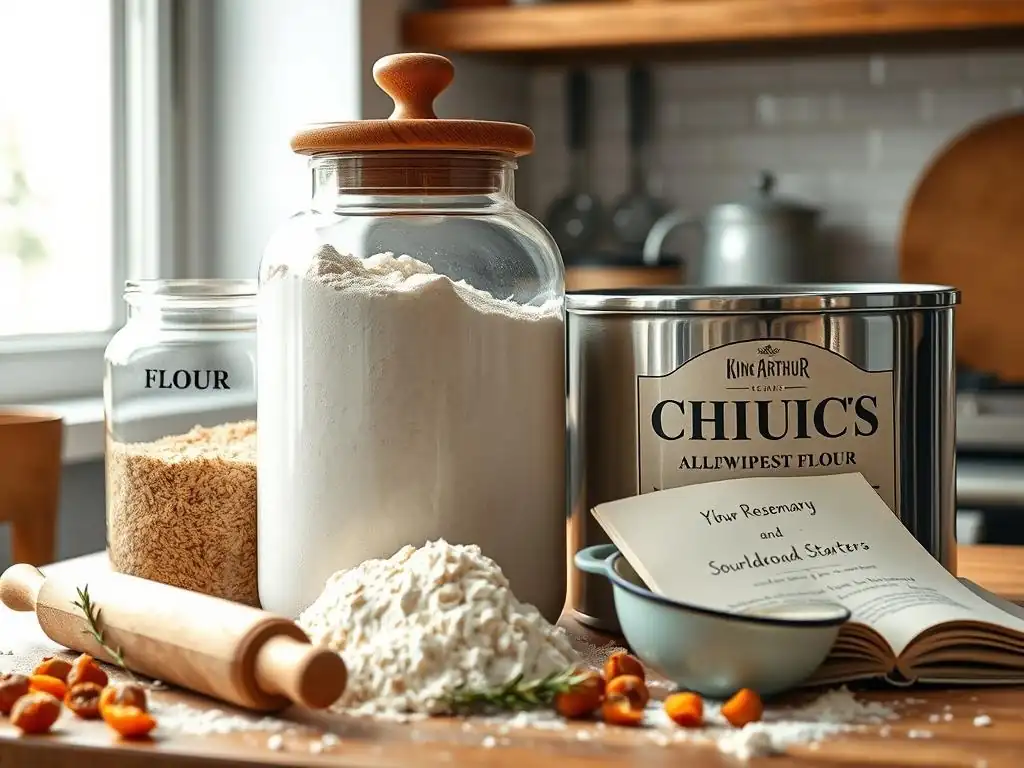
Proper Storage for Whole Wheat Flour: Preventing Rancidity
Due to the presence of the germ, which contains natural oils, whole wheat flour is more perishable than all-purpose flour. These oils can oxidize and become rancid, leading to off-flavors. Therefore, proper storage is crucial to maintain quality for whole grain flour baking. The best way to store whole wheat flour is in an airtight container in a cool, dark place. For longer storage, especially in warmer climates or if you don't bake frequently, the refrigerator or freezer is highly recommended.
Storing whole wheat flour in the freezer can extend its shelf life significantly, up to several months or even a year. Just be sure to bring it back to room temperature before using it in a recipe to ensure accurate measurement and proper hydration. An airtight container prevents moisture absorption and keeps out pantry pests.
Storing All-Purpose Flour: Shelf Life and Best Practices
All-purpose flour, lacking the oily germ, has a much longer shelf life than whole wheat flour. When stored correctly, it can last for 6-12 months or even longer. The key is to keep it in a cool, dry place, away from direct sunlight and heat, which can degrade the quality. An airtight container is essential to protect it from moisture, odors, and pests.
While refrigeration isn't strictly necessary for all-purpose flour, it won't hurt, especially if you live in a humid environment or want to be extra cautious. Always check your flour for any signs of spoilage, such as off smells, discoloration, or insect activity, before using it in your baking. Proper storage ensures your all-purpose flour is fresh and performs optimally in all your baking adventures.
Conclusion: Choosing the Right Flour for Your Baking Needs
Key Takeaways: Whole Wheat Flour Baking vs. All-Purpose Flour Baking
Choosing between whole wheat and all-purpose flour depends on your baking goals. Whole wheat flour offers superior nutrition, including higher fiber and micronutrient content, and imparts a distinct, hearty flavor and denser texture, making it excellent for rustic breads, muffins, and other whole grain flour baking projects where these qualities are desired. It requires adjustments in hydration and technique to manage gluten development and prevent dryness or bitterness.
All-purpose flour, on the other hand, provides consistency, a neutral flavor, and facilitates easier gluten development, resulting in lighter, airier textures. It's the versatile workhorse for everything from delicate cakes and pastries to classic cookies and white breads. While less nutrient-dense in its natural state compared to whole wheat, its predictability makes it a staple for many bakers. Ultimately, understanding the unique properties of each flour type allows you to choose the best one for your specific recipe, technique, and desired outcome in your whole grain flour baking journey.
Frequently Asked Questions
What are the main differences between whole grain flour and refined flour when baking?
Whole grain flour contains the entire grain kernel, including the bran, germ, and endosperm, providing more nutrients and fiber. Refined flour only contains the endosperm, resulting in a finer texture but fewer nutrients. This directly impacts the taste and texture of baked goods.
How does using whole grain flour affect the texture of my baked goods?
Whole grain flour tends to produce baked goods with a denser and slightly coarser texture compared to those made with refined flour. The presence of bran interferes with gluten development, which is crucial for a light and airy crumb. Experimentation is key!
Can I substitute whole grain flour directly for refined flour in any recipe?
While you can substitute, it's generally recommended to start by replacing 25-50% of the refined flour with whole grain flour. This allows you to adjust liquid levels and baking times as needed to compensate for the differences in absorption and gluten development. Gradual adjustments are best.
What are some common challenges when baking with whole grain flour and how can I overcome them?
Common challenges include dryness, density, and a less predictable rise. To overcome these, try adding extra liquid, using a pre-ferment (like a sourdough starter), or allowing the dough to rest longer for improved hydration. Proper hydration is crucial.
What are the health benefits of using whole grain flour in baking?
Whole grain flour offers numerous health benefits, including increased fiber intake, which aids digestion and can help regulate blood sugar levels. It also provides more vitamins and minerals compared to refined flour, contributing to a more nutritious final product. It's a healthier alternative.
Final Reflection: The Flour Power of Conscious Baking
The choice between whole grain and refined flour isn't just about texture; it's a fundamental decision impacting our health and the environment. The subtle differences in baking with whole grains, explored throughout this article, highlight a growing awareness of the interconnectedness of food choices and well-being. This isn't a fleeting trend; it's a shift towards mindful consumption that demands our attention.
The journey from fluffy white bread to the earthier tones of whole grain baking reflects a broader cultural shift towards sustainability and health consciousness. We're moving beyond simply seeking convenience and embracing the richer flavors and nutritional benefits of whole grains. This resonates deeply with me, as I've witnessed firsthand the transformative power of incorporating whole grains into my own baking, not only improving the taste but also fostering a greater appreciation for the ingredients themselves. We are what we eat, and what we eat affects how we feel, think, and live.
This simple truth underscores the importance of making informed choices about the flours we use.
Now, consider your own baking habits. Will you continue to reach for the familiar comfort of refined flour, or will you embark on a culinary adventure, experimenting with the unique characteristics of whole grains? Embrace the challenge! The rewards – a healthier lifestyle, a deeper connection to your food, and the satisfaction of creating delicious, nutritious baked goods – are well worth the effort. Let the power of conscious baking transform not only your recipes but also your relationship with food.
Unleash Your Baking Potential: Master Whole Grains!
Thanks for taking the time to explore the world of whole grain baking! You've now armed yourself with the knowledge to make healthier, more flavorful choices in the kitchen. Ready to put your new skills into action?
- Bake a whole grain masterpiece! Try substituting whole wheat flour for half of the refined flour in your favorite recipe. Note the difference in texture and taste. This is your first step to mastering a new baking skill.
- Share your baking journey! Post a picture of your creation on social media and tag us @BakeWithEase – we’d love to see your results and celebrate your baking success!
- Explore our recipe library for more exciting whole grain options and expand your baking repertoire.
So, what delicious whole grain recipe will you conquer next?