
Easy Guide to Crispy Polish Faworki (Angel Wings)

Welcome to BakeWithEase, your partner in crafting delicious baked goods! Ever dreamt of mastering delicate, crispy treats from around the world? Dive into our Easy Guide to Crispy Polish Faworki (Angel Wings) and unlock the secrets to creating this delightful pastry. Prepare to be amazed at how simple it is to achieve bakery-worthy results with our step-by-step instructions and readily available ingredients. Curious to learn the technique behind these ethereal delights? Let's get baking!
- Easy Guide to Crispy Polish Faworki (Angel Wings) - BakeWithEase.com
- What are Faworki? An Introduction to Polish Angel Wings
- Crispy Polish Faworki Recipe: An Easy Step-by-Step Guide
- Serving and Enjoying Your Homemade Faworki
- Storing Leftover Faworki: Maintaining Crispness
- Mastering the Art of Faworki Baking: Advanced Techniques
- Why This is the Best Crispy Polish Faworki Recipe
- Related Eastern European Baking Recipes on BakeWithEase
-
Frequently Asked Questions
- What exactly are Faworki, and why are they also called Angel Wings?
- Is this "Easy Guide" truly suitable for beginner bakers?
- What makes Faworki crispy, and how can I ensure mine turn out that way?
- Can I bake Faworki instead of frying them to make them healthier?
- What are some variations or additions I can make to this basic Faworki recipe?
- Final Reflection: The Enduring Delight of Crispy Faworki
- Unleash Your Inner Baker: Make Perfect Faworki!
Easy Guide to Crispy Polish Faworki (Angel Wings) - BakeWithEase.com
What are Faworki? An Introduction to Polish Angel Wings
Discovering the Delights of Polish Faworki: A Traditional Treat
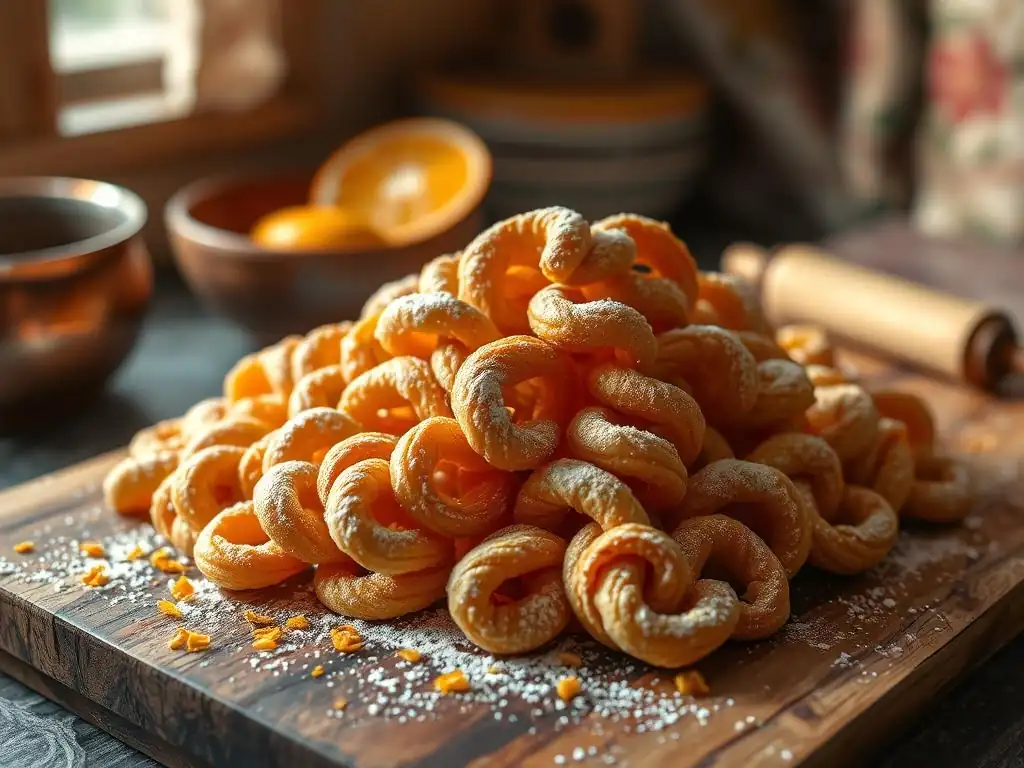
Faworki, often affectionately called "Angel Wings" due to their delicate, ethereal appearance, are a beloved traditional Polish pastry. These light, crispy treats are made from a simple dough that's rolled paper-thin, cut into ribbons, twisted into a bow-like shape, and then deep-fried until golden and bubbly.
The result is an incredibly brittle and airy cookie, typically dusted generously with powdered sugar, creating a sweet and satisfying crunch with every bite. They are a staple during festive occasions, particularly at Carnival time (known as Zapusty or Ostatki in Poland) and on Fat Thursday (Tłusty Czwartek), a day dedicated to indulging before the start of Lent.
The texture is what truly sets faworki apart. Unlike many fried doughs that can be heavy or chewy, faworki are remarkably light and shatteringly crisp. This unique texture is achieved through the specific dough composition, which often includes egg yolks and sometimes a touch of alcohol (like vodka or rum), and the method of rolling the dough incredibly thin.
The addition of alcohol is believed to help prevent the dough from absorbing too much oil during frying, contributing significantly to that desired crispy finish. Mastering the technique of rolling and frying is key to achieving the perfect, melt-in-your-mouth crispy Polish faworki.
The History and Cultural Significance of Faworki in Poland
The history of faworki is somewhat debated, with some sources tracing their origins back to Germany or Lithuania, but they have been firmly established in Polish culinary tradition for centuries. They became particularly popular among the aristocracy and wealthy classes, often served at lavish parties and celebrations. Over time, their popularity spread, and they became a cherished treat enjoyed by people from all walks of life, especially during specific times of the year. Their presence is deeply intertwined with periods of feasting and celebration before fasting periods, symbolizing abundance and joy.
Today, faworki remain an integral part of Polish culinary heritage, strongly associated with Carnival and Fat Thursday. Bakeries across Poland sell vast quantities of faworki during this time, and many families still gather to make them at home, passing down the traditional crispy Polish faworki recipe through generations. Making faworki can be a time-consuming process, often involving multiple family members, making it a communal and bonding activity. This tradition highlights their cultural importance not just as a food item, but as a symbol of shared history, celebration, and family connection.
Crispy Polish Faworki Recipe: An Easy Step-by-Step Guide
Gathering Your Ingredients for Authentic Faworki
Starting with the right ingredients is fundamental to creating authentic and crispy Polish faworki. The quality and freshness of each component play a role in the final texture and flavor. For instance, using fresh egg yolks provides richness and helps tenderize the dough, while the heavy cream adds moisture and contributes to a smoother dough consistency, which is essential for rolling it out thinly without tearing. Even the type of flour matters; a standard all-purpose flour works well, but ensuring it's not too high in protein helps prevent the faworki from becoming tough.
The inclusion of a small amount of alcohol, such as vodka or rum, is a traditional and crucial element in many crispy Polish faworki recipes. While it might seem unusual, the alcohol evaporates quickly during the frying process. The theory is that this rapid evaporation creates small pockets within the dough, contributing to its lightness and preventing excessive oil absorption. This little trick is one of the secrets to achieving that signature crispy, non-greasy texture that defines perfect angel wings. Don't worry, the alcohol flavor doesn't remain after frying!
Essential Ingredients for Crispy Angel Wings
Achieving that desired crispness requires attention to the basics. High-quality fresh ingredients are non-negotiable. Ensure your egg yolks are separated cleanly from the whites, as any residual white can affect the dough's texture. The heavy cream should have a good fat content (around 30-36%) for the best results. Using fresh oil for frying is also critical; old or used oil can impart unpleasant flavors and prevent the faworki from crisping properly.
The amount of powdered sugar you'll need for dusting is also quite generous. Think about 1 cup or more, as faworki are traditionally served absolutely coated. This adds the perfect final touch of sweetness and enhances their delicate appearance. While the ingredient list for a crispy Polish faworki recipe easy version is relatively short, each item serves an important purpose in creating this delightful pastry.
Ingredient List:
- 2 cups All-Purpose Flour
- 4 Large Egg Yolks
- 2 tablespoons Granulated Sugar
- 1/4 cup Heavy Cream
- 1 tablespoon Vodka or Rum
- 1/4 teaspoon Salt
- Vegetable Oil for Frying
- Powdered Sugar for Dusting
Preparing the Dough: The Key to Perfect Faworki Texture
Mixing the Dough: Achieving the Right Consistency
Creating the faworki dough is a straightforward process, but achieving the correct consistency is paramount for easy rolling and the ultimate crispy outcome. Begin by whisking together the egg yolks, granulated sugar, heavy cream, alcohol, and salt in a medium bowl. In a separate, larger bowl, place the flour. Make a well in the center of the flour and pour in the wet ingredients. Gradually incorporate the flour into the wet ingredients, either using a fork, a stand mixer with a dough hook, or your hands. Mix until a shaggy dough forms.
Turn the dough out onto a lightly floured surface and knead it for about 10-15 minutes. This might seem like a long time for a cookie dough, but proper kneading is vital for developing the gluten structure just enough to make the dough elastic and easy to roll very thinly without tearing, while not overworking it to become tough. The dough should become smooth, elastic, and relatively firm, similar to pasta dough. A good test is to poke it; it should spring back slowly.
Resting the Dough: Allowing Gluten Development
Once the dough is kneaded to the desired consistency, it's crucial to let it rest. Wrap the dough tightly in plastic wrap or place it in a covered bowl to prevent it from drying out. Refrigerate the dough for at least 30 minutes, but preferably for 1-2 hours. This resting period allows the gluten that was developed during kneading to relax. Relaxed gluten is essential because it makes the dough much easier to roll out thinly and evenly, which is a non-negotiable step for achieving crispy Polish faworki.
Resting also helps the moisture distribute evenly throughout the dough. Attempting to roll out dough that hasn't rested adequately will result in it fighting back, shrinking, and being prone to tearing, making it nearly impossible to get that paper-thin sheet needed for truly crispy angel wings. So, while you might be eager to start frying, don't skip this vital resting step in your crispy Polish faworki recipe easy journey!
Shaping and Frying: Creating the Iconic Angel Wing Shape
Rolling and Cutting the Faworki Dough
This is where the magic happens and also requires a bit of patience! Divide the rested dough into manageable portions, perhaps 3 or 4 pieces. Keep the portions you're not working with covered. On a lightly floured surface, roll out one piece of dough as thinly as humanly possible. Think paper-thin, almost translucent – you should be able to nearly see your hand through it. Using a pasta roller on its thinnest setting is an excellent way to achieve this consistently thin result, but it is absolutely achievable with a rolling pin and some effort.
Once the dough is rolled thin, use a fluted pastry wheel or a sharp knife to cut it into strips, typically about 1 to 1.5 inches wide and 6-8 inches long. Cut a slit about 1-2 inches long down the center of each strip. To form the classic angel wing shape, take one end of the strip and thread it through the slit in the center, pulling it through completely. This creates a simple twist. Lay the shaped faworki on a tray lined with parchment paper, being careful not to overlap them, as they can stick.
Frying Faworki to Golden Perfection: Temperature and Timing
Frying is the final cooking step and crucial for achieving that perfect crispy texture. Heat about 2-3 inches of vegetable oil in a large, heavy-bottomed pot or deep fryer to a temperature between 350°F and 365°F (175°C to 185°C). Maintaining the correct oil temperature is vital; if the oil is too cool, the faworki will absorb too much grease and become heavy; if it's too hot, they will brown too quickly on the outside before becoming fully cooked and crispy inside.
Carefully slide a few shaped faworki into the hot oil using tongs. Do not overcrowd the pot, as this will lower the oil temperature and result in less crispy faworki. Fry for about 30-60 seconds per side, or until they puff up and turn a light golden brown. They cook very quickly due to their thinness.
Use tongs to flip them gently. Once golden on both sides, remove them from the oil and place them on a wire rack set over paper towels to drain excess oil. Fry the remaining faworki in batches, allowing the oil temperature to recover between batches if necessary.
Achieving Extra Crispy Faworki: Pro Tips & Techniques
Secrets to Ultra-Crispy Angel Wings
Several factors contribute to making faworki exceptionally crispy. The most significant secret is rolling the dough as thinly as possible; the thinner the dough, the crispier the fried result will be. As mentioned earlier, the addition of a small amount of high-proof alcohol like vodka or rum is also key. It helps create a lighter, more airy texture during frying by promoting rapid evaporation. Ensure the oil is at the correct temperature (350-365°F) and maintain it throughout the frying process. Frying at the right temperature ensures they cook quickly and evenly without becoming greasy.
Another tip for maximizing crispiness is to fry them in small batches. Overcrowding the pot lowers the oil temperature significantly, leading to greasy, less crispy faworki. Allow the oil to come back up to temperature between batches. Finally, drain the fried faworki thoroughly on a wire rack set over paper towels immediately after removing them from the oil. This allows air circulation and prevents them from sitting in accumulated grease, which can make them soft.
Troubleshooting Common Faworki Issues
Even with a great crispy Polish faworki recipe easy to follow, you might encounter issues. If your faworki are tough, it's likely because the dough was either not kneaded enough to develop sufficient elasticity for thin rolling, or it was overworked, making it too tough. Ensure you knead until smooth and elastic but stop before it becomes resistant. If they are greasy, the oil temperature was likely too low, or you fried too many at once. Use a thermometer to monitor the oil temperature and fry in small batches.
If the dough tears while rolling, it might need more resting time, or it wasn't kneaded quite enough to develop elasticity. Try letting it rest longer. If they don't puff up much when frying, the dough might be too thick, or the oil temperature is too low. Remember, the goal is paper-thin dough and consistently hot oil. Patience and practice with the rolling and frying stages are key to troubleshooting and mastering this crispy Polish faworki recipe.
Serving and Enjoying Your Homemade Faworki
Traditional Ways to Serve Polish Faworki
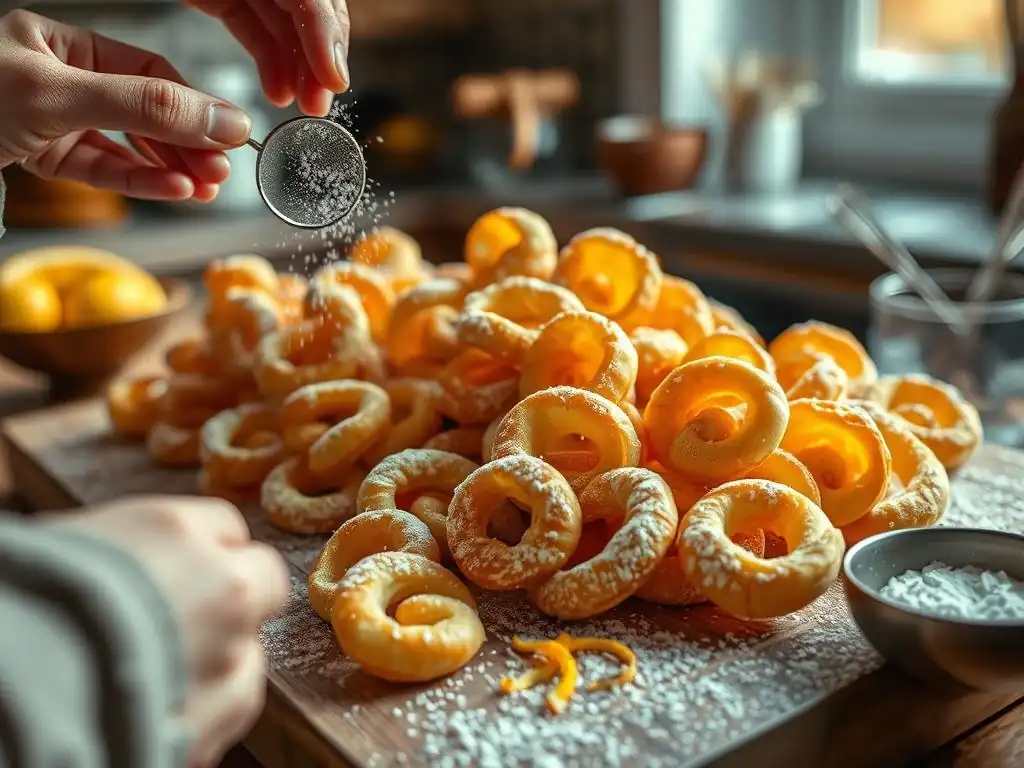
The most traditional and beloved way to serve crispy Polish faworki is simply and generously dusted with powdered sugar. Immediately after they have cooled slightly on the wire rack (they should still be warm but not hot enough to melt the sugar instantly), pile them onto a serving platter and use a sieve or fine-mesh strainer to dust them heavily with confectioners' or powdered sugar. The delicate, airy texture of the faworki pairs perfectly with the fine sweetness of the sugar, creating a delightful contrast.
Faworki are typically served as a dessert or a sweet snack, often alongside coffee or tea. During Carnival or Fat Thursday, they are a central part of the celebratory spread, enjoyed communally by family and friends. The act of sharing these fragile, crispy treats is part of the tradition. The simple presentation highlights the beauty of the pastry's shape and its light, delicate nature.
Delicious Variations and Toppings for Faworki
While the classic powdered sugar dusting is paramount, you can explore delicious variations to add a twist to your crispy Polish faworki recipe. A light drizzle of honey can add a different kind of sweetness and a slight stickiness that contrasts nicely with the crispness. For a touch of brightness, a little finely grated citrus zest, like lemon or orange zest, can be mixed with the powdered sugar before dusting or sprinkled lightly over the finished faworki. This adds a fragrant, slightly tangy note that cuts through the sweetness.
Another idea is to lightly dust them with cinnamon sugar, although this is less traditional. Some people enjoy them with a side of fruit compote or a dollop of whipped cream, though this can sometimes soften the faworki quickly. The beauty of faworki lies in their crispness, so any additions that might introduce significant moisture should be served on the side rather than directly on the pastries themselves if you want to maintain that signature crunch.
Toppings: Powdered Sugar, Honey Drizzle, Citrus Zest
- Powdered Sugar: The absolute classic. Dusting heavily provides the traditional sweet finish and iconic snow-like appearance. Use a sieve for an even coating.
- Honey Drizzle: A thin drizzle of good quality honey adds a richer, more complex sweetness. Drizzle just before serving to prevent the faworki from becoming soggy.
- Citrus Zest: Finely grated lemon or orange zest can be mixed with the powdered sugar or sprinkled over the top for a fragrant, slightly tart counterpoint to the sweetness. About 1-2 teaspoons of zest per batch is usually sufficient.
Storing Leftover Faworki: Maintaining Crispness
How to Keep Faworki Fresh for Longer
The primary challenge when storing leftover faworki is preserving their delicate crispness. Due to their thin structure, they are highly susceptible to absorbing moisture from the air, which quickly turns them soft and less appealing. The key to keeping them fresh and crispy for as long as possible is proper storage in an airtight environment at room temperature. Refrigeration is generally not recommended as it can introduce moisture and change the texture.
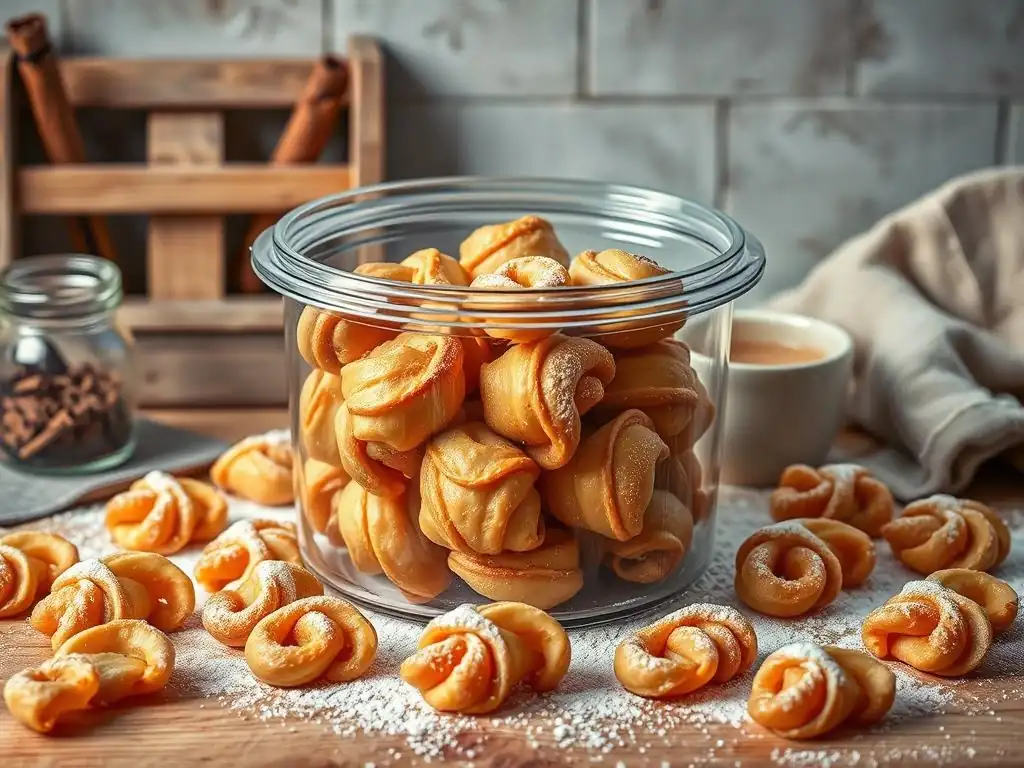
Allow the faworki to cool completely after frying and dusting. Storing them while they are still warm will create condensation inside the storage container, leading to sogginess. Once completely cool, transfer them to an airtight container. A cookie tin with a tight-fitting lid or a plastic food storage container with a good seal works well.
Best Storage Practices for Angel Wings
To maximize the shelf life and maintain the crispiness of your homemade crispy Polish faworki, layer them carefully in the airtight container. If you need to stack layers, place a sheet of parchment paper or wax paper between them to prevent sticking and crushing. Avoid storing them with other baked goods that have higher moisture content.
Stored properly at room temperature, faworki can remain crispy for about 3-5 days. While they are best enjoyed within a day or two of frying, these storage methods will help them retain their delightful texture for a reasonable period. If they do lose some crispness, a very brief time (just a few seconds) in a warm oven (around 200-250°F or 100-120°C) can sometimes help revive their crispness, but be careful not to burn them.
Mastering the Art of Faworki Baking: Advanced Techniques
Exploring Different Faworki Dough Variations
While the basic crispy Polish faworki recipe uses egg yolks and cream, there are traditional variations worth exploring for slightly different textures and flavors. One common variation involves incorporating a small amount of sour cream into the dough instead of or in addition to the heavy cream. Sour cream adds a subtle tang and can contribute to a very tender dough that still fries up crispy. The acidity in the sour cream can also help tenderize the gluten, making the dough potentially easier to roll thinly.
Another variation sometimes seen uses whole eggs instead of just yolks, or a combination of both. Using whole eggs can make the dough slightly richer and more elastic, but some purists argue that using only yolks results in a lighter, more delicate, and ultimately crispier faworki. Experimenting with these minor adjustments to the fat and liquid components can help you discover your preferred dough consistency and final crispy texture for this classic pastry.
Dough Variations: Using Sour Cream
Adding sour cream is a popular alternative or addition in many regions. Typically, you might substitute half or all of the heavy cream with full-fat sour cream. For example, using 1/4 cup of sour cream instead of heavy cream in the provided ingredient list.
When using sour cream, you might find the dough slightly softer initially, but it should still become smooth and elastic after sufficient kneading. The tanginess is very mild after frying, primarily contributing to tenderness and potentially enhancing the crispness by slightly altering the dough's structure. It's a variation that's definitely worth trying if you enjoy experimenting with traditional recipes.
Perfecting Your Frying Technique for Consistent Results
Achieving consistently crispy faworki across multiple batches comes down to mastering your frying technique, particularly oil temperature management. Using a deep-fry thermometer is highly recommended to ensure the oil stays within the ideal range of 350°F to 365°F (175°C to 185°C). If the oil drops too low, the faworki will absorb too much grease, becoming heavy and soggy. If it gets too hot, they'll brown too quickly on the outside, potentially burning, while the inside remains slightly doughy, preventing a fully crispy texture.
Fry in small batches to prevent the oil temperature from dropping significantly. For a typical pot, frying 4-6 faworki at a time is usually sufficient. Have your wire rack ready to transfer the fried faworki immediately. Be gentle when placing them in and removing them from the oil, as they are very delicate once fried. Consistent temperature and careful handling are the keys to batch after batch of perfectly crispy angel wings.
Why This is the Best Crispy Polish Faworki Recipe
Easy to Follow Instructions for All Skill Levels
This crispy Polish faworki recipe has been designed with clarity and simplicity in mind, making it accessible whether you're a seasoned baker or trying faworki for the first time. The step-by-step guide breaks down the process into manageable stages, from mixing the dough to the final dusting. Each section provides detailed instructions and tips, helping you understand not just what to do, but why certain steps are important, like kneading time or resting the dough.
We focus on clear language and avoid overly technical jargon, ensuring that anyone can confidently follow along. While achieving the perfect, paper-thin roll takes a little practice, the core techniques are explained in a way that beginners can grasp. This easy guide aims to demystify the process of making crispy Polish faworki, empowering you to recreate these delightful pastries in your own kitchen without feeling intimidated.
Guaranteed Crispy Texture and Authentic Flavor
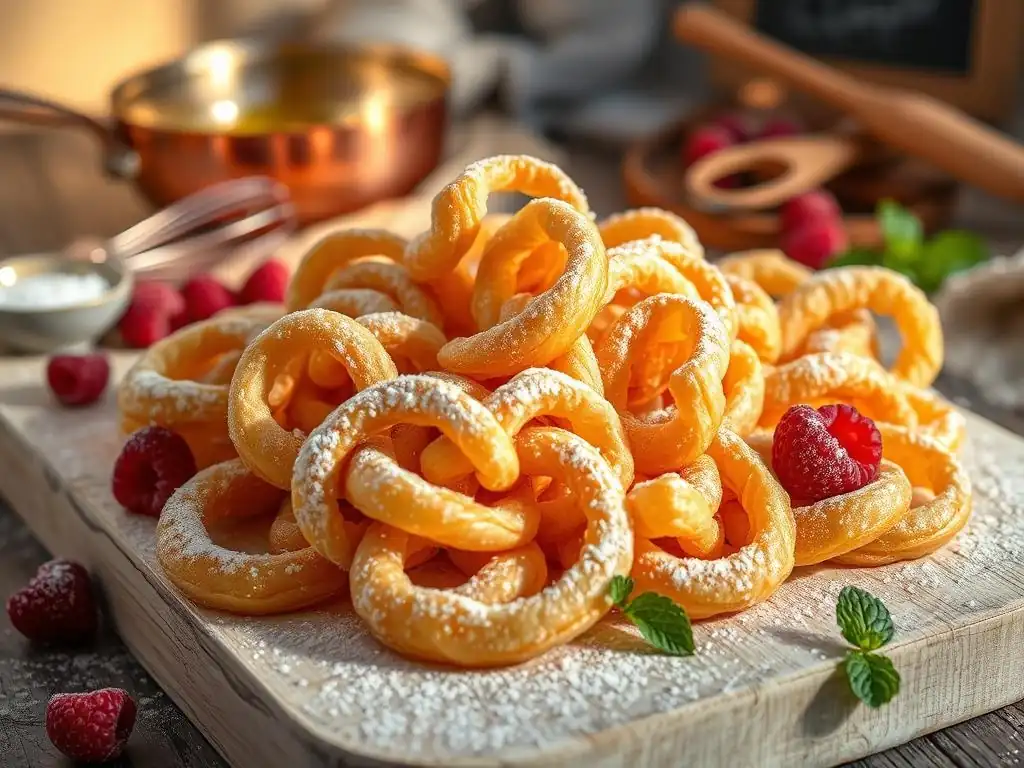
Following this recipe closely provides a high probability of achieving that sought-after crispy texture that defines authentic Polish faworki. The specific ratio of ingredients, including the egg yolks and the touch of alcohol, is carefully balanced to promote crispness when fried correctly. We emphasize the critical steps like thin rolling, proper dough resting, and maintaining the right oil temperature – all factors proven to contribute significantly to a light, airy, and shatteringly crisp result.
Beyond the texture, the recipe delivers an authentic flavor profile. The simple dough allows the subtle sweetness and richness from the egg yolks and cream to shine through, perfectly complemented by the traditional generous dusting of powdered sugar. By adhering to these instructions, you are not just making fried dough; you are creating a piece of Polish culinary tradition, resulting in crispy Polish faworki that taste just like they should – delicate, sweet, and wonderfully crisp.
Explore More Traditional Polish Desserts
Poland boasts a rich and diverse tradition of baking, extending far beyond faworki. Exploring other traditional Polish desserts offers a delightful journey through comforting, often rich, and always flavorful pastries and cakes. From elaborate layered cakes like Karpatka (Carpathian Mountain Cream Cake) or Sernik (Polish Cheesecake) to simpler yet equally delicious treats like Makowiec (Poppy Seed Roll) or Pączki (Polish Doughnuts, also popular on Fat Thursday), there is a vast array of sweets to discover.
Many Polish desserts feature ingredients like poppy seeds, farmer's cheese (twaróg), apples, and various fruits, often incorporating yeast-leavened doughs or rich shortcrusts. Learning to make these recipes allows you to delve deeper into the flavors and techniques that define Polish baking and expand your repertoire of delicious homemade treats.
One excellent next step after mastering your crispy Polish faworki recipe easy is to try making Polish Babka. Polish Babka is a sweet, often enriched yeast bread, frequently swirled with fillings like chocolate, cinnamon, or poppy seeds. Unlike the crispy, delicate faworki, Babka is known for its soft, tender crumb and impressive height, often baked in a fluted pan.
Making Babka involves working with yeast dough, kneading, proofing, and creating a swirl pattern before baking. It's a different set of skills compared to the rolling and frying of faworki, but equally rewarding. Trying a Polish Babka recipe allows you to explore the bread-making side of Polish baking and experience another beloved traditional pastry from the region.
Frequently Asked Questions
What exactly are Faworki, and why are they also called Angel Wings?
Faworki are traditional Polish crispy, fried pastries. They are called Angel Wings due to their delicate, wing-like shape achieved during the folding and frying process.
Is this "Easy Guide" truly suitable for beginner bakers?
Yes! This guide is designed with simplicity in mind. It focuses on a straightforward recipe and clearly explains each step, making it accessible for those new to baking.
What makes Faworki crispy, and how can I ensure mine turn out that way?
The key to crispy Faworki lies in the thinness of the dough and the frying temperature. Ensuring the oil is hot enough (but not too hot!) and the dough is rolled very thinly is crucial.
Can I bake Faworki instead of frying them to make them healthier?
While traditionally fried, baking Faworki will significantly alter their texture. They won't achieve the same characteristic crispness and will be more like a dry biscuit.
What are some variations or additions I can make to this basic Faworki recipe?
You can experiment with adding a touch of vanilla extract or lemon zest to the dough for flavor. Some recipes also incorporate a small amount of alcohol, like vodka or rum, for a tender and crispier result.
Final Reflection: The Enduring Delight of Crispy Faworki
The simple act of making crispy faworki transcends mere cooking; it's a connection to heritage, a celebration of tradition, and a testament to the enduring power of delicious, simple recipes. This easy guide aimed to demystify the process, making this beloved Polish treat accessible to everyone, regardless of their baking experience. The crisp, delicate texture and subtle sweetness of perfectly fried faworki are a joy to behold and even more delightful to share.
The influence of faworki extends far beyond the kitchen; they represent a tangible link to Polish culture and family traditions. For many, the aroma of frying faworki evokes powerful memories of childhoods spent helping in the kitchen, the festive atmosphere of holidays, and the warmth of shared meals. Food is symbolic of love when words are inadequate.
- Alan D. Wolfelt. This sentiment perfectly encapsulates the emotional resonance of faworki, a dish that speaks volumes about connection and belonging.
Now, I invite you to embrace the challenge, dust off your rolling pin, and embark on your own faworki adventure. Don't be intimidated by the seemingly intricate process; with a little patience and this easy guide, you can create a batch of these delightful treats that will not only satisfy your sweet tooth but also enrich your understanding of Polish culinary heritage and the joy of sharing delicious food with loved ones. The crispy crunch, the delicate sweetness – the experience is waiting for you.
Unleash Your Inner Baker: Make Perfect Faworki!
Thanks for joining us on this delicious journey into the world of crispy Polish Faworki! We hope you've gained the confidence to tackle this seemingly tricky treat. Ready to take your baking skills to the next level?
- Bake a batch of Faworki today! Use our recipe as a springboard – experiment with different flavors and shapes to make them your own.
- Share your Faworki creations with us on social media using #BakeWithEaseFaworki – we'd love to see your stunning results!
- Explore other traditional Polish pastries on our website for even more baking inspiration.
Ready to share your perfectly crispy Faworki with friends and family? Let's see those baking masterpieces!