
Natural vs. Dutch Process Cocoa: Know the Difference for Better Baking

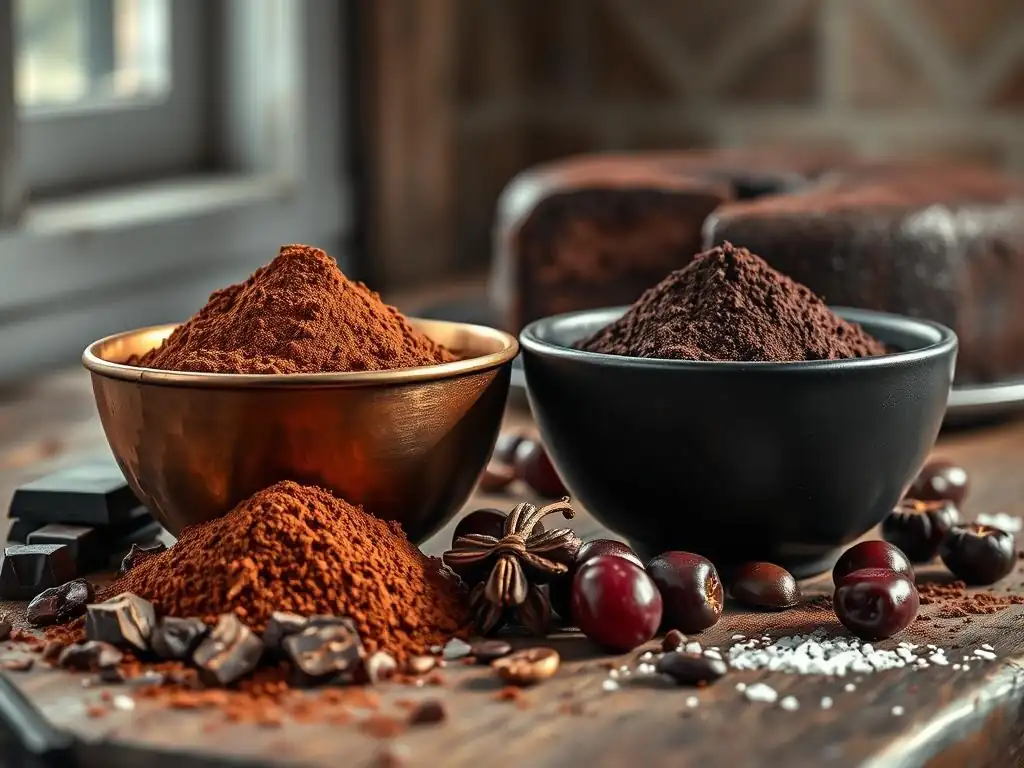
Welcome to BakeWithEase, your guide to unlocking the secrets of delicious homemade treats! Ever wondered what that Dutch process label on your cocoa powder really means, and how it impacts your baking? This week, we're diving deep into the fascinating world of Dutch process cocoa, revealing its unique properties and how it can elevate your recipes. Discover the difference between natural and Dutch process cocoa, and learn when to use each for optimal results. Are you ready to bake better? Let's get started!
- Understanding Cocoa Powder for Baking: A BakeWithEase Guide
- What is Natural Cocoa Powder?
- What is Dutch Process Cocoa Powder?
- Natural Cocoa vs. Dutch Process Cocoa: A Detailed Comparison
- The Impact on Your Baked Goods: Natural vs. Dutch Process
- When to Use Natural Cocoa: Recipe Recommendations
- When to Use Dutch Process Cocoa: Recipe Recommendations
- Converting Between Natural and Dutch Process Cocoa
- Best Practices for Storing Cocoa Powder
- Troubleshooting Cocoa-Related Baking Issues
- Mastering Baking with Cocoa: Advanced Tips and Tricks from BakeWithEase
-
Frequently Asked Questions
- What is the main difference between natural cocoa powder and Dutch process cocoa powder?
- How does the processing method affect the color of cocoa powder?
- Can I substitute Dutch process cocoa powder for natural cocoa powder in a recipe?
- What kind of recipes are best suited for Dutch process cocoa?
- Where can I find a reliable Dutch process cocoa recipe using BakeWithEase's simple techniques?
- Final Reflection: Unlocking the Secrets of Cocoa: From Bean to Baked Good
- Unlock Your Baking Potential: Master Cocoa's Secrets!
Understanding Cocoa Powder for Baking: A BakeWithEase Guide
The Importance of Choosing the Right Cocoa for Your Recipes
Choosing the correct cocoa powder is more crucial than many bakers realize. It's not just about adding chocolate flavor; the type of cocoa powder profoundly impacts the texture, color, flavor, and even the leavening of your baked goods. Using the wrong type can lead to unexpected results, like a cake that doesn't rise properly, cookies that spread too much or too little, or a flavor that is either too acidic or not rich enough. Understanding the fundamental differences between natural and Dutch process cocoa is a foundational step towards mastering chocolate baking.
Think of cocoa powder as a key structural ingredient, not just a flavoring. Its interaction with other ingredients, particularly leavening agents like baking soda and baking powder, is determined by its acidity. A classic chocolate cake recipe might call for natural cocoa specifically because its acidity reacts with baking soda to create lift, while a rich, dark brownie might require Dutch process cocoa for its intense color and smooth flavor, relying solely on baking powder or eggs for leavening. Getting this interaction right is essential for achieving the desired texture and rise in your baked creations.
BakeWithEase's Guide to Cocoa Powder Selection
Selecting the right cocoa powder starts with reading your recipe carefully. Most well-written recipes will specify whether to use natural or Dutch process cocoa.
If a recipe calls for baking soda as the primary or sole leavening agent, it almost certainly expects natural cocoa powder because it needs the cocoa's acidity to activate the soda. Conversely, if a recipe uses only baking powder (or a combination of baking powder and a small amount of baking soda), it might be formulated for either type, but often works best with Dutch process cocoa for its smoother flavor and darker color, as the leavening doesn't rely on the cocoa's acidity.
When a recipe doesn't specify, consider the desired outcome. For a lighter colored, tangy chocolate flavor, natural cocoa is often the way to go. For a darker, mellow, and intensely chocolatey result, especially in recipes like Oreos or devil's food cake, Dutch process cocoa is usually preferred. It's also helpful to know that some recipes are robust enough to handle either, while others are highly sensitive. Paying attention to the leavening agents listed is your best clue when the cocoa type isn't explicitly stated in a recipe.
What is Natural Cocoa Powder?
Defining Natural Cocoa: Acidity and Flavor Profile
Natural cocoa powder is cocoa in its purest form after the cocoa butter has been extracted from the roasted cocoa beans. It retains the natural acidity of the cocoa bean, which typically has a pH level ranging from about 5.0 to 5.3. This acidity gives natural cocoa a sharper, slightly tangy, and often fruity chocolate flavor profile compared to its Dutch process counterpart. It's the type of cocoa you might find labeled simply as "unsweetened cocoa powder" in many grocery stores, like Hershey's or Ghirardelli's standard unsweetened cocoa.
Because of its acidic nature, natural cocoa powder is crucial for recipes that rely on baking soda for leavening. Baking soda (sodium bicarbonate) is a base and requires an acid to react and produce carbon dioxide gas, which creates lift in baked goods. When natural cocoa is combined with baking soda in a batter, they react, causing the mixture to rise. This chemical reaction is fundamental to achieving the light and airy texture in many classic cakes, muffins, and quick breads.
Characteristics of Natural Cocoa Powder: Color and Texture
Natural cocoa powder typically has a lighter, reddish-brown color compared to Dutch process cocoa. Its appearance can vary depending on the origin and processing of the cocoa beans, but it generally falls within a warm brown spectrum. The texture of natural cocoa powder is usually finer and can sometimes appear slightly clumpy due to its natural oils and hygroscopic nature (attracting moisture).
When you sift or whisk natural cocoa, you might notice the subtle reddish undertones more clearly. This characteristic color contributes to the hue of baked goods, often resulting in a lighter brown crumb than recipes using Dutch process cocoa. While texture can vary by brand, most natural cocoas are designed to disperse well in batters and doughs, ensuring even chocolate flavor throughout the finished product.
Using Natural Cocoa in Baking: Best Applications
Natural cocoa powder is the workhorse in many traditional American baking recipes, especially those relying on baking soda for leavening. It's ideal for classic chocolate cakes, cupcakes, and muffins where a good rise and a balanced, slightly tangy chocolate flavor are desired. For instance, many standard chocolate layer cake recipes call for natural cocoa specifically to react with baking soda, resulting in a tender crumb and good volume.
It's also frequently used in recipes like red velvet cake, where its reddish hue enhances the color when combined with red food coloring, and its slight tang complements the cream cheese frosting. Brownies can also benefit from natural cocoa, often resulting in a slightly cakier texture and a bright, prominent chocolate flavor. When a recipe lists baking soda as a key leavening agent, natural cocoa is almost always the intended choice.
What is Dutch Process Cocoa Powder?
Defining Dutch Process Cocoa: Alkalizing Process Explained
Dutch process cocoa powder, also known as alkalized cocoa, undergoes a special treatment to reduce its natural acidity. This process, developed by Coenraad J. van Houten in the Netherlands in the 19th century, involves washing the cocoa beans or powder with an alkaline solution, typically potassium carbonate. This treatment neutralizes the cocoa's acidity, raising its pH level significantly, often to a range of 6.8 to 8.1 or even higher.
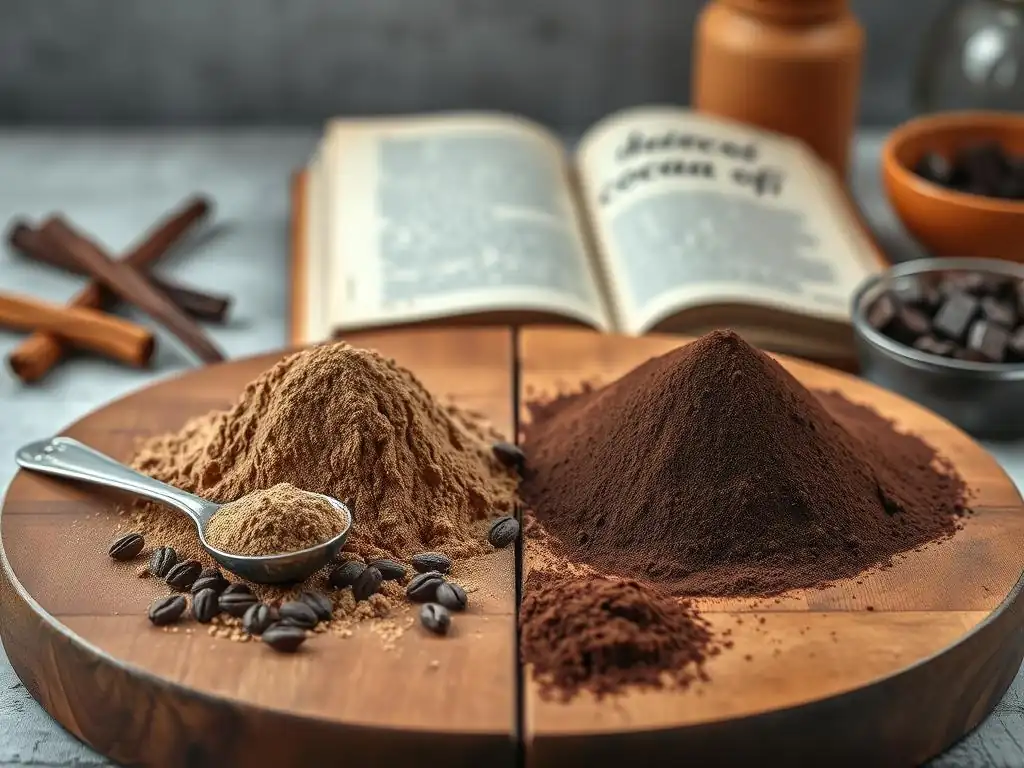
The alkalizing process has several effects. It mellows the flavor, making it less acidic and more smooth, with a deep, rich chocolate taste. It also dramatically darkens the color of the cocoa powder, ranging from a deep reddish-brown to almost black, depending on the extent of the alkalization. This process also makes the cocoa more soluble in liquids, leading to a smoother consistency in beverages and batters.
Characteristics of Dutch Process Cocoa Powder: Color, Flavor, and pH
The most striking characteristic of Dutch process cocoa is its color. It is significantly darker than natural cocoa, often appearing as a deep, rich brown or even black. This dark color translates directly into the baked goods, producing intensely dark chocolate cakes, cookies, and brownies. The flavor profile is also distinctly different; it's less complex and tangy than natural cocoa, offering a smoother, milder, and profoundly chocolatey taste without the acidic notes.
As mentioned, the pH is much higher than natural cocoa, sitting in the alkaline range. This lack of acidity means it cannot react with baking soda to produce leavening gas. Therefore, recipes using Dutch process cocoa must rely on other leavening agents, primarily baking powder, which contains both an acid and a base and reacts with liquid and/or heat to produce lift independently of the cocoa's pH. Some premium Dutch process cocoas can have a fat content upwards of 22-24%, contributing to a richer mouthfeel.
Benefits of Dutch Process Cocoa in Baking: Smoothness and Richness
Dutch process cocoa is prized for the intense, smooth chocolate flavor and dark color it imparts to baked goods. Its reduced acidity makes it ideal for recipes where a mellow, non-acidic chocolate taste is desired, such as puddings, ice cream, and hot chocolate, where it dissolves more easily and creates a smoother texture. In baking, it contributes to a dense, moist, and often fudgier texture compared to the potentially cakier results of natural cocoa.
Many iconic chocolate treats, like the dark chocolate cookies in Oreos or rich, dark devil's food cakes, rely on Dutch process cocoa for their characteristic color and deep flavor. When crafting a Dutch process cocoa recipe, bakers can expect a less pronounced "chocolate tang" and a more straightforward, deep cocoa note that pairs beautifully with other flavors without competing with them.
Natural Cocoa vs. Dutch Process Cocoa: A Detailed Comparison
Color and Appearance Differences
The visual difference between natural and Dutch process cocoa is perhaps the most immediate identifier. Natural cocoa powder typically presents as a lighter, warm reddish-brown. Think of the color of brick or rust, but in powder form. When used in baking, it yields goods with a lighter brown crumb, sometimes with reddish undertones, particularly noticeable in red velvet cakes.
In stark contrast, Dutch process cocoa is significantly darker. Depending on the level of alkalization, it can range from a deep, almost mahogany brown to a striking black. This difference is evident when you compare the powders side-by-side and becomes even more pronounced in the finished baked goods, which will have a richer, darker appearance. For instance, a chocolate cake made with natural cocoa will look distinctly lighter than one made with a highly alkalized black cocoa, a type of Dutch process cocoa.
Flavor Profile and Acidity Levels Compared
Flavor is where the pH difference truly shines. Natural cocoa, with its acidic pH (around 5.0-5.3), has a brighter, more complex, and slightly tangy or even fruity chocolate flavor. It offers a more "classic" or "sharp" chocolate taste that can cut through sweetness in recipes. This acidity is palpable on the tongue if you were to taste the raw powder (though not recommended in large quantities! ).
Dutch process cocoa, having been neutralized to an alkaline pH (around 6.8-8.1+), has a much milder, smoother, and less bitter flavor. It lacks the tangy notes of natural cocoa and provides a deep, mellow, and profoundly chocolatey taste. This makes it excellent for achieving that intense, dark chocolate flavor without any sharpness, often described as richer or more "rounded."
Chemical Reactions in Baking: Understanding Leavening Agents
This is the most critical difference when it comes to the science of baking. Natural cocoa's acidity is its defining characteristic in chemical leavening. When a recipe uses baking soda ( NaHCO3), it requires an acid to trigger the reaction that produces carbon dioxide gas ( CO2), which makes baked goods rise. Natural cocoa provides that acid. The reaction looks something like this: Acid (from cocoa) + NaHCO3 -> Salt + Water + CO2.
Dutch process cocoa, being neutral or alkaline, does not provide the necessary acid to react with baking soda. Therefore, if a recipe calls for baking soda and Dutch process cocoa, the baking soda will not be fully activated, resulting in poor rise and a potentially metallic, soapy flavor from unreacted baking soda. Recipes using Dutch process cocoa typically rely on baking powder ( a mixture of acid and base) or mechanical leavening (like whipping eggs) for lift, as baking powder reacts independently of the cocoa's pH.
The Impact on Your Baked Goods: Natural vs. Dutch Process
How Cocoa Affects Cake Texture and Rise
The type of cocoa powder significantly influences the texture and rise of cakes, particularly chocolate cakes. When natural cocoa is used in conjunction with baking soda, the vigorous chemical reaction produces a good amount of CO2 gas, helping the cake rise higher and often resulting in a lighter, more open crumb structure. The acidity of natural cocoa can also interact with proteins in the flour and eggs, contributing to a slightly firmer yet tender texture.
Dutch process cocoa, lacking the acidity to react with baking soda, relies on baking powder or other methods for lift. Cakes made with Dutch process cocoa and baking powder tend to have a denser, moister, and sometimes fudgier texture. The rise might be slightly less dramatic than a natural cocoa/baking soda cake, but the crumb is often tighter and more uniform. The higher fat content sometimes found in premium Dutch process cocoas can further contribute to moisture and richness.
In cookies, cocoa powder affects both spread and chewiness. Natural cocoa, being acidic, can react with baking soda to produce gas that helps cookies spread and rise slightly, leading to a crispier edge and a softer center in some recipes. The acidity might also slightly tenderize the dough.
Dutch process cocoa, being non-acidic, doesn't contribute to leavening with baking soda. Cookies made with Dutch process cocoa often rely on butter melting or minimal baking powder for spread. This can result in cookies that spread less and are thicker, with a denser, chewier texture. The dark color is also a key visual characteristic of many classic chocolate cookie recipes using Dutch process cocoa.
Choosing the Right Cocoa for Brownies: Fudgy vs. Cakey
Brownies are a perfect example of how cocoa choice dictates texture. For a fudgy, dense brownie, Dutch process cocoa is often the preferred choice. Its lack of acidity and smooth flavor contributes to a rich, moist interior, especially when combined with melted butter and minimal flour. A classic fudgy Dutch process cocoa recipe for brownies might use very little leavening, relying on eggs for structure and density.
If you prefer a more cake-like brownie with a lighter texture and a slight rise, natural cocoa is usually better. Its acidity, often paired with baking soda and sometimes baking powder, creates more lift and a more open crumb structure, similar to a cake. The flavor will also be brighter and tangier. So, the choice between natural and Dutch process cocoa for brownies directly impacts whether you get a dense, fudgy square or a lighter, cakey one.
When to Use Natural Cocoa: Recipe Recommendations
Recipes That Benefit from Natural Cocoa's Acidity
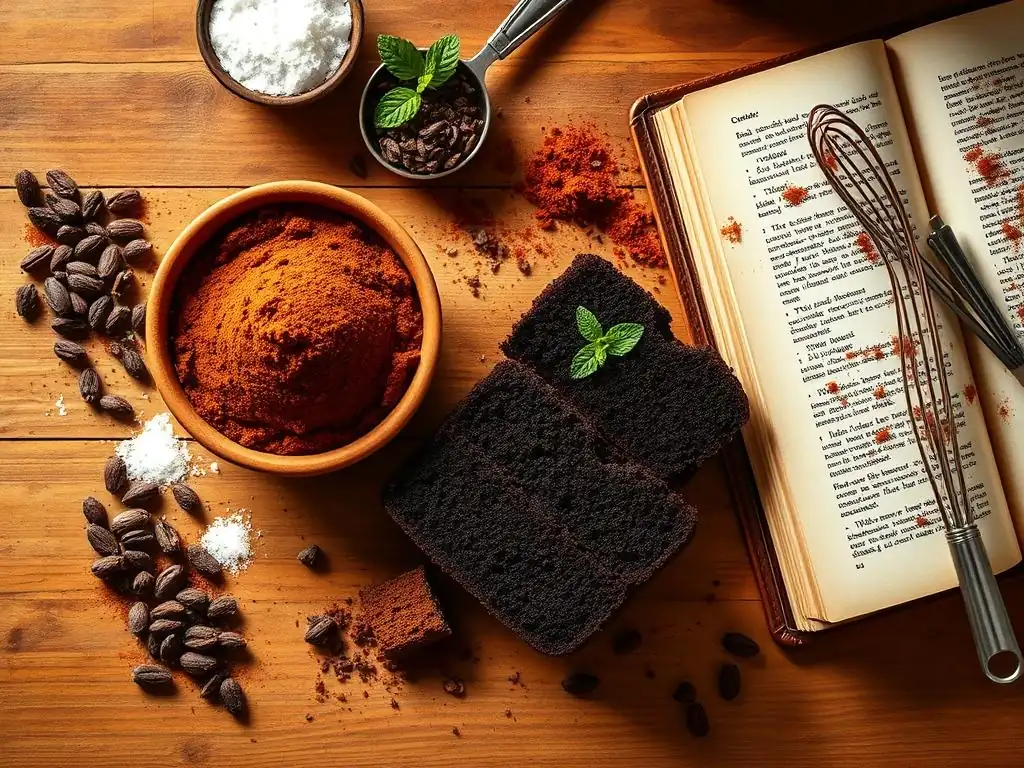
Natural cocoa powder is indispensable in recipes that are specifically formulated to use its acidity for leavening, typically in combination with baking soda. Classic examples include many standard chocolate cake recipes, often found in older cookbooks or on the back of baking ingredient boxes. These recipes rely on the robust reaction between the acidic cocoa and alkaline baking soda to achieve a good rise and tender crumb.
Other recipes that benefit include chocolate muffins, quick breads, and certain types of chocolate cookies where a slight spread and a classic chocolate flavor are desired. Red velvet cake is a prime example; while the red color is often enhanced with food coloring, the traditional recipe uses natural cocoa, whose reddish undertones are highlighted by the acid and whose slight tang complements the buttermilk and cream cheese frosting.
Baking with Natural Cocoa: Tips for Success
When baking with natural cocoa, ensure your recipe calls for baking soda, or a combination of baking soda and baking powder, as its primary leavening. If a recipe uses only baking powder and calls for natural cocoa, it might result in a slightly tangier flavor than intended, but the leavening should still work. Always whisk or sift natural cocoa powder before adding it to your dry ingredients to remove any clumps and ensure even distribution.
Measure accurately! Just like flour, cocoa powder should typically be spooned lightly into your measuring cup and leveled off, unless the recipe specifies otherwise (like scooping directly). Store natural cocoa in an airtight container in a cool, dark place to maintain its freshness and potent flavor. Using fresh cocoa is key to getting the best results in your baking.
When to Use Dutch Process Cocoa: Recipe Recommendations
Recipes That Benefit from Dutch Process Cocoa's Milder Flavor
Dutch process cocoa is perfect for recipes where a deep, smooth, non-acidic chocolate flavor is desired. It's the secret to many intensely dark and rich chocolate desserts. Recipes like devil's food cake, often characterized by its dark color and moist, tender crumb, typically use Dutch process cocoa. Its mellow flavor pairs wonderfully with rich frostings and fillings.
It's also the cocoa of choice for many no-bake desserts, such as chocolate puddings, mousse, and homemade ice cream, because it dissolves more easily in liquids and provides a smooth texture and rich color without any bitterness. Hot chocolate mixes often use Dutch process cocoa for its solubility and smooth flavor profile.
Dutch Process Cocoa Recipe Ideas: Deep Chocolate Flavors
If you're looking for a fantastic Dutch process cocoa recipe, consider making a rich, dark chocolate cake or intensely fudgy brownies. These recipes showcase the deep color and smooth flavor profile beautifully. A classic Dutch process cocoa recipe for brownies might involve melting butter and chocolate together, then incorporating sugar, eggs, flour, and a generous amount of Dutch process cocoa, relying on the eggs for structure and density rather than chemical leavening.
Another excellent Dutch process cocoa recipe is a dark chocolate lava cake, where the smooth, intense flavor of the cocoa contributes to the molten center. You can also use Dutch process cocoa in chocolate cookies for a darker, chewier result. Remember, when using Dutch process cocoa, check that the recipe uses baking powder or relies on other leavening methods, as it won't react with baking soda.
Converting Between Natural and Dutch Process Cocoa
Adjusting Recipes: Leavening Agent Considerations
Converting a recipe from natural cocoa to Dutch process cocoa, or vice versa, isn't a simple 1:1 substitution, especially if the recipe uses baking soda. The key is understanding the leavening system. If a recipe calls for natural cocoa and baking soda, substituting Dutch process cocoa will result in a poor rise because the necessary acid is missing. To convert, you'll likely need to replace the baking soda with baking powder, which provides its own acid for the reaction. A common guideline is to replace the baking soda with 2 to 3 times the amount of baking powder. For example, if the original recipe uses 1 teaspoon baking soda and natural cocoa, you might try using 2 to 3 teaspoons baking powder and Dutch process cocoa.
Conversely, converting a recipe from Dutch process cocoa (using baking powder) to natural cocoa requires adding baking soda to react with the natural cocoa's acidity, while potentially reducing or eliminating the baking powder. This is more complex and less predictable, as the amount of acid in natural cocoa varies. A common starting point might be to use 1/4 teaspoon baking soda per cup of flour and potentially halve the baking powder, but results can vary.
Substitutions and Their Effects on the Final Product
Substituting one type of cocoa for the other without adjusting leavening will inevitably alter the final product. Swapping natural cocoa for Dutch process in a baking soda-leavened recipe will result in a cake that doesn't rise, has a dense, heavy texture, and potentially a soapy aftertaste from unreacted baking soda.
Swapping Dutch process cocoa for natural cocoa in a baking powder-leavened recipe is less problematic in terms of rise, as the baking powder will still function. However, the flavor and color will change dramatically. You'll get a lighter colored product with a tangier, brighter chocolate flavor instead of the deep, smooth taste intended. The texture might also be slightly different due to the acidity interacting with other ingredients. For best results, it's always recommended to use the type of cocoa specified in the recipe or find a recipe specifically developed for the type of cocoa you have on hand.
Best Practices for Storing Cocoa Powder
Maintaining Freshness and Flavor
Proper storage is essential to keep your cocoa powder fresh and flavorful, ensuring consistent results in your baking. Cocoa powder is sensitive to moisture, air, light, and heat, which can cause it to lose its potency and develop off-flavors. Storing it correctly helps preserve the volatile compounds responsible for its rich chocolate aroma and taste.
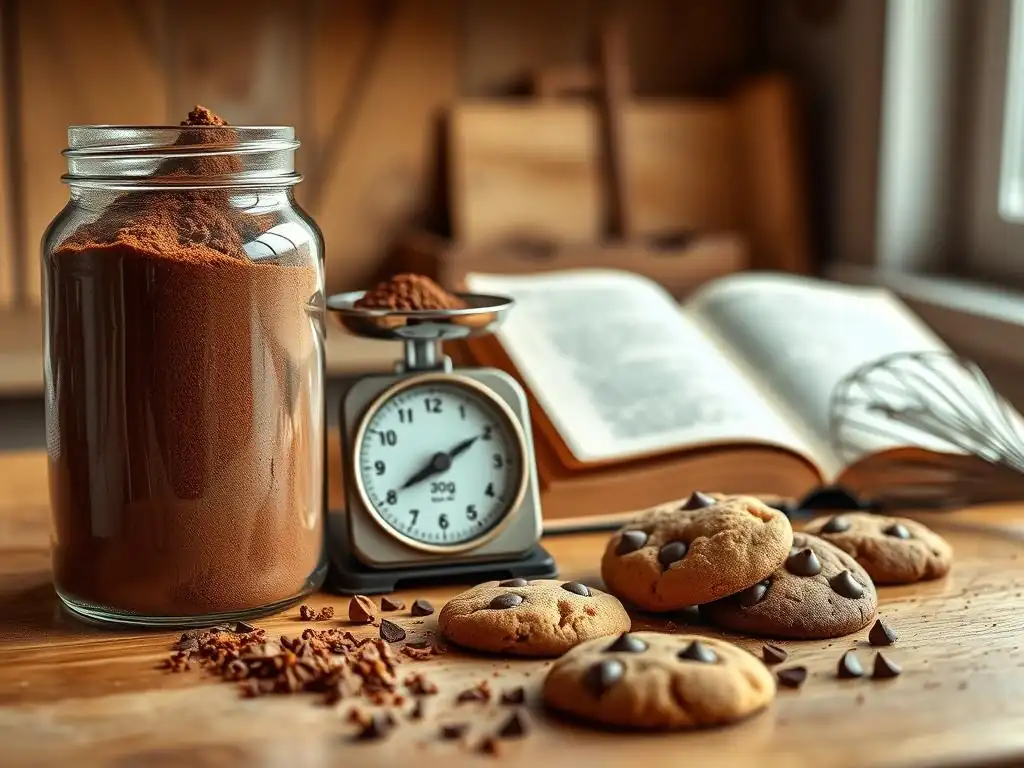
Ideally, cocoa powder should be stored in an airtight container. The original packaging is often not sufficient once opened, as it may not seal tightly. Transferring the cocoa to a glass jar with a tight-fitting lid or a high-quality plastic container with a reliable seal is a good practice. Ensure the container is clean and completely dry before adding the cocoa.
Shelf Life and Proper Storage Techniques
When stored correctly, cocoa powder has a relatively long shelf life, but it's not indefinite. Unopened, it can last for 2-3 years past the printed date. Once opened and stored in an airtight container, it's generally best to use it within about one year for optimal flavor. While it might not necessarily "go bad" in a way that makes you sick, it will gradually lose its flavor intensity and aroma over time.
Store your airtight container of cocoa powder in a cool, dark pantry or cupboard, away from sources of heat (like ovens or stovetops) and direct sunlight. Avoid storing it in the refrigerator, as the fluctuating temperatures and potential for condensation can introduce moisture, leading to clumping and spoilage. Before using older cocoa, give it a sniff – if it smells flat, musty, or lacks that rich chocolate aroma, it's probably time to replace it.
Why is My Cake Bitter?
A common issue with chocolate cakes is unexpected bitterness. This can sometimes be attributed to the type of cocoa used, especially if you've substituted natural cocoa for Dutch process in a recipe that wasn't designed for it. Unreacted baking soda, left behind because there wasn't enough acid (like that found in natural cocoa) to neutralize it, has a distinctly bitter, soapy flavor. If your recipe called for baking soda and you used Dutch process cocoa, this is a likely culprit.
Another reason for bitterness can simply be the quality or age of the cocoa powder itself. Over time, cocoa can develop off-flavors. Ensure your cocoa is stored properly and within its peak freshness period. Using too much cocoa relative to other ingredients, particularly sugar, can also result in a bitter taste, as cocoa is naturally unsweetened.
Why is My Cake Not Rising Properly?
Poor rise in a chocolate cake is frequently linked to using the incorrect type of cocoa powder, especially in recipes relying on chemical leavening. If a recipe calls for natural cocoa and baking soda, and you used Dutch process cocoa instead, the baking soda will not activate effectively, resulting in a dense, flat cake. The necessary acid-base reaction is missing.
Other factors could contribute, such as expired leavening agents (baking soda or baking powder), inaccurate measurement of ingredients, or improper mixing techniques (overmixing can deflate the batter, while undermixing might not activate leavening properly). However, when troubleshooting a chocolate cake specifically, confirming you used the correct type of cocoa as specified by the recipe, particularly in relation to the leavening agents, is a primary step. Ensure your baking powder or soda is fresh by testing a small amount in hot water (it should bubble vigorously).
Mastering Baking with Cocoa: Advanced Tips and Tricks from BakeWithEase
Exploring Different Cocoa Origins and Their Flavors
Just like coffee or wine, cocoa beans have terroir, meaning their origin impacts their flavor profile. While standard natural and Dutch process cocoas offer distinct profiles, exploring single-origin or specific blend cocoas can elevate your baking. For example, cocoa from West Africa often has classic, robust chocolate notes, while some South American cocoas might have fruitier or more complex undertones.
Premium baking suppliers often carry a range of cocoas with descriptions of their flavor characteristics. Experimenting with a natural cocoa from a specific region in a classic chocolate cake, or a highly alkalized "black" cocoa (a type of Dutch process) for intensely dark cookies, can open up a new world of chocolate flavors in your baking. Pay attention to fat content too; higher fat cocoas (often 20-24%) contribute richness and moisture.
Experimenting with Cocoa Powder in Savory Dishes
While primarily associated with sweets, cocoa powder can be a fascinating addition to savory dishes, adding depth and complexity. Its bitter and earthy notes can enhance the richness of stews, chilis, and sauces. A small amount of unsweetened cocoa powder (natural or Dutch process, depending on the desired flavor depth and acidity) can deepen the color and flavor of a mole sauce, for instance, or add a subtle richness to a beef stew.
When using cocoa in savory applications, start with a small amount and taste as you go. Natural cocoa's acidity can complement tomato-based sauces, while Dutch process cocoa's mellow richness works well in darker, meat-based dishes. This unexpected use of cocoa can add a layer of sophistication to your cooking repertoire beyond the realm of baking.
Frequently Asked Questions
What is the main difference between natural cocoa powder and Dutch process cocoa powder?
The main difference lies in their acidity. Natural cocoa is more acidic, while Dutch process cocoa has been treated with an alkaline solution to neutralize some of its acidity, resulting in a milder flavor.
How does the processing method affect the color of cocoa powder?
Dutch process cocoa powder tends to be darker in color, ranging from reddish-brown to almost black, due to the alkaline treatment. Natural cocoa powder, on the other hand, is typically lighter brown.
Can I substitute Dutch process cocoa powder for natural cocoa powder in a recipe?
Yes, but you might need to adjust the leavening agents. Natural cocoa often reacts with baking soda, so substituting requires careful consideration of the baking powder to baking soda ratio.
What kind of recipes are best suited for Dutch process cocoa?
Dutch process cocoa is great for recipes where a milder, less acidic chocolate flavor is desired, like cookies, cakes, and frostings. It also imparts a richer, darker color to baked goods.
Where can I find a reliable Dutch process cocoa recipe using BakeWithEase's simple techniques?
While BakeWithEase offers many recipes, search the website for "Dutch process cocoa recipe" to find specific instructions. Look for recipes that emphasize step-by-step guides and easy-to-find ingredients for best results.
Final Reflection: Unlocking the Secrets of Cocoa: From Bean to Baked Good
The choice between natural and Dutch-process cocoa isn't just a matter of preference; it's a fundamental decision that significantly impacts the final flavor and texture of your baked goods. Understanding this difference, as explored throughout this article, is crucial for any baker aiming to elevate their creations from good to exceptional. The subtle nuances in acidity and pH levels translate directly into the overall taste profile, proving that even the smallest details can make a world of difference.
This exploration into the world of cocoa processing has been a fascinating journey, highlighting the rich history and intricate science behind this beloved ingredient. It's remarkable how such a simple ingredient can hold such complexity, impacting not only the taste but also the overall cultural landscape of baking. As we've seen, the preference for one type of cocoa over another often reflects regional culinary traditions and personal tastes. The best cocoa is the one that best suits your recipe and your palate,
a wise baker once said, and I believe this holds true. The ongoing evolution of baking techniques and the increasing availability of diverse cocoa types only serve to enrich this culinary landscape further.
So, what will you bake next? Consider the information presented here – the subtle differences in flavor profiles, the impact of pH on reactions within your batter, and the unique characteristics of each cocoa type. Don't just follow a recipe; understand it. Experiment with both natural and Dutch-process cocoa, explore the nuances, and discover which one best suits your culinary style and the specific recipe you're crafting. The journey of discovery, much like the process of baking itself, is a rewarding one. Embrace the challenge, and unlock the full potential of your baking prowess.
Unlock Your Baking Potential: Master Cocoa's Secrets!
Thanks for diving into the world of cocoa with us! You now have the knowledge to elevate your baking game with the right cocoa choice. Ready to put your newfound expertise to the test?
- Bake a side-by-side comparison: Try a recipe using both natural and Dutch-processed cocoa to truly taste the difference. Note the subtle nuances in flavor and color!
- Share your cocoa creations: Show off your baking skills and tag us on social media – we’d love to see your masterpieces! Use #BakeWithEaseCocoa.
- Experiment with different recipes: Challenge yourself to explore new recipes that highlight the unique properties of each cocoa type. What exciting flavor combinations will you discover?
Which cocoa will become your new baking best friend? Let us know in the comments!