
Baking with Buckwheat: Unexpected GlutenFree Texture Secrets

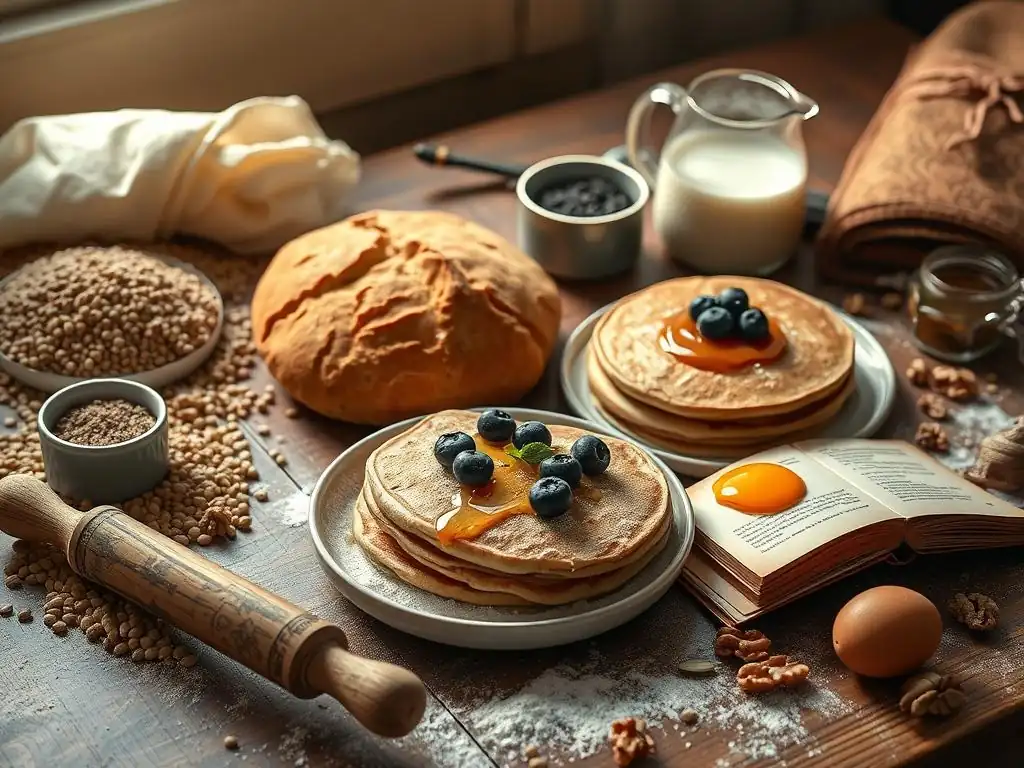
Welcome to BakeWithEase, your ultimate guide to baking bliss! Ready to unlock the unexpected secrets of gluten-free baking? Discover the Glutenfree buckwheat baking secrets that will transform your pastries and breads, adding unique textures and flavors you never thought possible. Curious to know how this humble grain can revolutionize your kitchen? Let's dive in!
- Gluten-Free Buckwheat Baking Secrets: Unlock Unexpected Textures with BakeWithEase
- Understanding Buckwheat: More Than Just Pancakes
- The Unique Texture of Buckwheat in Gluten-Free Recipes
- Gluten-Free Buckwheat Baking Secrets Revealed
- Buckwheat Baking Recipes to Get You Started
- Troubleshooting Your Gluten-Free Buckwheat Baking
- Advanced Buckwheat Baking Techniques
- Conclusion: Embrace the Versatility of Buckwheat for Amazing Gluten-Free Baking
-
Frequently Asked Questions
- How can I use buckwheat flour to achieve a good texture in gluten-free baking?
- What are the benefits of using buckwheat flour in gluten-free baking?
- What types of recipes are best suited for using buckwheat flour in gluten-free baking?
- Can I substitute buckwheat flour 1:1 for wheat flour in gluten-free baking recipes?
- What are some common problems when baking with buckwheat flour and how can I avoid them?
- Final Reflection: Unlocking the Ancient Grain's Potential
- Unlock the Magic of Buckwheat Baking!
Gluten-Free Buckwheat Baking Secrets: Unlock Unexpected Textures with BakeWithEase
Introduction to Buckwheat in Gluten-Free Baking: A BakeWithEase Guide
Welcome to the world of gluten-free baking, where ancient grains like buckwheat are unlocking incredible textures and flavors! At BakeWithEase, we're passionate about helping you navigate the sometimes-tricky landscape of baking without gluten. Buckwheat, despite its name, is not related to wheat at all; it's a pseudocereal, offering a fantastic alternative for those avoiding gluten. Its unique properties can transform your baked goods, adding a depth of flavor and a crumb structure that's distinctively satisfying. Learning the glutenfree buckwheat baking secrets can elevate your skills and expand your repertoire beyond typical rice or corn flour blends.
Using buckwheat flour in your gluten-free recipes can seem daunting at first. Its earthy, slightly nutty flavor and dense nature require specific techniques. However, with a little guidance and understanding, you can harness its power to create everything from light pancakes to hearty bread. This guide from BakeWithEase aims to demystify buckwheat baking, providing you with the knowledge and tips needed to succeed. We'll share the essential glutenfree buckwheat baking secrets that professional bakers use to achieve consistent, delicious results every time. Get ready to discover the unexpected textural possibilities this amazing ingredient offers!
Understanding Buckwheat: More Than Just Pancakes
What is Buckwheat and Why Bake With It?
Buckwheat, or Fagopyrum esculentum, is technically a fruit seed related to rhubarb and sorrel. It's cultivated primarily for its grain-like seeds, known as groats. These groats are hulled and can be eaten whole, ground into flour, or processed into kasha (roasted groats). Its classification as a pseudocereal means it's used culinarily like a grain but comes from a different plant family than true cereals like wheat, barley, or rye, making it naturally gluten-free. Its robust flavor and unique texture make it a valuable addition to gluten-free baking, moving beyond the often-starchy or crumbly results sometimes associated with gluten-free flours.
Baking with buckwheat offers several advantages, especially for those seeking varied textures and nutritional benefits in gluten-free diets. Unlike some gluten-free flours that can result in a gummy or gritty texture, buckwheat, when used correctly, can provide a tender crumb or a pleasant chewiness. It's particularly good at adding structure and a slightly rustic feel to baked goods.
Furthermore, its distinct flavor profile complements many ingredients, from sweet spices to savory herbs, opening up a wide range of recipe possibilities. Unlocking the glutenfree buckwheat baking secrets means embracing its unique characteristics rather than trying to force it into behaving exactly like wheat flour.
Nutritional Benefits of Buckwheat for Gluten-Free Diets
Buckwheat is a nutritional powerhouse, making it an excellent choice for enhancing the health profile of gluten-free baked goods. It is a complete protein, containing all nine essential amino acids, which is relatively uncommon for plant-based foods. A 100-gram serving of dry buckwheat groats contains approximately 13 grams of protein. It's also rich in dietary fiber, providing about 10 grams per 100 grams, which aids digestion and helps maintain stable blood sugar levels. This high fiber content contributes to the unique texture in baking and can make baked goods more satisfying.
Beyond macronutrients, buckwheat is packed with vitamins and minerals essential for overall health. It's a good source of B vitamins, particularly niacin (B3), riboflavin (B2), and thiamine (B1), which are crucial for energy metabolism. It also provides significant amounts of minerals like magnesium (around 230 mg per 100g), copper, zinc, and manganese. Notably, buckwheat is rich in antioxidants, including rutin and quercetin, which have anti-inflammatory properties. Incorporating buckwheat into your gluten-free baking is not just about mastering glutenfree buckwheat baking secrets for texture and flavor; it's also a strategic way to boost the nutritional density of your diet.
Different Forms of Buckwheat Flour: Groats vs. Flour vs. Kasha
Understanding the different forms of buckwheat is key to successful baking. The most fundamental form is the buckwheat groat, which is the hulled seed. Groats can be used whole in recipes like porridges or pilafs, adding a chewy texture. Buckwheat flour is made by grinding the groats into a fine powder.
This is the most common form used in baking. Buckwheat flour can vary in color and flavor depending on whether it's made from hulled or unhulled groats. Flour from unhulled groats is darker and has a stronger, more intense flavor, while flour from hulled groats (often called "light" buckwheat flour) is paler and has a milder taste. The type of flour used significantly impacts the final texture and flavor of your baked goods, a crucial point when exploring glutenfree buckwheat baking secrets.
Kasha is roasted buckwheat groats. Roasting imparts a deeper, nuttier flavor and changes the texture, making it less likely to become mushy when cooked. While kasha isn't typically ground into flour for baking (as the roasting changes its properties), whole or cracked kasha can be added to bread doughs or muffins to provide a delightful crunch and nutty flavor.
For most baking applications, you will be using buckwheat flour. When a recipe calls for buckwheat flour, it generally refers to the lighter flour made from hulled groats unless specified otherwise. Experimenting with both light and dark buckwheat flour can reveal new dimensions in your gluten-free baking journey.
The Unique Texture of Buckwheat in Gluten-Free Recipes
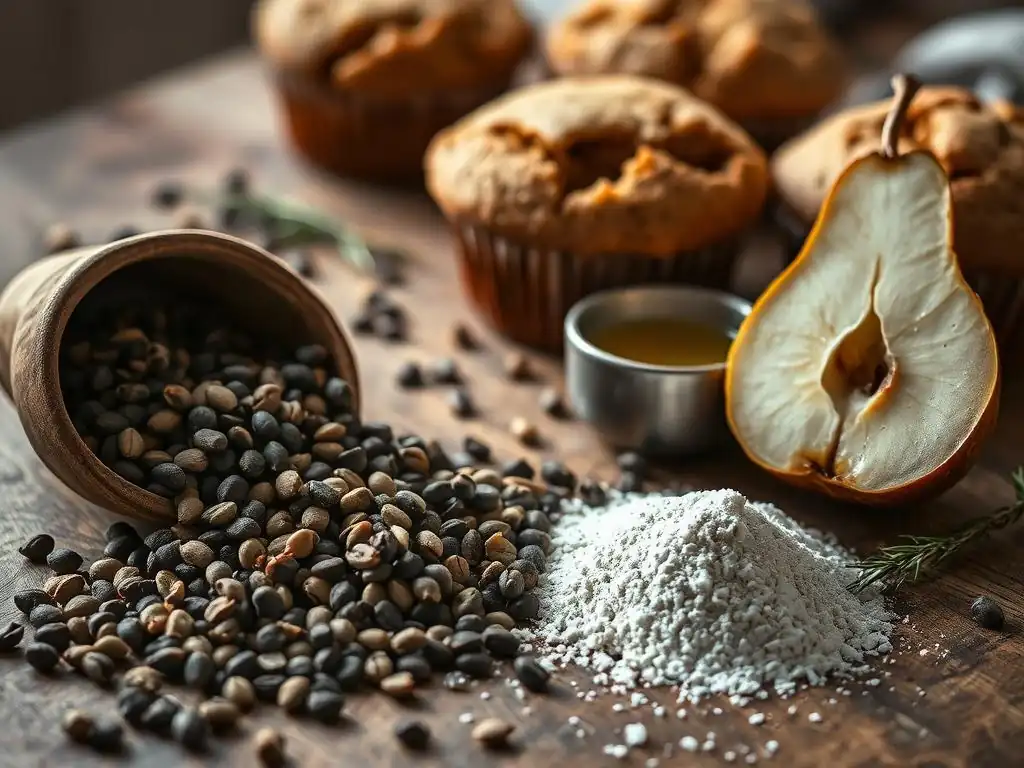
Buckwheat Flour's Impact on Gluten-Free Baking Texture
Buckwheat flour behaves quite differently from wheat flour or even many other gluten-free flours. Without gluten, which provides elasticity and structure, gluten-free flours rely on other components to bind and create crumb structure. Buckwheat flour contains starches and proteins that can contribute to binding, but it lacks the sticky, flexible gluten network. This means that using 100% buckwheat flour often results in baked goods that are dense, crumbly, or even slightly gummy if not handled correctly. Its starches gelatinize during baking, contributing to a somewhat firm texture.
The key to leveraging buckwheat's texture in gluten-free baking is understanding its hydration needs and how it interacts with other ingredients. Unlike some gluten-free flours that absorb liquid quickly and then release it, potentially leading to dryness, buckwheat flour tends to absorb liquid steadily. However, it can also become heavy. The unique challenge and opportunity with buckwheat lie in balancing its tendency towards density with techniques that promote lightness and tenderness. Mastering the glutenfree buckwheat baking secrets is largely about controlling this specific textural outcome.
Achieving Optimal Binding in Gluten-Free Buckwheat Recipes
Binding is a critical factor in gluten-free baking, and buckwheat flour benefits greatly from the inclusion of binding agents. Since buckwheat doesn't contain gluten, you need something else to hold your baked goods together and prevent them from falling apart. Common binders used in gluten-free baking work well with buckwheat, including psyllium husk, xanthan gum, chia seeds, or flax seeds. These ingredients create a gel-like substance when combined with liquid, mimicking some of the binding properties of gluten.
For example, adding just 1 teaspoon of xanthan gum or 1 tablespoon of psyllium husk (or ground flax/chia seeds mixed with liquid to form a gel) per cup of gluten-free flour blend that includes buckwheat can dramatically improve the structure and reduce crumbling. The specific amount needed will depend on the recipe and the proportion of buckwheat flour used. Experimentation is often necessary, but incorporating a binder is one of the most essential glutenfree buckwheat baking secrets for achieving a cohesive crumb and preventing your muffins or bread from disintegrating.
Overcoming Common Challenges: Dryness and Crumbliness
Two of the most frequent issues encountered when baking with buckwheat flour are dryness and excessive crumbliness. Buckwheat flour can absorb a significant amount of liquid, but if the hydration ratio isn't right, or if it's baked for too long, the resulting product can be dry and brittle. The lack of gluten also contributes to crumbliness, as there's no elastic network to hold the structure together. Addressing these challenges is key to unlocking the full potential of glutenfree buckwheat baking secrets.
Overcoming dryness often involves increasing the liquid content slightly compared to traditional wheat recipes or incorporating ingredients that add moisture, such as yogurt, applesauce, mashed banana, or oil. Using a blend of gluten-free flours, where buckwheat makes up a portion rather than the entirety, also helps. To combat crumbliness, as mentioned, binders are crucial. Additionally, allowing baked goods to cool completely before slicing can improve structure. Gentle handling of the dough or batter is also important; overmixing can sometimes lead to tougher or more crumbly results in gluten-free baking.
Gluten-Free Buckwheat Baking Secrets Revealed
Secret #1: Hydration is Key to Buckwheat Success
The Importance of Liquid Ratios in Buckwheat Baking
One of the most fundamental glutenfree buckwheat baking secrets is getting the hydration right. Buckwheat flour is quite absorbent, but unlike some gluten-free flours (like coconut flour), it doesn't necessarily require massive amounts of liquid. However, it does need sufficient moisture to properly hydrate its starches and proteins, which is essential for developing structure and preventing dryness. Too little liquid will result in a dense, crumbly product, while too much can lead to a gummy or overly heavy texture.
A good starting point for many gluten-free flour blends containing buckwheat is a liquid-to-flour ratio somewhere between 1:1 and 1.5:1 by weight, depending on the other flours in the blend and the desired consistency (e.g., a batter will need more liquid than a dough). For recipes using a significant proportion of buckwheat, observing the batter or dough consistency is key.
It should be moist but not soupy, and it should hold together without being sticky or stiff. Don't be afraid to adjust the liquid slightly based on how the mixture feels; the exact amount can vary due to flour brand, humidity, and other factors.
Best Liquids to Use with Buckwheat Flour
The type of liquid you use can also influence the outcome when baking with buckwheat. Water is a perfectly fine base, but using milk (dairy or non-dairy like almond, soy, or oat milk) adds richness and helps with browning. Buttermilk or yogurt can introduce acidity, which reacts with baking soda to provide lift and tenderness, while also adding moisture and a pleasant tang that complements buckwheat's earthy flavor. For example, in a batch of gluten-free buckwheat muffins, using buttermilk instead of plain milk can make a noticeable difference in texture and rise.
Fruit juices, like apple or orange juice, can also be used, adding sweetness and acidity. Oils or melted fats contribute moisture and tenderness, preventing dryness. When incorporating liquids, it's often best to add them gradually to your dry ingredients that include buckwheat flour, mixing until just combined. This allows you to control the consistency and avoid overmixing, which can negatively impact gluten-free textures. Experimenting with different liquids is part of exploring the full range of glutenfree buckwheat baking secrets.
Secret #2: Blending Buckwheat with Other Gluten-Free Flours
Creating a Balanced Gluten-Free Flour Blend with Buckwheat
Using 100% buckwheat flour can be challenging for many recipes, often resulting in a dense or heavy texture. One of the most effective glutenfree buckwheat baking secrets is to blend buckwheat flour with other gluten-free flours. A well-balanced blend combines flours with different properties – some providing structure, some providing lightness, and some adding binding or tenderness. Buckwheat flour is excellent for adding flavor, fiber, and a unique crumb, but it benefits from being paired with flours that offer more starch or a finer texture.
A common approach is to use buckwheat as a portion of your total flour blend, perhaps making up 20% to 50% of the mix. The remaining percentage can be a combination of starchy flours (like rice flour, tapioca starch, or potato starch) for lightness and tenderness, and perhaps other whole-grain gluten-free flours (like oat flour, sorghum flour, or millet flour) for structure and flavor. For instance, a blend for muffins might be 30% buckwheat flour, 30% brown rice flour, 20% white rice flour, and 20% tapioca starch, plus a binder. This approach leverages buckwheat's strengths while mitigating its weaknesses.
Recommended Flour Combinations for Different Baked Goods
The ideal flour blend incorporating buckwheat depends on the type of baked good you're making.
- For light, airy items like pancakes or crepes: A blend with a higher proportion of starchy flours (e.g., 30% buckwheat, 40% rice flour, 30% tapioca starch) often works well, resulting in a less dense product.
- For muffins or quick breads: Buckwheat can make up a larger percentage (e.g., 40-50%), combined with medium-weight flours like brown rice or sorghum flour and a smaller amount of starch.
- For denser items like brownies or cookies: Buckwheat's flavor and slight chewiness are desirable. A blend of 40-60% buckwheat with rice flour, almond flour, or oat flour can create fantastic textures.
- For gluten-free bread: Buckwheat can contribute flavor and structure, but usually works best as part of a complex blend (e.g., 20-30% buckwheat, combined with brown rice, sorghum, millet, and starches like tapioca or potato starch, plus a strong binder like psyllium husk).
Experimenting with these combinations is part of discovering your own favorite glutenfree buckwheat baking secrets for specific recipes.
Secret #3: Mastering the Buckwheat Baking Technique
Mixing Techniques for Optimal Buckwheat Development
The way you mix your ingredients is another crucial element of successful gluten-free buckwheat baking. Unlike wheat flour, which develops gluten structure through mixing and kneading, buckwheat flour (and other gluten-free flours) do not. Therefore, the goal of mixing is simply to combine the ingredients thoroughly without overworking the batter or dough. Overmixing can introduce too much air, leading to collapse during baking, or can make the texture tough or gummy in some gluten-free applications.
For batters (like pancakes, muffins, or quick breads), mix just until the dry ingredients are incorporated into the wet. A few lumps are okay. For doughs (like bread or cookies), mix until a cohesive dough forms. Gentle folding is often preferred over vigorous beating. Allowing the batter or dough to rest for 10-30 minutes after mixing is another key technique. This resting period allows the buckwheat flour (and other gluten-free flours and binders) to fully hydrate, which improves texture and reduces grittiness. This simple step is one of the often-overlooked glutenfree buckwheat baking secrets.
Temperature and Baking Time Considerations
Baking temperature and time need careful consideration when working with buckwheat flour. Since gluten-free baked goods don't have the same structural integrity as their gluten counterparts, they can be more prone to drying out or burning if the temperature is too high or the baking time is too long. Buckwheat's density also means heat penetration might be slightly different.
Generally, baking temperatures are similar to traditional recipes, often ranging from 325°F to 375°F (160°C to 190°C). However, it's wise to start checking for doneness a few minutes earlier than you would for a wheat-based recipe. Look for visual cues like golden-brown edges, a toothpick inserted coming out clean, or the baked good springing back slightly when gently pressed.
Using an oven thermometer can ensure your oven is at the correct temperature. Slight adjustments to baking time are often needed based on your specific oven and the pan size used. Mastering these nuances is part of refining your glutenfree buckwheat baking secrets.
Buckwheat Baking Recipes to Get You Started
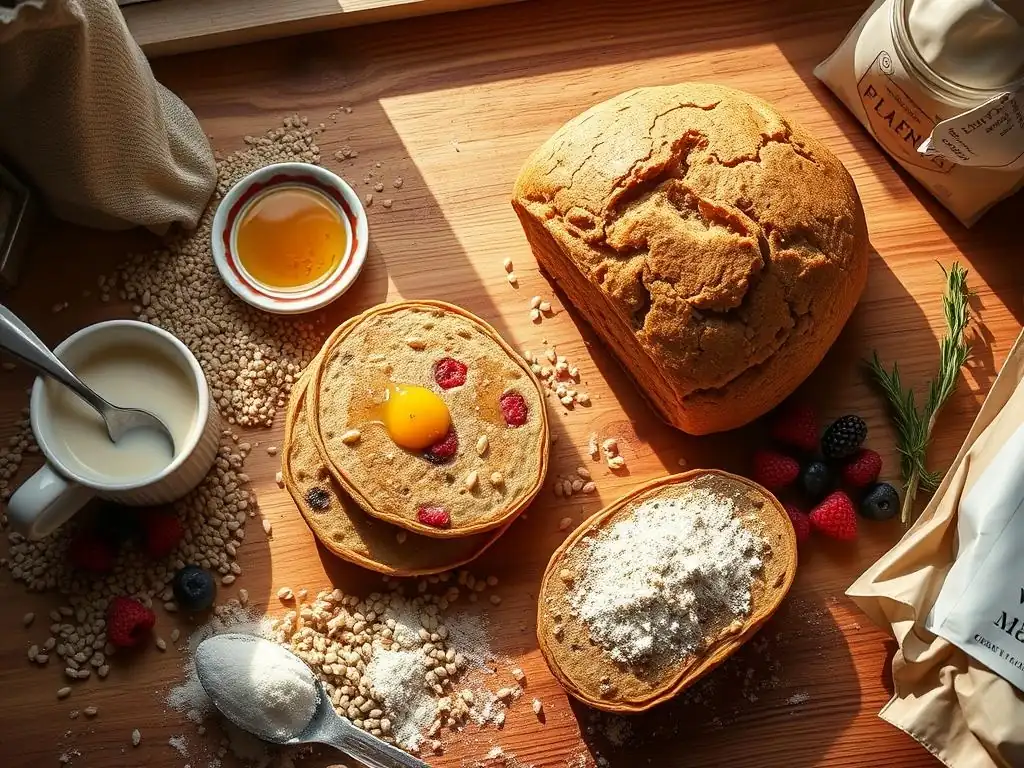
Simple Buckwheat Pancakes Recipe (Gluten-Free)
Making light and fluffy gluten-free buckwheat pancakes is a fantastic way to begin your journey with this flour. Unlike pancakes made with solely rice flour, buckwheat adds a lovely earthy flavor and a slightly heartier texture without being heavy. A typical recipe might use a blend of buckwheat flour, a starchy flour like tapioca or potato starch, a leavener (baking powder and/or baking soda), salt, and a touch of sugar. The wet ingredients usually include milk (dairy or non-dairy), an egg (or egg replacer), and melted butter or oil.
The key to great texture here is not overmixing and allowing the batter to rest briefly before cooking. This rest allows the buckwheat and starch to absorb the liquid fully. Cooking on a medium-hot griddle ensures even browning and thorough cooking without burning. These pancakes demonstrate how buckwheat can contribute both flavor and a pleasant, tender crumb, showcasing one of the simpler glutenfree buckwheat baking secrets.
Delicious Buckwheat Brownies Recipe (Gluten-Free & Fudgy)
Buckwheat flour is surprisingly well-suited for rich, fudgy gluten-free brownies. Its slightly nutty flavor pairs beautifully with chocolate. In a brownie recipe, buckwheat flour contributes to a dense, moist, and slightly chewy texture that is highly desirable. A typical recipe might combine buckwheat flour with cocoa powder, sugar, eggs, melted butter or oil, and vanilla. Some recipes might include a small amount of another gluten-free flour or starch for balance, but buckwheat can often be a significant component.
The high fat and sugar content in brownies help to keep them moist and prevent excessive crumbliness, mitigating some of buckwheat's potential challenges. Baking brownies until just set, but still slightly soft in the center, is crucial for achieving that coveted fudgy texture. Buckwheat's structure helps hold the brownie together even when it's intentionally underbaked for fudginess, highlighting another of the practical glutenfree buckwheat baking secrets.
Gluten-Free Buckwheat Bread Recipe for Beginners
Baking gluten-free bread can be one of the more challenging areas, but buckwheat flour can be a valuable ingredient in a beginner-friendly recipe. While 100% buckwheat bread can be very dense, incorporating buckwheat into a multi-flour blend yields a loaf with good flavor and a surprisingly decent crumb structure. A basic recipe might include buckwheat flour, brown rice flour, tapioca starch, psyllium husk (a crucial binder for bread), yeast, sugar, salt, warm water, and a little oil or vinegar.
The technique often involves creating a wet, sticky dough (gluten-free bread dough is typically much wetter than wheat dough). The psyllium husk forms a gel that provides the necessary structure for the yeast to create lift. Buckwheat adds a rustic flavor and color. Baking in a loaf pan, sometimes covered for the initial part of baking to trap steam, helps achieve a softer crust. This recipe demonstrates how binders and proper hydration, combined with buckwheat, are fundamental glutenfree buckwheat baking secrets for gluten-free bread.
Troubleshooting Your Gluten-Free Buckwheat Baking
Common Mistakes and How to Fix Them
Even with the best intentions, things can sometimes go wrong in gluten-free baking with buckwheat.
- Problem: Baked goods are too dry or crumbly.
- Fix: Increase the liquid slightly in your next batch, ensure you're using a binder (like xanthan gum or psyllium), and avoid overbaking. Check doneness earlier.
- Problem: Texture is gummy or dense.
- Fix: You might be using too much liquid, overmixing the batter, or not using a balanced flour blend. Try slightly less liquid, mix only until just combined, and consider reducing the proportion of buckwheat flour or adding more starch to your blend. Allowing a rest period can also help prevent gumminess.
- Problem: Baked goods don't rise well.
- Fix: Ensure your leavening agents (baking powder, baking soda, yeast) are fresh. Check that you're using the correct type and amount of binder, as binders help support the rise. Ensure your liquid is the correct temperature for yeast recipes.
Identifying the specific issue is the first step to applying the right glutenfree buckwheat baking secrets to fix it.
Adjusting Recipes for Different Humidity Levels
Humidity can significantly impact gluten-free baking, especially with flours like buckwheat that absorb moisture. In high humidity environments, flours absorb more moisture from the air, meaning you might need slightly less liquid than a recipe calls for. Conversely, in very dry climates, your flours will be drier, and you may need to add a little more liquid to achieve the correct batter or dough consistency.
This is where paying attention to the visual and tactile cues of your batter or dough becomes invaluable. Instead of blindly following liquid measurements, add the liquid gradually and stop when the consistency matches what the recipe describes or what you know works for that type of baked good. For example, if a cookie dough recipe is usually firm but pliable, and in high humidity it seems too wet, hold back a tablespoon or two of liquid. This subtle adjustment is one of the more advanced glutenfree buckwheat baking secrets that comes with experience.
Storing Your Gluten-Free Buckwheat Baked Goods
Proper storage is important for maintaining the texture and freshness of gluten-free baked goods made with buckwheat. Because they lack the gluten structure that keeps wheat goods fresh and pliable longer, gluten-free items can dry out relatively quickly.
- Quick Breads, Muffins, Brownies: Store at room temperature in an airtight container for 2-3 days. For longer storage, wrap individual portions tightly and freeze for up to 3 months. Thaw at room temperature or gently warm.
- Pancakes, Waffles: Cool completely, then layer with parchment paper in an airtight container or freezer bag. Refrigerate for up to 3 days or freeze for up to 2 months. Reheat in a toaster, oven, or on a griddle.
- Bread: Store at room temperature in a bread box or airtight container for 1-2 days. Gluten-free bread often stales faster. Slicing and freezing portions immediately after cooling is often the best way to preserve freshness for longer periods (up to 3 months).
Proper storage ensures you can enjoy the fruits of your labor and the wonderful textures achieved by using glutenfree buckwheat baking secrets.
Advanced Buckwheat Baking Techniques
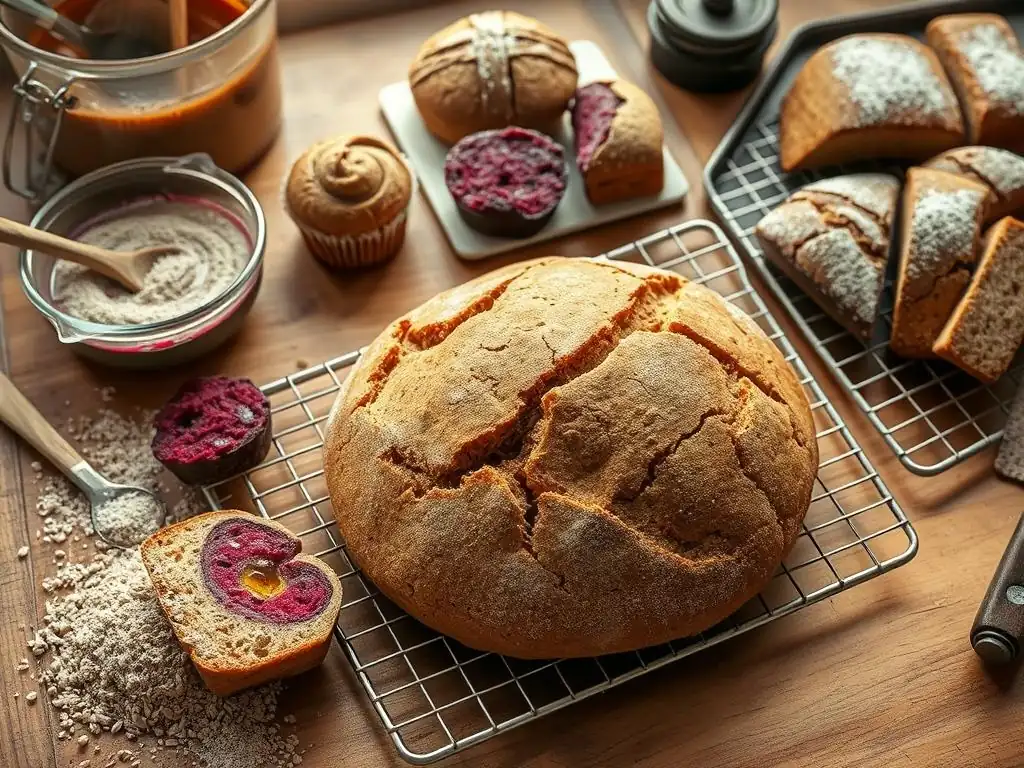
Using Buckwheat in Sourdough Starters (Gluten-Free Option)
Creating a gluten-free sourdough starter is possible, and buckwheat flour can play a role, though it's often used in combination with other gluten-free flours. Buckwheat flour contains some natural yeasts and bacteria, similar to wheat, that can contribute to fermentation. A common approach is to start a gluten-free starter using a blend of flours, such as brown rice, sorghum, and buckwheat, fed with water. The buckwheat adds a distinct flavor profile to the starter.
Maintaining a gluten-free starter with buckwheat requires regular feeding with your chosen gluten-free flour blend and water. The fermentation process can sometimes be slower or produce a less vigorous rise than a wheat starter, but with patience and consistent feeding, a healthy, active starter can be developed. Using this starter in gluten-free bread recipes with buckwheat adds a wonderful tang and can improve the crumb structure, representing a more advanced application of glutenfree buckwheat baking secrets.
Exploring Buckwheat Crepes and Galettes
Buckwheat flour is a traditional ingredient in French crepes (especially savory ones called galettes) and Eastern European blinis. These thin pancakes showcase buckwheat's unique flavor and its ability to create a delicate yet sturdy texture. A simple buckwheat crepe batter typically consists of buckwheat flour, water or milk, an egg, and salt. The key is a very thin batter and cooking on a hot, lightly greased pan or crepe maker.
Buckwheat galettes are traditionally made with 100% buckwheat flour and water, sometimes with a small amount of salt. The batter is rested for several hours or overnight to allow the flour to fully hydrate. Cooked until crisp around the edges, they are often filled with savory ingredients like ham, cheese, and eggs. Mastering buckwheat crepes and galettes allows you to explore its textural capabilities in a different format than typical baked goods, highlighting its versatility and proving the value of these glutenfree buckwheat baking secrets.
Buckwheat for Crusts and Crumble Toppings
Buckwheat flour's slightly sandy texture and nutty flavor make it an excellent candidate for gluten-free pie crusts, tart shells, and crumble toppings. For a pie crust, buckwheat flour can be combined with a gluten-free blend, cold fat (butter or shortening), and a small amount of liquid. It creates a crisp, flavorful crust that holds its shape well. A typical blend for a crust might be 40% buckwheat flour, 40% rice flour, and 20% tapioca starch, combined with cold butter and ice water.
For crumble toppings on fruit crisps or muffins, buckwheat flour can be mixed with gluten-free oats, sugar, cold butter, and spices. When baked, it forms a wonderfully crunchy topping with a distinct nutty note. Using buckwheat in these applications leverages its natural texture and flavor without needing to rely on binders as heavily as in risen baked goods, showcasing how different glutenfree buckwheat baking secrets apply depending on the desired outcome.
Conclusion: Embrace the Versatility of Buckwheat for Amazing Gluten-Free Baking
Frequently Asked Questions
How can I use buckwheat flour to achieve a good texture in gluten-free baking?
Buckwheat flour can be tricky! To get the best texture, it's often best to combine it with other gluten-free flours like rice flour or tapioca starch for a lighter crumb. You'll also want to hydrate the flour well before baking.
What are the benefits of using buckwheat flour in gluten-free baking?
Buckwheat flour offers a nutty flavor and adds a unique texture to baked goods. It's also a good source of fiber and minerals, making it a healthier alternative to some other gluten-free flours.
What types of recipes are best suited for using buckwheat flour in gluten-free baking?
Buckwheat flour works well in pancakes, waffles, muffins, and quick breads. It can also be used in some cookies and cakes, but may require adjustments to the recipe to balance the texture.
Can I substitute buckwheat flour 1:1 for wheat flour in gluten-free baking recipes?
No, a direct substitution is not recommended. Buckwheat flour lacks gluten, so it won't bind the ingredients together in the same way. You'll need to adjust the recipe and potentially add a binding agent like xanthan gum.
What are some common problems when baking with buckwheat flour and how can I avoid them?
Common issues include a dense or gummy texture. To avoid this, be sure to measure the flour accurately, don't overmix the batter, and consider using a blend of gluten-free flours to achieve the desired result.
Final Reflection: Unlocking the Ancient Grain's Potential
The resurgence of gluten-free baking isn't just a trend; it's a necessity for millions and a culinary adventure for many more. Buckwheat, often misunderstood as a grain but actually a seed, offers a unique pathway to delicious and satisfying gluten-free treats, challenging the limitations often associated with alternative flours. Its earthy notes and naturally gluten-free nature provide a canvas for creativity, proving that healthy and delicious can coexist beautifully.
Exploring the world of buckwheat baking has been a journey of discovery, revealing not only the versatility of this ancient grain but also the power of embracing unexpected ingredients. It's a testament to the resilience of culinary traditions and the constant evolution of our relationship with food. The best way to find yourself is to lose yourself in the service of others.
While this quote might seem unrelated at first glance, it mirrors the process of baking with buckwheat – losing yourself in the experimentation and finding unexpected rewards in the outcome. The journey itself, with its trials and triumphs, is as valuable as the final product.
Now, it's your turn. Don't be afraid to experiment with buckwheat flour in your own kitchen. Embrace the challenge of mastering its unique properties, and discover the joy of creating delicious and healthy gluten-free baked goods. Let the earthy aroma of buckwheat fill your home, and let the satisfaction of creating something beautiful and nourishing from a seemingly simple ingredient inspire you. The secrets are waiting to be unlocked – start baking!
Unlock the Magic of Buckwheat Baking!
Thanks for exploring the wonderful world of buckwheat baking with us! You've now discovered the secrets to achieving incredible texture in your gluten-free creations. Ready to put your new knowledge into practice?
- Bake your first buckwheat masterpiece! Try one of the recipes mentioned in the article – or even better, experiment and create your own unique buckwheat treat. Let your creativity soar!
- Share your buckwheat baking journey! Post pictures of your creations on social media and tag #BakeWithEaseBuckwheat – we'd love to see your delicious results.
- Join our community forum to connect with fellow bakers, swap tips and recipes, and discover even more inspiring buckwheat baking ideas.
What unique buckwheat recipe will you bake first? Let us know in the comments below!