
Heatproof Gloves vs Oven Mitts: Which Protects You Better?

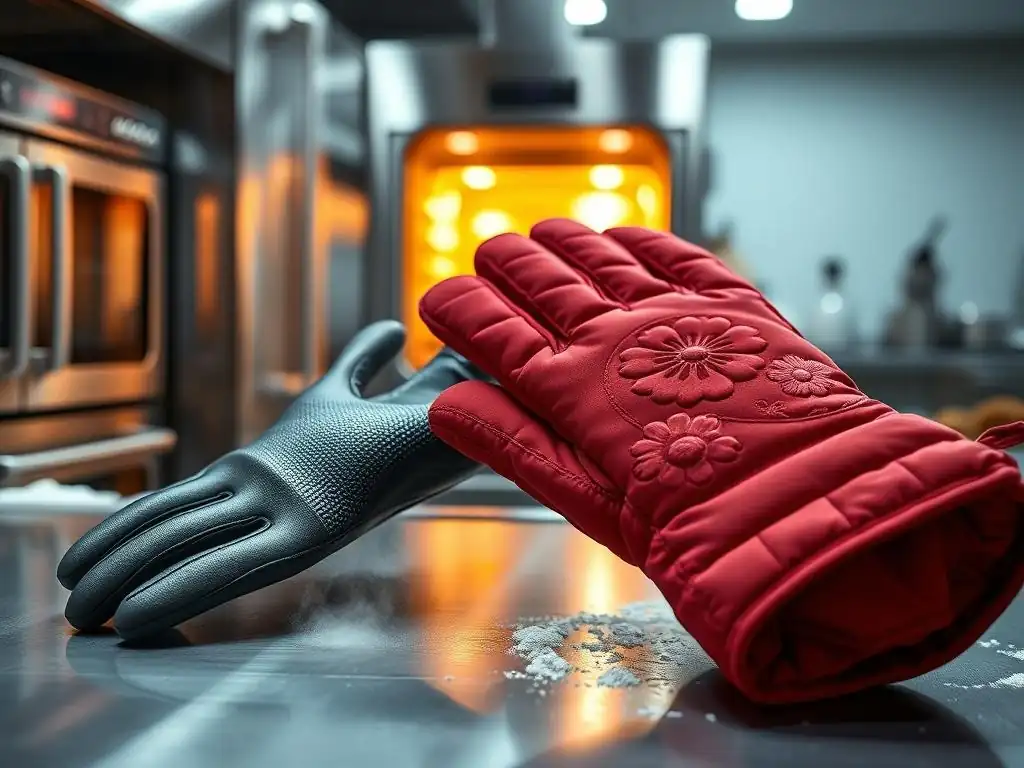
Welcome to BakeWithEase, your trusted guide in the delightful world of baking! Ever wondered which offers superior protection when reaching into a scorching oven – heatproof gloves or traditional oven mitts? Dive into our latest Baking Tips & Hacks article, "Heatproof Gloves vs Oven Mitts: Which Protects You Better? ", and uncover the secrets to safe and comfortable baking. Don't let burns hold you back; discover the perfect heat protection for your next culinary masterpiece!
- Introduction: Choosing the Right Hand Protection for Baking
- Heatproof Gloves for Baking: A Detailed Look
- Oven Mitts: The Traditional Baking Companion
- Heatproof Gloves vs Oven Mitts: A Direct Comparison
- Factors to Consider When Choosing Hand Protection
- Best Uses for Heatproof Gloves
- Best Uses for Oven Mitts
- Expert Recommendations: Heatproof Gloves or Oven Mitts?
- Conclusion: Making the Right Choice for Safe and Enjoyable Baking
-
Frequently Asked Questions
- What is the primary difference between heatproof gloves and oven mitts for baking?
- Are heatproof gloves or oven mitts better for handling hot liquids and steam?
- What materials are commonly used in heatproof gloves and oven mitts, and how do they affect heat resistance?
- How do I choose the right size for heatproof gloves or oven mitts?
- How do I properly care for and clean heatproof gloves and oven mitts to extend their lifespan?
- Final Reflection: Choosing the Right Shield Against the Heat
- Ready to Upgrade Your Kitchen Safety?
Introduction: Choosing the Right Hand Protection for Baking
Why Hand Protection is Crucial in Baking
Baking involves working with high temperatures, from scorching oven interiors to hot baking sheets and bubbling liquids. Protecting your hands is not just a safety precaution; it's an absolute necessity to prevent painful burns and injuries that can keep you out of the kitchen for days or even weeks. A severe burn can require medical attention, leading to significant discomfort and interruption of your baking passion. Even minor burns are unpleasant and can impact your ability to handle ingredients and tools with precision.
Ensuring adequate hand protection allows you to confidently manipulate hot items, like transferring a delicate cake from a cooling rack or carefully sliding a loaf of bread from a Dutch oven. Without reliable protection, simple tasks become hazardous, increasing the risk of dropping valuable bakes or sustaining injuries. Investing in quality heat protection is as fundamental as having a good set of measuring cups or reliable bakeware. It's about baking smarter and safer, allowing you to focus on creating delicious treats without fear of getting burned.
Understanding the Risks of Burns in the Kitchen
Kitchen burns are unfortunately common, and baking environments present unique challenges. Direct contact with hot surfaces like oven racks, baking sheets fresh from a 400°F (approx. 200°C) oven, or the heated walls of the oven itself can cause instant tissue damage. Steam burns from opening an oven door or lifting a lid from a steaming pot are also a significant risk, as steam transfers heat very efficiently and can cause deep burns quickly.
Splashes from hot sugar syrups, boiling water, or melted butter can also result in painful contact burns. While spills are often associated with stovetop cooking, they can occur in baking when handling glazes, fillings, or melting ingredients. The intensity of these heat sources means that even a brief moment of unprotected contact can lead to a second-degree burn, characterized by blisters and significant pain. Proper hand protection acts as a critical barrier, absorbing or reflecting this intense heat and preventing it from reaching your skin.
Heatproof Gloves and Oven Mitts: An Overview
When it comes to shielding your hands from the heat of baking, the two primary contenders are heatproof gloves and traditional oven mitts. Both serve the fundamental purpose of providing thermal insulation, but they differ significantly in design, materials, and the level of dexterity they offer. Oven mitts are the classic kitchen staple, often made of padded fabric or silicone, providing a bulky layer of protection.
Heatproof gloves, on the other hand, are typically designed more like standard five-fingered gloves, often constructed from materials like silicone, aramid fibers (like Kevlar or Nomex), or specialized synthetic blends. This design aims to offer greater flexibility and individual finger control compared to mitts. The choice between heatproof gloves vs mitts depends largely on the specific baking tasks you perform most often, your comfort preferences, and the level of heat protection required.
Heatproof Gloves for Baking: A Detailed Look
What are Heatproof Baking Gloves?
Heatproof baking gloves are specialized hand protection designed to offer superior heat resistance while maintaining a higher degree of flexibility and dexterity than traditional oven mitts. Unlike mitts that encase the hand in a single padded compartment, these gloves typically have individual finger slots, allowing for more precise movements. They are engineered using advanced materials capable of withstanding very high temperatures, making them suitable for tasks that require handling extremely hot items directly for longer periods.
These gloves are often favored by bakers who need to manipulate hot items with precision, such as adjusting loaves in a hot oven, handling cast iron Dutch ovens used for bread baking, or carefully arranging delicate pastries on a hot tray. Their design mimics the natural shape of the hand, providing a closer fit and better tactile feedback than bulky mitts. This allows for a more secure grip on smooth or irregularly shaped hot surfaces, reducing the risk of drops and spills.
Materials Used in Heat Resistant Gloves
The effectiveness of heatproof gloves hinges on the advanced materials used in their construction. Silicone is a popular choice, known for its excellent heat resistance (often up to 500°F or 260°C), water resistance, and non-slip grip. Silicone gloves are often molded with textured surfaces to further enhance grip on slick surfaces.
Another common material is aramid fiber, such as those branded as Kevlar or Nomex. These synthetic fibers are incredibly strong and heat-resistant, often used in combination with insulating layers of cotton or polyester for comfort and added thermal protection. Gloves made with these fibers can sometimes withstand even higher temperatures, potentially up to 932°F (500°C) for short durations, though the inner lining's temperature limit is also a factor. Some gloves also incorporate materials like neoprene, particularly for added heat and moisture resistance.
Key Features and Benefits of Baking Gloves
Heatproof gloves offer several key features that distinguish them from traditional mitts and provide specific benefits for bakers. One of the most significant advantages is the enhanced dexterity afforded by the individual finger design. This allows bakers to perform more intricate tasks safely.
Another crucial feature is the extended coverage many heatproof gloves provide. Often extending further up the wrist and sometimes even partway up the forearm, they offer better protection against accidental brushes with hot oven walls or racks when reaching deep into the oven. This additional coverage is particularly valuable when handling large or heavy items.
Enhanced Dexterity and Grip
The primary benefit of heatproof gloves for many bakers is the significant improvement in dexterity compared to bulky mitts. With individual fingers, you can grip items more securely and perform actions that require finer motor control. Imagine needing to carefully adjust the position of a loaf of bread on a hot baking stone or gently rotate a tray of macarons in a hot oven – tasks where precise movements are crucial.
Furthermore, many heatproof gloves feature textured surfaces, particularly silicone ones, designed to provide an exceptional non-slip grip. This is vital when handling potentially heavy or smooth hot items like cast iron skillets, ceramic baking dishes, or even just a standard metal baking sheet that might be slightly greasy. This secure grip minimizes the chance of drops, which could lead to damage, spills, or dangerous burns.
Full Hand and Wrist Coverage
While traditional mitts offer some wrist coverage, many heatproof gloves are designed with longer cuffs that extend further up the arm. This increased length provides a greater protective barrier against accidental contact with hot surfaces beyond the immediate hand area. Reaching into a deep oven to retrieve a baking dish or maneuvering items on lower racks often brings your forearms close to heated elements or walls.
This extended coverage helps prevent common baking burns that occur when the unprotected wrist or lower arm brushes against a hot surface. For example, when pulling out a large sheet pan of cookies, the back of your hand or wrist might touch the oven rack. Gloves with longer cuffs offer that extra layer of security, allowing you to reach confidently without worrying about incidental contact burns.
Cleaning and Maintenance of Heatproof Gloves
Maintaining the hygiene of heatproof gloves is important, especially in a kitchen environment. The ease of cleaning depends heavily on the material. Silicone gloves are generally very easy to clean; most spills or messes can be wiped away with a damp cloth, or the gloves can be rinsed under running water. They are also often dishwasher-safe, making cleanup quick and convenient.
Gloves made with fabric or fiber layers may require slightly more effort. While the outer aramid layer might resist stains, the inner cotton or polyester lining can absorb moisture and grease. Many fabric heatproof gloves are machine washable, but it's crucial to check the manufacturer's instructions. Proper drying is also essential to prevent mildew or odors, particularly with multi-layered fabric gloves. Ensuring they are thoroughly dry before storage helps maintain their effectiveness and lifespan.
Best Heatproof Gloves for Baking: Silicone Five-Finger Gloves, Neoprene Insulated Gloves
Among the variety of heatproof gloves available, two types stand out as popular choices for baking: silicone five-finger gloves and neoprene insulated gloves. Silicone gloves, often recognized by their bright colors and textured surfaces, offer excellent heat resistance, water resistance, and a strong grip. They are particularly good for tasks involving moisture or sticky substances, as they are easy to wipe clean. Their maximum temperature resistance typically ranges from 450°F to 500°F (230°C to 260°C), sufficient for most home baking needs.
Neoprene insulated gloves, sometimes combining neoprene with other heat-resistant materials, offer robust protection and are often more flexible than solid silicone. Neoprene is known for its resistance to heat, grease, and water, making these gloves durable and versatile. They often have a softer inner lining for comfort and insulation. These gloves are excellent for heavy-duty tasks, like handling very hot, wet items or working with grills, and can offer protection in similar temperature ranges to silicone, often with good longevity.
Oven Mitts: The Traditional Baking Companion
What are Oven Mitts?
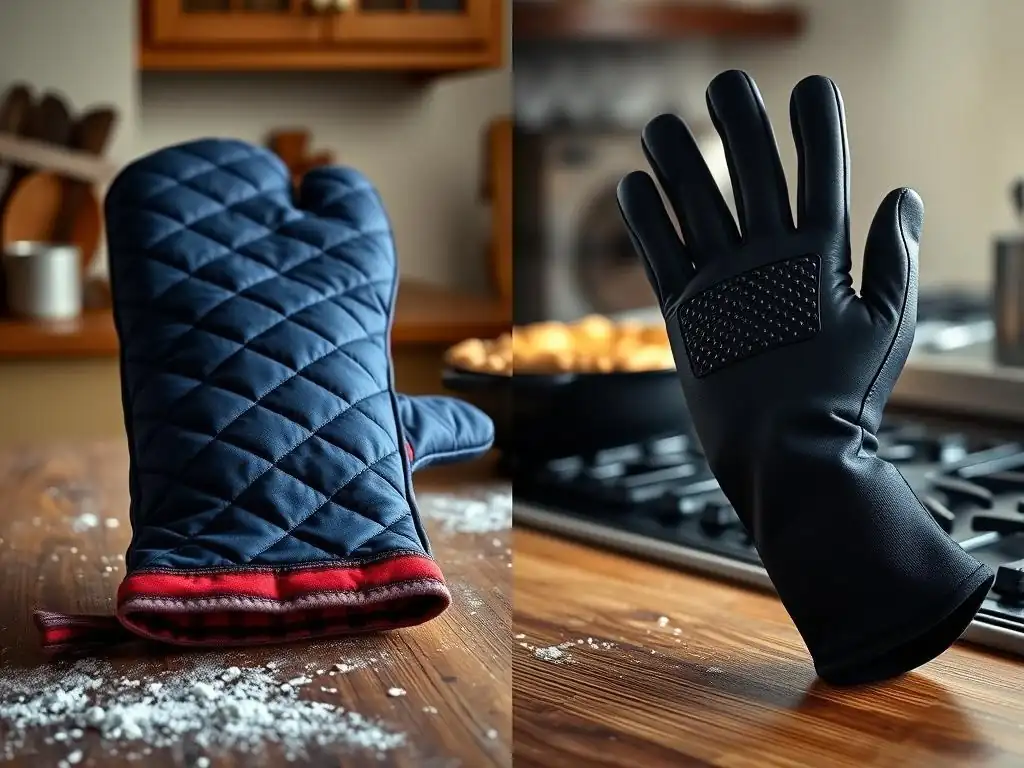
Oven mitts are the classic form of hand protection used in kitchens worldwide. They are typically designed as a pouch or pocket into which the hand is inserted, providing a thick, insulated barrier between the hand and hot surfaces. Unlike gloves, oven mitts do not have individual finger slots, meaning all fingers are together within the insulated compartment.
This design, while limiting dexterity, offers a simple and effective way to grab and carry hot items like baking sheets, casserole dishes, or pot handles. They rely on layers of insulating material to slow down heat transfer. Oven mitts are widely available, come in various materials, and are often more affordable than specialized heatproof gloves. They are a familiar and reliable tool for general baking tasks.
Types of Oven Mitts Available
Oven mitts come in a variety of materials, each offering different levels of heat resistance, flexibility, and durability. The most traditional type is the fabric oven mitt, commonly made from cotton, linen, or blended fabrics. These mitts rely on thick quilting and multiple layers of fabric and batting to provide insulation. They are comfortable and pliable but can absorb moisture and may not offer protection against extremely high temperatures or prolonged contact.
Silicone oven mitts are another popular option. These mitts are often made entirely of silicone or have a silicone exterior with a fabric lining. Silicone offers excellent heat resistance, is waterproof, and provides a good non-slip grip due as it's often textured. Silicone mitts are easy to clean and resist stains better than fabric ones. Some mitts combine materials, using a fabric exterior with heat-resistant padding inside, or adding silicone grips to a fabric mitt for improved handling.
Fabric Oven Mitts: Cotton, Linen, and More
Fabric oven mitts, often made from materials like cotton or linen, are a long-standing staple in kitchens. Their primary advantage is comfort and flexibility. The soft fabric conforms easily to the hand, and the quilted layers provide a comfortable feel. They are typically less bulky than some silicone options, making them easy to store and use for quick tasks.
However, fabric mitts have limitations in terms of heat resistance and durability, especially when exposed to moisture. A wet fabric mitt loses much of its insulating capability and can quickly transfer heat, leading to a burn. While thickly quilted cotton mitts might offer protection up to around 400°F (approx. 200°C) for a short time, their effectiveness decreases rapidly with prolonged contact or if they become damp or soiled with grease. They also tend to stain more easily than silicone.
Silicone Oven Mitts: Heat Resistance and Grip
Silicone oven mitts offer significant advantages, particularly in terms of heat resistance and durability. Solid silicone mitts can typically withstand temperatures up to 500°F (260°C) or even higher for short durations, providing a robust barrier against intense heat. Their non-porous nature means they are impervious to steam and hot liquids, which is a major advantage over fabric mitts that lose insulation when wet.
The exterior of silicone mitts is often textured with ridges or bumps, designed to provide an excellent non-slip grip on smooth or heavy baking dishes. This secure hold is crucial for safely transferring hot items from the oven to cooling racks or countertops. While some find full silicone mitts less flexible or bulkier than fabric, their superior heat and moisture resistance, combined with ease of cleaning, make them a highly effective option for many baking tasks.
Advantages and Disadvantages of Using Oven Mitts
Oven mitts offer several clear advantages, making them a popular choice for everyday baking. They are generally more affordable and widely available than specialized heatproof gloves, found in most kitchenware sections. Their simple design makes them easy to slip on quickly when you need to grab something hot from the oven.
However, oven mitts also have notable disadvantages. Their lack of individual finger divisions significantly limits dexterity, making it difficult to perform tasks requiring fine motor control, like adjusting small items or gripping thin edges. The bulkiness can also make them awkward to use in tight spaces. Furthermore, the level of heat protection can vary greatly depending on the material and construction, and fabric mitts, in particular, are vulnerable to losing effectiveness when wet.
Affordability and Availability
One of the biggest draws of traditional oven mitts is their accessibility and cost-effectiveness. You can find basic oven mitts in virtually any store that sells kitchen supplies, from supermarkets to department stores and specialty shops. This widespread availability makes them a convenient option for anyone setting up a kitchen or needing a quick replacement.
In terms of price, standard fabric or basic silicone oven mitts are typically less expensive than high-performance heatproof gloves made with advanced materials. This makes them an attractive option for bakers on a budget or those who only need hand protection for occasional, simple tasks. While premium mitts exist, the entry-level cost is generally quite low.
Limited Dexterity and Coverage
The design of oven mitts, where all fingers are enclosed in a single pouch, inherently limits dexterity. This can make it challenging to grip items precisely, pick up small objects, or maneuver tools while wearing them. Tasks like carefully placing or removing individual items from a hot sheet pan or adjusting oven racks can be awkward and less secure compared to using five-fingered gloves.
While most oven mitts offer some wrist coverage, the length can vary significantly. Many standard mitts only extend a few inches past the wrist, leaving the forearm exposed. This limited coverage increases the risk of accidental burns to the lower arm when reaching into a deep oven or handling large, hot items that might brush against your arm.
Cleaning and Storage Challenges
Cleaning oven mitts can sometimes be more challenging than cleaning silicone gloves, particularly fabric ones. Fabric mitts readily absorb spills, grease, and stains, which can be difficult to remove completely, sometimes requiring machine washing. If not dried thoroughly, they can retain moisture and develop unpleasant odors or mildew.
Storing oven mitts is usually straightforward due to their simple shape. They can be easily hung on hooks using a loop (if provided) or folded and placed in a drawer. However, their bulkiness can take up significant drawer space compared to thinner gloves. Silicone mitts are generally easier to clean by wiping or rinsing, but their potentially rigid shape might make folding slightly less compact than fabric mitts.
Top-Rated Oven Mitts for Safe Baking: Quilted Cotton Mitts, Silicone Gripped Mitts
Among the widely available oven mitts, quilted cotton mitts remain a popular and reliable choice for general baking tasks. Look for mitts with dense quilting and multiple layers of thick cotton batting for better insulation. While they offer good comfort and flexibility, remember their limitations regarding high heat and moisture. A set of well-made quilted cotton mitts can provide adequate protection for pulling out standard cookie sheets or cake pans from moderate oven temperatures.
Silicone-gripped fabric mitts offer a good compromise, combining the comfort and flexibility of fabric with the enhanced grip and improved heat/moisture resistance of silicone on the palm and fingers. For tasks involving heavier or smoother hot items, or where some moisture might be present, opting for full silicone oven mitts is often recommended. These provide superior heat protection (often up to 500°F/260°C) and are much easier to clean, making them ideal for handling hot casseroles or Dutch ovens.
Heatproof Gloves vs Oven Mitts: A Direct Comparison
Heat Resistance: Which Offers Better Protection?
When directly comparing heatproof gloves vs mitts based purely on maximum temperature resistance, high-quality heatproof gloves made with materials like aramid fibers or specialized silicones often offer the highest ratings, sometimes exceeding 900°F (500°C) for momentary contact. Solid silicone oven mitts also provide excellent heat resistance, typically rated up to 500°F (260°C).
Traditional fabric oven mitts, while offering some insulation, generally provide the lowest level of heat resistance and are less effective at very high temperatures (above 400°F or 200°C) or with prolonged contact. Their resistance is also severely compromised if they become wet. Therefore, for tasks involving extremely high temperatures or prolonged handling of hot items, heatproof gloves or robust silicone mitts generally offer superior protection compared to standard fabric mitts.
Dexterity and Grip: Crucial for Handling Hot Items
This is where the core difference between heatproof gloves vs mitts often lies. Heatproof gloves, with their five-finger design, offer significantly better dexterity. They allow for individual finger movement, enabling you to grip items more naturally, adjust small objects, and perform tasks that require precision, such as carefully placing or removing items from a crowded oven rack or using tools like spatulas while wearing them.
Oven mitts, on the other hand, severely limit dexterity. The hand is enclosed in a single compartment, making fine motor control impossible. While mitts are effective for simply grabbing and lifting items, they are awkward for tasks requiring more nuanced handling. However, many mitts, especially silicone ones or those with silicone grips, offer an excellent non-slip surface for a secure hold on heavy or smooth dishes, compensating somewhat for the lack of finger articulation.
Coverage Area: Protecting Hands and Arms
The area of the arm protected varies between heatproof gloves and oven mitts, and this is an important factor in preventing burns. Many heatproof gloves are designed with extended cuffs that reach further up the wrist and forearm than standard oven mitts. This provides crucial protection against accidental contact with hot oven walls, racks, or other surfaces when reaching deep into the oven or handling large items.
While some oven mitts also offer extended lengths, many traditional designs only cover the hand and a short portion of the wrist. This leaves the forearm vulnerable to incidental burns, which are common when maneuvering items in a hot oven. For maximum protection against contact burns beyond the hand, heatproof gloves or extra-long oven mitts are preferable.
Comfort and Flexibility: A Matter of Preference
Comfort and flexibility can be subjective and depend heavily on the specific materials and construction of both heatproof gloves and oven mitts. Traditional quilted fabric oven mitts are often perceived as more comfortable due to their soft, pliable nature. They conform easily to the hand and are lightweight.
Heatproof gloves, especially those made with multiple layers of specialized fibers or thick silicone, can sometimes feel less flexible or more bulky than fabric mitts. However, many modern heatproof gloves are designed with soft inner linings (like cotton or polyester) for comfort. Silicone mitts can sometimes feel stiff, while silicone gloves might offer better individual finger flexibility despite overall bulk. Ultimately, personal preference and the fit of the specific product play a large role in determining which feels more comfortable.
Durability and Longevity: Which Lasts Longer?
The lifespan of heatproof gloves vs mitts depends heavily on the quality of the materials and how they are used and cared for. High-quality heatproof gloves made with durable materials like aramid fibers or robust silicone are generally designed for longevity and can withstand frequent use and high temperatures without degrading quickly. They are often resistant to tearing and abrasion.
Fabric oven mitts, while potentially durable in terms of stitching, are more susceptible to wear and tear from heat exposure, staining, and repeated washing. The insulating layers can compress over time, reducing their effectiveness. Silicone mitts and gloves are generally more durable in terms of heat and stain resistance compared to fabric, but silicone can potentially tear if snagged sharply. With proper care, both high-quality heatproof gloves and silicone mitts can last for many years, whereas fabric mitts might need replacement sooner, especially with heavy use.
Ease of Cleaning: Keeping Your Hand Protection Hygienic
Maintaining hygiene is essential in the kitchen, and the ease of cleaning differs between heatproof gloves and oven mitts based on their materials. Silicone gloves and mitts are generally the easiest to clean. Their non-porous surface means spills and grease sit on the surface and can usually be wiped clean with a damp cloth or rinsed under running water. Many are also dishwasher-safe.
Fabric oven mitts, conversely, absorb liquids and grease, making them prone to staining and harder to clean thoroughly. They often require machine washing, which can sometimes affect their insulation over time. Ensuring they are completely dry after washing is crucial to prevent mildew. For bakers dealing frequently with spills, sticky doughs, or grease, the ease of cleaning offered by silicone-based heatproof gloves or mitts is a significant advantage.
Factors to Consider When Choosing Hand Protection
Baking Frequency and Intensity
Your baking habits play a significant role in determining the best hand protection for your needs. If you bake infrequently or only engage in simple tasks like baking pre-made cookies or frozen pizzas, a basic pair of traditional oven mitts might be perfectly sufficient. They provide adequate protection for quick grabs from moderate ovens.
However, if you are a frequent or avid baker, regularly tackling complex recipes, working with high temperatures (like baking bread in a Dutch oven at 450°F+), or handling multiple hot items simultaneously, investing in more robust protection like high-quality heatproof gloves or heavy-duty silicone mitts is highly recommended. The increased protection, durability, and potential for better dexterity can make a substantial difference in safety and efficiency.
Types of Baking Activities: Bread, Pastries, Cakes, etc.
The specific types of baking you do most often can influence whether heatproof gloves vs mitts are a better fit. Bread bakers who frequently use very hot Dutch ovens or baking stones might benefit greatly from heatproof gloves with excellent heat resistance and grip for safely maneuvering heavy, hot cookware.
Pastry chefs or bakers working with delicate items, small pans, or requiring precise adjustments in the oven may find the enhanced dexterity of five-fingered heatproof gloves invaluable. For general tasks like baking cakes, muffins, or standard cookies where items are typically handled on flat sheets or in standard pans, traditional oven mitts often provide sufficient protection and are easy to use for simple lifting and carrying. Consider the tasks you perform most often to guide your choice.
Personal Preferences and Comfort
Ultimately, personal comfort and preference are crucial factors in choosing between heatproof gloves and oven mitts. Some bakers simply prefer the familiar feel and pliability of fabric oven mitts, finding them less restrictive than some gloves. Others prioritize the secure, individual grip and extended coverage offered by heatproof gloves, even if they feel slightly less flexible initially.
It's also worth considering how the protection feels on your hands – some people find silicone materials too stiff, while others appreciate their texture and non-absorbent nature. If possible, try on different types of heat protection to see how they feel and how easily you can perform basic hand movements while wearing them. The protection you are most comfortable using is the one you'll be most likely to use consistently and correctly.
Budget Considerations: Price vs. Value
Budget is often a factor when purchasing kitchen equipment. Generally speaking, basic fabric oven mitts are the most budget-friendly option. You can often find a pair for under $10. Mid-range options include silicone oven mitts or fabric mitts with silicone grips, typically costing between $15 and $30.
High-quality heatproof gloves made with advanced materials like aramid fibers or premium silicone tend to be the most expensive, often ranging from $25 to $50 or more for a single pair. While the initial cost is higher, consider the value in terms of enhanced safety, durability, and the ability to perform more demanding tasks. If you bake frequently or need maximum protection, the investment in higher-priced heatproof gloves vs mitts might be justified by their performance and longevity.
Safety Certifications and Standards
When choosing hand protection, looking for products that adhere to relevant safety certifications or standards can provide an extra layer of confidence in their protective capabilities. While not all kitchen mitts or gloves carry formal certifications like those for industrial use, some manufacturers test their products to specific temperature ratings and provide clear indications of the maximum heat and duration of contact they can withstand.
Look for products that clearly state their temperature rating (e.g., "Protects up to 500°F") and consider reading reviews from other users who have tested their heat resistance in real-world baking scenarios. While certifications are more common for professional-grade equipment, a manufacturer providing clear, tested specifications for their heatproof gloves vs mitts demonstrates a commitment to safety standards.
Best Uses for Heatproof Gloves
Handling Hot Baking Sheets and Pans
Heatproof gloves are excellent for safely handling hot baking sheets and pans, especially when they are heavy or full. The individual finger design allows you to get a firm, controlled grip on the edges or handles of the pan. This is particularly useful when pulling a large sheet pan of roasted vegetables or a heavy casserole dish from a hot oven.
The enhanced grip provided by materials like textured silicone or woven fibers helps prevent slips, which could lead to dropping the pan and causing spills or burns. Wearing heatproof gloves means you can confidently lift, carry, and maneuver hot bakeware from the oven to a cooling rack or countertop without worrying about losing your grip or feeling the heat quickly penetrate the material.
Working with Delicate Pastries
For bakers who specialize in delicate pastries like croissants, tarts, or macarons, the dexterity offered by heatproof gloves is a significant advantage. These tasks often require precise handling of hot trays or adjusting the position of small, fragile items in a hot oven. Trying to do this with bulky oven mitts can be cumbersome and risk damaging the pastry.
With heatproof gloves, you can use your individual fingers to carefully grip the edges of a baking sheet, rotate a tray, or even gently reposition a pastry if necessary (though direct contact with food is generally not recommended while wearing gloves used for oven handling). This level of control allows for safer and more successful handling of sensitive bakes straight from the oven.
Adjusting Oven Racks Safely
Adjusting oven racks while the oven is hot is a common task in baking, but it can be hazardous with inadequate protection. Trying to slide a metal rack with a standard oven mitt can be awkward due to limited dexterity, and the mitt might snag on the rack. Furthermore, the duration of contact required to pull out and reposition a rack can sometimes exceed the momentary protection offered by thinner mitts.
Heatproof gloves, particularly those with good grip and durability, allow you to firmly grasp the rack with individual fingers and slide it in or out with more control. The extended coverage of many heatproof gloves also protects your forearms from brushing against the hot oven interior during this process. Using gloves specifically for this task can make it much safer and easier.
Managing Dutch Ovens and Other Heavy Cookware
Baking bread in a cast iron Dutch oven is incredibly popular, but these vessels become extremely hot and heavy. Safely lifting a 450°F (230°C) cast iron pot and lid requires substantial heat protection and a secure grip. This is a prime scenario where high-quality heatproof gloves excel.
Gloves with excellent heat resistance and a strong, non-slip grip allow you to confidently lift the heavy pot, remove the lid to check on your bread, and safely transfer the oven from the oven to a cooling surface. Similarly, handling other heavy, hot cookware like ceramic baking dishes or large roasting pans is much safer and easier with the dexterity and grip provided by heatproof gloves compared to bulky mitts.
Best Uses for Oven Mitts
Quickly Grabbing Hot Items from the Oven
Oven mitts are perfectly suited for simple, quick tasks like grabbing a standard baking sheet of cookies or a cake pan from a moderately heated oven. Their slip-on design makes them fast and easy to use when you just need to reach in, grab, and pull something out immediately.
For routine baking where you're handling items with clear handles or edges that are easy to grip with a mitt, they provide sufficient protection for the brief contact needed. Their simplicity makes them a go-to tool for everyday baking routines where high dexterity or prolonged contact with extreme heat is not required.
Simple Baking Tasks Requiring Less Dexterity
Many common baking tasks don't require the fine motor control offered by heatproof gloves. Pulling a loaf of banana bread from a standard loaf pan, removing a muffin tin from the oven, or taking out a pie from a pie plate are all tasks where a simple oven mitt provides adequate protection.
If your baking mostly involves these types of straightforward tasks, an oven mitt is a perfectly functional and often more comfortable option than potentially bulkier gloves. They offer the necessary thermal barrier for these less complex maneuvers, allowing you to safely transfer your baked goods.
Protecting Hands While Using a BBQ or Grill
While this article focuses on baking, it's worth noting that oven mitts, particularly those made of silicone, are also excellent for use with barbecues and grills. The heat from a grill grate can be intense, and the waterproof nature of silicone mitts protects against grease flare-ups and hot liquids.
While some heatproof gloves are also suitable for grilling, the robust, simple protection of a silicone oven mitt is often preferred for handling hot grill grates or moving hot items on the grill where extreme dexterity isn't the primary concern. Their ease of cleaning after dealing with grill grease is also a plus.
Storing Easily in a Drawer or Hanging on a Hook
Oven mitts, with their relatively flat and simple shape, are very easy to store. Most come with a loop for hanging on a hook near the oven, providing quick access. They can also be folded or stacked neatly in a kitchen drawer, taking up less space than some bulkier heatproof gloves, especially if you have multiple pairs.
Their straightforward design means they don't require any special folding or storage techniques. This ease of storage contributes to their convenience as an everyday kitchen item. Keeping them readily accessible ensures you're more likely to use them every time you reach into a hot oven.
Expert Recommendations: Heatproof Gloves or Oven Mitts?
Choosing Based on Specific Baking Needs
The choice between heatproof gloves vs mitts ultimately depends on your specific baking needs and habits. For general, everyday baking tasks involving standard temperatures and bakeware, a good pair of oven mitts is often sufficient, cost-effective, and convenient.
However, if you frequently engage in high-temperature baking (like bread in Dutch ovens), handle heavy or delicate hot items, require precise movements within a hot oven, or need maximum protection against accidental forearm burns, investing in high-quality heatproof gloves is highly recommended. They offer a level of dexterity and heat resistance that traditional mitts cannot match for these specific applications.
Combining Both for Optimal Protection
For many avid bakers, the ideal solution is not choosing one over the other, but having both heatproof gloves and oven mitts available. Oven mitts are perfect for quick, simple grabs, while heatproof gloves are ready for more demanding tasks requiring higher heat resistance, better grip, or greater dexterity.
- Use oven mitts for:
- Pulling standard cookie sheets.
- Removing cake pans or muffin tins.
- Quickly grabbing items from moderate ovens.
- Use heatproof gloves for:
- Handling hot Dutch ovens or cast iron.
- Adjusting oven racks.
- Working with delicate pastries on hot trays.
- When maximum heat resistance or extended coverage is needed.
Having both options ensures you have the right tool for every hot job in the kitchen, maximizing safety and efficiency.
Conclusion: Making the Right Choice for Safe and Enjoyable Baking
Recap of Key Differences
In the debate of heatproof gloves vs mitts, the key differences lie in their design, materials, and resulting performance. Oven mitts are typically simple pouches, offering basic heat insulation and ease of use but limiting dexterity and often providing less extensive coverage. They are generally more affordable and widely available.
Heatproof gloves, with their five-finger design and advanced materials, offer superior dexterity, better grip, higher potential heat resistance, and often extended forearm coverage. While potentially more expensive, they are better suited for tasks requiring precision, handling extremely hot items, or where maximum protection is paramount.
Final Recommendation:
For the casual or infrequent baker performing standard tasks, a quality pair of traditional oven mitts provides sufficient protection. Look for mitts with good insulation and a comfortable fit.
For the serious or frequent baker who tackles a variety of recipes, especially those involving high temperatures, heavy cookware, or delicate handling, investing in a pair of high-quality heatproof gloves is strongly recommended. Their enhanced capabilities significantly improve safety and confidence.
For the ultimate in kitchen safety and versatility, having both a reliable pair of oven mitts and a pair of heatproof gloves is the best approach. This equips you with the optimal hand protection for virtually any baking scenario.
Prioritizing Safety in the Kitchen
Regardless of whether you choose heatproof gloves vs mitts, the most important factor is prioritizing safety every time you interact with hot surfaces or items in the kitchen. Always use appropriate hand protection when reaching into a hot oven, handling hot bakeware, or dealing with hot liquids.
Check your hand protection regularly for signs of wear, tears, or thinning insulation, and replace them when necessary. A worn-out mitt or glove is a significant safety hazard. By understanding the risks and equipping yourself with the right tools, you can ensure your baking adventures remain enjoyable and free from painful burns. Stay safe and happy baking!
Frequently Asked Questions
What is the primary difference between heatproof gloves and oven mitts for baking?
The key difference lies in dexterity and finger mobility. Gloves offer individual finger control, while mitts provide a more general, less precise grip. This impacts tasks requiring fine motor skills in the kitchen.
Are heatproof gloves or oven mitts better for handling hot liquids and steam?
Oven mitts, especially those with longer cuffs and thicker insulation, generally offer better protection against steam and splashes of hot liquids due to their greater surface area coverage. Gloves are less effective against steam burns.
What materials are commonly used in heatproof gloves and oven mitts, and how do they affect heat resistance?
Common materials include silicone, cotton, neoprene, and aramid fibers (like Kevlar). Silicone provides good grip and water resistance, while aramid fibers offer superior heat resistance and durability.
How do I choose the right size for heatproof gloves or oven mitts?
Ensure a snug but comfortable fit. Gloves should allow for full finger movement without being too loose. Mitts should be large enough to comfortably fit your hand without being overly bulky, impacting control and safety.
How do I properly care for and clean heatproof gloves and oven mitts to extend their lifespan?
Follow the manufacturer's instructions, but generally, hand washing or gentle machine washing is recommended. Avoid harsh chemicals or high heat drying, which can damage the protective materials and reduce their effectiveness.
Final Reflection: Choosing the Right Shield Against the Heat
The quest for superior heat protection in the kitchen isn't just about avoiding burns; it's about prioritizing safety and efficiency in a space where accidents can happen quickly. The choice between heatproof gloves and oven mitts, as explored in this article, highlights the crucial need to understand the nuances of different protective gear and select the tool best suited to the task. This isn't a trivial matter; it's about safeguarding ourselves and those around us.
The ongoing debate between gloves and mitts reflects a larger cultural shift towards prioritizing safety and awareness in the home. We're moving beyond simply accepting kitchen mishaps as inevitable; instead, we're actively seeking ways to mitigate risk and improve our practices. This increased awareness is vital, as even seemingly minor burns can have lasting consequences. The best safety device is a careful worker,
but even the most careful worker deserves the best tools for the job. This article aims to equip you with the knowledge to make that informed choice.
Consider the information presented here – the dexterity of gloves versus the bulkier protection of mitts, the different materials and their heat resistance levels. Now, take a moment to assess your own kitchen practices. Are you using the right protective gear for every task? Do you understand the limitations of your current equipment? Make a conscious decision to prioritize your safety. Choose wisely, and cook with confidence, knowing you've taken the necessary steps to protect yourself from the heat.
Ready to Upgrade Your Kitchen Safety?
Thanks for taking the time to learn about the differences between heatproof gloves and oven mitts! We hope you now feel more confident in choosing the right protection for your hands. Ready to take the next step?
- Invest in a pair of high-quality heatproof gloves: This is the most impactful action you can take to ensure your safety in the kitchen. Consider the materials and features discussed to find the perfect fit for your cooking style.
- Share your experiences: What's your preferred hand protection method? Join the conversation in the comments below and share your tips with other bakers.
- Try a new recipe this week: Now that you're equipped with the best safety gear, challenge yourself to tackle that challenging recipe you've been putting off!
What unexpected baking adventure will you embark on, now that you're equipped for ultimate hand protection?