
The Secret to Perfectly Moist Cakes Above 5,000 Feet

Welcome to BakeWithEase, your trusted guide to baking bliss! Ever wondered why your cakes seem to defy gravity – and moisture – at higher altitudes? The secret's out! Dive into our latest article and unlock the secrets to creating a moist cake high altitude recipe that will have everyone asking for seconds. Let's conquer those baking challenges together!
- Mastering High Altitude Baking: Achieving Moist Cakes Above 5,000 Feet
- Understanding High Altitude Baking and Cake Moisture
- Recipe Adjustments for Moist High Altitude Cakes
- Baking Process for Moist High Altitude Cakes
- Ingredients for Moist High Altitude Cakes
- Troubleshooting Common High Altitude Cake Baking Problems
- Tips for Achieving Moist High Altitude Cakes
- Moist High Altitude Chocolate Cake Recipe
-
Frequently Asked Questions
- What makes baking cakes at high altitude different from baking at sea level?
- What adjustments are typically needed for a cake recipe when baking at high altitude?
- Why is moisture so crucial when baking a cake at high altitude?
- Does the type of flour used matter when baking a moist cake at high altitude?
- Where can I find specific "moist cake high altitude recipe" resources?
- Final Reflection: The Sweet Science of High-Altitude Baking
- Unlock Your High-Altitude Baking Secrets!
Mastering High Altitude Baking: Achieving Moist Cakes Above 5,000 Feet
Baking a cake at high altitude presents unique challenges compared to baking at sea level. As you ascend, atmospheric pressure decreases, and air becomes drier. These environmental changes significantly impact how ingredients behave during the baking process, often leading to dry, crumbly cakes that don't rise properly. Understanding these effects is the first step towards mastering the art of creating a delicious, moist cake high altitude recipe, even when you're thousands of feet above sea level.
Successfully baking a moist cake at higher elevations requires more than just following a standard recipe. It demands careful adjustments to ingredients, temperatures, and techniques. Ignoring the altitude means battling rapid moisture evaporation, excessive leavening action, and a weakened cake structure. But with the right knowledge and a few key modifications, you can consistently bake moist, tender cakes that defy the thin air.
Understanding High Altitude Baking and Cake Moisture
Baking is a science, and altitude fundamentally alters the variables in that science. At higher elevations, the reduced atmospheric pressure allows leavening gases (from baking soda, baking powder, or yeast) to expand more rapidly and to a greater volume than at sea level. While this might sound like a good thing for rise, it can happen too quickly, causing the cake structure to stretch and thin out before it has a chance to set. This often results in a cake that rises dramatically and then collapses in the center, or one with a coarse, open crumb.
Simultaneously, water and other liquids evaporate faster at lower atmospheric pressure because they boil at a lower temperature. At sea level, water boils at 212°F (100°C), but at 5,000 feet, it boils closer to 203°F (95°C), and at 7,500 feet, it's around 198°F (92°C). This faster evaporation rate means your cake batter loses moisture more quickly during baking, leading to a dry texture. The drier air at high altitude also contributes to surface drying and crust formation before the inside is fully baked.
The Science Behind Dry Cakes at High Altitude
The primary scientific factors contributing to dry cakes at high altitude are the reduced atmospheric pressure and lower boiling point of liquids. With less pressure pushing down, gas bubbles created by leavening agents expand with less resistance. This rapid expansion can cause the delicate network of gluten and egg proteins that form the cake's structure to overstretch and break before it has solidified under heat. Imagine blowing up a balloon too fast – it's more likely to pop.
Furthermore, the quicker evaporation of water and other liquids deprives the cake of essential moisture during the critical phase when the structure is setting. As the internal temperature rises, moisture turns to steam and escapes rapidly. This not only dries out the cake but also affects the gelatinization of starches and the coagulation of proteins, both of which are crucial for creating a tender, moist crumb. A typical sea-level recipe baked without adjustments at 7,000 feet might lose significantly more moisture than it would at sea level, resulting in a noticeably dry and sometimes crumbly texture.
Impact of Atmospheric Pressure on Cake Baking
Atmospheric pressure profoundly influences the leavening and moisture retention in cakes. At higher elevations, the lower pressure means there is less resistance to the expansion of air and gases within the batter. Leavening agents like baking powder release carbon dioxide, which forms bubbles. At sea level, the atmospheric pressure helps keep these bubbles contained and allows the cake structure to develop gradually around them as it bakes.
However, at 5,000 feet and above, the reduced pressure allows these bubbles to expand much faster. This rapid expansion can cause the batter to rise too quickly, leading to structural weakness. The cake might dome excessively and then fall, or it might have a very porous, fragile crumb that easily dries out. The balance between leavening action, structural development, and moisture retention is disrupted, necessitating specific high altitude adjustments to achieve a stable and moist cake.
Recipe Adjustments for Moist High Altitude Cakes
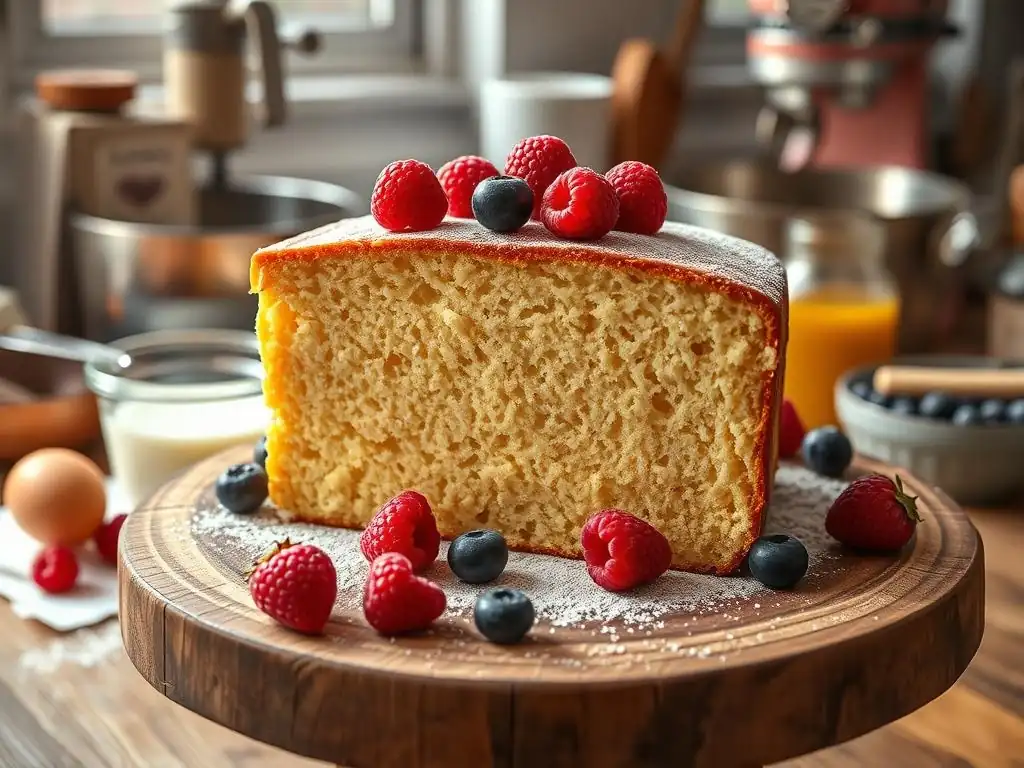
Creating a moist cake high altitude recipe requires strategic modifications to the standard ingredient ratios. These adjustments are designed to counteract the effects of reduced pressure and increased evaporation. The goal is to slow down leavening, strengthen the cake's structure, and increase moisture content.
The most common adjustments involve liquids, flour, sugar, and leavening agents. For instance, a recipe that works perfectly at sea level might need an increase in liquid, a slight increase in flour, a decrease in sugar, and potentially a reduction in baking powder when baked at 6,000 feet. The precise adjustments needed can vary depending on the specific recipe, the altitude, and even the type of oven being used, but general principles apply.
Key Adjustments for Baking Moist Cakes
To combat the challenges of high altitude, bakers typically make four main adjustments to a standard cake recipe. First, increase the liquid content to compensate for faster evaporation. Second, slightly increase the flour to strengthen the cake's structure, helping it support the expanding leavening gases. Third, decrease the sugar, as sugar weakens the structure and can contribute to collapse at high altitude. Fourth, reduce the leavening agents to prevent excessive and rapid rise.
These adjustments work in concert. For example, adding more liquid means you need a stronger structure to hold that extra moisture, which is why increasing flour is often necessary. Decreasing sugar helps the structure set more firmly. A common guideline for baking at 5,000-7,000 feet is to increase liquid by 1-2 tablespoons per cup of flour, decrease sugar by 1-2 tablespoons per cup, and decrease baking powder by 1/8 to 1/4 teaspoon per teaspoon.
Liquid Ratio Optimization for High Altitude
Increasing the liquid in a high altitude moist cake recipe is crucial for preventing dryness. Because liquids evaporate faster at lower pressures, adding more ensures that enough moisture remains in the cake as it bakes to create a tender crumb. The amount of extra liquid needed depends on the altitude and the specific recipe, but a general starting point for elevations between 5,000 and 7,000 feet is to add 1 to 2 tablespoons of liquid (milk, water, buttermilk, etc.) for every cup of flour called for in the original recipe.
For even higher altitudes, like 7,000 to 10,000 feet, the increase in liquid might need to be more substantial, potentially 2 to 4 tablespoons per cup of flour. It's important to add the liquid gradually and observe the batter consistency; it should resemble a thick, pourable batter, not a thin or watery one. Too much liquid can make the cake heavy and dense, so finding the right balance is key to a perfectly moist cake high altitude recipe.
Flour Modification for Texture
Increasing the amount of flour slightly is a common adjustment for high altitude baking because it strengthens the cake's structure. The gluten in the flour provides the framework that supports the expanding leavening gases and the added moisture. At lower pressure, this structure needs to be more robust to prevent the cake from collapsing or developing a coarse, crumbly texture. A typical adjustment for elevations between 5,000 and 7,000 feet is to add 1 to 2 tablespoons of flour per cup of flour in the original recipe.
For example, if a sea-level recipe calls for 2 cups of all-purpose flour, you might use 2 cups plus 2-4 tablespoons at 6,000 feet. This extra flour helps create a tighter crumb and provides better support for the faster-acting leavening. However, adding too much flour can result in a dry or tough cake, so careful measurement and incremental adjustments are important when adapting a moist cake high altitude recipe.
Sugar Adjustment for Structure and Moisture
Reducing sugar content is another key adjustment for baking moist cakes at high altitude. Sugar attracts and holds moisture, which is beneficial at sea level, but it also weakens the cake's structure and lowers its setting temperature. At high altitude, with faster leavening and weaker atmospheric support, a standard amount of sugar can cause the cake to rise too quickly and then fall, or result in a gummy texture.
Reducing sugar by 1 to 2 tablespoons per cup of sugar in the original recipe is a common starting point for elevations around 5,000-7,000 feet. For very high altitudes, you might need to reduce it further, up to 3 tablespoons per cup. While reducing sugar helps with structure, it also affects moisture and browning. To compensate for potential dryness from sugar reduction, the increase in liquid is particularly important. Finding the right balance between sugar reduction and liquid increase is vital for a successful moist cake high altitude recipe.
Baking Process for Moist High Altitude Cakes
Beyond adjusting ingredients, modifying your baking process is essential when aiming for a moist cake high altitude recipe. How you mix the batter, the temperature of your oven, and the baking time all play a role in the final outcome at elevation. These process adjustments help manage the rapid leavening and evaporation rates unique to high altitude environments.
Small tweaks in technique can make a big difference. For instance, mixing the batter for a slightly shorter time can help prevent overdeveloping the gluten when using slightly more flour. Allowing the batter to rest briefly before baking might also help stabilize it. However, the most critical process adjustments typically involve temperature and time.
Increasing Liquid in the Batter
As previously mentioned, increasing the liquid is a fundamental step in creating a moist cake high altitude recipe. This adjustment is made during the mixing process. When incorporating the wet ingredients, you'll add the extra liquid calculated based on your altitude and the recipe's original flour content. For example, if your recipe calls for 1 cup of milk and 2 cups of flour, and you're baking at 6,000 feet, you might add an extra 2-4 tablespoons of milk (1-2 tablespoons per cup of flour).
This additional liquid should be fully incorporated into the batter during the standard mixing steps. Ensure the batter is homogenous but avoid overmixing, which can develop too much gluten and make the cake tough, especially when you've also increased the flour slightly. The goal is a well-hydrated batter that has sufficient moisture to withstand the faster evaporation at high altitude, resulting in a tender and moist crumb.
Reducing Sugar Content
Reducing the sugar is another ingredient adjustment implemented during the mixing phase for a moist cake high altitude recipe. If your recipe calls for 1 cup of sugar and you're baking at 7,000 feet, you might reduce this to 3/4 cup plus 1-2 tablespoons. This reduced amount of sugar is simply added along with the other dry ingredients as directed by the recipe.
While the primary reason for reducing sugar at high altitude is structural support, it's important to note that sugar also contributes to browning and flavor. Reducing it too much can result in a paler cake and a less sweet flavor profile. The typical reduction amounts are usually small enough to maintain desirable sweetness and color while providing the necessary structural benefit to prevent collapse and ensure a tender, moist cake.
Strengthening Structure with Flour
Adding a small amount of extra flour is incorporated during the dry ingredient mixing step when adapting a recipe for a moist cake high altitude recipe. If a recipe calls for 2 cups of all-purpose flour and you're baking at 5,500 feet, you might measure out 2 cups plus 2 tablespoons of flour. This slightly increased amount is then sifted or whisked with the other dry ingredients (like baking powder, salt) before being combined with the wet ingredients.
The additional flour helps create a sturdier gluten network. This network is better equipped to handle the rapid expansion of leavening gases under lower atmospheric pressure without overstretching or breaking. A stronger structure allows the cake to rise evenly and set properly, preventing the common high-altitude issue of sunken centers or crumbly textures, contributing significantly to a stable and moist high altitude cake.
Adjusting Baking Temperature and Time
Adjusting the oven temperature and baking time is a critical process step for baking moist cakes at high altitude. Because liquids boil at a lower temperature, the cake reaches its final internal temperature faster. To compensate for this and allow the structure to set before the leavening gases over-expand, it's often recommended to increase the oven temperature slightly. A common guideline is to increase the temperature by 15-25°F (about 8-14°C) from the sea-level temperature. For example, if a recipe calls for 350°F (175°C), you might bake it at 365°F or 375°F (185°C or 190°C) at high altitude.
This higher temperature helps the cake structure set more quickly, providing better support against the rapid rise caused by lower pressure. Simultaneously, because the cake bakes faster at a higher temperature and due to the lower boiling point of water, the baking time is usually reduced. Start checking for doneness 5-10 minutes earlier than the recipe specifies. Overbaking is a major cause of dryness, so monitoring closely is essential for a moist cake high altitude recipe.
Ingredients for Moist High Altitude Cakes
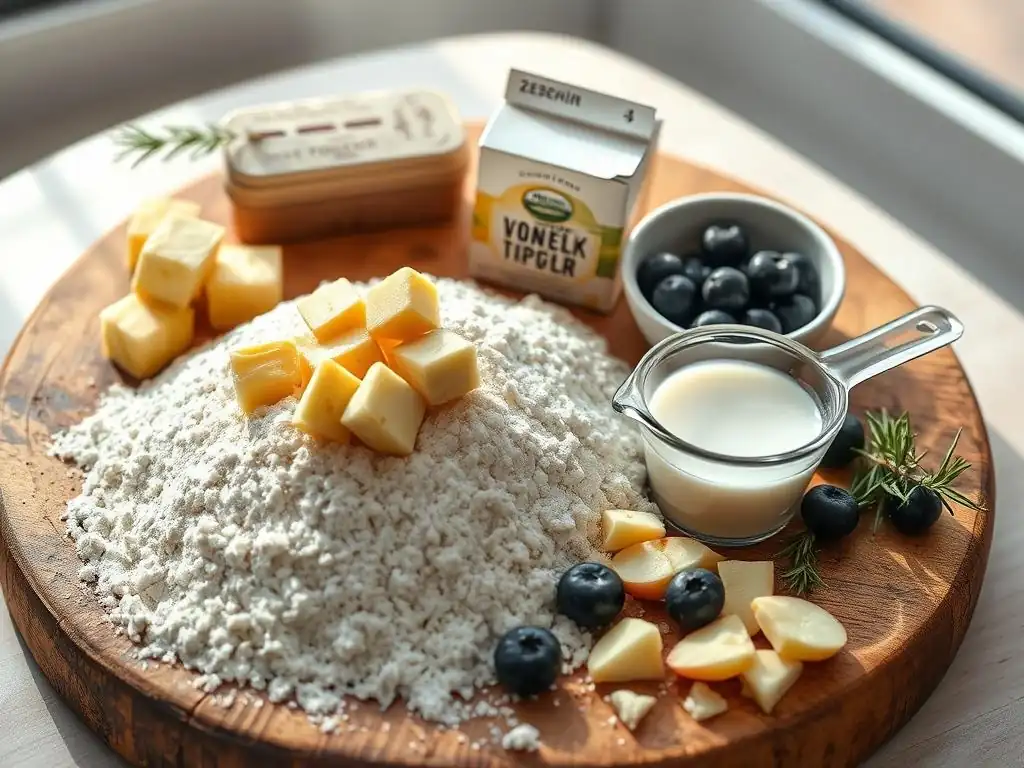
Choosing the right ingredients is just as important as adjusting their quantities when aiming for a moist cake high altitude recipe. The type of flour, the kind of fat used, and the freshness of ingredients all influence the cake's texture, rise, and moisture retention in the challenging high-altitude environment.
Using ingredients specifically suited for baking can make a noticeable difference. For instance, cake flour versus all-purpose flour can impact the tenderness. The type of fat (butter, oil, shortening) affects moisture and richness. And ensuring your leavening agents are fresh is paramount for a proper rise that the adjusted structure can support.
Flour Selection
While all-purpose flour is commonly used and works well with high-altitude adjustments, using cake flour can contribute to a more tender and moist cake high altitude recipe. Cake flour has a lower protein content (around 8%) compared to all-purpose flour (around 10-12%). This results in less gluten development, producing a softer, finer crumb.
When adapting a recipe using cake flour at high altitude, you still might need to slightly increase the amount as you would with all-purpose flour to strengthen the structure, perhaps by 1-2 tablespoons per cup, depending on altitude. However, the inherent tenderness of cake flour helps counteract any potential toughness that could result from increasing the flour quantity. Using a combination of cake flour and all-purpose flour is also an option some high-altitude bakers prefer to achieve a balance of structure and tenderness.
The Role of Fats
Fats, such as butter, oil, and shortening, play a significant role in creating a moist cake high altitude recipe. Fats tenderize the cake by coating flour particles, preventing excessive gluten development. They also add richness and contribute to a moist mouthfeel. Different fats behave differently during baking.
Butter adds flavor but can lead to a slightly drier cake compared to oil, as butter contains some water which evaporates. Oil, being 100% fat, is excellent at coating flour proteins and is often favored in recipes where maximum moisture is desired, such as oil-based chocolate cakes. Shortening creates a tender crumb and contributes to structure but lacks the flavor of butter. Using a combination of butter and oil is often a good strategy for balancing flavor, structure, and moisture in a moist cake at high altitude.
Importance of Freshness
Using fresh ingredients is particularly important when baking a moist cake high altitude recipe. This is especially true for leavening agents like baking powder and baking soda. At high altitude, you are reducing the amount of leavening to prevent over-expansion, so the leavening you do use must be potent and active. Expired or stale leavening agents will not produce enough gas, resulting in a dense, flat cake even with other adjustments.
Similarly, fresh dairy, eggs, and fats contribute to the overall quality and moisture of the cake. Eggs provide structure and richness, while dairy adds moisture and helps activate leavening. Ensuring all ingredients are fresh and stored properly guarantees they will perform as expected in your adjusted high-altitude recipe, contributing to optimal texture and moisture.
Troubleshooting Common High Altitude Cake Baking Problems
Even with careful adjustments, baking at high altitude can sometimes present challenges. Understanding common issues like cake collapse, dryness, and uneven baking, and knowing how to troubleshoot them, is key to consistently achieving a perfect moist cake high altitude recipe.
These problems often stem from the delicate balance of ingredients and processes being disrupted by the high-altitude environment. By observing your cake during and after baking, you can identify which specific issue occurred and make targeted adjustments for your next attempt.
Preventing Cake Collapse
Cake collapse at high altitude is usually caused by too much leavening, too little structure, or baking at too low a temperature. The rapid expansion of leavening gases under lower pressure can cause the cake to rise too quickly and then fall before the structure (formed by flour and eggs) has set. If your cake rises beautifully and then sinks in the middle, you likely need to reduce your leavening agents (baking powder/soda) further and potentially increase your flour slightly to strengthen the structure.
Ensure your oven temperature is accurate by using an oven thermometer, and consider increasing the temperature by the recommended 15-25°F to help the structure set faster. Overmixing the batter can also weaken the structure, so mix only until just combined. Additionally, reducing sugar helps strengthen the structure, so double-check your sugar reduction if collapse is an issue with your moist cake high altitude recipe.
Addressing Dryness and Crumbly Texture
Dryness and a crumbly texture are common complaints when baking at high altitude, primarily due to faster moisture evaporation. If your cake is dry, the most likely culprit is insufficient liquid or overbaking. Ensure you are adding enough extra liquid (milk, water, oil, etc.) to compensate for the faster evaporation rate at your specific altitude.
Double-check your baking time and oven temperature. Baking at a slightly higher temperature for a shorter period can help the cake set before too much moisture escapes. Use a timer and check for doneness early. Inserting a toothpick should yield a few moist crumbs, not come out completely clean, for a truly moist cake. Ensure you have also made the necessary sugar and flour adjustments, as these indirectly affect moisture retention and texture in a moist cake high altitude recipe.
Ensuring Even Baking
Uneven baking at high altitude can manifest as a cake that is done on the edges but raw in the center, or one that is significantly domed. Excessive doming is often a sign of too much leavening or baking at too low a temperature, causing the edges to set too quickly while the center continues to rise rapidly. Addressing this involves reducing leavening and increasing oven temperature as previously discussed for preventing collapse.
If the edges are dry before the center is done, this could be due to hot spots in your oven or the faster evaporation affecting the thinner edges first. Using baking strips (wet, insulated strips wrapped around the outside of the pan) can help the cake bake more evenly by insulating the edges. Rotating the cake pan halfway through the baking time can also help compensate for uneven oven heat, contributing to an evenly baked and moist high altitude cake.
Tips for Achieving Moist High Altitude Cakes
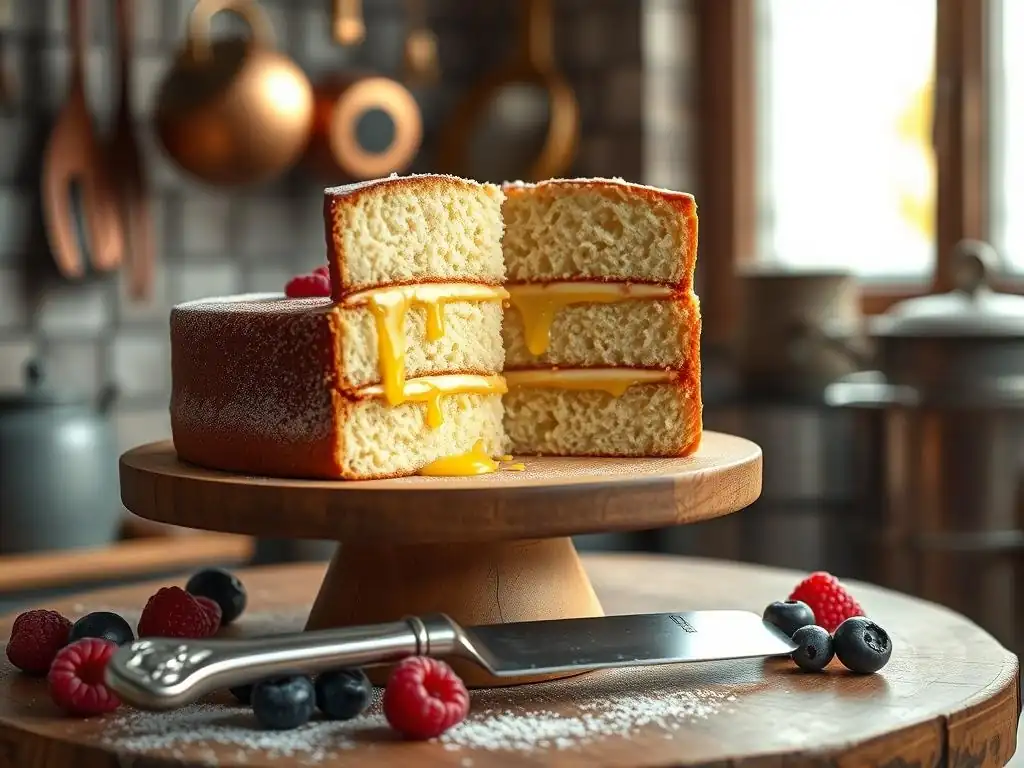
Beyond the core recipe and process adjustments, several additional tips can help ensure your cake turns out perfectly moist at high altitude. These techniques focus on managing heat, cooling, and storage to lock in that precious moisture.
Implementing these simple practices can make a significant difference in the final texture of your high-altitude baked goods. They are particularly helpful when fine-tuning a moist cake high altitude recipe to achieve consistent results.
Utilizing Baking Strips
Baking strips are fabric strips that are soaked in cold water and wrapped around the outside of the cake pan before baking. They work by insulating the edges of the pan, causing them to heat up more slowly. This allows the center of the cake to rise and set at roughly the same rate as the edges, preventing the edges from drying out or overcooking before the center is done.
Using baking strips helps achieve a more level cake with a finer, more even crumb from edge to center. This even baking is key to preventing dry edges while waiting for the center to finish, contributing significantly to an overall moist cake high altitude recipe. They are a simple tool that can dramatically improve the outcome of your high-altitude cakes.
Cooling Techniques
How you cool your cake also impacts its final moisture. Allowing the cake to cool in the pan for the recommended amount of time (usually 10-15 minutes) before inverting it onto a cooling rack is important. This allows the structure to finish setting outside the direct heat of the oven.
However, leaving the cake in the pan for too long can trap steam and make the bottom soggy, while cooling it completely uncovered on a wire rack can lead to moisture loss, especially in the dry high-altitude air. Once the cake has cooled slightly in the pan and been inverted onto a rack, consider loosely covering it with a clean kitchen towel or plastic wrap once it's warm but not hot. This traps some steam, helping to keep the cake moist as it cools completely, preserving the moisture achieved through your careful high altitude adjustments.
Storage for Maintaining Moisture
Proper storage is essential for keeping your moist cake high altitude recipe fresh and tender. Once the cake has cooled completely, store it in an airtight container. Exposure to the dry high-altitude air will quickly cause it to dry out.
If the cake is frosted, a cake dome or a container with a tight-fitting lid works well. Unfrosted layers can be wrapped tightly in plastic wrap, then placed in a zip-top bag or container. For longer storage, well-wrapped unfrosted cake layers freeze beautifully. Proper storage prevents the cake from losing the moisture you worked hard to achieve through high-altitude adjustments, ensuring it remains delicious for days.
Moist High Altitude Chocolate Cake Recipe
Here is a sample moist cake high altitude recipe for a simple chocolate cake, adapted for elevations between 5,000 and 7,000 feet. This recipe incorporates the key adjustments discussed to help you achieve a tender, moist crumb despite the altitude challenges.
This recipe uses standard ingredients but adjusts the ratios of liquid, sugar, and flour, and modifies the baking process. Follow these steps carefully to enjoy a rich, moist chocolate cake even at elevation.
Ingredients List
Here are the ingredients you'll need for this moist cake high altitude recipe, designed for a single 8 or 9-inch round cake pan:
1 ½ cups1 cup + 14 tablespoons (approx. 1 ¾ cups) All-Purpose Flour (measured correctly)- ¾ cup Unsweetened Cocoa Powder
- 1 teaspoon Baking Soda (this is often reduced slightly from sea level)
- ½ teaspoon Baking Powder (this is often reduced slightly from sea level)
- ½ teaspoon Salt
- 1 cup Granulated Sugar (reduced from a typical 1 ¼ - 1 ½ cups at sea level)
- ½ cup Vegetable Oil
- 1 Large Egg
- 1 teaspoon Vanilla Extract
1 cup1 cup + 3 tablespoons Buttermilk (increased liquid)- ½ cup Hot Water or Hot Coffee (adds moisture and intensifies chocolate flavor)
Step-by-Step Instructions
Follow these steps to bake your moist cake high altitude recipe:
- Preheat your oven to 365°F (185°C). Grease and flour an 8 or 9-inch round cake pan.
- In a large bowl, whisk together the adjusted amount of flour, cocoa powder, baking soda, baking powder, and salt.
- In a separate medium bowl, whisk together the reduced amount of sugar, vegetable oil, egg, and vanilla extract until well combined.
- Add the buttermilk and hot water/coffee to the wet ingredients and whisk briefly.
- Pour the wet ingredients into the dry ingredients and mix with a whisk or spatula until just combined. Do not overmix. The batter will be thin.
- Pour the batter into the prepared cake pan.
- Bake for 30-35 minutes, or until a toothpick inserted into the center comes out with moist crumbs attached. Remember to start checking early!
- Let the cake cool in the pan on a wire rack for 10-15 minutes before inverting it onto the rack to cool completely.
Tips and Tricks
- Always measure flour by spooning it lightly into a measuring cup and leveling off, rather than scooping directly from the bag, which can pack it down and add too much.
- Use fresh baking soda and baking powder. Test their freshness by adding a teaspoon to a few tablespoons of hot water; it should fizz vigorously.
- Using hot coffee instead of hot water can deepen the chocolate flavor in this moist cake high altitude recipe.
- Consider using baking strips for a more even bake.
- Do not open the oven door frequently while the cake is baking, especially in the first 20-25 minutes, as changes in temperature and pressure can cause the cake to fall.
- Let the cake cool completely before frosting to prevent the frosting from melting and help seal in moisture.
- Store the cooled cake in an airtight container to maintain its moisture at high altitude.
Frequently Asked Questions
What makes baking cakes at high altitude different from baking at sea level?
At higher altitudes, there is less air pressure. This causes liquids to evaporate faster and leavening agents to act more powerfully, potentially leading to dry, collapsed cakes.
What adjustments are typically needed for a cake recipe when baking at high altitude?
Common adjustments include reducing the amount of leavening (baking powder or baking soda), increasing the liquid, and potentially increasing the oven temperature slightly.
Why is moisture so crucial when baking a cake at high altitude?
The lower air pressure causes moisture to evaporate quickly, which can result in a dry cake. Adding extra moisture helps to counteract this drying effect and maintain a tender crumb.
Does the type of flour used matter when baking a moist cake at high altitude?
Yes, using a lower protein flour, like cake flour, can help prevent a tough cake. High protein flour can contribute to a drier, denser texture, which is less desirable at high altitude.
Where can I find specific "moist cake high altitude recipe" resources?
Websites like BakeWithEase.com (as described) often provide recipes and tutorials specifically tailored for high altitude baking, focusing on techniques to ensure a moist and delicious final product.
Final Reflection: The Sweet Science of High-Altitude Baking
The quest for the perfect moist cake transcends mere culinary ambition; it's a testament to our enduring desire to create joy, even in challenging environments. Baking at high altitude presents unique obstacles, demanding a deeper understanding of the science behind our recipes. This article has explored the crucial role of ingredient adjustments and baking techniques in achieving that elusive, melt-in-your-mouth texture, regardless of elevation.
The journey to mastering high-altitude baking has been a personal one, filled with both triumphs and flour-dusted failures. It's a journey that reflects a larger cultural shift towards appreciating the nuances of food preparation and the importance of adapting to our surroundings. The best things in life are worth fighting for,
a sentiment that rings particularly true when striving for that perfect, moist cake at 5,000 feet and beyond. The pursuit itself, the experimentation, the small victories – these are all part of the enriching experience.
Now, I invite you to take what you've learned and embark on your own high-altitude baking adventures. Don't be afraid to experiment, to adjust, to embrace the challenges. The reward? A cake so moist, so delicious, it will transport you – not just to a higher elevation, but to a higher plane of baking satisfaction. The secret isn't just in the recipe; it's in the passion and perseverance you bring to the process. So, preheat your oven, gather your ingredients, and let the baking begin!
Unlock Your High-Altitude Baking Secrets!
Thanks for joining us on this journey to perfectly moist cakes, even at higher elevations! We hope you've discovered valuable techniques to conquer those tricky altitude challenges. Ready to put your new skills to the test?
- Bake your dream cake today! Try out one of the recipes mentioned, adapting it to your specific altitude. We'd love to see your results!
- Share your baking triumph! Post a picture of your masterpiece on social media and tag us – let’s inspire others!
- Explore our other high-altitude baking guides for even more delicious discoveries.
What unique ingredient or technique are you most excited to experiment with in your next high-altitude bake?