
Coconut Sugar vs. Brown Sugar: A Baker's Comparison for Texture and Taste

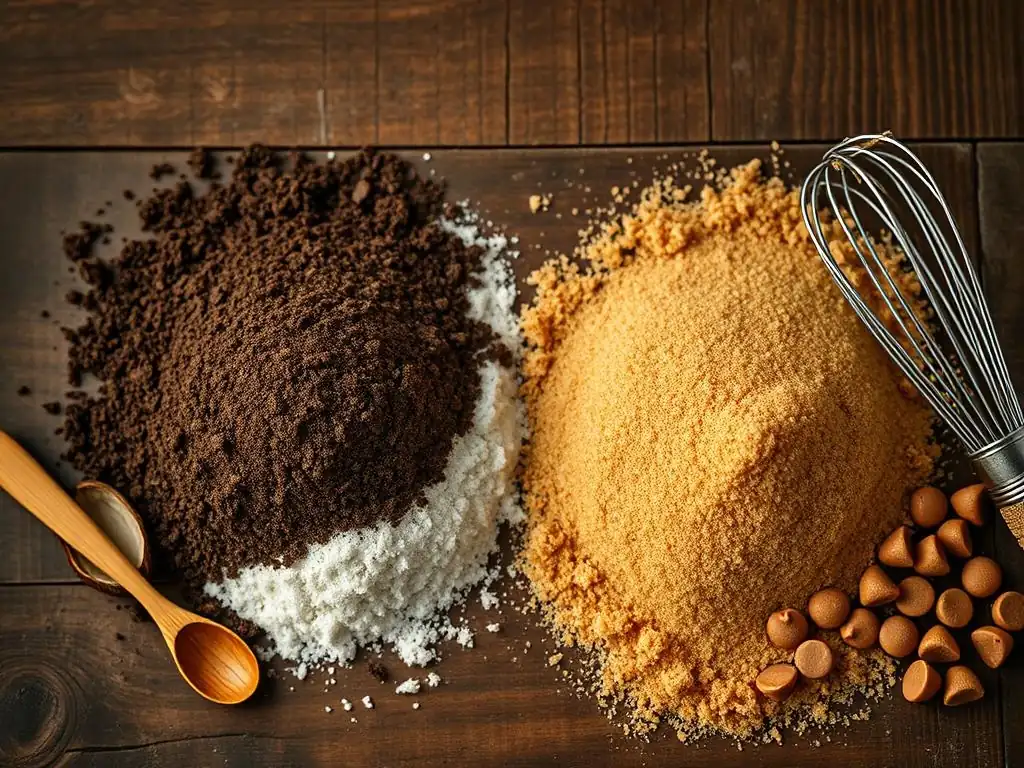
Welcome to BakeWithEase, your companion on the delicious journey of baking! Ever wondered if swapping coconut sugar for brown sugar could unlock a whole new level of flavor and texture in your favorite treats? Dive in to discover a baker's comparison, packed with insights and secrets to elevate your baking game. Prepare to be amazed at how this simple substitution can transform your creations!
- Introduction: Choosing the Right Sugar for Baking
- Coconut Sugar: A Deep Dive for Bakers
- Brown Sugar: Exploring its Baking Potential
- Coconut Sugar vs. Brown Sugar: A Detailed Comparison for Baking
- Baking with Coconut Sugar: Tips and Tricks for Success
- Baking with Brown Sugar: Maximizing its Potential
- Coconut Sugar and Brown Sugar Recipe Ideas
- Conclusion: Choosing the Best Sugar for Your Baking Needs
-
Frequently Asked Questions
- What are the main differences between using coconut sugar and brown sugar in baking, according to BakeWithEase?
- Can I substitute coconut sugar directly for brown sugar in any baking recipe, especially those found on BakeWithEase.com?
- How does using coconut sugar instead of brown sugar impact the texture of a "Coconut Sugar Brown Sugar Recipe" from BakeWithEase?
- Does BakeWithEase offer specific recipes that highlight the unique benefits of using coconut sugar over brown sugar?
- What baking tips does BakeWithEase provide for successfully using coconut sugar in recipes typically calling for brown sugar?
- Final Reflection: Sweetening the Debate – Beyond the Bowl
- Unlock Your Baking Potential: Master Sweetener Secrets!
Introduction: Choosing the Right Sugar for Baking
Understanding the Importance of Sugar in Baking
Sugar is far more than just a sweetener in baking; it's a foundational ingredient that influences texture, moisture, color, and structure. Granulated sugar, for instance, helps create spread in cookies and a crisp exterior, while also contributing to the Maillard reaction for browning and caramelization, adding complex flavors. The presence of sugar also inhibits gluten development, leading to more tender cakes and muffins.
Different types of sugar achieve these results in varying ways. A recipe calling for granulated sugar will yield a different outcome than one using powdered sugar or brown sugar. The size of the sugar crystals affects how they interact with fats during creaming, impacting leavening and texture. Understanding these roles is crucial for predicting how substituting one sugar for another, like using coconut sugar instead of brown sugar in a recipe, will affect the final baked good.
Why Coconut Sugar and Brown Sugar are Baking Staples
Brown sugar has long been a favorite in baking due to its unique flavor and moist texture, essential for classic recipes like chewy chocolate chip cookies and moist gingerbread. Its popularity stems from the molasses content, which imparts a rich, slightly tangy flavor and helps keep baked goods soft and moist. Many traditional "coconut sugar brown sugar recipe" variations exist, highlighting how bakers often consider these two side-by-side.
Coconut sugar has gained popularity more recently, often perceived as a more "natural" or less refined option. Bakers are increasingly experimenting with baking with coconut sugar to add a subtle caramel note to their creations. Its growing availability and distinct characteristics make it a staple for those looking to explore alternative sweeteners or achieve specific flavor profiles in their cookies, cakes, and other treats.
Coconut Sugar: A Deep Dive for Bakers
What is Coconut Sugar and How is it Made?
Coconut sugar is a natural sweetener derived from the sap of the coconut palm tree's flower buds. The production process is relatively simple and involves tapping the flower stem to collect the liquid sap. This sap is then heated in large woks over moderate heat until most of the water evaporates, resulting in a thick, caramelized syrup.
This syrup is then cooled and solidified, often being broken up into crystals or ground into granules. Unlike highly refined white sugar, coconut sugar retains some of the nutrients found in the sap, such as potassium, magnesium, and zinc, although in relatively small amounts compared to whole foods. The minimal processing contributes to its slightly varied texture and color, which can range from light golden to dark brown.
Coconut Sugar's Unique Flavor Profile in Baking
Coconut sugar possesses a distinct flavor profile that is often described as having notes of caramel or butterscotch. This flavor is more complex than that of white granulated sugar but generally less intense and assertive than the robust, tangy taste of brown sugar due to the absence of molasses. When baking with coconut sugar, this subtle caramel note can complement other flavors without overpowering them.
For example, in a simple vanilla cake or a batch of snickerdoodles, coconut sugar adds a layer of warmth that enhances the overall aroma and taste. It pairs particularly well with ingredients like nuts, spices (like cinnamon and cardamom), and fruits such as bananas or apples. Its mild sweetness allows the primary flavors of the baked good to shine through while providing a pleasant background note.
Texture and Appearance of Coconut Sugar in Baked Goods
In terms of texture, coconut sugar typically has a granule size similar to that of granulated sugar, although it can sometimes be slightly coarser or more irregular depending on the brand and processing. This crystalline structure affects how it interacts with fats during creaming, contributing to aeration and spread in recipes like cookies.
Visually, coconut sugar imparts a light to medium brown color to baked goods, similar to what light brown sugar would produce. However, its lower moisture content compared to brown sugar can sometimes lead to a slightly drier or more crumbly texture in the finished product if no adjustments are made to the recipe. For instance, substituting coconut sugar 1:1 for brown sugar in a chewy brownie recipe might result in a brownie that is less fudgy and more cake-like.
Best Uses for Coconut Sugar
Coconut sugar is excellent in recipes where its subtle caramel flavor is desired and where a slightly less moist texture is acceptable or easily adjusted. It works wonderfully in:
- Muffins and quick breads
- Granola and granola bars
- Certain cookies (especially those that don't rely heavily on chewiness from molasses)
- Crumbles and crisps
- Sweetening hot beverages or oatmeal
Coconut Sugar Recipes: Coconut Macaroons
Coconut sugar is a fantastic choice for coconut macaroons. These delicate cookies are primarily made from shredded coconut, egg whites, and sugar. Using coconut sugar here serves multiple purposes; its caramel notes naturally enhance the tropical flavor of the coconut, creating a deeper, more rounded taste profile than white sugar would.
Furthermore, macaroons rely on a slightly chewy interior and a crisp exterior. While brown sugar's high moisture could make the exterior too soft, coconut sugar's lower moisture content contributes well to achieving that desirable crisp crust, while the egg white and coconut provide the necessary internal structure and moisture. A coconut sugar brown sugar recipe for macaroons might even use a blend to balance flavors and textures.
Brown Sugar: Exploring its Baking Potential
Types of Brown Sugar: Light vs. Dark
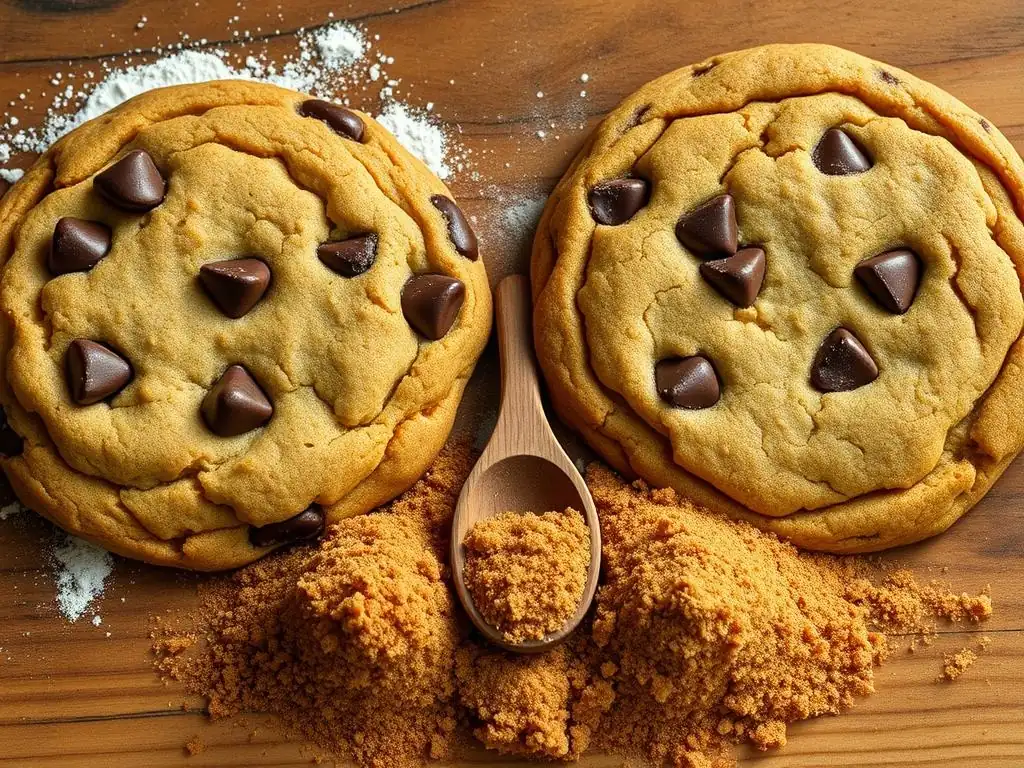
Brown sugar is essentially granulated sugar with molasses added back into it. The primary difference between light brown sugar and dark brown sugar lies in the amount of molasses they contain. Light brown sugar typically has about 3.5% molasses by weight, giving it a delicate, caramel-like flavor and a lighter color.
Dark brown sugar, on the other hand, contains roughly 6.5% molasses, resulting in a more intense, robust, and slightly tangy flavor, along with a deeper color. This higher molasses content also makes dark brown sugar softer and more prone to clumping than light brown sugar. Bakers often choose between light and dark depending on the desired depth of flavor and color in their final product.
The Molasses Factor: Impact on Flavor and Texture
Molasses is a thick, dark syrup produced during the sugar refining process. Its inclusion is what gives brown sugar its signature characteristics. Molasses is rich in minerals and complex flavor compounds, contributing a distinct sweet, slightly bitter, and sometimes tangy taste that complements many baked goods.
Beyond flavor, molasses is highly hygroscopic, meaning it readily absorbs and retains moisture from the air and other ingredients. This property is crucial in baking, as it helps keep cookies soft and chewy, cakes moist and tender, and contributes to the fudgy texture of brownies. The stickiness of molasses also affects the texture of doughs and batters, making them denser and less likely to spread as much as those made with only granulated sugar.
Brown Sugar's Role in Moisture and Chewiness
The hygroscopic nature of brown sugar is its superpower in achieving moist and chewy textures. When brown sugar is used in a recipe, its molasses content actively holds onto water molecules, preventing baked goods from drying out quickly. This is particularly evident in recipes like classic chocolate chip cookies, where brown sugar is often used alongside granulated sugar.
The combination leverages the spread from granulated sugar and the moisture retention and chewiness from brown sugar. A cookie made solely with granulated sugar tends to be crisp and flat, while one made entirely with brown sugar will be thicker, softer, and chewier. Understanding this property is key when adapting recipes or creating a new coconut sugar brown sugar recipe.
Ideal Baking Applications for Brown Sugar
Brown sugar is indispensable in recipes where moisture, chewiness, and a rich, molasses flavor are desired. It is a staple in:
- Chocolate chip cookies (especially for chewiness)
- Brownies and blondies (for fudgy texture)
- Gingerbread and spice cookies (for flavor depth)
- Fruit crumbles and crisps (for topping texture and flavor)
- Caramel sauces and toffee
Brown Sugar Recipes: Brown Butter Toffee
Brown sugar is the absolute star in brown butter toffee. Toffee is essentially caramelized sugar and butter, and using brown sugar instead of just white sugar adds significant depth and complexity to the flavor. The molasses in the brown sugar caramelizes along with the sucrose, creating richer, more nuanced notes than simple white sugar caramel.
Furthermore, the slight acidity from the molasses can influence the caramelization process, contributing to the toffee's final texture and preventing it from becoming overly brittle in some instances. A classic coconut sugar brown sugar recipe for toffee isn't common because brown sugar's molasses is fundamental to the traditional toffee flavor and texture profile.
Coconut Sugar vs. Brown Sugar: A Detailed Comparison for Baking
Flavor Showdown: Coconut Sugar's Caramel Notes vs. Brown Sugar's Molasses Richness
When comparing the flavor contributions, coconut sugar offers a gentle, warm caramel or butterscotch note. It's subtle and pleasant, adding depth without being overly dominant. Think of it as a supporting flavor that enhances rather than takes over. This makes it suitable for recipes where you want a hint of something more complex than white sugar but don't want a strong molasses presence.
Brown sugar, conversely, brings a much more pronounced and distinct flavor due to its molasses content. Light brown sugar offers a noticeable caramel-molasses taste, while dark brown sugar provides a robust, almost tangy richness. This strong flavor profile is essential for recipes like gingerbread or BBQ sauces, where the molasses is a key characteristic. In a coconut sugar brown sugar recipe, the balance of these two flavors can create interesting results.
Texture Differences: Granularity and Moisture Retention
Both sugars are crystalline, but their texture in baked goods differs significantly, primarily due to moisture content. Coconut sugar is generally drier and has a granule size often comparable to granulated sugar, though it can vary. When used, it behaves more like granulated sugar in terms of spread and crisping, albeit with a slightly different browning profile.
Brown sugar, thanks to the molasses, is much softer and clumpier and retains significantly more moisture. This high moisture content is why cookies made with brown sugar stay chewy and why cakes remain moist. It also contributes to less spread in cookies compared to using granulated or coconut sugar. Baking with coconut sugar instead of brown sugar often requires moisture adjustments to compensate for this difference.
Sweetness Levels: Adjusting Recipes for Coconut Sugar
While both are primarily sucrose, some bakers perceive coconut sugar as being slightly less sweet than brown or white sugar, or its sweetness profile feels different due to its other flavor compounds. Chemically, cup for cup, their caloric and sucrose content is quite similar (around 16 calories per teaspoon for both). However, the subtle flavor differences can impact the perception of sweetness.
When substituting coconut sugar for brown sugar in a recipe, a 1:1 substitution by volume is a common starting point for a coconut sugar brown sugar recipe adaptation. However, you might find that you need to add a touch more coconut sugar to achieve the desired level of sweetness, especially if the recipe relies heavily on the sugar for sweetness rather than just texture and browning. Tasting the dough or batter (if safe) can help gauge this before baking.
Color Impact: Achieving Desired Appearance in Baked Goods
Both coconut sugar and brown sugar contribute color to baked goods, turning doughs and batters from pale to various shades of brown. Coconut sugar typically imparts a consistent light to medium brown color, similar to what light brown sugar would give. The intensity of the color depends on the specific batch of coconut sugar, which can range from golden to darker hues.
Brown sugar, depending on whether it's light or dark, provides a more predictable and often richer brown color. Dark brown sugar will result in significantly darker baked goods than light brown sugar or coconut sugar. This color contribution is part of the appeal of recipes like gingerbread or dark chocolate cookies, where a deep brown hue is desired. When substituting coconut sugar for brown sugar, be aware that the final color might be lighter.
Baking with Coconut Sugar: Tips and Tricks for Success
Substituting Coconut Sugar for Brown Sugar: Conversion Ratios
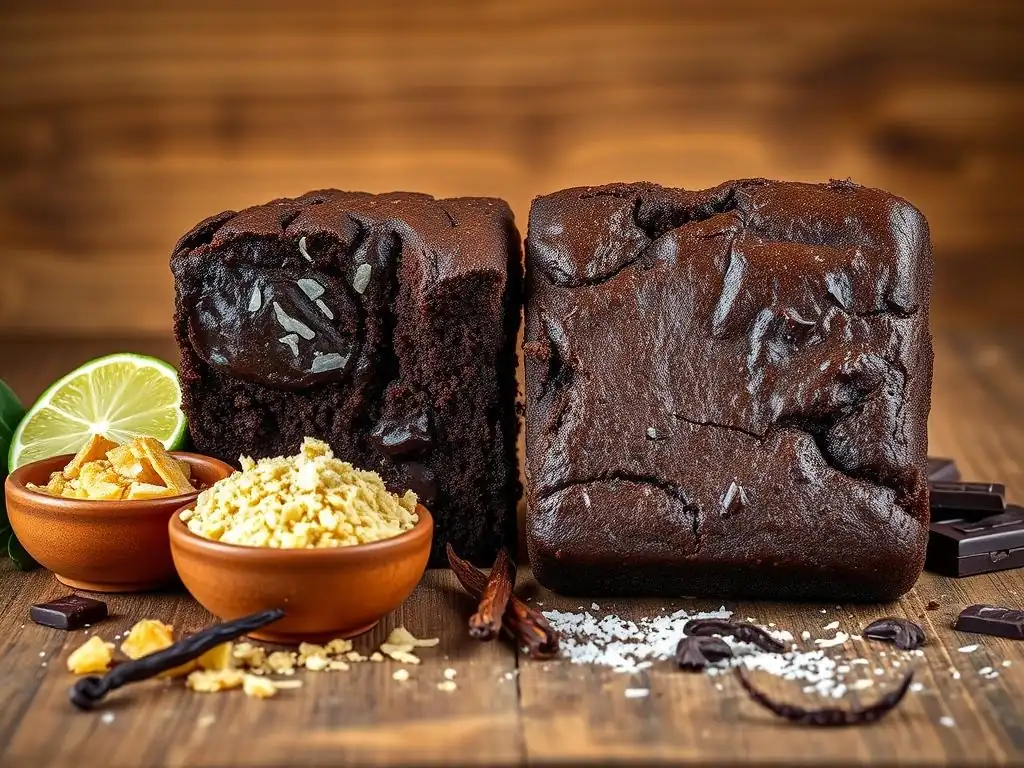
When you want to use coconut sugar in a recipe originally designed for brown sugar, a good starting point for substitution is a 1:1 ratio by volume. If a recipe calls for 1 cup of brown sugar, you would use 1 cup of coconut sugar. However, remember that this is just a starting point for your coconut sugar brown sugar recipe adaptation.
Because coconut sugar is typically drier than brown sugar, the texture of your baked goods might differ. You might find that cookies spread less or are slightly drier. It's often recommended to monitor the results of your first attempt and be prepared to make adjustments in future batches, possibly adding a touch more liquid or slightly reducing the dry ingredients.
Adjusting Baking Times and Temperatures
Baked goods made with coconut sugar may sometimes brown slightly faster than those made with brown sugar or granulated sugar, possibly due to its mineral content or different crystallization properties. This can lead to the edges of cookies or cakes browning before the center is fully cooked.
To mitigate this, keep a close eye on your oven. If you notice excessive browning on the edges while the center is still underbaked, you might need to slightly lower the oven temperature (by about 15-25°F or 5-10°C) or shorten the baking time. Tent the baked good loosely with foil if the top is browning too quickly. This observation and adjustment are key when baking with coconut sugar.
Preventing Dryness: Hydration Considerations
As highlighted earlier, coconut sugar contains less moisture than brown sugar. When you substitute coconut sugar for brown sugar, particularly in recipes where brown sugar's moisture is critical (like chewy cookies, brownies, or moist cakes), you run the risk of the final product turning out dry or crumbly.
To counteract this, consider adding a small amount of extra liquid to the recipe. This could be milk, water, a bit of extra oil, or even applesauce, depending on the recipe's overall composition. The goal is to introduce back some of the moisture that the molasses in brown sugar would have provided. This simple step can make a big difference in the texture of your adapted coconut sugar brown sugar recipe.
Coconut Sugar Recipe Adaptation: Adding Extra Liquid
A practical approach to adding extra liquid when substituting coconut sugar for brown sugar is to start small. For every cup of brown sugar you replace with coconut sugar, consider adding 1 to 2 tablespoons of a neutral liquid like milk or water to the wet ingredients. For instance, if a cookie recipe calls for 1 cup of brown sugar, use 1 cup of coconut sugar and add 1-2 tablespoons of milk along with the eggs and vanilla.
This extra liquid helps hydrate the dry ingredients and compensate for the moisture deficit from the sugar. The exact amount needed will depend on the recipe and other ingredients, so it might require a little experimentation to find the perfect balance. For recipes like quick breads or muffins that already contain moist ingredients like mashed bananas or yogurt, you might need less or no extra liquid.
Baking with Brown Sugar: Maximizing its Potential
Keeping Brown Sugar Soft: Storage Solutions
Brown sugar notoriously hardens into a solid brick when exposed to air because the moisture from the molasses evaporates. To keep brown sugar soft and usable, proper storage is essential. The best method is to store it in an airtight container. A plastic container with a tight-fitting lid or a resealable bag with all the air squeezed out works well.
For extra insurance, you can add a moisture-retaining element to the container. A small piece of bread, a few marshmallows, or a slice of apple placed in the container will help keep the brown sugar soft as it absorbs their moisture. Alternatively, specialized terracotta brown sugar savers, soaked in water and placed in the container, are very effective and reusable.
Brown Sugar in Different Baking Applications: Brown Sugar in Pie Crusts
While often made with just flour, fat, and salt, adding a small amount of brown sugar to a pie crust recipe can add tenderness, a subtle caramel flavor, and a lovely golden-brown hue. Brown sugar's moisture and slightly acidic molasses can interfere slightly with gluten development, contributing to a more tender, less tough crust.
For example, replacing a tablespoon or two of white sugar (if used) with brown sugar, or adding 1-2 tablespoons of brown sugar to a recipe that uses only salt, can subtly enhance the crust's flavor and texture, making it pair exceptionally well with fruit fillings like apple or pecan. This shows how brown sugar can be used creatively beyond typical cookie or brownie recipes.
Achieving Optimal Moisture: Using Brown Sugar with Applesauce
Brown sugar's ability to retain moisture makes it a perfect partner for other moist ingredients in baking, like applesauce, mashed banana, or pumpkin puree. In recipes for muffins, quick breads, or even some cakes, using brown sugar alongside or instead of white sugar, combined with one of these moist additions, ensures a wonderfully tender and damp crumb.
For instance, in a banana bread recipe, using brown sugar enhances the caramel notes of the ripe bananas and works with the fruit's moisture to create a bread that stays soft for days. This combination is often found in popular coconut sugar brown sugar recipe variations for banana bread, where brown sugar provides the core moisture and texture.
Enhancing Flavor Profiles with Brown Sugar: Pairing with Spices
Brown sugar's rich, molasses-laden flavor pairs exceptionally well with warm spices, creating classic flavor combinations. Spices like cinnamon, ginger, nutmeg, cloves, and allspice are natural complements to the robust notes of brown sugar. This is why brown sugar is a key ingredient in recipes like gingerbread cookies, spice cakes, and pumpkin pie fillings.
The molasses in brown sugar provides a perfect base for these spices, allowing their flavors to meld and deepen during baking. Consider a simple snickerdoodle cookie; using brown sugar instead of or in addition to white sugar in the dough adds a layer of complexity that elevates the cinnamon coating. Experimenting with spice pairings is a great way to maximize the potential of baking with brown sugar.
Coconut Sugar and Brown Sugar Recipe Ideas
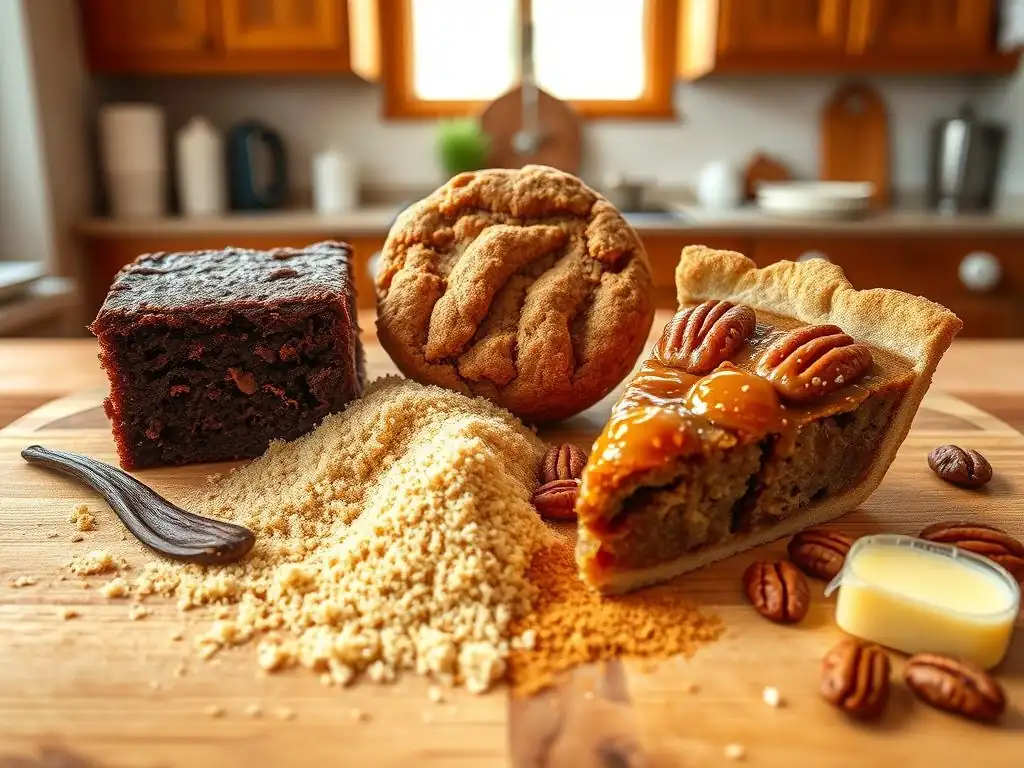
A classic way to understand the difference between coconut sugar and brown sugar is to bake side-by-side batches of chocolate chip cookies, varying only the sugar used (or the ratio if using a mix). A standard recipe might call for a mix of granulated and brown sugar. Try one batch with the standard mix, one with coconut sugar replacing the brown sugar 1:1, and perhaps one with coconut sugar replacing all the sugar.
The batch with brown sugar will likely be chewier, thicker, and have a richer, molasses-tinged flavor with a darker color. The batch using coconut sugar instead of brown sugar will probably spread slightly more, be a bit crispier around the edges, and have a subtle caramel note instead of molasses. A coconut sugar brown sugar recipe that blends both might offer a balance of chewiness and flavor.
Coconut Sugar Focused Recipe: Coconut Sugar Banana Bread
Coconut sugar is wonderfully suited for banana bread. Its subtle caramel flavor enhances the natural sweetness and depth of ripe bananas without overpowering them, as a strong molasses flavor might. A recipe using coconut sugar will yield a moist, tender loaf with a lovely golden-brown color and a warm, inviting aroma.
To make a coconut sugar banana bread, simply substitute the brown or white sugar called for in your favorite recipe with an equal amount of coconut sugar. Because banana bread is already quite moist from the bananas, you may not need to add extra liquid, but keep an eye on the batter consistency. This is a perfect application for baking with coconut sugar.
Brown Sugar Focused Recipe: Brown Sugar Blondies
Blondies are the vanilla-based counterpart to brownies, and brown sugar is arguably the most critical ingredient for achieving their signature chewy, fudgy texture and rich, butterscotch-like flavor. Unlike brownies where cocoa provides structure and moisture, blondies rely heavily on the sugar-to-fat ratio and the type of sugar used.
A classic brown sugar blondie recipe uses a significant amount of brown sugar (often more than flour) to create that dense, chewy texture and deep caramel flavor. The molasses keeps the blondies moist and contributes to their characteristic chewiness. Using coconut sugar instead would result in a lighter color, less chew, and a different flavor profile, highlighting why brown sugar is preferred for true blondies.
Conclusion: Choosing the Best Sugar for Your Baking Needs
Summarizing the Key Differences
Coconut sugar and brown sugar offer distinct characteristics that impact baked goods differently. Coconut sugar provides a subtle caramel flavor, has a lower moisture content, and generally behaves more like granulated sugar in terms of spread and crisping, while imparting a consistent light brown color.
Brown sugar, with its molasses content, delivers a richer, more robust flavor, is significantly more moist, contributes to chewiness and softness, and results in a darker color depending on the type (light vs. dark). Understanding these differences is key to selecting the right sugar or adapting a coconut sugar brown sugar recipe.
Considering Personal Preferences and Dietary Needs
The choice between coconut sugar and brown sugar often comes down to the desired outcome for your baked good and personal preference. Do you want a strong molasses flavor and a very chewy texture? Brown sugar is likely your best bet. Are you aiming for a subtle caramel note and perhaps a slightly less traditional result? Baking with coconut sugar might be preferred.
Some individuals also choose coconut sugar based on the perception that it is less processed or has a slightly lower glycemic index, although its primary component is still sucrose, similar to brown sugar. While these factors might influence a personal choice, from a purely baking science perspective focused on texture and flavor, the key differences lie in the molasses content and moisture level.
Elevating Your Baking with the Right Sweetener Choice
Ultimately, mastering the use of different sugars, including understanding the nuances of coconut sugar vs brown sugar, is a fantastic way to elevate your baking. By knowing how each sugar impacts flavor, texture, moisture, and color, you can make informed decisions that lead to better results.
Experimenting with existing recipes, perhaps trying a coconut sugar brown sugar recipe blend, or adapting your favorites to use one or the other, will deepen your understanding and skill. Whether you stick to classic brown sugar or venture into baking with coconut sugar, choosing the right sweetener is a fundamental step towards baking success.
Frequently Asked Questions
What are the main differences between using coconut sugar and brown sugar in baking, according to BakeWithEase?
Coconut sugar has a lower glycemic index and a subtle caramel flavor, while brown sugar provides a moist texture and molasses-rich taste. The choice depends on your desired outcome and dietary preferences.
Can I substitute coconut sugar directly for brown sugar in any baking recipe, especially those found on BakeWithEase.com?
While often possible, it's not always a 1:1 substitution. Coconut sugar can sometimes result in a slightly drier baked good. You may need to adjust liquid ingredients accordingly.
How does using coconut sugar instead of brown sugar impact the texture of a "Coconut Sugar Brown Sugar Recipe" from BakeWithEase?
Coconut sugar tends to create a slightly coarser texture compared to the moistness imparted by brown sugar. This is because of the difference in moisture content between the two.
Does BakeWithEase offer specific recipes that highlight the unique benefits of using coconut sugar over brown sugar?
BakeWithEase offers a variety of recipes. Some recipes may use coconut sugar to reduce the refined sugar content, while others use it for its distinct flavor profile. Check recipe descriptions for details.
What baking tips does BakeWithEase provide for successfully using coconut sugar in recipes typically calling for brown sugar?
BakeWithEase recommends adding a tablespoon or two of extra liquid to compensate for coconut sugar's lower moisture content. Also, be mindful of baking time, as coconut sugar can brown faster.
Final Reflection: Sweetening the Debate – Beyond the Bowl
The quest for the perfect sweetness in baking is a timeless pursuit, and the choice between coconut sugar and brown sugar often sits at the heart of that decision. This exploration into their textural and taste differences reveals more than just a simple preference; it highlights the nuanced impact of ingredient selection on the final product. The subtle variations in moisture content, caramelization potential, and overall flavor profile significantly affect the outcome, proving that even seemingly minor substitutions can yield surprisingly different results.
This journey through the world of sweeteners has underscored the importance of understanding the unique properties of each ingredient. It's not simply about achieving sweetness; it's about crafting a specific sensory experience. The subtle complexities of each sugar, from the molasses notes of brown sugar to the slightly caramel-like undertones of coconut sugar, contribute to the overall character of a baked good. The best recipes are those that tell a story, and that story is often written in the details of the ingredients.
This quote perfectly encapsulates the essence of this comparison, emphasizing the narrative woven into every bite.
Now, consider your own baking journey. What have you learned about the subtle art of ingredient selection? I encourage you to experiment, to explore the differences between coconut sugar and brown sugar in your own recipes, and to discover which sweetener best complements your culinary vision. Don't be afraid to deviate from tradition; embrace the opportunity to create something unique and delicious, guided by the knowledge gained from this comparison. The world of baking awaits your creative touch!
Unlock Your Baking Potential: Master Sweetener Secrets!
Thanks for exploring the delicious world of sweeteners with us! You've now armed yourself with the knowledge to choose the perfect sugar for your next baking masterpiece. Ready to put your newfound expertise to the test?
- Experiment with both coconut and brown sugar in your favorite recipe: Notice the subtle differences in texture and taste. Share your results with us!
- Try substituting coconut sugar in a recipe currently using brown sugar—and vice versa – document your experience!
- Join our BakeWithEase community: Share your baking triumphs (and even your flops!) – let’s learn from each other!
What unexpected flavor combinations will you create with this newfound sugar wisdom?