
Vegan Condensed Milk Substitutes That Actually Work Wonders

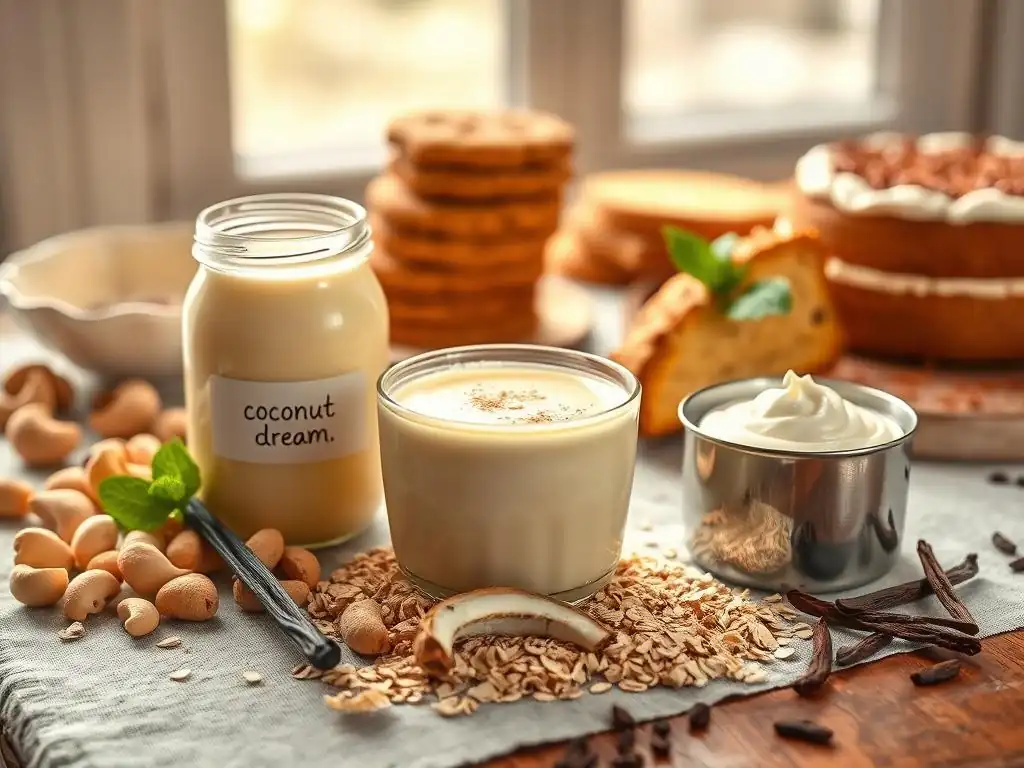
Welcome to BakeWithEase, where baking becomes a joy, not a chore! Ever dreamt of creating decadent vegan desserts but felt limited by ingredients? Discover the secrets to effortlessly transforming your baking with our guide to vegan condensed milk alternatives recipes. Uncover tips and tricks that will revolutionize your plant-based baking, and leave you wondering why you didn't try these substitutes sooner! Curious to know which option will give you the creamiest results? Read on and let the baking adventures begin!
- Baking Without Dairy: Exploring Vegan Condensed Milk Alternatives Recipes
- Understanding Vegan Condensed Milk: What is it and Why Substitute?
- The Best Vegan Condensed Milk Alternatives Recipes for Baking
- Store-Bought Vegan Condensed Milk Options: A Convenient Solution
- Using Vegan Condensed Milk Substitutes in Baking: Tips and Tricks
- Vegan Condensed Milk: Nutritional Information and Benefits
- Mastering Vegan Baking: Beyond Condensed Milk
- Conclusion: Embracing Vegan Condensed Milk Alternatives for Delicious Baking
-
Frequently Asked Questions
- What are some readily available vegan alternatives to condensed milk for baking?
- Can I use store-bought vegan condensed milk alternatives in the same way as traditional condensed milk?
- Are homemade vegan condensed milk alternatives difficult to make?
- Will using a vegan condensed milk alternative significantly change the flavor of my baked goods?
- What are some tips for ensuring my vegan condensed milk alternative performs well in recipes?
- Final Reflection: Sweetening the Future, One Vegan Recipe at a Time
- Unlock Your Vegan Baking Potential!
Baking Without Dairy: Exploring Vegan Condensed Milk Alternatives Recipes
Embracing a plant-based lifestyle doesn't mean saying goodbye to your favorite sweet treats. Many traditional baking ingredients can be easily substituted with delicious, dairy-free alternatives. One ingredient that often poses a challenge is condensed milk, a staple in countless rich and creamy desserts. However, the world of vegan baking has evolved, offering fantastic solutions that allow you to recreate those beloved recipes without any dairy.
This article delves into the best vegan condensed milk alternatives recipes, exploring various plant-based options from homemade creations using nuts and oats to convenient store-bought varieties. We'll provide detailed instructions and tips to help you master these substitutes, ensuring your vegan baked goods are just as decadent and satisfying as their traditional counterparts. Get ready to discover how easy and rewarding it is to swap out dairy condensed milk and open up a whole new world of delicious possibilities in your kitchen.
Understanding Vegan Condensed Milk: What is it and Why Substitute?
What is Traditional Condensed Milk?
Traditional condensed milk is a concentrated dairy product made by heating cow's milk to remove about 60% of its water content, resulting in a thick, syrupy liquid. Sugar is typically added during this process, making it sweetened condensed milk, which is the most common form used in baking and desserts. This high sugar content, often around 40-45% of the total weight, along with the reduced water and concentrated milk solids, gives it its unique texture and sweetness.
Its rich, creamy texture and intense sweetness make sweetened condensed milk a key ingredient in many classic recipes, including fudge, caramel sauces, tres leches cake, and certain pie fillings like key lime pie. The cooking process also causes some caramelization of the milk sugars, contributing to its distinctive flavor profile. Understanding its composition helps in finding effective vegan condensed milk alternatives recipes that mimic these properties.
The Rise of Vegan Baking and Dairy-Free Alternatives
The increasing popularity of veganism and plant-based diets has driven significant innovation in the food industry, particularly in baking. More people are seeking dairy-free options due to ethical considerations regarding animal welfare, environmental concerns related to dairy farming, or personal health reasons like lactose intolerance and dairy allergies. This growing demand has led to a surge in the availability and quality of vegan baking substitutes.
As a result, we now have access to a wide array of plant-based milks, butters, eggs, and, importantly, effective vegan condensed milk alternatives recipes and products. The market for vegan food products has seen substantial growth, with dairy alternatives being a major segment. This shift has empowered home bakers to easily adapt traditional recipes or create entirely new vegan treats that are just as delicious and satisfying as their dairy-based inspirations.
Why Use Vegan Condensed Milk Substitutes? (Allergies, Ethics, Taste)
Using vegan condensed milk substitutes is primarily driven by the need to accommodate dietary restrictions and ethical choices. For individuals with dairy allergies or lactose intolerance, traditional condensed milk is simply not an option. Vegan alternatives provide a safe and delicious way for them to enjoy recipes that traditionally rely on this ingredient, preventing allergic reactions and digestive discomfort while still allowing them to indulge in sweet treats.
Beyond health considerations, many choose vegan condensed milk alternatives recipes for ethical reasons, aligning their baking practices with a commitment to animal welfare and reducing their environmental footprint. Plant-based options generally require fewer resources like water and land compared to dairy production. Furthermore, the taste and texture of modern vegan condensed milk substitutes are remarkably close to the dairy version, making them a seamless swap that doesn't compromise the final product's quality or flavor profile.
The Best Vegan Condensed Milk Alternatives Recipes for Baking

One of the most rewarding ways to embrace vegan baking is by making your own staple ingredients from scratch. Creating your own vegan condensed milk alternatives recipes allows you to control the ingredients, sweetness level, and consistency, tailoring it perfectly to your specific needs and preferences. It's often more cost-effective than store-bought options and gives you the satisfaction of a truly homemade dessert from base to finish.
Below, we explore several popular and effective methods for making vegan condensed milk using different plant-based milk bases. Each offers a slightly different flavor profile and texture, making them suitable for various applications in your favorite vegan condensed milk alternatives recipes. Whether you prefer the richness of coconut, the neutrality of almond, the creaminess of cashews, or the simplicity of oats, there's a homemade option waiting for you to try.
Homemade Coconut Condensed Milk Recipe
Coconut milk is arguably the most popular base for homemade vegan condensed milk due to its natural richness and creamy texture, which closely mimics dairy. Using full-fat canned coconut milk is essential for achieving the right consistency and mouthfeel. When reduced and sweetened, it develops a lovely thickness perfect for pies, caramels, and fudge.
While it imparts a subtle coconut flavor, this is often desirable in many dessert applications, enhancing tropical-themed treats or adding a unique depth to classic recipes. This recipe is relatively simple, primarily involving simmering the coconut milk with a sweetener until it thickens significantly. It's a fantastic starting point for anyone exploring vegan condensed milk alternatives recipes at home.
Ingredients for Coconut Condensed Milk
- 1 can (13.5-15 oz) full-fat coconut milk
- 1/3 cup granulated sugar (or other sweetener like maple syrup or agave)
- Pinch of salt (optional, enhances sweetness)
Step-by-Step Coconut Condensed Milk Instructions
- Combine coconut milk and sugar in a medium saucepan.
- Bring the mixture to a gentle simmer over medium heat, stirring to dissolve the sugar.
- Reduce heat to low and continue to simmer, stirring frequently to prevent scorching.
- Allow the mixture to simmer and reduce for 30-50 minutes, or until it has thickened to a syrupy consistency and reduced by roughly half.
- Remove from heat and stir in the pinch of salt if using.
- Pour into a clean jar and let cool completely; it will thicken further as it cools.
- Store in the refrigerator for up to 1-2 weeks.
Tips for Perfect Coconut Condensed Milk
- Use full-fat canned coconut milk, not light or refrigerated carton varieties, for adequate richness and thickening.
- Stir very frequently, especially towards the end of simmering, as the mixture can scorch easily.
- Be patient; the thickening happens gradually. The final consistency will be thicker once cooled than when hot.
- For a smoother texture, you can strain the finished product through a fine-mesh sieve to remove any small solid bits from the coconut milk.
Easy Almond Condensed Milk Recipe
Almond milk offers a lighter, more neutral base for vegan condensed milk compared to coconut. While it lacks the inherent thickness of coconut milk, it can still be reduced and sweetened to create a viable substitute. This makes it an excellent choice for recipes where a strong coconut flavor isn't desired, allowing other flavors to shine through.
Making almond condensed milk requires a bit more patience as it needs a longer reduction time to achieve a thick consistency. Using a good quality, unsweetened almond milk with a decent fat content (if available, though less critical than with coconut) can help. This version is versatile and works well in many vegan condensed milk alternatives recipes, particularly those that are already nut-based or require a subtle backdrop flavor.
Ingredients for Almond Condensed Milk
- 2 cups unsweetened almond milk
- 1/2 cup granulated sugar (or other sweetener)
- 1 tablespoon vegan butter or coconut oil (optional, for richness)
- 1/2 teaspoon vanilla extract (optional)
Almond Condensed Milk Recipe Instructions
- Pour almond milk and sugar into a saucepan. Add vegan butter or coconut oil if using.
- Heat over medium-high heat, stirring constantly, until the sugar dissolves and the mixture comes to a rolling boil.
- Reduce heat to low immediately and simmer gently, stirring very often.
- Allow to simmer and reduce for 45-75 minutes, or until significantly thickened and reduced by at least half. It should coat the back of a spoon.
- Remove from heat and stir in vanilla extract if using.
- Let cool completely in a jar; it will thicken considerably upon cooling.
- Refrigerate and use within 1-2 weeks.
Troubleshooting Almond Condensed Milk
- If it's not thickening after extended simmering, try increasing the heat slightly (but watch very carefully to prevent scorching) or add another tablespoon of vegan butter/coconut oil.
- Ensure you are using unsweetened almond milk; sweetened versions will make the final product overly sweet and may affect consistency.
- Stirring frequently is critical. Almond milk solids can burn easily on the bottom of the pan.
- Remember it thickens as it cools; don't expect it to be super thick right off the heat.
Cashew Condensed Milk: A Creamy Vegan Option
Cashew milk is renowned for its natural creaminess, making it an excellent candidate for a rich and smooth vegan condensed milk. Unlike coconut or almond milk, homemade cashew milk (or a high-quality store-bought version) blends cashews into a creamy liquid, incorporating healthy fats and a neutral, slightly sweet flavor. This inherent creaminess translates beautifully into a luxurious condensed milk substitute.
This option often results in a thicker, more opaque condensed milk than almond milk, closer in texture to dairy. It's particularly well-suited for recipes where a smooth, rich mouthfeel is important, such as creamy pie fillings, cheesecakes, or fudge. If you're looking for vegan condensed milk alternatives recipes that prioritize a velvety texture, cashew-based condensed milk is a top contender.
Cashew Condensed Milk Ingredients
- 1 cup raw cashews, soaked (see instructions)
- 1.5 cups water
- 1/3 cup granulated sugar (or other sweetener)
- Pinch of salt
Cashew Condensed Milk Recipe: The Method
- Soak cashews in hot water for at least 1 hour, or in cool water overnight. Drain and rinse thoroughly.
- Combine soaked cashews and 1.5 cups fresh water in a high-speed blender. Blend until completely smooth and creamy, ensuring no graininess remains. This is your cashew milk base.
- Pour the cashew milk base into a saucepan. Add sugar and salt.
- Bring to a gentle simmer over medium heat, stirring to dissolve the sugar.
- Reduce heat to low and simmer, stirring frequently, for 30-45 minutes, or until reduced and thickened to a condensed milk consistency.
- Remove from heat, pour into a jar, and let cool completely.
- Store in the refrigerator.
Achieving the Right Consistency for Cashew Condensed Milk
- Properly soaking and blending the cashews until perfectly smooth is crucial for a non-gritty texture. A high-speed blender is highly recommended.
- If the mixture seems too thick early on, you can add a tablespoon or two of water, but remember it needs to reduce to concentrate.
- As with other methods, patience during simmering is key. Stir often to prevent the thicker mixture from sticking and burning.
- The final consistency will be quite thick and spoonable after chilling, similar to dairy condensed milk. If it's too thin after cooling, you can gently reheat and simmer for a little longer.
Oat Milk Condensed Milk: A Budget-Friendly Choice
Oat milk has become incredibly popular, and it's also a viable and often more economical option for creating vegan condensed milk alternatives recipes. While oat milk is naturally thinner than coconut or cashew milk, it contains starches that help it thicken when heated and reduced. This makes it possible to create a useful, dairy-free condensed milk substitute using basic pantry ingredients.
This version tends to have a slightly less rich texture than coconut or cashew but is excellent for applications where a more neutral flavor is preferred and cost-effectiveness is a factor. It works well in baked goods, sauces, and even beverages. Just be mindful of using plain, unsweetened oat milk and giving it enough time to properly reduce and thicken on the stovetop.
Oat Milk Condensed Milk Ingredients
- 2 cups unsweetened plain oat milk
- 1/2 cup granulated sugar (or other sweetener)
- 1 tablespoon vegan butter or coconut oil (optional, for richness)
Simple Oat Milk Condensed Milk Instructions
- Combine oat milk, sugar, and optional vegan butter/coconut oil in a saucepan.
- Heat over medium heat, stirring to dissolve the sugar, and bring to a gentle simmer.
- Reduce heat to low and simmer, stirring very frequently, for 45-60 minutes, or until significantly reduced and thickened. It should coat the back of a spoon.
- Remove from heat, pour into a clean jar, and let cool completely. It will thicken more as it cools.
- Store in the refrigerator for up to 1-2 weeks.
Notes for a Delicious Oat Milk Condensed Milk
- Use unsweetened, plain oat milk. Flavored or sweetened versions will affect the final taste and sugar level.
- Stirring is paramount to prevent sticking and burning, especially as the mixture thickens.
- The final texture might be slightly less glossy than coconut or cashew versions but will still be thick and sweet, perfect for many vegan condensed milk alternatives recipes.
- If using gluten-free oat milk, ensure it is certified gluten-free if needed for dietary reasons.
Store-Bought Vegan Condensed Milk Options: A Convenient Solution
For bakers seeking convenience or consistency, the good news is that there are several excellent store-bought vegan condensed milk options available today. These products eliminate the need for simmering and reduction, offering a ready-to-use substitute that can be swapped directly into most recipes. This can be a real time-saver, especially when you're in a hurry or tackling a complex baking project.
The availability of these products has made incorporating vegan condensed milk alternatives recipes into your repertoire easier than ever. You can find them in major supermarkets, health food stores, and online retailers. While they might be slightly more expensive than making your own, the convenience factor and reliable results make them a worthwhile option for many home bakers looking for a quick and easy way to go dairy-free.
Reviewing Popular Brands of Vegan Condensed Milk
Several brands offer vegan condensed milk, primarily made from coconut or oat milk bases. Nature's Charm is a widely recognized brand, offering both "Sweetened Condensed Coconut Milk" and "Sweetened Condensed Oat Milk." Their coconut version is known for its thick, creamy texture and rich flavor, while their oat version provides a slightly lighter option. Both are popular choices among vegan bakers.
Other brands may include products like Edward & Sons Let's Do Organic Sweetened Condensed Coconut Milk or various store-brand versions that are emerging in the market. Each brand might have slight variations in sweetness, texture, and flavor depending on their specific formulation. Trying a couple of different brands can help you find your personal favorite for your vegan condensed milk alternatives recipes.
Comparing Taste, Texture, and Availability of Store-Bought Options
When comparing store-bought vegan condensed milk, the primary difference often lies in the base ingredient. Coconut-based versions tend to be thicker, creamier, and have a distinct coconut flavor. They are excellent for desserts like fudge, caramels, and pies where that richness is desired. Oat-based versions are often slightly thinner and have a more neutral flavor, making them versatile for a wider range of applications where you don't want a coconut taste.
Availability can vary depending on your location, but major brands like Nature's Charm are increasingly common. Prices are generally higher than traditional dairy condensed milk, often ranging from $3 to $6 per can, depending on the brand and retailer. Texture is generally consistent within a brand, which is a major advantage for reliable results in your vegan condensed milk alternatives recipes compared to the potential variability of homemade versions.
Considerations When Buying Pre-Made Vegan Condensed Milk
Before purchasing store-bought vegan condensed milk for your vegan condensed milk alternatives recipes, check the ingredients list carefully. Ensure it aligns with your dietary needs (e.g., gluten-free if required) and that you are comfortable with the sweeteners or additives used. Most use sugar, but some might use alternative sweeteners. Also, note the fat content, as this significantly impacts the final texture and richness of your baked goods.
Consider the specific recipe you plan to use it in. For a recipe heavily reliant on the rich, creamy texture of condensed milk, a coconut-based product is likely the best choice. For something lighter or where flavor neutrality is key, an oat or other nut-based option might be preferable. Finally, check the expiration date and storage instructions, as these products need to be refrigerated after opening, just like their dairy counterparts.
Using Vegan Condensed Milk Substitutes in Baking: Tips and Tricks
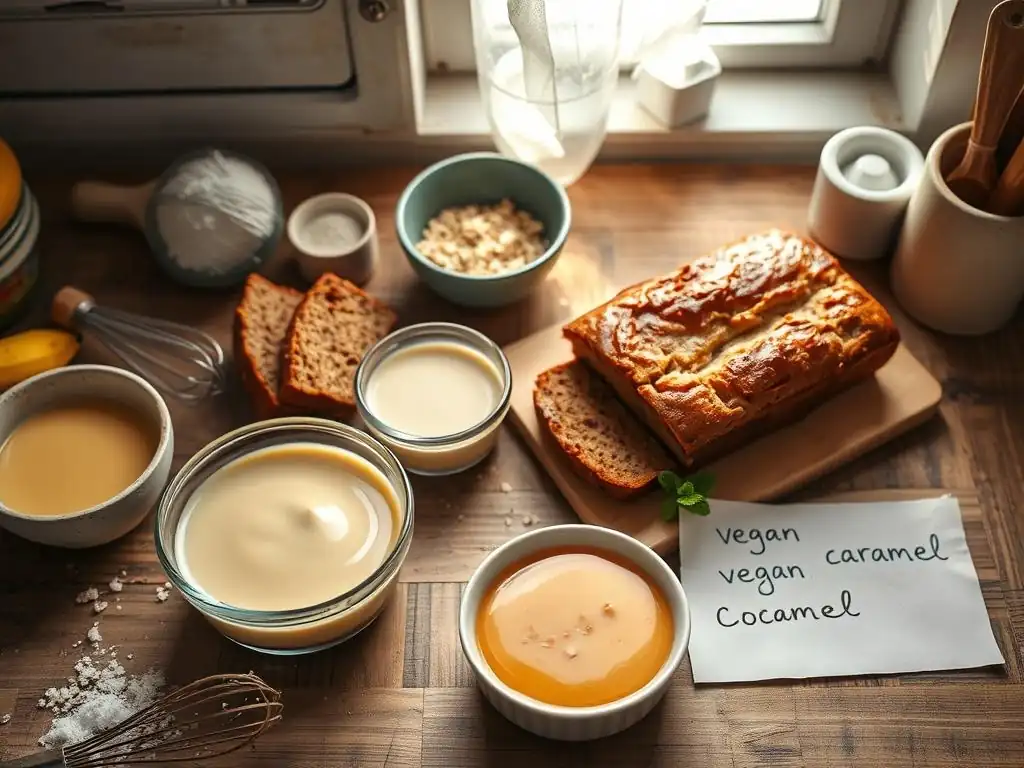
Successfully incorporating vegan condensed milk alternatives recipes into your baking requires a few key considerations to ensure optimal results. While these substitutes are designed to mimic dairy condensed milk, there can be subtle differences in consistency, sweetness, and how they behave when heated or cooled. Being aware of these nuances will help you adapt your favorite recipes and achieve delicious, dairy-free outcomes.
Whether you're using homemade or store-bought vegan condensed milk, understanding how it interacts with other ingredients is crucial. Factors like the moisture content of the substitute, its sugar concentration, and its ability to thicken need to be taken into account. With a little know-how, you can confidently swap dairy condensed milk and create fantastic vegan versions of classic desserts, expanding your repertoire of vegan condensed milk alternatives recipes.
Adjusting Recipes for Vegan Condensed Milk
When substituting vegan condensed milk for dairy in a recipe, a direct 1:1 swap is often a good starting point, but you might need to make minor adjustments. Homemade versions can vary in thickness, so if your homemade substitute is thinner than desired, you might need to slightly reduce other liquid ingredients in the recipe or cook/chill the final product for a longer time to achieve the correct set.
Conversely, if the vegan condensed milk is exceptionally thick, you might need to add a tablespoon or two of plant-based milk to thin it slightly for easier incorporation. Pay attention to the sweetness level as well; different brands or homemade recipes can vary. You might need to slightly reduce or increase the amount of added sugar in the overall recipe based on the sweetness of your chosen vegan condensed milk substitute.
Which Vegan Condensed Milk Works Best for Different Baked Goods?
Choosing the right vegan condensed milk substitute depends largely on the desired outcome and the nature of the baked good. For rich, creamy applications, some options perform better than others.
Cakes and Frostings
For cakes, especially those like Tres Leches where condensed milk is soaked into the finished product, a slightly thinner consistency can be beneficial for absorption. Oat or almond-based condensed milk might work well, though coconut can also be used if a distinct flavor is desired. For frostings, a thick, creamy substitute is essential. Cashew or coconut condensed milk typically provides the best richness and body for smooth, pipeable frostings.
Pies and Tarts
Pies and tarts often rely on condensed milk for a thick, set filling, such as in key lime pie or caramel tarts. Coconut condensed milk is usually the top choice here due to its high-fat content and ability to thicken significantly when heated and cooled, creating that classic firm yet creamy filling texture. Cashew condensed milk can also work well, offering a similarly rich result without the coconut flavor.
Cookies and Bars
In cookies and bars, condensed milk often contributes to chewiness and acts as a binder, especially in recipes like fudge or certain types of bar cookies. Coconut condensed milk is excellent for fudge and chewy bars due to its richness and setting properties. For other cookies where condensed milk might add moisture and sweetness, any of the homemade or store-bought vegan condensed milk alternatives recipes can work, depending on the desired flavor profile.
Common Mistakes to Avoid When Baking with Vegan Condensed Milk
One common mistake is not allowing homemade vegan condensed milk to cool completely before using it in a recipe. It thickens significantly upon cooling, and using it while still warm and thin can lead to inaccurate measurements and a final product that doesn't set correctly. Another error is not stirring frequently enough when making it from scratch, leading to scorching and a burnt flavor that will ruin your baked goods.
When using store-bought options, ensure you are using sweetened condensed milk alternatives, not evaporated milk alternatives, as they have different consistencies and sugar levels. Also, be mindful of flavor profiles; using a strongly coconut-flavored condensed milk in a recipe where it clashes (like a delicate vanilla cake) might not yield the best results. Always taste your vegan condensed milk substitute beforehand to understand its flavor and sweetness.
Vegan Condensed Milk: Nutritional Information and Benefits
Switching to vegan condensed milk alternatives recipes can also impact the nutritional profile of your baked goods. While still a high-sugar ingredient, the base ingredient (coconut, nuts, oats) brings different nutrients compared to dairy. Understanding these differences can help you make informed choices based on your dietary goals and preferences.
It's important to remember that condensed milk, whether dairy or vegan, is a concentrated source of sugar and calories and is typically used in moderation as part of a dessert. However, the plant-based versions can offer some advantages, such as different fat profiles and the absence of dairy allergens, which are significant benefits for those who need or choose to avoid dairy products.
Comparing Nutritional Profiles of Different Vegan Condensed Milks
Nutritional profiles vary depending on the base ingredient. Coconut condensed milk, for instance, is often high in saturated fat due to the nature of coconut milk. A typical serving (approx. 2 tablespoons) might contain around 60-80 calories and 5-7 grams of fat, with most of that being saturated. Sugar content is comparable to dairy, roughly 10-15 grams per serving.
Almond, cashew, and oat-based vegan condensed milk alternatives tend to have lower saturated fat content than coconut, often containing more unsaturated fats (from nuts) or less total fat (from oats). Calories and sugar content remain similar to dairy and coconut versions, as the sugar is added during the condensing process. These variations mean you can choose a substitute that aligns better with your fat intake preferences, while still getting the sweetness and texture needed for your vegan condensed milk alternatives recipes.
Health Benefits of Vegan Baking Substitutions
The primary health benefit of using vegan condensed milk substitutes is avoiding dairy for those with allergies, intolerance, or sensitivity. This prevents digestive upset, allergic reactions, and inflammation associated with dairy consumption for some individuals. For those concerned about saturated fat intake from dairy, nut and oat-based options offer alternatives with different fat profiles.
Furthermore, plant-based ingredients like nuts and oats contain fiber (though condensed milk processing may reduce this) and other micronutrients not present in dairy. While condensed milk isn't a health food, choosing vegan condensed milk alternatives recipes allows individuals to enjoy sweet treats without compromising their dietary restrictions or ethical stances, contributing to overall well-being by making their diet more inclusive and aligned with their values.
Mastering Vegan Baking: Beyond Condensed Milk
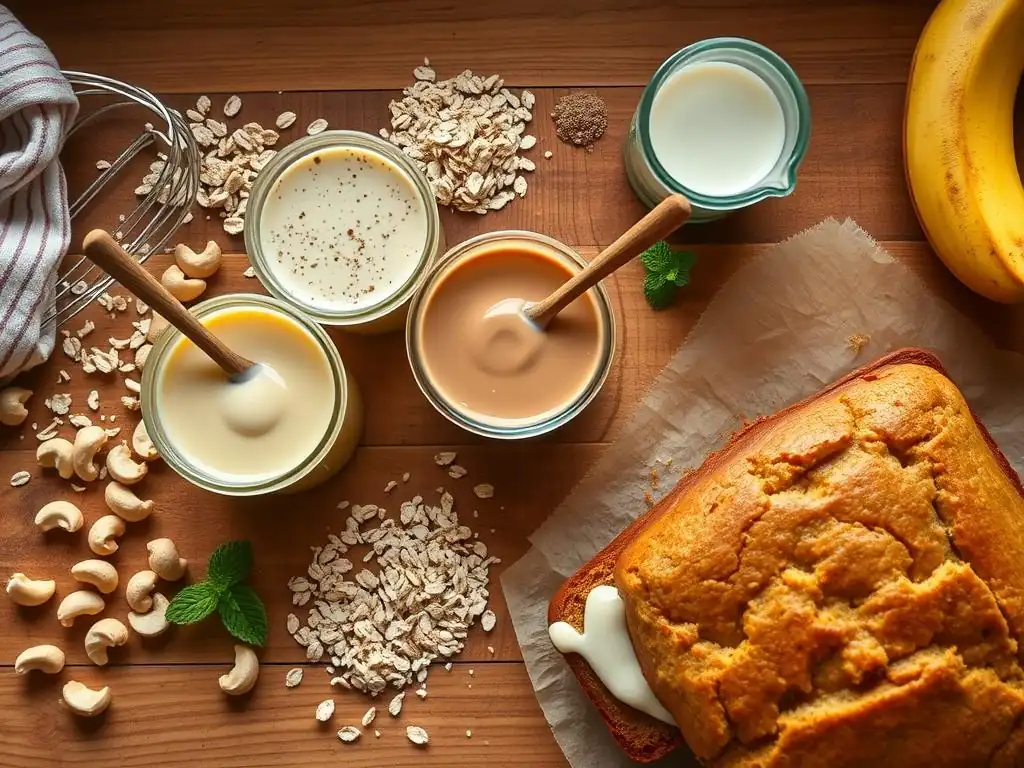
Successfully using vegan condensed milk alternatives recipes is just one step in the journey of mastering vegan baking. The principles of substitution, understanding ingredient interactions, and adjusting techniques apply across the board when converting traditional recipes or developing new vegan creations. Becoming proficient in vegan baking involves learning about various plant-based ingredients and how they function in different roles, from binding agents to leavening and providing richness.
Expanding your knowledge of vegan baking substitutions will empower you to tackle virtually any recipe and make it dairy-free, egg-free, and entirely plant-based. The skills learned through experimenting with vegan condensed milk substitutes, such as adjusting liquid ratios or understanding how different fats behave, are transferable to other areas of vegan baking. It's a continuous learning process filled with delicious discoveries.
Other Essential Vegan Baking Substitutions
Beyond condensed milk, there are several other crucial vegan baking substitutions to explore. Vegan butter sticks or margarines are essential for replacing dairy butter in doughs, frostings, and pan-greasing, providing fat and flavor. Various egg replacers exist, including flax eggs (ground flaxseed mixed with water), chia eggs, applesauce, mashed banana, commercial egg replacers, and silken tofu, each suited for different functions like binding, leavening, or moisture.
Plant-based milks (soy, almond, oat, cashew, etc.) are standard swaps for dairy milk in batters and sauces. Vegan cream cheese, sour cream, and whipping cream alternatives are also available, made from bases like cashews, soy, or coconut, allowing you to create creamy fillings, toppings, and frostings. Familiarizing yourself with these options will significantly broaden the range of vegan condensed milk alternatives recipes and other baked goods you can create.
Resources for Learning More About Vegan Baking
The internet is a treasure trove of information for vegan bakers. Websites like BakeWithEase.com offer a wealth of vegan condensed milk alternatives recipes, tips, and guides for various substitutions. Numerous food blogs and recipe sites specialize in vegan baking, providing detailed instructions, troubleshooting advice, and creative new ideas. Online vegan communities and forums are also great places to ask questions and share experiences.
Cookbooks dedicated to vegan baking are another excellent resource, offering tested recipes and comprehensive guides to ingredients and techniques. Many provide charts for common substitutions and explanations of why certain ingredients work. Don't be afraid to experiment in your own kitchen; practice is key to mastering vegan baking. Start with simple vegan condensed milk alternatives recipes and gradually work your way up to more complex creations.
Conclusion: Embracing Vegan Condensed Milk Alternatives for Delicious Baking
Exploring vegan condensed milk alternatives recipes opens up a world of possibilities for dairy-free baking. Whether you choose to make your own using coconut, almond, cashew, or oat milk, or opt for the convenience of store-bought options, you have effective and delicious ways to replace traditional condensed milk in your favorite desserts. These substitutes allow individuals with dietary restrictions, ethical considerations, or simply a desire to experiment with plant-based ingredients to enjoy rich, creamy treats.
By understanding the properties of different vegan condensed milk substitutes and learning how to adjust recipes accordingly, you can confidently recreate classic recipes or develop innovative new ones. From luscious pie fillings and decadent fudge to moist cakes and creamy bars, vegan condensed milk alternatives recipes are versatile and reliable. So, gather your ingredients, choose your preferred substitute, and get ready to bake some truly wonderful dairy-free desserts that everyone can enjoy.
Frequently Asked Questions
What are some readily available vegan alternatives to condensed milk for baking?
There are several options! You can use coconut cream, cashew cream, or even a homemade version using plant-based milk and sugar. They offer varying degrees of sweetness and thickness.
Can I use store-bought vegan condensed milk alternatives in the same way as traditional condensed milk?
Generally, yes, but with some adjustments. Pay attention to the sugar content and consistency as they might differ. You may need to tweak the recipe slightly.
Are homemade vegan condensed milk alternatives difficult to make?
Not at all! Most recipes involve simmering plant-based milk with sugar until it reduces and thickens. The key is to stir frequently to prevent burning and achieve the desired consistency.
Will using a vegan condensed milk alternative significantly change the flavor of my baked goods?
It depends on the alternative used. Coconut cream will impart a subtle coconut flavor, while cashew cream is generally more neutral. Adjust your other flavors accordingly.
What are some tips for ensuring my vegan condensed milk alternative performs well in recipes?
Make sure to reduce the liquid sufficiently during the simmering process to achieve a thick, condensed consistency. Also, let it cool completely before using it in your recipe for accurate results.
Final Reflection: Sweetening the Future, One Vegan Recipe at a Time
The quest for delicious, dairy-free alternatives is no longer a niche pursuit; it's a mainstream movement. The demand for vegan options, driven by ethical concerns, health consciousness, and environmental awareness, is exploding, and the search for perfect substitutes like vegan condensed milk is at the heart of this culinary revolution. This growing interest highlights a powerful shift in our relationship with food and the planet.
This exploration into vegan condensed milk alternatives has underscored for me the incredible creativity and resourcefulness of the plant-based culinary world. It's not just about replacing dairy; it's about innovating, experimenting, and discovering new flavors and textures. The sheer variety of recipes and techniques showcased in this article demonstrates the potential for deliciousness beyond animal products. The best way to find yourself is to lose yourself in the service of others,
– Mahatma Gandhi. This applies equally to cooking; losing ourselves in the pursuit of delicious vegan alternatives benefits not only ourselves but also the animals and the environment.
Now, it's your turn. Consider the recipes explored here – the coconut cream magic, the cashew cream richness, the surprising versatility of chickpeas – and let them inspire you. Don't be afraid to experiment, to tweak the recipes, to discover your own perfect vegan condensed milk substitute. Embrace the challenge, savor the results, and contribute to a sweeter, more compassionate, and sustainable future, one delicious recipe at a time.
Unlock Your Vegan Baking Potential!
Thanks for exploring the world of delicious vegan condensed milk alternatives with us! You've now got the knowledge to create amazing dairy-free treats. Ready to put your newfound skills to the test?
- Whip up your favorite vegan dessert tonight! Use one of the recipes we've discussed, or let your creativity run wild and experiment with a new twist.
- Share your culinary creations with us! Show off your vegan baking masterpieces on social media using #BakeWithEaseVegan. We'd love to see what you bake!
- Dive deeper into vegan baking: Explore our other articles on BakeWithEase.com for even more delicious, dairy-free inspiration.
What incredible vegan treat will you bake first?