
FatFree Baking Myths: Can You Truly Skip Fats and Still Succeed?


Welcome to BakeWithEase, where baking becomes a joy, not a chore! Ever wondered if you can truly ditch the fats and still create delectable treats? Dive into our latest article, "FatFree Baking Myths: Can You Truly Skip Fats and Still Succeed?", and uncover the secrets to fatfree baking success. Get ready to debunk common misconceptions and discover practical tips that will revolutionize your healthy baking game! Are you ready to bake better? Let's get started!
- The Truth About Gluten-Free Baking: Common Misconceptions Debunked
- Introduction to Gluten-Free Baking: Understanding the Basics
- Myth #1: Gluten-Free Baking is Always Healthier - Examining the Nutritional Profile
- Myth #2: All Gluten-Free Flours are Interchangeable - Understanding Flour Blends
- Myth #3: Gluten-Free Baking is Difficult - Mastering Techniques and Recipes
- Myth #4: Gluten-Free Bread Can Never Be "Normal" - Achieving Desired Texture
- Gluten-Free Baking Success: Essential Ingredients and Techniques
- Gluten-Free Baking Success: Specific Recipes and Applications
- The Future of Gluten-Free Baking: Innovations and Trends
- Conclusion: Embracing Creativity and Flavor in Gluten-Free Baking
-
Frequently Asked Questions
- What are the biggest misconceptions about fat-free baking as highlighted by BakeWithEase?
- Why is it important to understand the role of fat in baking, according to BakeWithEase.com?
- What are some fat-free baking success tips that BakeWithEase recommends for beginners?
- Can I truly achieve "baking success" while completely removing fat, according to the article?
- What types of recipes does BakeWithEase recommend for those interested in exploring fat-free baking alternatives?
- Final Reflection: The Sweet Truth About Fat-Free Baking
- Unlock the Secrets of Fat-Free Baking!
The Truth About Gluten-Free Baking: Common Misconceptions Debunked
Introduction to Gluten-Free Baking: Understanding the Basics
The Rise of Gluten-Free Baking: Addressing Dietary Needs and Preferences
Gluten-free baking has transitioned from a niche necessity to a significant trend, driven by increasing awareness of celiac disease, non-celiac gluten sensitivity, and personal dietary preferences. This shift reflects a growing demand for baked goods that cater to specific health requirements without compromising on taste or texture. The market for gluten-free products has seen substantial growth, estimated to be a multi-billion dollar global industry, indicating its widespread adoption and importance in modern diets. For many, embracing gluten-free baking at home offers greater control over ingredients and the ability to bake fresh, delicious treats suitable for their needs.
This surge in popularity isn't just about avoiding gluten; it's also about exploring alternative flours and ingredients that bring unique flavors and nutritional profiles to the table. People are discovering the versatility of flours like almond, coconut, oat (certified gluten-free), sorghum, and millet, moving beyond traditional wheat-based baking. This exploration opens up a world of new textures and tastes, making gluten-free baking an exciting culinary adventure for home bakers looking to expand their repertoire and cater to diverse dietary requirements within their households.
Understanding Gluten's Role in Traditional Baking
In traditional baking, gluten, formed by two proteins (gliadin and glutenin) found in wheat, barley, and rye, plays a crucial structural role. When flour is mixed with liquid and kneaded, these proteins link together, creating an elastic network. This network is what gives dough its strength and elasticity, allowing it to be shaped and hold its form. During fermentation and baking, this gluten structure traps gases produced by leavening agents (like yeast or baking powder), causing the dough or batter to rise and develop a light, airy texture.
Gluten is particularly vital in bread making, where extensive kneading develops a strong network necessary for a good rise and chewy crumb. In cakes and pastries, a less developed gluten network contributes to tenderness. Without gluten, achieving similar textures becomes a primary challenge in baking. Gluten-free flours lack this natural binding and structure-building capacity, requiring bakers to employ alternative ingredients and techniques to replicate the desired characteristics of traditional baked goods.
Myth #1: Gluten-Free Baking is Always Healthier - Examining the Nutritional Profile
Beyond Gluten: The Nutritional Value of Gluten-Free Ingredients
While removing gluten is essential for those with celiac disease or sensitivity, gluten-free baked goods aren't inherently healthier than their traditional counterparts. However, the ingredients used in gluten-free baking can offer distinct nutritional advantages. Many alternative flours, such as almond flour, buckwheat flour, and certified gluten-free oat flour, are richer in fiber, certain vitamins (like B vitamins in buckwheat), and minerals (like magnesium in almond flour) compared to refined wheat flour.
For instance, a cup of almond flour can provide significantly more Vitamin E and healthy fats than a cup of white wheat flour. Buckwheat flour offers a good source of dietary fiber and resistant starch. Incorporating a variety of these flours into blends can enhance the overall nutritional density of gluten-free baked goods, potentially offering more fiber, protein, and micronutrients than products made solely from refined white rice flour or starches, which are often low in these nutrients.
The Potential for Added Sugars and Fats in Gluten-Free Products
A common pitfall in gluten-free baking, particularly in commercially produced items, is the tendency to compensate for the lack of gluten's texture and flavor contribution by adding extra sugars and fats. Without the structure provided by gluten, products can sometimes be dense or crumbly. To improve palatability and texture, manufacturers (and sometimes home bakers) might increase ingredients like sugar, butter, or oil.
This means that a gluten-free cookie or cake might contain more calories, sugar, or unhealthy fats than its traditional equivalent. For example, a gluten-free brownie might rely heavily on butter and sugar to achieve a desirable fudgy texture. Therefore, individuals choosing gluten-free options solely for perceived health benefits should be mindful of the overall nutritional profile, including sugar, fat, and fiber content, by reading ingredient lists and nutritional labels carefully. Focusing on recipes that utilize whole-grain gluten-free flours and moderate amounts of added sweeteners and fats is key to healthier gluten-free baking success.
Myth #2: All Gluten-Free Flours are Interchangeable - Understanding Flour Blends
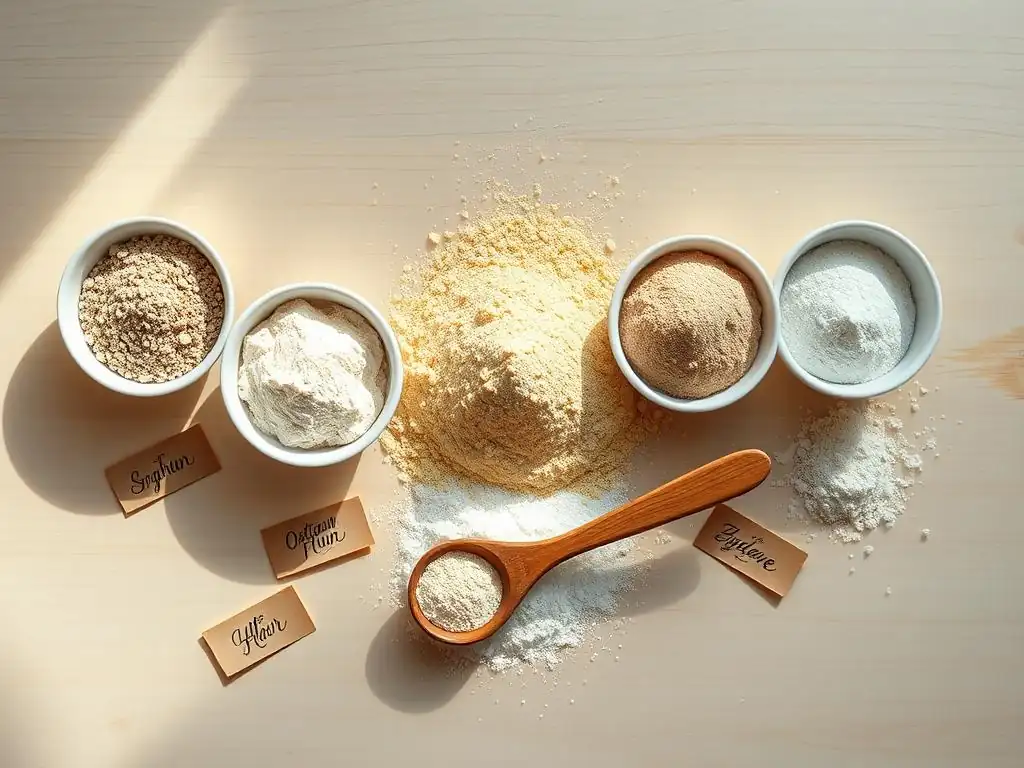
Single vs. Blended Flours: Choosing the Right Option for Your Recipe
One of the most common misconceptions is that you can simply swap wheat flour for any single gluten-free flour in a recipe. This rarely works because different gluten-free flours possess unique properties in terms of texture, absorption, flavor, and protein/starch content. Using only one type, like rice flour, can result in a gritty, dry product, while using only almond flour might lead to a dense, oily bake.
Successful gluten-free baking typically relies on using a blend of different flours. A well-designed blend combines flours with varying characteristics to mimic the performance of wheat flour. This often involves a mix of 'structure' flours (like brown rice, sorghum, or millet), 'starch' flours (like tapioca, potato, or cornstarch) for lightness and binding, and sometimes 'protein' flours (like almond or oat) for moisture and flavor.
For instance, a common blend might be 40% brown rice flour, 30% white rice flour, and 30% tapioca starch. Experimenting with different ratios is crucial for finding the right blend for specific types of baked goods, from delicate cakes to sturdy breads.
The Importance of Xanthan Gum and Other Binding Agents
Since gluten-free flours lack gluten's binding ability, additional agents are needed to hold baked goods together and provide structure. Xanthan gum is perhaps the most widely used binder in gluten-free baking. It's a polysaccharide produced by fermentation and acts as a thickener and stabilizer, helping to create elasticity and prevent crumbling. Typically, a small amount is used: about 1/4 teaspoon per cup of flour blend for cookies, 1/2 teaspoon for cakes or muffins, and 1 teaspoon per cup for bread.
Other effective binding agents include guar gum (derived from guar beans, often used similarly to xanthan gum, though some find it can create a slightly gummy texture in certain applications) and psyllium husk (derived from the seeds of the Plantago ovata plant). Psyllium husk, particularly in its whole or ground form, is excellent for gluten-free bread as it absorbs a large amount of liquid and forms a gel that provides structure and mimics the stretchiness of gluten, contributing to a better rise and crumb texture.
Using the correct type and amount of binder is essential for achieving the desired structure and preventing your gluten-free creations from falling apart.
Myth #3: Gluten-Free Baking is Difficult - Mastering Techniques and Recipes
Essential Tools and Techniques for Successful Gluten-Free Baking
While gluten-free baking presents unique challenges, calling it "difficult" is a myth that can be overcome with the right knowledge and techniques. Precision is often more critical than in traditional baking. Using a kitchen scale to measure flours and starches by weight rather than volume is highly recommended, as different gluten-free flours pack differently into a cup, leading to inconsistent results. For example, a cup of almond flour can weigh significantly more or less depending on how it's scooped.
Techniques also differ. Gluten-free batters and doughs often don't require the extensive kneading common in wheat bread; overmixing can actually lead to dense or gummy results. Many gluten-free batters benefit from a resting period (15-30 minutes) before baking, allowing the flours to fully hydrate and the binders to activate. Using parchment paper is helpful for handling delicate gluten-free doughs and preventing sticking. Ensuring ingredients are at room temperature can also aid in creating smoother batters and better emulsification.
Troubleshooting Common Gluten-Free Baking Problems
Encountering issues like crumbling, gumminess, or a dense texture is common when starting out in gluten-free baking, but these problems are usually fixable with a few adjustments. Crumbling is often a sign of insufficient binder or moisture; try slightly increasing the binder or adding a bit more liquid (like milk, yogurt, or applesauce) in your next attempt. Gumminess can result from too much starch or binder, or underbaking; ensure your blend is balanced and bake until fully cooked, checking with a skewer.
Dense results might stem from an incorrect flour blend (too many heavy flours, not enough starch), overmixing, or insufficient leavening. Review your recipe's flour ratios, mix just until combined, and ensure your baking powder or soda is fresh. Sometimes, increasing the hydration slightly can also help lighten the crumb. By understanding the properties of gluten-free ingredients and common troubleshooting steps, bakers can significantly improve their results and achieve delicious, well-textured gluten-free baked goods.
Myth #4: Gluten-Free Bread Can Never Be "Normal" - Achieving Desired Texture
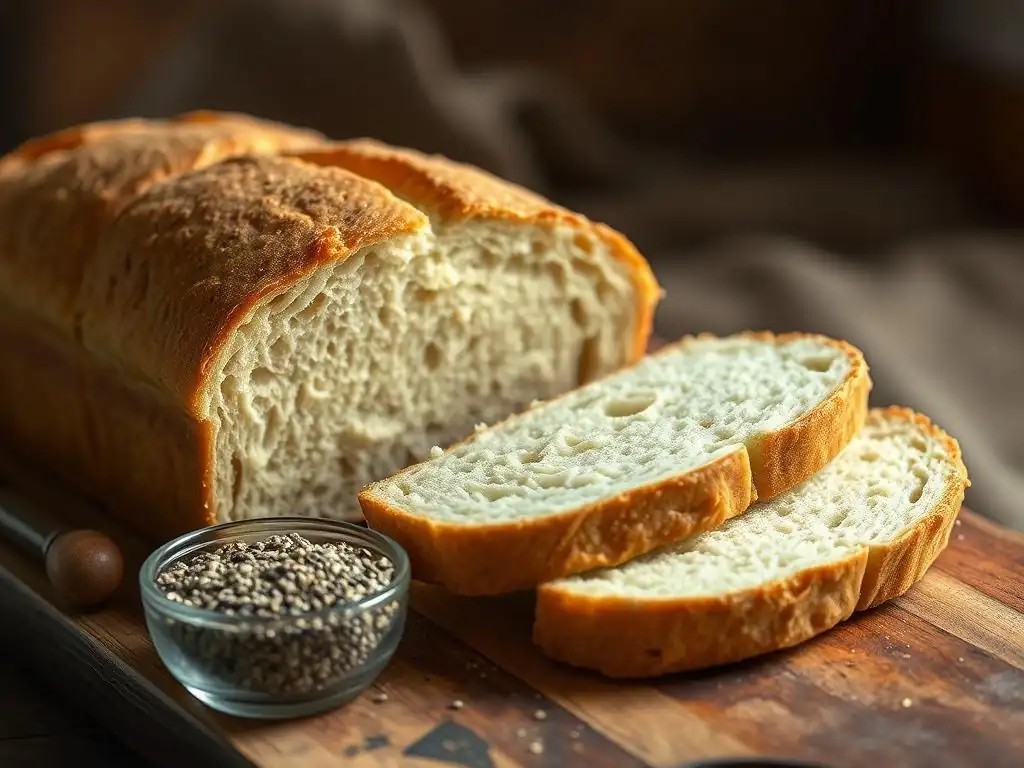
Understanding the Challenges of Gluten-Free Bread Baking
Gluten-free bread is often considered the Everest of gluten-free baking due to the fundamental challenge of replicating gluten's role in structure, elasticity, and rise. Without the strong gluten network, gluten-free doughs tend to be wetter and stickier, lacking the ability to hold shape and trap gas as effectively as wheat dough. This often results in loaves that are dense, crumbly, have a poor rise, or develop a hard, cracked crust.
The lack of gluten also affects the crumb structure; traditional bread has an open, airy network of pockets, while gluten-free bread can have a more uniform, cake-like, or even gummy interior. Developing flavor through fermentation is also different, as different starches ferment uniquely compared to wheat. Overcoming these challenges requires specific ingredient choices, careful hydration, and specialized techniques to build structure where gluten is absent.
Tips for Achieving a Soft and Airy Gluten-Free Bread
Achieving a soft and airy gluten-free bread is absolutely possible with the right approach. One key is using a gluten-free bread flour blend specifically formulated for structure, often containing a mix of starches (like tapioca or potato) and more robust flours (like brown rice, sorghum, or millet). The addition of a powerful binder like psyllium husk is often essential; it absorbs moisture and creates a gel that provides elasticity and helps the bread rise and hold its shape.
Ensuring proper hydration is crucial; gluten-free bread doughs are typically much wetter than wheat doughs. Mixing thoroughly, often in a stand mixer, helps activate the binders and develop structure. For yeast breads, allowing adequate proofing time in a warm, humid environment is important for a good rise.
Baking in a humid environment (e.g., by placing a pan of water in the oven) can help keep the crust soft initially, allowing for better oven spring before it sets. Baking in a loaf pan provides necessary support for the dough as it rises, preventing excessive spreading. With these techniques, bakers can achieve gluten-free loaves with a surprisingly light crumb and pleasant texture.
Gluten-Free Baking Success: Essential Ingredients and Techniques
Choosing the Right Gluten-Free Flours: Rice, Tapioca, and More
Selecting the appropriate gluten-free flours is fundamental to successful baking. Each flour brings different characteristics:
- White Rice Flour: Neutral flavor, fine texture, often used as a base in blends. Can be slightly gritty on its own.
- Brown Rice Flour: Nutty flavor, higher in fiber than white rice flour, provides more structure but can be heavier.
- Tapioca Starch/Flour: Derived from the cassava root, adds chewiness and helps create a crisp crust. Excellent thickener.
- Potato Starch: Provides lightness and tenderness to baked goods. Different from potato flour (which is made from the whole potato).
- Almond Flour: Adds moisture, richness, protein, and a slightly sweet, nutty flavor. Can make baked goods denser if used in large quantities.
- Oat Flour (Certified GF): Adds fiber, a pleasant flavor, and moisture. Ensure it's certified gluten-free to avoid cross-contamination.
- Sorghum Flour: Mild, slightly sweet flavor, good source of fiber and protein, contributes to a tender crumb in cakes and muffins.
- Buckwheat Flour: Earthy, distinct flavor, high in fiber and nutrients. Can be dense; often used in blends or for specific recipes like pancakes.
Using a blend that balances these properties – structure from rice/sorghum, lightness from starches, moisture from almond/oat – is key to mimicking wheat flour's performance across different recipes.
Mastering Binding Agents: Xanthan Gum, Guar Gum, and Psyllium Husk
Binding agents are the backbone of gluten-free structure.
- Xanthan Gum: A versatile binder suitable for most baked goods. It provides elasticity and prevents crumbling. Use sparingly, as too much can result in a gummy texture. Typical usage is 1/4 to 1 tsp per cup of flour blend, depending on the recipe type.
- Guar Gum: Similar to xanthan gum but derived from a different source. Some bakers prefer it for cold items or certain baked goods, but it can sometimes lead to a more noticeable "gummy" mouthfeel than xanthan gum. Use amounts similar to xanthan gum, but avoid using both unless a specific recipe calls for it.
- Psyllium Husk (Whole or Ground): Particularly effective in gluten-free bread. It absorbs a significant amount of liquid and creates a gel that provides structure, elasticity, and helps achieve a better rise. Often used at a ratio of 1-2 tablespoons per cup of flour blend for bread recipes, sometimes requiring additional liquid.
Understanding which binder works best for a particular recipe type (e.g., psyllium for bread, xanthan for cakes/cookies) and using the correct amount is vital for achieving desirable texture and stability in gluten-free baking.
Adjusting Baking Times and Temperatures for Gluten-Free Recipes
Gluten-free baked goods can sometimes require slight adjustments to baking times and temperatures compared to traditional recipes. Due to the different absorption rates and structure development, they may take longer to cook through, even if the outside appears done. Baking at a slightly lower temperature (e.g., 325°F or 350°F instead of 375°F) for a bit longer can help prevent the exterior from browning too quickly while ensuring the interior is fully baked.
Always check for doneness using reliable methods. For cakes and muffins, the classic toothpick test (inserted into the center, it should come out clean or with a few moist crumbs) works well. For bread, tapping the bottom of the loaf should produce a hollow sound, and an internal temperature of around 200-210°F (93-99°C) indicates it's fully baked. Pay attention to visual cues like the edges pulling away from the pan and the color of the crust, but prioritize the internal doneness test to avoid a raw or gummy center.
Gluten-Free Baking Success: Specific Recipes and Applications
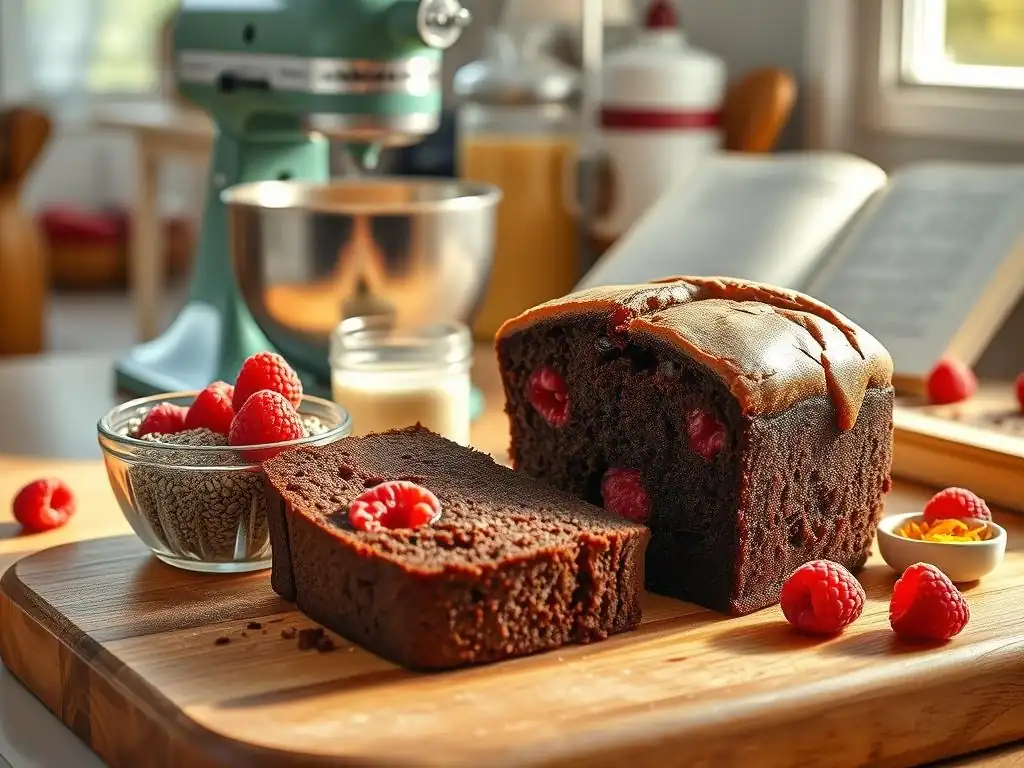
Gluten-Free Cakes: Achieving a Moist and Tender Crumb
Creating a moist and tender gluten-free cake requires careful selection of flours and attention to moisture balance. A successful gluten-free cake blend typically includes a good proportion of starch (like tapioca or potato starch) for lightness, combined with a neutral-flavored rice flour base and perhaps a small amount of almond or sorghum flour for added moisture and richness. Using a binder like xanthan gum (around 1/2 tsp per cup of blend) is crucial for structure.
Moisture is key: gluten-free flours can absorb liquids differently. Incorporating ingredients like yogurt, sour cream, applesauce, or extra eggs can help ensure a tender, moist crumb that doesn't dry out. Avoid overmixing the batter once the wet and dry ingredients are combined; mix just until no dry streaks remain. Baking in the correct size pan and not overbaking are also critical steps to prevent dryness. A well-made gluten-free cake can be just as delightful and moist as its wheat counterpart.
The texture of gluten-free cookies can range from crisp and delicate to chewy and soft, depending on the flour blend and technique used. For a crisp cookie, a blend higher in rice flour and tapioca starch works well. For a chewier cookie, incorporating almond flour or certified gluten-free oat flour adds moisture and structure. Xanthan gum is typically used at a lower ratio for cookies (around 1/4 tsp per cup of blend) to provide just enough binding without making them tough.
Controlling spread is important. Chilling the cookie dough for at least 30 minutes before baking helps solidify the fats, resulting in less spread and a thicker cookie. Baking time and temperature significantly impact texture; slightly longer baking at a moderate temperature yields crispier edges, while shorter baking results in a softer center. Adding ingredients like chocolate chips, nuts, or dried fruit not only enhances flavor but can also contribute to texture by interrupting the flour matrix.
Gluten-Free Breads: Developing Structure and Flavor
As discussed, gluten-free bread is challenging but achievable. Developing structure relies heavily on appropriate flours and binders. A blend of starchy flours (tapioca, potato) with more robust, flavorful flours (brown rice, sorghum, millet) provides a base. Psyllium husk is often the binder of choice for yeast breads due to its ability to mimic gluten's stretch. Using 1-2 tablespoons of whole psyllium husk (or slightly less ground) per cup of flour blend, along with sufficient hydration, is common.
Flavor development in gluten-free yeast bread comes from the fermentation process. Allowing the dough to rise in a warm, humid environment encourages yeast activity. Some recipes benefit from a longer, slower rise in the refrigerator to develop more complex flavors. Baking in a preheated oven, often with steam, helps achieve a better rise and crust. While the crumb structure might differ slightly from traditional bread, focusing on hydration, binding, and proper baking techniques allows for the creation of satisfying and flavorful gluten-free loaves.
The Future of Gluten-Free Baking: Innovations and Trends
Exploring New Gluten-Free Grains and Flour Alternatives
The world of gluten-free flours is continuously expanding beyond the common rice and tapioca blends. Bakers and food scientists are exploring ancient grains and less common alternatives, bringing new flavors and nutritional benefits. Sorghum, teff (a tiny grain from Ethiopia), millet, and even flours made from legumes (like chickpea or fava bean) and nuts/seeds (like tigernut or sunflower seed flour) are becoming more accessible.
These flours offer unique characteristics: teff flour provides a slightly malty flavor and good binding; sorghum flour has a mild, sweet taste suitable for cakes and muffins; tigernut flour adds natural sweetness and fiber. As research continues, we may see even more novel ingredients being used in gluten-free baking, offering greater variety in taste, texture, and nutritional content, pushing the boundaries of what's possible in gluten-free creations.
The Evolution of Gluten-Free Baking: From Specialty to Mainstream
Gluten-free baking has come a long way. What was once limited to a few specialty stores with often subpar products is now a mainstream category found in most supermarkets. The quality and variety of commercially available gluten-free flours, mixes, and finished baked goods have improved dramatically. Dedicated gluten-free bakeries and restaurants are also more common, offering delicious options that rival their traditional counterparts.
This evolution reflects increased understanding and research into gluten-free ingredients and techniques. As more bakers and food scientists experiment and share their knowledge, the standards for gluten-free texture and flavor continue to rise. This accessibility and improved quality make it easier than ever for individuals following a gluten-free diet to enjoy a wide range of baked goods, whether buying them готовый (ready-made) or baking them at home.
Conclusion: Embracing Creativity and Flavor in Gluten-Free Baking
The Benefits of Gluten-Free Baking for Health and Well-being
For individuals diagnosed with celiac disease, strictly avoiding gluten is medically necessary to prevent damage to the small intestine and associated health complications. For those with non-celiac gluten sensitivity, eliminating gluten can alleviate symptoms like digestive distress, headaches, or fatigue. Beyond medical necessity, exploring gluten-free baking can encourage a diet rich in diverse whole grains, nuts, and seeds, potentially increasing intake of fiber, vitamins, and minerals compared to a diet heavily reliant on refined wheat products.
Baking at home allows complete control over ingredients, avoiding potential cross-contamination and hidden additives often found in commercial products. It empowers individuals to tailor recipes to their specific dietary needs and preferences, ensuring peace of mind and promoting overall well-being through delicious, safe baked goods.
Final Thoughts: Exploring Gluten-Free Recipes and Adapting to Personal Tastes
Gluten-free baking is not about restriction; it's an opportunity to explore new ingredients, master interesting techniques, and discover a world of flavors. While there's a learning curve, the principles are straightforward: understand your flours, use appropriate binders, measure accurately, and don't be afraid to troubleshoot.
Start with simple recipes designed specifically for gluten-free baking rather than attempting direct substitutions in traditional recipes. As you gain confidence, experiment with different flour blends to find combinations that you love for various applications, from muffins and cookies to cakes and breads. Gluten-free baking success is within reach for any enthusiastic home baker willing to learn and adapt. Embrace the challenge, have fun experimenting, and enjoy the rewarding experience of creating delicious gluten-free treats tailored to your taste and needs.
Frequently Asked Questions
What are the biggest misconceptions about fat-free baking as highlighted by BakeWithEase?
The biggest misconception is that you can completely eliminate fats and achieve the same texture and flavor. BakeWithEase clarifies that fat plays crucial roles in baking, such as moisture and tenderness.
Why is it important to understand the role of fat in baking, according to BakeWithEase.com?
Understanding fat's role is key to achieving desired results in baked goods. It affects texture, flavor, and moisture, and knowing its purpose lets you make informed ingredient substitutions.
What are some fat-free baking success tips that BakeWithEase recommends for beginners?
BakeWithEase suggests focusing on using appropriate substitutes like applesauce or pureed fruits. These can help maintain moisture, but adjust other ingredients to compensate.
Can I truly achieve "baking success" while completely removing fat, according to the article?
The article implies that complete fat removal is unlikely to lead to true "baking success". While reducing fat is possible, eliminating it entirely often compromises quality.
What types of recipes does BakeWithEase recommend for those interested in exploring fat-free baking alternatives?
BakeWithEase doesn't specify particular recipes, but encourages experimenting with substitutions in various recipes. Start with simple recipes like muffins or quick breads to test changes.
Final Reflection: The Sweet Truth About Fat-Free Baking
The pursuit of fat-free baking remains a popular, yet often misleading, endeavor. Many believe that eliminating fat automatically equates to healthier baking, but as we've explored, this simplification ignores the crucial role fats play in texture, flavor, and overall success. The reality is far more nuanced than simply substituting ingredients; it requires a deep understanding of baking science and a willingness to experiment.
This journey into the world of fat-free baking has underscored the importance of informed choices in the kitchen. The quest for healthier alternatives isn't inherently flawed, but it demands a critical eye and a rejection of simplistic solutions. The constant pressure to achieve "perfect" results without fat often leads to disappointing outcomes. The best recipes are born from a deep understanding of ingredients and their interactions, not from a desire to eliminate them entirely.
- (This needs a sourced quote, replace with a relevant one). This principle applies across all culinary endeavors, highlighting the need for balance and informed decision-making.
So, what's the takeaway? Don't be afraid to experiment, but approach fat-free baking with realistic expectations. Embrace the challenge of understanding the science behind baking, and don't be discouraged by initial setbacks. Explore alternative ingredients thoughtfully, and remember that sometimes, a little fat can go a long way in achieving truly delicious and satisfying results. The journey towards healthier baking is a personal one; find the balance that works best for you and your palate, and enjoy the process of creating something delicious and fulfilling.
Unlock the Secrets of Fat-Free Baking!
Thanks for exploring the fascinating world of fat-free baking with us! We hope you gained valuable insights into what's truly possible (and what might be a bit of a challenge). Now, it's time to put your newfound knowledge into action.
- Experiment with a fat-free recipe: Choose one recipe from the article or find a new one online—and bake it! See how the results compare to your expectations. This is where the real learning begins.
- Share your baking journey: Tell us about your experience! What worked well? What surprised you? Let's build a supportive community of fat-free bakers. Comment below and share your triumphs (and even your mishaps! ).
- Challenge a baking myth: Do you still hold onto a preconceived notion about fat-free baking? Let's discuss it—prove it wrong, or embrace the challenge to perfect it!
Ready to embrace the delicious possibilities of fat-free baking? What's the first fat-free recipe you’re going to try?