
Ingredient Settling: Accounting for Air Pockets in Flour and Other Powders

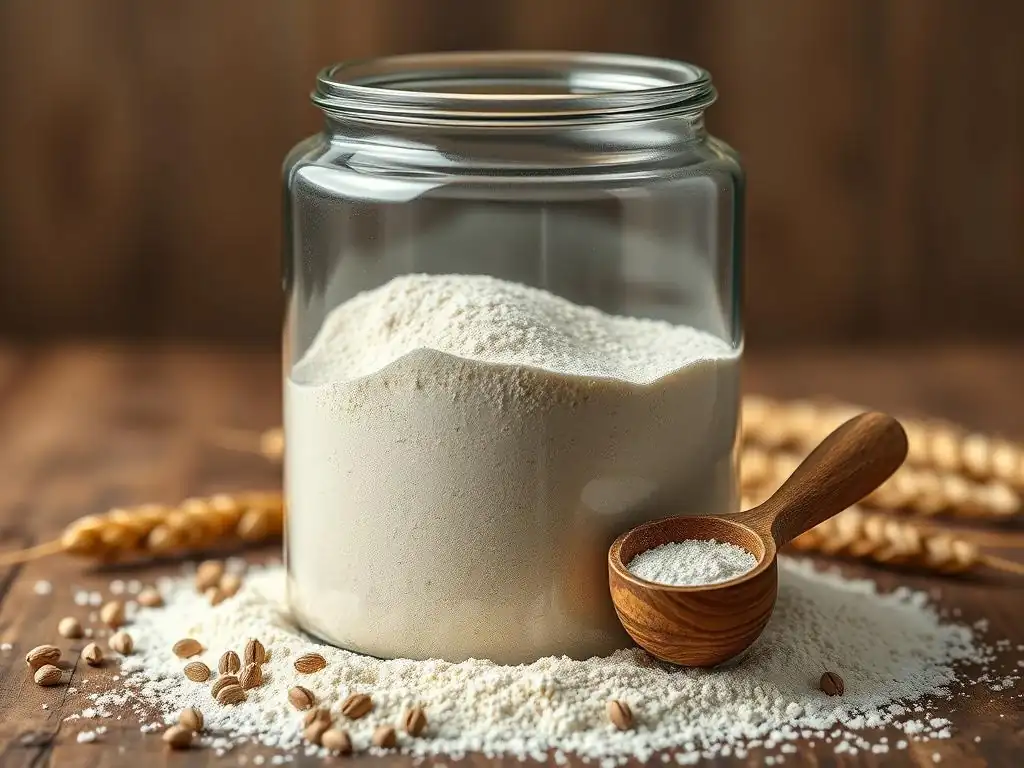
Welcome to BakeWithEase, your kitchen companion for simplifying the sweet science of baking! Ever wondered if that perfectly measured cup of flour is actually the right amount? Our journey begins here, unraveling the mystery of flour settling baking recipes and how air pockets in your ingredients can dramatically impact your results. Discover the secrets to accurate measurements and consistent bakes, ensuring every creation rises to its full potential. Ready to bake with precision? Let's get started!
- Ingredient Settling: Accounting for Air Pockets in Dry Ingredients for Baking Success
- Understanding Dry Ingredient Settling and Its Impact on Baking Recipes
- Identifying Settling in Common Baking Ingredients
- Accurate Measurement Techniques to Compensate for Settling
- Practical Baking Tips to Combat Ingredient Settling
- Adapting Baking Recipes for Settling
- Tools for Accurate Measurement in Baking
- Best Practices for Measuring Dry Ingredients in Baking
- Troubleshooting Baking Issues Related to Ingredient Settling
- Conclusion: Mastering Accurate Measurement for Baking Perfection
-
Frequently Asked Questions
- How does flour settling affect baking recipes?
- What ingredients besides flour are prone to settling?
- How can I accurately measure flour and other powders for baking?
- Why is it important to account for air pockets when baking?
- What are some telltale signs that I haven't properly accounted for settling in my ingredients?
- Final Reflection: The Unsung Power of a Leveling Spoon
- Unleash Your Baking Potential: Master the Art of Ingredient Settling!
Ingredient Settling: Accounting for Air Pockets in Dry Ingredients for Baking Success
Understanding Dry Ingredient Settling and Its Impact on Baking Recipes
Baking is often described as a science, and like any science, precision is paramount. One subtle but significant factor that can drastically affect the outcome of your flour settling baking recipes is the settling of dry ingredients. This phenomenon occurs when powdery or granular ingredients like flour, sugar, baking powder, and even cocoa powder compress over time, reducing the volume they occupy in a container. Ignoring this can lead to inaccurate measurements, throwing off the delicate balance required for successful baking.
Imagine a recipe calls for one cup of flour. If that flour has been sitting undisturbed on your shelf for weeks, it will likely be more compact than freshly opened or sifted flour. Measuring a cup from this settled flour means you're actually getting more flour by weight than the recipe likely intended, assuming the recipe developer measured using a standard method (like spooning flour into the cup).
This excess flour can lead to dry, dense, or heavy baked goods, deviating significantly from the desired texture and rise. Understanding and accounting for ingredient settling is a fundamental step towards achieving consistent and delightful results in your baking endeavors.
Why Settling Matters for Accurate Baking
Accurate measurement is the bedrock of successful baking. Unlike cooking, where you can often adjust ingredients by taste, baking relies on precise ratios to create chemical reactions (like leavening) and structural integrity. When dry ingredients settle, their volume measurement becomes less reliable because the amount of actual ingredient packed into a given volume (like a measuring cup) increases.
For instance, a standard cup of all-purpose flour is generally considered to weigh around 120-125 grams when measured using the "spoon and level" method. However, if you scoop a cup directly from a settled bag of flour, you might easily get 140 grams or more. This difference of 15-20 grams per cup, especially in recipes calling for multiple cups, can significantly alter the flour-to-liquid ratio, resulting in a tough cake or flat cookies. Therefore, recognizing and addressing settling is crucial for replicating recipes accurately and consistently, ensuring your flour settling baking recipes turn out perfectly every time.
The Science Behind Settling and Air Pockets in Dry Ingredients
Dry ingredients, especially powders and fine granules like flour, are not solid blocks; they are composed of countless tiny particles with air pockets in between. When these ingredients are poured or scooped into a container, there's a certain amount of air trapped within the structure.
Over time, gravity and vibration cause these particles to settle closer together, reducing the volume of the air pockets. Think of it like packing sand – initially, it's loose, but tapping the container causes it to settle and occupy less space. The same principle applies to flour, sugar, and other dry baking ingredients.
The amount of settling depends on factors like particle size, shape, density, humidity, and how long the ingredient has been stored. This compression means that a cup of settled flour contains more mass (weight) of flour than a cup of flour that has been recently aerated or sifted, directly impacting the precision of your flour settling baking recipes.
Identifying Settling in Common Baking Ingredients
Recognizing settling is the first step to correcting for it. While it's most noticeable in lighter, powdery ingredients like flour, it affects nearly all dry ingredients to some degree.
Visual inspection and simple tests can help you determine if your ingredients have settled. Understanding the typical characteristics of properly measured ingredients provides a baseline for comparison.
Flour: Recognizing Settled vs. Freshly Aerated Flour
Flour is perhaps the most common culprit when it comes to settling affecting flour settling baking recipes. When you first open a new bag or container of flour, it often feels light and fluffy. If you gently scoop into it, it will offer little resistance.
In contrast, flour that has been sitting for a while will feel denser and more compact. If you scoop into it, you'll feel more resistance, and the flour will hold its shape better after scooping. A simple test is to gently shake the container; if the top surface remains flat and doesn't easily shift or fluff up, it's likely settled. Properly aerated flour will have a visibly lighter texture and a greater volume for the same weight compared to its settled state.
Sugar: Detecting and Correcting for Air Pockets in Granulated and Powdered Sugar
Granulated sugar settles less dramatically than flour due to its larger, more uniform crystal structure. However, it still contains air pockets, especially when first poured or measured. You can usually tell if granulated sugar is settled by how easily it pours; settled sugar might feel slightly clumpier or less free-flowing.
Powdered sugar (confectioners' sugar), being much finer, is highly susceptible to settling and clumping. It often comes pre-sifted, but storage can quickly lead to significant settling. You can usually see a clear difference in volume between a cup of powdered sugar scooped directly from a settled bag and a cup that has been gently fluffed or sifted. Tapping the container of powdered sugar will often reveal how much it has settled as the level visibly drops.
Leavening Agents: Baking Powder and Baking Soda
While used in smaller quantities than flour or sugar in flour settling baking recipes, accurate measurement of leavening agents is critical for proper rise. Baking powder and baking soda can also settle, though the impact on volume measurement is less pronounced than with flour.
However, using a consistently inaccurate volume measurement for these powerful agents can still lead to significant issues like a metallic taste (too much baking soda) or poor rise (too little baking powder). Always level off measuring spoons carefully, ensuring no excess is clinging to the sides. For maximum accuracy, especially in sensitive recipes, measuring these by weight is the most reliable method to avoid any potential issues from settling.
Accurate Measurement Techniques to Compensate for Settling

Choosing the right measurement technique is key to overcoming the challenges posed by ingredient settling in your flour settling baking recipes. Different methods yield different results, and understanding their nuances is vital for consistent baking.
While volume measurements (using cups and spoons) are common, they are inherently less precise than measuring by weight, especially with ingredients prone to settling. However, if a recipe calls for volume measurements, using the appropriate technique is essential.
The Scoop and Level Method: Pros and Cons for Different Ingredients
The scoop and level method involves plunging your measuring cup directly into the ingredient container and scooping it up, then leveling off the excess with a straight edge (like a knife or spatula).
This is a quick and easy method, but it is notoriously inaccurate for ingredients like flour because it compacts the flour, packing in significantly more than the intended amount if the flour is already settled. For denser ingredients like granulated sugar or salt, where settling is less of an issue and compaction during scooping is minimal, this method can be acceptable. However, when working with flour or powdered sugar for your flour settling baking recipes, this method is generally discouraged due to the risk of over-measuring.
The Spoon and Level Method: A More Precise Approach for Consistent Results
The spoon and level method is widely considered the standard for measuring flour by volume in many recipes. It involves using a spoon (not the measuring cup itself) to gently spoon the dry ingredient into the measuring cup until it is overflowing.
Once the cup is overflowing, use a straight edge to sweep off the excess, being careful not to tap or shake the cup, which would cause the ingredient to settle further. This method incorporates more air into the measurement compared to the scoop and level method, providing a more consistent volume measurement that is closer to the typical weight intended for a cup of flour (around 120-125 grams). Adopting this method for your flour settling baking recipes can significantly improve consistency.
Weighing Dry Ingredients: The Most Accurate Method
Measuring dry ingredients by weight using a kitchen scale is the most accurate method available and completely bypasses the issue of settling. A gram of flour is always a gram of flour, regardless of how settled or aerated it is.
Many modern recipes, particularly those from professional bakers or international sources, provide ingredient measurements in grams. If your recipe includes weights, always use them. If a recipe only provides volume measurements, you can often find reliable conversions online (e.g., 1 cup of all-purpose flour ≈ 120-125 grams). Investing in a good digital kitchen scale is one of the best steps you can take to improve the consistency and accuracy of your flour settling baking recipes.
Practical Baking Tips to Combat Ingredient Settling
Beyond choosing the right measurement technique, several practical steps can help minimize the impact of settling and ensure your ingredients are in the best possible state for accurate measurement in your flour settling baking recipes.
These tips involve simple actions before you even begin measuring, as well as considerations for how you store your ingredients.
Sifting: When and Why It's Necessary for Different Ingredients
Sifting involves passing a dry ingredient through a sieve or sifter. This process breaks up clumps and, importantly, aerates the ingredient, incorporating air and reversing the effects of settling.
Sifting is often specified in older recipes or those where a very light and airy texture is desired, such as for delicate cakes or pastries. It's particularly beneficial for ingredients prone to clumping like powdered sugar or cocoa powder. While some modern recipes assume you'll measure flour before sifting if sifting is called for, always read the recipe instructions carefully.
If a recipe says "1 cup sifted flour," sift the flour first, then measure 1 cup. If it says "1 cup flour, sifted," measure 1 cup first, then sift that measured amount. This distinction is crucial for accurate flour settling baking recipes.
Aerating Ingredients: A Simple Technique for Lighter Baking
Even if a recipe doesn't call for sifting, gently aerating your dry ingredients before measuring can help counteract settling. For flour, you can simply whisk it gently in its container or dump it into a bowl and whisk it before spooning it into your measuring cup.
This simple action introduces air, making the flour lighter and less compacted, bringing it closer to the state likely assumed by the recipe developer if they used the spoon and level method. For granulated sugar, a quick stir can help. While not as effective as sifting for powdered sugar, breaking up visible clumps is always a good idea. Incorporating this habit into your baking routine helps ensure more consistent volume measurements for your flour settling baking recipes.
Proper Storage: Minimizing Settling and Maintaining Ingredient Quality
How you store your dry ingredients can affect how quickly and severely they settle, as well as their overall quality. Storing ingredients in airtight containers is essential to protect them from moisture, pests, and odors.
Using square or rectangular containers can sometimes lead to more compact settling than round ones. Store containers in a cool, dry place away from vibrations, which can encourage settling. While you can't eliminate settling entirely, proper storage helps maintain the ingredient's freshness and consistency, making it easier to measure accurately for your flour settling baking recipes over time. Regularly using and replenishing your ingredients also means they spend less time sitting and settling.
Adapting Baking Recipes for Settling

Sometimes, you might find yourself with a recipe that seems inconsistent, or you suspect that ingredient settling is the cause of your baking woes. Learning to adapt or troubleshoot can save your bakes.
Understanding the relationship between volume and weight, and recognizing common signs of measurement errors, can help you adjust your approach or even the recipe itself for better results with your flour settling baking recipes.
Adjusting Recipes Based on Volume vs. Weight Measurements
If you consistently bake using weight measurements (the most recommended method) but find a recipe only provides volume, using a reliable conversion chart is the best approach. For example, while a cup of all-purpose flour is typically 120-125g when spooned and leveled, a cup of cake flour might be closer to 100-110g, and a cup of bread flour might be 130-140g due to differences in density and particle size.
If you suspect a recipe was developed using the "scoop and level" method for flour (which is less common for well-tested recipes but does happen), you might need to increase the weight you use per cup conversion to match the likely over-measurement of the original recipe developer. However, starting with standard conversions (e.g., 120g/cup for AP flour) and adjusting based on results is often the best strategy when tackling new flour settling baking recipes.
Recognizing When Recipe Results Indicate Settling Issues
Certain baking outcomes are strong indicators that you might have measured your dry ingredients inaccurately due to settling or other issues.
- Dense or heavy cakes/muffins: Often caused by too much flour or not enough leavening, potentially from over-measuring settled flour or under-measuring baking powder/soda.
- Dry or crumbly cookies: Can result from an excess of flour.
- Flat breads or cakes: May indicate insufficient leavening, possibly from under-measuring or using inactive leavening agents, but can also be influenced by flour measurement affecting gluten development.
- Tough textures: Commonly caused by too much flour or overmixing, where excess flour leads to excessive gluten development.
If you encounter these issues with a recipe you've followed accurately in other aspects, re-evaluating your dry ingredient measurement techniques, especially concerning settling, is a wise troubleshooting step for your flour settling baking recipes.
Tools for Accurate Measurement in Baking
Having the right tools makes accurate measurement significantly easier and more consistent, helping you avoid the pitfalls of ingredient settling and ensuring reliable flour settling baking recipes.
While simple measuring cups and spoons are standard, understanding their limitations and considering more precise options like kitchen scales is beneficial for any serious baker.
Kitchen Scales: Choosing the Right Scale for Baking
A digital kitchen scale is an invaluable tool for accurate baking. Look for a scale that measures in grams and ounces and has a "tare" function, which allows you to zero out the weight of your container before adding the ingredient.
Scales vary in capacity and precision. For most home baking, a scale with a capacity of up to 5 kg (about 11 lbs) and a precision of 1 gram is sufficient. Some scales offer higher precision (0.1 gram), which can be useful for very small quantities of ingredients like yeast or potent spices, further enhancing the accuracy of your flour settling baking recipes.
Measuring Cups and Spoons: Selecting Quality Tools
If you rely on volume measurements, using a good set of dry measuring cups and spoons is important. Dry measuring cups should be designed to be leveled off, typically with a flat rim. Avoid using liquid measuring cups (which have a spout and measurement lines below the rim) for dry ingredients, as this makes accurate leveling difficult.
Look for sturdy cups and spoons made from metal or durable plastic with clearly marked measurements that won't fade over time. Having a full set of standard sizes (e.g., 1/4, 1/3, 1/2, 1 cup and 1/4, 1/2, 1 teaspoon, 1 tablespoon) ensures you have the right tool for every measurement needed in your flour settling baking recipes.
Best Practices for Measuring Dry Ingredients in Baking
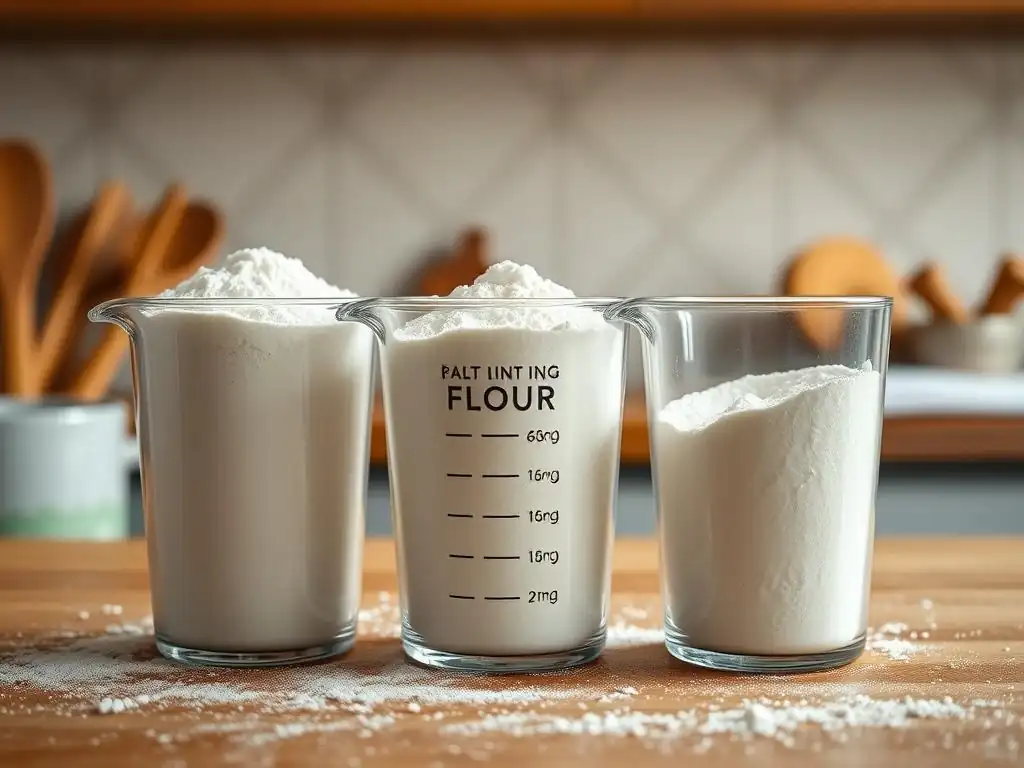
Developing consistent habits is just as important as having the right tools when it comes to accurate measurement and managing ingredient settling in your flour settling baking recipes.
These best practices help minimize variability and ensure that you're measuring the same way every time you use a particular ingredient.
Consistency is Key: Maintaining a Standard Measurement Technique
Decide on a standard method for measuring each dry ingredient and stick to it. If you're using volume measurements for flour, consistently use the spoon and level method. Don't alternate between spooning and scooping, as this will lead to inconsistent results even within the same recipe made on different days.
Ideally, transition to using weight measurements whenever possible, as this is the most consistent method regardless of settling. Once you adopt a consistent technique, you'll gain a better understanding of how your measurements translate into baked goods, making it easier to troubleshoot or adapt flour settling baking recipes.
Regular Ingredient Rotation: Ensuring Freshness and Reducing Settling
Using your ingredients regularly means they spend less time sitting on the shelf, reducing the opportunity for significant settling. Practice rotating your stock, bringing older ingredients to the front and putting new ones at the back.
This also helps ensure you're baking with fresh ingredients, which is crucial for the performance of leavening agents and the overall flavor of your baked goods. While regular rotation won't eliminate settling, it minimizes the time ingredients are subject to it, contributing to more reliable measurements for your flour settling baking recipes.
When a bake doesn't turn out as expected, ingredient measurement is often a primary suspect. Understanding how settling can contribute to common problems can help you diagnose and fix issues in your flour settling baking recipes.
Let's look at a few typical scenarios and how settling might play a role in their outcome.
Dense Cakes: Investigating Ingredient Measurement Errors
A cake that comes out dense and heavy instead of light and airy is a common disappointment. While overmixing or oven issues can be causes, excess flour is a frequent culprit, often resulting from measuring settled flour incorrectly.
If you scooped flour directly from a settled bag using a measuring cup, you likely added too much flour by weight. This excess flour absorbs more liquid, making the batter too stiff and preventing proper leavening and expansion during baking. To troubleshoot, measure your flour by weight next time or ensure you are strictly using the spoon and level method after gently aerating the flour for your flour settling baking recipes.
Cookies that spread minimally and turn out dry or crumbly are another sign of potentially too much flour. The ratio of fat and sugar to flour is critical for cookie spread and texture.
When settled flour is over-measured by volume, this ratio is thrown off. The excess flour absorbs too much of the moisture and fat, leading to a dough that is less likely to spread and cookies that lack moisture and tenderness. Reviewing your flour measurement technique, especially for potential settling effects, is essential when troubleshooting dry cookies in your flour settling baking recipes.
Flat Breads: Checking Leavening Agent Activity and Measurement
While flat bread can be caused by inactive yeast, insufficient proofing, or oven temperature issues, inaccurate measurement of flour can also play a role, particularly in recipes relying on chemical leaveners or specific hydration percentages.
If you've added too much flour due to settling, the dough might be too stiff, inhibiting proper gluten development and rise. Conversely, if using a sourdough starter or yeast, the balance between flour and liquid affects fermentation. Ensuring accurate flour measurement, ideally by weight, is crucial for achieving the correct dough consistency and supporting the leavening process for well-risen bread in your flour settling baking recipes.
Conclusion: Mastering Accurate Measurement for Baking Perfection
Mastering the art of accurate measurement is arguably the most critical skill in baking, and understanding ingredient settling is a key part of that mastery. By recognizing how dry ingredients like flour, sugar, and leavening agents compact over time, you can take steps to ensure your measurements are as precise as possible.
Whether you adopt the careful spoon and level method for volume measurements or, preferably, transition to the greater accuracy of weighing your ingredients, accounting for settling will lead to more consistent and successful outcomes in your kitchen. Combining precise measurement techniques with proper ingredient storage and handling will elevate your baking, transforming potentially frustrating experiences into consistently delightful results. Pay attention to the details of ingredient state and measurement, and you'll be well on your way to baking perfection with all your flour settling baking recipes.
Frequently Asked Questions
How does flour settling affect baking recipes?
Flour settling can create inconsistent measurements in your recipes. This means you may end up using more flour than intended, leading to drier or denser baked goods. Accurate measurement is crucial for successful baking.
What ingredients besides flour are prone to settling?
Besides flour, other powdered ingredients like cocoa powder, powdered sugar, and baking powder are also prone to settling. These can affect the texture and rise of your baked goods.
How can I accurately measure flour and other powders for baking?
The best method is to fluff the flour before measuring, then spoon it loosely into your measuring cup and level it off with a straight edge. Avoid scooping directly from the container, as this compacts the flour and leads to over-measuring.
Why is it important to account for air pockets when baking?
Air pockets lead to variations in density. Baking recipes are carefully balanced, so inconsistent measurements can drastically alter the outcome, resulting in unpredictable results in the final product.
What are some telltale signs that I haven't properly accounted for settling in my ingredients?
Signs include dry, crumbly textures, dense cakes, or cookies that spread too thin. These indicate an imbalance in the recipe due to incorrect ingredient measurements caused by settling.
Final Reflection: The Unsung Power of a Leveling Spoon
Understanding ingredient settling, particularly in flour, isn't just about achieving perfectly risen cakes; it's about mastering the fundamental science behind successful baking. Ignoring the air pockets and inconsistencies in our dry ingredients can lead to unpredictable results, transforming a potential masterpiece into a culinary disappointment. This seemingly minor detail holds the key to consistent, reliable baking.
The impact of accurately measuring flour extends far beyond the individual baker's kitchen. It speaks to a deeper appreciation for the precision required in culinary arts, a precision often overlooked in the rush to create. The subtle shifts in texture and taste resulting from proper measurement highlight the interconnectedness of each ingredient. As the renowned chef Julia Child once said, Always remember that you're not just cooking for yourself, you're cooking for your loved ones, and that makes all the difference.
This sentiment applies equally to the meticulous attention to detail required for accurate flour measurement, ensuring that every batch reflects care and precision.
Now, consider your own baking practices. Do you meticulously level your flour, or do you rely on a quick scoop? Take a moment to reflect on the potential impact of this seemingly small act. By understanding and addressing the issue of ingredient settling, you're not just improving your baking; you're cultivating a deeper understanding of the process, empowering yourself to create consistently delicious results. Embrace the power of the leveling spoon—it's more than just a tool; it's a key to unlocking your baking potential.
Unleash Your Baking Potential: Master the Art of Ingredient Settling!
Thanks for taking the time to learn about the often-overlooked impact of ingredient settling on your baking! You've now got the knowledge to create consistently delicious treats. Ready to put your new skills to the test?
- Prioritize your next bake: Choose a recipe you've made before, and pay close attention to measuring your flour and other powders, considering the air pockets you now know to account for. Note the difference!
- Share your baking success (or challenges!): Let us know in the comments how this new awareness affects your baking results. We love hearing your experiences!
- Explore further: Dive deeper into our other articles on measuring ingredients for even more baking tips and tricks.
What surprising discoveries will you make by carefully measuring your ingredients next time?