
Loaf Pan Secrets: NonStick, Silicone, and Metal Compared

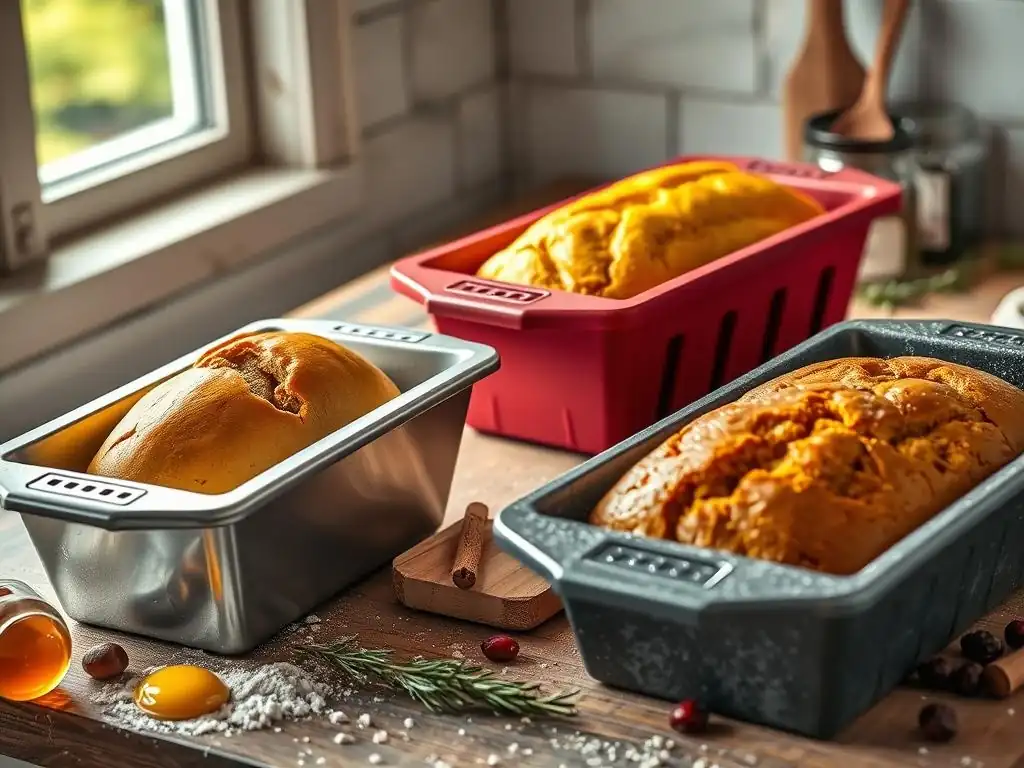
Welcome to BakeWithEase, your trusted companion on your baking journey! Ever wondered what truly makes the best loaf pan material for that perfect rise and golden crust? We're diving deep into the world of loaf pans, comparing nonstick, silicone, and metal to unlock the secrets to baking success. Get ready to uncover the differences and discover which pan will elevate your bread-baking game! Intrigued? Let's explore!
- Loaf Pan Material Guide: Mastering Bread Baking
- Understanding Loaf Pan Materials: A Baker's Key
- Glass Loaf Pans: Visibility and Even Baking
- Ceramic Loaf Pans: Elegant and Versatile
- Metal Loaf Pans: The Workhorse for Optimal Crust
- Loaf Pan Material Comparison Chart: A Quick Reference
- Best Uses for Each Loaf Pan Material: Recipe Matching
- Tips for Using Each Type of Loaf Pan
- Extending the Life of Your Loaf Pans: Care and Maintenance
- Expert Recommendations: The Best Loaf Pan Material for Banana Bread
- Making the Right Choice: Selecting Your Ideal Loaf Pan
- Frequently Asked Questions
- Final Reflection: The Perfect Loaf, the Perfect Pan
- Unleash Your Inner Baker: Level Up Your Loaf Pan Game!
Loaf Pan Material Guide: Mastering Bread Baking
Understanding Loaf Pan Materials: A Baker's Key
Exploring Loaf Pans: Material's Impact on Baking
Choosing the right loaf pan material is a fundamental step that significantly influences the outcome of your baked goods, especially breads and quick loaves like banana bread or pound cake. Different materials conduct and retain heat in distinct ways, affecting everything from the rise and internal texture (crumb) to the color and crispness of the crust. A standard 9x5 inch loaf pan, a common size, will perform differently depending on whether it's made of glass, ceramic, or metal. Understanding these differences helps you select the optimal loaf pan material for your specific recipe and desired results.
For instance, a metal pan, often made of aluminum or steel (sometimes with a nonstick coating), heats up rapidly and transfers heat efficiently to the dough, promoting a strong, golden-brown crust. In contrast, glass and ceramic pans heat up more slowly but retain heat exceptionally well, leading to a more gradual bake and often a softer, less developed crust. Considering the properties of each material is crucial for any baker looking to master loaf baking, ensuring consistent and delicious results every time they pull a loaf from the oven.
Loaf Pan Material and its Effect on Baked Goods
The material of your loaf pan directly dictates how heat interacts with your batter or dough. A bright, shiny aluminum pan will reflect heat, resulting in a lighter crust, while a dark metal pan (often carbon steel or anodized aluminum) absorbs heat more readily, leading to a darker, crispier crust.
This is particularly noticeable when baking items like artisan bread or hearty sandwich loaves, where crust development is key. The density and thermal conductivity of the material also play a role; denser materials like glass or ceramic take longer to reach baking temperature but provide a stable, even heat environment once hot.
Conversely, thinner metal pans, while heating quickly, can sometimes lead to uneven hot spots if not designed well, potentially causing parts of the loaf to brown faster than others. The best loaf pan material for a delicate quick bread might differ from the best loaf pan material for a robust yeast loaf.
For example, a moist banana bread baked in glass might develop a slightly gummy layer at the bottom due to slower heat penetration, whereas the same bread in a dark metal pan would likely have a firmer, browner bottom crust. Understanding these subtle effects allows bakers to anticipate results and adjust baking times or temperatures as needed.
Glass Loaf Pans: Visibility and Even Baking
Advantages of Glass Loaf Pans
Even Heat Distribution
Once a glass loaf pan reaches temperature, it excels at distributing heat evenly throughout the baking process. Unlike metal, which heats quickly and can have hot spots, glass provides a more stable and consistent heat environment. This steady heat transfer is particularly beneficial for recipes that require a uniform bake, such as dense pound cakes or fruit loaves. The thermal mass of glass means it holds heat well, which can contribute to a thorough cook from edge to center, reducing the risk of a raw middle.
For example, when baking a classic lemon loaf at around 325°F (160°C), a glass pan helps ensure the interior cooks fully without the exterior browning too quickly. This evenness can be a significant advantage for bakers who have struggled with unevenly baked goods in the past. The consistent heat provided by glass makes it a contender for the best loaf pan material for certain types of delicate or moist batters that benefit from a slower, more gentle bake.
Visual Monitoring of Baking Progress
One of the most appealing features of glass loaf pans is the ability to visually monitor the baking progress from all sides. You can easily see how the crust is developing, how the bottom is browning, and whether the loaf is pulling away from the sides of the pan. This transparency is invaluable for bakers, especially beginners, as it offers real-time feedback on how the bake is progressing without needing to open the oven door frequently (which can cause temperature fluctuations).
Seeing the golden-brown color spread up the sides of a quick bread provides a clear visual cue for doneness. For instance, observing the bottom crust of a zucchini bread through the glass can help determine if it's sufficiently baked and firm, preventing soggy bottoms. This visual confirmation can build confidence and help bakers learn to recognize the signs of a perfectly baked loaf, making glass a strong candidate when considering the optimal loaf pan material for educational purposes or simply peace of mind.
Risk of Thermal Shock
Glass loaf pans are susceptible to thermal shock, which is a sudden change in temperature that can cause them to crack or even shatter. Placing a hot glass pan on a cool surface, adding cold liquid to a hot pan, or putting a room-temperature pan directly into a very hot oven (like 400°F or 200°C and above) can all lead to this dangerous outcome. While modern tempered glass bakeware is more resistant, it is not immune.
A common scenario where thermal shock is a risk is when taking a loaf out of the oven and placing the hot pan onto a countertop without a trivet or cooling rack. The sudden contact with the cooler surface can stress the glass. Similarly, trying to clean a hot glass pan by running cold water over it is a definite no-go. This fragility requires careful handling and temperature awareness, which some bakers might find limiting compared to more robust materials.
Slower Heating and Cooling
Compared to metal, glass heats up more slowly. This means your batter or dough sits in a pan that is gradually coming up to temperature for a longer period at the beginning of the bake. While glass retains heat well once hot, this initial delay can affect the rise, particularly for yeast breads that rely on a rapid oven spring. The slower heat penetration can also sometimes lead to a slightly longer overall baking time compared to metal pans.
For example, a standard banana bread recipe baked at 350°F (175°C) might take 50-60 minutes in a metal pan, but could require an additional 5-10 minutes in a glass pan to achieve the same internal temperature (typically around 200°F or 93°C for quick breads). Similarly, glass pans cool down more slowly after being removed from the oven. While this can be beneficial for preventing delicate cakes from cooling too quickly and cracking, it also means you need to be mindful of over-baking due to residual heat if you don't remove the loaf promptly.
Ceramic Loaf Pans: Elegant and Versatile
Advantages of Ceramic Loaf Pans
Even Heat Distribution
Like glass, ceramic loaf pans are excellent at providing even heat distribution once they are heated through. Ceramic materials have good thermal mass and retain heat effectively, creating a stable baking environment. This consistent heat helps ensure that loaves bake uniformly from the center outwards, preventing edges from becoming overdone before the middle is cooked. This makes ceramic a strong contender when seeking the best loaf pan material for recipes where evenness is paramount.
Baking a dense, rich bread pudding or a savory meatloaf in a ceramic pan leverages this property, ensuring the entire dish cooks through without hot spots. The steady, radiant heat from ceramic can also contribute to a lovely, gentle browning on the exterior. While they take time to heat up, their ability to maintain a consistent temperature makes them reliable for achieving predictable results, especially for longer baking times at moderate temperatures.
Aesthetic Appeal and Serving Potential
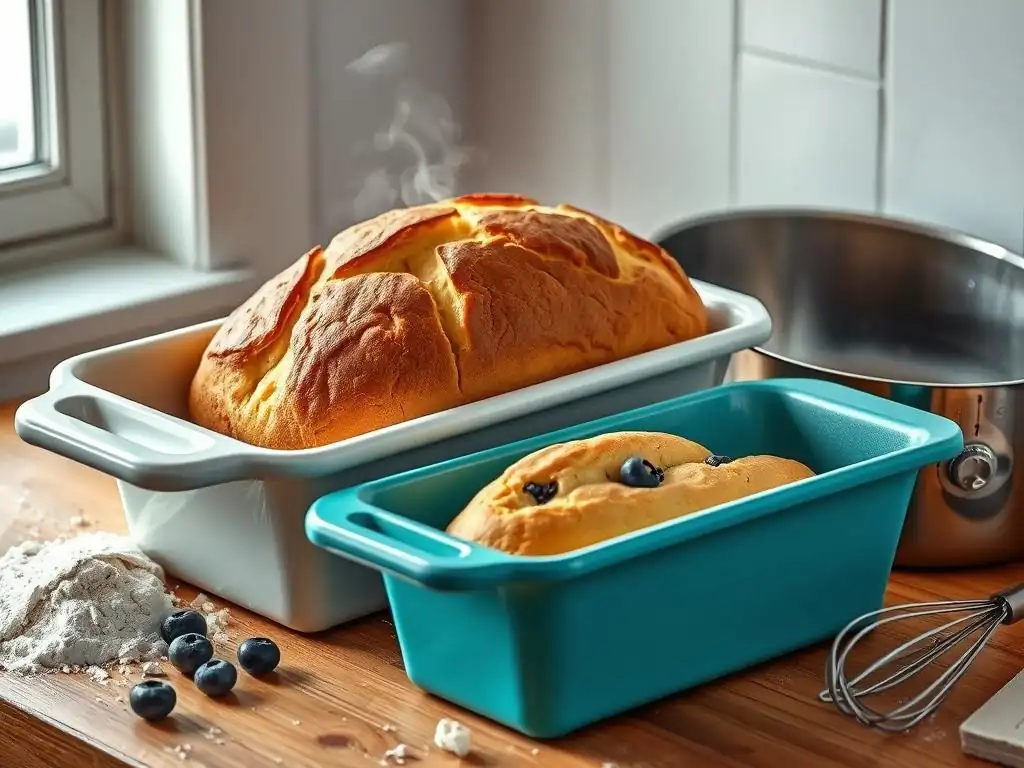
Ceramic loaf pans are often designed with aesthetic appeal in mind, featuring various colors, glazes, and decorative patterns. This makes them highly versatile, as they can go directly from the oven to the table, eliminating the need to transfer the loaf to a separate serving dish. This not only saves on cleanup but also presents your baked goods beautifully, making them ideal for potlucks, holidays, or any occasion where presentation is important.
Imagine baking a beautiful cranberry nut bread or a rustic sourdough loaf and being able to serve it directly in the attractive pan it was baked in. This dual functionality is a significant advantage for home bakers who enjoy entertaining. The attractive finish also typically provides a relatively non-reactive surface, meaning it won't impart any metallic taste to delicate batters, further enhancing its appeal for specific recipes.
Fragility and Potential for Cracking
Ceramic, while durable in some respects, is inherently fragile compared to metal. It is susceptible to chipping, cracking, or breaking if dropped or subjected to sudden impacts. Similar to glass, ceramic can also be prone to thermal shock, although some types are more resistant than others. Dropping a heavy bag of flour onto a ceramic pan in storage or placing a hot pan directly onto a cold, wet surface can easily lead to damage.
Caring for ceramic requires a bit more caution than with a sturdy metal pan. Storing them carefully to prevent bumps and avoiding extreme temperature changes are necessary steps to maintain their integrity. This potential for breakage means that while they are beautiful and functional, they might not be the best loaf pan material choice for a busy, high-volume bakery or a kitchen prone to accidents.
Higher Price Point
Generally speaking, ceramic loaf pans tend to be more expensive than standard metal or glass options. The materials and manufacturing processes involved in creating durable, glazed ceramic bakeware often result in a higher retail price. While the aesthetic appeal and versatility add value, the initial investment is typically greater.
A basic metal loaf pan might cost between $10-$20, while a comparable ceramic pan could range from $25-$50 or more depending on the brand and design. For bakers on a tight budget or those who need multiple pans for batch baking, the cost difference can be a significant factor. While a well-cared-for ceramic pan can last for years, the higher upfront cost is a disadvantage compared to the often more budget-friendly alternatives.
Metal Loaf Pans: The Workhorse for Optimal Crust
Advantages of Metal Loaf Pans
Rapid and Even Heat Conduction
Metal, particularly aluminum and steel, is an excellent conductor of heat. Metal loaf pans heat up very quickly when placed in a hot oven, transferring that heat efficiently to the batter or dough. This rapid heat transfer helps the loaf begin baking almost immediately, contributing to a good rise (oven spring) in yeast breads and ensuring quick bread batters set up properly. Different metals conduct heat at varying rates; aluminum is faster than steel, but steel is often used with coatings for durability and nonstick properties.
For instance, baking a loaf of white sandwich bread at 375°F (190°C) in a metal pan will result in a rapid initial rise and quick development of the outer structure. This efficiency in heat transfer makes metal pans a reliable choice for achieving consistent baking times based on recipes developed using standard metal bakeware, which is very common. The ability of metal to heat quickly and evenly is a key reason why it's often cited as the best loaf pan material for achieving a strong, well-defined crust.
Excellent Crust Development
The rapid and efficient heat transfer of metal pans is particularly beneficial for developing a desirable crust on your baked goods. The direct contact with the hot metal pan promotes browning and caramelization on the bottom and sides of the loaf. Darker metal pans absorb more radiant heat, enhancing this effect and resulting in a darker, crisper crust compared to shiny metal, glass, or ceramic.
Consider baking a rustic whole wheat bread; using a dark metal loaf pan at a relatively high temperature (like 400°F or 200°C initially) helps create that satisfyingly chewy and browned crust that is characteristic of artisan loaves. This crust development is a primary reason why many professional bakers favor metal pans, especially for yeast-leavened breads where a robust crust is desired. When debating the best loaf pan material for achieving a perfect crust, metal pans are often at the top of the list.
Durability and Longevity
Metal loaf pans, especially those made from steel or heavy-gauge aluminum, are incredibly durable and can withstand years of frequent use without breaking or cracking. They are less susceptible to damage from drops or impacts compared to glass or ceramic. While they might scratch or dent over time, this rarely affects their baking performance.
A well-maintained metal pan can last for decades, making it a cost-effective choice in the long run. Many older kitchens still have metal loaf pans that have been passed down through generations. Their robustness means they can handle the rigors of a busy kitchen, whether home or professional, without requiring the same level of delicate handling as other materials. This longevity contributes to metal being considered a highly practical and often the best loaf pan material for everyday baking.
Potential for Sticking
One of the most common challenges when using metal loaf pans, particularly those without a nonstick coating, is the potential for baked goods to stick. Batters and doughs can adhere firmly to the metal surface, making it difficult to remove the finished loaf cleanly without damaging it. This is especially true for moist or delicate recipes.
Forgetting to grease and flour a standard aluminum pan before adding batter can result in a loaf that is frustratingly stuck, requiring careful prying or even sacrificing some of the crust to get it out. While nonstick coatings help mitigate this issue, even they can wear down over time, reducing their effectiveness. This potential for sticking means that proper pan preparation is almost always necessary when using metal.
Requires Proper Preparation
Due to the potential for sticking, most metal loaf pans require careful preparation before use. This typically involves greasing the pan generously with butter, shortening, or baking spray, and often flouring it as well, especially for cakes and quick breads. For yeast breads or very sticky batters, lining the pan with parchment paper is often recommended or necessary.
This extra step adds a bit of time and effort to the baking process compared to some nonstick or glazed ceramic pans where minimal preparation might be sufficient. While it's a standard practice for many bakers, it's still a requirement that adds a layer of potential failure if not done correctly. Ensuring the pan is adequately greased and/or floured is critical for a successful release when using metal, making pan preparation a key consideration when deciding on the best loaf pan material for your needs.
Loaf Pan Material Comparison Chart: A Quick Reference
Comparing Glass, Ceramic, and Metal: Key Features
Let's look at the core characteristics side-by-side to understand the different loaf pan materials.
- Glass:
- Material: Tempered soda-lime or borosilicate glass.
- Heating: Heats slowly, retains heat very well.
- Visibility: Transparent, allows visual monitoring.
- Crust: Lighter, softer crust.
- Release: Generally good if greased, less prone to sticking than bare metal.
- Durability: Susceptible to thermal shock and breakage.
- Aesthetic: Standard clear or sometimes tinted glass.
- Ceramic:
- Material: Clay-based material fired at high temperatures, typically glazed.
- Heating: Heats slowly, retains heat very well.
- Visibility: Opaque.
- Crust: Even browning, can be gentle.
- Release: Good due to glaze, often requires light greasing.
- Durability: Susceptible to chipping and cracking, some thermal shock risk.
- Aesthetic: Available in various colors and designs, oven-to-table.
- Metal:
- Material: Aluminum, steel (carbon steel, stainless steel), often with nonstick coatings.
- Heating: Heats rapidly, conducts heat efficiently.
- Visibility: Opaque.
- Crust: Promotes strong browning, crispy crust (especially dark metal).
- Release: Requires significant greasing/flouring/lining if not nonstick; nonstick varies.
- Durability: Very durable, resistant to breakage, can dent or scratch.
- Aesthetic: Functional, typically grey or black.
Choosing the best loaf pan material often comes down to prioritizing these features based on your baking goals.
Heat Distribution & Baking Time Comparison
The way different loaf pan materials handle heat directly impacts how quickly and evenly your loaf bakes.
- Glass: Heats slowly, so the initial oven spring might be less vigorous than with metal. Once hot, it provides very even, radiant heat. Baking times are often 5-10 minutes longer than with metal pans at the same temperature (e.g., a recipe calling for 50 minutes in metal might need 55-60 in glass). This slower, steady heat is great for preventing domes and ensuring a uniform bake in dense batters.
- Ceramic: Similar to glass, ceramic heats slowly but retains heat exceptionally well. It provides consistent, gentle heat. Baking times are comparable to or slightly longer than glass, depending on the thickness of the ceramic. The even heat helps prevent hot spots and promotes uniform cooking throughout the loaf.
- Metal: Heats up very quickly and conducts heat efficiently. This rapid heat transfer contributes to excellent oven spring and rapid crust formation. Baking times are typically the shortest among the three materials for similar recipes baked at standard temperatures (e.g., 350°F/175°C to 375°F/190°C). Darker metal pans heat even faster and can result in quicker, darker browning, potentially requiring a slight reduction in oven temperature (e.g., by 25°F or 15°C) or baking time compared to shiny metal pans to prevent over-browning.
Understanding these differences is key to adapting recipes or knowing what results to expect from your chosen pan material. For consistent results, many bakers stick to one type of pan material for specific recipes once they've found the optimal loaf pan material for that bake.
Durability and Maintenance
The lifespan and care requirements vary significantly between glass, ceramic, and metal loaf pans.
- Glass:
- Durability: Moderate. Durable for everyday use if handled carefully, but prone to breaking from drops or thermal shock. Expected lifespan can be many years with proper care.
- Maintenance: Easy to clean, generally non-reactive. Avoid extreme temperature changes. Dishwasher safe.
- Ceramic:
- Durability: Moderate. More prone to chipping and cracking than metal, some risk of thermal shock. Lifespan depends heavily on care.
- Maintenance: Easy to clean due to glaze, generally non-reactive. Hand washing is often recommended to preserve the glaze. Avoid abrasive scrubbers. Avoid sudden temperature changes.
- Metal:
- Durability: High. Very resistant to breakage, dents and scratches are possible but usually don't affect performance. Can last for decades.
- Maintenance: Can require more effort to clean if sticking occurs. Bare metal can rust if not dried properly. Nonstick coatings require gentle cleaning to avoid scratching. Some bare metal pans (like cast iron, though less common for standard loaf pans) might require seasoning. Most are hand-wash recommended to preserve finishes.
When considering the best loaf pan material for your kitchen, factoring in how much care you're willing to put in for cleaning and storage, as well as the pan's longevity, is important. Metal generally offers the most resilience, while glass and ceramic require more mindful handling.
Best Uses for Each Loaf Pan Material: Recipe Matching
When to Choose Glass
Glass loaf pans are an excellent choice for recipes that benefit from even, gentle heating and where visual monitoring is helpful. They are particularly well-suited for quick breads like banana bread, zucchini bread, or pumpkin bread, as the slower, steady heat helps the interior bake through without the exterior burning, though they can sometimes lead to a slightly heavier bottom crust if not greased well.
Glass is also a good option for baked goods that you want to serve directly from the pan due to its often attractive appearance, though ceramic usually wins in the aesthetic department. For recipes like meatloaf or bread pudding, where even internal cooking and heat retention for serving are beneficial, glass performs admirably. If you're a baker who likes to see exactly how the bottom and sides of your loaf are browning, glass is definitely the optimal loaf pan material for that visual feedback.
When to Choose Ceramic
Ceramic loaf pans are ideal for recipes where presentation is as important as the bake itself. Their attractive finishes make them perfect for oven-to-table serving, such as baking a decorative holiday bread, a savory cheese loaf, or even a layered casserole that fits in a loaf pan shape. Like glass, ceramic provides even, gentle heat, which is beneficial for delicate batters or dishes that require thorough cooking without intense crust development.
They are also a good choice for recipes where you want a relatively easy release due to the smooth glaze, assuming proper greasing is still applied. Consider using ceramic for sweet quick breads, cornbread, or even small gratins. If you're baking for guests or simply enjoy serving straight from a beautiful dish, ceramic can be the best loaf pan material to elevate your presentation.
When to Choose Metal
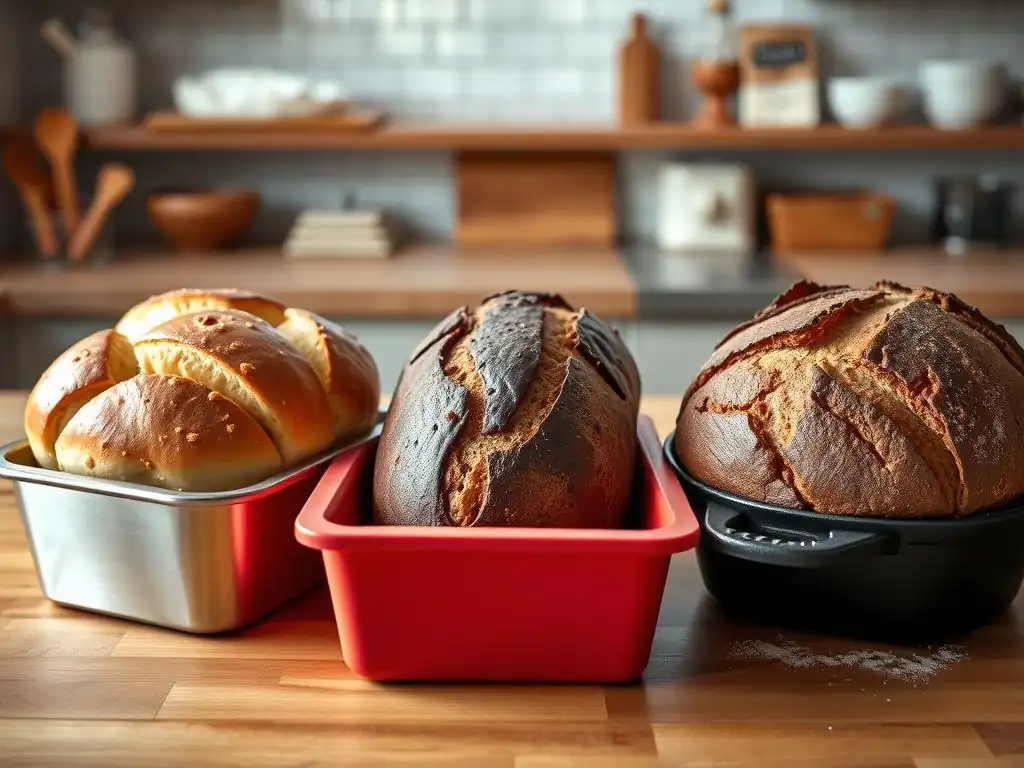
Metal loaf pans, especially those with a dark or nonstick finish, are the go-to for recipes where a well-developed, golden-brown crust is desired. They are the traditional choice for yeast breads, such as sandwich loaves, challah, or brioche, where the rapid heat transfer promotes excellent oven spring and a sturdy crust structure. Dark metal pans are particularly effective for achieving deep browning.
Metal pans are also highly versatile for quick breads, though you might need to adjust temperature slightly to prevent over-browning compared to lighter pans. Recipes requiring high heat, like certain artisan breads, are best suited for metal due to its durability and ability to withstand high temperatures without risk of thermal shock. For the baker who prioritizes a strong crust and efficient baking time, metal is often considered the best loaf pan material. Nonstick metal pans are also popular for their convenience with sticky batters like fruitcakes or dense brownies, reducing the need for heavy greasing.
Tips for Using Each Type of Loaf Pan
Preventing Sticking in Metal Loaf Pans
Preventing sticking in metal loaf pans is crucial for a clean release and a perfect-looking loaf. For most quick breads and cakes, a thorough greasing and flouring is the standard method. Use softened butter or shortening to grease all interior surfaces, getting into the corners. Then, add a tablespoon or two of flour, tilt and tap the pan to coat evenly, and tap out any excess.
Grease pan -> Add flour -> Tap to coat -> Tap out excess
For sticky batters or yeast breads, lining the pan with parchment paper is often the most reliable method. Cut a strip of parchment paper to fit the length of the pan and hang over the sides, creating "handles" to lift the finished loaf out. You can also cut two pieces to fit the bottom and ends. Even with nonstick pans, light greasing can provide extra insurance, especially for very sugary or dense recipes.
Adapting Baking Times for Glass Loaf Pans
When using a glass loaf pan instead of metal, be prepared to potentially increase your baking time. Because glass heats more slowly and retains heat longer, a recipe designed for metal might finish faster than in glass. A general rule of thumb is to add 5-10 minutes to the baking time recommended for a metal pan, especially for quick breads baked at moderate temperatures (e.g., 325°F-350°F or 160°C-175°C).
It's also wise to reduce the oven temperature by about 25°F (15°C) when using glass, particularly for recipes with longer baking times or those prone to over-browning. For example, if a recipe calls for baking at 375°F (190°C) in a metal pan for 45 minutes, you might try 350°F (175°C) in a glass pan and check for doneness starting around 45-50 minutes. Always rely on visual cues (golden brown crust, pulling away from sides) and internal temperature (around 200°F/93°C for quick breads, 190°F/88°C for yeast breads) to confirm doneness, rather than strictly adhering to the recipe time.
Maintaining Ceramic Loaf Pans
Caring for ceramic loaf pans involves protecting their glazed surface and avoiding thermal shock. Always allow the pan to cool down gradually after removing it from the oven before washing. Never plunge a hot ceramic pan into cold water. For cleaning, warm soapy water and a soft sponge are usually sufficient. Avoid using abrasive scrubbers or steel wool, which can scratch the glaze and reduce its nonstick properties.
If food is stuck, soak the pan in warm, soapy water to loosen debris before gently cleaning. While some ceramic bakeware is dishwasher safe, hand washing is often recommended to preserve the finish and prevent potential chipping in a crowded dishwasher. Store ceramic pans carefully to prevent them from knocking against other heavy items, which could cause chips or cracks. Proper maintenance ensures your beautiful ceramic pan remains both functional and attractive for many bakes to come.
Extending the Life of Your Loaf Pans: Care and Maintenance
Cleaning and Storing Glass Loaf Pans
Maintaining glass loaf pans is relatively simple, but requires attention to prevent breakage. After use, allow the pan to cool completely before washing. Wash with warm, soapy water and a non-abrasive sponge or cloth. Baked-on residue can usually be removed by soaking or using a baking soda paste. Avoid using sharp utensils or harsh scouring pads that could scratch the surface.
Glass pans are typically dishwasher safe, which is convenient. When storing, stack them carefully, perhaps placing a cloth or paper towel between pans to prevent scratching or chipping, especially around the rims. Store them in a place where they are unlikely to be dropped or knocked over. Avoiding sudden temperature changes during both baking and cleaning is the most critical factor in extending the life of your glass bakeware.
Caring for Ceramic Loaf Pans
Caring for ceramic loaf pans focuses on protecting the glaze and preventing physical damage. Allow the pan to cool before washing. Use warm, soapy water and a soft sponge or cloth for cleaning. Avoid abrasive cleaners, steel wool, or sharp metal utensils that can scratch the surface. For stubborn baked-on food, soak the pan in warm, soapy water.
While some ceramic pans are labeled dishwasher safe, hand washing is often preferred to maintain the glaze's appearance and integrity over time. Ensure pans are thoroughly dry before storing to prevent any potential moisture issues with the ceramic body (though less common with glazed finishes). Store ceramic pans carefully, avoiding stacking heavy items on top of them or storing them in a way where they can easily chip or break. Treat them gently to ensure they last.
Maintaining Metal Loaf Pans
Metal loaf pans, while durable, require specific care to prevent rust, preserve coatings, and ensure longevity. For bare aluminum or steel pans (not nonstick), hand wash with warm, soapy water. Dry immediately and thoroughly, as metal is prone to rust, especially around seams. Some bare metal pans, like carbon steel (though less common for standard loaf pans), might benefit from occasional seasoning.
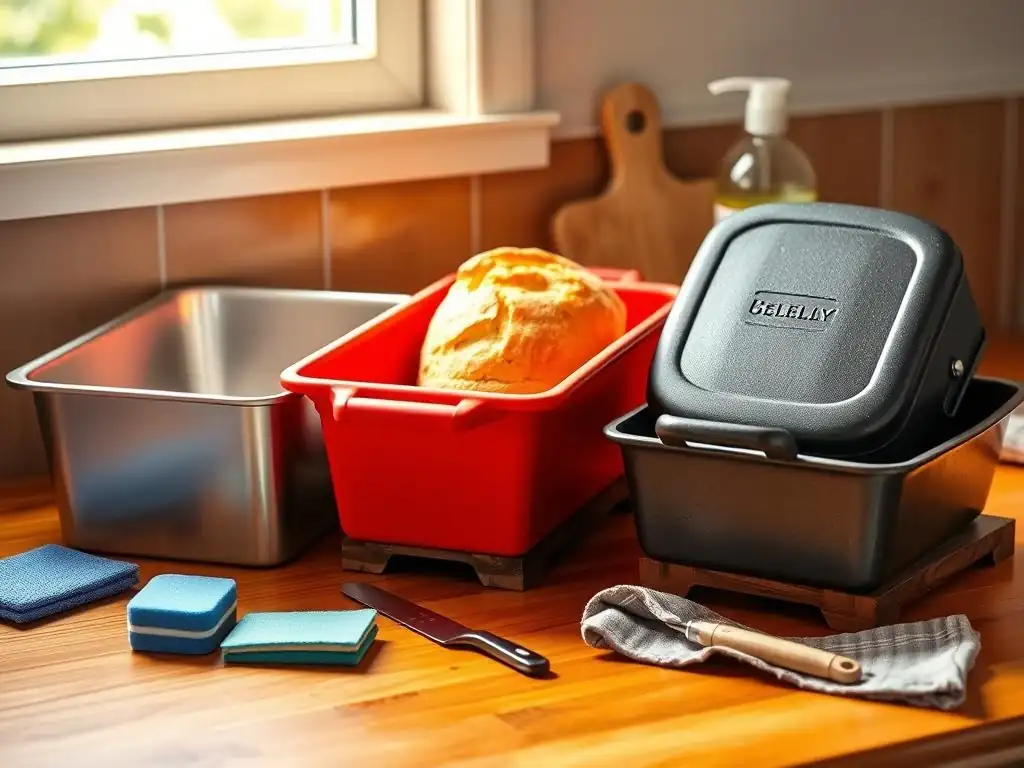
For nonstick metal pans, use warm, soapy water and a soft sponge. Avoid abrasive scrubbers or metal utensils, which will damage the nonstick coating. Nylon or silicone utensils are recommended during baking. While some nonstick pans are dishwasher safe, hand washing is generally recommended to extend the life of the coating, as harsh dishwasher detergents can degrade it over time. Avoid extremely high temperatures (above 450°F/230°C) with some nonstick finishes, as this can damage the coating. Proper cleaning and drying are key to maintaining the best loaf pan material for durability.
Expert Recommendations: The Best Loaf Pan Material for Banana Bread
Banana bread, being a moist and often dense quick bread, is a popular test case for loaf pans. While personal preference plays a significant role, based on material properties, a few recommendations emerge. For a classic banana bread with a moist interior and a moderately browned crust, a dark metal pan is often considered the best loaf pan material. Its efficient heat transfer helps ensure the center cooks through without resulting in a gummy layer, and promotes a nice, firm bottom and side crust. Remember to grease and flour it well, or use parchment paper!
Alternatively, if you prefer a slightly softer crust and are willing to potentially bake for a few extra minutes, a glass pan can also produce excellent banana bread, allowing you to visually track its progress. Ceramic is a good choice if you plan to serve the banana bread directly from the pan, offering even baking and beautiful presentation. Ultimately, the best loaf pan material for your banana bread might be the one you've used successfully before and are comfortable with, perhaps slightly adjusting temperature or time based on the material's characteristics.
Best Loaf Pan for Beginners
For beginners, a nonstick metal loaf pan is often recommended as the best loaf pan material. The nonstick coating significantly reduces the risk of sticking, making pan preparation easier and ensuring a clean release of the finished loaf. Metal also heats efficiently, which is helpful when following recipes that assume standard metal bakeware and times.
While nonstick coatings require careful cleaning (no metal utensils! ), they offer a forgiving experience for those new to baking loaves. A standard 9x5 inch nonstick metal pan is versatile enough for most quick breads and many yeast bread recipes, providing a reliable starting point for building baking confidence. It minimizes common frustrations like stuck loaves, allowing beginners to focus on the mixing and baking process itself.
Top Loaf Pan Pick for Professional Bakers
Professional bakers often prioritize consistency, control, and durability. For many, heavy-gauge bare or anodized aluminum or carbon steel metal loaf pans are the top pick. These materials provide excellent, predictable heat conductivity, allowing for precise control over crust development and overall bake. While they require diligent greasing/flouring or parchment lining, professionals are adept at these techniques.
The robustness of heavy metal pans means they can withstand frequent use in a busy environment and higher baking temperatures. They offer superior crust development, which is often a key characteristic in professional-quality breads. While nonstick is convenient for some applications, the ultimate control over browning and the long-term durability of traditional metal often make it the best loaf pan material for professional use, despite the extra preparation required.
Making the Right Choice: Selecting Your Ideal Loaf Pan
Consider Your Baking Style and Needs
When choosing the best loaf pan material for you, think about what you bake most often and what results you value. Are you primarily baking moist quick breads and prioritizing a soft, even crumb? Glass or ceramic might be appealing. Do you love baking crusty artisan-style yeast breads? Metal will likely be your preference for that golden, firm crust. Do you bake frequently and need a pan that can withstand heavy use? Metal's durability is a major plus.
Also consider your comfort level with pan preparation and potential temperature adjustments. If you want the easiest release, a good quality nonstick metal or a well-glazed ceramic pan might be ideal. If you enjoy the science of baking and adapting recipes, any material can work, but understanding their properties is key. Reflecting on your personal baking habits and desired outcomes is the first step in selecting the optimal loaf pan material.
Budget and Usage Frequency
Your budget and how often you plan to use the pan should also influence your decision. Standard metal loaf pans are typically the most budget-friendly option, making them accessible for beginners or those who only bake loaves occasionally. Nonstick metal pans are slightly more expensive but offer added convenience. Glass pans fall into a similar mid-range price point.
Ceramic pans are generally the most expensive upfront investment. If you bake loaves frequently, investing in a durable, high-quality pan that suits your primary baking needs (whether that's a heavy-duty metal pan or a beautiful ceramic one) might be worthwhile. If you bake less often, a more economical metal or glass pan might be sufficient. Consider the long-term value – a durable metal pan might cost less initially and last longer than a ceramic pan that is more prone to accidental breakage.
Final Thoughts: Enjoy Your Baking Journey.
Choosing the best loaf pan material isn't about finding a single "perfect" pan for everyone, but rather finding the pan that best suits your baking style, needs, and the types of recipes you love to make. Each material – glass, ceramic, and metal (including nonstick variations) – offers unique advantages and disadvantages that impact the baking process and the final result.
Experimenting with different materials can be a fun part of the baking journey. Perhaps start with a versatile metal pan, add a glass pan for quick breads you want to monitor visually, or invest in a beautiful ceramic pan for special occasion loaves. No matter which material you choose, understanding its properties and how to properly prepare and care for it will help you achieve delicious results. Happy baking!
Frequently Asked Questions
What are the main types of loaf pan materials compared in the article?
The article compares three main types of loaf pan materials: non-stick, silicone, and metal. Each offers different advantages and disadvantages for baking.
Which loaf pan material is best for even browning?
Metal loaf pans are generally considered the best for achieving even browning due to their excellent heat conductivity. This ensures a uniformly golden crust.
Are silicone loaf pans good for beginners?
Yes, silicone loaf pans can be a good option for beginners because they are easy to clean and offer easy release of baked goods.
Is a non-stick loaf pan always the best choice?
Not necessarily. While non-stick loaf pans are convenient, their non-stick coating can degrade over time, potentially affecting baking results and food safety.
Which loaf pan material is the most durable and long-lasting?
Metal loaf pans, particularly those made of heavy-gauge aluminum or stainless steel, are typically the most durable and can last for many years with proper care.
Final Reflection: The Perfect Loaf, the Perfect Pan
The quest for the perfect loaf begins with the perfect pan, and the choice of material significantly impacts the final result. Choosing the right loaf pan isn't just about aesthetics; it's about achieving that golden-brown crust, effortless release, and even baking every single time. This exploration into the world of non-stick, silicone, and metal loaf pans highlights the crucial role material plays in baking success.
The impact of this seemingly simple choice extends far beyond the kitchen table. It speaks to our desire for efficiency, consistency, and ultimately, the joy of creating something delicious. Baking is at once child's play and adult joy. And love, of course.
This quote perfectly encapsulates the emotional connection we have with baking, and the right tools – like the perfect loaf pan – can elevate that experience significantly. The ongoing search for the "best" material reflects our constant striving for improvement and perfection in even the simplest of tasks.
So, as you consider your next baking project, remember the lessons learned here. Don't just grab the first pan you see; consider the properties of each material and how they might influence your baking journey. Choose wisely, and may your loaves always rise to the occasion! Embrace the experimentation, learn from each bake, and discover the pan that best suits your baking style and desired outcome. The perfect loaf awaits.
Unleash Your Inner Baker: Level Up Your Loaf Pan Game!
Thanks for taking the time to explore the world of loaf pans with us! We hope you now feel confident in choosing the perfect pan for your next baking adventure. Ready to put your newfound knowledge to the test?
- Bake your dream loaf: Choose your favorite recipe and try it out using your newly-selected loaf pan. See the difference!
- Share your baking triumph (or even your baking bloopers!): Post a picture of your creation on social media and tag us! We'd love to see your results.
- Explore more BakeWithEase guides: Dive deeper into other baking techniques and recipes on our website for even more baking inspiration.
What delicious loaf will you bake first?