
The Impact of Quality Chocolate on Baked Goods Texture and Flavor

Welcome to BakeWithEase, your haven for all things baking!
Ever wondered how to elevate your baked creations from good to extraordinary? Dive into the secrets of high quality chocolate baking and discover how choosing the right chocolate transforms both the texture and flavor of your favorite treats. Prepare to unlock a new level of deliciousness – the journey begins now!
- The Impact of High-Quality Chocolate on Baked Goods Texture and Flavor
- Understanding High-Quality Chocolate Baking: A BakeWithEase Guide
- How High-Quality Chocolate Transforms Baked Goods
- Choosing the Right High-Quality Chocolate for Baking: A Step-by-Step Guide
- Improving Baked Goods Texture with High-Quality Chocolate
- Elevating Flavor Profiles in Baked Goods Using Quality Chocolate
- Real-World Examples: High-Quality Chocolate Recipes from BakeWithEase
- Conclusion: The Investment in Quality Chocolate for Exceptional Baking.
-
Frequently Asked Questions
- How does the quality of chocolate impact the texture of my baked goods?
- Why is using high-quality chocolate important for achieving the best flavor in my baking?
- What are some key characteristics to look for when choosing high-quality chocolate for baking?
- Can using high-quality chocolate actually make a noticeable difference in simple recipes like chocolate chip cookies?
- Is it worth the extra cost to invest in high-quality chocolate for baking?
- Final Reflection: The Enduring Allure of High-Quality Chocolate in Baking
- Unleash Your Inner Chocolatier: Elevate Your Baking!
The Impact of High-Quality Chocolate on Baked Goods Texture and Flavor
Understanding High-Quality Chocolate Baking: A BakeWithEase Guide
Choosing the right ingredients is paramount in baking, and few ingredients have as profound an impact as chocolate. When we talk about high quality chocolate baking, we're not just discussing a luxury; we're talking about a fundamental component that dictates both the structural integrity and the sensory experience of your finished product. Unlike compound coatings or lower-grade chocolates that may contain vegetable oils or artificial flavors, high-quality chocolate relies on pure cocoa butter and fine cocoa solids, leading to superior melting properties and a richer, more authentic taste.
Using high quality chocolate in your baking endeavors elevates everything from simple chocolate chip cookies to complex multi-layered cakes. The difference is noticeable not only in the intense, nuanced flavor but also in how the chocolate behaves during baking. Its stability, melt point, and interaction with other ingredients like flour, sugar, and fats contribute significantly to the desired texture – think fudgy brownies, moist cakes, and perfectly crisp-chewy cookies. This guide from BakeWithEase will explore why making the switch to premium chocolate is a worthwhile investment for any home baker looking to achieve exceptional results.
How High-Quality Chocolate Transforms Baked Goods
The Science Behind Chocolate and Baking
At its core, chocolate is a complex substance involving cocoa solids, cocoa butter, sugar, and sometimes milk solids and lecithin. High-quality chocolate is distinguished by a higher proportion of cocoa solids and, crucially, pure cocoa butter. Cocoa butter is a unique fat with specific crystalline structures that dictate how chocolate melts and sets.
During baking, this cocoa butter interacts with other fats and starches in the recipe. In a brownie, for example, the cocoa butter from melted chocolate contributes to the fat network, influencing fudginess. A higher percentage of cocoa solids often means a higher percentage of cocoa butter (relative to sugar), leading to a firmer set and richer texture compared to chocolates with lower cocoa content or added vegetable oils.
Furthermore, the proteins and starches within the cocoa solids themselves play a role. When heated, these components undergo chemical changes that contribute to the structure and color of the baked good. The quality of the cocoa beans and their processing (roasting, grinding, conching) directly affects the flavor compounds present. Inferior chocolate might contain off-flavors from poor processing or lower-grade beans, which become even more pronounced when concentrated during baking. Using high quality chocolate ensures these complex flavor notes are pure and robust, enhancing the overall taste experience without unwanted bitterness or flatness.
The flavor of chocolate is incredibly complex, with hundreds of aromatic compounds. High-quality chocolate, particularly those labeled as "single-origin" or made from fine flavor cocoa beans, offers a depth and variety of flavor that mass-produced chocolate simply cannot match. Consider a chocolate made from beans from Madagascar, which might have bright, fruity notes, or one from Ecuador, known for its floral aromas.
These nuances translate directly into your baked goods. A simple chocolate lava cake made with a premium 70% dark chocolate will taste profoundly different – richer, less sugary, with a more complex finish – than one made with standard baking chips.
Beyond the origin, the conching process, where chocolate is smoothed and refined, significantly impacts flavor development. High-quality chocolate undergoes longer conching, which reduces bitterness and develops desirable flavors. The balanced ratio of cocoa solids to sugar in quality chocolate also means the chocolate flavor is more prominent and less masked by sweetness. This allows the true character of the chocolate to shine through, adding layers of depth to everything from rich chocolate mousses to delicate chocolate pastries, making high quality chocolate baking a pursuit of exceptional taste.
Choosing the Right High-Quality Chocolate for Baking: A Step-by-Step Guide
Selecting the perfect chocolate is key to successful high quality chocolate baking. It's not just about grabbing the first bar labeled "baking chocolate." Understanding the different types and their characteristics is crucial for achieving desired results in both texture and flavor.
Step 1: Identifying Different Types of High-Quality Chocolate
Knowing the common types of chocolate used in baking helps you predict their behavior and flavor contribution.
-
Unsweetened Chocolate (100% Cacao):
This is pure chocolate liquor, containing only cocoa solids and cocoa butter, with no added sugar. It is intensely bitter and is primarily used in recipes where a deep, unsweetened chocolate flavor is desired and the sugar is added separately in the recipe (like in many classic brownie or cake recipes). Its high cocoa butter content contributes to richness and structure.
Because it contains no sugar, unsweetened chocolate provides the most concentrated chocolate flavor base. It's essential for recipes where you control the sweetness precisely, allowing the pure cocoa notes to dominate. When melted, it's very fluid due to the high cocoa butter percentage, which integrates smoothly into batters and doughs, providing structure upon cooling.
-
Bittersweet Chocolate (70-85% Cacao):
This dark chocolate contains a high percentage of cocoa solids and cocoa butter, with moderate sugar content. The exact percentage varies by brand but typically falls within this range. It offers a robust, complex chocolate flavor that is less sweet than semisweet.
Bittersweet chocolate is versatile, suitable for everything from ganaches and mousses to cookies and cakes. Its higher cocoa content contributes to a more intense flavor and often results in a fudgier texture in baked goods like brownies compared to chocolates with less cocoa solids. The higher cocoa butter content also gives it a beautiful sheen when melted and cooled properly.
-
Semisweet Chocolate (60-70% Cacao):
Slightly sweeter than bittersweet, semisweet chocolate remains a popular choice for baking. It contains a significant amount of cocoa solids but with more added sugar than bittersweet varieties. This results in a balanced flavor that is distinctly chocolatey but less intense than higher-percentage dark chocolates.
Semisweet chocolate is excellent for chocolate chips, melting into sauces, or adding a classic chocolate flavor to cookies and cakes. Its balance of sweetness and cocoa makes it a reliable workhorse in many recipes. While its cocoa butter content is lower than higher-percentage dark chocolates, quality semisweet still performs well, melting smoothly and contributing good flavor.
-
Milk Chocolate (30-45% Cacao):
Milk chocolate contains cocoa solids, cocoa butter, sugar, and milk solids. It is significantly sweeter and has a creamier texture and milder chocolate flavor than dark chocolate.
While less common in recipes requiring intense chocolate flavor or structural integrity (like ganache or fudgy brownies), milk chocolate is perfect for applications where its sweetness and creaminess are desired, such as certain cookies, fillings, or as a topping. High-quality milk chocolate will have a smooth melt and rich dairy notes, unlike lower grades that can taste waxy or overly sugary.
-
White Chocolate:
Technically not chocolate in the traditional sense as it contains no cocoa solids, white chocolate is made from cocoa butter, sugar, milk solids, and vanilla. Quality white chocolate relies on a high percentage of real cocoa butter (ideally 30% or more) for its smooth texture and rich flavor.
White chocolate is used for its sweet, creamy, vanilla notes and its ability to complement other flavors like berries or citrus. It's perfect for white chocolate macadamia nut cookies, creamy fillings, or drizzling. The quality of the cocoa butter is paramount; low-quality white chocolate often tastes waxy and lacks the characteristic smooth melt.
Step 2: Assessing Cocoa Percentage and its Influence
The cocoa percentage listed on a chocolate bar or package indicates the total proportion of ingredients derived from the cocoa bean – this includes both cocoa solids and cocoa butter. This number is a crucial indicator of the chocolate's intensity and how it will behave in your baking. A higher percentage generally means more intense chocolate flavor, less sugar, and a higher proportion of cocoa butter relative to sugar. For instance, using a 70% dark chocolate instead of a 50% semisweet will yield a less sweet, more profoundly chocolatey result.
Moreover, the cocoa percentage impacts texture. Chocolate with a higher cocoa butter content (often correlating with higher cocoa percentages) provides structure and richness. When melted into a batter, the cocoa butter solidifies as the baked good cools, contributing to density and fudginess, particularly noticeable in brownies and dense cakes. Conversely, chocolates with lower cocoa percentages have more sugar, which can lead to softer textures but also potentially graininess if overheated. Understanding this relationship is vital for successfully incorporating high quality chocolate into your favorite recipes.
Step 3: Considering Origin and Bean-to-Bar Differences
Just like coffee or wine, the origin of the cocoa beans significantly influences the flavor profile of the finished chocolate. High-quality chocolate producers often highlight the origin of their beans (e.g., single-origin from Ghana, Peru, or Vietnam), each offering distinct characteristics. For example, chocolates from Venezuela might carry nutty or caramel notes, while those from the Dominican Republic could have earthy or even tobacco undertones. Exploring these origins allows bakers to add specific flavor dimensions to their creations, moving beyond generic "chocolate" taste.
"Bean-to-bar" is another term associated with premium chocolate, indicating that the producer controls the entire process from sourcing raw cocoa beans to making the finished bar. This level of control often results in higher quality due to careful selection of beans, precise roasting, and expert conching. While not always necessary for home baking, understanding that the quality of the bean and the care in processing directly impacts the final flavor helps appreciate why some chocolates are considered superior for high quality chocolate baking and how their unique characteristics can elevate your baked goods.
Improving Baked Goods Texture with High-Quality Chocolate
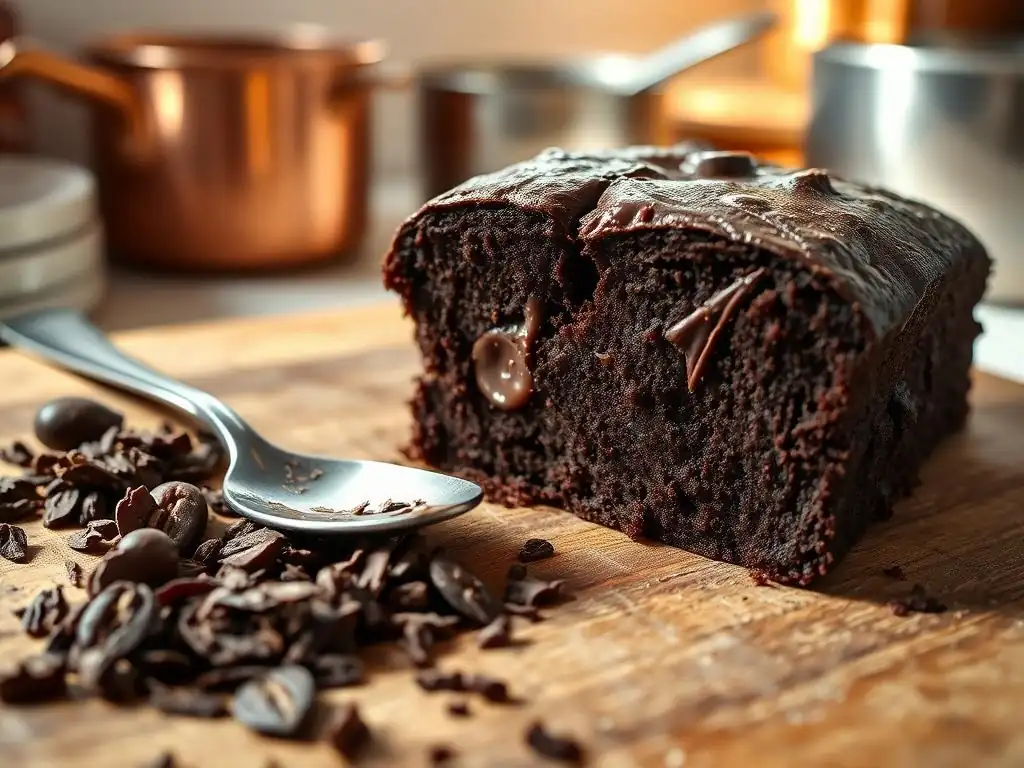
The texture of baked goods is just as important as flavor, and high-quality chocolate plays a significant role in achieving desirable results. The pure cocoa butter content and finely ground cocoa solids in premium chocolate contribute to structural integrity and mouthfeel in unique ways.
Achieving a Fudgy Texture in Brownies
The secret to truly fudgy brownies often lies in the amount and quality of the chocolate used. Recipes calling for melted chocolate rather than just cocoa powder tend to be fudgier because the cocoa butter from the melted chocolate adds richness and structure that cocoa powder alone cannot provide. Using a high-quality dark chocolate (like 70-80% cacao) with a good proportion of cocoa butter is key. When this chocolate melts into the batter and then cools, the cocoa butter solidifies, creating a dense, moist, and intensely fudgy texture that snaps slightly on the outside but remains soft within.
Lower-quality chocolates, especially those containing vegetable oils instead of pure cocoa butter, will not provide the same structural network upon cooling. This often results in brownies that are either too cakey, greasy, or simply lack that signature dense, fudgy bite. The interaction of the melted high quality chocolate with the eggs and sugar in the recipe creates a stable emulsion that contributes to the desirable chewiness and moisture retention, making premium chocolate an indispensable ingredient for achieving brownie perfection.
While fat from butter and oil is crucial for cake moisture, the cocoa butter from melted high-quality chocolate also contributes significantly. In chocolate cakes, particularly those that use melted chocolate alongside cocoa powder, the cocoa butter adds richness and helps create a tender crumb. The higher proportion of cocoa butter in quality dark chocolate integrates smoothly into the batter, helping to coat the flour particles and prevent dryness.
Furthermore, the finely ground cocoa solids in premium chocolate distribute more evenly through the batter than coarser, lower-quality alternatives. This even distribution contributes to a more uniform texture throughout the cake. Recipes like a classic chocolate layer cake or a rich chocolate pound cake benefit immensely from the inclusion of melted high quality chocolate, resulting in a moister, more tender crumb and a deeper, more satisfying texture compared to cakes relying solely on cocoa powder.
Chocolate chips or chunks are often the star of a cookie, and their quality impacts texture as much as flavor. High-quality chocolate chips or chopped chocolate with a good percentage of cocoa butter melt beautifully during baking. As the cookie cools, this melted chocolate re-solidifies, creating pockets of rich, firm chocolate that contribute to the cookie's overall texture – think about the satisfying bite into a chunk of solid chocolate within a chewy cookie.
Chocolate with a higher cocoa butter content will melt more smoothly and set more firmly than chocolate with lower cocoa butter or added vegetable fats. This results in defined pockets of chocolate rather than a greasy smear. For recipes like double chocolate chip cookies, using high quality chocolate for both the base dough (often melted chocolate) and the chips ensures a rich, slightly crisp edge and a chewy, moist center with distinct, delightful chocolate pockets, showcasing the best of high quality chocolate baking.
Elevating Flavor Profiles in Baked Goods Using Quality Chocolate
Flavor is perhaps the most immediate and noticeable difference when using high-quality chocolate in baking. The depth, complexity, and purity of taste are unparalleled, transforming simple recipes into extraordinary culinary experiences.
Deeper Chocolate Flavor in Cakes
A chocolate cake made with premium chocolate has a flavor profile that is far more nuanced than one made with standard cocoa powder or lower-grade chocolate. High-quality dark chocolate, for instance, brings forward notes that can range from fruity and floral to earthy and nutty, depending on the bean origin and processing. When melted into the batter, these complex flavors infuse the entire cake, creating a richness that is deep and satisfying, not just generically sweet.
Consider a devil's food cake or a flourless chocolate cake. In these recipes, chocolate is the star ingredient. Using a fine 72% dark chocolate allows the inherent bitterness and complex cocoa notes to balance the sweetness of the cake, resulting in a sophisticated flavor that lingers beautifully. This depth is simply unattainable with chocolates that lack the concentration of fine cocoa solids and the careful development of flavor compounds found in high quality chocolate.
Chocolate chip cookies are a perfect example of how quality chocolate elevates flavor. While the dough provides a base, the chocolate chips or chunks are the bursts of intense flavor. Using high-quality chocolate chips or chopping up a premium bar means you get distinct pockets of rich, flavorful chocolate throughout the cookie. A cookie made with excellent semisweet or dark chocolate chips will have a more complex, less sugary chocolate taste compared to one made with standard chips that might contain less cocoa butter and more sugar or stabilizers.
Furthermore, the melting properties of quality chocolate ensure that the flavor is released smoothly as you chew. The pure cocoa butter melts cleanly at body temperature, allowing the true taste of the chocolate to shine without a waxy mouthfeel. This makes each bite of a high quality chocolate baking cookie a truly delightful experience, showcasing the pure, unadulterated taste of fine cocoa.
Perfecting Ganache with High-End Chocolate
Ganache, a simple mixture of chocolate and cream, is perhaps the most telling test of chocolate quality. With only two main ingredients, the flavor of the chocolate is front and center. Using high-quality chocolate with a high percentage of cocoa butter results in a ganache that is smooth, glossy, and intensely flavorful. The cocoa butter creates a stable emulsion with the cream, resulting in a luxurious texture that sets beautifully, whether used as a glaze, filling, or truffle base.
The flavor complexity of premium chocolate truly shines in ganache. A ganache made with a single-origin dark chocolate will carry the specific flavor notes of that origin, adding an extra layer of sophistication to pastries, cakes, or tarts. Lower-quality chocolate can result in a grainy or greasy ganache that lacks depth and purity of flavor. For any recipe where ganache is key, investing in the best high quality chocolate is non-negotiable for achieving perfect texture and exquisite taste.
Real-World Examples: High-Quality Chocolate Recipes from BakeWithEase
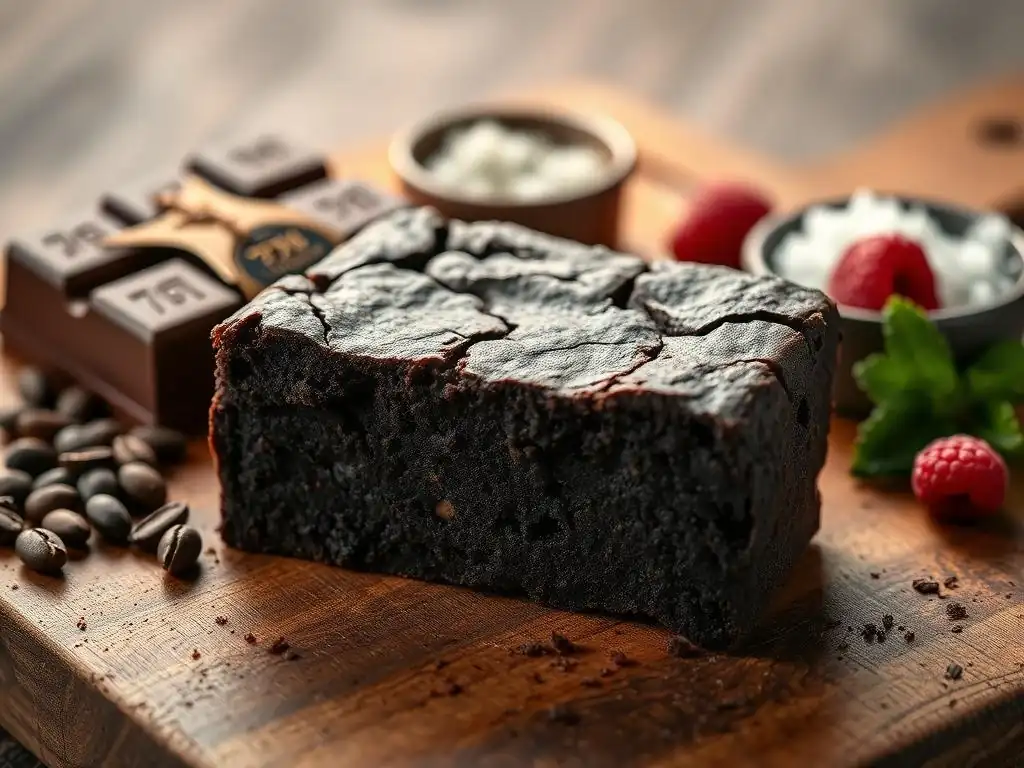
At BakeWithEase, we often feature recipes designed to highlight the incredible impact of using high-quality chocolate. These recipes aren't just about following steps; they're about experiencing the difference that premium ingredients make.
BakeWithEase's Signature Chocolate Cake Recipe
Our signature chocolate cake recipe is a prime example. It calls for a specific percentage of high-quality dark chocolate to be melted into the batter alongside cocoa powder. This combination ensures a deep, complex chocolate flavor that isn't overly sweet.
The cocoa butter from the melted chocolate contributes significantly to the cake's incredibly moist and tender crumb. We recommend using a chocolate with 70-75% cacao from a reputable brand, as this range provides the perfect balance of bitterness to counteract the sugar, yielding a sophisticated flavor and a wonderfully rich texture that stays moist for days. It's a true testament to the power of high quality chocolate baking.
The structure of this cake relies partly on the melted chocolate. As the cake bakes and then cools, the cocoa butter solidifies, helping to create a fine, even crumb structure that resists crumbling. This interaction between the fat from the chocolate and the flour creates a tender mouthfeel that is distinctly different from cakes made solely with cocoa powder and butter. The intense chocolate flavor is the main highlight, a direct result of using premium chocolate with robust cocoa notes.
Our double chocolate chip cookie recipe is another favorite that showcases quality chocolate. This recipe incorporates melted dark chocolate into the dough itself, in addition to generous chunks of high-quality chocolate mixed in. Using a 60-65% dark chocolate for melting provides a rich, dark base flavor for the cookie. The chunks are where you can really play with flavor and texture; we often suggest using a mix of semisweet and bittersweet chopped chocolate or high-quality chips.
When baked, the melted chocolate in the dough contributes to a slightly crisp edge and a wonderfully chewy center. The chocolate chunks melt into gooey pockets during baking, and as they cool, they firm up into satisfyingly solid pieces of intense chocolate. The use of high quality chocolate ensures these pockets are rich and flavorful, not waxy or overly sweet. It's the combination of the chocolate in the dough and the chocolate chunks that gives these cookies their signature deep flavor and varied texture, a perfect illustration of effective high quality chocolate baking.
Conclusion: The Investment in Quality Chocolate for Exceptional Baking.
Investing in high-quality chocolate for your baking is truly an investment in the final product. It's not merely about following a recipe; it's about understanding how superior ingredients like premium chocolate can fundamentally alter the texture, flavor, and overall success of your baked goods. From achieving that perfect fudgy brownie texture to unlocking complex, nuanced flavor profiles in cakes and cookies, the difference is palpable.
Choosing chocolates with pure cocoa butter, appropriate cocoa percentages, and fine flavor profiles ensures that your efforts in the kitchen result in treats that are not just good, but truly exceptional. High quality chocolate baking transforms the ordinary into the extraordinary, proving that sometimes, the secret ingredient is simply the best ingredient you can find. So next time you're baking with chocolate, consider reaching for quality – your taste buds (and those of anyone you share with!) will thank you.
Frequently Asked Questions
How does the quality of chocolate impact the texture of my baked goods?
The quality of chocolate significantly affects texture because of its cocoa butter content. Higher quality chocolate has a higher fat content, resulting in a smoother, richer texture.
Why is using high-quality chocolate important for achieving the best flavor in my baking?
High-quality chocolate boasts a more complex and nuanced flavor profile. Cheaper chocolate often contains additives that mask the true chocolate flavor, leading to a less satisfying final product.
What are some key characteristics to look for when choosing high-quality chocolate for baking?
Look for chocolate with a high percentage of cocoa solids and a short ingredient list. Avoid chocolates with excessive additives like vegetable oils, as these can compromise the flavor and texture.
Absolutely! Even in simple recipes, the superior flavor and texture of high-quality chocolate will shine through. You'll experience a richer, more decadent taste and a more pleasant mouthfeel.
Is it worth the extra cost to invest in high-quality chocolate for baking?
While high-quality chocolate may be more expensive, the improved flavor and texture it brings to your baked goods are often worth the investment. Consider it an upgrade for a premium baking experience.
Final Reflection: The Enduring Allure of High-Quality Chocolate in Baking
The pursuit of the perfect baked good is inextricably linked to the quality of its ingredients, and nowhere is this more evident than in the choice of chocolate. A superior chocolate isn't merely a luxury; it's the cornerstone of texture and flavor, elevating a simple cake or cookie into a transcendent experience. The subtle nuances of cocoa percentage, bean origin, and conching process profoundly impact the final product, a fact that resonates deeply with both professional bakers and passionate home cooks alike.
The influence of high-quality chocolate extends far beyond the immediate sensory experience. It speaks to a growing appreciation for artisanal craftsmanship, sustainable sourcing, and the mindful consumption of ingredients. This shift in culinary consciousness mirrors a broader cultural trend towards valuing quality over quantity, a sentiment beautifully captured by the words of renowned pastry chef, Pierre Hermé: The most important thing is to have passion. Passion for the product, passion for the ingredients, and passion for the people you work with.
This passion, undeniably, is reflected in the meticulous selection and use of high-quality chocolate in baking.
Consider the impact of your next baking project. Will you choose convenience or excellence? I urge you to explore the world of fine chocolate, to experiment with different origins and percentages, and to savor the transformative power it holds. The journey of discovery, from the first bite of a richly decadent brownie to the lingering aroma of a perfectly crafted ganache, is a testament to the enduring allure of high-quality chocolate and its irreplaceable role in the art of baking. Embrace the experience, and let the richness of fine chocolate elevate your culinary creations to new heights.
Unleash Your Inner Chocolatier: Elevate Your Baking!
Thanks for taking the time to explore the delicious world of quality chocolate and its impact on baking! We hope you gained valuable insights into creating truly exceptional treats. Now it's time to put your newfound knowledge into practice.
- Master the art of chocolate melting: Experiment with different types of chocolate and techniques to find your perfect melt – this is the key to unlocking incredible texture and flavor!
- Share your chocolate creations: Tag us on social media with your amazing baked goods—we’d love to see what you create! Use #BakeWithEaseChocolate.
- Dive deeper into chocolate selection: Explore different cacao percentages and origins to discover your favorite chocolate profiles for your next baking adventure.
Ready to transform your baking with the magic of superior chocolate? What unique chocolate-infused recipe will you try first?