
Finding GlutenFree Substitutes in Any Grocery Store: Your Guide

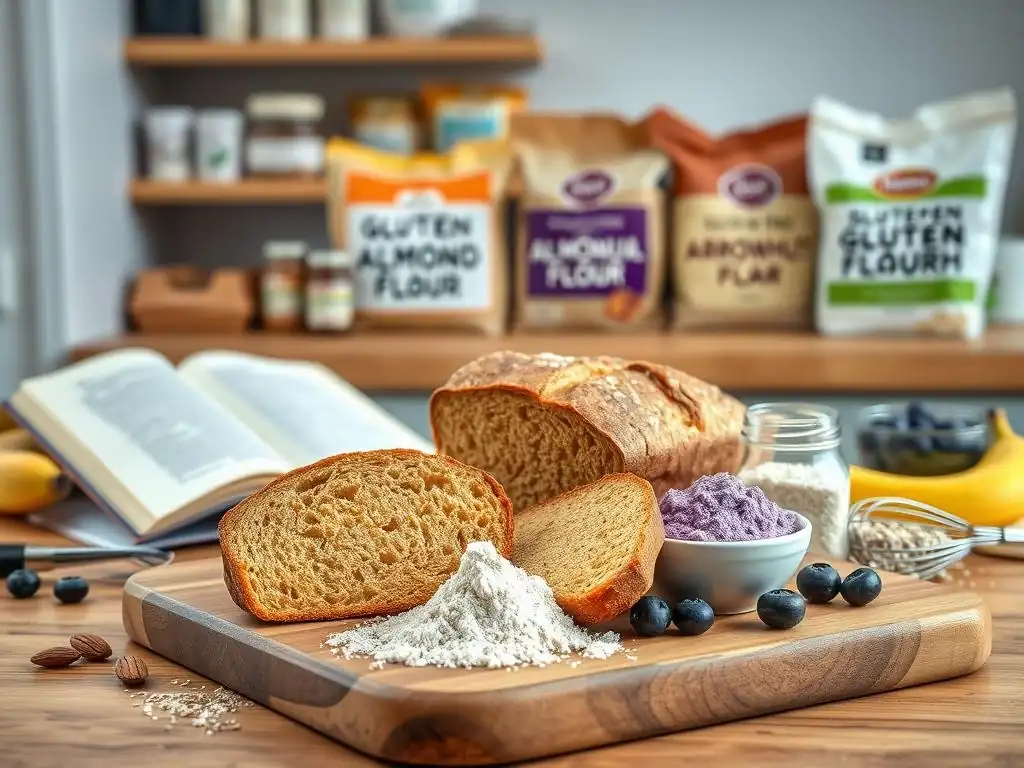
Welcome to BakeWithEase, your haven for all things baking! Ever wondered how to navigate the world of gluten-free baking without specialized stores? This guide unveils the secrets to readily available gluten-free ingredient substitutions you can find in your everyday grocery store. Prepare to unlock a new level of baking freedom and discover how easy it is to create delicious, gluten-free treats. Intrigued? Let's get started!
- Mastering Gluten-Free Baking: A Comprehensive Guide
- Understanding Gluten in Baking: The Foundation
- Core Gluten-Free Flour Substitutions: The Building Blocks
- Binding Agents: Replicating Gluten's Elasticity
- Liquid Adjustments: Achieving Optimal Hydration
- Sweetener Considerations: Flavor and Texture Contributions
- Navigating Grocery Stores and Reading Labels
- Troubleshooting Common Baking Issues
- Advanced Techniques for Superior Results
- Gluten-Free Recipe Adaptations: Converting Traditional Recipes
- Building a Gluten-Free Pantry: Essential Ingredients
-
Frequently Asked Questions
- What are the most common gluten-free flour substitutes I can find in most grocery stores?
- Can I use a 1:1 substitution ratio when replacing wheat flour with gluten-free flour?
- What is xanthan gum and why is it often used in gluten-free baking?
- What are some easy gluten-free baking recipes for beginners to try?
- Where else besides the baking aisle can I find gluten-free ingredients in my grocery store?
- Final Reflection: Baking Beyond Gluten: A Flourishing Future
- Unlock a World of Gluten-Free Baking!
Mastering Gluten-Free Baking: A Comprehensive Guide
Finding effective glutenfree baking ingredient substitutions can feel like a culinary puzzle, but it's a skill that opens up a world of delicious possibilities for those avoiding gluten. Whether you're baking due to Celiac disease, a gluten sensitivity, or simply choosing a gluten-free lifestyle, understanding how different ingredients behave is key. This guide breaks down the science and provides practical tips for successful gluten-free baking ingredient substitutions, helping you navigate your local grocery store with confidence.
Understanding Gluten in Baking: The Foundation
Before diving into substitutions, it's helpful to understand what gluten is and the critical role it plays in traditional baking. Gluten is often seen as the 'glue' that holds baked goods together, and replicating its function is the primary challenge in gluten-free baking. By understanding its properties, you can better select the right gluten-free ingredients to achieve desired results.
What is Gluten and Why is it Restricted?
Gluten is a protein composite found in wheat, barley, and rye. When flour from these grains is mixed with water, the gluten proteins (glutenin and gliadin) form a sticky network. This network is developed further through kneading or mixing, creating elasticity and strength in dough and batter. For individuals with Celiac disease, an autoimmune disorder, consuming even small amounts of gluten triggers an immune response that damages the small intestine. It's estimated that about 1% of the global population has Celiac disease, though many more experience non-celiac gluten sensitivity, leading them to also seek gluten-free options.
Beyond medical necessity, some people choose to restrict gluten for perceived health benefits or dietary preferences. Regardless of the reason, navigating the grocery store for gluten-free baking ingredient substitutions requires careful attention to labels and a basic understanding of ingredient properties. Avoiding cross-contamination is also crucial for those with strict dietary needs, meaning dedicated gluten-free sections or certified products are often preferred.
Gluten's Role in Baking: Structure, Elasticity, and Texture
In traditional baked goods like bread, gluten is essential for creating structure. During fermentation, yeast produces carbon dioxide gas, and the elastic gluten network traps these gas bubbles, causing the dough to rise. This elasticity allows the dough to stretch without breaking, resulting in a light and airy texture. In cakes and muffins, gluten contributes to the crumb structure, providing stability without being overly dense.
For cookies and pastries, gluten provides chewiness and helps maintain shape. Without gluten, baked goods can be crumbly, dense, or lack the familiar chew. Therefore, effective glutenfree baking ingredient substitutions must address these specific functions: binding, providing structure, trapping gas, and contributing to the desired texture and mouthfeel. Finding the right combination of flours and binders is often the secret to successful gluten-free baking.
Core Gluten-Free Flour Substitutions: The Building Blocks
The foundation of most gluten-free baking is the flour or flour blend used. Unlike wheat flour, which is a single ingredient performing multiple functions, gluten-free baking often requires combining several different flours and starches to mimic wheat's properties. Understanding the characteristics of common single-ingredient gluten-free flours is the first step in mastering glutenfree baking ingredient substitutions.
Single Ingredient Flours: A Detailed Look
Using single-ingredient flours allows for greater control over the final texture and flavor of your baked goods. However, they rarely work as a direct 1:1 substitute for wheat flour on their own. They are typically used in combination to create balanced blends suitable for different types of baking. Learning their individual properties is key to making informed glutenfree baking ingredient substitutions.
Rice Flour: Properties, Uses, and Considerations
Rice flour, made from finely milled rice, is one of the most common bases for gluten-free flour blends. It comes in white and brown varieties. White rice flour is finely ground, relatively neutral in flavor, and provides structure but can result in a slightly gritty texture if not combined with other fl starches. Brown rice flour retains the bran, offering more fiber and nutrients, a nuttier flavor, and a denser texture. Both are widely available in grocery stores, making them accessible glutenfree baking ingredient substitutions.
When used in baking, rice flour absorbs a moderate amount of liquid. It contributes to the overall bulk and structure of baked goods. However, using only rice flour can lead to dry and crumbly results, especially in items like cookies or cakes. It works best when combined with starches like tapioca or potato starch to improve texture and binding. A common ratio might be 60-70% rice flour in a blend.
Almond Flour: Flavor Profile, Moisture Content, and Best Applications
Almond flour is made from ground blanched almonds, giving it a slightly sweet, nutty flavor and a fine texture. It's higher in fat and protein than most grain-based flours, which adds richness and moisture to baked goods. This makes it an excellent choice for items like cookies, muffins, and cakes where a tender crumb and moist texture are desired. It's also popular for keto and low-carb baking.
Due to its higher fat content, almond flour doesn't absorb liquid in the same way as rice flour, and it lacks the binding properties of gluten. Baked goods made solely with almond flour tend to spread more and can be denser. It's often used in combination with other glutenfree baking ingredient substitutions like tapioca starch or coconut flour, typically making up a significant portion of the flour blend for items like macarons, or used as a partial substitute in other recipes to add moisture and flavor. It's readily available in most grocery stores.
Tapioca Starch/Flour: Texture Enhancement and Binding Capabilities
Tapioca starch, also known as tapioca flour, is extracted from the cassava root. It is a very fine, white powder that acts primarily as a thickener and binder in gluten-free baking. When heated, it becomes somewhat sticky and contributes to a chewy texture, which can help replicate some of the elasticity lost without gluten. It also adds crispness to crusts and helps prevent crumbling.
Using tapioca starch in a blend improves the overall texture, making baked goods less dense and crumbly. It's often used in conjunction with less absorbent flours like rice flour to improve binding and chewiness. A typical gluten-free flour blend might contain 15-25% tapioca starch. It's particularly useful in recipes for pizza crusts, flatbreads, and chewy cookies. Its availability makes it a reliable glutenfree baking ingredient substitution found in most supermarkets.
Potato Starch: Adding Lightness and Softness
Potato starch is a refined starch extracted from potatoes. It's a fine, white powder similar in appearance to tapioca starch but with different properties. Potato starch adds a light, fluffy texture to baked goods and helps create a tender crumb. It absorbs liquid well and contributes to moisture retention, preventing dryness.
Like tapioca starch, potato starch is primarily used as a component in gluten-free flour blends rather than on its own. It works synergistically with other flours to improve the overall structure and texture. A common gluten-free blend might include 10-20% potato starch. It's excellent in recipes aiming for a soft, cake-like texture, such as muffins, cakes, and quick breads. Finding potato starch is usually easy in the baking aisle, solidifying its place among essential glutenfree baking ingredient substitutions.
Flour Blends: Simplified Baking Solutions
For convenience and consistency, pre-mixed gluten-free flour blends are widely available and simplify the process of finding suitable glutenfree baking ingredient substitutions. These blends are formulated to perform similarly to wheat flour in various recipes, though results can vary between brands and recipes.
All-Purpose Gluten-Free Flour Blends: Composition and Performance
Most commercial all-purpose gluten-free flour blends combine a mix of rice flours (white and/or brown), starches (tapioca, potato, corn), and often a binder like xanthan gum. The specific ratios vary significantly between brands, which is why one brand might work better in a cookie recipe while another excels in cakes. Some blends are formulated for specific uses, like bread or pastry.
These blends are designed to be a convenient 1:1 cup-for-cup substitution for wheat flour in many recipes, though slight adjustments to liquid may still be needed. They take the guesswork out of combining individual flours. However, it's important to check the ingredients list, especially if you have allergies beyond gluten, as some blends include ingredients like sorghum, millet, or chickpea flour. Experimenting with a few different brands in your favorite recipes is the best way to find a reliable all-purpose gluten-free baking ingredient substitution for your needs.
DIY Gluten-Free Flour Blends: Tailoring to Your Needs
Creating your own gluten-free flour blend allows you to customize the flavor and texture profile for specific types of baking. This approach is particularly useful if you bake frequently and want consistent results or have specific dietary needs beyond gluten. A basic all-purpose blend often includes a mix of 'heavy' flours (like rice, sorghum, millet) and 'light' starches (like tapioca, potato, corn).
A common starting point for a DIY blend is a ratio of about 60-70% 'heavy' flour and 30-40% 'light' starch. For example, a versatile blend might be 4 cups white rice flour, 1 cup brown rice flour, 2 cups tapioca starch, and 1 cup potato starch.
You can adjust this ratio based on the desired outcome – more starch for lighter cakes, more brown rice or sorghum for heartier breads. Adding a binder like xanthan or guar gum to your DIY blend (typically 1 teaspoon per 4 cups of blend) is often necessary to mimic gluten's elasticity and improve structure, making it a more effective glutenfree baking ingredient substitution.
Binding Agents: Replicating Gluten's Elasticity
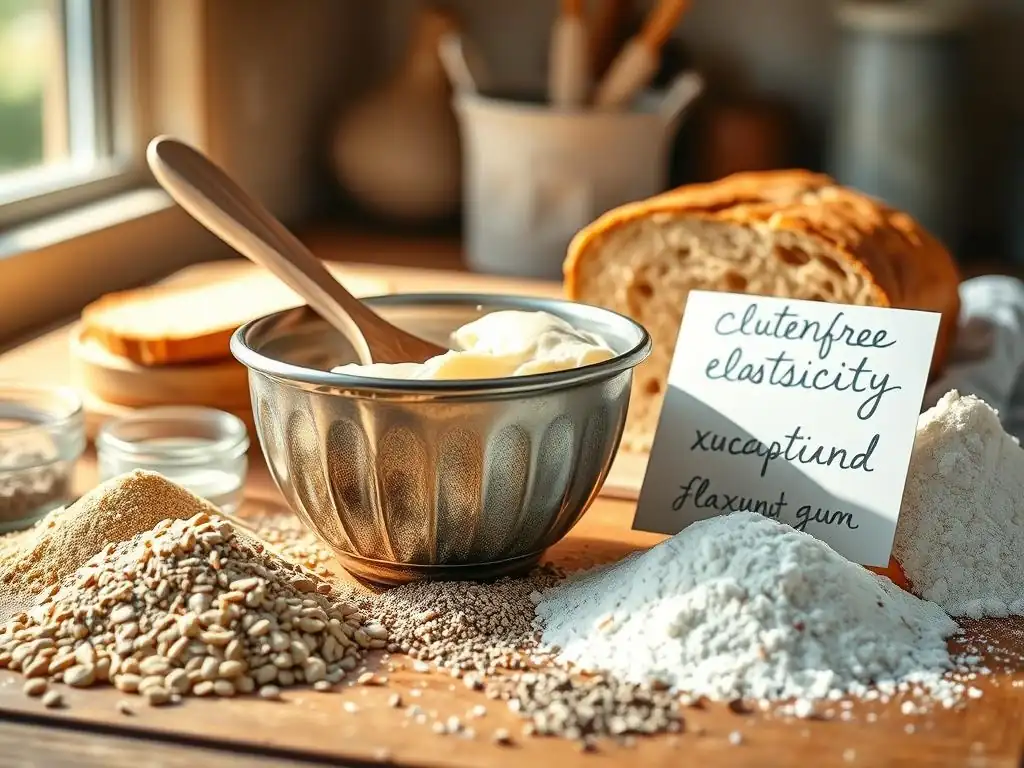
Without the gluten network, baked goods can be crumbly and fall apart. Binding agents are crucial glutenfree baking ingredient substitutions that help hold everything together, providing structure and elasticity. They work by absorbing liquid and becoming viscous or gel-like, mimicking some of the properties of gluten.
Xanthan Gum: Usage Guidelines and Impact on Texture
Xanthan gum is a polysaccharide produced by the fermentation of a microorganism. It's a powerful binder and emulsifier widely used in gluten-free baking to provide structure and elasticity. A very small amount is needed, typically ranging from 1/4 teaspoon to 1 teaspoon per cup of gluten-free flour blend, depending on the type of baked good. Too much xanthan gum can result in a gummy or slimy texture, so precise measurement is important.
For cakes and muffins, about 1/4 to 1/2 teaspoon per cup of flour blend is usually sufficient to prevent crumbling. For cookies, which require less structure, 1/4 teaspoon per cup is often enough. For bread, where elasticity is crucial for trapping gas and achieving a good rise, 3/4 to 1 teaspoon per cup is recommended. Xanthan gum is available in the baking aisle of most grocery stores and is a staple glutenfree baking ingredient substitution.
Guar Gum: A Versatile Alternative
Guar gum is another polysaccharide, derived from guar beans. It functions similarly to xanthan gum as a binder and thickener in gluten-free baking ingredient substitutions. It absorbs liquid readily and forms a gel that helps provide structure and prevent crumbling. Some bakers prefer guar gum, finding it results in a slightly different texture than xanthan gum, sometimes described as less "ropy" or "slimy."
Generally, guar gum can be substituted for xanthan gum in recipes, often at the same ratio or slightly higher. However, some sources suggest using 1.5 times the amount of guar gum as xanthan gum for comparable results, especially in baked goods that require more structure like bread. Like xanthan gum, using too much guar gum can lead to a heavy or gummy texture. It is also typically found in the baking or health food section of grocery stores, offering another accessible glutenfree baking ingredient substitution.
Chia Seeds/Flaxseed Meal: Nutritional Boost and Binding Properties
Ground chia seeds or flaxseed meal (ground flaxseeds) mixed with water create a gel-like substance that can act as a binder in gluten-free baking. This "chia egg" or "flax egg" is made by combining 1 tablespoon of ground seeds with 2.5 to 3 tablespoons of water and letting it sit for 5-10 minutes until it thickens. This mixture can then be used as a substitute for one egg, providing binding and moisture.
Beyond their binding abilities, chia seeds and flaxseed meal add fiber, omega-3 fatty acids, and nutrients to baked goods. They impart a slightly nutty flavor and can add small flecks to the texture, which may or may not be desirable depending on the recipe. They work well in muffins, quick breads, cookies, and as an egg substitute in vegan gluten-free baking ingredient substitutions. Both ingredients are commonly found in the natural foods or baking aisle of most grocery stores.
Liquid Adjustments: Achieving Optimal Hydration
Gluten-free flours often absorb liquid differently than wheat flour, and the amount of liquid needed can vary depending on the specific blend used. Adjusting the liquid content is a critical step in successful glutenfree baking ingredient substitutions to prevent dry or crumbly results. Furthermore, the type of liquid used can impact flavor and texture.
Milk Alternatives: Flavor Profiles and Suitability
Dairy milk is a common liquid in traditional baking, providing moisture, richness, and contributing to browning. For gluten-free baking, especially for those with dairy sensitivities, various milk alternatives serve as excellent glutenfree baking ingredient substitutions. The choice of milk alternative can subtly influence the final flavor and texture of your baked goods.
Almond Milk: Light and Neutral
Unsweetened almond milk is a popular choice for gluten-free and dairy-free baking due to its mild, neutral flavor that doesn't overpower other ingredients. It has a relatively thin consistency compared to dairy milk or some other alternatives. It works well in a wide range of recipes, from cakes and muffins to pancakes and waffles, where you want the primary flavors (like vanilla, chocolate, or fruit) to shine through.
When substituting almond milk for dairy milk, you can usually use a 1:1 ratio. However, because some gluten-free flour blends absorb less liquid initially than wheat flour, you might sometimes need slightly less liquid overall, or you might find the batter thickens more upon standing. Starting with slightly less liquid and adding more as needed is a good approach. Almond milk is widely available in refrigerated and shelf-stable forms, making it an easy glutenfree baking ingredient substitution.
Coconut Milk: Rich and Creamy
Coconut milk, particularly canned full-fat coconut milk, offers a richer, creamier texture and a distinct tropical flavor. This makes it an excellent glutenfree baking ingredient substitution for recipes where you want added richness and moisture, or where the coconut flavor complements the other ingredients, such as in tropical-themed cakes or rich desserts. Lighter carton coconut milk is also available but is less rich.
Using full-fat coconut milk can add desirable moisture and tenderness to gluten-free baked goods, helping to combat dryness often associated with gluten-free flours. It can typically be substituted for dairy milk at a 1:1 ratio in recipes. Be aware that the fat content can affect the final texture, sometimes making baked goods slightly denser or more moist. Its distinct flavor means it's not always the best choice if you need a truly neutral liquid substitute. Coconut milk is readily found in most grocery stores.
Oat Milk: Naturally Sweet and Creamy
Oat milk has gained popularity for its natural sweetness and creamy texture, which is closer to dairy milk than some other plant-based options. Made from blended oats and water, it works very well in baking, contributing moisture and a pleasant, slightly sweet flavor that pairs well with many common baking ingredients like cinnamon, vanilla, and chocolate. Ensure you use certified gluten-free oat milk if you have Celiac disease, as oats can be cross-contaminated during processing.
Oat milk can generally be used as a 1:1 substitute for dairy milk or other milk alternatives in gluten-free recipes. Its natural creaminess can help improve the texture of gluten-free batters and doughs. The slight sweetness might mean you can slightly reduce added sugar in some recipes, depending on your preference and the specific brand of oat milk used. Certified gluten-free oat milk is increasingly available in mainstream grocery stores, making it a convenient glutenfree baking ingredient substitution.
Egg Replacers: Vegan and Allergen-Friendly Options
Eggs provide binding, leavening, moisture, and richness in traditional baking. For those with egg allergies or following a vegan diet, finding effective glutenfree baking ingredient substitutions for eggs is essential. Several options can replicate some, though rarely all, of an egg's functions. The best substitute depends on the recipe and the specific role the egg plays.
Flax Eggs: Preparation and Texture
As mentioned earlier, a "flax egg" (1 tbsp ground flaxseed + 2.5-3 tbsp water, rested) is an excellent binder, particularly in denser baked goods like muffins, quick breads, and cookies. It helps hold ingredients together and provides some moisture. It's a reliable glutenfree baking ingredient substitution for eggs, especially when only one or two eggs are called for in a recipe.
While flax eggs are good binders, they don't provide the same level of leavening or richness as a chicken egg. Using them in recipes that rely heavily on eggs for rise (like angel food cake) or richness (like custards) may not yield the desired results. However, for many standard gluten-free recipes, they perform admirably. Ground flaxseed is widely available in grocery stores, often in the health food or baking aisle.
Applesauce: Moisture and Binding Agent
Unsweetened applesauce can be used as an egg substitute, primarily adding moisture and some binding. It works best in recipes where only one or two eggs are needed and where the slight apple flavor won't clash, such as muffins, cakes, and some quick breads. Use about 1/4 cup of applesauce per egg being replaced.
Applesauce adds significant moisture, which can be beneficial in gluten-free baking, helping to prevent dryness. However, it doesn't provide much leavening, so you might need to slightly increase baking powder or soda if using it to replace multiple eggs in a recipe that needs to rise. Be mindful of the sweetness if using sweetened applesauce. Applesauce is a common pantry item, making it a very accessible glutenfree baking ingredient substitution.
Sweetener Considerations: Flavor and Texture Contributions
Sweeteners do more than just add sweetness to baked goods; they also impact moisture, texture, and browning. When making glutenfree baking ingredient substitutions for sweeteners, consider these properties, especially if substituting liquid sweeteners for granular ones or vice versa.
Natural Sweeteners: Impacts on Moisture and Browning
Traditional baking often uses granulated white sugar, which provides sweetness, tenderness (by interfering with gluten development, though this is less relevant in GF baking), and aids in browning. Substituting with natural sweeteners can introduce different flavors and textures, and their liquid content varies significantly, impacting the overall hydration of the batter or dough.
Honey: Flavor and Humectant Properties
Honey is a liquid sweetener that adds a distinct floral or earthy flavor depending on its origin. It's also a humectant, meaning it attracts and retains moisture, which can be very beneficial in gluten-free baking to keep goods soft and moist. When substituting honey for granulated sugar, you typically use about 2/3 to 3/4 cup of honey for every cup of sugar.
Because honey is a liquid, you need to reduce the other liquids in the recipe when substituting it for sugar. A general guideline is to reduce the total liquid by about 1/4 cup for every cup of honey used. Honey also causes baked goods to brown more quickly, so you might need to reduce the oven temperature slightly (perhaps by 25°F or about 15°C) and bake for a shorter time. Its availability in most grocery stores makes it a common glutenfree baking ingredient substitution.
Maple Syrup: Distinct Flavor and Color
Maple syrup, particularly dark or very dark varieties, offers a rich, distinct flavor and contributes moisture and color to baked goods. Like honey, it's a liquid humectant that helps keep gluten-free items moist. Substitute maple syrup for granulated sugar at a ratio of about 2/3 to 3/4 cup of syrup per cup of sugar.
Similar to honey, when using maple syrup as a glutenfree baking ingredient substitution for sugar, you must reduce other liquids in the recipe. Again, reducing total liquid by about 1/4 cup per cup of maple syrup is a good starting point. Maple syrup also promotes browning, so adjusting oven temperature may be necessary. Ensure you use pure maple syrup, not pancake syrup which is often corn syrup based. Maple syrup is usually found in the breakfast or baking aisle.
Coconut Sugar: Granular Texture and Caramel Notes
Coconut sugar is a granular sweetener derived from the sap of the coconut palm. It has a texture similar to granulated sugar but with a slightly larger crystal size and a color and flavor reminiscent of brown sugar, offering caramel-like notes. It can often be substituted for granulated sugar at a 1:1 ratio by weight, or close to 1:1 by volume, though results can vary slightly.
Using coconut sugar as a glutenfree baking ingredient substitution provides a similar structure to granulated sugar in batters and doughs. It also contributes moisture due to naturally occurring trace minerals, though less so than liquid sweeteners. It browns similarly to brown sugar. Because it's a granular substitute, it's often easier to use in recipes where precise moisture balance is critical. Coconut sugar is increasingly available in mainstream grocery stores in the baking or natural foods aisle.
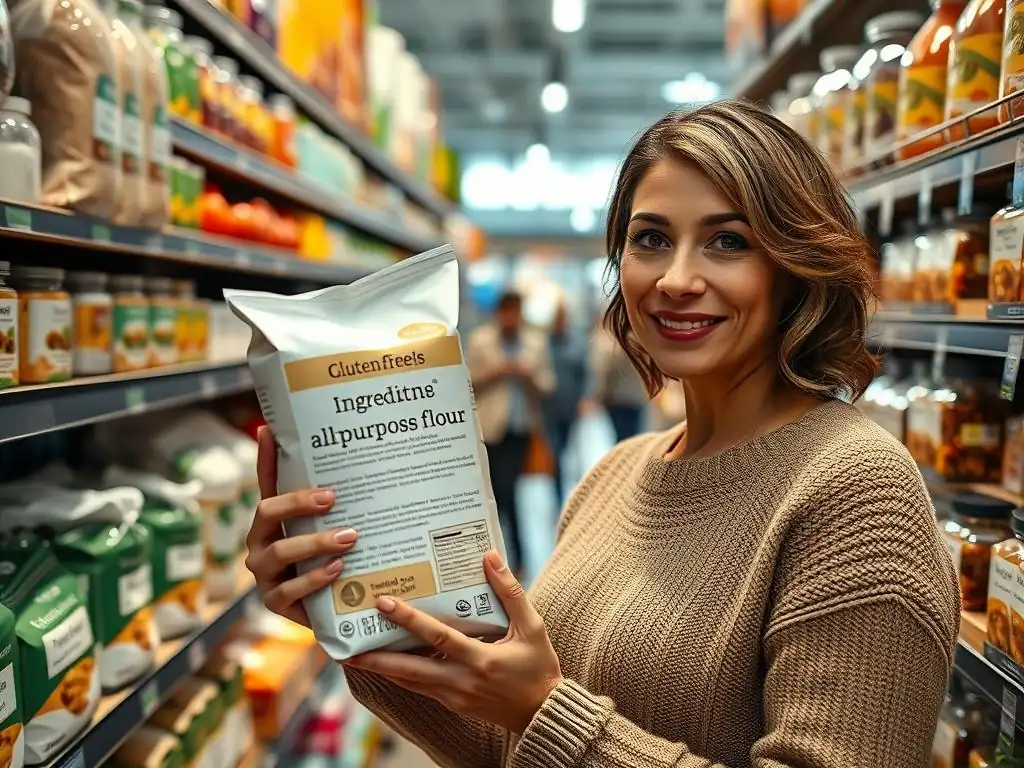
Successfully finding glutenfree baking ingredient substitutions relies heavily on being able to locate the right ingredients in your local grocery store and confidently read product labels to ensure they are truly gluten-free. This requires a bit of practice and attention to detail.
Identifying Gluten-Free Sections and Certifications
Many grocery stores now have dedicated "Gluten-Free" sections, which is the easiest place to start your search for glutenfree baking ingredient substitutions like flour blends, pasta, bread, and baking mixes. However, many naturally gluten-free ingredients like single-ingredient flours (rice, almond, tapioca, potato), nuts, seeds, and certain sweeteners are often located in the regular baking aisle, bulk bins, or international foods section.
Look for gluten-free certification labels on packaging. In the US, the Gluten-Free Certification Organization (GFCO) mark is common, indicating the product meets strict standards (testing below 10 ppm gluten, while the FDA standard is below 20 ppm). Other certifications exist globally. While not all gluten-free products are certified, certification provides an extra layer of assurance, especially for those with Celiac disease. Familiarizing yourself with these labels will help you quickly identify safe glutenfree baking ingredient substitutions.
Even when buying ingredients that should be naturally gluten-free, it's crucial to read the ingredient list carefully, especially if cross-contamination is a concern. Look for wheat, barley, rye, and malt (often derived from barley). Be wary of ingredients like "modified food starch" or "natural flavors" unless the label specifies the source is gluten-free. Oats must be certified gluten-free to avoid cross-contamination.
Manufacturers are generally required to list common allergens, including wheat. However, barley and rye might not always be explicitly highlighted as allergens. Check for statements like "Contains: Wheat" or "May contain: Wheat, Barley, Rye." If a product is labeled "gluten-free" according to FDA regulations, it must contain less than 20 parts per million (ppm) of gluten, and this claim must be substantiated. For strict gluten-free needs, prioritizing certified products or those explicitly labeled "gluten-free" is the safest approach when seeking glutenfree baking ingredient substitutions.
Troubleshooting Common Baking Issues
Even with the right glutenfree baking ingredient substitutions, you might encounter challenges. Gluten-free baking can be less forgiving than traditional baking, and understanding common issues helps you adjust and improve your results.
Dryness and Crumbly Texture: Causes and Solutions
One of the most frequent complaints about gluten-free baked goods is dryness and a tendency to crumble. This often happens because gluten-free flours absorb moisture differently and lack the binding network of gluten. Over-baking is also a common culprit, as gluten-free goods can dry out quickly once done.
To combat dryness and crumbling when using glutenfree baking ingredient substitutions, ensure you are using enough liquid and fat in your recipe. Adding ingredients like applesauce, yogurt, mashed banana, or extra oil/butter can boost moisture. Using a binder like xanthan or guar gum is essential to help hold the ingredients together. Avoid over-mixing the batter, which can develop starches too much, leading to a dry texture. Ensure you don't over-bake; test for doneness a few minutes earlier than you would with a wheat-based recipe.
Gummy or Dense Texture: Adjusting Ratios and Techniques
Conversely, gluten-free baked goods can sometimes turn out gummy or excessively dense. This can be caused by using too much starch in your flour blend, too much binder (xanthan or guar gum), over-mixing the batter, or insufficient leavening. Poor hydration management can also contribute – too much liquid relative to the absorbent flours can lead to a gummy texture.
Review your glutenfree baking ingredient substitutions. If using a DIY blend, try adjusting the ratio to include fewer starches and more whole-grain gluten-free flours. Reduce the amount of xanthan or guar gum used, especially in cakes or muffins where excessive chewiness is undesirable (remember the guidelines: 1/4-1/2 tsp per cup for cakes/muffins). Mix the batter gently until just combined; vigorous mixing can overdevelop starches. Ensure your leavening agents (baking powder/soda) are fresh and that you are using the correct amount for the recipe's liquid and acidic components.
Insufficient Rise: Leavening and Proofing Strategies
Achieving a good rise in gluten-free baking can be challenging without the strong gluten network to trap gases. Baked goods might turn out flat or heavy. This is often related to leavening agents, the type of flour blend, and techniques like proofing for bread.
Ensure your chemical leaveners (baking powder and baking soda) are active by testing a small amount in hot water (it should fizz). Gluten-free flours, especially denser ones, require adequate leavening. You might need slightly more baking powder or soda than a wheat-based recipe.
If baking bread, use a gluten-free bread flour blend specifically designed for yeast baking, which usually contains more protein and the necessary binders. Proper proofing (allowing the dough to rise) is still important for gluten-free yeast breads, but the dough won't double in size like wheat dough; look for a noticeable increase in volume and lightness. Ensuring your glutenfree baking ingredient substitutions include a good binder like xanthan gum is crucial for trapping those precious gas bubbles.
Advanced Techniques for Superior Results
Once you've mastered the basics of glutenfree baking ingredient substitutions, you can explore advanced techniques to further improve the quality of your baked goods, achieving results that rival their gluten-containing counterparts.
Flour Combinations: Achieving Desired Textures
Moving beyond a single all-purpose blend allows you to fine-tune textures for specific recipes. For instance, combining a portion of almond flour with a rice/starch blend can add richness and tenderness to cakes, while adding a bit of sorghum or millet flour can provide a heartier texture and nutty flavor to bread or muffins.
Consider the properties of each flour: brown rice flour for structure and fiber, white rice flour for a neutral base, tapioca starch for chewiness and binding, potato starch for lightness and moisture, almond flour for richness and moisture, sorghum flour for a mild, slightly sweet flavor and soft texture, and millet flour for a slightly nutty flavor and crumb structure. Experimenting with combinations, perhaps starting with a 50/50 mix of an all-purpose blend and a specialized flour like almond or sorghum, can lead to discovering perfect glutenfree baking ingredient substitutions for your favorite treats.
Hydration Management: Balancing Moisture Levels
Optimal hydration is key in gluten-free baking. Because different gluten-free flours absorb liquid at different rates and can continue to absorb liquid over time, letting batters or doughs rest before baking can improve texture. This allows the flours and starches to fully hydrate, preventing grittiness and ensuring a more uniform crumb.
For quick breads, muffins, and cakes, letting the batter rest for 10-20 minutes before portioning into pans can be beneficial. For cookie doughs or scone doughs, chilling the dough for at least 30 minutes (or even overnight) not only deepens flavors but also allows the flours to hydrate fully, reducing spread and improving texture.
Pay attention to the consistency of your batter or dough – it should look and feel similar to its gluten-containing equivalent, adjusting liquid (milk, water, or oil) as needed, often adding just a tablespoon at a time. Mastering hydration is a key part of successful glutenfree baking ingredient substitutions.
Dough Resting/Refrigeration: Enhancing Flavor and Structure
Beyond hydration, resting or refrigerating gluten-free doughs, particularly for cookies, scones, or bread, offers several advantages. Chilling solidifies fats, which helps prevent excessive spreading during baking and creates a more tender result. For yeast bread doughs, a cold fermentation in the refrigerator (for several hours or overnight) can develop more complex flavors, similar to traditional bread making.
While gluten-free doughs don't develop gluten like wheat doughs, the resting period allows the various flours and starches to fully absorb moisture and for binders to work effectively, leading to better structure. For cookie dough, chilling for at least an hour is recommended. For yeast bread dough, a cold proof can significantly improve crumb structure and flavor depth. This simple step, used in conjunction with appropriate glutenfree baking ingredient substitutions, can elevate your baked goods.
Gluten-Free Recipe Adaptations: Converting Traditional Recipes
Converting your favorite traditional recipes to gluten-free can be rewarding but requires understanding how to apply glutenfree baking ingredient substitutions effectively. It's often more than just a simple 1:1 flour swap.
Bread Baking: Tips for Success
Converting a traditional yeast bread recipe is one of the more challenging adaptations due to gluten's crucial role in trapping gas and developing structure. Using a high-quality gluten-free bread flour blend is often the most reliable starting point. These blends are specifically formulated with the right mix of flours, starches, and binders (often including psyllium husk or extra xanthan gum) to mimic gluten's function.
In addition to using the right blend of glutenfree baking ingredient substitutions, pay attention to hydration – gluten-free bread dough is often wetter than wheat dough, resembling a thick batter. Proper proofing is still necessary, but don't expect the same dramatic rise; aim for a noticeable increase in volume. Baking in a loaf pan provides structural support. Adding ingredients like psyllium husk powder or a bit of apple cider vinegar can also help improve structure and rise in gluten-free breads.
Cake Baking: Achieving Light and Fluffy Textures
Converting cake recipes is often easier than bread, but achieving a light and fluffy texture without gluten requires careful consideration of glutenfree baking ingredient substitutions. A good all-purpose gluten-free flour blend designed for cakes, or a DIY blend heavy on starches (like tapioca and potato starch) and lighter flours (like white rice or sorghum), is key.
Ensure you use enough binder (xanthan or guar gum, typically 1/4 to 1/2 tsp per cup of flour blend) to provide structure without making the cake gummy. Eggs (or effective egg replacers like applesauce or commercial replacers) are crucial for leavening and moisture. Creaming butter and sugar properly incorporates air, contributing to a lighter crumb. Don't over-mix the batter once the dry ingredients are added, as this can develop starches and lead to a tougher texture. Proper glutenfree baking ingredient substitutions and gentle handling are vital.
Converting cookie recipes varies in difficulty depending on the desired texture (chewy, crisp, soft). Many gluten-free flour blends work well for cookies, but some might cause excessive spreading or result in a crumbly texture. A blend with a good balance of rice flour and starches, plus a binder, is generally effective.
For chewy cookies, ensure adequate moisture (using brown sugar, honey, or extra fat) and a binder (1/4 tsp xanthan gum per cup of flour blend is usually sufficient). For crisp cookies, a blend higher in rice flour or using a bit of millet flour can work, reducing moisture slightly. Chilling the dough significantly helps gluten-free cookies maintain their shape during baking, preventing excessive spread. Experimentation with your glutenfree baking ingredient substitutions and chilling times will yield the best cookie results.
Building a Gluten-Free Pantry: Essential Ingredients
Stocking your pantry with key glutenfree baking ingredient substitutions makes spontaneous baking much easier. Having a variety of flours, starches, and binders on hand allows you to tackle most recipes or create your own blends.
Storage Tips for Gluten-Free Flours
Gluten-free flours, especially those made from whole grains or nuts (like brown rice flour, sorghum flour, almond flour), can go rancid more quickly than wheat flour due to their higher fat content. Proper storage is essential to maintain freshness and quality.
Store gluten-free flours, starches, and binders in airtight containers in a cool, dark place. For flours with higher fat content (like almond or brown rice), refrigeration or even freezing is recommended, especially in warmer climates or if you don't use them frequently. This extends their shelf life significantly, often from 6-12 months at room temperature to a year or more in the fridge or freezer. Always check for off smells before using. Proper storage of your glutenfree baking ingredient substitutions preserves their quality.
Maintaining a Dedicated Gluten-Free Workspace
For individuals with Celiac disease or severe gluten sensitivity, preventing cross-contamination is paramount. This means ensuring your baking ingredients and workspace are free from gluten residue. Even tiny amounts of gluten can cause a reaction.
If you share a kitchen with gluten-containing foods, designate specific utensils, mixing bowls, and baking pans for gluten-free baking, or wash everything thoroughly before use. Wipe down counters and surfaces to remove any flour dust. Store your glutenfree baking ingredient substitutions and finished goods separately from gluten-containing items. Using clean aprons and washing hands before you begin are simple but crucial steps to ensure your gluten-free creations are safe to eat.
Frequently Asked Questions
What are the most common gluten-free flour substitutes I can find in most grocery stores?
The most common gluten-free flour substitutes readily available are rice flour, almond flour, and cornstarch. These are generally easy to find and relatively inexpensive.
Can I use a 1:1 substitution ratio when replacing wheat flour with gluten-free flour?
Not always. It depends on the gluten-free flour blend. Some pre-mixed gluten-free flours are designed for a 1:1 substitution, but single flours often require adjustments and binding agents like xanthan gum.
What is xanthan gum and why is it often used in gluten-free baking?
Xanthan gum is a food additive that acts as a binder and thickener. It's crucial in gluten-free baking because it mimics the elasticity of gluten, helping to hold baked goods together.
What are some easy gluten-free baking recipes for beginners to try?
Beginners could start with gluten-free cookies or brownies using a pre-made gluten-free flour blend. These recipes are generally more forgiving and require less complex substitutions.
Where else besides the baking aisle can I find gluten-free ingredients in my grocery store?
Check the health food aisle for more specialized gluten-free flours and blends. Also, look in the international foods aisle for ingredients like rice flour and tapioca starch, which are often gluten-free.
Final Reflection: Baking Beyond Gluten: A Flourishing Future
The need for accessible gluten-free baking is no longer a niche concern; it's a vital part of inclusive food practices. The rising prevalence of celiac disease and gluten sensitivities means millions are actively seeking delicious and convenient alternatives, demanding innovation and readily available options in everyday grocery stores. This shift requires not just awareness, but a proactive approach to understanding the diverse world of gluten-free substitutes.
This journey into the world of gluten-free baking has profoundly impacted my own understanding of food accessibility and the creativity required to adapt recipes. It's not just about replacing gluten; it's about embracing new textures, flavors, and techniques. As I researched and experimented, I was constantly reminded of the importance of inclusivity in food culture. Food is symbolic of love when words are inadequate.
- Alan D. Wolfelt. This quote resonates deeply, highlighting how providing accessible and delicious gluten-free options is an act of care and consideration for those with dietary restrictions.
Now, it's your turn. Take what you've learned here – the knowledge of readily available substitutes, the understanding of different flours and their properties, and the confidence to experiment – and apply it to your own kitchen. Don't be afraid to try new recipes, adapt old favorites, and most importantly, enjoy the process of baking, regardless of dietary needs. The world of gluten-free baking is vast and exciting; embrace the challenge and discover the delicious possibilities that await.
Unlock a World of Gluten-Free Baking!
Thanks for taking the time to explore the exciting world of gluten-free baking! We hope you now feel empowered to tackle any recipe, regardless of dietary needs. Ready to put your newfound knowledge into practice?
- Experiment with a new gluten-free flour blend: Try substituting your favorite flour in a familiar recipe and see the delicious results! This is your chance to get creative!
- Share your baking triumphs (or even your delicious fails!) on social media using #BakeWithEaseGlutenFree – let's inspire each other!
- Explore our extensive recipe library on BakeWithEase.com for even more gluten-free inspiration and detailed instructions.
What’s your go-to gluten-free baking swap? Let us know in the comments below!