
Beyond the Bread Box: Creative Ways to Store Baked Goods

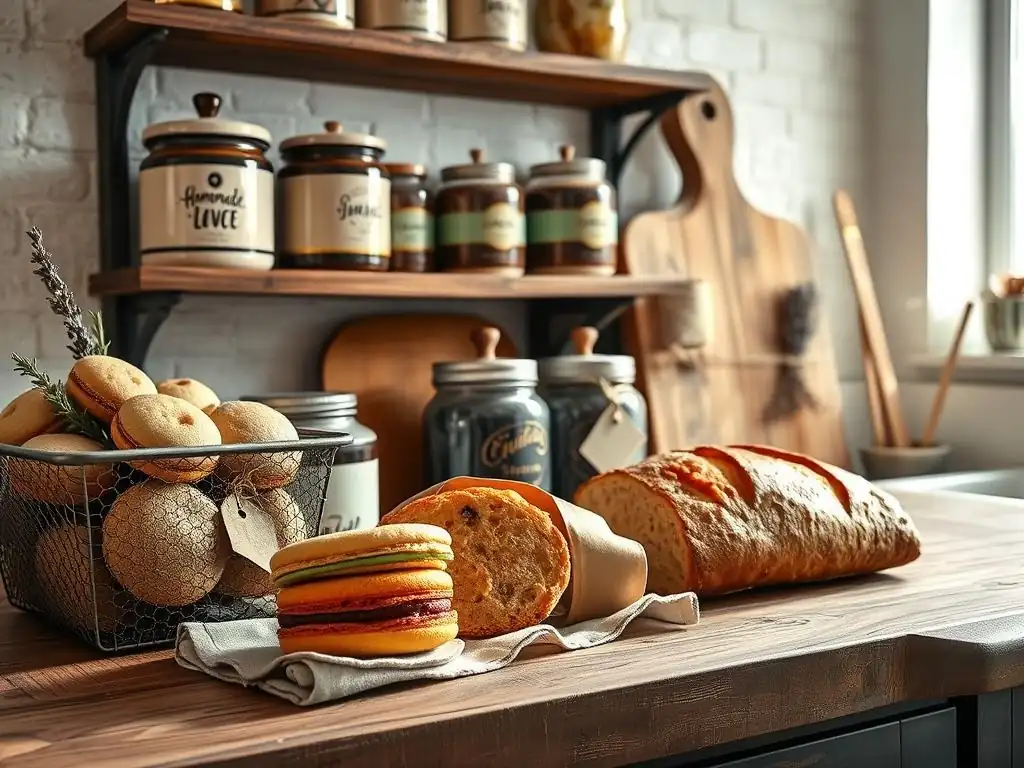
Welcome to BakeWithEase, your baking sanctuary! Ever wonder if your meticulously crafted cookies could stay crisp longer, or how to prevent your prized sourdough from drying out? Dive into our world of delectable delights and discover creative solutions with our latest article, "Beyond the Bread Box: Creative Ways to Store Baked Goods." Unlocking the secrets to proper storage is key to enjoying your creations at their best – are you ready to elevate your baking game?
- Introduction: Mastering Baked Goods Storage for Freshness
- Understanding the Fundamentals of Baked Goods Storage
-
Creative Baked Goods Storage Ideas Beyond the Bread Box
- Airtight Containers: The Cornerstone of Freshness
- Using Cake Stands and Cloches for Elegant Display and Storage
- Utilizing Cookie Jars for Easy Access and Visual Appeal
- Bread Storage Solutions: From Linen Bags to Specialized Bins
- Storing Muffins and Cupcakes: Preventing Sticking and Maintaining Moisture
- Advanced Baked Goods Storage Techniques
- Baked Goods Storage Tips by Type
- DIY Baked Goods Storage Solutions
- Troubleshooting Common Baked Goods Storage Problems
- The Best Materials for Baked Goods Storage
- Conclusion: Enjoying Freshly Baked Goodness Every Time
-
Frequently Asked Questions
- How long can I store baked goods at room temperature?
- What are some alternatives to using a bread box for storage?
- Can I freeze baked goods to extend their shelf life?
- How do I prevent my baked goods from drying out during storage?
- What's the best way to store different types of baked goods, such as cookies versus cakes?
- Final Reflection: The Sweet Science of Storage and the Joy of Sharing
- Unleash Your Inner Baker: Level Up Your Storage Game!
Introduction: Mastering Baked Goods Storage for Freshness
Baking is a labor of love, a delightful process that fills your home with wonderful aromas and promises delicious treats. But the magic doesn't end when the timer goes off. Proper baked goods storage is just as crucial as the baking itself. Without the right techniques, your perfectly crafted cookies can turn stale, your moist cake can dry out, and your crusty bread can lose its delightful texture far too quickly. Mastering how to store baked goods ensures that every bite is as fresh and delicious as the first, extending the enjoyment of your culinary creations and minimizing waste.
This guide goes beyond the basic bread box, exploring a variety of creative and effective baked goods storage tips. We'll delve into the science behind why baked goods spoil, look at different storage methods tailored to specific types of treats, and even touch upon advanced techniques like freezing and vacuum sealing. Whether you're a seasoned pro or just starting your baking journey with BakeWithEase.com, understanding these principles will help you preserve the quality, flavor, and texture of everything you bake, allowing you to savor your hard work longer.
Understanding the Fundamentals of Baked Goods Storage
Why Proper Storage Matters for Your Baking
Proper storage of baked goods is paramount for several reasons, primarily revolving around maintaining quality and ensuring safety. When baked goods are exposed to air, moisture, or improper temperatures, they begin to deteriorate. Bread can quickly stale as moisture migrates from the crumb to the crust and then evaporates.
Cookies can lose their crispness or become overly hard depending on their initial texture and storage conditions. Cakes can dry out, and delicate pastries can become soggy. Beyond just texture and flavor, incorrect baked goods storage can lead to the growth of mold and bacteria, making the food unsafe to eat.
Investing a little time and effort into understanding and implementing effective storage strategies for baked goods significantly extends their edible lifespan. This means less food waste, more enjoyment of your delicious bakes, and the ability to prepare items ahead of time without sacrificing quality.
For instance, a loaf of homemade bread left on the counter might be best within 24-48 hours, but properly stored in a linen bag, it could retain acceptable quality for an additional day or two. Similarly, cookies kept in an airtight container often stay fresh for a week or more, compared to just a couple of days if left exposed.
Factors Affecting the Shelf Life of Baked Goods
The shelf life of baked goods is influenced by several key factors. The ingredients used play a significant role; for example, items high in moisture or containing fresh fruit, dairy, or eggs generally have a shorter shelf life and may require refrigeration. The baking process itself also matters – how thoroughly something is baked affects its moisture content and susceptibility to spoilage. A well-baked cookie with low moisture will last longer at room temperature than a high-moisture muffin.
Environmental conditions are perhaps the most critical factors in baked goods storage. Temperature, humidity, and exposure to air all impact how quickly baked goods degrade. Warm, humid environments are breeding grounds for mold, while dry, airy conditions accelerate staling and drying out. Oxygen exposure contributes to oxidation, which can cause fats in baked goods to become rancid, altering their flavor. Understanding these elements helps you choose the best storage method to counteract the specific vulnerabilities of different types of baked goods.
The Importance of Cooling Baked Goods Before Storage
One of the most fundamental, yet sometimes overlooked, baked goods storage tips is allowing items to cool completely before storing them. Transferring warm or hot baked goods directly into an airtight container traps steam. This trapped moisture creates a humid microenvironment within the container, which is the ideal condition for mold growth. It also affects the texture; for example, it can make a crisp cookie soft or turn a flaky pastry soggy.
Always allow your baked goods to cool fully on a wire rack. A wire rack allows air circulation around the entire item, facilitating even cooling and preventing the bottom from becoming condensation-laden and potentially sticking or becoming damp. For larger items like cakes or loaves of bread, this cooling process can take several hours, sometimes even overnight, depending on their density and size. Patience here is key to ensuring your efforts in baking aren't undone by improper initial baked goods storage.
Creative Baked Goods Storage Ideas Beyond the Bread Box
Airtight Containers: The Cornerstone of Freshness
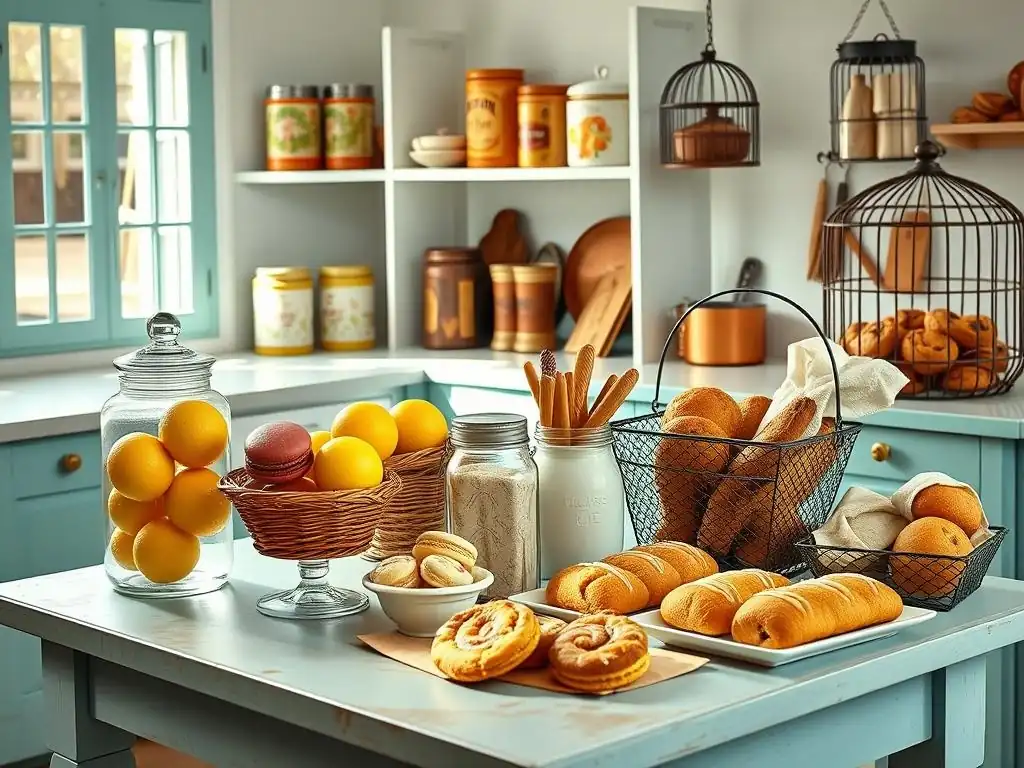
Airtight containers are arguably the most essential tool in your baked goods storage arsenal for many items, particularly cookies, muffins, and some cakes. By creating a seal that prevents air exchange, these containers protect against both drying out and absorbing excess moisture from the environment. They also keep unwanted odors from mingling with your delicate flavors and provide a physical barrier against pests. Look for containers with tight-fitting lids, often with rubber or silicone seals, to ensure a truly airtight environment.
When using airtight containers for baked goods storage, it's important to choose the right size. An overly large container with too much empty space can still allow some air circulation around the goods, potentially leading to faster staling. Packing items too tightly, however, can affect their shape and texture, especially for soft items like muffins or cupcakes. For cookies of different flavors, consider separating them with parchment paper layers within the container to prevent flavor transfer. Plastic containers are common, but glass containers are also excellent for their non-reactive nature and visibility.
Using Cake Stands and Cloches for Elegant Display and Storage
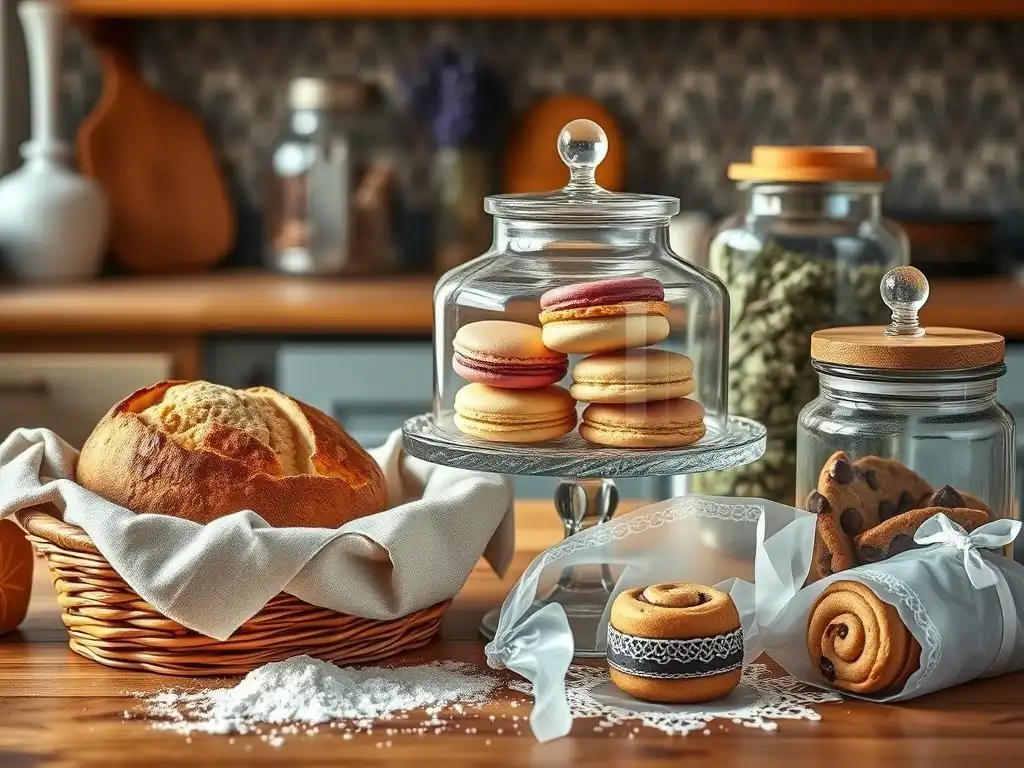
For cakes, particularly those that are frosted or decorated and will be consumed relatively quickly (within a day or two), a cake stand with a cloche (or dome) offers a beautiful and functional baked goods storage solution. While not perfectly airtight, a cloche provides a protective cover that helps maintain a humid environment around the cake, which is crucial for keeping frostings soft and the cake moist. It prevents dust and other airborne particles from settling on the cake while allowing it to remain a centerpiece.
This method of storing baked goods is ideal for sponge cakes, butter cakes, and layered cakes served at room temperature. The cloche traps just enough moisture released by the cake itself to keep it fresh for a short period without creating excessive condensation that could make it soggy or encourage mold. For extended storage, especially for cakes with perishable fillings or frostings, refrigeration is necessary, and wrapping the cake carefully before placing it under a cloche in the fridge can offer additional protection.
Classic cookie jars aren't just charming kitchen decor; they can serve as effective baked goods storage for certain types of cookies. A good ceramic or glass cookie jar with a well-fitting lid is reasonably airtight, though often not as completely sealed as specialized plastic or glass containers with silicone gaskets. They are perfect for storing sturdy cookies like shortbread, biscotti, or drop cookies that aren't overly delicate or prone to drying out instantly.
The primary benefit of a cookie jar is convenience and display. Keeping cookies readily accessible encourages snacking and ensures they are consumed before significant staling occurs. To enhance the effectiveness of a cookie jar for baked goods storage, ensure cookies are completely cooled before adding them. For softer cookies, adding a slice of bread or an apple wedge (changed daily) can help maintain moisture, though this adds a variable that requires monitoring to prevent mold. Layering cookies with parchment paper can also help preserve their individual textures and prevent sticking.
Bread Storage Solutions: From Linen Bags to Specialized Bins
Storing bread properly is a common challenge, as it stales rapidly when exposed to air but can become moldy quickly in a sealed plastic environment. Traditional linen or cotton bread bags are excellent for crusty loaves. They allow just enough air circulation to prevent the crust from becoming soft and soggy while still providing some barrier against drying out too quickly. This method keeps the crust crispier for longer than plastic.
For softer loaves or sliced bread, a dedicated bread box or a breathable bread bin can be effective baked goods storage solutions. Bread boxes, often made of wood or metal, create a dark, relatively stable environment that slows down staling compared to leaving bread on the counter. Some modern bread bins incorporate vents to control humidity. Another effective method for sliced bread is to store it in a resealable plastic bag or container once cooled, pressing out as much air as possible. While this softens the crust, it significantly slows staling and prevents moisture loss from the crumb.
Storing Muffins and Cupcakes: Preventing Sticking and Maintaining Moisture
Muffins and cupcakes present unique baked goods storage challenges, especially when frosted. The primary goals are to keep the cake moist, prevent the tops (especially frosted ones) from sticking together or getting smudged, and avoid sogginess. Airtight containers are generally the best option for muffins. Ensure they are completely cool before placing them in the container to avoid condensation. For added protection against sticking, you can line the bottom with parchment paper or place paper liners between layers if stacking is necessary.
For frosted cupcakes, specialized cupcake carriers with individual compartments are ideal baked goods storage. These carriers keep each cupcake separate, protecting the frosting and decorations. If you don't have a carrier, store frosted cupcakes in a single layer in a large, airtight container.
You can place a small piece of parchment paper or plastic wrap loosely over the frosting of each cupcake before closing the lid, though be careful not to press down on the frosting. Storing cupcakes at room temperature is usually fine for a couple of days, unless the frosting or filling contains perishable ingredients, in which case refrigeration is necessary.
Advanced Baked Goods Storage Techniques
Freezing Baked Goods: A Long-Term Freshness Solution
Freezing is one of the most effective methods for long-term baked goods storage, preserving quality for weeks or even months. Most baked goods freeze well, including bread, muffins, cookies (baked or dough), cakes (whole, sliced, or cupcakes), and even some pastries. The key is to prevent freezer burn, which occurs when baked goods are exposed to air in the freezer, leading to dehydration and flavor deterioration.
Preparing Baked Goods for Freezing
Preparation is crucial for successful baked goods storage in the freezer. Ensure items are completely cooled before wrapping. For items like cookies or muffins, you can flash freeze them first by placing them on a baking sheet in a single layer until solid (about 1-2 hours). This prevents them from sticking together and makes it easier to grab just a few at a time.
Cakes can be frozen whole, in halves, or as individual slices. Bread loaves can be frozen whole or sliced. Remove any frostings or fillings that don't freeze well (like meringue or some custards) if possible, or plan to add them after thawing.
Proper Freezing Containers and Wrapping Methods
Effective wrapping is the barrier against freezer burn in baked goods storage. Start with a layer of plastic wrap, ensuring it clings tightly to the baked good, pressing out as much air as possible. For extra protection, add a second layer of aluminum foil or place the wrapped item inside a freezer-safe bag or airtight container.
For items like cookies or muffins, after flash freezing, transfer them to a freezer bag or container, removing excess air before sealing. Label everything clearly with the date and contents – frozen baked goods are typically best consumed within 2-3 months for optimal quality, though they may remain safe to eat for longer.
Thawing Frozen Baked Goods for Optimal Texture
Thawing frozen baked goods correctly helps restore their texture. The best method for most items is slow thawing in the refrigerator overnight. Bread loaves can be thawed at room temperature in their wrapping to prevent condensation on the crust. Once thawed, bread can often be refreshed by warming it in a moderate oven (around 300°F or 150°C) for 5-10 minutes.
Cookies can often be eaten straight from the freezer or thawed at room temperature. Cakes should be thawed in the refrigerator, and if frosted, it's best to let them thaw in their container to manage condensation. Avoid thawing items at room temperature uncovered, as this can lead to sogginess or drying out.
Vacuum Sealing for Extended Shelf Life
Vacuum sealing is an advanced baked goods storage technique that removes almost all air from the packaging, dramatically extending shelf life compared to conventional methods. By eliminating oxygen, it significantly slows down oxidation (preventing rancidity) and inhibits the growth of aerobic bacteria and mold. This method is particularly effective for items that are prone to drying out or staling quickly, like bread, cookies, or even pie crusts.
However, vacuum sealing isn't suitable for all baked goods. Delicate items like soft cakes, muffins, or pastries can be crushed by the vacuum process. It works best for firmer items. When vacuum sealing baked goods, ensure they are completely cool. For items that might still be slightly fragile, you can freeze them first until solid, then vacuum seal. This provides structural integrity during the process. While vacuum sealing greatly extends shelf life, it's still recommended to store vacuum-sealed baked goods in a cool, dark place or the freezer for maximum longevity.
Dehydrating Baked Goods for Preservation
Dehydration is a less common but viable method for preserving certain baked goods, primarily those that are already low in moisture or can be made into a dry form, such as biscotti, croutons, or hardtack. This process removes moisture to a level where microorganisms cannot grow, allowing for very long-term storage at room temperature. While it changes the texture, making items very hard and crisp, it's effective for specific purposes.
To dehydrate baked goods, slice them thinly if they are larger items (like bread for croutons) and place them in a food dehydrator or a very low oven (around 140°F or 60°C) for several hours until completely dry and brittle. The exact time depends on the thickness and initial moisture content. Once fully dehydrated, allow them to cool completely before storing in airtight containers. Because moisture is the enemy of dehydrated goods, using a desiccant packet (like silica gel, food-grade only) in the container can help absorb any residual humidity and further protect your baked goods storage.
Baked Goods Storage Tips by Type
Storing Cakes: Frosting Considerations and Cake Dome Options
Storing cakes requires balancing moisture retention with preventing damage to delicate frostings. Unfrosted cakes, once completely cooled, can be wrapped tightly in plastic wrap and stored at room temperature for 2-3 days or frozen for longer. Frosted cakes that don't contain perishable ingredients (like cream cheese or whipped cream frosting) can often be stored at room temperature under a cake dome or in a large, airtight container for 1-2 days.
For cakes with perishable frostings or fillings, refrigeration is mandatory. Before refrigerating, it's best to chill the cake uncovered for about 15-30 minutes to firm up the frosting. Then, cover it loosely with plastic wrap or place it in a cake carrier or container to prevent it from absorbing odors from the fridge and drying out. Allow refrigerated cakes to sit at room temperature for 30-60 minutes before serving for the best flavor and texture.
The ideal baked goods storage for cookies depends on whether you want them to stay soft and chewy or remain crisp. For soft cookies, store them in an airtight container at room temperature. To help maintain moisture, you can add a slice of bread or a marshmallow to the container (replace daily). The cookies will absorb moisture from the bread/marshmallow.
For crispy cookies, store them in a container that is not completely airtight, such as a cookie jar with a slightly loose lid, or in an airtight container with a piece of parchment paper laid loosely over the top before sealing. This allows a small amount of air circulation to prevent them from becoming soft. Avoid storing soft and crispy cookies together, as the moisture from the soft cookies will migrate to the crispy ones, making them soft. Most cookies stored properly at room temperature will remain fresh for 5-7 days.
Storing Bread: Preventing Staling and Mold Growth
Effective baked goods storage for bread focuses on slowing staling while preventing mold. Crusty loaves are best stored at room temperature in a paper bag or a linen/cotton bread bag. This allows the crust to remain relatively crisp by letting moisture escape. This method keeps the bread best for about 1-2 days.
For longer storage of crusty bread or for softer sandwich loaves, an airtight container or plastic bag is often preferred, despite softening the crust. The key is to press out as much air as possible. Storing sliced bread in a resealable plastic bag at room temperature is a common and effective way to keep it soft for 3-5 days. Avoid refrigerating most bread, as it actually accelerates the staling process. For storage beyond a few days, freezing is the best option (see Advanced Techniques section).
Storing Pastries: Maintaining Flakiness and Avoiding Soggy Bottoms
Storing pastries, especially those with delicate flaky layers or fillings, requires careful consideration to maintain their texture. Pastries like croissants or puff pastry items are best eaten the day they are baked for optimal flakiness. For short-term baked goods storage (1-2 days), store them at room temperature in a paper bag or a loosely covered container to allow some air circulation and prevent sogginess. Reheating in a toaster oven can help restore some crispness.
Pastries with cream, custard, or fruit fillings require refrigeration due to their perishable nature. Store them in an airtight container in the refrigerator. Be aware that refrigeration will likely affect the texture, making flaky crusts softer. For items like fruit pies, covering them loosely with foil or plastic wrap at room temperature is acceptable for 1-2 days if they contain plenty of sugar, but refrigeration is safer for longer storage or in warm environments.
DIY Baked Goods Storage Solutions
Making Your Own Bread Bag
Creating your own bread bag is a simple and eco-friendly baked goods storage solution, perfect for those rustic loaves. You can sew a simple drawstring bag from linen or cotton fabric. These natural fibers allow the bread to breathe, which helps maintain a crusty exterior better than plastic, while still protecting it from dust and drying out too rapidly.
Materials needed:
- Linen or cotton fabric (approx. 18x24 inches for a standard loaf)
- Matching thread
- Drawstring cord or ribbon (approx. 30 inches)
- Sewing machine or needle and thread
Steps:
- Fold the fabric in half lengthwise, right sides together.
- Sew along one long side and the bottom edge, leaving the top open.
- Hem the top edge by folding down about 1/2 inch, pressing, and folding down again 1 inch. Sew along the bottom edge of the hem to create a channel for the drawstring.
- Thread the cord through the channel using a safety pin or bodkin. Tie the ends of the cord together.
- Turn the bag right side out.
Your homemade bread bag is ready for baked goods storage!
Before you toss that large plastic pretzel jar or coffee tin, consider giving it a second life for baked goods storage. Clean it thoroughly and ensure it's completely dry. These containers often have reasonably tight-fitting lids that work well for storing cookies or muffins. For metal tins, consider lining them with parchment paper to prevent any metallic taste transfer and provide an extra layer of protection.
- Glass Jars: Large pickle or spaghetti sauce jars can be great for storing smaller cookies or biscotti. Ensure the lids seal well.
- Plastic Tubs: Tubs from yogurt, sour cream, or deli salads (if large enough) can work, but check that the plastic is food-grade and the lid is secure.
- Metal Tins: Biscuit or coffee tins are classic for cookies. Adding a layer of parchment paper is recommended.
Remember to cool baked goods completely before placing them in upcycled containers to avoid condensation issues during baked goods storage.
Creating a Custom Cake Storage Box
While not as durable as a plastic carrier, a custom cake storage box made from cardboard can be useful for transporting or temporarily storing a decorated cake, especially if you don't have a standard cake carrier. You can adapt a sturdy box (like a clean delivery box) to fit your cake.
Materials needed:
- Sturdy cardboard box slightly larger than your cake
- Sharp craft knife or box cutter
- Packing tape
- Optional: Parchment paper or foil
Steps:
- Find a box where the cake base or cake board fits comfortably inside with some clearance around the sides.
- If the box is too tall, carefully measure and cut down the sides to be just taller than your cake and its decorations.
- Tape the bottom seams securely from the inside and outside.
- For a top-opening box, ensure the lid fits snugly. For a side-opening box, reinforce the seams with tape.
- You can line the bottom with parchment paper or foil for easy cleanup.
This DIY solution provides a protective enclosure for baked goods storage when a standard carrier isn't available, preventing accidental bumps or dust settling on your masterpiece.
Troubleshooting Common Baked Goods Storage Problems
Preventing Mold Growth in Stored Baked Goods
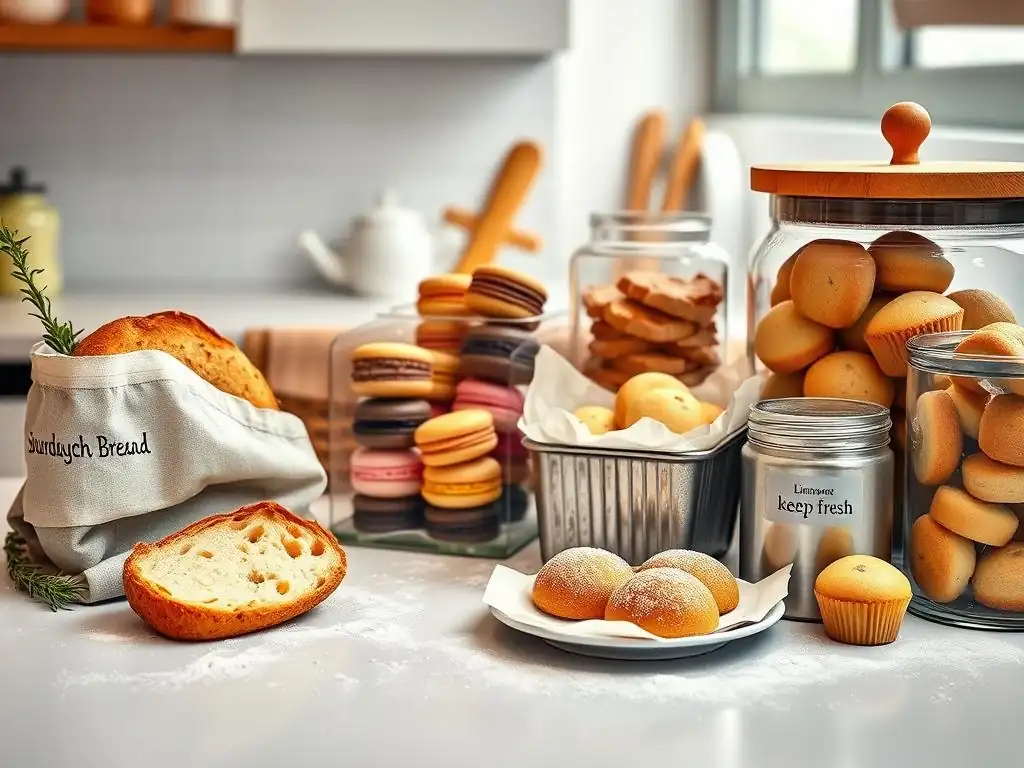
Mold growth is a common issue in baked goods storage, particularly in moist environments. The primary culprit is often trapped moisture combined with warmth. To prevent mold, always ensure baked goods are completely cooled before storing them. Never put warm items into airtight containers.
Key prevention tips:
- Cool fully on a wire rack.
- Use clean, dry storage containers.
- Avoid storing in warm, humid locations like near a stove or sunny window.
- For items prone to mold (like high-moisture bread), consider shorter-term room temperature storage or move to refrigeration/freezing sooner.
- If using bread bags, ensure they are clean and dry between uses.
- For humid climates, adding a food-grade desiccant packet to containers (away from direct contact with the food) can help manage moisture.
Avoiding Staling and Hardening
Staling is the process where starch molecules in baked goods recrystallize, causing them to become hard and dry. It happens fastest at refrigerator temperatures (above freezing, below room temp). The best way to avoid staling during baked goods storage depends on the item. For bread, keeping it at room temperature is better than refrigerating. Using airtight storage helps retain moisture, slowing staling for many items like cakes and cookies.
Techniques to combat staling:
- Store at room temperature unless perishability requires refrigeration.
- Use airtight containers for moisture-sensitive items.
- For bread, choose appropriate storage (bag for crusty, airtight for soft/sliced).
- Add moisture aids (bread slice, marshmallow) for soft cookies.
- Freeze baked goods for long-term storage, as freezing halts the staling process.
Maintaining Moisture in Soft Baked Goods
Keeping soft baked goods like muffins, soft cookies, and cakes moist during baked goods storage is crucial. Exposure to air is the main enemy here, causing moisture evaporation.
Tips for moisture retention:
- Use truly airtight containers with tight-fitting seals.
- Wrap individual items (like cake slices or muffins) tightly in plastic wrap before placing in a container for extra protection.
- For soft cookies, use the bread slice/marshmallow trick mentioned earlier.
- Avoid over-baking, as this reduces initial moisture content.
- Store at room temperature unless refrigeration is necessary for safety, as refrigeration dries out many baked goods.
The Best Materials for Baked Goods Storage
Glass vs. Plastic: Which is Better?
Both glass and plastic containers are popular choices for baked goods storage, and each has advantages. Glass containers are non-reactive, meaning they won't transfer odors or flavors to your baked goods. They are also durable, easy to clean, and you can easily see the contents. However, they can be heavy and are breakable. Glass containers with airtight lids are excellent for storing cookies, brownies, muffins, or even small cakes.
Plastic containers are lightweight, durable, and generally less expensive than glass. They are very common for baked goods storage. Look for food-grade plastic containers specifically designed for food storage, preferably BPA-free. Ensure the lids provide a truly airtight seal. Some concerns exist about plastic absorbing odors or staining over time, but for most home baking purposes, high-quality plastic containers are perfectly adequate and very effective at maintaining freshness.
The Role of Wood in Bread Storage
Wood has a long history in baked goods storage, most notably in the form of bread boxes. Wooden bread boxes are not typically airtight. Instead, they create a controlled environment that balances air circulation and containment. They offer a dark, relatively stable temperature inside, which can slow mold growth compared to a warm, bright counter. The wood itself can absorb some moisture, helping to regulate humidity around the bread.
While a wooden bread box won't keep bread as "fresh" (soft) as a plastic bag for as long, many people prefer it for storing crusty loaves, as it helps the crust retain some of its texture longer than it would in an airtight environment. Ensure the bread box is clean and dry, and periodically wipe it out to prevent crumb buildup and potential mold issues.
Using Parchment Paper and Wax Paper Effectively
Parchment paper and wax paper are invaluable aids in baked goods storage, even if they aren't containers themselves. They serve as barriers and separators. Parchment paper is heat-resistant and non-stick, useful for lining containers to prevent sticking or for layering cookies and brownies. It's also excellent for wrapping items before freezing.
Wax paper is less heat-resistant but is cost-effective and non-stick. It's great for layering between cookies in a tin or container to keep them from sticking together and can help prevent flavor transfer. It can also be used as an initial wrap for items before a second layer of foil or placing in a container for baked goods storage. Neither parchment nor wax paper provides an airtight seal on its own, so they are best used in conjunction with a container or additional wrapping for optimal freshness.
Conclusion: Enjoying Freshly Baked Goodness Every Time
Mastering baked goods storage is the final, crucial step in the baking process. It ensures that the effort, time, and love you put into your creations pay off with every delicious bite. Moving "beyond the bread box" means understanding the specific needs of different baked goods and employing the right techniques and tools to meet those needs, whether it's keeping cookies crisp, cakes moist, or bread from staling too quickly.
By paying attention to details like complete cooling, using appropriate containers, and considering environmental factors, you can significantly extend the life and quality of your baked goods. From simple airtight containers and elegant cake cloches to advanced freezing methods and DIY solutions, there's a baked goods storage strategy for every type of treat and every kitchen.
Recap of Baked Goods Storage Best Practices
Here’s a quick checklist of essential baked goods storage tips:
- [ ] Always cool baked goods completely before storing to prevent condensation and mold.
- [ ] Use airtight containers for most cookies, muffins, and cakes to retain moisture and prevent drying out.
- [ ] Store crusty bread in breathable bags (paper, linen) and softer bread in airtight plastic bags or containers at room temperature.
- [ ] Refrigerate items with perishable fillings or frostings, using appropriate coverings.
- [ ] Freeze baked goods for long-term storage, ensuring they are well-wrapped to prevent freezer burn.
- [ ] Consider specialized solutions like cake domes for frosted cakes or cupcake carriers.
- [ ] Use parchment or wax paper for layering and preventing sticking in containers.
- [ ] Store different types of cookies separately (soft with soft, crisp with crisp).
- [ ] Keep stored baked goods away from heat sources and direct sunlight.
Frequently Asked Questions
How long can I store baked goods at room temperature?
Most baked goods can be stored at room temperature for 2-3 days, but this depends on the type of baked good and the humidity levels in your environment. Proper storage is key to maintaining freshness.
What are some alternatives to using a bread box for storage?
Instead of a bread box, consider using an airtight container, a ziplock bag with the air pressed out, or even wrapping items tightly in plastic wrap or foil.
Can I freeze baked goods to extend their shelf life?
Yes, freezing is a great way to preserve baked goods for longer periods. Ensure they are completely cooled before wrapping them tightly and freezing for up to 2-3 months.
How do I prevent my baked goods from drying out during storage?
To prevent drying, make sure to seal the baked goods tightly to minimize air exposure. Adding a piece of bread or apple slice to the container can also help maintain moisture.
Cookies are best stored in an airtight container to maintain crispness or softness, depending on the recipe. Cakes should be stored in an airtight container or wrapped tightly, possibly refrigerated if they contain perishable fillings.
Final Reflection: The Sweet Science of Storage and the Joy of Sharing
The art of preserving freshly baked goods extends far beyond the humble bread box; it's about savoring the fruits of our labor and sharing deliciousness for longer. Our exploration of creative storage solutions reveals a surprising depth to this seemingly simple task, impacting not only the longevity of our baked creations but also our overall enjoyment of the baking process itself.
The impact of proper storage on the sensory experience of baked goods is profound. From the crispness of a cookie to the moistness of a cake, the right container can make all the difference. The best things in life are worth preserving,
and this certainly applies to the delicious treats we create in our kitchens. This article highlights the importance of appreciating the effort that goes into baking and finding ways to extend that enjoyment, fostering a deeper connection with our culinary creations and the people we share them with.
Now, consider your own baking journey. What techniques have you used to keep your baked goods fresh? What new methods will you try, inspired by the ideas presented here? I encourage you to experiment, to find the perfect storage solution for your favorite treats, and most importantly, to share the joy of freshly baked goods with those you love. Let the aroma of freshly baked bread, the satisfying crunch of a perfectly stored cookie, and the warm feeling of sharing deliciousness be your reward.
Unleash Your Inner Baker: Level Up Your Storage Game!
Thanks for diving into the world of creative baked goods storage! You've learned some fantastic tips to keep your treats fresh and your kitchen organized. Now it's time to put that knowledge into action!
- Embrace the challenge: Try out at least one new storage method from the article this week. Which one will you master first?
- Share your successes (and failures!): Let's build a community! Share photos of your beautifully stored baked goods on social media using #BakeWithEaseStorage.
- Expand your baking horizons: Explore new recipes that require unique storage solutions—think delicate macarons or elaborate layer cakes!
Ready to transform your baking routine? What's the most innovative storage solution you're going to try?