
DIY Compound Butters: Sweet and Savory Variations for Quick Bakes

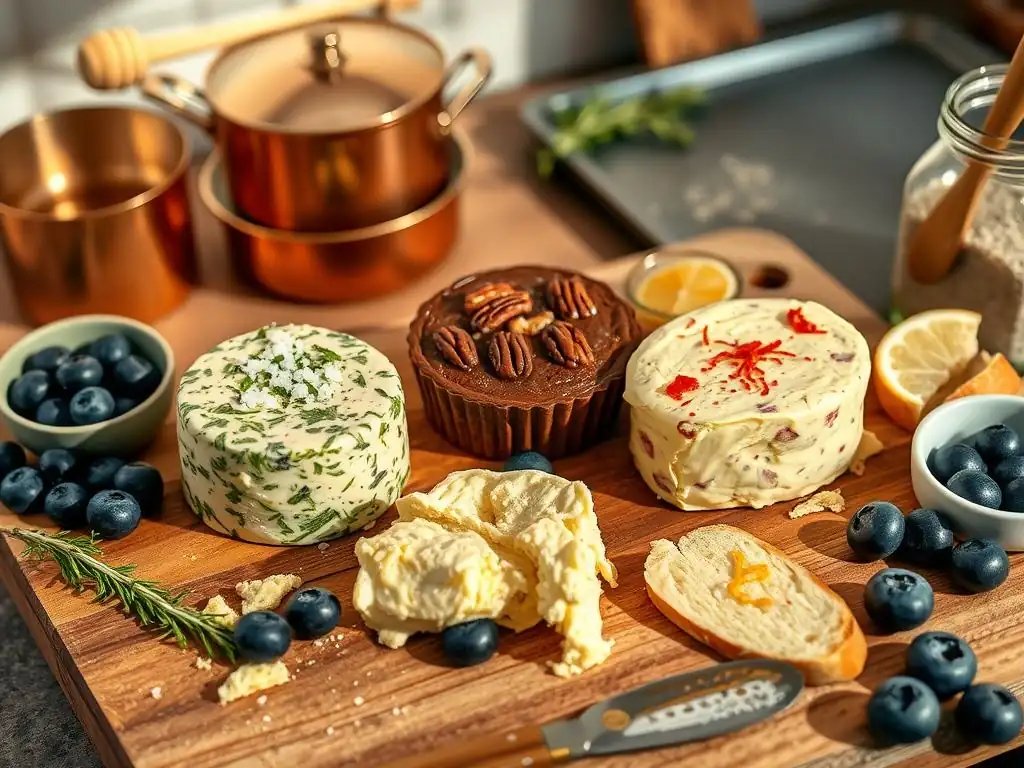
Welcome to BakeWithEase, where baking becomes a joy, not a chore! Are you ready to elevate your quick bakes from ordinary to extraordinary? Discover the secret weapon every baker should have in their arsenal: compound butter. This week, we're diving deep into the world of sweet savory compound butter recipes, offering you endless possibilities to infuse your creations with flavor. Intrigued? Let's unlock the delicious potential hidden in your butter dish...
- Introduction to Compound Butters for Baking
- Mastering the Basics: Making Compound Butter at Home
- Sweet Compound Butter Recipes for Baking
- Savory Compound Butter Recipes for Baking
- Quick Bake Ideas Using Sweet and Savory Compound Butters
- Advanced Techniques: Experimenting with Compound Butter Flavors
- Troubleshooting Common Compound Butter Issues
- Conclusion: Elevate Your Baking with Homemade Compound Butters
- Frequently Asked Questions
- Final Reflection: The Unexpected Joy of Compound Butter
- Unleash Your Inner Pastry Chef: Elevate Your Baking!
Introduction to Compound Butters for Baking
What are Compound Butters and Why Use Them in Baking?
Compound butter, also known as beurre composé, is simply butter that has been softened and combined with other ingredients like herbs, spices, fruits, or sweeteners. This mixture is then typically rolled into a log, chilled until firm, and sliced.
In baking, compound butters are a fantastic way to infuse deep, complex flavors directly into your doughs, batters, or as a finishing touch on warm baked goods. They offer a significant advantage over simply adding ingredients separately, as the fat in the butter helps distribute the flavors evenly and effectively throughout the bake, resulting in a more consistent and richer taste.
The beauty of using compound butters in baking lies in their convenience and versatility. Once made, they can be stored for weeks or even months, ready to be sliced and used whenever inspiration strikes. This pre-flavored fat eliminates the need for measuring multiple ingredients during your baking process, significantly speeding up preparation time for items like scones, biscuits, muffins, or even simple toast. Whether you're aiming for sweet treats or savory delights, incorporating sweet savory compound butter recipes into your routine can transform your baking with minimal extra effort.
BakeWithEase's Guide to Flavor-Boosting Compound Butters
Here at BakeWithEase, we believe that great flavor doesn't have to be complicated. That's why we're excited to share our guide to making and using compound butters. Think of compound butters as your secret flavor weapon, allowing you to effortlessly add a burst of taste to everything from a humble slice of bread to a sophisticated pastry. We'll walk you through the simple steps of creating these flavor-packed butters, highlighting both classic and creative sweet savory compound butter recipes that are perfect for the home baker.
Our goal is to empower you to experiment and find your favorite flavor combinations. We've found that even a small amount of a well-made compound butter can elevate a simple recipe dramatically. For instance, replacing plain butter with a cinnamon-sugar compound butter in a basic biscuit recipe can turn it into a festive treat, or using a garlic-herb butter in a savory scone mix adds an instant depth of flavor. Let's dive into how you can start making these incredible butters right in your own kitchen.
Mastering the Basics: Making Compound Butter at Home
Essential Ingredients for Delicious Compound Butters
The foundation of any great compound butter is, of course, butter itself. Using a good quality unsalted butter is key, as it allows you to control the salt level in your final product, especially important when creating sweet savory compound butter recipes. Ensure the butter is softened to room temperature, which means it should be pliable enough to easily mix with other ingredients but not melted or greasy. Typically, 1 cup (2 sticks or 227g) of softened butter is a good starting point for most recipes, yielding a log that's easy to store and slice.
Beyond the butter, the "compound" ingredients are where the magic happens. These can range from finely chopped fresh herbs like rosemary or chives, minced garlic or shallots, citrus zest, ground spices, honey, sugar, fruit purees or finely diced dried fruit, and even chocolate or nuts.
The key is to use ingredients that are finely prepared – herbs chopped very finely, garlic minced, zest grated – to ensure even distribution throughout the butter. For a standard 1-cup (227g) batch of butter, you might use anywhere from 2 tablespoons to 1/4 cup of total added ingredients, depending on their potency and your desired flavor intensity.
Step-by-Step Guide to Making Perfect Compound Butter
Making compound butter is surprisingly simple and requires minimal equipment. You'll need a medium-sized bowl, a spatula or wooden spoon, and parchment paper or plastic wrap for shaping and storing. Start by placing your softened, room-temperature butter in the bowl. Add your chosen flavorings – whether it's a mix for sweet savory compound butter recipes, or just one profile. For example, for a garlic-herb butter, add minced roasted garlic and finely chopped herbs to the softened butter.
Using your spatula or spoon, thoroughly mix the ingredients into the butter until they are evenly distributed. Scrape down the sides of the bowl to ensure everything is incorporated. Once mixed, transfer the butter mixture onto a sheet of parchment paper or plastic wrap.
Shape the butter into a log, approximately 1 to 1.5 inches in diameter, using the paper or wrap to help you form a tight cylinder. Twist the ends of the paper or wrap like a candy wrapper to seal and compact the log. Refrigerate the log for at least 1-2 hours, or until it is firm enough to slice cleanly.
Tips for Storing Compound Butter to Maintain Freshness
Proper storage is crucial to keep your homemade compound butter fresh and ready for use. Once your compound butter log is firm, you can store it in the refrigerator for up to 2 weeks. Make sure it is tightly wrapped in parchment paper followed by an layer of plastic wrap or aluminum foil, or placed in an airtight container, to prevent it from absorbing odors from other foods in the fridge. Clearly labeling the butter with its flavor profile (e.g., "Roasted Garlic Rosemary Butter") and the date you made it is also a helpful practice.
For longer storage, compound butter freezes exceptionally well. A tightly wrapped log can be frozen for up to 6 months. To use frozen compound butter, you can either slice off rounds from the log while it's still frozen (though this can be tricky) or let the log thaw slightly in the refrigerator for about 30-60 minutes until it's firm but sliceable. Always store frozen compound butter in a way that minimizes exposure to air, like in a freezer-safe bag after wrapping it in parchment and plastic wrap, to prevent freezer burn and maintain its vibrant flavor.
Sweet Compound Butter Recipes for Baking
Strawberry Honey Compound Butter: Recipe and Baking Ideas
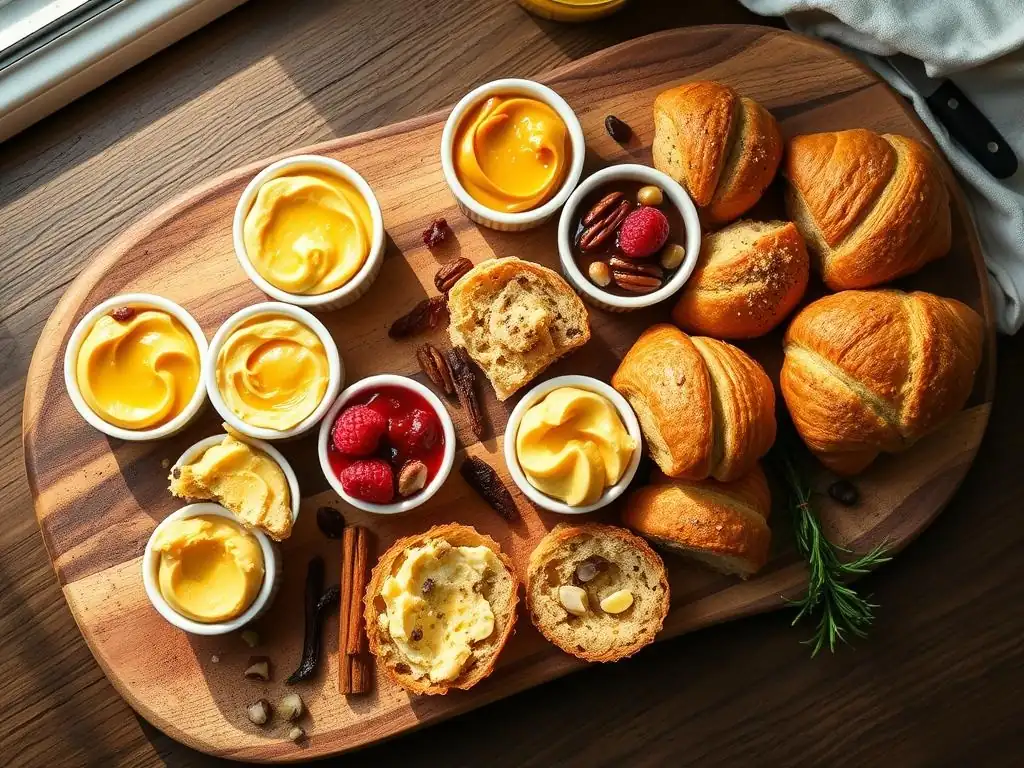
This delightful sweet compound butter captures the essence of summer berries and the golden sweetness of honey. To make approximately 1 cup (227g), you'll need 1 cup of softened unsalted butter, 2-3 tablespoons of finely minced fresh strawberries (ensure they are very ripe and finely diced to prevent large watery pockets), and 1-2 tablespoons of honey, depending on your desired sweetness. Simply combine these ingredients with the softened butter and mix until well incorporated. The result is a beautiful pink-hued butter with pockets of fruity sweetness and a subtle floral note from the honey.
The natural sweetness and slight tang of the strawberries, paired with the honey, make this a wonderful addition to many baked goods. It's particularly good when you want to add a burst of fruity flavor without the moisture of fresh berries in a batter. You can easily find variations of sweet savory compound butter recipes that incorporate different fruits and sweeteners, but this strawberry honey combination is a classic for good reason. Remember to mince the strawberries as finely as possible and blot them slightly with a paper towel if they seem overly juicy.
Perfect for Shortcakes and Muffins
Strawberry Honey Compound Butter is absolutely divine when used in shortcakes. Instead of using plain butter in your shortcake dough, try incorporating chilled cubes or slices of this compound butter. As the shortcakes bake, the butter melts, creating tender layers and infusing the dough with strawberry and honey flavor from within. A recipe calling for 1/2 cup of cold butter might use 1/2 cup of chilled Strawberry Honey Compound Butter, cut into cubes.
It's also fantastic for muffins. You can swirl spoonfuls of the softened compound butter into the muffin batter just before baking, creating pockets of rich, flavored butter that melt and distribute during the bake. Alternatively, placing a small pat (about 1 teaspoon) on top of each muffin before baking adds a lovely crust and intense flavor burst. This technique works especially well for simple vanilla or plain muffin batters, turning them into something special.
Orange Zest Almond Compound Butter: Elevating Your Baking
For a bright, nutty, and aromatic sweet compound butter, try Orange Zest Almond. You'll need 1 cup (227g) of softened unsalted butter, the finely grated zest of one large orange (about 1-2 tablespoons), and 2-3 tablespoons of finely chopped toasted almonds. The toasted almonds add a depth of flavor and a slight textural contrast. Ensure the almonds are chopped very finely, almost to a meal consistency, to prevent them from creating large, uneven chunks in the butter.
The combination of vibrant citrus zest and nutty almond is a classic pairing in baking, bringing warmth and brightness to many recipes. This sweet savory compound butter recipe variation is incredibly versatile and can add an elegant touch to simple baked goods. The natural oils in the orange zest carry the flavor beautifully through the butter, while the almonds provide a grounding, rich undertone. Experiment with different citrus zests, like lemon or grapefruit, for variations.
Ideal for Scones and Pancakes
Orange Zest Almond Compound Butter is a perfect match for scones. Just like with shortcakes, incorporate chilled cubes of this butter into your scone dough. The butter melts as the scones bake, creating a flaky texture and infusing every bite with the delightful flavor of orange and almond. For a recipe using 6 tablespoons of cold butter, use 6 tablespoons of your chilled Orange Zest Almond Compound Butter, cut into small pieces.
Beyond scones, this butter is also a wonderful addition to pancakes or waffles. While you wouldn't typically bake pancakes, using this compound butter as a topping after they're cooked is a game-changer. A small pat placed on a stack of warm pancakes will melt into a flavorful sauce, elevating a simple breakfast to something truly special. You could also try swirling a bit into the pancake batter itself before cooking for a more subtle flavor throughout.
Chocolate Hazelnut Compound Butter: A Versatile Sweet Treat
Who doesn't love chocolate and hazelnut? This decadent sweet compound butter brings together two beloved flavors. To create this, you'll need 1 cup (227g) of softened unsalted butter, 1/4 cup of finely chopped toasted hazelnuts, and 2-3 tablespoons of melted and slightly cooled chocolate (dark or milk, depending on preference) or 3-4 tablespoons of high-quality chocolate hazelnut spread. If using chopped chocolate, ensure it's melted gently and allowed to cool slightly before mixing into the softened butter to prevent melting the butter unevenly.
This compound butter is rich, nutty, and deeply satisfying. It's a fantastic way to incorporate chocolate and hazelnut flavor into baked goods without adding excessive liquid or sugar compared to using a spread directly in a batter. The butter base ensures the flavors are distributed evenly and contribute to the structure and texture of the bake. It's a prime example of how sweet savory compound butter recipes can lean heavily into the sweet side for indulgent results.
Great for Cookies and Pastries
Chocolate Hazelnut Compound Butter is a fantastic ingredient for cookies. Try substituting a portion of the regular butter in a shortbread or sugar cookie recipe with this compound butter. For example, in a recipe calling for 1 cup of butter, you might use 1/2 cup of regular butter and 1/2 cup of Chocolate Hazelnut Compound Butter. This adds a lovely chocolate-hazelnut undertone without making the cookie overly sweet or greasy.
For pastries, this butter can be rolled into puff pastry or croissant dough for extra flavor layers, or used as a filling. Imagine slicing off a piece and placing it inside a simple pastry before baking – it melts into a delicious surprise. It's also excellent spread on warm brioche or challah bread. The possibilities for this rich, sweet butter are vast, making it a staple for any baker who loves these classic flavors.
Savory Compound Butter Recipes for Baking
Roasted Garlic Rosemary Compound Butter: Adding Depth to Your Bakes
Moving into the savory realm, Roasted Garlic Rosemary Compound Butter is a powerhouse of flavor. Roasting the garlic mellows its pungency and brings out a sweet, earthy depth that raw garlic lacks. You'll need 1 cup (227g) of softened unsalted butter, 2-3 tablespoons of finely minced roasted garlic cloves (roast a whole head, then mince the softened cloves), and 1 tablespoon of finely chopped fresh rosemary. Ensure both the garlic and rosemary are minced very finely for even distribution.
This combination of savory, sweet roasted garlic and fragrant rosemary is incredibly versatile. It's a fundamental savory compound butter recipe that adds instant complexity to many dishes, not just baked goods. The fat in the butter helps carry the intense flavors of the roasted garlic and rosemary throughout whatever you're baking, ensuring every bite is packed with aromatic goodness. It's a classic example of how simple ingredients can create profound flavor.
Excellent for Savory Scones and Biscuits
Roasted Garlic Rosemary Compound Butter is a natural fit for savory scones and biscuits. Just like with sweet scones, cut chilled cubes of this compound butter into your dry ingredients. As the scones or biscuits bake, the butter melts, creating flaky layers and infusing the dough with the rich flavors of roasted garlic and rosemary. Using 1/2 cup of this butter in a recipe calling for 1/2 cup of regular butter will yield wonderfully fragrant results.
You can also use a small pat (around 1 teaspoon) of this compound butter on top of savory muffins or cornbread before baking for an extra flavor boost and a slightly crispy top. The butter melts down, adding moisture and flavor. Serving warm savory scones or biscuits with an extra dollop of this butter is also a simple way to enhance their flavor profile right before serving.
Parmesan Black Pepper Compound Butter: Italian-Inspired Baking
Inspired by classic Italian flavors, Parmesan Black Pepper Compound Butter is sharp, savory, and adds a wonderful bite to baked goods. For 1 cup (227g) of butter, you'll need 1 cup of softened unsalted butter, 1/4 cup of finely grated Parmesan cheese (use a good quality, aged Parmesan for the best flavor), and 1-2 teaspoons of freshly cracked black pepper. The key here is freshly cracked pepper, which has a much more vibrant aroma and flavor than pre-ground.
This sweet savory compound butter recipe leans heavily savory, creating a distinct umami profile from the Parmesan cheese, balanced by the pungent heat of the black pepper. It's an easy way to add a cheesy, peppery kick to doughs and batters without incorporating large amounts of cheese that might affect texture differently. The fine grate of the cheese helps it blend smoothly into the butter.
Use with Focaccia and Breadsticks
Parmesan Black Pepper Compound Butter is absolutely perfect for enriching focaccia dough or topping breadsticks. You can swirl softened butter into the focaccia dough before the final rise, or even press small dollops into the dimples of the focaccia before baking. For breadsticks, brushing them with melted Parmesan Black Pepper Compound Butter just before baking, or immediately after they come out of the oven, adds incredible flavor and a crispy crust.
Consider using this butter in savory muffins or quick breads. A recipe for a simple cheese bread could be elevated significantly by using this compound butter instead of plain butter and adding extra cheese. Even simple garlic bread can be transformed by spreading slices of baguette with this flavorful butter before toasting. The Parmesan provides a savory depth that is hard to beat.
Chipotle Cilantro Compound Butter: A Spicy and Zesty Twist
For those who love a bit of heat and fresh flavor, Chipotle Cilantro Compound Butter offers a delicious savory twist. You'll need 1 cup (227g) of softened unsalted butter, 1-2 tablespoons of finely minced chipotle peppers in adobo sauce (adjust to your spice preference), and 2-3 tablespoons of finely chopped fresh cilantro. Ensure the chipotles are minced very finely, removing any large seeds if desired, and the cilantro is fresh and vibrant.
This compound butter brings together smoky heat from the chipotles and bright, fresh notes from the cilantro. It's a fantastic way to infuse baked goods with a bit of Southwestern or Mexican-inspired flavor. The fat in the butter helps to distribute the capsaicin from the chipotles evenly, providing a consistent level of heat throughout your bake, unlike adding chopped peppers directly which might create pockets of intense spice. It's a less common but highly rewarding sweet savory compound butter recipe variation.
Try it with Cornbread and Empanadas
Chipotle Cilantro Compound Butter is an ideal partner for cornbread. Swirling spoonfuls into your cornbread batter before baking adds a delightful smoky, spicy flavor throughout. You can also use chilled cubes of this butter in a savory scone or biscuit recipe if you're looking for a kick. A recipe for a standard 8x8 inch pan of cornbread could easily incorporate 1/4 cup of this softened butter swirled in.
It's also excellent for empanada dough or fillings. Incorporating chilled cubes into a savory pastry dough adds flavor and flakiness. Alternatively, adding a small amount to a savory empanada filling (like black bean or chicken) before wrapping can infuse it with smoky, zesty notes. Serving warm cornbread or empanadas with an extra pat of this butter on top is a simple way to enhance the flavors right before serving.
Quick Bake Ideas Using Sweet and Savory Compound Butters
Effortless Baking with Pre-Made Compound Butter
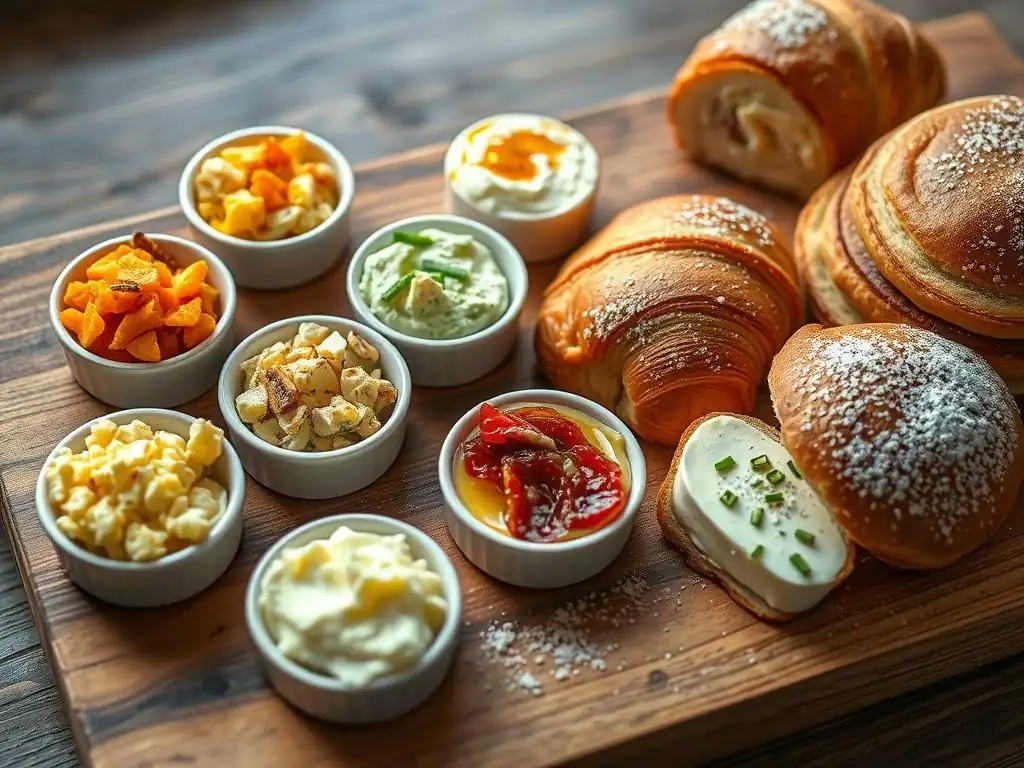
One of the biggest advantages of having homemade sweet savory compound butter recipes ready in your fridge or freezer is the sheer speed and ease they bring to your baking. Imagine deciding to make biscuits or scones on a whim. If you have pre-made compound butter, you've already saved yourself the step of measuring and incorporating individual flavorings like herbs, spices, or zests. You simply need to measure out the required amount of your flavored butter, which is especially easy if you've stored it in a log and can slice it.
For example, a recipe calling for 1/2 cup of cold butter can be instantly transformed into a flavorful bake by using 1/2 cup of chilled Roasted Garlic Rosemary or Orange Zest Almond compound butter. This cuts down preparation time significantly, allowing you to go from craving to warm baked goods much faster. Whether it's a simple muffin mix getting a swirl of Chocolate Hazelnut butter or basic biscuit dough infused with Parmesan Black Pepper, the compound butter does the heavy lifting on the flavor front.
From Freezer to Oven: Streamlining Your Baking Process
The ability to freeze compound butter is a major time-saver. You can dedicate an afternoon to making several different sweet savory compound butter recipes, store them properly, and then have a variety of flavor options available for months. This is particularly useful for busy individuals who still want to enjoy homemade baked goods. Need quick garlic bread for dinner? Slice off a round of frozen garlic butter and spread it on bread. Want flavored muffins for breakfast? Add a pat of fruit-flavored butter to the batter or on top.
Using frozen compound butter also helps maintain the cold temperature needed for flaky pastries like scones and biscuits. You can cube the frozen log and quickly cut it into the flour mixture. This streamlines the entire process, making spontaneous baking sessions much more feasible and enjoyable. It's a simple hack that significantly enhances efficiency in the kitchen.
Advanced Techniques: Experimenting with Compound Butter Flavors
Combining Sweet and Savory: Unexpected Flavor Combinations
While we've explored distinct sweet and savory compound butter recipes, the real fun begins when you start experimenting with combining elements from both worlds. Think about flavors that bridge the gap – like honey and rosemary, or fig and black pepper. A fig and black pepper compound butter, for instance, could be incredible with goat cheese pastries or even brushed on warm bread. Similarly, a maple and smoked paprika butter could add a unique twist to cornbread or sweet potato biscuits.
Exploring sweet savory compound butter recipes that deliberately blend profiles can lead to truly unique and memorable baked goods. Consider a brown sugar and chili compound butter for a spicy-sweet cornbread, or a balsamic glaze and strawberry butter for a sophisticated scone. Start with small batches (perhaps 1/4 cup of butter) when experimenting with new combinations to see if the flavors work before committing to a larger batch.
Incorporating Extracts and Spices for Unique Butter Blends
Beyond fresh ingredients, extracts and ground spices offer another avenue for creating unique compound butters. A few drops of almond extract can enhance the nutty flavor in a sweet butter, while a pinch of cayenne pepper can add a subtle warmth to a savory one. Ground spices like cinnamon, cardamom, ginger, or nutmeg are excellent additions to sweet butters, perfect for holiday baking or adding warmth to everyday treats.
Be mindful of the potency of extracts and spices. Start with a small amount (e.g., 1/4 teaspoon of ground spice or 1-2 drops of extract per cup of butter) and taste as you go, adding more if needed. Ensure ground spices are well mixed to avoid grainy texture. Incorporating these can expand your repertoire of sweet savory compound butter recipes dramatically, allowing you to create blends like Cardamom Orange, Ginger Molasses, or Smoked Paprika Cumin butter.
Adjusting Sweetness and Saltiness in Compound Butter Recipes
Controlling the levels of sweetness and saltiness is key to perfecting your compound butters, especially when creating sweet savory compound butter recipes that play with both profiles. Since you're typically starting with unsalted butter, you have full control over the salt content. For savory butters, adding a pinch of fine sea salt (around 1/4 to 1/2 teaspoon per cup of butter) can enhance the other flavors. Taste a small amount of the mixed butter before chilling to check the seasoning.
For sweet butters, the type and amount of sweetener can be adjusted. Honey, maple syrup, brown sugar, or powdered sugar all behave differently and offer distinct flavors. Powdered sugar blends most smoothly. Start with the suggested amount (e.g., 1-2 tablespoons per cup of butter) and increase if a sweeter result is desired. Remember that chilling the butter can slightly mute flavors, so it's often better to err slightly on the side of more intense flavor when mixing.
Troubleshooting Common Compound Butter Issues

Preventing Watery Compound Butter
One common issue, particularly with sweet savory compound butter recipes using fresh ingredients like fruits or vegetables, is incorporating too much moisture, which can make the butter watery or prevent it from firming up properly. This is often a problem with ingredients like juicy berries or raw garlic. To prevent this, ensure ingredients are as dry as possible. Blot minced strawberries with a paper towel, roast garlic instead of using it raw, and drain excess liquid from ingredients like sun-dried tomatoes.
Finely mincing ingredients also helps distribute moisture more evenly. If your butter mixture seems too soft after mixing due to moisture, you can try adding a small amount of powdered sugar (for sweet butters) or fine flour (for savory butters), perhaps 1-2 teaspoons per cup of butter, to absorb some of the excess liquid, though this can slightly alter the texture. The best approach is prevention through proper ingredient preparation.
Ensuring Even Flavor Distribution
Uneven flavor distribution occurs when the added ingredients aren't thoroughly mixed into the softened butter, resulting in pockets of intense flavor and areas of plain butter. This is often due to not mixing long enough or not properly scraping down the sides of the bowl. To ensure even flavor, make sure your butter is truly at room temperature and soft enough to mix easily.
Spend a few minutes thoroughly incorporating the additions using a spatula, pressing the mixture against the sides of the bowl, and folding it over on itself repeatedly. Visually inspect the butter to confirm that the added ingredients are dispersed throughout the entire batch, with no large clumps or streaks of plain butter. This diligent mixing is crucial for any sweet savory compound butter recipes to achieve consistent flavor.
Addressing Texture Problems in Your Compound Butter
Sometimes compound butter can end up too hard when chilled, making it difficult to slice, or too soft, failing to hold its shape. If your butter is too hard, it might be because you used butter straight from the fridge instead of softening it properly first, or perhaps the ratio of added ingredients is too high relative to the butter. Ensure you start with truly softened butter.
If the butter is too soft and won't firm up, it could be due to excessive moisture from additions (as mentioned above) or the inclusion of liquid ingredients like oils or sauces in too high a proportion. While a little adobo sauce from chipotles is fine, adding significant liquid will prevent the butter from solidifying properly. If a batch is too soft, you can try mixing in a tablespoon or two of additional softened plain butter to adjust the ratio, then rechill.
Conclusion: Elevate Your Baking with Homemade Compound Butters
Sweet and Savory Compound Butter Recipes: Your Baking Secret Weapon
Homemade sweet savory compound butter recipes are truly a game-changer in the kitchen. They offer an incredibly simple yet effective way to infuse deep, layered flavors into your baked goods, transforming everyday recipes into something special. By preparing these butters ahead of time, you streamline your baking process, making it easier to create delicious treats and savory bakes on demand. From enhancing the flakiness of scones with flavored fat to adding a burst of taste to muffins and breads, the possibilities are vast and exciting.
Embracing compound butters allows you to customize flavors to your exact preferences and experiment with combinations you won't find in store-bought products. Whether you're craving the sweetness of strawberry-honey or the savory depth of roasted garlic and rosemary, having these flavor-packed butters ready means you're always just a few steps away from elevated baking. They are an essential tool for any baker looking to add convenience and a punch of flavor to their repertoire.
BakeWithEase's Final Thoughts on Flavorful Baking with Compound Butter
At BakeWithEase, our mission is to make baking accessible and enjoyable for everyone. Learning to make sweet savory compound butter recipes fits perfectly within that philosophy. It's a simple technique with a high reward, significantly enhancing the flavor of your bakes with minimal effort during the actual baking process. We encourage you to try making a batch or two of your favorite flavor combinations from this guide, or even invent your own!
Store them in your fridge or freezer, and you'll be amazed at how often you reach for them. They're not just for baking; they're wonderful on toast, vegetables, grilled meats, and more. But in the context of baking, they are truly transformative. So go ahead, soften some butter, add some flavor, and get ready to elevate your baking game with these incredible homemade compound butters. Happy baking!
Frequently Asked Questions
What exactly is a compound butter, and why should I make it?
A compound butter is simply butter that has been flavored with various ingredients like herbs, spices, or sweeteners. It's a quick way to add flavor to your bakes and meals.
Can I use salted or unsalted butter for my compound butter recipes?
Either salted or unsalted butter can be used. However, unsalted is often preferred to control the overall saltiness of the final product. Adjust other seasonings accordingly.
How long does compound butter last in the refrigerator?
Properly stored, compound butter can last for up to a week in the refrigerator. Make sure it's tightly wrapped to prevent absorbing other fridge odors.
What are some examples of sweet compound butter recipes I can make?
Some popular sweet compound butter variations include honey cinnamon butter, maple pecan butter, or strawberry vanilla butter. These are great on pancakes or muffins.
Savory compound butter options include garlic herb butter, rosemary lemon butter, or sun-dried tomato and basil butter. They're fantastic on bread or roasted vegetables.
Final Reflection: The Unexpected Joy of Compound Butter
The humble compound butter, once a culinary secret, has exploded in popularity, transforming from a niche ingredient to a pantry staple. Its versatility and ease of creation make it a game-changer for both novice and experienced bakers, offering a shortcut to elevated flavor in even the simplest recipes. This accessibility, combined with the endless possibilities for flavor combinations, ensures its continued reign as a kitchen favorite.
The journey through sweet and savory compound butter variations has been a delightful exploration of taste and texture. It's remarkable how such a simple ingredient can elevate a plain biscuit to a gourmet experience, or transform a basic grilled chicken breast into a flavor explosion. The process itself is meditative, a quiet act of creation that connects us to the food we consume. The best things in life are simple,
a sentiment perfectly encapsulates the magic of compound butter. Its impact extends beyond individual enjoyment; it fosters creativity in the kitchen, encouraging experimentation and a deeper appreciation for the nuances of flavor.
Now, it's your turn. Don't be afraid to experiment! Try your hand at creating your own unique compound butter combinations, using seasonal ingredients and flavors that speak to your palate. Imagine the possibilities: a rosemary-garlic butter for crusty bread, a maple-pecan butter for pancakes, or a spicy chipotle-lime butter for grilled fish. The only limit is your imagination. Embrace the joy of crafting these culinary gems, and watch as your baking (and cooking!) transforms with simple, yet extraordinary, results.
Unleash Your Inner Pastry Chef: Elevate Your Baking!
Thanks for exploring the delicious world of compound butters with us! You've now unlocked a secret weapon for instantly upgrading your baking game. Ready to put your new knowledge into practice?
- Craft your signature compound butter: Choose your favorite sweet or savory combination from the article and whip up a batch today! Experiment with different herbs, spices, and flavors to create your unique masterpiece.
- Share your creation: Snap a picture of your culinary masterpiece and share it on social media using #BakeWithEaseCompoundButter – let's inspire each other!
- Explore new recipes: Use your homemade compound butter to elevate your favorite baked goods or try one of our many recipes on BakeWithEase.com (this would be a link in the actual website) that highlight the versatility of compound butter.
What unexpected flavor combination will you create with your next batch of compound butter?