
When Your Cake Falls Apart: Identifying the Cause

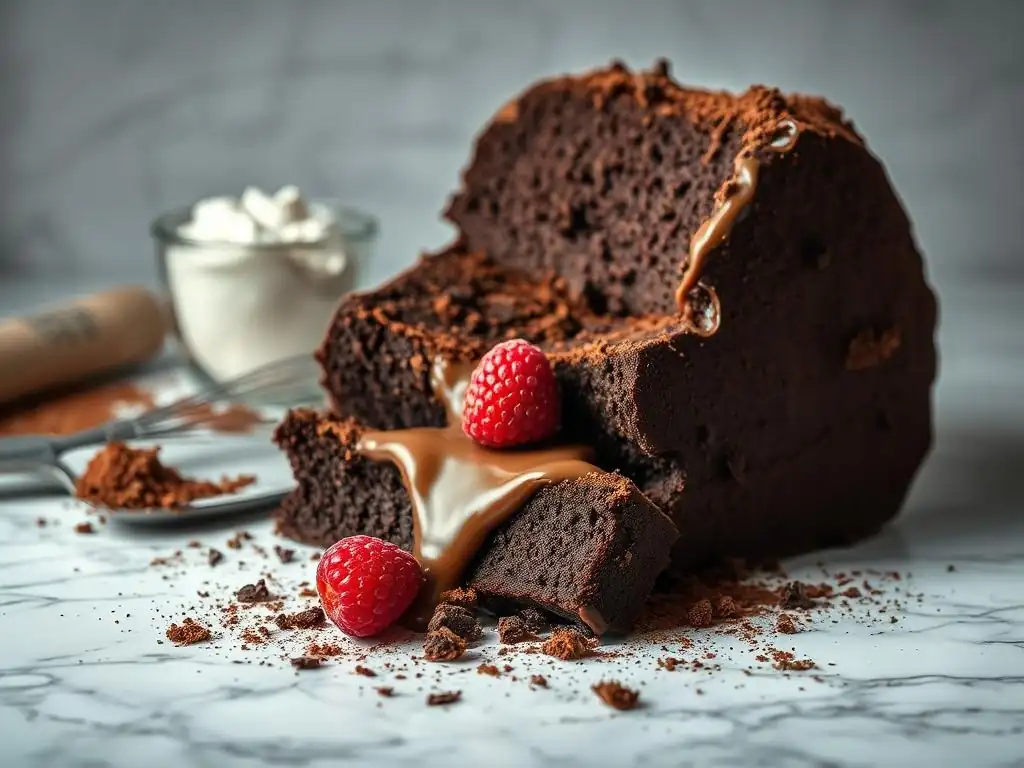
Welcome to BakeWithEase, your kitchen companion for conquering the sweet and savory world of baking! Ever wondered why that seemingly perfect cake crumbles at the slightest touch? Discover the secrets behind a sturdy and delicious bake as we delve into the common cake falling apart reasons, unlocking the techniques and tweaks you need to ensure baking success every time. Prepare to transform your cakes from crumbly chaos to delightful masterpieces!
- Introduction: Why is My Cake Crumbling?
- Common Cake Falling Apart Reasons: A Baker's Troubleshooting Guide
- Specific Cake Types and Their Tendency to Crumble:
- How to Prevent a Cake From Falling Apart: Proactive Baking Tips
- Salvaging a Crumbling Cake: Rescue Options
- Conclusion: Bake With Ease and Confidence
-
Frequently Asked Questions
- Why did my cake fall apart after baking?
- What are the common ingredients that can cause a cake to fall apart?
- How does oven temperature affect the structural integrity of a cake?
- Could overmixing the batter be a reason my cake is falling apart?
- Are there specific cake types that are more prone to falling apart than others?
- Final Reflection: The Sweetness of Resilience in Baking (and Life)
- Rediscover Your Baking Confidence!
Introduction: Why is My Cake Crumbling?
There's little more frustrating in the kitchen than pulling a beautiful-looking cake from the oven, only for it to crumble into pieces when you try to handle it. It's a common baking woe, and understanding the root causes is the first step to preventing it. A crumbling cake isn't just disappointing; it's a puzzle waiting to be solved, revealing potential flaws in your technique or recipe execution.
This guide is designed to help you diagnose those frustrating cake falling apart reasons. We'll walk through the most frequent culprits, from ingredient mishaps to cooling errors, providing practical insights and actionable tips. Baking is a science, and sometimes even a small deviation can lead to a big problem like a cake that refuses to hold its shape. Let's troubleshoot together and get you back to baking beautiful, stable cakes.
Understanding Cake Structure and Stability
At its core, a cake's structure relies on a delicate balance of ingredients that provide both tenderness and strength. Flour, particularly its gluten content, forms a network that gives the cake its framework. Eggs act as binding agents, helping to hold everything together. Sugar and fats contribute to tenderness and moisture, while leavening agents create the airy texture. When these components are in the right proportion and processed correctly, they create a stable crumb that can support itself.
However, disrupting this balance, whether through inaccurate measurements, incorrect mixing, or improper baking and cooling, can weaken the internal structure. Imagine the gluten network as tiny scaffolding; if it's underdeveloped, overdeveloped, or overwhelmed by too much fat or moisture, the scaffolding becomes unstable, leading to a cake that crumbles easily. Understanding the role of each ingredient and process step is key to mastering cake stability and avoiding the common cake falling apart reasons.
BakeWithEase.com: Your Guide to Perfect Cakes
Welcome to BakeWithEase.com, your trusted companion on your baking journey! We're passionate about demystifying the art and science of baking, offering simple, reliable recipes and techniques for bakers of all skill levels. Whether you're tackling your first cake or perfecting a challenging layered creation, our goal is to equip you with the knowledge and confidence to achieve delicious results every time.
We understand that baking can sometimes present challenges, and a cake that crumbles is certainly one of them. That's why we provide detailed guides like this, focusing on common problems and their solutions. Our resources cover everything from ingredient fundamentals to advanced decorating tips, all designed to make baking accessible and enjoyable. Think of us as your personal baking coach, helping you navigate issues like cake falling apart reasons and celebrating your successes in the kitchen.
Common Cake Falling Apart Reasons: A Baker's Troubleshooting Guide
1. Incorrect Ingredient Ratios: The Foundation of a Stable Cake
Getting your ingredient measurements right is perhaps the most critical step in baking. Cakes rely on precise ratios to achieve the desired texture and structure. Deviating from these can fundamentally alter how the batter behaves in the oven and how the finished cake holds together. Too much of one ingredient or too little of another can lead to a weak crumb that easily crumbles when handled, a primary contributor to cake falling apart reasons.
For example, a standard butter cake recipe might call for roughly equal weights of flour, sugar, butter, and eggs. If you significantly increase the amount of sugar (say, by 25%), it can make the cake too moist and delicate, as sugar is a tenderizer and absorbs moisture. Similarly, reducing the flour can weaken the gluten network, resulting in a cake that lacks sufficient internal support and is prone to crumbling. Precision with scales or accurate measuring cups is essential.
Too Much Fat: Weakening the Gluten Structure
Excessive fat, whether butter, oil, or shortening, is a common culprit behind a crumbling cake. While fat adds moisture and tenderness, too much interferes with the gluten development in the flour. Gluten forms an elastic network that provides structure; fat coats the flour particles, preventing them from forming these strong bonds.
Consider a recipe where you accidentally add an extra half cup of butter to a standard 8-inch cake batter. This surplus fat lubricates the batter excessively, inhibiting the gluten's ability to create a stable framework during baking. The resulting cake will be very tender, perhaps even greasy, but its internal structure will be weak, making it highly susceptible to crumbling when sliced or moved. It's like building a house with too much mortar and not enough bricks – the walls won't stand firm.
Insufficient Binding Agents: Lack of Egg Power
Eggs play a vital role in cake structure, acting as binders and contributing to richness and leavening. They contain proteins that coagulate when heated, creating a network that helps the cake hold its shape. If a recipe calls for a certain number of eggs, and you use fewer, the cake will lack the necessary internal support.
Imagine a yellow cake recipe designed for three large eggs. If you only use one or two, the protein network won't be strong enough to support the crumb structure created by the flour and leavening. The baked cake might look okay initially, but it will likely be delicate and fall apart easily when handled or sliced. This lack of binding power is a significant factor in many cake falling apart reasons.
Imbalance of Wet and Dry Ingredients
Achieving the correct balance between wet ingredients (like milk, eggs, oil/butter, extracts) and dry ingredients (flour, sugar, leavening, salt) is fundamental to a stable cake. An imbalance can drastically affect the batter's consistency and the final cake's texture and structure.
If the batter is too wet, it can become dense and heavy, leading to a cake that struggles to rise properly and might collapse or become gummy and prone to crumbling. Conversely, a batter that is too dry will result in a dense, tough cake that can also crumble due to lack of moisture and insufficient binding. For example, adding 1/4 cup less milk than specified in a recipe might result in a dry, crumbly cake, while adding 1/4 cup extra could make it too fragile and moist to hold its shape.
2. Gluten Development Issues: The Strength of Your Cake
Gluten, formed when proteins in flour (gliadin and glutenin) combine with liquid and are agitated, provides the structural integrity of most cakes. The amount and strength of the gluten network needed vary depending on the cake type. Issues with gluten development, whether too much or too little, can lead to significant problems, including a cake falling apart.
Understanding how mixing affects gluten is crucial. Overmixing develops too much tough gluten, while undermixing leaves the structure weak. Using the wrong type of flour, which has a different protein content, also directly impacts gluten formation. These factors are key considerations when troubleshooting cake falling apart reasons.
Overmixing the Batter: Tough and Dry Cake
Mixing cake batter for too long or at too high a speed can overdevelop the gluten, especially in recipes using all-purpose flour. While some gluten development is necessary, excessive mixing creates a strong, elastic network more suited for bread than a tender cake.
Overmixing results in a cake with a tough, chewy texture. Paradoxically, this toughness doesn't necessarily mean the cake is stable; the overly strong gluten can sometimes lead to tunneling and a dry, crumbly texture that breaks apart rather than slicing cleanly. Mixing typically should stop as soon as the dry ingredients are just combined, often requiring only 30-60 seconds on low speed after adding flour.
Undermixing the Batter: Poor Structure and Crumbly Texture
Conversely, undermixing the batter can be just as detrimental to cake structure. If the wet and dry ingredients aren't sufficiently combined, or if the batter isn't mixed enough to begin developing a basic gluten network and emulsifying the fats, the cake will lack cohesion.
An undermixed cake often has a coarse, uneven crumb. Pockets of unmixed ingredients might remain, and the overall structure will be weak because the necessary bonds haven't formed properly. This results in a cake that is fragile and prone to crumbling easily when removed from the pan or sliced. Ensuring the batter is mixed until just smooth, with no streaks of dry ingredients, is vital.
Using the Wrong Flour
Different flours have varying protein contents, which directly affects their gluten-forming potential. Using a flour with a protein content too high or too low for a specific recipe can impact the cake's structure and contribute to cake falling apart reasons.
All-purpose flour typically has a protein content of 10-12%. Cake flour, with a lower protein content (6-8%), is often used for tender cakes with a finer crumb because it develops less gluten. Bread flour, with a higher protein content (12-14%+), is designed to create strong gluten networks for chewy bread.
Using bread flour in a delicate cake recipe will result in excessive gluten development, leading to a tough cake that might still crumble due to its density and lack of tenderness. Using cake flour in a recipe designed for all-purpose might result in a cake that is too delicate and crumbles from lack of structure.
3. Oven Temperature Problems: Baking's Delicate Balance
The oven temperature and baking environment play a critical role in how a cake sets and develops its structure. Baking is a process of chemical reactions and physical changes, all dependent on consistent heat. Incorrect oven temperatures can lead to uneven baking, premature setting, or insufficient setting, all contributing to cake falling apart reasons.
A cake must bake at the correct temperature for the right amount of time to allow the proteins to coagulate, the starches to gelatinize, and the leavening to create air pockets that set into a stable structure. Deviations in temperature disrupt this delicate process, often resulting in a cake that is either underbaked in the center, overbaked and dry, or collapsed.
Oven Temperature Too Low
Baking a cake in an oven that is too cool is a common issue. A low temperature causes the cake to rise slowly, and it may not set properly before the leavening agents are exhausted. The cake might continue to rise but without the internal structure firming up adequately.
This often results in a cake that is dense, unevenly baked, and potentially sunken in the center. The low heat doesn't allow the proteins and starches to set quickly enough to support the rising batter. When you try to remove or slice the cake, the underbaked or improperly set areas are weak and will easily crumble. A cake baked at 300°F (150°C) when the recipe calls for 350°F (175°C) is highly likely to suffer from this issue.
Oven Temperature Too High
Conversely, an oven that is too hot can cause the cake to set too quickly on the outside before the inside has had a chance to cook through. The crust forms rapidly, potentially trapping moisture and leaving the center underbaked and weak.
A cake baked at 400°F (200°C) instead of 350°F (175°C) will likely brown excessively on the exterior while the interior remains soft and unstable. This rapid setting can also cause the cake to dome excessively and potentially crack. When the cake cools, the underbaked interior lacks structure and will crumble easily, especially when trying to handle the cake or remove it from the pan.
Inaccurate Oven Thermostat: How to Check and Calibrate
One of the most overlooked cake falling apart reasons related to temperature is an inaccurate oven thermostat. Many home ovens can be off by as much as 25-50°F (15-30°C) from the temperature they indicate. This means you might think you're baking at 350°F (175°C), but the actual temperature could be significantly higher or lower, leading to the issues described above.
To check your oven's accuracy, place an independent oven thermometer inside and compare its reading to your oven's display after preheating for at least 20-30 minutes. If there's a significant discrepancy (more than 10-15°F or 5-8°C), you'll need to adjust your baking temperature accordingly or consider having the oven calibrated professionally. For instance, if your oven reads 350°F but an external thermometer shows 325°F, you know to set your oven to 375°F to achieve the desired 350°F baking temperature.
4. Cooling Issues: Letting Your Cake Set Properly
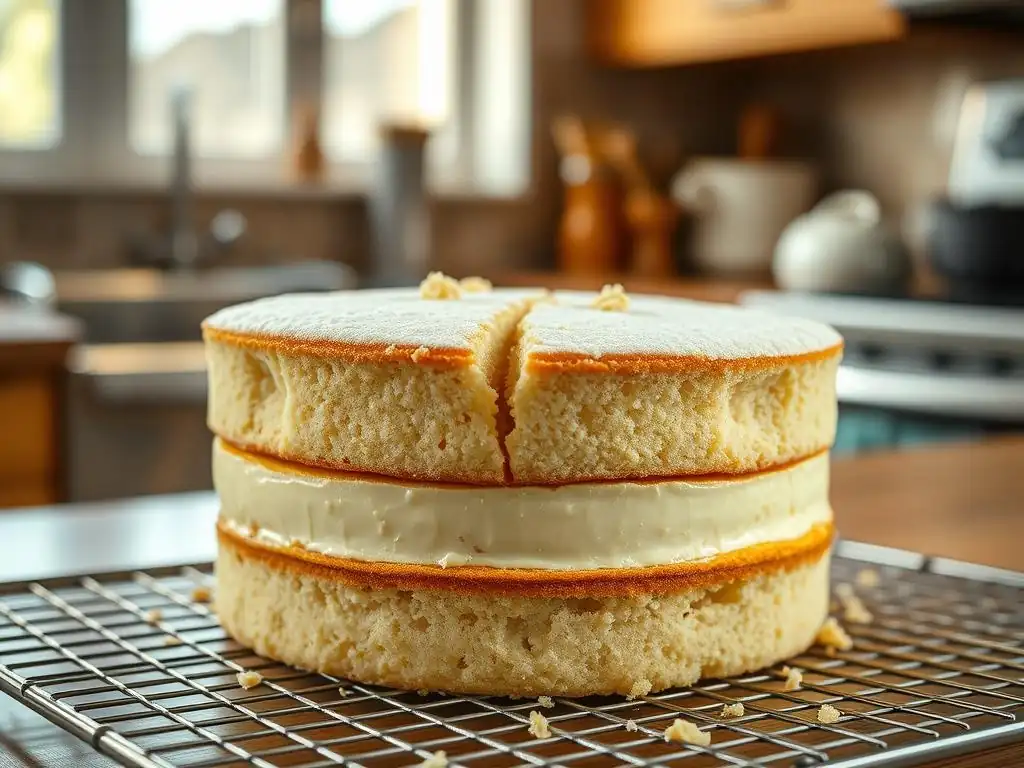
The cooling process is just as critical as the baking process for developing a stable cake structure. While the cake is hot, its internal structure is still somewhat fragile and needs time to set and strengthen as it cools. Rushing this step is a frequent cause of crumbling, making cooling problems a significant factor in cake falling apart reasons.
Proper cooling allows the cake's internal temperature to stabilize, the crumb to firm up, and moisture to redistribute slightly. Handling a hot cake is like handling a delicate soufflé – it's likely to collapse or break. Patience during cooling is truly a virtue in baking.
Removing the Cake Too Soon: Preventing Cracking and Crumbling
One of the most common mistakes is removing a cake from its pan immediately after taking it out of the oven. While it's tempting to unmold that beautiful creation, the cake is still very delicate and hot. The structure hasn't fully set, and the edges are prone to sticking and tearing.
Allowing the cake to cool in the pan for 10-20 minutes (depending on the size and density) allows the edges to pull away slightly from the pan and the overall structure to firm up. Removing it too soon significantly increases the risk of it cracking, splitting, or crumbling as you invert it or try to lift it out. For example, a standard 9-inch round cake typically needs at least 10-15 minutes in the pan before attempting to invert it onto a cooling rack.
Cooling Upside Down
While some specific cake types, like angel food or sponge cakes baked in tube pans, are traditionally cooled upside down to prevent them from collapsing on themselves, most standard butter or oil-based cakes should not be cooled upside down on a flat surface.
Cooling a regular cake upside down on a solid surface immediately after baking can cause the cake's weight to compress the still-soft crumb, especially if it's removed from the pan too soon. This compression can lead to a dense layer at the top (which was the bottom during baking) and can make the overall cake more prone to crumbling due to uneven structure. Always cool standard cakes right-side up on a wire rack after the initial cooling period in the pan.
Not Cooling Enough
Even after successfully removing the cake from the pan, it's crucial to let it cool completely on a wire rack before attempting to handle it further, especially before frosting or slicing. A cake that is still warm is more fragile and susceptible to damage.
Trying to slice or frost a warm cake is a recipe for disaster. The warm crumb is soft and easily tears or crumbles under the pressure of a knife or spatula. For example, slicing a cake that is still warm to the touch will likely result in ragged, crumbly edges and potentially break the slices. Most cakes need several hours to cool completely to room temperature, often 2-3 hours for a standard layer cake.
5. Improper Pan Preparation: Ensuring Easy Release
Even if your batter is perfect and your oven temperature is spot on, improper pan preparation can ruin your efforts. If the cake sticks to the pan, the act of trying to remove it will inevitably lead to tearing and crumbling. This is a straightforward, yet often overlooked, contributor to cake falling apart reasons.
Ensuring your pan is adequately greased and floured creates a non-stick barrier that allows the baked cake to release cleanly. Skipping this step or doing it incorrectly makes sticking highly probable.
Insufficient Greasing and Flour Coating: Sticking and Tearing
Simply put, if the cake sticks to the pan, it will tear when you try to get it out. This is often due to not using enough grease, not covering the entire interior surface of the pan, or neglecting the flour coating (or cocoa powder for chocolate cakes).
For instance, if you only lightly grease the bottom of a pan but forget the sides, the cake will stick firmly to the sides, causing the delicate edges to tear and the cake to crumble as you try to loosen it. A thorough coating of butter or shortening, pushed into all corners and up the sides, followed by a dusting of flour (tapping out the excess) is usually necessary to prevent sticking, especially for intricate pans or taller cakes.
Using the Wrong Type of Pan
The material and color of your cake pan can affect how the cake bakes and releases. Dark metal pans absorb more heat and can cause the cake edges to brown and set faster, potentially leading to sticking if not prepared meticulously. Lighter metal pans distribute heat more evenly.
While using a dark pan isn't necessarily a direct cause of a cake falling apart if prepared correctly, it increases the risk of sticking compared to a lighter pan if pan preparation is insufficient. Glass or ceramic pans also conduct heat differently and may require adjustments in baking time and pan preparation. Using a pan size different from the recipe's recommendation can also impact baking time and cake structure, potentially leading to sticking or underbaking issues.
Overfilling the Pan
Filling a cake pan too full can lead to several problems that might contribute to crumbling. When a pan is overfilled, the batter rises too high, potentially spilling over or creating a massive dome.
This excessive rise can result in an unstable structure, especially if the top sets before the interior is fully baked. The weight of the overly large dome can also cause the cake to crack or collapse during baking or cooling. Furthermore, an overfilled pan makes it harder to ensure even baking, potentially leaving underbaked, crumbly areas. Most recipes suggest filling pans no more than two-thirds full (or sometimes three-quarters, depending on the batter type).
Specific Cake Types and Their Tendency to Crumble:
Some cake types are inherently more delicate than others due to their composition and structure. Understanding the typical characteristics of different cakes can help you anticipate potential issues and handle them appropriately to avoid cake falling apart reasons specific to their type.
Butter Cakes
Butter cakes, which rely on the creaming of butter and sugar for leavening and tenderizing, tend to have a relatively sturdy crumb compared to lighter cakes. However, they can still crumble if the fat-to-flour ratio is too high, if they are overbaked (resulting in dryness), or if they are handled roughly while warm.
Their structure comes from the gluten developed in the flour and the protein network from the eggs, along with the stable fat distribution. If any of these are off – for example, using too much butter (leading to excess fat coating gluten) or not enough eggs (insufficient binding) – the resulting butter cake, while perhaps tender, will lack the necessary internal support and be prone to crumbling.
Sponge Cakes
Sponge cakes, including génoise and angel food cakes, rely heavily on whipped eggs (whole eggs, yolks, or whites) for their structure and leavening, often containing little to no fat and sometimes no chemical leaveners. This makes them inherently lighter and more delicate than butter cakes.
Their airy structure is formed by the protein network of the eggs trapping air bubbles, which set during baking. Because they lack the stabilizing effect of fat and sometimes chemical leavening, they are more susceptible to collapsing or crumbling if not handled gently, cooled properly (often upside down for angel food/chiffon), or if the egg foam wasn't stable enough initially. Any rough handling before they are completely cool can easily break down their delicate structure.
Chocolate Cakes
Chocolate cakes can vary widely in composition, from rich, dense fudge cakes to lighter cocoa-based sponges. The presence of cocoa powder can sometimes affect the texture; cocoa powder is drying and can absorb moisture, potentially leading to a drier, more crumbly cake if the recipe isn't balanced correctly.
Dark chocolate, which contains cocoa butter, adds fat and can contribute to moisture and tenderness. However, lean cocoa powder adds flavor but no fat. A chocolate cake recipe that doesn't account for the drying nature of cocoa powder by increasing liquid or fat slightly might result in a cake that is prone to crumbling. Using oil instead of butter in some chocolate cakes can help keep them moist and less crumbly.
How to Prevent a Cake From Falling Apart: Proactive Baking Tips
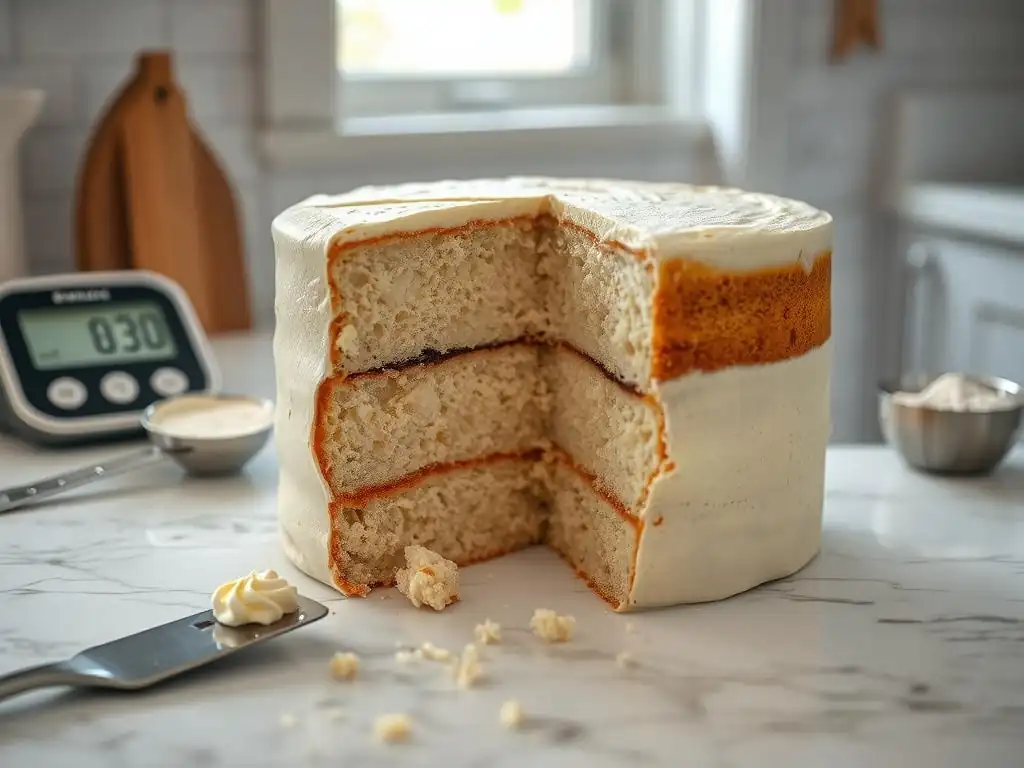
Prevention is always better than cure, especially when it comes to baking! By focusing on careful technique and understanding the fundamentals, you can significantly reduce the likelihood of your cake falling apart. Implementing these proactive tips addresses the most common cake falling apart reasons before they even happen.
Measuring Ingredients Accurately: Precision is Key
- Use a kitchen scale for dry ingredients like flour and sugar whenever possible. Volume measurements (cups) can vary significantly based on how you fill the cup. 1 cup of flour can weigh anywhere from 4 ounces (113g) to 5 ounces (142g) depending on how compacted it is. Using a scale ensures you're using the exact amount specified by the recipe, typically around 4.25 ounces (120g) for a gently spooned and leveled cup of all-purpose flour.
- Level off dry ingredients using the back of a straight knife or spatula.
- Measure liquids at eye level in a liquid measuring cup.
- Ensure butter is at the correct temperature (softened, melted, etc.) as specified by the recipe.
Mixing Techniques for Optimal Gluten Development
- Follow the recipe's mixing instructions carefully. Creaming butter and sugar incorporates air and develops flavor; adding eggs one at a time emulsifies the batter.
- When adding dry ingredients, mix only until just combined. Use a low speed on your mixer or mix by hand. Overmixing develops tough gluten.
- Scrape down the sides and bottom of the bowl frequently to ensure all ingredients are incorporated evenly.
Ensuring Proper Oven Temperature and Baking Time
- Always preheat your oven fully before putting the cake in. Use an oven thermometer to verify the temperature.
- Position the cake pan in the center of the oven rack for even heat distribution.
- Bake for the time specified in the recipe, but rely more on visual cues and doneness tests (like the toothpick test). Ovens vary, and baking times are often approximate.
- Avoid opening the oven door frequently, especially during the first two-thirds of the baking time, as this can cause temperature fluctuations and lead to collapse or uneven baking.
Correct Cooling Procedures for Cake Stability
- Allow the cake to cool in the pan on a wire rack for the amount of time specified in the recipe (typically 10-20 minutes for most cakes). This allows the structure to firm up.
- Invert the cake onto a wire rack to cool completely.
- Do not attempt to move, slice, or frost the cake until it has cooled completely to room temperature. This can take several hours for larger cakes.
- For delicate cakes like angel food or chiffon, follow specific cooling instructions (often inverted in the pan).
Choosing the Right Pan and Preparing it Correctly
- Use the size and type of pan specified in the recipe.
- Grease the pan thoroughly using butter, shortening, or baking spray, covering all interior surfaces, including corners and sides.
- Dust the greased pan with flour (or cocoa powder for chocolate cakes), tapping out the excess. For extra security, you can line the bottom with parchment paper after greasing.
- Do not overfill the pan. Stick to the recommended fill level, usually two-thirds full.
Salvaging a Crumbling Cake: Rescue Options
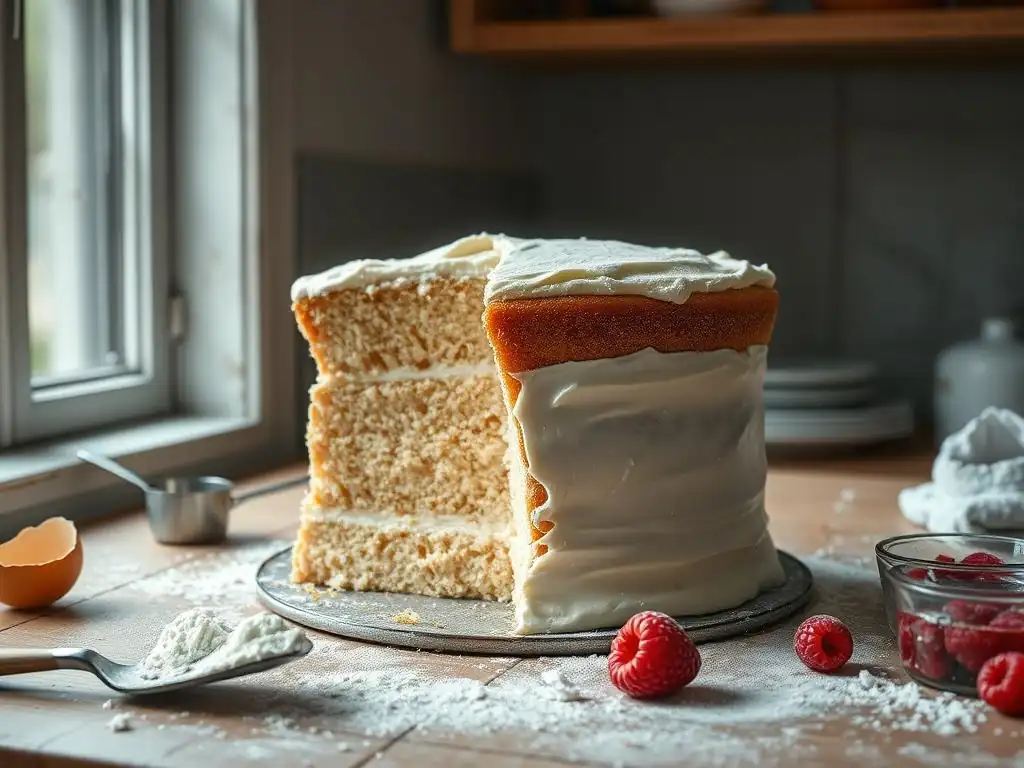
So, despite your best efforts, your cake has crumbled. Don't despair! A crumbling cake is far from a total loss. There are many delicious ways to repurpose it, turning a baking mishap into a new dessert. This is a great way to make the most of a cake that suffered from one of the common cake falling apart reasons.
Turning Crumbling Cake into Cake Pops
Cake pops are an incredibly popular way to use crumbled cake. Simply mix the crumbled cake with a bit of frosting until it's moist enough to roll into balls. Chill the balls, insert sticks, dip them in melted chocolate or candy melts, and decorate! This transforms a crumbly texture into a desirable feature.
Making Cake Crumble Topping
Crumbling cake makes an excellent topping for other desserts. You can toast the crumbs lightly in the oven or a skillet for added crunch. Use them as a topping for ice cream, yogurt parfaits, fruit crisps, or even sprinkle them over frosted cupcakes for texture.
Using the Cake in Trifles or Parfaits
A crumbling cake is perfect for layering in trifles or parfaits. Alternate layers of cake crumbs with whipped cream, pudding, fruit, or chocolate sauce in a glass dish or individual glasses. The fact that the cake is already in pieces makes it ideal for this layered dessert format.
Conclusion: Bake With Ease and Confidence
Experiencing a cake that falls apart can be discouraging, but it's a common challenge faced by bakers of all levels. By understanding the potential cake falling apart reasons – from incorrect ingredient ratios and mixing issues to problems with baking temperature, cooling, and pan preparation – you gain the knowledge to identify what went wrong and, more importantly, how to prevent it from happening next time.
Remember that baking is a learning process. Every less-than-perfect cake is an opportunity to improve your technique and deepen your understanding. Don't be afraid to experiment, take notes, and adjust your approach based on your results. With attention to detail and a little practice, you can overcome these hurdles.
Mastering Cake Baking Techniques for Perfect Results
Achieving consistently perfect cakes comes down to mastering fundamental techniques and paying close attention to detail at every step. Accurate measuring, understanding the role of ingredients, mixing just enough (but not too much! ), controlling oven temperature, and proper cooling are the pillars of stable cake structure.
By focusing on these areas, you build a strong foundation for successful baking. Don't let past failures discourage you. Embrace them as learning experiences. With the insights gained from understanding why your cake might be falling apart, you're well-equipped to bake with greater confidence and produce beautiful, delicious cakes that hold their shape and delight everyone who takes a bite. Happy baking!
Frequently Asked Questions
Why did my cake fall apart after baking?
This is often due to insufficient cooling before handling. Let the cake cool completely in the pan before inverting, or it may crumble. Another reason can be too much moisture if the cake wasn't baked long enough.
What are the common ingredients that can cause a cake to fall apart?
Using too little gluten (especially in gluten-free baking) or too much fat can weaken the cake's structure. Also, incorrect flour measurement can result in a crumbly cake.
How does oven temperature affect the structural integrity of a cake?
An oven that's too hot can cause the cake to rise too quickly and then collapse, leading to crumbling. Conversely, an oven that's too cold can result in a dense and unstable cake.
Could overmixing the batter be a reason my cake is falling apart?
Yes, overmixing develops too much gluten, resulting in a tough cake that can easily crumble. Mix only until the ingredients are just combined to avoid this issue.
Are there specific cake types that are more prone to falling apart than others?
Yes, delicate cakes like chiffon or angel food cake are more prone to crumbling if not handled carefully. They require specific cooling and handling techniques due to their light structure, and gluten-free cakes are also very sensitive.
Final Reflection: The Sweetness of Resilience in Baking (and Life)
The seemingly simple act of baking a cake reveals profound truths about resilience and problem-solving. A collapsed cake isn't just a culinary mishap; it's a potent metaphor for the setbacks we face in life. Understanding why our cakes—and our plans—fall apart is the first step towards building something stronger and more delicious next time.
The journey of baking, much like the journey of life, is filled with unexpected challenges. Learning to identify the root cause of a failed cake—whether it's insufficient baking powder, overmixing, or a poorly chosen recipe—mirrors the process of self-reflection and problem-solving we must undertake when faced with adversity. The only way to do great work is to love what you do.
- Steve Jobs. This applies equally to baking a perfect cake as it does to pursuing our passions and overcoming obstacles. The dedication and perseverance required to master either are remarkably similar.
Now, consider your own "fallen cakes." What aspects of your life feel like a collapsed creation? What ingredients are missing? Where did the process go wrong? Take this opportunity to reflect on those moments, learn from them, and adjust your approach. Don't let a failed attempt discourage you; instead, embrace the lessons learned and use them to bake something even more extraordinary next time. The sweetness of success is all the more rewarding after navigating the challenges along the way.
Rediscover Your Baking Confidence!
Thanks for joining us on this baking journey! We hope you gained valuable insights into why your cakes sometimes crumble. Now it's time to put that knowledge into action.
- Master the perfect cake: Review the troubleshooting tips from the article and try baking your favorite recipe again, paying close attention to the details we discussed. Document your results – even a simple note can be a big help!
- Share your baking triumphs (and tribulations!) with our community on our social media. Let's learn from each other!
- Explore some of our other helpful guides on cake baking techniques – you might discover new solutions you hadn't considered!
What small change in your baking routine are you most excited to try today?