
Fixing Flat GlutenFree Cookies: Common Substitution Mistakes

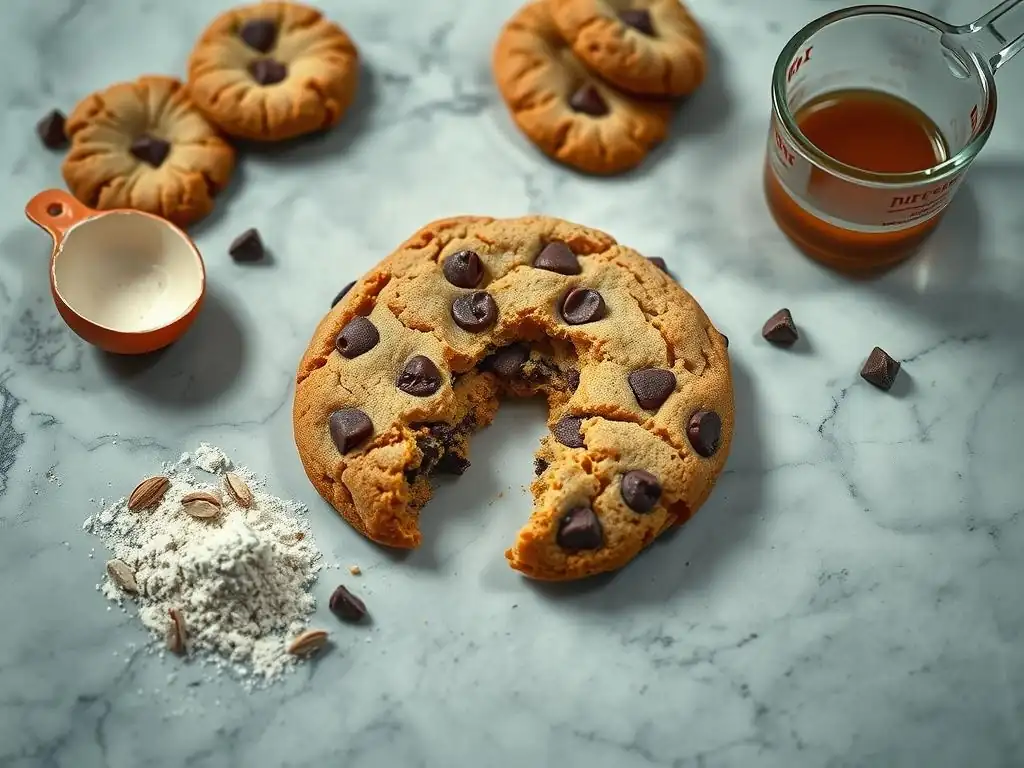
Welcome to BakeWithEase, your guide to baking bliss! Ever wondered why your gluten-free cookies spread flatter than a pancake? Dive into our latest article, "Fixing Flat GlutenFree Cookies: Common Substitution Mistakes," where we unlock the secrets to perfect texture and shape. Discover the simple tweaks that can transform your baking and banish those frustrating gluten-free cookie substitution problems forever. Intrigued? Let's get baking!
- Fixing Flat Gluten-Free Cookies: Common Mistakes
- Understanding Gluten-Free Cookie Challenges
- Common Gluten-Free Cookie Problems and Solutions
- Troubleshooting Flat Gluten-Free Cookies
- Achieving Perfect Gluten-Free Cookies
-
Frequently Asked Questions
- Why are my gluten-free cookies spreading too thin?
- What's the best gluten-free flour blend to use for cookies?
- I substituted regular flour 1:1 with gluten-free flour; is that my problem?
- How can I prevent my gluten-free cookies from being too crumbly?
- My cookies taste gritty; what could be causing that?
- Final Reflection: The Sweet Science of Gluten-Free Baking
- Unleash Your Inner Gluten-Free Baking Genius!
Gluten, a protein composite found in wheat and other grains like barley and rye, plays a crucial role in traditional baking, particularly in cookies. When wheat flour is mixed with liquid and kneaded, gluten forms an elastic network. This network traps gases produced by leavening agents (like baking soda or powder), allowing the dough to rise and providing structure. In cookies, gluten contributes chewiness and helps the cookie hold its shape during baking, preventing excessive spread.
Furthermore, the gluten network provides strength and stability to the cookie dough. It allows the dough to be handled, rolled, and shaped without falling apart. During baking, this structure sets as the proteins denature and the starches gelatinize, creating the characteristic texture and form of a wheat-based cookie. Without gluten, achieving this balance of structure, texture, and controlled spread becomes a significant challenge, often leading to glutenfree cookie substitution problems.
The primary reason gluten-free cookies often spread excessively and turn out flat is the absence of the gluten network. Gluten-free flours, which are derived from sources like rice, corn, potato, or nuts, do not contain this elastic protein matrix. Consequently, the dough lacks the inherent structure needed to resist spreading when exposed to heat in the oven.
When a gluten-free cookie dough hits a hot baking sheet, the fats melt rapidly. Without a strong internal structure to support it, the dough yields to gravity and the melting fat, spreading outwards instead of holding its shape and setting upwards or outwards minimally. This lack of structural integrity is the root cause of many glutenfree cookie substitution problems, making ingredient substitutions and technique adjustments critical for success.
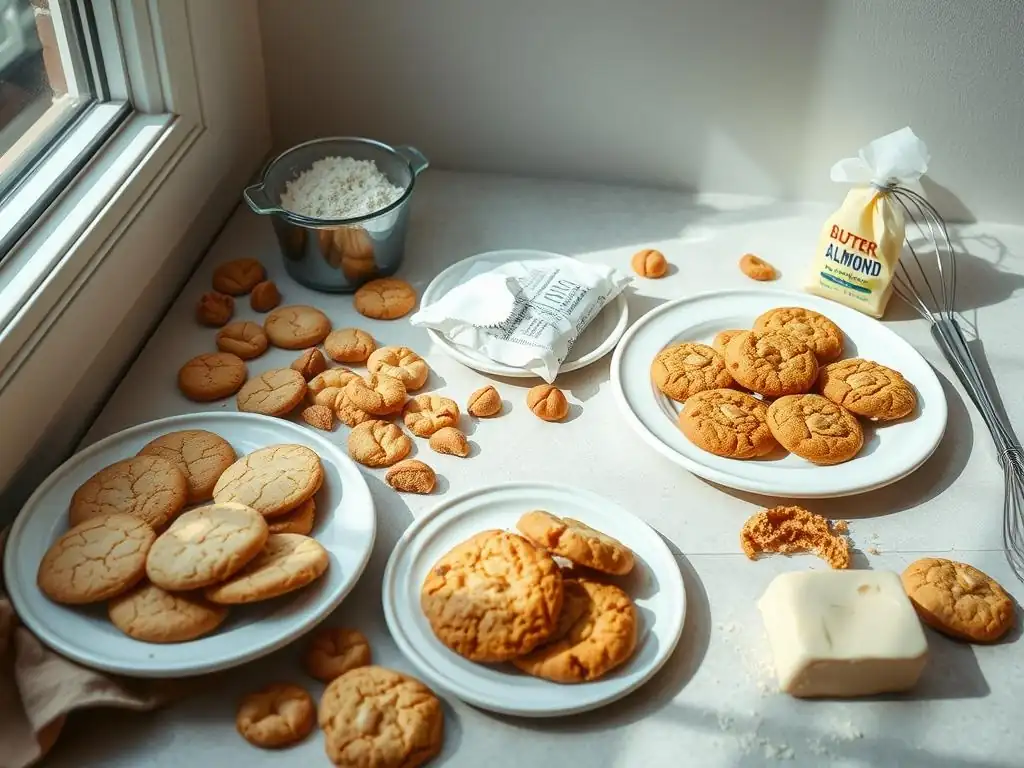
Mistake #1: Using the Wrong Gluten-Free Flour Blend
The Problem: Inconsistent Results with Generic Blends
Many readily available gluten-free flour blends are designed as cup-for-cup replacements for wheat flour in a wide range of recipes, from muffins to pancakes. However, these generic blends often have a different balance of starches, grains, and gums compared to what is optimal for cookies. Using a blend not specifically formulated for baking or one with a high proportion of light starches can lead to dough that lacks sufficient protein or fiber to build structure, resulting in significant glutenfree cookie substitution problems like excessive spreading.
A common issue with generic blends is their variable composition. One blend might be primarily rice flour and tapioca starch, while another includes sorghum, millet, and potato starch. This inconsistency means a recipe designed for one blend might fail completely when another is substituted. Without the right balance, the dough might be too crumbly, too sticky, or simply unable to hold its shape, leading directly to flat cookies.
Solution: Selecting a Blend Designed for Baking
To mitigate the glutenfree cookie substitution problems associated with flour, it's best to choose a gluten-free flour blend specifically marketed or known to work well for cookies and other baked goods requiring structure. These blends often contain a mix of protein-rich flours (like almond or sorghum), starches (like tapioca or potato), and often include a binder like xanthan gum or guar gum.
Alternatively, you can create your own blend tailored for cookies. A good starting point often involves a mix of heavier, more structured flours (e.g., brown rice flour, sorghum flour) balanced with lighter starches (e.g., tapioca starch, potato starch) and potentially some nut or seed flour for richness and structure. Researching or using established gluten-free cookie recipes that specify a particular blend or provide a custom blend recipe is highly recommended.
Choosing the Right Gluten-Free Flour Blend
Selecting the appropriate gluten-free flour blend is perhaps the most critical step in avoiding glutenfree cookie substitution problems. Look for blends that mention suitability for cookies, cakes, or pie crusts, indicating they are designed for structure. Some popular and generally reliable store-bought options include blends from King Arthur Baking, Bob's Red Mill (specifically their 1-to-1 blend), or Cup4Cup, though even these can vary slightly in performance depending on the specific cookie recipe.
When evaluating a blend or creating your own, consider the ratio of flours to starches. A blend that is too starchy (e.g., more than 40-50% starches like tapioca, potato, or corn) might yield a tender but fragile cookie prone to spreading. A blend with a good proportion of whole grain gluten-free flours (like brown rice, sorghum, or oat flour) combined with starches and a binder typically provides better structure and less risk of flat cookies due to flour composition.
Mistake #2: Over-Reliance on Starch
The Problem: Excessive Starch Leading to a Gummy Texture and Spreading
While starches are essential in gluten-free baking to provide tenderness and mimic some of the properties of wheat flour's starch component, using too much starch relative to protein and fiber can cause glutenfree cookie substitution problems. Starches absorb liquid and gelatinize during baking, but they don't contribute structural integrity in the same way proteins or fibers do. An excess of starch can lead to a dough that spreads rapidly in the oven because it lacks the backbone to hold its shape once the fat melts.
Furthermore, high-starch gluten-free cookies can sometimes develop a slightly gummy or unpleasant texture upon cooling. This is because starches, particularly tapioca and potato starch, can contribute to chewiness, which becomes undesirable when excessive. Balancing starches is key to achieving a tender yet structured cookie, avoiding both excessive spread and textural issues.
Solution: Balancing Starches with Protein and Fiber
The solution to avoiding the glutenfree cookie substitution problems caused by excess starch lies in creating a balanced flour mix. Ensure your gluten-free flour blend, whether store-bought or homemade, includes a good proportion of flours from grains or nuts that offer more protein and fiber. Examples include brown rice flour, sorghum flour, oat flour (certified gluten-free), almond flour, or buckwheat flour.
These flours contribute more structure than pure starches. Brown rice and sorghum flours, for instance, provide more substance and density. Almond flour adds fat and protein, which can help with structure and richness. Aim for a blend where starches constitute roughly 30-50% of the total flour mix, with the remainder being composed of more structured flours.
Balancing Starches, Protein, and Fiber
Achieving the right balance in your gluten-free flour blend is crucial for successful cookies. A common approach involves a base of brown rice flour (perhaps 40%), combined with a secondary flour like sorghum or oat (20%), and then starches like tapioca and potato starch (total 30-40%). Adding a small percentage (5-10%) of a binder like xanthan gum or psyllium husk powder is also often necessary to provide cohesion that gluten would otherwise provide.
For example, a blend might look something like this:
- 40% Brown Rice Flour
- 20% Sorghum Flour
- 20% Tapioca Starch
- 15% Potato Starch
- 5% Psyllium Husk Powder
This composition aims for a balance of structure from the flours and tenderness from the starches, with the psyllium acting as a binder to prevent spreading, addressing common glutenfree cookie substitution problems.
Mistake #3: Insufficient Binding Agents
The Problem: Crumbling and Spreading Due to Lack of Cohesion
One of the most significant glutenfree cookie substitution problems stems from the absence of gluten's binding ability. Gluten forms an elastic network that holds dough together. Without it, gluten-free doughs can be crumbly and lack cohesion. This lack of binding means the dough is less able to resist the forces of melting fat and heat during baking, leading to excessive spreading and cookies that fall apart easily.
Simply substituting gluten-free flour cup-for-cup without adding a binding agent rarely works for recipes that rely on gluten's structure. The ingredients remain disparate, and the dough lacks the internal glue needed to maintain its shape as it bakes. This is a common pitfall for beginners in gluten-free baking.
Solution: Incorporating Binding Agents
To compensate for the lack of gluten, most successful gluten-free cookie recipes incorporate binding agents. The most common are xanthan gum and psyllium husk powder. These ingredients absorb moisture and create a gel-like substance that helps to bind the gluten-free flour particles together, mimicking some of the viscoelastic properties of gluten.
Adding the correct amount of a binder is essential. Too little, and the cookies will spread and crumble; too much, and they can become gummy or have an unpleasant texture. The required amount varies depending on the specific gluten-free flour blend used and the type of cookie being made, but it's a critical component in solving glutenfree cookie substitution problems related to structure.
Binding Agents: Xanthan Gum vs. Psyllium Husk
Xanthan gum is a popular choice and is often included in commercial gluten-free blends. It's a polysaccharide produced by fermentation. For cookie recipes using a blend without xanthan gum, a typical addition is about 1/4 to 1/2 teaspoon per cup of gluten-free flour blend. Using too much xanthan gum can result in a slightly slimy or gummy texture.
Psyllium husk powder (not whole psyllium husks, which require more liquid) is another effective binder, often favored by those seeking a more 'natural' option or avoiding gums. It absorbs significantly more water than xanthan gum and provides structure. A common ratio is about 1/2 to 1 teaspoon of psyllium husk powder per cup of gluten-free flour blend, often mixed with the dry ingredients and allowed to hydrate briefly with the wet ingredients.
It can sometimes give baked goods a slightly darker color or earthy flavor depending on the amount used. Both are effective at combating glutenfree cookie substitution problems related to dough integrity.
Mistake #4: Incorrect Fat to Flour Ratio
The Problem: Too Much Fat Causing Excessive Spreading
Cookies rely on fat for tenderness, flavor, and spread. However, in gluten-free baking, where the dough lacks inherent structure, the fat-to-flour ratio becomes even more critical. Traditional cookie recipes often have a relatively high fat content. When gluten-free flour is substituted directly into such a recipe without adjusting the fat, the dough may contain too much fat relative to the structural components (flour, binders).
Excess fat melts quickly in the oven, and without the gluten network to provide resistance, the dough spreads out significantly, leading to very thin, flat, and sometimes greasy cookies. This is a common glutenfree cookie substitution problem when adapting conventional recipes without careful consideration of ingredient ratios.
Solution: Adjusting the Fat to Flour Ratio
To prevent excessive spreading in gluten-free cookies, it's often necessary to slightly reduce the amount of fat compared to a traditional wheat-based recipe, or conversely, slightly increase the amount of flour/binder relative to the fat. This adjustment helps create a dough with more structure to stand up to the melting fat during baking.
Alternatively, consider the type of fat used. Solid fats like butter or shortening contribute less spread than liquid fats like oil. Using chilled, solid fat creamed with sugar helps incorporate air and provides structure before baking. Some gluten-free recipes even call for slightly more flour or binder than their wheat counterparts to counteract the spreading tendency caused by typical cookie fat levels.
Measuring Fats Accurately
Accurate measurement of all ingredients, especially fats, is paramount in gluten-free baking to avoid glutenfree cookie substitution problems. Using too much fat, even slightly over the specified amount, can significantly impact the cookie's spread. Creaming softened (but not melted) butter or shortening with sugar incorporates air, which helps provide some lift and structure.
When measuring solid fats like butter or shortening, use the displacement method for accuracy if not using stick butter markings, or pack it firmly into the measuring cup, leveling off the top. For recipes using oil, liquid measuring cups should be used on a level surface. Precision here helps ensure the fat content is exactly as intended, allowing the structure provided by the gluten-free flour blend and binders to perform optimally.
Mistake #5: Overmixing the Dough
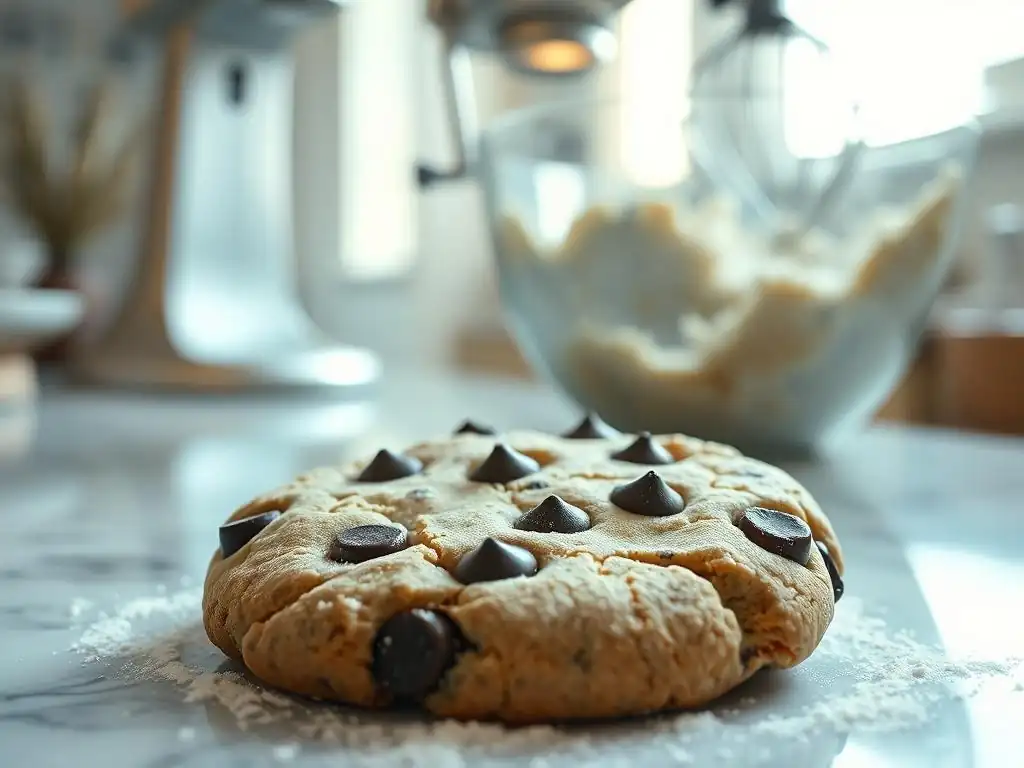
The Problem: Introducing Too Much Air
While creaming butter and sugar is important for incorporating air and aiding leavening in many cookie recipes, overmixing the dough after the dry ingredients are added can be detrimental, especially in gluten-free baking. Overmixing develops gluten in wheat dough (which isn't a concern here), but in gluten-free dough, it can introduce excessive air and potentially overwork the starches or binders, leading to texture issues and sometimes contributing to spreading.
The primary issue with overmixing gluten-free cookie dough is often related to the distribution and hydration of the binding agents and flours. Excessive mixing can lead to uneven hydration or break down the fragile structure starting to form, reducing the dough's ability to hold its shape during baking. This is another subtle glutenfree cookie substitution problem that affects the final cookie structure.
Solution: Mixing Until Just Combined
The key to properly mixed gluten-free cookie dough is to mix until the ingredients are just combined. Once the dry ingredients are added to the wet ingredients, mix on low speed or by hand only until no dry streaks of flour are visible. The dough might still look a bit crumbly or shaggy, and that's often okay.
Overmixing won't develop gluten, but it can negatively impact the texture and structure provided by the gluten-free flours and binders. Gentle mixing ensures the binding agents are hydrated without overworking the dough, preserving its ability to hold its shape when baked. This simple technique adjustment can prevent many glutenfree cookie substitution problems.
Mixing Gluten-Free Cookie Dough
Follow the recipe instructions carefully regarding mixing times and speeds. Typically, you'll cream softened butter and sugar until light and fluffy (incorporating air), beat in eggs and vanilla, and then add the dry ingredients. At this stage, switch to a low speed or mix by hand.
Mix only until the flour is incorporated. This usually takes less than 30-60 seconds on low speed. Avoid scraping down the bowl multiple times and continuing to mix. A slightly underdeveloped dough is preferable to an overmixed one when it comes to preventing excessive spread in gluten-free cookies. This careful approach to mixing is a vital step in overcoming glutenfree cookie substitution problems.
Mistake #6: Incorrect Baking Temperature
The Problem: Baking at Too Low a Temperature Encourages Spreading
Baking temperature has a significant impact on cookie spread. If the oven temperature is too low, the cookies heat up slowly. This gives the fat more time to melt and the dough more time to spread before the structure provided by the starches and binders has a chance to set. A low oven temperature is a common culprit behind flat, overly-spread gluten-free cookies.
While precise temperatures can vary by recipe and oven, baking gluten-free cookies at too cool a temperature exacerbates the inherent glutenfree cookie substitution problems related to structure. The dough needs heat applied relatively quickly to set the edges and base before the fat completely melts and causes the cookie to collapse outwards.
Solution: Baking at a Higher Temperature to Set the Edges
To encourage gluten-free cookies to hold their shape and minimize spread, bake them at a slightly higher temperature than you might for some traditional cookie recipes. A common temperature range for many gluten-free cookies is between 350°F (175°C) and 375°F (190°C). The higher temperature helps the edges and exterior of the cookie set more quickly, providing a barrier that limits outward spread while the interior finishes baking.
Always use an oven thermometer to verify your oven's actual temperature, as oven thermostats can be inaccurate by as much as 25-50°F (15-30°C). Preheating your oven thoroughly is also essential to ensure it's at the correct temperature when the cookies go in. Proper temperature management is crucial for mitigating glutenfree cookie substitution problems related to structure setting.
Setting the Baking Temperature
For most drop-style gluten-free cookies, a temperature of 350-375°F (175-190°C) is a good starting point. Thicker cookies might benefit from a slightly lower temperature (e.g., 350°F) for a longer time to ensure the center bakes through without burning the edges, while thinner cookies might do well at 375°F for a shorter duration.
If your cookies are consistently spreading too much despite other efforts, try increasing the oven temperature by 10-15°F (5-8°C) on your next test batch. Monitor them closely, as baking time will likely decrease. This adjustment helps set the cookie structure faster, directly addressing glutenfree cookie substitution problems related to oven conditions.
Mistake #7: Skipping the Chill Time
The Problem: Warm Dough Spreads More Easily
Warm cookie dough, especially gluten-free dough lacking gluten's structure, will spread significantly more in the oven than cold dough. If the dough is at room temperature or warmer when it goes into the oven, the fat melts almost instantly, and there's nothing to hold the dough's shape against the heat. This results in rapid, excessive spreading and flat cookies.
Skipping the chilling step is one of the most common reasons for flat gluten-free cookies and a prime example of a glutenfree cookie substitution problem that isn't directly about the ingredients themselves, but the handling of the dough. Chilling is a simple yet powerful technique to improve cookie structure.
Solution: Chilling the Dough Before Baking
Chilling gluten-free cookie dough is a vital step that should rarely be skipped. Refrigerating the dough solidifies the fats (butter, shortening, etc.). When the cold dough enters a hot oven, the fats take longer to melt, giving the flour, starches, and binders more time to set the cookie's structure before significant spreading occurs.
Chilling also allows the dry ingredients, particularly the gluten-free flours and binders, to fully hydrate. This hydration process helps the binders form their gel-like structure, further strengthening the dough and improving its ability to hold its shape during baking. Proper chilling is an essential technique to overcome glutenfree cookie substitution problems related to dough handling.
Chilling Gluten-Free Cookie Dough
Most gluten-free cookie doughs benefit from at least 30-60 minutes of chilling in the refrigerator. For best results, especially with doughs prone to spreading, consider chilling for several hours or even overnight. You can chill the dough as a bulk mass, or for convenience, portion it into balls or shapes before chilling on a baking sheet or plate.
Baked cookies from well-chilled dough typically have less spread, a thicker profile, and often a chewier texture compared to cookies baked from unchilled dough. If you're consistently battling flat gluten-free cookies, make sure you are chilling your dough adequately – it's a simple fix for many glutenfree cookie substitution problems.
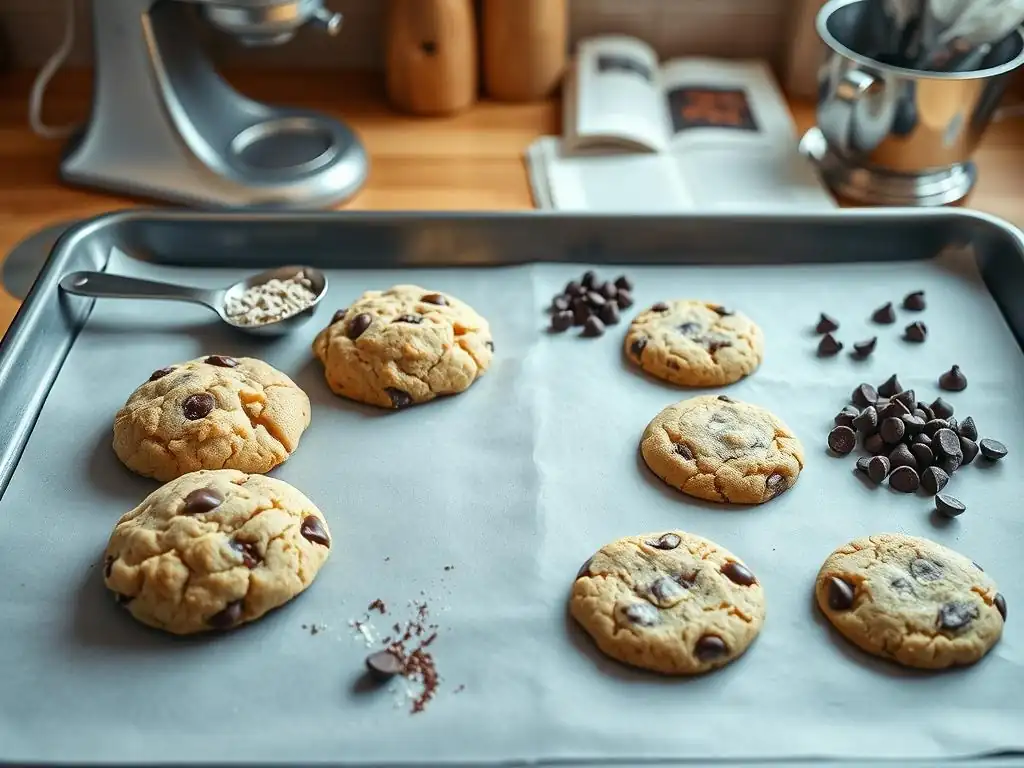
If you've baked a batch of gluten-free cookies and they turned out flatter than desired, don't despair! Troubleshooting is part of the learning process in gluten-free baking.
Diagnose the Problem
Review the common mistakes listed above and consider which ones might apply to your situation.
- Flour Blend: Was it a generic blend, or one specifically for baking? Was it high in starch?
- Binder: Did you add a binder (xanthan gum, psyllium)? Was the amount correct for your flour blend?
- Fat Ratio: Did you adapt a traditional recipe? Could the fat content be too high for the gluten-free flour structure?
- Mixing: Did you overmix the dough after adding dry ingredients?
- Temperature: Was your oven accurately preheated to the correct temperature?
- Chilling: Did you chill the dough? For how long?
Consider your process step-by-step to identify potential glutenfree cookie substitution problems or technique errors.
Adjust Your Recipe
Based on your diagnosis, make targeted adjustments to your recipe for the next batch.
- If you suspect the blend, try a different blend or add a binder if none was used.
- If too much fat seems likely, slightly reduce the fat (e.g., by 1-2 tablespoons per cup of flour) or slightly increase the flour blend/binder amount.
- Ensure you are mixing gently and only until just combined.
- Verify your oven temperature with a thermometer and adjust if necessary (often increasing slightly).
- Commit to chilling the dough for at least one hour before baking.
Make only one or two changes at a time so you can isolate which adjustment had an effect on solving the glutenfree cookie substitution problems.
Test Baking
After making adjustments, bake a small test batch (2-3 cookies) rather than the entire dough. This allows you to see the results of your changes without wasting a lot of ingredients.
- Place the test cookies on a properly prepared baking sheet (parchment paper is helpful).
- Bake at the adjusted temperature for the specified time, watching closely.
- Evaluate the spread and texture. Are they better? Still too flat?
- Based on the test batch, make further small adjustments if needed before baking the rest of the dough.
Task List for Troubleshooting:
- [ ] Review ingredient list and ratios.
- [ ] Check flour blend composition.
- [ ] Confirm binder type and amount used.
- [ ] Evaluate mixing technique.
- [ ] Calibrate oven temperature.
- [ ] Plan for adequate chilling time.
- [ ] Bake a small test batch.
- [ ] Adjust recipe based on test results.
The Importance of Precision
Successful gluten-free baking, especially when tackling glutenfree cookie substitution problems, relies heavily on precision. Unlike wheat flour baking, which can sometimes be forgiving, the lack of gluten's elastic safety net means that ingredient ratios, measurements, and techniques must be followed more closely.
Weighing your gluten-free flour blend and other dry ingredients using a digital kitchen scale is highly recommended for accuracy. Volume measurements (cups) can vary significantly depending on how the ingredient is scooped and leveled. Using a scale ensures you have the exact amount specified in the recipe, minimizing variability and helping you consistently produce cookies with the desired structure and spread.
Experimentation
Even with precision, gluten-free baking often involves some level of experimentation. Different gluten-free flour blends behave differently due to their varying compositions. Your oven might run hot or cold. Humidity levels can affect ingredient absorption.
Don't be discouraged by a batch of flat cookies. View it as a learning opportunity to understand how gluten-free ingredients interact. Keep notes on your adjustments and results. Over time, you'll develop an intuition for how different blends and techniques affect your gluten-free cookies, allowing you to confidently tackle various glutenfree cookie substitution problems and achieve consistently great results.
Resources
Reliable gluten-free recipes developed specifically for gluten-free flours are invaluable resources. Look for recipes from reputable gluten-free bakers or websites that provide detailed instructions and explain the role of different ingredients.
Using established gluten-free recipes that have been tested and proven to work helps bypass many common glutenfree cookie substitution problems inherent in trying to convert traditional recipes directly. As you gain experience, you can then start experimenting with adapting recipes or creating your own blends, armed with the knowledge of how to troubleshoot and prevent flat cookies.
Frequently Asked Questions
This is often due to a lack of structure and binding. Gluten provides structure in traditional cookies, so gluten-free recipes need additional binding agents like xanthan gum or psyllium husk.
There isn't a single "best" blend, but look for blends that contain xanthan gum or have a mix of starches and flours (like rice flour, tapioca starch, and potato starch) for a balanced texture.
I substituted regular flour 1:1 with gluten-free flour; is that my problem?
Yes, a 1:1 substitution often fails. Gluten-free flours behave differently and require adjustments to liquid, fat, and binding agents for optimal results.
Crumbly gluten-free cookies often lack sufficient moisture or binding. Try adding a little more liquid (like applesauce or oil) or increasing the amount of xanthan gum slightly.
Grittiness can be due to certain gluten-free flours, especially rice flour. Using a finer grind of rice flour or combining it with other flours can help reduce this texture issue.
Final Reflection: The Sweet Science of Gluten-Free Baking
The quest for the perfect gluten-free cookie remains a delicious challenge, but understanding common substitution mistakes is the key to unlocking its secrets. Many home bakers struggle with achieving the texture and taste they crave when transitioning to gluten-free recipes, often leading to disappointment. This article highlighted the crucial role of proper ingredient selection and substitution in achieving success.
The journey of perfecting gluten-free baking is a testament to the power of adaptation and experimentation. It's a journey I've personally undertaken, filled with both triumphs and, let's be honest, a few crumbly failures. The frustration of a flat, dense cookie is a familiar one to many, and understanding the science behind those failures – the reasons why certain substitutions work better than others – is empowering. The best way to find yourself is to lose yourself in the service of others.
While not directly about baking, this quote speaks to the dedication and patience required to master any skill, especially one as nuanced as gluten-free baking.
So, what's next? I encourage you to embrace the challenge. Don't be afraid to experiment with different flours, starches, and binders. Each failed attempt brings you closer to understanding the nuances of gluten-free baking. Take notes, adjust your recipes, and most importantly, enjoy the process. The reward – a perfectly textured, deliciously flavorful gluten-free cookie – is well worth the effort. The journey, with all its ups and downs, is part of the sweet science.
Unleash Your Inner Gluten-Free Baking Genius!
Thanks for joining us on this delicious journey into the world of gluten-free baking! We hope you gained valuable insights into common cookie-baking pitfalls and how to avoid them. Now it's time to put your new knowledge into action.
- Master the art of gluten-free substitutions: Experiment with different flours and starches to find your perfect cookie recipe. Don't be afraid to tweak ratios!
- Share your baking triumphs (and challenges!): Let's build a supportive community. Tell us about your cookie creations in the comments below! We love seeing your results!
- Challenge yourself with a new recipe: Find a recipe you've been hesitant to try and tackle it with your newfound knowledge. This is the time to shine!
What unique gluten-free flour blend will you experiment with next?