
Understanding Flour Grind: From Fine to Coarse and How It Affects Baking

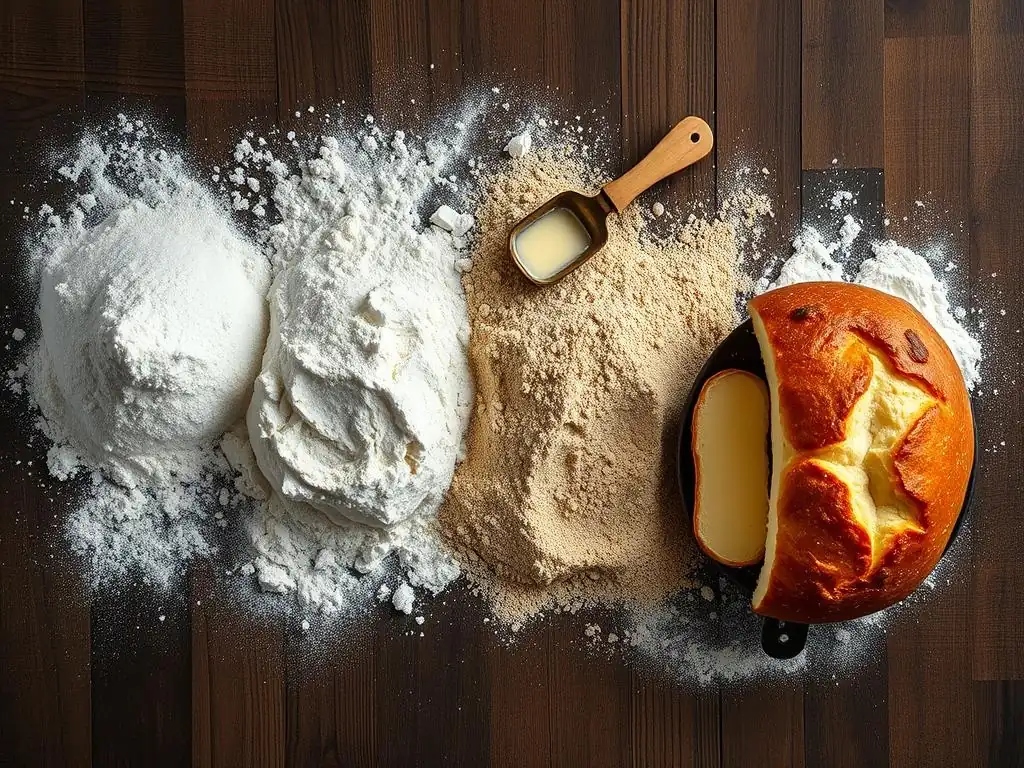
Welcome to BakeWithEase, your trusted guide to the delightful world of baking! Ever wondered how the fineness of your flour drastically impacts the texture and taste of your baked goods? We're diving deep into the secrets of fine flour baking techniques today. Get ready to unlock the full potential of your ingredients and elevate your baking skills. Curious to learn how different flour grinds can transform your next creation? Let's get started!
- Understanding Flour Grind: Impact on Baking
- Flour Grind for Baking Success
- Flour Particle Size: An Introduction
- The Spectrum of Flour Grind
- How Grind Affects Baking
- Impact on Gluten Development
- Choosing the Right Flour
- Storing Flour
- Mastering Flour Techniques: A Recap
-
Frequently Asked Questions
- What is the key difference between fine and coarse flour in baking?
- How does the fineness of flour affect gluten development?
- What types of baked goods benefit most from using fine flour?
- Can I substitute fine flour for coarse flour in a recipe?
- Where can I learn more about specific fine flour baking techniques?
- Final Reflection: The Transformative Power of a Perfect Grind
- Unleash Your Inner Baker: Master the Art of Flour Grinding!
Understanding Flour Grind: Impact on Baking
Flour Grind for Baking Success
The texture and consistency of your baked goods hinge significantly on the type of flour you choose, and a critical factor within that choice is the flour's grind. Understanding how the size of flour particles affects everything from gluten development to moisture absorption is fundamental to achieving consistent and delicious results in the kitchen. Whether you're aiming for a light, airy cake or a dense, chewy loaf of bread, the fineness or coarseness of your flour plays a starring role in the final product's structure and texture.
Mastering the nuances of flour grind empowers you to select the perfect flour for any recipe and even troubleshoot when things don't go exactly as planned. This knowledge is particularly vital when exploring specialized baked goods or attempting to convert recipes that call for specific flour types. By delving into the world of flour particle sizes, you unlock a deeper understanding of the baking process itself, leading to greater confidence and success in all your baking endeavors.
Flour Particle Size: An Introduction
Flour is essentially ground grain, most commonly wheat, but also rye, corn, rice, and others. The term "grind" refers to how finely or coarsely the grain is milled into powder. This particle size isn't just a technical detail; it directly impacts how the flour interacts with liquids, how gluten develops, and ultimately, the texture and structure of the finished baked good. A finer grind exposes more surface area of the starch and protein particles, leading to faster absorption and different handling properties compared to a coarser grind.
The milling process is carefully controlled to achieve specific particle sizes for different types of flour intended for various baking applications. For instance, flour destined for delicate pastries undergoes a different milling process than flour intended for rustic, whole-grain breads. Recognizing these differences is the first step in understanding why certain flours are recommended for specific recipes and how their grind contributes to their performance.
Why Grind Matters
The grind of flour has a profound impact on several key aspects of baking. Firstly, it affects the rate at which flour absorbs liquid. Finer flours, with more surface area, tend to absorb liquids more quickly than coarser flours. This rapid absorption influences dough or batter consistency and mixing times. For example, using a coarse flour in a recipe designed for fine flour might result in a drier dough that requires more liquid.
Secondly, particle size influences gluten development. Gluten is formed when proteins in flour (glutenin and gliadin) combine with water and are worked through mixing or kneading. Fine flours, often lower in protein but with smaller particles, can hydrate rapidly, allowing gluten to start developing quickly, though the amount of gluten formed depends on the protein content. Coarser, often higher-protein flours, hydrate more slowly, requiring more time and mixing to develop a strong gluten network. Understanding this interaction is key to mastering specific techniques, like fine flour baking techniques for tender cakes or robust kneading for crusty bread.
Different Flour Grinds: A Guide
Flour grinds can be broadly categorized into fine, medium, and coarse, though there's a spectrum within each category. Fine grinds, often associated with cake flour or pastry flour, result in a soft, powdery texture. These flours are typically low in protein and used for delicate baked goods. Medium grinds are characteristic of all-purpose flour, the versatile standard found in most kitchens. It has a moderate particle size and protein content suitable for a wide range of recipes.
Coarse grinds are found in flours like whole wheat flour, rye flour, or cornmeal. These flours have larger, more distinct particles, often including parts of the bran and germ. They absorb liquid more slowly and contribute significant texture and flavor to baked goods, making them ideal for rustic loaves, muffins, and certain cookies. Recognizing these general categories helps in predicting how a flour will behave in a recipe.
The Spectrum of Flour Grind
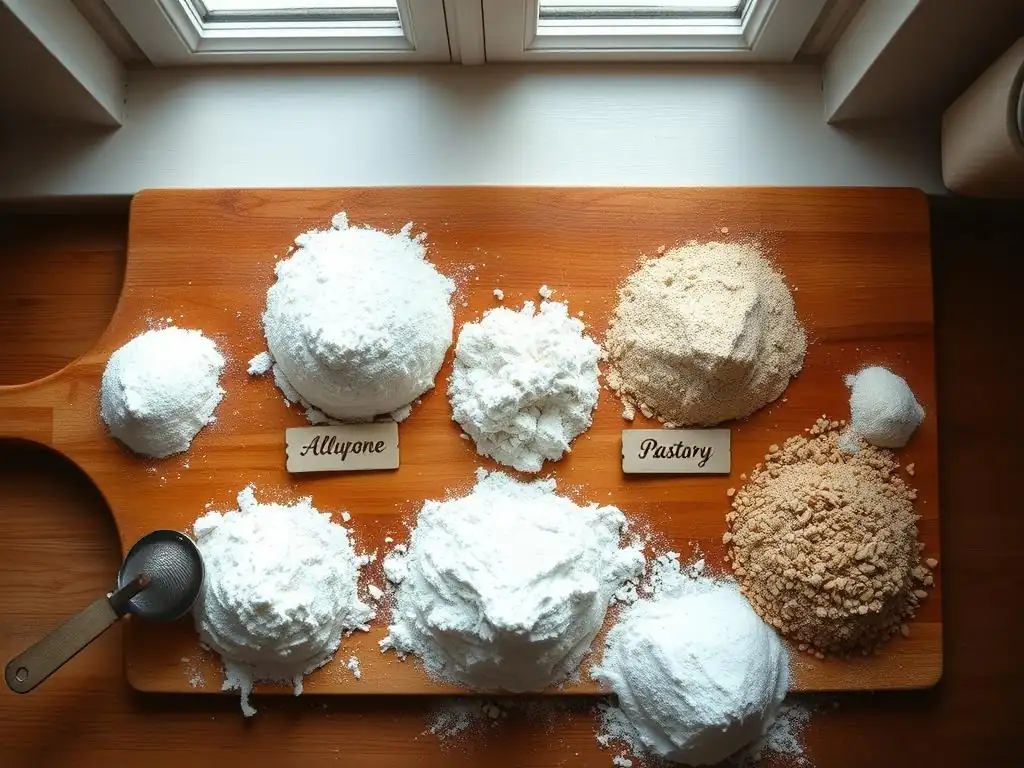
Flour exists along a continuum of particle sizes, each suited to different baking needs. Understanding this spectrum, from the whisper-light feel of cake flour to the gritty texture of coarse whole wheat, is essential for successful baking. Each point on this spectrum offers unique properties that influence everything from the rise of a cake to the chewiness of a loaf.
Let's explore the common points along this spectrum and the characteristics that define them.
Fine Flour (Cake Flour)
Fine flour is characterized by its exceptionally small particle size, which gives it a soft, almost silken feel. This fineness is achieved through a specialized milling process that grinds the wheat endosperm very finely and often involves sifting to remove larger particles. Cake flour is a prime example of a fine flour; it's typically bleached, which further weakens the protein bonds and contributes to its delicate nature.
Characteristics of Fine Flour
Fine flour, like cake flour, usually has a lower protein content compared to all-purpose or bread flour, often ranging from around 6% to 8%. The combination of low protein and fine grind results in less gluten development when mixed with liquid. This is a desirable trait for baked goods where tenderness is paramount. The fine particles also absorb fats and liquids differently, contributing to a more even distribution throughout the batter.
Another characteristic is its ability to create a tender crumb. Because less gluten network forms, the structure relies more on the starch gelatinization and egg proteins (in cakes). This results in a soft, delicate texture that melts in your mouth. When using fine flour baking techniques, bakers aim to preserve this tenderness by avoiding overmixing, which could toughen the minimal gluten structure.
Best Uses: Cakes and Delicate Treats
Fine flour is the go-to choice for baked goods where a light, tender, and airy texture is desired. Its primary use is, as the name suggests, in cakes, especially those with a delicate crumb like sponge cakes, angel food cakes, and layer cakes. The low protein and fine grind help prevent toughness and promote a tender, even texture.
Beyond cakes, fine flour is also excellent for achieving tenderness in other delicate pastries, such as scones, biscuits, and some types of cookies where a crisp but tender bite is preferred over a chewy one. Mastering fine flour baking techniques for these items involves gentle handling and precise measurement to leverage the flour's unique properties. A classic example is using cake flour for Southern-style biscuits to achieve that signature flaky and tender interior.
Medium Flour (All-Purpose Flour)
Medium grind flour, most commonly represented by all-purpose flour, strikes a balance between the fineness of cake flour and the coarseness of whole wheat. This moderate particle size, combined with a moderate protein content (typically 10% to 12%), makes it incredibly versatile, earning it the "all-purpose" moniker.
All-Purpose Flour: The Baking Workhorse
All-purpose flour is the standard flour for most home bakers because it performs reasonably well across a broad spectrum of recipes. Its medium grind allows it to absorb liquids at a moderate pace, and its protein content is sufficient to develop a moderate gluten structure suitable for everything from cookies and muffins to breads and pie crusts. It's milled from a blend of hard and soft wheats, balancing the protein levels.
The balanced nature of all-purpose flour means it can achieve a decent crumb in cakes (though less tender than fine flour) and a reasonable structure in breads (though less robust than high-gluten bread flour). Its reliability and widespread availability make it the default choice for many recipes, serving as a benchmark for comparing other flour types and grinds.
Using All-Purpose Flour
Given its versatility, all-purpose flour can be used in almost any baking recipe. For cakes and muffins, it provides enough structure to hold the shape without becoming overly dense. For cookies, it contributes to a good balance of spread and chewiness. In yeast breads, it can produce loaves with a decent rise and crumb, although bakers seeking a chewier texture or higher rise might opt for bread flour.
When using all-purpose flour, standard mixing techniques are generally appropriate. The medium grind and protein content allow for adequate gluten development with typical kneading or mixing times for breads and moderate mixing for batters. While not specifically optimized for fine flour baking techniques, it can sometimes be substituted for fine flour (with adjustments, like sifting or removing some flour) or coarse flour (with adjustments to hydration and mixing), though results will differ from using the recommended grind.
Coarse Flour (Whole Wheat Flour)
Coarse grind flours have larger, more distinct particles compared to fine or medium grinds. Whole wheat flour is a prime example, where the entire wheat kernel—bran, germ, and endosperm—is ground. This inclusion of the bran and germ not only results in a coarser texture but also significantly impacts the flour's properties and nutritional profile.
Characteristics of Coarse Flour
Coarse flours, particularly whole wheat, have several key characteristics. Their larger particles, especially the sharp edges of the bran, can actually cut through the developing gluten strands, potentially inhibiting some gluten development. This is one reason why 100% whole wheat breads can be denser than those made with refined flour. Coarse flours also tend to absorb liquids more slowly than finer flours due to less exposed surface area, but they can ultimately hold more liquid due to the fibrous bran.
Whole wheat flour is also higher in protein (often 13% to 14%) and fiber than refined flours, contributing to a chewier texture and nutty flavor. The presence of the germ, which contains fats, can also affect shelf life and flavor compared to refined flour. Baking with coarse flour often requires adjustments to hydration and mixing to manage its unique absorption rate and effect on gluten.
Best Uses: Breads and Rustic Bakes
Coarse flours are best suited for baked goods where texture, flavor, and density are desirable. Whole wheat flour is widely used in bread baking, either alone or blended with refined flour, to produce hearty, flavorful loaves with a chewier crumb and a rustic appearance. The bran and germ contribute complex flavors not found in refined flours.
Other uses for coarse grinds include muffins, scones, and cookies where a chewier or more substantial texture is desired. Cornmeal, another coarse grind, is essential for cornbread, polenta, and as a dusting for pizza peels and baking surfaces. Rye flour, often coarsely ground, is fundamental to traditional rye breads. These applications leverage the slower hydration and textural contribution of the larger particles.
How Grind Affects Baking
The physical size of flour particles is not just a matter of texture in the bag; it fundamentally alters the chemistry and physics of baking. From how quickly dough comes together to the final height and crumb structure of your bake, grind is a silent but powerful force at play. Understanding this impact is crucial for predicting outcomes and adapting recipes.
Let's look at how different grinds influence common baking processes and the specific techniques associated with them.
Fine Flour Techniques: Light Textures
Working with fine flour, like cake flour, requires specific techniques to maximize its potential for creating light, tender textures. Because of its low protein and fine particles, it develops gluten very easily, but you want to develop just enough for structure, not too much, which would lead to toughness. This is where techniques like the reverse creaming method (mixing fat and sugar first, then adding dry ingredients) are often employed with fine flour, as it coats the flour particles in fat, further inhibiting gluten development.
Precision in measuring is also paramount when using fine flour. Due to its fine nature, it packs more densely than coarser flours if scooped directly from the bag. Always spoon fine flour into your measuring cup and level it off for accuracy. Hydration is key; fine flour absorbs liquids quickly, so mixing should stop as soon as the ingredients are just combined to avoid overworking the minimal gluten structure. These fine flour baking techniques prioritize gentle handling and controlled mixing.
Tips for Working with Fine Flour
- Always spoon and level fine flour for accurate measurement. Scooping directly can add up to 25% more flour by weight.
- Consider using the reverse creaming method for cakes to ensure maximum tenderness.
- Mix batters containing fine flour only until just combined; visible streaks of flour are acceptable and will disappear during resting or baking.
- Sifting fine flour before use can help aerate it and remove any clumps, contributing to a lighter texture.
- Be mindful of liquid absorption; you may need slightly less liquid than a recipe designed for all-purpose flour, or the dough/batter will come together faster.
Coarse Flour Techniques: Texture and Flavor
Baking with coarse flours, such as whole wheat, requires a different approach to account for their slower hydration and the presence of bran and germ. These flours need more time to absorb liquid fully, often benefiting from a resting period (autolyse or bulk fermentation) after initial mixing to allow the bran to soften and the flour to hydrate completely before kneading.
The sharp edges of bran particles can interfere with gluten development. To mitigate this, bakers often use techniques that encourage stronger gluten formation, such as longer kneading times, higher hydration levels (adding more water), or incorporating a percentage of strong white bread flour. The goal is to build a robust gluten network capable of supporting the heavier, less elastic dough characteristic of coarse flours. These techniques are distinct from the fine flour baking techniques used for delicate items.
Tips for Working with Coarse Flour
- Allow for a resting period (like an autolyse) after initially mixing coarse flour with liquid to give the bran time to hydrate.
- Increase hydration slightly compared to recipes using only refined flour, as coarse flour can absorb more liquid.
- Knead doughs made with coarse flour longer to develop a strong gluten network, as the bran can inhibit it.
- Consider sifting out some of the coarser bran for a slightly lighter texture, or soaking the bran separately before adding it to the dough.
- Combine coarse flour with a percentage of strong white bread flour (e.g., 50/50 blend) to improve structure and rise, especially for beginners.
Impact on Gluten Development
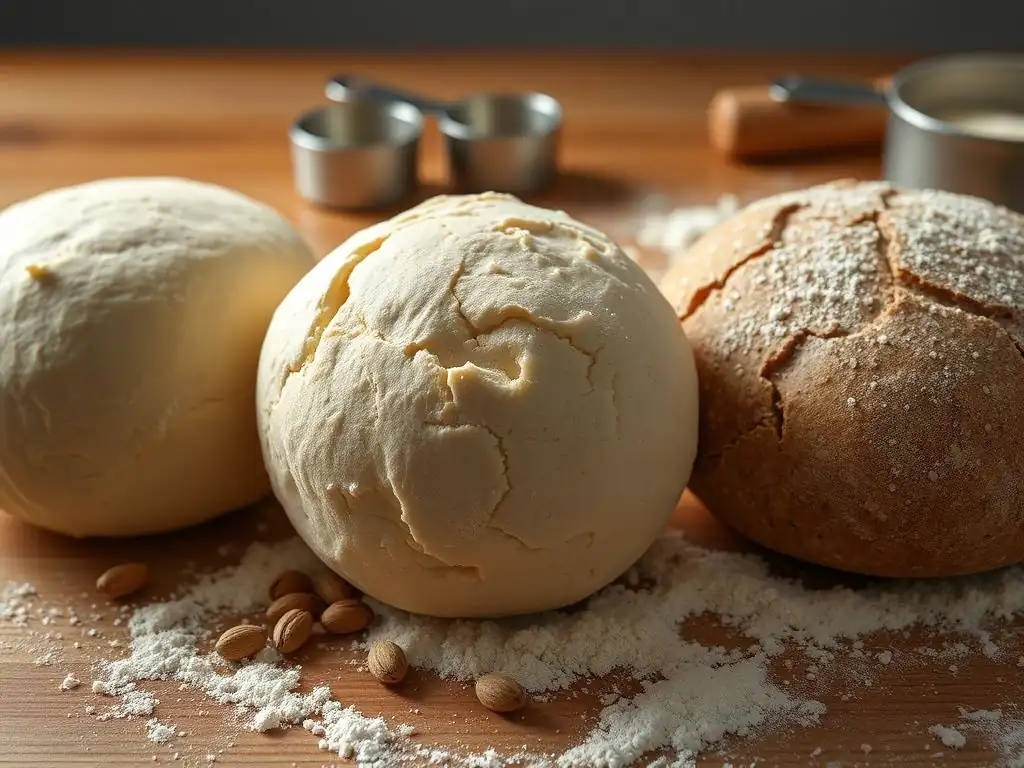
Gluten is the protein network that provides structure and elasticity to many baked goods, particularly breads. The extent and strength of this network are significantly influenced by the flour's protein content, the amount of liquid, mixing/kneading, and crucially, the flour's grind. The particle size affects how easily water reaches the proteins and how the developing gluten strands interact.
Understanding this relationship helps bakers control the texture of their final product, whether aiming for a tender cake requiring minimal gluten or a chewy bread needing a robust structure.
Fine Flour and Gluten: A Delicate Balance
Fine flour, often having lower protein content and smaller particle size, hydrates very quickly. While the potential for gluten development is lower due to less protein, the fine grind means the available proteins interact with water rapidly. However, the goal with fine flour baking techniques is usually to minimize gluten development to achieve tenderness.
The rapid hydration means mixing should be brief. Overmixing fine flour batter can quickly develop the limited gluten present, resulting in a tougher texture than desired for delicate items like cakes or pastries. The fine particles also distribute more evenly, potentially leading to a more uniform, fine crumb structure, provided the gluten network is kept minimal. This delicate balance is key to the characteristic tenderness of baked goods made with fine flour.
Coarse Flour and Gluten: Strong and Chewy
Coarse flours, especially whole wheat, typically have higher protein content, offering the potential for a strong gluten network. However, their larger particle size and the presence of sharp bran fragments present challenges to gluten development. Water penetrates the larger particles more slowly, and the bran can physically impede the formation and alignment of gluten strands.
Developing sufficient gluten in doughs made with coarse flour requires more effort. Longer kneading times help align the proteins and build strength despite the interference from the bran. Higher hydration is often needed because the bran absorbs a significant amount of water. The resulting gluten network, once developed, is typically more rugged and less elastic than that formed by refined white flour, contributing to the characteristic dense, chewy texture of whole grain breads.
Choosing the Right Flour
Selecting the appropriate flour grind is one of the most critical decisions a baker makes, directly influencing the outcome of a recipe. It's about matching the flour's properties – its protein content, absorption rate, and how it develops gluten – with the desired characteristics of the final product.
Making an informed choice involves considering the recipe's requirements and the specific attributes of different flour grinds.
Matching Grind to Recipe
Recipes are typically developed using a specific type and grind of flour because the proportions of liquid, fat, sugar, and leavening are balanced to work with that flour's unique properties. For example, a classic sponge cake recipe relies on the low protein and fine grind of cake flour to achieve its airy, tender crumb. Substituting all-purpose flour directly would likely result in a tougher cake due to higher protein and different gluten development.
Similarly, a recipe for a rustic sourdough loaf is often designed for whole wheat or a blend with strong bread flour, taking advantage of the protein content for structure and the coarser grind for texture and flavor. Attempting to use fine cake flour in a bread recipe would result in a dense, flat loaf lacking the necessary structure. Always check the recipe's flour recommendation and understand why that particular flour is suggested.
Experimenting with Grinds
While following recipes is a great starting point, understanding flour grind also opens the door to experimentation. You can intentionally substitute flours with different grinds to alter the texture and flavor of a familiar recipe. For instance, substituting a portion of all-purpose flour with fine cake flour in a muffin recipe can yield a more tender crumb, applying fine flour baking techniques to a new context.
Alternatively, adding a percentage of coarse whole wheat flour to your usual cookie recipe will introduce chewiness and nutty flavor. When experimenting, start with small substitutions (e.g., replacing 10-25% of the original flour) and adjust liquid levels as needed, as different grinds absorb water differently. Keep detailed notes on your results to learn how different grinds behave and how they affect your baking.
Storing Flour
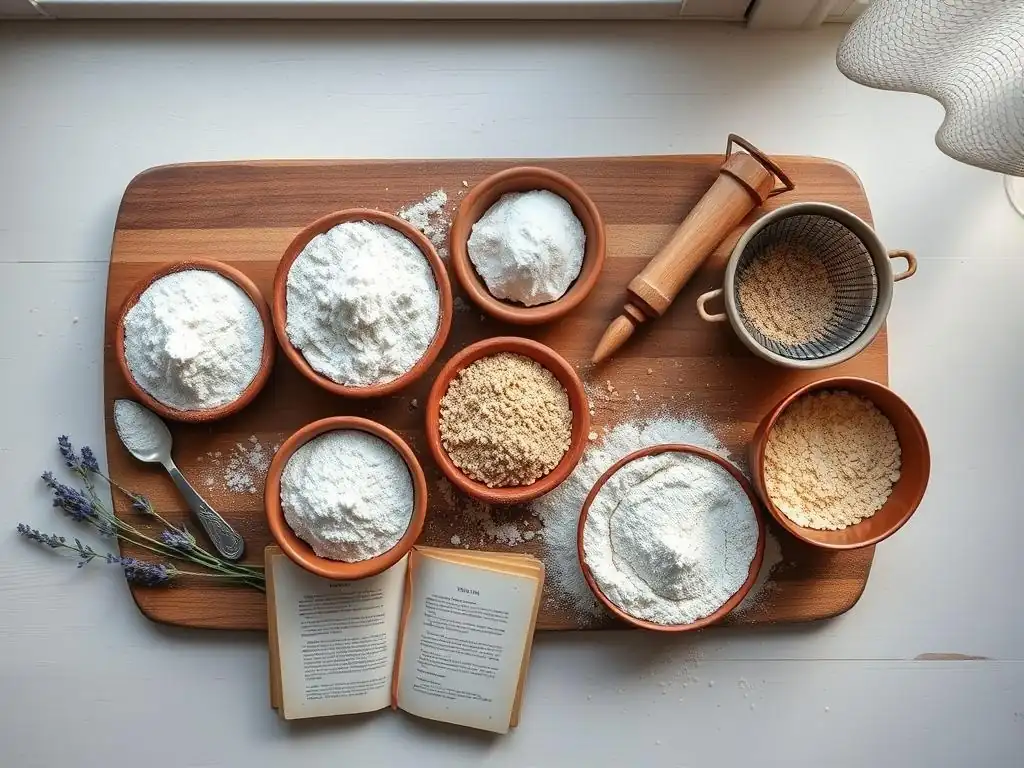
Proper storage is essential to maintain the quality and performance of flour, regardless of its grind. Flour is susceptible to moisture, odors, and pests, and incorrect storage can lead to rancidity (especially in whole grain flours containing germ fat) or simply poor baking results due to moisture changes or spoilage.
Taking steps to store flour correctly ensures that its unique properties, whether fine, medium, or coarse, are preserved until you're ready to bake.
Best Practices
The ideal way to store flour is in an airtight container in a cool, dry, dark place. Exposure to air and moisture can lead to oxidation and spoilage. Plastic or glass containers with tight-fitting lids or heavy-duty, resealable bags are excellent choices. Avoid storing flour in its original paper bag for long periods, as these bags are often not airtight and can be easily penetrated by pests or absorb ambient moisture and odors.
- Store in an airtight container.
- Keep in a cool, dry, dark pantry or cupboard.
- For extended storage, especially for whole grain or fine flours, consider refrigeration or freezing.
- Label containers with the type of flour and purchase date.
- Keep away from strong odors, as flour can absorb them.
Whole grain flours (coarse grinds) have a shorter shelf life than refined white flours because the germ contains oils that can go rancid. Refrigerating or freezing whole grain flours is highly recommended to extend their freshness, typically from a few months at room temperature to six months or more in the fridge or freezer.
How Storage Affects Performance
Improper storage can negatively impact flour's performance in baking. Flour that has absorbed excess moisture can throw off the hydration balance of a recipe, leading to sticky doughs or heavy batters. Conversely, flour stored in a very dry environment might require slightly more liquid.
Rancid flour, which can happen with poorly stored whole grains, imparts an unpleasant, off-flavor to baked goods. Pests, if they infest the flour, obviously render it unusable. Even subtle changes in moisture content or slight rancidity can affect gluten development, leavening, and the final texture. Using properly stored flour ensures that your fine flour baking techniques yield the tender results you expect and that your coarse flour breads rise and chew correctly.
Mastering Flour Techniques: A Recap
Understanding flour grind is a fundamental step in becoming a more skilled and confident baker. It's not just about following a recipe but appreciating how the ingredients interact. From the delicate touch required for fine flour baking techniques to the robust handling needed for coarse grain doughs, recognizing the impact of particle size is key.
By paying attention to the type of flour called for and understanding its grind, you gain insight into the intended texture and structure of the final baked good.
Optimizing Recipes
Knowledge of flour grind allows you to optimize recipes and tailor them to your desired outcome. Want a slightly airier muffin? Try swapping a small percentage of all-purpose for fine cake flour. Craving a heartier, chewier cookie? Substitute some white flour with whole wheat. This isn't just random substitution; it's informed modification based on how different grinds affect hydration, gluten, and texture.
This understanding also helps when converting recipes or adapting them for dietary needs. For instance, adapting a recipe for a gluten-free blend often involves understanding how the particle sizes and absorption rates of alternative flours (like rice, almond, or oat flour) compare to wheat flour.
Troubleshooting Baking Issues
Many common baking problems can be traced back to flour, and understanding grind helps in diagnosing and fixing them. Is your cake tough? You might have overmixed fine flour or used a flour with too high a protein content for a delicate crumb. Is your whole wheat bread dense? Perhaps the flour wasn't hydrated enough, or the gluten wasn't sufficiently developed to support the heavier dough, issues directly related to the coarse grind's properties.
| Baking Problem | Potential Cause Related to Grind | Possible Solution |
|---|---|---|
| Tough Cake/Muffin | Overmixing fine/medium flour; using too high protein flour. | Mix gently; use fine flour; employ fine flour baking techniques like reverse creaming. |
| Dense Whole Wheat Bread | Insufficient hydration/kneading for coarse flour; bran inhibiting gluten. | Increase hydration; knead longer; use autolyse; blend with strong white flour. |
| Dry/Crumbly Cookies | Using coarse flour without adjusting liquid; inaccurate measurement of fine flour. | Increase liquid slightly with coarse flour; spoon & level fine flour accurately. |
| Poor Rise in Bread | Weak gluten development (can be affected by grind); old flour. | Ensure adequate kneading for grind; check flour freshness/storage. |
By considering the grind, you can better understand why a recipe behaves the way it does and make informed adjustments when things go awry, leading to more consistent success in all your baking adventures, from mastering fine flour baking techniques for delicate pastries to achieving perfect crust and crumb in rustic loaves.
Frequently Asked Questions
What is the key difference between fine and coarse flour in baking?
The main difference lies in the particle size. Fine flour results in a more tender and delicate crumb, while coarse flour provides a chewier texture.
How does the fineness of flour affect gluten development?
Finer flour tends to develop gluten more quickly due to increased surface area. This can lead to a stronger dough structure if not handled carefully. Coarse flour may require longer kneading times for gluten development.
What types of baked goods benefit most from using fine flour?
Delicate pastries, such as cakes and cookies, often benefit most from fine flour. This is because the fine texture contributes to a lighter and more tender result, avoiding a tough or chewy outcome.
Can I substitute fine flour for coarse flour in a recipe?
While possible, it's generally not recommended without adjustments. You may need to adjust the liquid content or kneading time to compensate for the differences in gluten development and absorption.
Where can I learn more about specific fine flour baking techniques?
BakeWithEase.com offers a wealth of resources, including step-by-step guides and tips specifically tailored to using fine flour for various baked goods. You can find recipes and techniques for everything from delicate cakes to flaky pastries.
Final Reflection: The Transformative Power of a Perfect Grind
The subtle art of flour grinding profoundly impacts the final product, a truth as relevant today as it was centuries ago. A seemingly insignificant detail—the coarseness of your flour—can elevate a humble loaf to breathtaking heights or lead to a disappointing, dense failure. Mastering this fundamental aspect of baking unlocks a world of possibilities, allowing for greater control and creativity in the kitchen.
The journey from coarse to fine, explored in this article, is more than just a technical exercise; it's a reflection of our evolving relationship with food. We've moved from a reliance on simple, readily available ingredients to a pursuit of nuanced flavors and textures. This shift mirrors a broader cultural appreciation for craftsmanship and the understanding that even the smallest details can have a significant impact. The difference between something good and something great is attention to detail.
This quote, though not specifically about baking, perfectly encapsulates the essence of what we've discussed regarding flour grind.
Now, consider your own baking journey. What have you learned about the impact of flour texture on your creations? I encourage you to experiment! Try varying your flour grind for your next project, paying close attention to the changes in texture and taste. Embrace the process of discovery, and allow the subtle nuances of flour to inspire your culinary creativity. The perfect loaf awaits, shaped by your understanding and passion for the art of baking.
Unleash Your Inner Baker: Master the Art of Flour Grinding!
Thanks for taking the time to explore the fascinating world of flour grinds with us! We hope you now feel confident in understanding how different grinds impact your baking. Ready to put your new knowledge into practice?
- Experiment with different flour grinds: Try baking your favorite recipe with a coarser grind than usual – you might discover a whole new texture and flavor profile! This is the most important step to mastering this new skill.
- Share your baking triumphs (and even your floury mishaps!): Let's build a community of bakers. Tell us about your experience in the comments below!
- Explore our other resources on BakeWithEase.com: Discover more baking tips and tricks to elevate your baking game even further.
Now, tell us: What exciting new bread or pastry will you create with your newly acquired flour-grinding knowledge?