
Troubleshooting GlutenFree Cake Problems

Welcome to BakeWithEase, your trusted companion on your baking journey! Ever wondered why your gluten-free cake refuses to rise or crumbles at the slightest touch? Dive into our latest article, " Troubleshooting GlutenFree Cake Problems," where we unlock the secrets to perfect, delicious, and worry-free gluten-free baking. Discover simple solutions and expert advice that will transform your baking experience – are you ready to bake with confidence?
- Troubleshooting Gluten-Free Cake Problems: Bake With Confidence
- Introduction: Achieving Gluten-Free Cake Perfection
- Common Gluten-Free Cake Problems and Solutions
- Advanced Gluten-Free Cake Troubleshooting Tips
- Essential Tools for Gluten-Free Cake Baking Success
- Mastering Gluten-Free Cake Recipes: A Summary
-
Frequently Asked Questions
- What are some common problems bakers face when making gluten-free cakes?
- What ingredients can I use to improve the structure of my gluten-free cake?
- My gluten-free cake sank in the middle. What could have caused this?
- Why is my gluten-free cake dry and gritty?
- How can I prevent my gluten-free cake from being gummy?
- Final Reflection: The Sweet Science of Gluten-Free Baking
- Unleash Your Inner Gluten-Free Baker!
Troubleshooting Gluten-Free Cake Problems: Bake With Confidence
Introduction: Achieving Gluten-Free Cake Perfection
Embarking on the journey of gluten-free baking can be incredibly rewarding, opening up a world of delicious possibilities for those with dietary restrictions or preferences. However, it's also a path sprinkled with unique challenges, especially when it comes to crafting that perfect gluten-free cake. Unlike traditional wheat-based cakes, which rely on the elastic protein network of gluten for structure, lift, and texture, gluten-free versions require a different approach.
Mastering the art of troubleshooting gluten-free cake problems is key to consistently achieving moist, tender, and beautifully risen results. This guide is designed to walk you through common pitfalls and provide practical, easy-to-follow glutenfree cake troubleshooting tips.
Understanding Gluten-Free Cake Challenges
The primary challenge in gluten-free baking stems from the absence of gluten. In wheat flour, gluten develops when water is added and mixing occurs, forming a stretchy network that traps gases produced by leavening agents. This network provides structure, elasticity, and contributes significantly to the final texture and crumb of a cake. Without this protein matrix, gluten-free batters tend to be less cohesive and lack the inherent structure needed to support a light and airy crumb.
This often leads to common issues like crumbling, dryness, or a dense, gummy texture. For instance, a standard wheat cake might use a simple all-purpose flour, relying on its gluten content. A gluten-free equivalent requires a blend of flours and starches, each contributing different properties – rice flour for structure, tapioca starch for chewiness, potato starch for tenderness – plus added binders to compensate for the missing gluten network.
Another hurdle is moisture management. Gluten-free flours often absorb liquid differently than wheat flour, sometimes requiring more hydration initially but also being prone to drying out during baking.
Ingredients like brown rice flour or sorghum flour can be quite absorbent, potentially leading to a dry cake if the liquid ratio isn't adjusted correctly. Conversely, using too much starch or liquid without adequate binding can result in a gummy texture.
Successfully troubleshooting gluten-free cakes involves understanding how different gluten-free ingredients interact with moisture and heat, and how to balance them to mimic the desirable characteristics of a traditional cake. For example, while a standard butter cake recipe might use a 1:1 ratio of flour to sugar by weight and a specific amount of liquid, a gluten-free version might require slightly more liquid or fat, or the inclusion of ingredients like yogurt or sour cream, to ensure adequate moisture retention throughout the baking process.
The Science Behind Gluten-Free Baking
At its core, gluten-free baking is about substituting the functions of gluten using alternative ingredients. This involves combining various gluten-free flours, starches, and binders to create a blend that provides structure, tenderness, and moisture retention.
Common gluten-free flour blends often include a mix of 'heavy' flours like brown or white rice flour, sorghum, or millet, providing structure, and 'light' flours or starches like tapioca starch, potato starch, or cornstarch, which contribute to tenderness and a lighter crumb. A typical blend might be 40% heavy flour, 30% light flour, and 30% starch, though ratios vary widely depending on the desired outcome.
Binders are crucial for mimicking gluten's cohesive properties. Ingredients like xanthan gum, guar gum, psyllium husk, or even ground flaxseed or chia seeds, absorb liquid and create a gel-like substance that holds the batter together and helps trap gases. For cakes, xanthan gum is a popular choice, often used in small amounts – perhaps 1/4 to 1/2 teaspoon per cup of flour blend – too much can lead to a gummy texture.
Eggs also play a vital binding role, providing structure through their proteins and contributing to leavening when whipped. Understanding the specific roles of these ingredients and how they interact chemically during mixing and baking is fundamental to effective glutenfree cake troubleshooting tips.
For instance, the proteins in eggs coagulate when heated, creating a structural framework, while baking powder (a common leavening agent) reacts with liquid and heat to produce carbon dioxide gas, causing the cake to rise. Without sufficient binding from gums or other agents, this gas would escape, resulting in a flat or collapsed cake.
Common Gluten-Free Cake Problems and Solutions
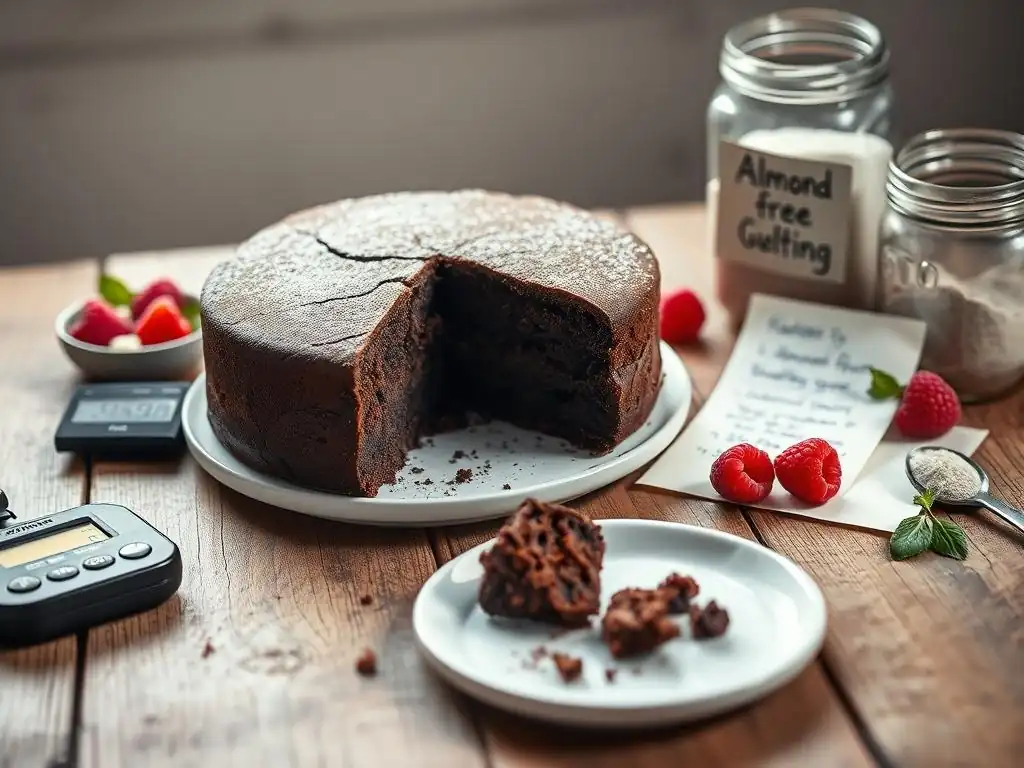
Problem 1: Dry and Crumbly Cake
A dry and crumbly texture is one of the most frequent complaints when baking gluten-free cakes. Instead of a moist, tender crumb that holds together, the cake falls apart easily, leaving a trail of crumbs. This issue often arises because gluten-free flours, particularly rice flour and sorghum flour, tend to absorb more moisture than wheat flour and can release it rapidly during baking if not properly managed. The lack of a gluten network also means there's nothing to physically hold the crumbs together cohesively, exacerbating the problem.
Successfully addressing dryness involves a multi-faceted approach focusing on ingredient selection, batter composition, and baking technique. It's not just about adding more liquid; it's about adding the right kind of moisture and ingredients that help retain it throughout the baking process. Implementing effective glutenfree cake troubleshooting tips for dryness requires careful attention to detail from the moment you measure your ingredients to the time the cake comes out of the oven.
Identifying the Causes of Dryness
- Incorrect Flour Blend: Using a blend too high in absorbent flours (like brown rice flour) without sufficient starches or binders.
- Insufficient Liquid or Fat: Not enough moisture or fat in the recipe to counteract the absorbency of the gluten-free flours. Fat, like oil or butter, coats flour particles and prevents them from absorbing too much liquid initially, while also contributing to tenderness.
- Over-measurement of Dry Ingredients: Accidentally adding too much flour, sugar, or leavening agents, throwing off the moisture balance. Using the 'scoop and level' method for measuring flour instead of weighing can easily add 20-30% more flour than intended.
- Overbaking: Leaving the cake in the oven for too long, causing excessive moisture evaporation. Even a few extra minutes can turn a moist cake dry.
- Oven Temperature Issues: Baking at too high a temperature can cause the cake to cook too quickly on the outside before the inside is done, leading to a dry crust and potentially dry interior.
Solutions for a Moist Cake
Selecting the Right Flour Blend
Choosing or creating a balanced gluten-free flour blend is fundamental. Look for blends that include a mix of rice flours, starches (tapioca, potato, corn), and possibly other flours like sorghum, millet, or oat flour (ensure certified gluten-free). A good all-purpose gluten-free blend should have enough starch to tenderize the crumb and enough structure from other flours.
Some commercial blends are specifically formulated for cakes and contain binders like xanthan gum, which aids moisture retention. If making your own, consider a blend like 40% white rice flour, 30% potato starch, 20% tapioca starch, and 10% sorghum flour, adding 1/2 teaspoon xanthan gum per cup of blend for cakes.
Incorporating Moisture-Retaining Ingredients
Adding ingredients known for retaining moisture can make a significant difference. Examples include sour cream, yogurt, buttermilk, applesauce, mashed banana, pumpkin puree, or even mayonnaise (which is primarily oil and eggs). Using oil instead of solid fats like butter can also increase moisture, as oil remains liquid at room temperature and coats flour particles more effectively.
For instance, substituting half or all of the butter with a neutral oil like canola or vegetable oil can improve moisture. Adding 1/4 cup of sour cream or Greek yogurt to a standard 8 or 9-inch cake recipe can dramatically enhance tenderness and moisture.
Preventing Overbaking
Accurate baking time and temperature are critical. Always preheat your oven properly and use an oven thermometer to verify its accuracy; many ovens are off by 25°F or more. Start checking for doneness at the earliest time specified in the recipe.
Use the toothpick test – insert a toothpick into the center; it should come out with a few moist crumbs attached, but not wet batter. If it comes out completely clean, the cake is likely already slightly overbaked. Remove the cake from the oven as soon as it's done and allow it to cool on a wire rack as directed in the recipe, which prevents residual heat from overcooking it in the pan.
Problem 2: Dense and Gummy Cake
While dryness is a common issue, the opposite problem – a dense, heavy, and often gummy cake – is equally frustrating. Instead of a light, open crumb, the cake feels heavy and can have an unpleasant chewy or sticky texture, particularly noticeable when chewing. This indicates a structural issue where the batter didn't properly aerate or set, or where starches became overly gelatinized without sufficient structure to support them.
Addressing density and gumminess requires understanding the delicate balance between structure, leavening, and moisture in gluten-free batters. Unlike wheat batters where the gluten network provides inherent structure, gluten-free batters rely on carefully balanced ingredients and techniques to achieve a light texture. Applying the right glutenfree cake troubleshooting tips for these issues involves mastering mixing methods and ingredient ratios.
Recognizing a Dense Texture
A dense cake lacks the airy pockets typically found in a well-baked cake crumb. When you slice it, the texture looks tight and heavy, rather than open and light. It feels heavy for its size when you pick it up.
When eaten, it might feel heavy or even slightly wet and uncooked in the center, even if the edges seem done. A gummy texture is often associated with density; it feels sticky and chewy, sometimes adhering to the roof of your mouth. This is often caused by starches in the gluten-free blend becoming too gelatinized due to excessive moisture, insufficient baking time, or improper mixing.
Understanding the Causes of Gumminess
Gumminess is frequently linked to an imbalance in the gluten-free flour blend (too much starch, not enough 'heavy' flour), too much liquid, or insufficient baking time/temperature. Starches like tapioca or cornstarch absorb liquid and swell when heated, forming a gel. In a wheat cake, the gluten network supports this structure.
In a gluten-free cake, without adequate binders (like gums) or proteins (like eggs), this gel can remain soft and sticky, resulting in gumminess. Overmixing the batter can also contribute; while some mixing is needed to hydrate flours and develop binders, excessive mixing can overwork starches and lead to a gummy texture, similar to how overmixing wheat dough develops tough gluten.
Techniques for a Light and Airy Cake
Achieving Proper Egg Incorporation
Eggs are vital for structure and leavening in gluten-free cakes. They provide protein that sets during baking and, when whipped, incorporate air. Many gluten-free cake recipes benefit from creaming butter and sugar until light and fluffy before adding eggs one at a time, beating well after each addition.
This incorporates air into the fat, which helps lift the cake. Some recipes even call for whipping egg whites separately to soft or stiff peaks and gently folding them into the batter, adding significant aeration. For example, a typical vanilla cake recipe might call for creaming butter and sugar for 3-5 minutes until pale and fluffy; this step is crucial for building initial structure and lightness in a gluten-free version.
Optimizing Leavening Agent Use
Ensure your baking powder and baking soda are fresh. Baking powder typically lasts 6-12 months, while baking soda can last longer but its effectiveness can diminish. Test freshness by adding a teaspoon of baking powder to a few tablespoons of hot water – it should bubble vigorously.
For baking soda, add a teaspoon to a few tablespoons of vinegar – it should also fizz strongly. Gluten-free batters often benefit from slightly more leavening than wheat batters to achieve adequate lift. Using both baking powder and baking soda (if the recipe contains an acid like buttermilk or yogurt) provides a strong initial lift (from baking soda reacting with acid) and sustained lift in the oven (from baking powder reacting with heat).
Avoiding Overmixing
While you need to mix enough to fully hydrate the flours and distribute ingredients evenly, overmixing gluten-free batter is detrimental. Once the dry ingredients are added to the wet, mix only until just combined. Excessive mixing can overdevelop starches, leading to a gummy texture, and can deflate air pockets created during creaming or by leavening agents.
Use a low speed on your mixer or mix gently by hand. The batter might look slightly lumpy, which is often fine. For instance, after adding the flour blend, mix on low speed for only 30-60 seconds, or just until no dry streaks remain.
Problem 3: Cake Sinking in the Middle
A cake that rises beautifully in the oven only to sink dramatically in the center as it cools is a disheartening experience. This issue indicates a structural failure – the cake wasn't strong enough to support itself once removed from the heat, or the leavening was too rapid or uneven. Successfully troubleshooting gluten-free cakes that sink involves understanding what provides structure and how to ensure it sets properly.
Preventing a sunken center requires attention to ingredient balance, leavening activity, oven conditions, and post-baking handling. It's about ensuring the internal structure is fully baked and set before the cake is subjected to the cooling process.
Analyzing the Reasons for Cake Collapse
Several factors can cause a gluten-free cake to sink:
- Underbaking: The most common reason. The center hasn't fully set, and the structure collapses as the internal temperature drops.
- Too Much Leavening: Excessive baking powder or soda can cause the cake to rise too quickly and dramatically, creating an unstable structure that can't support itself.
- Insufficient Binder: Not enough xanthan gum, psyllium husk, or other binder means the batter lacks the cohesive network needed to hold the rise.
- Oven Temperature Fluctuations: Opening the oven door too early or the oven temperature being inconsistent can cause the cake to cool too quickly, leading to collapse. Sudden drops in temperature are particularly problematic.
- Incorrect Ingredient Ratios: Too much sugar or fat relative to the flour can weaken the structure. Sugar tenderizes and hinders protein development (even non-gluten proteins), while excessive fat can make the crumb too rich and fragile. For example, a recipe with a sugar-to-flour ratio exceeding 1:1 by weight might be prone to sinking if other structural elements aren't perfectly balanced.
Preventing Cake Collapse
Utilizing Binding Agents Effectively
Ensure your recipe includes an appropriate amount of binder, typically xanthan gum or psyllium husk, to provide structure. The amount needed varies depending on the flour blend and recipe, but a common guideline is 1/4 to 1/2 teaspoon of xanthan gum per cup of gluten-free flour blend for cakes. Psyllium husk often requires slightly more, perhaps 1 teaspoon per cup, and absorbs more liquid, so adjustments might be needed. Ensure the binder is evenly distributed by whisking it into the dry ingredients before adding wet ingredients.
Maintaining Consistent Oven Temperature
Preheat your oven thoroughly and use an oven thermometer to ensure it's at the correct temperature. Avoid opening the oven door unnecessarily while the cake is baking, especially during the first two-thirds of the baking time, as this can cause a sudden temperature drop and structural shock. If your oven has hot spots, rotate the cake pan halfway through baking (gently and quickly) to ensure even cooking, but only do this once and not before the cake has set around the edges.
Implementing Proper Cooling Techniques
Once the cake is done (passes the toothpick test), remove it from the oven promptly. Many recipes instruct you to let the cake cool in the pan on a wire rack for 10-15 minutes before inverting it onto the rack to cool completely. This initial cooling period in the pan allows the structure to stabilize gradually. Transferring it too soon can cause it to break or sink. Always cool cakes on a wire rack to allow air circulation, preventing moisture buildup on the bottom, which can also contribute to structural issues.
Problem 4: Poor Texture
Beyond just dry/crumbly or dense/gummy, a gluten-free cake can simply have a 'poor' texture – perhaps it's sandy, gritty, or has an uneven crumb structure. This isn't necessarily a collapse or dryness issue, but rather a lack of the desired smooth, tender, and uniform texture expected of a good cake. This can be frustrating and often requires specific glutenfree cake troubleshooting tips focused on ingredient selection and how they interact.
Achieving a pleasant texture involves selecting the right combination of flours and starches and ensuring they are properly hydrated and integrated into the batter. It's about balancing the properties of different gluten-free ingredients to create a harmonious blend.
Understanding Texture Variations
- Gritty or Sandy Texture: Often caused by using gluten-free flours that are too coarse, like some types of brown rice flour or sorghum flour. These flours might not absorb liquid as smoothly as finer grinds, leaving small, hard particles in the finished cake.
- Uneven Crumb: Can result from inconsistent mixing, uneven distribution of leavening agents or binders, or significant temperature variations during baking. Large tunnels or dense pockets indicate issues with aeration or mixing.
- Rubbery Texture: Sometimes occurs if too much binder (especially xanthan gum) is used, or if the batter is overmixed, causing the binders and starches to become overly developed or gelatinized.
Improving Texture
Combining Different Flours and Starches
The key to a good texture lies in using a finely ground gluten-free flour blend that includes a mix of flours and starches. Ensure your primary flour (like rice flour) is finely milled. Incorporating starches like tapioca, potato, or cornstarch helps create a tender, smooth crumb.
Some blends also benefit from flours like oat, millet, or sorghum for flavor and structure, but ensure they are finely ground. Experimenting with different commercial blends or creating your own balanced blend is essential. For instance, replacing some brown rice flour with white rice flour or adding more tapioca starch can often improve smoothness.
Utilizing Binding Agents
Proper use of binding agents is crucial for texture as well as structure. Xanthan gum or psyllium husk helps create a cohesive batter, preventing a crumbly texture and contributing to a smoother crumb structure by holding the ingredients together. Ensure the binder is whisked thoroughly into the dry ingredients before adding wet ingredients to prevent clumping and ensure even distribution throughout the batter. Too little binder can lead to crumbling, while too much can cause gumminess or a rubbery texture. Finding the right amount is key and may require slight adjustments based on the specific flour blend used.
Problem 5: Insufficient Rise
A flat, squat cake is disappointing, indicating that the leavening system didn't perform as expected. Achieving a good rise in gluten-free cakes can be more challenging than in wheat cakes because there's no gluten network to effectively trap the gases produced by leavening agents. Mastering glutenfree cake troubleshooting tips for rise involves ensuring the leavening is active and the batter is prepared to support the lift.
Insufficient rise is often a combination of factors related to the leavening agents themselves, the batter's composition, and the baking environment. Addressing this requires checking the freshness of ingredients and refining mixing and baking techniques.
Identifying Factors Affecting Rise
- Inactive Leavening Agents: Old or improperly stored baking powder or baking soda will not produce sufficient gas.
- Incorrect Leavening Amount: Using too little baking powder or soda for the volume of batter.
- Insufficient Binder: Without enough xanthan gum or other binder, the gas produced by leavening agents escapes the batter instead of being trapped, resulting in poor lift.
- Too Much Fat or Sugar: Excessive fat or sugar can weigh down the batter and inhibit rise. While essential for moisture and tenderness, they must be balanced.
- Cold Ingredients: Using cold butter or eggs can prevent proper emulsion and aeration during creaming, reducing initial lift.
- Overmixing or Undermixing: Undermixing might not evenly distribute leavening agents. Overmixing can deflate air incorporated during creaming or by the leavening agents.
- Oven Temperature Too Low: If the oven isn't hot enough, the leavening reaction (especially from baking powder) might not be strong enough to provide adequate lift before the structure sets.
Achieving Optimal Rise
Ensuring Leavening Agent Freshness
As mentioned earlier, always check the freshness of your baking powder and baking soda using the simple water/vinegar tests. Store them in airtight containers in a cool, dry place. Replace them regularly, typically every 6-12 months. Using fresh leavening is perhaps the most crucial step in ensuring a good rise.
Mastering Mixing Techniques
Proper mixing is vital. Cream butter and sugar until light and fluffy to incorporate air. Add eggs one at a time, beating well to create a stable emulsion. When adding dry ingredients, mix only until just combined. Avoid overmixing, which can deflate the batter. For recipes using the reverse creaming method (adding dry ingredients to fat/sugar mixture first), ensure the dry ingredients are thoroughly coated in fat before adding wet ingredients; this coats flour particles and can lead to a finer crumb, which in turn supports a better rise.
Balancing Acidity
Baking soda requires an acid to react and produce carbon dioxide gas. If your recipe uses baking soda, ensure it also contains an acidic ingredient like buttermilk, yogurt, sour cream, lemon juice, vinegar, brown sugar, or molasses. Baking powder contains both an acid and a base and reacts when wet and heated, so it doesn't require an additional acid in the recipe, though acidity can influence its rate of reaction.
Understanding the role of acidity helps in troubleshooting gluten-free cakes where leavening might be insufficient due to an imbalance. For instance, if a recipe calls for baking soda but only uses milk, it might not rise well; substituting buttermilk would provide the necessary acid.
Advanced Gluten-Free Cake Troubleshooting Tips
Beyond the common issues, some factors require more nuanced understanding and adjustment. These glutenfree cake troubleshooting tips address specific environmental conditions or ingredient complexities.
Adapting Recipes for High Altitude
Baking at high altitudes (generally considered 3,000 feet or more above sea level) presents unique challenges for all baking, and gluten-free is no exception. Lower atmospheric pressure means cakes rise more easily, but also collapse more readily as the structure is weaker. Liquids evaporate faster, leading to dryness. Leavening agents work more quickly. For instance, at 5,000 feet, water boils at around 203°F (95°C) instead of 212°F (100°C), and gases expand about 20% more.
Adapting a gluten-free cake recipe for high altitude typically involves reducing leavening agents (by perhaps 10-25%), slightly increasing liquid (by 1-2 tablespoons per cup of flour blend), slightly increasing flour (by 1-2 tablespoons per cup of flour blend), and slightly reducing sugar (by 1-3 tablespoons per cup of flour blend) to strengthen the structure and compensate for faster evaporation and expansion. Baking temperature might also need to be increased slightly (by 15-25°F) to help the structure set faster before it collapses, though this requires careful monitoring to prevent overbaking.
It often takes experimentation to find the perfect balance for your specific altitude.
Managing Ingredient Substitutions
Successfully substituting ingredients in gluten-free baking requires understanding the function of the original ingredient. Swapping one gluten-free flour for another isn't always a 1:1 replacement; substituting sorghum flour for white rice flour will affect texture and liquid absorption differently. Replacing eggs requires a binder like flax egg (1 tbsp flax meal + 3 tbsp water per egg), chia egg, or commercial egg replacer, and may impact rise and structure. Substituting fats (like oil for butter) affects moisture and tenderness.
When troubleshooting gluten-free cakes after substitutions, consider how the new ingredient changes the chemistry of the batter. For example, swapping dairy milk for a plant-based milk might affect the acidity needed for baking soda. Using applesauce as a fat substitute adds moisture but also sugar and pectin, which can alter texture and browning. Start with trusted gluten-free recipes designed for the ingredients you have, or make substitutions cautiously in small increments, observing the results. Documenting your substitutions and outcomes is crucial for refining your recipes.
Deep Dive into Flour Blend Composition
The specific ratio and type of flours and starches in your gluten-free blend profoundly impact the final cake. Different flours have varying protein, starch, and fiber content, affecting water absorption, structure, and flavor. A blend high in starches (like tapioca, corn, potato) will yield a tender, light cake but can be prone to gumminess if overhydrated or underbaked.
A blend heavy in whole grain flours (like brown rice, sorghum, millet) will offer more structure and nutrition but can result in a denser, drier, or grittier cake if not balanced with sufficient starches and binders. For example, a blend of 70% rice flour and 30% starch will behave differently than a blend of 40% rice, 30% sorghum, 20% starch, and 10% oat flour.
Understanding the properties of individual gluten-free flours allows for more effective glutenfree cake troubleshooting tips. Rice flour provides structure. Tapioca starch adds chewiness and helps with browning. Potato starch provides tenderness and a fine crumb. Sorghum and millet add flavor and structure.
Oat flour adds a pleasant texture and flavor. When a cake has a specific issue, considering if the flour blend's composition is contributing is key. For instance, if a cake is consistently gritty, switching to a finer-milled rice flour or increasing the proportion of smooth starches might help. If it's too dense, you might need more starch or a different type of binder.
Essential Tools for Gluten-Free Cake Baking Success
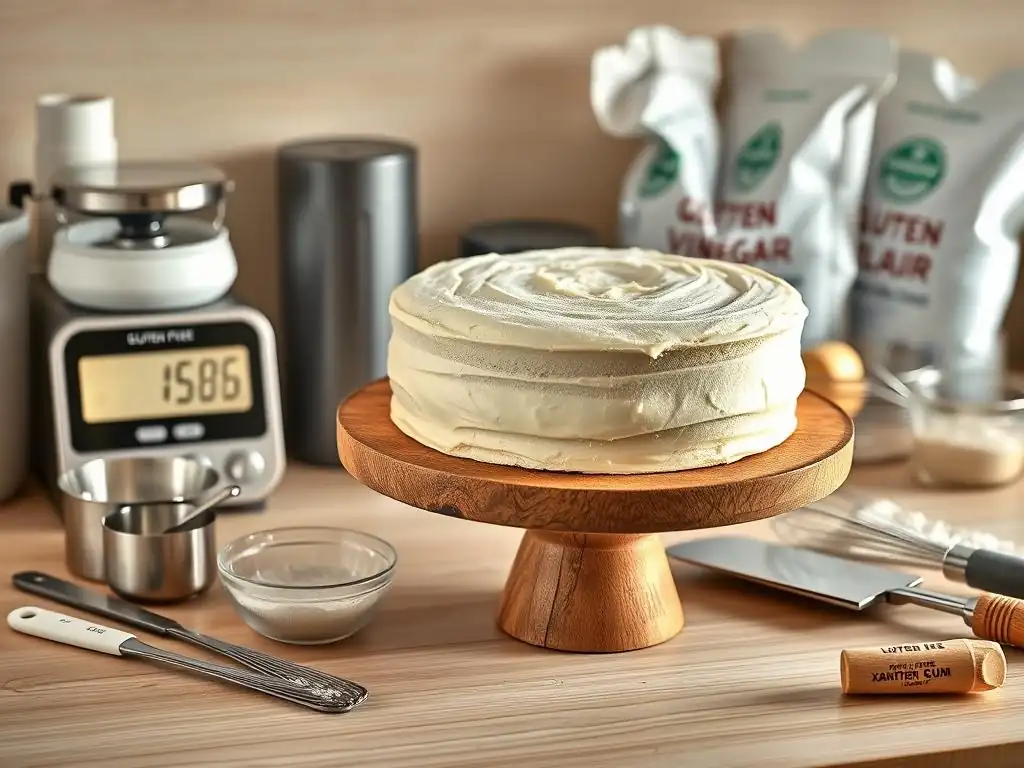
Having the right tools can make a significant difference in the consistency and quality of your gluten-free cakes. While not strictly troubleshooting gluten-free cake problems in the sense of fixing mistakes, these tools help prevent issues in the first place by ensuring accuracy and optimal conditions.
Recommended Flour Brands
Choosing a reliable gluten-free all-purpose flour blend is a great starting point. Look for blends specifically recommended for baking or cakes. Some popular and generally well-regarded brands known for their quality and performance in cakes include:
- King Arthur Baking Gluten-Free All-Purpose Flour
- Cup4Cup Multipurpose Gluten-Free Flour
- America's Test Kitchen Gluten-Free All-Purpose Flour Blend (can be made at home)
- Bob's Red Mill 1-to-1 Baking Flour
It's worth noting that different brands have varying compositions, so a recipe developed for one blend might need slight adjustments if you use another.
Key Baking Equipment
- Digital Scale: Measuring ingredients by weight, especially flour, is significantly more accurate than using volume measurements (cups). This precision helps prevent adding too much flour, a common cause of dry cakes.
- Oven Thermometer: Essential for verifying that your oven is heating to the temperature you set. Inconsistent oven temperatures can lead to uneven baking, sinking, or dryness.
- Stand Mixer or Hand Mixer: While some cakes can be mixed by hand, a mixer helps ensure proper creaming of butter and sugar, incorporating vital air for lift and structure, and ensuring ingredients are thoroughly combined without overmixing.
- Good Quality Cake Pans: Using the correct size and material of cake pan ensures even heat distribution. Light-colored metal pans are generally recommended for even baking and preventing overbrowning.
- Wire Cooling Rack: Allows air circulation around the cake after baking, preventing the bottom from becoming soggy and allowing the structure to set properly as it cools.
Mastering Gluten-Free Cake Recipes: A Summary
Baking delicious gluten-free cakes is absolutely achievable with practice and attention to detail. By understanding the unique properties of gluten-free ingredients and being prepared to troubleshoot common issues, you can consistently produce cakes that are moist, tender, and beautifully risen. These glutenfree cake troubleshooting tips provide a roadmap to success.
Key Takeaways for Gluten-Free Cake Success
- Ingredient Accuracy: Measure ingredients, especially flour, by weight using a digital scale.
- Balanced Flour Blend: Use a high-quality commercial blend or a carefully formulated homemade blend appropriate for cakes, balancing different flours and starches.
- Proper Binder Use: Include the correct amount of xanthan gum or psyllium husk for structure and moisture retention.
- Master Mixing: Cream fat and sugar properly, add eggs gradually, and mix in dry ingredients just until combined to avoid overdevelopment of starches.
- Accurate Baking: Verify oven temperature, bake until a toothpick comes out with moist crumbs, and avoid opening the oven door too early.
- Correct Cooling: Cool cakes on a wire rack as directed to allow them to set properly.
- Patience and Practice: Gluten-free baking can take some trial and error. Don't be discouraged by initial failures; each bake is a learning opportunity.
Further Resources for Gluten-Free Baking
- Recipe blogs and websites specializing in gluten-free baking.
- Cookbooks dedicated to gluten-free cakes and desserts.
- Online communities and forums where gluten-free bakers share tips and experiences.
- Experimentation in your own kitchen, keeping detailed notes on what works and what doesn't.
Remember, baking is a science, and gluten-free baking adds a few extra variables to the equation. But with these glutenfree cake troubleshooting tips and a willingness to learn, you'll be baking perfect gluten-free cakes with confidence in no time!
Frequently Asked Questions
What are some common problems bakers face when making gluten-free cakes?
Many struggle with crumbly textures, lack of rise, and gummy consistencies. These issues often stem from the absence of gluten's binding properties.
What ingredients can I use to improve the structure of my gluten-free cake?
You can use ingredients like xanthan gum or psyllium husk to mimic gluten's binding effect. Adding protein-rich flours like almond flour can also help.
My gluten-free cake sank in the middle. What could have caused this?
Oven temperature, improper ingredient ratios, or over-mixing the batter are common culprits. Make sure to check your oven's accuracy and follow the recipe closely.
Why is my gluten-free cake dry and gritty?
This often happens due to using too much gluten-free flour blend without enough moisture. Try adding more liquid or using a finer gluten-free flour blend.
How can I prevent my gluten-free cake from being gummy?
Avoid over-mixing the batter and ensure your ingredients are properly measured. Using a blend of gluten-free flours instead of just one can also help.
Final Reflection: The Sweet Science of Gluten-Free Baking
The quest for the perfect gluten-free cake is a journey, not a destination, but with the right troubleshooting techniques, the destination of deliciousness is within reach. This article has explored common pitfalls in gluten-free baking, from gummy textures to crumbly disasters, offering practical solutions for each challenge. The increasing popularity of gluten-free diets means these challenges are faced by a growing number of home bakers, making these tips more relevant than ever.
The journey of mastering gluten-free baking has been a personal one for me, filled with both triumphs and, let's be honest, plenty of flops. The only way to do great work is to love what you do.
- Steve Jobs. This quote resonates deeply because the passion for creating something delicious, even when faced with the complexities of gluten-free baking, is what fuels the process. The subtle nuances of gluten-free flour blends and the importance of proper hydration are lessons learned through experimentation and a willingness to embrace the occasional (or frequent!) failures. This constant learning and adaptation within the gluten-free baking community is what makes it so vibrant and rewarding.
Now, it's your turn. Don't be discouraged by a less-than-perfect first attempt. Embrace the challenges, experiment with different techniques and ingredients, and most importantly, enjoy the process. The next time you face a gluten-free cake catastrophe, remember the troubleshooting tips outlined in this article, and use them as a springboard to create your own masterpiece. The sweet reward of a perfectly moist, flavorful gluten-free cake is waiting for you – go bake your dreams!
Unleash Your Inner Gluten-Free Baker!
Thanks for joining us on this gluten-free baking adventure! We hope you gained valuable insights and are ready to conquer those tricky gluten-free cake challenges. Now it's time to put your new knowledge into action.
- Bake your dream gluten-free cake! Use the tips and tricks you learned today to create a masterpiece. Don't be afraid to experiment!
- Share your baking success (or even your bloopers!) with our community on our BakeWithEase forum. We love to see your creations and hear your stories.
- Try substituting a different gluten-free flour blend to see how it changes the texture. You might discover your new favorite recipe!
Ready to take on that next gluten-free baking challenge? What exciting flavor combinations are you planning to try?