
Baking with Exotic Oils: Sesame, Pumpkin Seed, and Their Unexpected Flavors


Welcome to BakeWithEase, where we unlock the secrets to effortless and delicious baking!
Ever wondered what a whisper of sesame oil could bring to your favorite baked goods? In this article, we're diving into the fascinating world of sesame oil baking recipes, exploring how this and other exotic oils, like pumpkin seed, can elevate your creations with unexpected and delightful flavors. Prepare to be surprised by the depth and complexity these oils bring to your pastries, breads, and more! Intrigued? Let's bake!
- Baking with Specialty Oils: Olive, Coconut, and Their Distinctive Applications
- Introduction to Baking with Specialty Oils
- Olive Oil in Baking: A Deep Dive
- Coconut Oil in Baking: A Tropical Twist
- Comparing Olive and Coconut Oil in Baking
- Troubleshooting Baking with Specialty Oils
- Expanding Your Baking Horizons with Other Specialty Oils
- Conclusion: Embracing the Flavor of Specialty Oils in Baking
-
Frequently Asked Questions
- How does sesame oil impact the flavor profile of baked goods?
- What types of recipes benefit most from using sesame oil?
- Can I substitute sesame oil for other oils in baking recipes?
- What is the best way to store sesame oil to maintain its quality for baking?
- Are there different types of sesame oil, and which is best for baking?
- Final Reflection: The Unexpected Symphony of Flavors
- Unlock the Secrets of Exotic Oil Baking!
Baking with Specialty Oils: Olive, Coconut, and Their Distinctive Applications
Introduction to Baking with Specialty Oils
Enhancing Flavor and Texture with Alternative Baking Oils
Baking is a science, but it's also an art, constantly evolving with new ingredients and techniques. Traditionally, butter and vegetable shortening have been staples in many recipes, prized for their ability to create tender textures and rich flavors. However, the world of baking oils extends far beyond these common fats.
Exploring alternative baking oils, such as olive, coconut, and even more unique options like sesame and pumpkin seed, can dramatically enhance both the flavor profile and the texture of baked goods. These specialty oils introduce distinct characteristics – from fruity and peppery notes to tropical sweetness and nutty richness – that can transform a simple recipe into something truly extraordinary.
The choice of oil directly impacts the outcome. Different oils have varying smoke points, which affect how they behave under heat. They also possess unique fatty acid compositions that influence texture, moisture retention, and even how the crust develops. For instance, oils with a higher percentage of saturated fats, like coconut oil, can contribute to a flakier or crisper texture in certain applications, similar to solid fats.
Monounsaturated fats, abundant in olive oil, lend a moist crumb and a delicate richness. By understanding these properties, bakers can strategically select oils to achieve desired results, adding layers of complexity and nuance that traditional fats might not provide. This exploration opens doors to creating healthier treats and catering to dietary preferences, all while expanding your culinary repertoire.
Why Experiment with Olive and Coconut Oil in Baking?
Experimenting with olive and coconut oil in baking offers a wealth of benefits, ranging from unique flavor contributions to potential health advantages and textural improvements. Olive oil, particularly extra virgin, brings a sophisticated, slightly peppery or fruity note that pairs surprisingly well with both sweet and savory ingredients. It's a cornerstone of Mediterranean baking, lending incredible moisture and tenderness to cakes, breads, and even cookies. Using olive oil can result in baked goods that stay moist for longer, thanks to its liquid state at room temperature compared to solid fats like butter.
Coconut oil provides a distinct tropical aroma and flavor that complements ingredients like chocolate, fruit, and spices beautifully. It's a versatile plant-based fat that is solid at room temperature (below approximately 76°F or 24°C) and melts when heated, allowing it to function similarly to butter or shortening in many recipes. This makes it an excellent dairy-free alternative.
Beyond flavor, both olive and coconut oils are often perceived as healthier alternatives to highly processed vegetable oils, being rich in beneficial fatty acids. Incorporating these oils allows bakers to explore new taste sensations, create delicious options for those with dietary restrictions, and refine textures in exciting ways, moving beyond conventional baking methods.
Olive Oil in Baking: A Deep Dive
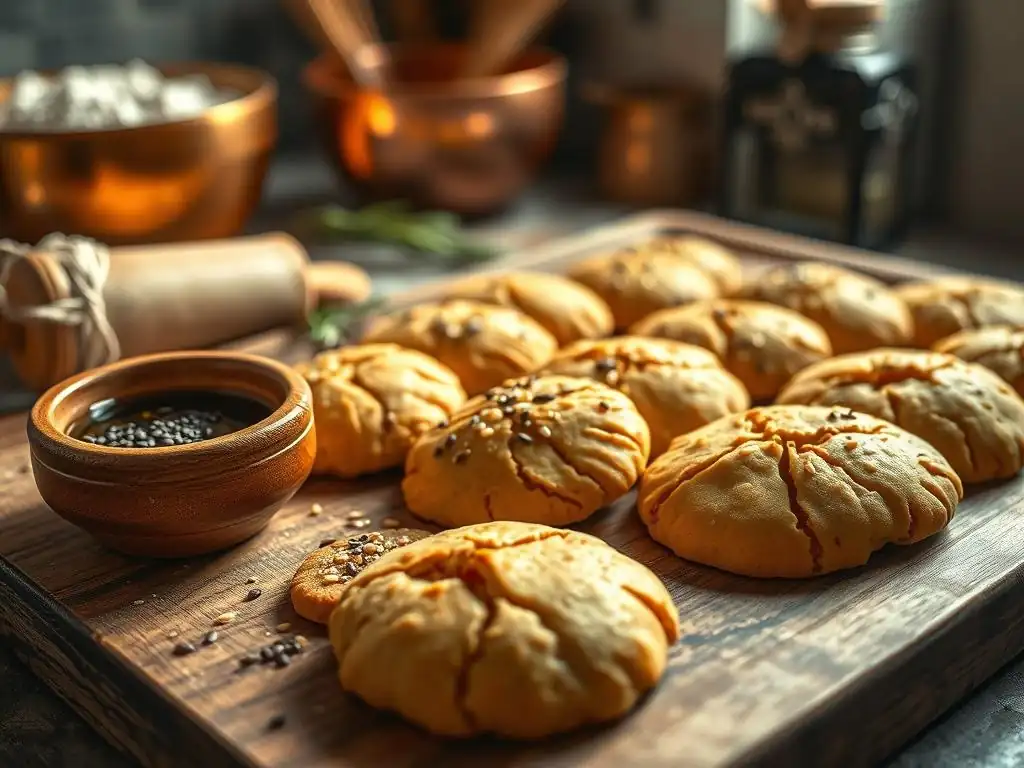
Understanding Olive Oil's Versatile Profile for Baking
Olive oil is celebrated worldwide for its culinary versatility, and its application in baking is no exception. Its profile is complex, varying significantly based on the type, from robust extra virgin to milder light olive oil. Extra virgin olive oil, pressed from the first milling of olives, retains the most flavor, aroma, and beneficial compounds like polyphenols.
It has a smoke point typically ranging from 375°F to 405°F (190°C to 207°C), making it suitable for most baking temperatures, which commonly fall between 325°F and 400°F (160°C and 200°C). Its distinctive fruity, grassy, or peppery notes can add depth to recipes, particularly those with citrus, herbs, or chocolate.
Lighter varieties, often labeled simply "olive oil" or "light olive oil," are more refined and have a higher smoke point, potentially reaching 470°F (243°C). They possess a more neutral flavor profile, making them a good choice when you want the benefits of olive oil's texture and moisture without its pronounced taste. Regardless of the type, olive oil contributes significantly to the texture of baked goods.
Its liquid state at room temperature helps create a tender, moist crumb that stays fresh longer compared to recipes using solid fats. It also promotes a desirable crispness in crusts and edges, adding another textural dimension to your creations.
Olive Oil Baking Recipes: From Savory to Sweet
Olive oil is a surprisingly versatile fat that shines in a wide array of baking applications, seamlessly transitioning between savory and sweet creations. Its unique flavor and moistening properties make it ideal for recipes where you want a tender texture and a hint of sophisticated taste. From rustic breads to delicate cakes, olive oil can replace butter or other oils, often yielding superior results.
Olive Oil and Herb Focaccia: A Mediterranean Delight
Focaccia is a classic example of olive oil's magic in savory baking. A typical recipe might call for 1/4 to 1/2 cup of extra virgin olive oil per loaf, both in the dough and generously drizzled over the top before baking. The oil in the dough contributes to a soft, airy interior, while the oil on top creates a beautiful golden crust with characteristic dimples.
Baking focaccia often occurs at temperatures around 400°F to 425°F (200°C to 220°C) for 20-25 minutes, well within the smoke point of most olive oils. The high heat and oil create a delightful contrast between the chewy crumb and the crispy, flavorful surface, often enhanced with sea salt and fresh herbs like rosemary or thyme.
#### Simple Olive Oil Focaccia Steps:

*   **Prepare Dough:** Mix flour (approx. 3 cups), water (approx. 1.5 cups), yeast (approx. 1 tsp), salt (approx. 1 tsp), and 1/4 cup olive oil. Knead until smooth.
*   **First Rise:** Let dough rise in an oiled bowl until doubled, about 1-1.5 hours.
*   **Shape and Dimple:** Transfer dough to a baking pan (approx. 9x13 inch) coated with 1/4 cup olive oil. Stretch gently to fit. Dimple the surface deeply with oiled fingers.
*   **Second Rise:** Let rise for another 30-45 minutes.
*   **Add Toppings:** Drizzle generously with more olive oil, sprinkle with sea salt and desired herbs.
*   **Bake:** Bake at 400°F (200°C) for 20-25 minutes, or until golden brown.
Olive Oil Cake with Citrus: A Zesty and Moist Dessert
Olive oil cake is a beloved sweet application that highlights the oil's ability to create an incredibly moist and tender crumb. A standard recipe might use 1 cup of good quality extra virgin olive oil for a single cake, replacing the butter or other fat entirely. The oil's fruity notes pair exceptionally well with citrus flavors like lemon, orange, or grapefruit zest and juice, creating a bright and sophisticated dessert.
These cakes are typically baked at a moderate temperature, around 350°F (175°C), for 30-40 minutes, depending on the size and shape of the pan. The result is a cake that is surprisingly light yet rich, with a delicate flavor that improves over time.
#### Basic Olive Oil Citrus Cake Ingredients (Approximation):

*   All-purpose flour: 1.5 cups
*   Granulated sugar: 1 cup
*   Baking powder: 1.5 tsp
*   Salt: 0.5 tsp
*   Eggs: 2 large
*   Milk or yogurt: 0.5 cup
*   Extra virgin olive oil: 1 cup
*   Citrus zest (lemon, orange): 1 tbsp
*   Citrus juice: 2 tbsp
*   Vanilla extract: 1 tsp
Tips for Baking Successfully with Olive Oil
Baking with olive oil is straightforward, but a few key tips can help you achieve the best results. Understanding how to choose the right type of olive oil and how to adjust recipes are crucial steps in mastering this technique.
Choosing the Right Olive Oil: Extra Virgin vs. Light
The type of olive oil you choose will significantly impact the final flavor of your baked goods. For recipes where you want the distinctive taste of olives to come through and complement other flavors, such as in an olive oil cake, savory muffins, or certain breads, extra virgin olive oil is the preferred choice.
Look for a good quality oil with a flavor profile that appeals to you – some are peppery, others are more buttery or fruity. For recipes where you desire the textural benefits of olive oil without its strong flavor, such as delicate pastries or subtle cookies, a light or pure olive oil is a better option.
These oils are more refined and have a milder taste, ensuring they don't overpower the other ingredients. Consider the overall flavor profile of your recipe and select the oil accordingly; a robust extra virgin might be too dominant in a light vanilla cake, while a light oil might not contribute enough character to a rustic loaf.
Adjusting Recipes for Olive Oil's Fruity Flavor
When substituting olive oil for butter or other fats in existing recipes, some adjustments may be necessary. Olive oil is 100% fat, whereas butter is typically around 80-85% fat and contains water and milk solids. As a general rule for cakes and muffins, you can often substitute olive oil for butter at a 1:1 ratio by volume, especially if the recipe already uses oil.
However, if substituting for butter in recipes where creaming is crucial for leavening (like some cookies or pound cakes), the texture will change, as olive oil cannot be creamed with sugar to incorporate air. In these cases, you might need to find recipes specifically developed for oil or adjust leavening agents. For recipes where olive oil's flavor is desired, like the citrus cake mentioned earlier, you embrace and build upon it.
If the flavor is too strong in a substitution, consider using a lighter olive oil or blending it with a more neutral oil. Always taste your olive oil before using it in baking to understand its specific profile and how it might interact with your ingredients.
Coconut Oil in Baking: A Tropical Twist
Coconut Oil: A Profile for Baking Applications
Coconut oil has become a popular alternative fat in baking, prized for its unique properties and tropical flavor. Unlike most vegetable oils, coconut oil is solid at room temperature, mimicking the consistency of butter or shortening. It typically becomes liquid above approximately 76°F (24°C). This characteristic makes it highly versatile, allowing it to be used in recipes that require solid fat for structure, such as pie crusts or cookies, as well as in recipes where melted fat is needed, like muffins or quick breads.
Coconut oil is composed primarily of saturated fats, particularly lauric acid, which makes up about 50% of its fatty acid content. This high saturated fat content contributes to a tender crumb and can create a desirable flakiness or crispness in certain baked goods. Refined coconut oil has a higher smoke point, around 400°F (200°C), making it suitable for higher baking temperatures.
Unrefined (virgin) coconut oil has a lower smoke point, closer to 350°F (175°C), and retains a stronger coconut flavor and aroma, as well as more nutrients. Understanding these differences helps bakers choose the right type for their desired outcome, whether they want a pronounced coconut taste or a more neutral fat.
Coconut Oil Baking Recipes: Unleash the Tropical Goodness
Coconut oil lends itself beautifully to a variety of baked goods, imparting moisture, tenderness, and a subtle or pronounced tropical flavor depending on whether refined or unrefined oil is used. It's an excellent option for dairy-free baking and adds a unique character that complements many ingredients.
Coconut Oil Chocolate Chip Cookies: A Chewy and Delicious Treat
Using coconut oil in chocolate chip cookies results in a wonderfully chewy texture and a hint of tropical sweetness that enhances the chocolate. Replacing butter with coconut oil (often at a 1:1 ratio by volume or slightly less oil) means you can't cream it with sugar in the traditional way if it's melted. However, if using solid coconut oil, you can cream it, though the texture might differ slightly from butter-based cookies.
Many recipes call for melting the coconut oil before mixing, which yields a chewier cookie. Baking these cookies typically occurs at temperatures between 350°F and 375°F (175°C to 190°C) for 8-12 minutes, depending on desired crispness. The coconut oil helps spread the cookie slightly and contributes to a lovely golden edge while keeping the center soft.
#### Coconut Oil Chocolate Chip Cookie Steps:

*   **Melt Oil:** Melt 1 cup solid coconut oil until liquid.
*   **Combine Wet:** Whisk melted coconut oil with 0.75 cup granulated sugar and 0.75 cup brown sugar. Add 2 large eggs and 1 tsp vanilla extract; whisk until combined.
*   **Combine Dry:** In a separate bowl, whisk 2.25 cups all-purpose flour, 1 tsp baking soda, and 0.5 tsp salt.
*   **Combine:** Gradually add dry ingredients to wet, mixing until just combined. Stir in 1-2 cups chocolate chips.
*   **Chill (Optional but Recommended):** Chill dough for at least 30 minutes.
*   **Scoop and Bake:** Scoop dough balls onto baking sheets. Bake at 375°F (190°C) for 8-12 minutes until edges are golden and centers are slightly soft.
Coconut Oil Banana Bread: A Moist and Flavorful Classic
Banana bread is inherently moist due to the mashed bananas, and using coconut oil further enhances this quality while adding a delightful background flavor. A typical recipe might use 1/2 to 3/4 cup of melted coconut oil, replacing butter or other oils. The oil helps keep the bread tender and moist for several days.
Coconut oil's subtle tropical note pairs perfectly with the sweetness of ripe bananas and warming spices like cinnamon or nutmeg, making it a natural fit for this comfort food classic. Banana bread is usually baked at 350°F (175°C) for 50-60 minutes in a loaf pan, or less time for muffins. The melted coconut oil integrates easily into the batter, ensuring even distribution of fat and moisture throughout the loaf.
Maximizing the Flavor of Coconut Oil in Baked Goods
Leveraging the unique flavor of coconut oil can add a wonderful dimension to your baking. It's not just about using it as a fat source, but about pairing it thoughtfully and understanding its different forms.
Pairing Coconut Oil with Complementary Ingredients
Coconut oil's flavor, ranging from subtle to pronounced depending on the type, pairs exceptionally well with a variety of ingredients. Chocolate is a classic partner; the tropical notes of coconut oil beautifully complement the richness of cocoa or chocolate chips in cookies, brownies, or cakes. Fruits like bananas, pineapple, mango, and berries also harmonize naturally with coconut oil, enhancing the tropical feel of desserts. Spices such as cinnamon, nutmeg, cardamom, and ginger work well, adding warmth that balances the coconut flavor.
Even ingredients like nuts, seeds, and oats are good companions, adding texture and complementing the oil's profile. Consider using coconut oil in recipes where these flavors are prominent to maximize its contribution beyond just providing fat. For example, a coconut oil-based granola or muffin with tropical fruit and nuts would be a perfect match.
Understanding Refined vs. Unrefined Coconut Oil
The choice between refined and unrefined (virgin) coconut oil is crucial for controlling the flavor intensity in your baked goods. Unrefined coconut oil is minimally processed and retains a strong, distinct coconut aroma and taste. This is ideal for recipes where you want the coconut flavor to be noticeable, such as coconut macaroons, certain tropical-themed cakes, or granola.
Its lower smoke point (around 350°F or 175°C) is generally sufficient for most baking, but be mindful if baking at very high temperatures. Refined coconut oil, on the other hand, is processed to remove most of the coconut flavor and aroma. It is essentially a neutral-tasting fat.
Use refined coconut oil when you need a solid, plant-based fat that functions like butter or shortening but without imparting a coconut taste, such as in pie crusts, biscuits, or cookies where you don't want the coconut flavor. Its higher smoke point (around 400°F or 200°C) also makes it more forgiving for hotter ovens.
Comparing Olive and Coconut Oil in Baking
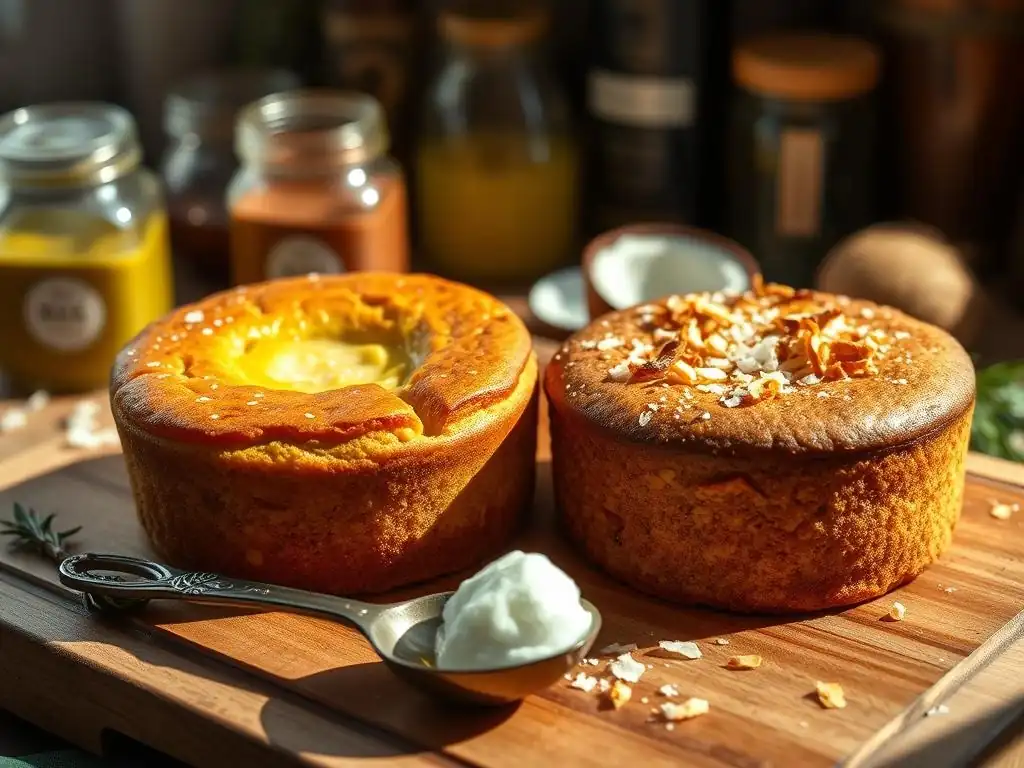
Flavor Profiles: Olive vs. Coconut in Baked Goods
The most significant difference between olive oil and coconut oil in baking lies in their flavor profiles. Olive oil, especially extra virgin, brings a savory, sometimes peppery or fruity note that can range from subtle to quite pronounced. This makes it an excellent choice for savory bakes like focaccia or herb muffins, and surprisingly good in sweet items like citrus cakes, chocolate cookies (where it adds complexity), or even certain quick breads. The flavor can be perceived as sophisticated and less overtly sweet.
Coconut oil, conversely, offers a sweet, tropical flavor. Unrefined coconut oil has a strong, unmistakable coconut taste and aroma, while refined coconut oil is largely neutral. This tropical sweetness makes it a natural fit for desserts featuring fruits, chocolate, or warm spices. It can add an exotic twist to classic recipes like banana bread or chocolate chip cookies. Choosing between the two depends entirely on the desired end flavor – savory depth or tropical sweetness.
Texture and Moisture: How They Affect Your Baking
Both olive and coconut oil contribute excellent moisture and tenderness to baked goods, but they do so slightly differently due to their physical states at room temperature and fatty acid composition. Olive oil, being liquid at typical room temperatures, tends to create a very tender, moist crumb that stays soft for longer. It inhibits gluten development slightly more than solid fats, leading to a softer texture in breads and cakes. It also promotes crisp edges and crusts.
Coconut oil, being solid below ~76°F (24°C), behaves more like butter or shortening in terms of structure. When used in its solid form, it can contribute to flakiness in pastries or a more structured crumb in cookies and cakes compared to liquid oils.
When melted, it adds moisture and tenderness, similar to other oils, but its high saturated fat content can sometimes result in a slightly denser texture if not balanced with other ingredients. Both oils are effective at preventing dryness, but olive oil often leads to a more consistently moist texture over time, while coconut oil's impact on texture can vary more depending on its state when incorporated into the batter.
Health Benefits: A Comparison of Olive and Coconut Oil
While both olive and coconut oil are plant-based fats, they differ significantly in their nutritional profiles and associated health benefits. Olive oil, particularly extra virgin, is renowned for being rich in monounsaturated fats (oleic acid), which are linked to heart health benefits, including potentially lowering LDL (bad) cholesterol levels. It also contains antioxidants and polyphenols, which have anti-inflammatory properties. A typical serving (1 tbsp) contains about 120 calories and 14g of fat, primarily monounsaturated and some polyunsaturated fats, with a small amount of saturated fat (around 2g).
Coconut oil is primarily composed of saturated fats (about 90%), particularly medium-chain triglycerides (MCTs) like lauric acid. While saturated fats have historically been viewed negatively, the research on MCTs is ongoing, with some studies suggesting they may be metabolized differently than long-chain saturated fats and potentially offer benefits like providing a quick source of energy. However, coconut oil still significantly raises LDL cholesterol levels in many individuals.
A serving (1 tbsp) also contains about 120 calories and 14g of fat, almost entirely saturated fat (around 12g). From a nutritional perspective, olive oil is more widely recognized for its established cardiovascular benefits based on extensive research, while the health claims for coconut oil are more debated and require further study.
Troubleshooting Baking with Specialty Oils
Baking with specialty oils like olive and coconut oil can introduce new variables. Understanding potential challenges and how to address them ensures successful outcomes.
Common Mistakes to Avoid When Using Olive and Coconut Oil
One common mistake when using olive oil is selecting an extra virgin variety with too strong a flavor for a delicate recipe, resulting in the oil overpowering other ingredients. Conversely, using a light olive oil in a recipe where the fruity notes are intended means you miss out on a key flavor component. Another error is substituting olive oil 1:1 by weight for butter in recipes relying on creaming for volume, as olive oil cannot trap air like solid fat.
When using coconut oil, a frequent issue is not accounting for its solidification point (~76°F or 24°C). If a recipe calls for liquid oil and your kitchen is cool, the coconut oil might solidify in the batter, leading to uneven distribution and potentially a less tender texture. Also, using unrefined coconut oil in a recipe where a neutral flavor is needed can result in an unwanted coconut taste.
Adjusting for Oil Solidification and Melting Points in Recipes
Coconut oil's tendency to solidify below room temperature requires attention. If a recipe calls for melted coconut oil and you add it to cold ingredients (like eggs or milk straight from the fridge), it can seize up and create small solid clumps in the batter.
To avoid this, ensure your liquid ingredients are at room temperature before combining them with melted coconut oil, or gently warm them slightly. If the oil does solidify, you can sometimes gently warm the entire batter slightly (e.g., over a warm water bath for a few seconds) and whisk vigorously to re-emulsify the oil, though this isn't always successful.
For recipes where coconut oil is meant to be used in its solid state (like for flaky pastry), chilling the mixed dough is essential to keep the fat solid until baking, which helps create steam and separation in the layers. Olive oil remains liquid at typical room temperatures, so solidification isn't usually an issue, but its smoke point should be considered for very high-temperature baking.
Dealing with Strong Flavors: Balancing the Taste
When using flavorful oils like extra virgin olive oil or unrefined coconut oil, balancing their distinct tastes with other ingredients is key. If your olive oil is very peppery, consider pairing it with sweet elements like sugar, honey, or fruit, or with complementary savory flavors like herbs, cheese, or garlic, which can mellow or enhance the oil's character. For a strong coconut flavor from unrefined oil, lean into tropical pairings like pineapple, mango, lime, or rum.
Spices like ginger, cardamom, and cinnamon also work well. If the oil's flavor is still too dominant, you can try using a milder version of the oil or blending it with a neutral-flavored oil (like refined coconut oil or a neutral vegetable oil) to dilute the intensity while retaining some of the oil's unique properties. Taste testing the oil itself before using it is a good practice to gauge its strength and profile.
Expanding Your Baking Horizons with Other Specialty Oils
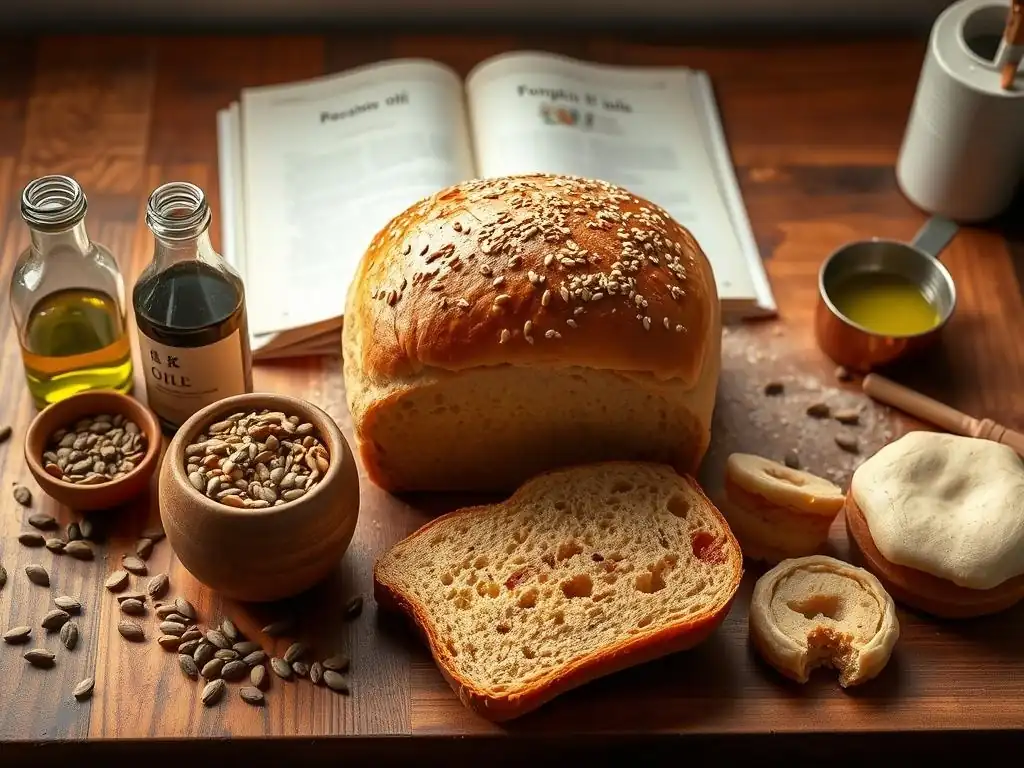
While olive and coconut oils are fantastic starting points, the world of specialty oils for baking is vast and offers exciting new flavor and texture possibilities. Exploring other options can further expand your baking repertoire.
Avocado Oil: A Neutral and Healthy Alternative
Avocado oil is a relatively neutral-flavored oil with a high smoke point, typically around 500°F (260°C) for refined versions. This makes it incredibly versatile for baking, especially when you need a liquid fat that won't impart any noticeable flavor of its own. It's rich in monounsaturated fats, similar to olive oil, and contains vitamin E. You can often substitute avocado oil for other liquid vegetable oils or melted butter in recipes like muffins, quick breads, cakes, and even some cookies at a 1:1 ratio by volume.
Its neutral profile allows the flavors of other ingredients, like vanilla, chocolate, or fruit, to shine through unobstructed. It's an excellent choice for bakers seeking a healthy, neutral-tasting fat that performs reliably across many different types of recipes without the distinct characteristics of olive or coconut oil.
Walnut Oil: A Rich and Nutty Option
Walnut oil is a flavorful specialty oil that brings a rich, nutty taste to baked goods. It's best used in recipes where its distinct flavor is desired and won't be overwhelmed by other strong ingredients. Walnut oil has a lower smoke point than olive or coconut oil, typically around 320°F (160°C) for unrefined oil, so it's often added to batters or doughs that bake at moderate temperatures, or used in uncooked applications like glazes or frostings.
It's excellent in recipes featuring nuts (like walnuts, pecans, or almonds), apples, pears, or maple syrup. Consider using it in cakes, muffins, or quick breads where a nutty flavor is complementary.
While you might not use it as the sole fat in large quantities due to its strong flavor and cost, substituting a portion of the oil or melted butter with walnut oil (e.g., replacing 1/4 cup) can add a wonderful layer of complexity. Exploring options like sesame oil baking recipes or those using pumpkin seed oil also offers unique savory and earthy dimensions, expanding the palette of flavors available to the adventurous baker.
Conclusion: Embracing the Flavor of Specialty Oils in Baking
Elevate Your Baking with Olive and Coconut Oil
Diving into the world of specialty oils like olive and coconut oil can truly elevate your baking. These fats are more than just ingredients for moisture and structure; they are flavor agents that can introduce sophisticated, nuanced tastes to your creations. From the fruity and sometimes peppery notes of olive oil that enhance savory breads and moist cakes, to the tropical sweetness and unique texture of coconut oil that transforms cookies and quick breads, incorporating these oils opens up exciting culinary possibilities.
They offer ways to create delicious dairy-free alternatives and explore new dimensions of flavor and texture that go beyond traditional butter or shortening. By understanding their properties and choosing the right type for your recipe, you can confidently experiment and discover new favorites.
Further Exploration: Resources for Specialty Oil Baking
Ready to delve deeper into baking with specialty oils? There are numerous resources available to help you on your journey. Cookbooks dedicated to baking with alternative fats often feature recipes specifically developed for olive oil, coconut oil, and other unique options. Websites like BakeWithEase.com provide guides, tips, and recipes tailored for home bakers exploring new ingredients.
Online baking communities and forums offer platforms to ask questions, share experiences, and discover innovative uses for these oils, including specific sesame oil baking recipes or techniques for using pumpkin seed oil. Don't hesitate to start with simple substitutions in your favorite recipes, or try recipes specifically designed for these oils. With a little experimentation and the right guidance, you can successfully integrate specialty oils into your baking routine and delight in the unexpected flavors and textures they bring.
Frequently Asked Questions
How does sesame oil impact the flavor profile of baked goods?
Sesame oil imparts a distinctive nutty and savory flavor to baked goods. Its high intensity means a little goes a long way, adding depth and complexity. It's particularly effective in balancing sweetness.
What types of recipes benefit most from using sesame oil?
Sesame oil shines in recipes where a savory or umami note enhances the overall taste. Think savory breads, Asian-inspired cookies, and even some cakes where it complements other flavors like ginger or citrus. It adds an interesting dimension to traditionally sweet treats.
Can I substitute sesame oil for other oils in baking recipes?
Yes, but with caution! Start with a small substitution, perhaps replacing just a quarter to half of the original oil. Sesame oil's strong flavor can easily overpower a recipe if used excessively.
What is the best way to store sesame oil to maintain its quality for baking?
Store sesame oil in a cool, dark place away from direct sunlight. An airtight container is crucial to prevent oxidation and preserve its flavor. Refrigeration can extend its shelf life even further.
Are there different types of sesame oil, and which is best for baking?
Yes, there are light and dark (toasted) sesame oils. Toasted sesame oil has a much stronger flavor and is generally preferred for baking due to its pronounced nutty taste. Light sesame oil is milder.
Final Reflection: The Unexpected Symphony of Flavors
The exploration of sesame oil and pumpkin seed oil in baking isn't just a culinary trend; it's a gateway to unlocking a world of nuanced flavors and textures previously unexplored in the kitchen. These oils, often relegated to the fringes of the pantry, offer a depth and complexity that can elevate even the simplest baked goods. Their unique profiles challenge our preconceived notions about what constitutes "baking oil," opening up exciting possibilities for adventurous home bakers.
The subtle nuttiness of sesame oil, the gentle sweetness of pumpkin seed oil – these are more than just ingredients; they are storytellers, weaving narratives of ancient traditions and global culinary heritage into every bite. Their increasing popularity reflects a growing desire for authentic, flavorful experiences in our food. The best food is made with love, and the best love is expressed through food.
This sentiment rings true when considering the care and attention required to harness the unique qualities of these oils in baking. Their incorporation represents a shift towards a more conscious and adventurous approach to cooking, moving beyond the familiar and embracing the unexpected.
Now, it's your turn. Consider the possibilities. Experiment with these oils in your own kitchen, allowing their unique flavors to inspire your next creation. Don't be afraid to deviate from traditional recipes, to explore, to innovate. Let the unexpected symphony of flavors guide you, and discover the joy of baking with the extraordinary. The world of culinary exploration awaits – and it begins with a single drop of oil.
Unlock the Secrets of Exotic Oil Baking!
Thanks for exploring the wonderful world of baking with sesame, pumpkin seed, and other unique oils! You've now discovered how these ingredients can add depth and complexity to your favorite recipes. Ready to take your baking to the next level?
- Try a new recipe this week! Experiment with one of the oil blends we discussed – perhaps a sesame-infused shortbread or pumpkin seed oil brownies. You'll be amazed at the results!
- Share your baking creations! Post a picture of your masterpiece on social media using #BakeWithEaseExoticOils and tag us – we love seeing your culinary adventures!
- Dive deeper into our oil guide: Explore our website's extensive library of resources on various baking oils to unlock even more flavor profiles.
What unexpected flavor combinations will you create with exotic oils next?