
Making Moist Vegan Muffins: Key Substitutions Explained

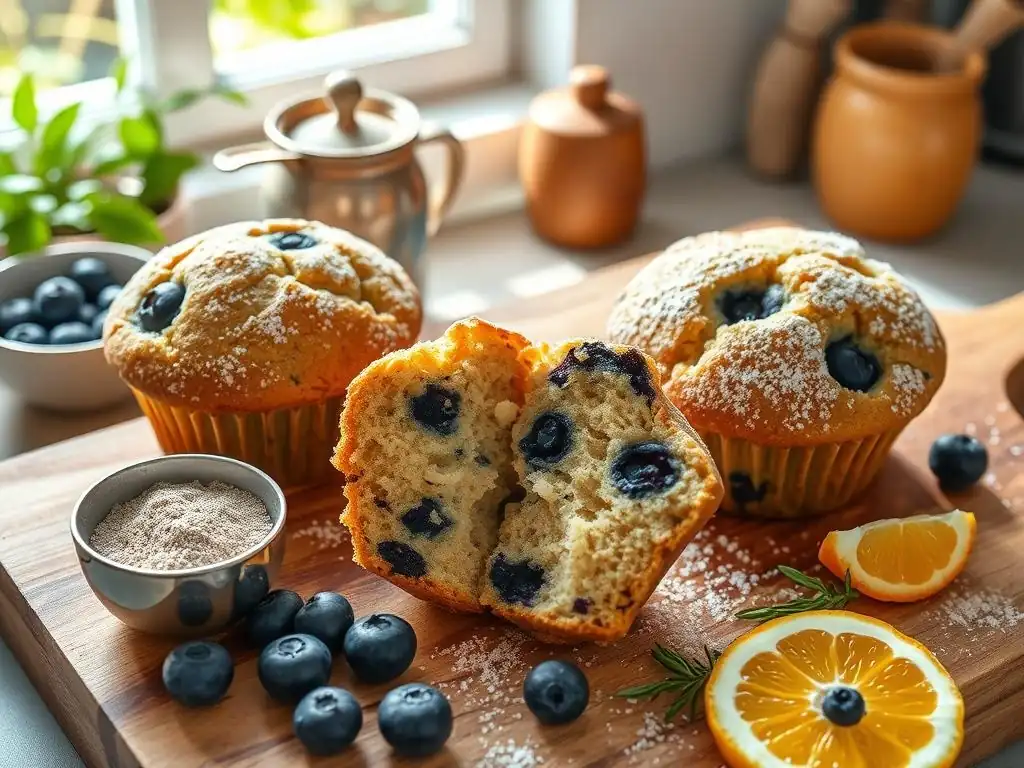
Welcome to BakeWithEase, your companion in the delightful world of baking! Ever wondered how to achieve that perfect, melt-in-your-mouth texture in a vegan muffin? We're diving deep into the secrets of creating the most irresistible, moist vegan muffin recipe you've ever tasted. Get ready to explore crucial ingredient substitutions and unlock the key to baking success – you might be surprised by what we reveal!
- Making Moist Vegan Muffins: Key Substitutions Explained - BakeWithEase
- Introduction: The Secret to Perfectly Moist Vegan Muffins
- Understanding Vegan Baking Substitutions for Moistness
- Key Vegan Substitutions for a Moist Muffin Recipe
- Pro Tips for Maximizing Moisture in Your Vegan Muffins
- A Simple Moist Vegan Muffin Recipe to Get You Started
- Troubleshooting Dry Vegan Muffins: What Went Wrong?
- Conclusion: Bake Deliciously Moist Vegan Muffins with Confidence
-
Frequently Asked Questions
- What are the key ingredients to substitute in a vegan muffin recipe to ensure they are moist?
- Why do vegan muffins sometimes come out dry, and how can I prevent this?
- Can I use any type of flour for a moist vegan muffin recipe?
- What kind of sweetener works best in a moist vegan muffin recipe?
- What are some flavor variations I can add to my moist vegan muffins?
- Final Reflection: The Enduring Quest for the Perfect Moist Vegan Muffin
- Unlock Your Inner Vegan Baker!
Making Moist Vegan Muffins: Key Substitutions Explained - BakeWithEase
Introduction: The Secret to Perfectly Moist Vegan Muffins
BakeWithEase Presents: Your Guide to Vegan Muffin Perfection
Welcome to BakeWithEase! Many bakers dream of creating fluffy, tender muffins, but transitioning to vegan baking can sometimes present challenges, especially when it comes to achieving that coveted moist texture. Traditional muffin recipes rely heavily on eggs and dairy for structure, richness, and, critically, moisture. Without these familiar ingredients, vegan muffins can sometimes turn out dense or, more commonly, dry and crumbly. But fear not – with the right knowledge about vegan substitutions, you can bake muffins that are not only free from animal products but also wonderfully soft, tender, and bursting with moisture.
This guide is designed to demystify the process of baking a perfect moist vegan muffin recipe. We'll explore the science behind why vegan baked goods sometimes lack moisture and dive deep into the best plant-based alternatives for key ingredients like eggs, dairy milk, and butter. By understanding how these substitutes function in a recipe, you'll gain the confidence to adapt your favorite muffin recipes or try new ones, consistently achieving delicious, moist results. Get ready to transform your vegan baking game and impress everyone with your perfectly baked creations!
Why Vegan Muffins Often End Up Dry (and How to Avoid It!)
The primary culprits behind dry vegan muffins typically involve the absence of animal-derived fats and proteins. Eggs, for instance, provide structure, act as a binder, and contribute moisture and richness through their fat content. Dairy milk and butter offer fats and liquids that keep the crumb tender and prevent it from drying out during baking. When these are simply removed without thoughtful replacement, the result can be a batter lacking sufficient fat and liquid relative to the dry ingredients, leading to a tough, dry texture.
Avoiding this common pitfall starts with selecting appropriate vegan substitutions that mimic the functions of their non-vegan counterparts. It's not just about swapping one ingredient for another by volume; it's about understanding what role the original ingredient played (binding, leavening, moisture, fat) and choosing a substitute that fulfills that role. Additionally, factors like overmixing the batter, using too much flour, or baking at too high a temperature for too long can strip moisture from any muffin, vegan or not. Paying attention to technique alongside smart substitutions is key to a successful, moist vegan muffin recipe.
Understanding Vegan Baking Substitutions for Moistness
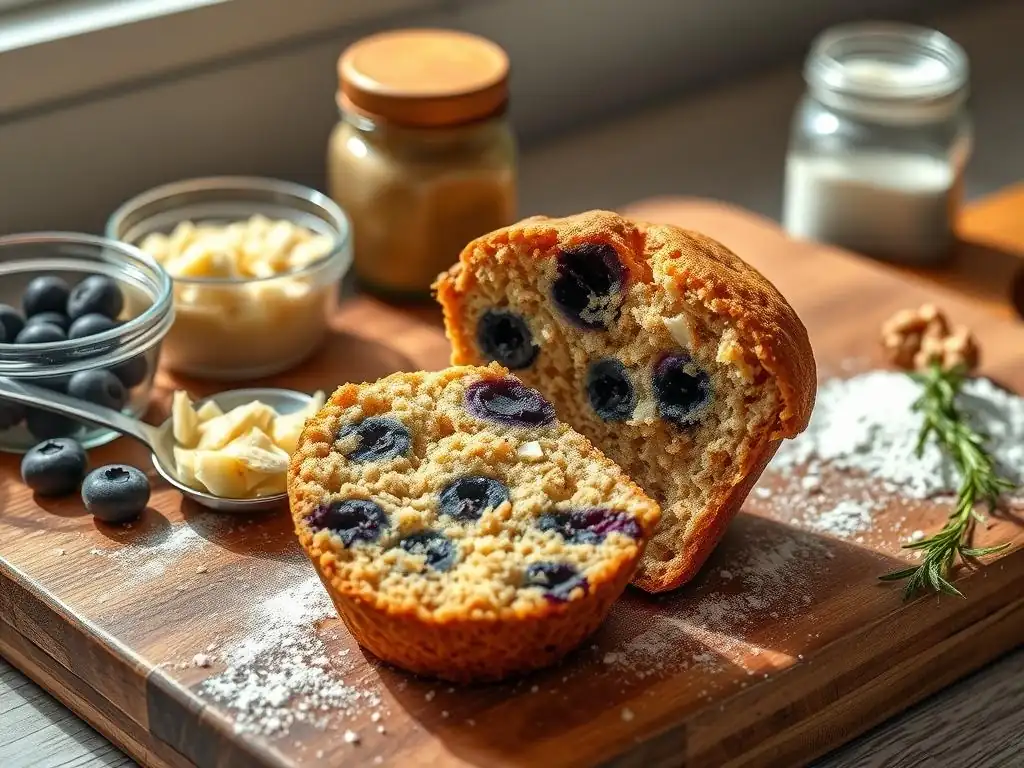
The Science Behind Moisture in Muffins
Moisture in baked goods is influenced by several factors, including the water content from liquid ingredients, the presence of fats, and the development of gluten. In traditional baking, ingredients like milk, eggs, and butter contribute significantly to the overall liquid and fat content. Fats coat flour particles, inhibiting excessive gluten development, which can lead to a tough, dry texture. Sugar also plays a role by attracting and holding onto moisture. During baking, water turns to steam, helping the muffin rise and contributing to a tender crumb.
In vegan baking, achieving the right moisture balance requires careful consideration of substitutions. Plant-based milks provide liquid, but their fat content varies. Vegan butters and oils supply necessary fats to tenderize the crumb. Egg replacers must not only bind but also contribute some level of moisture or richness, depending on the substitute used. Understanding how different vegan ingredients interact with flour and sugar is crucial. For example, using a very absorbent flour might require slightly more liquid than a less absorbent one to maintain the desired moisture level in your moist vegan muffin recipe.
Common Baking Ingredients and Their Vegan Alternatives
Many staple baking ingredients have readily available and effective vegan alternatives today. Wheat flour, sugar, baking powder, baking soda, salt, and spices are naturally vegan. The main ingredients requiring substitution are eggs, dairy milk, and butter. For eggs, common replacers include mashed fruits (like banana or applesauce), ground flaxseed or chia seeds mixed with water (forming a gel), commercial egg replacers, silken tofu, or even aquafaba (the liquid from canned chickpeas).
Dairy milk can be swapped for various plant-based milks such as almond, soy, oat, coconut, or cashew milk. Each offers slightly different flavors and fat content, which can subtly impact the final product. Butter is typically replaced with vegan butter sticks, coconut oil, or other vegetable oils like canola, sunflower, or avocado oil.
Shortening is another option. The choice of fat substitute affects both flavor and texture; solid fats (like vegan butter sticks or solid coconut oil) behave differently than liquid oils, particularly in how they interact with flour and contribute to tenderness. Selecting the right combination of these substitutes is fundamental to crafting a truly moist vegan muffin recipe.
Key Vegan Substitutions for a Moist Muffin Recipe
Replacing Eggs in Vegan Muffins: Achieving the Right Texture
Eggs perform multiple jobs in baking: binding ingredients together, providing structure, contributing to leavening, and adding richness and moisture. When creating a moist vegan muffin recipe, finding the right egg substitute is paramount. A single substitute might not replicate all functions perfectly, so sometimes a combination is used, or other ingredients and techniques are adjusted to compensate. The goal is to ensure the batter holds together, rises appropriately, and doesn't dry out.
Choosing the best egg replacer often depends on the specific muffin recipe and desired outcome. For instance, some substitutes are better binders, while others contribute more moisture or leavening. Using too much of certain substitutes can negatively impact texture or flavor. Generally, one standard chicken egg (approximately 50 grams) is replaced with about 1/4 cup (around 60g) of a chosen substitute, but this can vary. Experimentation is often necessary to find the ideal ratio for your specific moist vegan muffin recipe.
Applesauce: A Classic Vegan Egg Substitute for Moistness
Applesauce is a popular choice for vegan baking, particularly for muffins and quick breads. It's widely available, relatively inexpensive, and contributes significant moisture to the batter. A common substitution ratio is 1/4 cup (about 60g) unsweetened applesauce per egg. Its natural pectin helps bind ingredients, and its liquid content ensures a tender crumb.
While applesauce adds moisture and binding, it doesn't provide leavening. Recipes using applesauce as an egg replacer often rely more heavily on chemical leaveners like baking powder and baking soda for rise. Using too much applesauce can make baked goods dense or gummy, so it's best used when replacing one or two eggs in a recipe designed to be a moist vegan muffin recipe.
Mashed Banana: Adding Sweetness and Moisture
Similar to applesauce, mashed ripe banana is an excellent egg substitute that adds moisture, binding, and a subtle sweetness and flavor. Use about 1/4 cup (around 60g) of finely mashed ripe banana per egg. The riper the banana, the sweeter and easier it is to mash smoothly into the batter.
Mashed banana works well in recipes where its flavor is complementary, like chocolate, spice, or other fruit muffins. Like applesauce, it contributes moisture and binding but not leavening, so ensure the recipe has adequate baking powder/soda. Using too much banana can result in a heavy, banana-flavored muffin, so it's typically used for replacing one or two eggs in a moist vegan muffin recipe.
Flaxseed Meal: Binding and Hydration Power
Ground flaxseed mixed with water creates a gelatinous mixture known as a "flax egg." To make one flax egg, whisk together 1 tablespoon (about 7g) of ground flaxseed meal with 3 tablespoons (about 45g) of water and let it sit for 5-10 minutes until it thickens. This mixture is a powerful binder, mimicking the coagulating properties of eggs.
Flax eggs are particularly good at holding ingredients together, which is crucial in a moist vegan muffin recipe where crumb structure is important. They also add a touch of healthy fat and fiber. However, they contribute minimal leavening and can sometimes leave tiny flecks in the finished product. They are ideal for replacing one or two eggs where binding is the primary need.
Aquafaba: The Unexpected Egg Replacer
Aquafaba, the liquid from canned chickpeas (or other white beans), is a surprisingly versatile egg substitute, especially for its ability to mimic egg whites. While often used for meringues and lighter baked goods, it can also function as a binder and contribute subtle moisture in muffins. Use about 3 tablespoons (around 45g) of aquafaba per egg.
Aquafaba is relatively neutral in flavor and doesn't add the density that fruit purées can. It contributes some moisture and helps with structure. However, it doesn't add fat or richness like a whole egg. It's a good option for a moist vegan muffin recipe where a lighter crumb is desired and sufficient fat is provided by other ingredients like oil or vegan butter.
Swapping Dairy for Plant-Based Milks: Choosing the Right One
Dairy milk adds liquid, fat, and protein to muffins, contributing to tenderness and browning. Replacing it with plant-based milk is straightforward, usually a 1:1 substitution by volume. However, the fat content and flavor profiles of different plant milks vary, which can slightly impact the final texture and taste of your moist vegan muffin recipe.
Most plant-based milks work well in muffins, but choosing an unsweetened variety is often best unless the recipe accounts for added sugar. Full-fat versions of milks like soy or oat can contribute more richness than lower-fat options like some almond milks. Consider the flavor – coconut milk will impart a subtle coconut taste, while soy or oat milk are often more neutral.
Almond Milk: Light and Versatile
Unsweetened almond milk is one of the most common plant-based milk alternatives used in baking. It has a mild flavor that rarely interferes with other ingredients and is relatively low in fat compared to dairy milk or some other plant milks. Use it as a direct 1:1 swap for dairy milk.
Due to its lower fat content, using almond milk might result in a slightly less rich muffin compared to using soy or oat milk. However, its neutral profile makes it incredibly versatile for almost any moist vegan muffin recipe where you don't want the liquid to add a distinct flavor.
Soy Milk: Richness and Protein
Soy milk is another popular alternative, offering a creamier texture and higher protein content than almond milk. Like dairy milk, it contains fats that contribute to richness and tenderness in baked goods. It can be used as a 1:1 substitute for dairy milk.
The protein in soy milk can interact with flour similarly to dairy protein, potentially contributing to structure and browning. Choose unsweetened plain varieties for baking unless a vanilla flavor is desired. Soy milk is an excellent all-around choice for a rich and moist vegan muffin recipe.
Oat Milk: Creamy and Delicious
Oat milk has gained popularity for its natural sweetness and creamy texture, especially in full-fat barista blends. Its higher fat content compared to almond milk makes it a fantastic option for adding richness and moisture to baked goods. Use it as a 1:1 replacement for dairy milk.
The creaminess of oat milk translates well into a tender, moist crumb in muffins. Its subtle oat flavor is usually undetectable in the final baked good. Oat milk is a top choice for achieving a truly indulgent and moist vegan muffin recipe texture.
Coconut Milk: For a Subtle Tropical Twist
Canned full-fat coconut milk (the thick kind, not the beverage sold in cartons) is high in fat and can add significant richness and moisture. The carton variety (coconut beverage) is much lower in fat and behaves more like almond milk. Use the carton variety as a 1:1 swap for dairy milk if you want a subtle coconut note and some added richness. The canned version is often used in smaller amounts or diluted due to its thickness and high fat content.
Using coconut milk (carton variety) adds a pleasant, subtle tropical flavor that pairs wonderfully with ingredients like chocolate chips, blueberries, or lime zest in a moist vegan muffin recipe. The fat content helps ensure a tender crumb. Be mindful that the distinct flavor might not suit every muffin type.
Vegan Butter and Oil Replacements: Fat's Role in Moist Muffins
Fat is crucial for tenderizing muffins by coating flour particles and interfering with gluten development. It also adds richness and contributes to the overall moist sensation. Replacing dairy butter or oil with vegan alternatives is essential for a moist vegan muffin recipe.
Vegan butter sticks and oils function similarly to their dairy counterparts in contributing fat. The choice between a solid fat (vegan butter, coconut oil at room temp) and a liquid oil can affect the spread and structure of the muffin slightly. Solid fats often create a tender, cake-like crumb, while liquid oils tend to result in a more uniformly moist texture.
Coconut Oil: Solid or Liquid?
Coconut oil is a versatile vegan fat that can be used in either its solid or liquid state, depending on the recipe's needs. Melted coconut oil can be used as a 1:1 substitute for other liquid oils (like canola or vegetable oil) in a moist vegan muffin recipe. Solid, room-temperature coconut oil can sometimes replace solid dairy butter, though it behaves slightly differently due to its lower melting point.
When used as a liquid oil, coconut oil contributes moisture and tenderness effectively. When used solid, it can help create pockets of fat that contribute to flakiness or tenderness. Be aware that unrefined coconut oil has a distinct coconut flavor, while refined coconut oil is more neutral. Choose based on whether you want that tropical note in your moist vegan muffin recipe.
Vegan Butter Sticks: Mimicking Dairy Butter
Vegan butter sticks are designed to mimic the composition and behavior of dairy butter, making them a popular and convenient substitute. They are solid at room temperature and can be creamed with sugar or melted, just like dairy butter. Use them as a 1:1 replacement for dairy butter in your moist vegan muffin recipe.
Vegan butter sticks provide excellent flavor and contribute to a tender, rich crumb. Their solid state allows for creaming, which can incorporate air and contribute to leavening, especially in recipes that rely on this method. Choose a good quality vegan butter for the best results in your moist vegan muffin recipe.
Avocado Oil: A Healthy and Flavorless Option
Avocado oil is a liquid oil known for its neutral flavor and high smoke point. It's a healthy fat option that works wonderfully in baking, contributing moisture and tenderness without adding any discernible taste to your muffins. It can be used as a 1:1 substitute for other liquid oils in recipes.
Using a neutral oil like avocado oil (or canola, sunflower, etc.) ensures that the primary flavors of your moist vegan muffin recipe shine through. Liquid oils distribute evenly through the batter, contributing to a consistently moist crumb. They are particularly easy to incorporate into quick batter recipes like muffins.
Pro Tips for Maximizing Moisture in Your Vegan Muffins
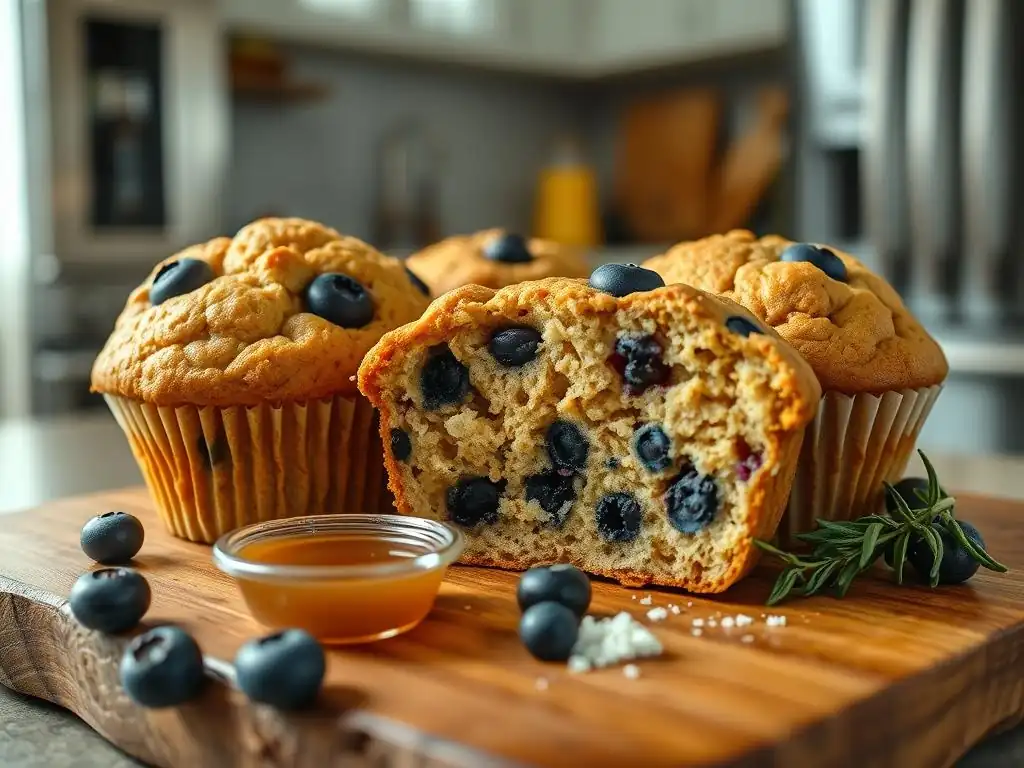
Don't Overmix the Batter: Keeping it Light and Airy
Overmixing is one of the most common mistakes in muffin making, vegan or otherwise. When you mix flour with liquid, gluten begins to develop. The more you mix, the more gluten develops, leading to a tough, dense, and dry texture. For tender muffins, the goal is to mix just until the dry ingredients are combined with the wet ingredients.
This means stopping as soon as you no longer see streaks of dry flour. A few small lumps in the batter are perfectly fine and even desirable. Overmixing can turn a potentially moist vegan muffin recipe into a dry, disappointing one, regardless of how many moistening ingredients you've used. Mix gently and minimally for the best texture.
Measure Ingredients Accurately: Precision is Key
Baking is a science, and accurate measurement is crucial, especially in vegan baking where the balance of ingredients can be delicate. Too much flour, for example, is a surefire way to end up with dry muffins because flour absorbs liquid. Too little liquid, fat, or leavening can also throw off the balance needed for a moist crumb.
Using a kitchen scale for dry ingredients like flour and sugar is the most accurate method (grams are ideal). For liquids and fats, use appropriate measuring cups and spoons, ensuring they are level. Precision in measuring ensures that the ratios in your moist vegan muffin recipe are correct, setting you up for baking success.
Bake at the Right Temperature: Preventing Dryness
Baking temperature and time significantly impact the final moisture of your muffins. Baking at too high a temperature can cause the outside to set too quickly while the inside remains underdone, or worse, dry out the entire muffin before it's cooked through. Baking for too long, even at the correct temperature, will also lead to dryness.
Most muffin recipes call for a moderate to high temperature (often around 350-400°F or 175-200°C) for a relatively short time (typically 20-30 minutes). This allows the muffins to rise quickly and set before they lose too much moisture. Check for doneness using a toothpick test – it should come out with a few moist crumbs attached, not completely clean (which indicates dryness). Adjust your oven temperature if it runs hot or cold, and start checking for doneness at the earlier end of the suggested baking time for your moist vegan muffin recipe.
Adding Moisture-Boosting Ingredients: Grated Zucchini, Shredded Carrots
Beyond liquid and fat substitutes, incorporating ingredients that contain natural moisture can significantly improve the texture of your vegan muffins. Finely grated vegetables like zucchini or carrots, and fruits like mashed pumpkin or puréed sweet potato, add moisture without making the batter too wet, as they release their liquid slowly during baking.
For instance, adding about 1/2 cup (around 60g) of finely grated zucchini (squeezed to remove excess water) or shredded carrots to a standard batch of 12 muffins can noticeably enhance moisture. These ingredients also add nutrients and fiber, and their flavors are often masked by other ingredients like spices or chocolate chips, making them a clever addition to a moist vegan muffin recipe.
A Simple Moist Vegan Muffin Recipe to Get You Started
Ingredients for the Basic Vegan Muffin
Here is a simple base recipe designed to yield moist vegan muffins. It serves as a great starting point for adding your favorite mix-ins like berries, chocolate chips, or nuts.
- 1 3/4 cups (approx. 210g) All-Purpose Flour
- 3/4 cup (approx. 150g) Granulated Sugar
- 2 teaspoons Baking Powder
- 1/2 teaspoon Baking Soda
- 1/4 teaspoon Salt
- 1/4 cup (approx. 60g) Unsweetened Applesauce (or mashed banana)
- 1 cup (approx. 240g) Unsweetened Plant-Based Milk (soy or oat recommended for moisture)
- 1/3 cup (approx. 80g) Vegetable Oil (or melted refined coconut oil, or melted vegan butter)
- 1 teaspoon Vanilla Extract
- Optional: 1 cup (approx. 150g) mix-ins (berries, chocolate chips, etc.)
This ingredient list focuses on accessible vegan substitutes known for contributing moisture and a tender crumb. The combination of baking powder and baking soda provides good lift, while the applesauce, plant milk, and oil work together to ensure the muffins stay moist.
Step-by-Step Instructions for Baking Moist Vegan Muffins
Follow these steps carefully to bake your moist vegan muffin recipe successfully:
- Preheat oven to 400°F (200°C). Line a 12-cup muffin tin with paper liners or grease well.
- In a large bowl, whisk together the flour, sugar, baking powder, baking soda, and salt. Make a well in the center.
- In a separate medium bowl, whisk together the applesauce (or banana), plant-based milk, oil, and vanilla extract until well combined.
- Pour the wet ingredients into the well of the dry ingredients.
- Using a spoon or spatula, gently fold the wet and dry ingredients together just until combined. Do not overmix; the batter should still have some small lumps. If adding mix-ins, fold them in now.
- Distribute the batter evenly among the prepared muffin cups, filling each about two-thirds full.
- Bake for 20-25 minutes, or until a toothpick inserted into the center of a muffin comes out with a few moist crumbs attached.
- Let the muffins cool in the tin for 5-10 minutes before transferring them to a wire rack to cool completely.
- Remember to use accurate measurements.
- Mix gently and stop before the batter is smooth.
- Check for doneness with a toothpick.
- Cooling in the tin briefly helps them hold their shape.
[ ] Preheat oven and prepare muffin tin
[ ] Whisk dry ingredients
[ ] Whisk wet ingredients
[ ] Combine wet and dry ingredients (do not overmix)
[ ] Fold in mix-ins (if using)
[ ] Portion batter into cups
[ ] Bake until toothpick test is successful
[ ] Cool in tin, then on rack
Troubleshooting Dry Vegan Muffins: What Went Wrong?
Common Mistakes and How to Fix Them
If your moist vegan muffin recipe turned out dry, don't despair! It's a common learning curve. The most frequent culprits are usually related to technique or ingredient ratios. One major issue is overmixing the batter, which develops too much gluten, resulting in a tough, dry texture. To fix this, ensure you are mixing only until the dry ingredients are just incorporated, leaving lumps is okay.
Another common mistake is inaccurate measuring, particularly of flour. Scooping flour directly from the bag with your measuring cup can compact it, adding too much flour to the recipe. To avoid this, spoon the flour into your measuring cup and level it off with a straight edge, or better yet, weigh your flour using a kitchen scale. Baking for too long or at too high a temperature also removes too much moisture; check your oven calibration and start checking for doneness at the minimum bake time specified in the moist vegan muffin recipe.
Adjusting the Recipe for Different Ingredients
Sometimes, the issue isn't technique but the specific ingredients used. Different flours (e.g., whole wheat vs. all-purpose) or different brands of vegan butter or plant milk can absorb liquid differently. If your muffins are consistently dry using a specific recipe and your technique is sound, you might need to slightly increase the liquid or fat content.
Try adding an extra tablespoon or two of plant milk or oil the next time you make that moist vegan muffin recipe. If you're using a different egg substitute than recommended (e.g., switching from applesauce to flax egg), you might need to slightly adjust other liquids. Pay attention to the batter consistency – it should be thick but pourable, not stiff. Adjustments might be needed based on humidity and altitude as well, though these are less common factors for home bakers.
Conclusion: Bake Deliciously Moist Vegan Muffins with Confidence
Your Journey to Vegan Baking Mastery with BakeWithEase
Mastering the moist vegan muffin recipe is a significant step in your vegan baking journey, and it's entirely achievable with the right knowledge and practice. By understanding the roles of traditional ingredients and how effective vegan substitutes function, you can confidently tackle any muffin recipe. We've covered the science of moisture, key egg, dairy, and fat substitutions, and crucial baking techniques like mixing and temperature control.
Remember that vegan baking is about thoughtful substitution and sometimes requires a little experimentation. Don't be discouraged by a less-than-perfect batch. Each attempt is a learning opportunity. With the insights provided here from BakeWithEase, you are well-equipped to bake consistently delicious, tender, and wonderfully moist vegan muffins that everyone will love.
Explore More Vegan Baking Recipes and Tips
Achieving a moist vegan muffin recipe is just the beginning! The principles you've learned about substitution and technique apply to many other vegan baked goods, from cakes and cookies to brownies and quick breads. We encourage you to keep exploring and experimenting in your kitchen.
BakeWithEase is filled with resources to help you continue honing your vegan baking skills. Dive into our collection of vegan recipes, read more articles on baking tips and hacks, and discover new ways to create delicious plant-based treats. Happy baking, and enjoy your perfectly moist vegan muffins!
Frequently Asked Questions
What are the key ingredients to substitute in a vegan muffin recipe to ensure they are moist?
The most crucial substitutions are for eggs and dairy. We recommend using applesauce, mashed banana, or vegan yogurt for eggs, and plant-based milk like almond or soy milk for dairy.
Why do vegan muffins sometimes come out dry, and how can I prevent this?
Dryness often occurs due to lack of sufficient moisture or overbaking. Ensure you use the right amount of liquid and don't overmix the batter.
Can I use any type of flour for a moist vegan muffin recipe?
While all-purpose flour works well, using a blend of all-purpose and whole wheat flour can add nutty flavor and extra moisture. Be mindful not to overmix when using whole wheat flour.
What kind of sweetener works best in a moist vegan muffin recipe?
Liquid sweeteners like maple syrup or agave nectar can help increase moisture levels. Granulated sugar also works well, but consider adding a touch more liquid to compensate.
What are some flavor variations I can add to my moist vegan muffins?
You can add chocolate chips, berries, nuts, or spices like cinnamon and nutmeg to enhance the flavor and texture. Experiment with different combinations to find your favorites!
Final Reflection: The Enduring Quest for the Perfect Moist Vegan Muffin
The pursuit of the perfectly moist vegan muffin isn't just a culinary challenge; it's a testament to the power of creative substitution and the ever-evolving world of plant-based baking. More than just a recipe, this exploration highlights the ingenuity required to achieve delicious results without compromising ethical or dietary choices. The demand for delicious vegan baked goods continues to grow, and mastering techniques like those discussed here is crucial for satisfying this increasing appetite.
This journey into the heart of vegan muffin-making has underscored for me the importance of understanding the why behind each ingredient substitution. It's not simply about swapping eggs for flaxseed meal; it's about grasping the role each ingredient plays in texture and moisture. This understanding allows for greater flexibility and creativity in the kitchen. The best recipes are those that inspire you to experiment and make them your own.
– This sentiment perfectly encapsulates the spirit of vegan baking, where adaptation and innovation are key to success.
Now, it's your turn. Don't be afraid to experiment with the techniques and substitutions outlined in this article. Try different combinations of plant-based milks, oils, and binding agents. Embrace the process of discovery, and most importantly, enjoy the delicious results. The perfectly moist vegan muffin awaits – bake your way to a sweeter, more compassionate world, one muffin at a time.
Unlock Your Inner Vegan Baker!
Thanks for joining us on this delicious journey into the world of moist vegan muffins! We hope you've learned some valuable techniques and substitutions to elevate your baking game. Ready to put your new skills to the test?
- Bake a batch of your favorite muffin recipe, using the substitutions you learned today! This is your chance to experiment and create something truly amazing. Don't be afraid to get creative!
- Share your baking triumphs (and even your mishaps!) with us on social media using #BakeWithEaseVeganMuffins. We'd love to see your creations!
- Explore other vegan recipes on BakeWithEase.com for even more inspiration!
What unexpected flavor combination will you try in your next batch of vegan muffins?