
Ghee in Baking: Unlocking Rich Flavor and Higher Smoke Points

Welcome to BakeWithEase, your trusted guide to effortless baking!
Discover the secret to richer flavor and superior results in your next creation. Ever wondered how to elevate your baking game? Our latest exploration delves into the world of ghee baking recipes, revealing how this clarified butter can unlock incredible textures and aromas. Get ready to transform your favorite treats with our easy-to-follow guide and unlock the delicious potential of ghee! Intrigued? Read on to discover all you need to know!
- Introduction to Ghee Baking
- Mastering Ghee Baking Recipes
- Ghee vs. Butter in Baking
- Easy Ghee Baking Recipes
- Tips and Tricks for Successful Ghee Baking
- Ghee Baking for Special Diets: Gluten-Free and Dairy-Free
- Advanced Ghee Baking Techniques
- Frequently Asked Questions About Ghee in Baking
- Conclusion: Embrace Ghee for Flavorful Baking
- Frequently Asked Questions
- Final Reflection: The Golden Future of Ghee in Baking
- Unlock the Golden Secret: Elevate Your Baking with Ghee!
Introduction to Ghee Baking
What is Ghee and Why Use It?
Ghee is a type of clarified butter that originated in ancient India. It's made by simmering butter until the water evaporates and the milk solids separate and are removed, leaving behind a pure golden fat. This process gives ghee a unique nutty flavor and a significantly higher smoke point compared to regular butter. For bakers looking to enhance the richness of their creations or tackle recipes requiring higher temperatures, understanding what ghee is and its properties is the first step towards delicious results. Its composition, being almost entirely fat (typically around 99%), makes it a stable and versatile ingredient.
Using ghee in baking offers several advantages. Beyond its distinct flavor profile, which can add depth to both sweet and savory baked goods, its high smoke point means it can be heated to higher temperatures before it starts to burn. This is particularly useful for tasks like greasing pans at high heat or achieving a beautiful golden crust on pies and pastries without the fat breaking down and producing off-flavors. Furthermore, because the milk solids are removed, ghee is often tolerated by individuals with lactose sensitivities, opening up possibilities for more inclusive baking.
Benefits of Using Ghee
The benefits of incorporating ghee into your baking repertoire are numerous, ranging from flavor enhancement to practical handling. One major advantage is the intense, slightly nutty, and caramelized flavor it imparts. This isn't just the mild creaminess of butter; it's a richer, more complex taste that can elevate simple recipes. Imagine the difference it makes in a classic chocolate chip cookie or a tender banana bread – the ghee adds a subtle depth that makes people wonder what your secret ingredient is.
Another significant benefit, especially for certain baking applications, is ghee's texture at room temperature. It's typically softer than cold butter but firmer than liquid oils, making it easy to cream with sugar for cookies and cakes, or to cut into flour for flaky pastries. Unlike butter, which contains water and milk solids that can sometimes interfere with gluten development or cause steaming, ghee's pure fat content promotes tenderness and crispness. Plus, its longer shelf life compared to butter means you can keep it on hand for spontaneous baking sessions, making ghee baking recipes easy to whip up anytime.
Mastering Ghee Baking Recipes
Exploring the Flavor Profile of Ghee
Ghee possesses a unique and complex flavor profile that distinguishes it from regular butter. While both start as dairy fat, the process of making ghee caramelizes the milk solids before they are removed, contributing toasted, nutty, and sometimes subtly sweet notes. This flavor is more intense and concentrated than butter's simple richness. When used in baking, this means ghee doesn't just provide fat for texture; it actively contributes to the overall taste experience.
Consider how this flavor interacts with different ingredients. In a simple sugar cookie, ghee's nuttiness shines through, adding a layer of complexity. In recipes with stronger flavors like chocolate or spices, ghee provides a rich foundation that enhances these elements without being overpowering. Mastering ghee baking recipes involves understanding how this distinct taste will complement or contrast with other flavors in your dish. It's a versatile fat that can bring out the best in everything from delicate shortbread to robust gingerbread.
The Science Behind Ghee's High Smoke Point
The smoke point of a fat is the temperature at which it begins to break down and produce visible smoke. For regular butter, this is typically around 300-350°F (150-175°C). Ghee, however, has a significantly higher smoke point, often cited as 450-485°F (230-250°C). This dramatic difference is due to the removal of water and milk solids during the clarification process.
Water causes splattering and steaming at lower temperatures, and milk solids burn easily, lowering the smoke point of butter. Ghee, being almost pure fat, lacks these components. Without the water and milk solids to interfere, the fat itself can withstand much higher temperatures before its chemical structure begins to degrade and smoke.
This makes ghee ideal for greasing hot pans, shallow frying baked goods like doughnuts or fritters, or achieving that perfect golden-brown finish on crusts where butter might burn. Understanding this science helps bakers choose the right fat for the job, making certain ghee baking recipes easier and more successful at high heat.
Ghee vs. Butter in Baking
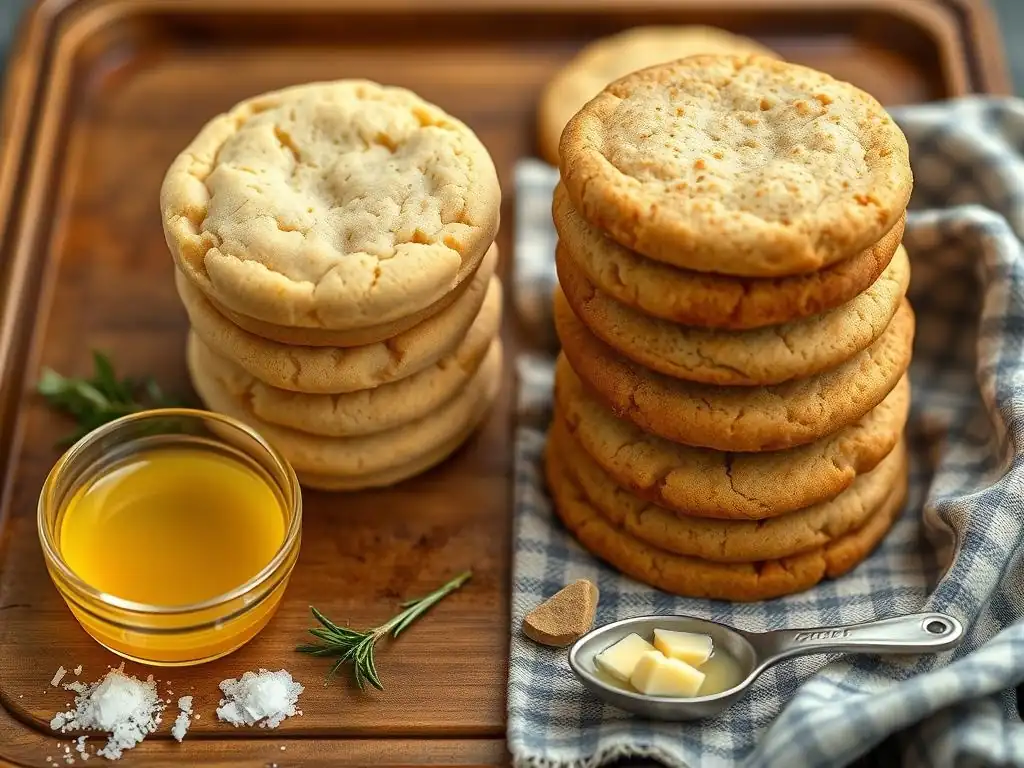
Flavor: Ghee vs. Butter
When comparing the flavor contributions of ghee and butter in baking, it's like comparing a subtle harmony to a richer melody. Butter offers a classic, creamy, and slightly sweet dairy flavor that is the backbone of countless traditional recipes. It provides richness and a familiar taste that many people associate with comforting baked goods. Its flavor is relatively mild and blends seamlessly into most contexts.
Ghee, on the other hand, brings a more pronounced and complex flavor to the table. The process of making ghee introduces toasted, nutty, and sometimes caramel-like notes that are absent in regular butter. This richer profile can add a deeper dimension to baked goods. While butter is a reliable standard, ghee can be the ingredient that elevates a recipe, adding that je ne sais quoi that makes people ask for the recipe. Choosing between them often comes down to the desired final taste profile – classic and creamy with butter, or richer and nuttier with ghee.
Texture: Achieving the Perfect Crumb
The fat used in baking plays a critical role in determining the final texture, from the crispness of a cookie edge to the tenderness of a cake crumb or the flakiness of a pastry. Butter, with its water content (around 15-18%) and milk solids, contributes to steam during baking, which helps create lift and layers in things like puff pastry or pie crusts. It also melts at a relatively low temperature, which affects spread in cookies and moistness in cakes.
Ghee, being nearly pure fat with minimal water and no milk solids, behaves differently. Its lack of water means less steam, which can result in a slightly denser crumb in cakes but often contributes to greater crispness in cookies and a more tender, "short" texture in pastries. Because it's pure fat, it also coats flour particles more effectively, inhibiting gluten development and resulting in a more tender bite. For achieving a particularly crispy cookie or a melt-in-your-mouth shortbread, ghee can be an excellent choice, making some ghee baking recipes yield superior textural results.
Smoke Point: Ghee vs. Butter
The difference in smoke points between ghee and butter is one of the most significant practical distinctions for bakers. Butter's smoke point, typically between 300-350°F (150-175°C), means it can burn relatively easily, especially when heated directly or used for greasing pans in a hot oven. This burning produces unpleasant acrid flavors and can ruin the taste of your baked goods.
Ghee's much higher smoke point, often reaching 450-485°F (230-250°C), makes it far more stable under high heat. This is invaluable for tasks like searing ingredients before baking, greasing pans for recipes baked at high temperatures (like pizzas or some breads), or even shallow frying pastries. Using ghee prevents the fat from breaking down and smoking, ensuring a clean flavor and preventing burnt residue. This high heat tolerance makes ghee a reliable choice for certain baking techniques that might be challenging with butter, simplifying some ghee baking recipes that involve high temperatures.
Nutritional Differences: Ghee vs. Butter
From a nutritional standpoint, both ghee and butter are primarily composed of saturated fat. However, the process of making ghee removes the water and milk solids, concentrating the fat content. While butter contains about 80-82% fat, ghee is typically 99% fat. This means ounce for ounce, ghee has slightly more calories and fat than butter. For example, one tablespoon of butter contains roughly 100 calories and 11 grams of fat, whereas one tablespoon of ghee contains about 120 calories and 14 grams of fat.
One key difference often cited is the removal of lactose and casein (milk protein) during ghee production. This makes ghee a suitable option for many individuals with lactose intolerance or dairy allergies who cannot consume regular butter. Both contain fat-soluble vitamins like A, E, and K, though the concentrations can vary. While ghee is often lauded in Ayurvedic traditions for its health benefits, from a standard Western nutritional perspective, both are dense sources of saturated fat and should be consumed in moderation as part of a balanced diet.
Easy Ghee Baking Recipes
Creating simple ghee baking recipes is a fantastic way to introduce yourself to this versatile fat. A classic like chocolate chip cookies is perfect for this. By substituting softened butter with softened ghee in your favorite recipe, you'll immediately notice a difference in handling the dough – it might feel slightly softer. The magic happens during baking.
The pure fat in ghee contributes to a wonderful texture transformation. Expect cookies with slightly crispier edges and a wonderfully chewy interior. The ghee's nutty flavor complements the chocolate beautifully, adding a layer of sophistication to a familiar treat. Many find that simply swapping butter for ghee results in a more complex and satisfying cookie experience, making this one of the easiest ghee baking recipes to master.
Basic Ghee Chocolate Chip Cookie Adaptation:
1. Cream softened ghee and sugar together until light and fluffy.
2. Beat in egg and vanilla.
3. Whisk dry ingredients (flour, baking soda, salt) separately.
4. Gradually add dry ingredients to wet mixture.
5. Stir in chocolate chips.
6. Chill dough for at least 30 minutes.
7. Bake at standard cookie temperature (often 375°F / 190°C) until edges are golden.
Ghee-Infused Banana Bread
Banana bread is another excellent candidate for easy ghee baking recipes. The moist, tender crumb of banana bread benefits greatly from the richness ghee provides. Swapping butter for ghee enhances the natural sweetness of the bananas and adds a subtle depth of flavor that makes the bread taste even more comforting and luxurious.
Using melted ghee in banana bread batter is particularly simple, often a direct 1:1 substitution for melted butter or oil. Because ghee is pure fat, it coats the flour particles effectively, helping to keep the bread incredibly moist and tender. The high smoke point isn't as critical here as the baking temperature is lower, but the flavor contribution is significant. This simple swap is an effortless way to upgrade your go-to banana bread recipe.
Delicious Ghee Pie Crust
Achieving a perfectly flaky and tender pie crust is a baking goal for many, and ghee can be a secret weapon. While traditional pie crust often relies on the water in butter to create steam and separation for flakes, ghee's pure fat content contributes to tenderness and a different kind of flakiness – a more "short" or crumbly texture that melts in your mouth.
To use ghee in pie crust, treat it like shortening or cold butter. Cut cold, solid ghee into the flour using a pastry blender or your fingers until pea-sized crumbs form. Then, add just enough ice water to bring the dough together. The result after baking is a golden, flavorful crust that is wonderfully tender and slightly crisp, with that signature nutty ghee flavor. This is a slightly more nuanced ghee baking recipe, but still very achievable for a home baker.
Ghee Blondies
Blondies, the chewy, vanilla-rich cousins of brownies, are fantastic canvases for ghee's flavor. Substituting butter with ghee in a standard blondie recipe amplifies the caramel notes that develop during baking. The pure fat ensures a dense, chewy texture, avoiding the cakey pitfall.
Using melted ghee is common in blondie recipes, making the substitution straightforward. Simply melt the ghee and proceed with your recipe as usual, combining it with sugar, eggs, vanilla, flour, and mix-ins like chocolate chips or nuts. The higher smoke point isn't crucial here, but the flavor and texture benefits are pronounced. Ghee blondies are a simple yet impressive treat, showcasing how easy ghee baking recipes can be while delivering exceptional results.
Tips and Tricks for Successful Ghee Baking
How to Substitute Ghee for Butter
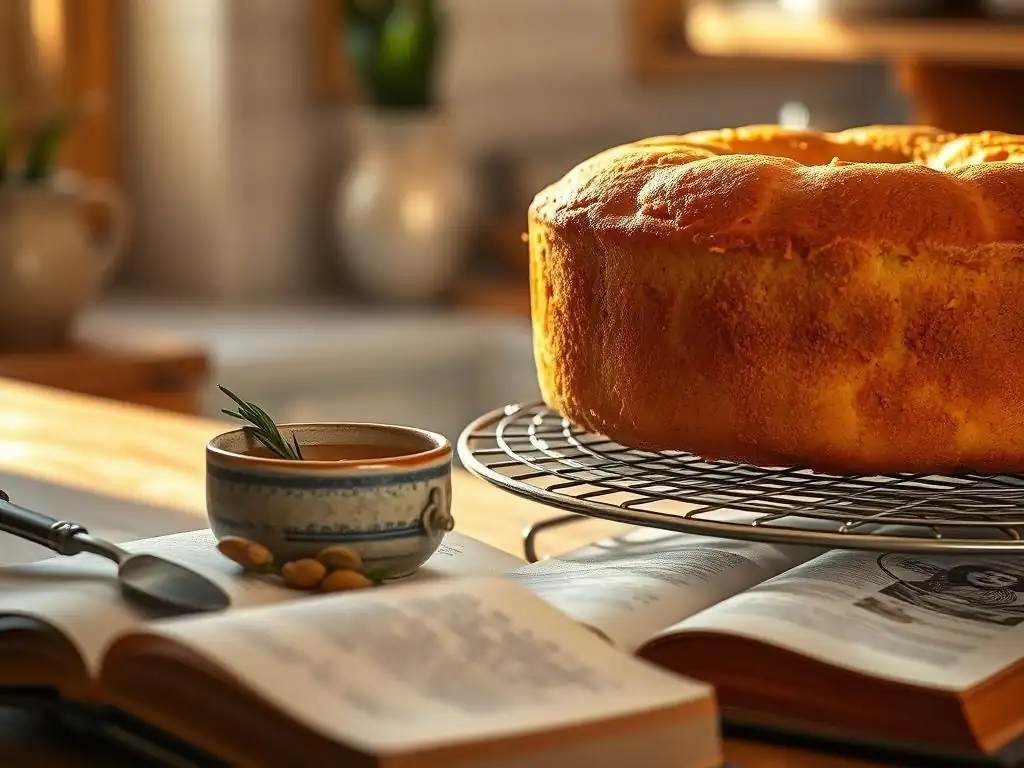
Substituting ghee for butter in baking is often a straightforward process, but a few nuances can make all the difference. Generally, you can use ghee as a 1:1 replacement for butter by weight or volume, particularly in recipes where butter is melted or softened. However, since ghee contains less water than butter (butter is about 15-18% water, ghee is less than 1%), you might find slight differences in dough consistency or final texture in some recipes, especially those relying heavily on butter's water content for steam (like puff pastry).
For recipes where butter is creamed with sugar, ensure your ghee is softened to a similar consistency as softened butter – spreadable but not liquid. If using melted ghee, simply melt it gently and measure the required amount.
In recipes where cold, solid fat is cut into dry ingredients (like biscuits or pie crust), make sure your ghee is well chilled and firm before cutting it in. Sometimes, adding an extra tablespoon or two of liquid (milk or water) per cup of ghee can help compensate for the missing water, though this is often only necessary in very sensitive recipes.
Choosing the Right Type of Ghee
Not all ghee is created equal, and the type you choose can influence the flavor and outcome of your ghee baking recipes. Ghee is available as traditional (made from cow's milk butter) or sometimes from other milks. Within traditional cow's milk ghee, there are variations based on how long the butter was simmered. Some producers simmer it longer to achieve a deeper, nuttier flavor, while others keep it lighter.
Look for high-quality ghee made from grass-fed butter if possible, as this often results in a richer flavor and potentially higher nutritional value. Read labels to ensure the ghee is pure and doesn't contain added oils or preservatives. Clarified butter is similar but usually simmered for a shorter time, resulting in a milder flavor than true ghee. For baking, a good quality, pure cow's milk ghee is generally recommended for its balanced flavor and performance.
Storing Ghee Properly
Proper storage is key to maintaining the quality and extending the shelf life of your ghee, ensuring it's ready whenever you want to try easy ghee baking recipes. Because the water and milk solids have been removed, ghee is much less prone to spoilage than regular butter and does not require refrigeration.
Store ghee in an airtight container away from direct sunlight and heat. A cool, dark pantry is an ideal location. Ghee is solid at room temperature below approximately 76°F (24°C) and liquid above that. Temperature fluctuations won't harm it, but consistent storage conditions help maintain its texture. When stored correctly, a jar of ghee can last for several months, or even up to a year, making it a convenient staple for your baking pantry. Always use a clean, dry spoon to scoop it out to prevent introducing moisture or contaminants.
Troubleshooting Common Ghee Baking Issues
While ghee baking recipes are often straightforward, you might encounter a few specific issues. One common observation is that cookies made with ghee might spread slightly more than those made with butter, especially if the dough isn't chilled sufficiently, due to ghee's pure fat content and slightly lower melting point in dough. Chilling the dough for at least 30-60 minutes before baking helps mitigate this.
Another point is texture; if you're expecting the exact flaky layers of a butter-based puff pastry, ghee might yield a slightly different result – often more tender and short than overtly flaky. This isn't necessarily a problem, just a characteristic difference. If a recipe calls for creaming softened fat and your ghee is too hard or too liquid, adjust its temperature gently. Don't overheat it if softening, as this will affect the creaming process. Patience and slight adjustments based on your specific recipe and environment are key to successful ghee baking.
Ghee Baking for Special Diets: Gluten-Free and Dairy-Free
Adapting Recipes for Dietary Restrictions
Adapting traditional baking recipes to fit dietary restrictions like gluten-free or dairy-free needs can sometimes be challenging, requiring careful consideration of ingredient swaps. Ghee can be a valuable ingredient in this process, particularly for those avoiding dairy. While ghee is derived from butter, the process of making it removes the vast majority of lactose and casein, the primary components that cause issues for individuals with lactose intolerance or dairy allergies.
This makes ghee a popular fat choice in many dairy-free baking applications, assuming the individual's sensitivity level allows for trace amounts that may remain. When adapting recipes, using ghee for the fat component addresses the dairy issue, allowing the baker to then focus on finding appropriate gluten-free flour blends or other ingredient substitutions to meet the recipe's specific requirements. It simplifies one major hurdle in creating inclusive baked goods.
Ghee in Gluten-Free Baking
Ghee works exceptionally well in gluten-free baking, often enhancing both texture and flavor. Gluten-free flours can sometimes result in baked goods that are dry or crumbly. The pure fat content of ghee helps to tenderize the crumb and adds richness, counteracting some of these tendencies.
For gluten-free cookies, using ghee can contribute to a desirable crisp edge and a moist, chewy center. In gluten-free cakes and muffins, it helps create a tender crumb structure. When making gluten-free pie crusts or biscuits, cutting cold ghee into the flour blend helps create pockets of fat that result in a more tender, less tough final product. Many easy ghee baking recipes are naturally adaptable to be gluten-free with a simple flour swap, benefiting from ghee's forgiving nature and flavor contribution.
Ghee in Dairy-Free Baking
For many individuals seeking dairy-free alternatives, ghee is a preferred choice over hydrogenated margarines or some plant-based shortenings due to its natural origin and superior flavor. While strict dairy allergies require caution and potentially consultation with a medical professional due to trace amounts of dairy protein, many with lactose intolerance find ghee perfectly fine.
In dairy-free baking, ghee can often be used as a 1:1 substitute for butter in most recipes. It provides the necessary fat for richness, texture, and structure. From dairy-free cookies and cakes to dairy-free pie crusts, ghee performs reliably. Its high smoke point is an added bonus for tasks like greasing pans without relying on dairy-based butter. Using ghee makes creating delicious, dairy-free baked goods more accessible and flavorful, expanding the possibilities for ghee baking recipes easy enough for anyone to try.
Advanced Ghee Baking Techniques
Browning Ghee for Intense Flavor
While standard ghee already has a lovely nutty flavor, browning it further can unlock even deeper, more intense caramel and toasted notes. This technique involves gently heating the ghee over low to medium heat after it's clarified, allowing the remaining trace milk solids (or simply the fat itself) to caramelize slightly. You'll notice the aroma deepen and the color change from golden to a richer amber.
Be careful not to burn it; the key is gentle, even browning. Once browned to your liking, remove it from the heat and let it cool slightly before using. Browned ghee can add an incredible depth of flavor to recipes like brown butter cookies, financiers, or even a simple glaze or frosting. It's an advanced technique that takes easy ghee baking recipes to a new level of sophistication.
Infusing Ghee with Herbs and Spices
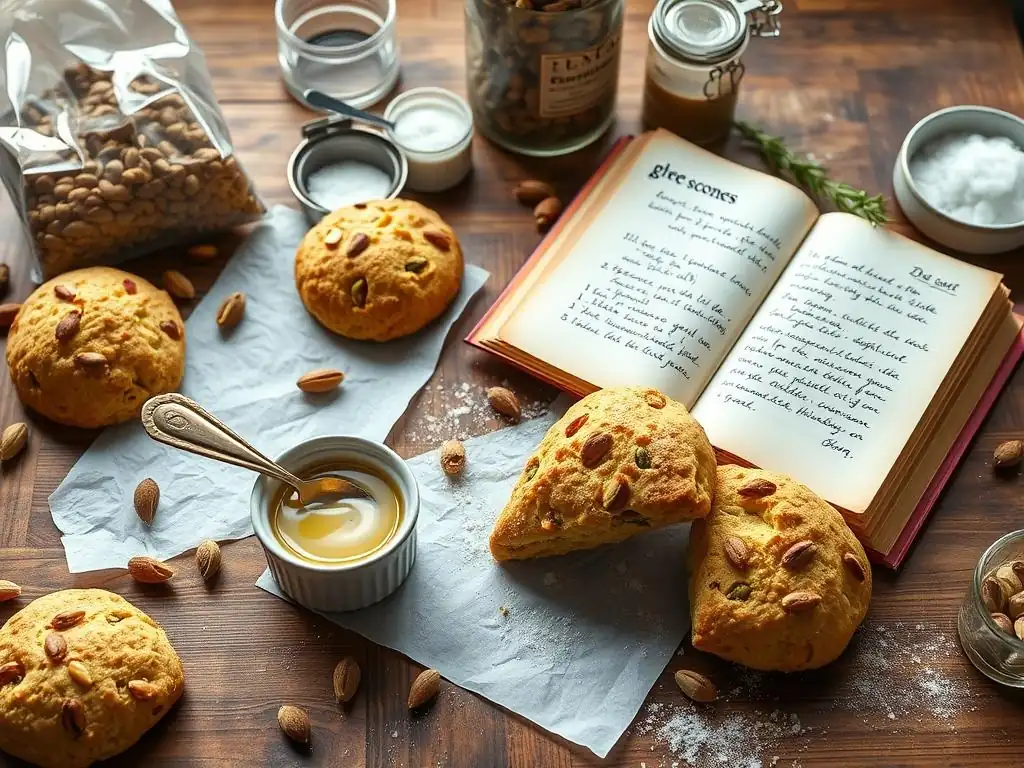
Ghee's ability to absorb flavors makes it an excellent medium for infusions, adding another layer of complexity to your baking. This technique is more common in savory applications but can also be used creatively in sweet baking. To infuse ghee, gently heat it with herbs (like rosemary or thyme) or spices (like cardamom pods, star anise, or cinnamon sticks) over low heat for 15-30 minutes.
Strain the ghee to remove the solids, and you're left with a beautifully flavored fat. Herb-infused ghee can be used in savory baked goods like focaccia or biscuits, while spice-infused ghee can add warmth to cakes, muffins, or even shortbread. This requires a bit more planning than simple ghee baking recipes but offers exciting possibilities for unique flavor combinations.
Using Ghee in Puff Pastry
While butter is the traditional fat for puff pastry due to its water content creating steam for lamination, ghee can be used, though it results in a different texture. Ghee's pure fat content leads to a more tender, "short" lamination rather than the extremely airy, separated layers achieved with butter. However, some bakers prefer this texture, and ghee's higher smoke point can make handling the dough slightly more forgiving under warmer conditions as it's less likely to melt prematurely.
To use ghee in puff pastry, it must be very cold and solid. Some recipes combine ghee with a smaller amount of butter or even a dairy-free shortening to achieve a balance of flakiness and tenderness. The lamination process is the same: enclosing the cold fat within the dough and performing multiple folds and turns, chilling between each step. The result is a flavorful pastry that is wonderfully tender, showcasing ghee's versatility beyond just easy ghee baking recipes.
Frequently Asked Questions About Ghee in Baking
Is Ghee a Healthy Baking Option?
Ghee is primarily saturated fat, similar to butter. While dietary science is constantly evolving, current general guidelines suggest limiting saturated fat intake. From a purely caloric and fat perspective, ghee is slightly more concentrated than butter. However, ghee is free of lactose and casein, which makes it a suitable option for many with dairy sensitivities.
Some traditional health systems, like Ayurveda, attribute numerous health benefits to ghee, including digestive health and nutrient absorption. It also contains fat-soluble vitamins. Ultimately, whether ghee is a "healthy" option depends on your overall diet, individual health needs, and how much you consume. Used in moderation as part of a balanced diet, ghee can be a flavorful and functional baking fat, especially for those avoiding dairy.
Where to Buy High-Quality Ghee?
High-quality ghee is increasingly available, making it easier than ever to start exploring ghee baking recipes easy to find online. You can typically find ghee in several locations:
- Grocery Stores: Many mainstream supermarkets now carry ghee, often in the international foods aisle (particularly Indian), near the oils, or sometimes with the butter/dairy alternatives.
- Health Food Stores: Natural grocers and health food stores are reliable sources and often carry organic or grass-fed varieties.
- Specialty Indian Markets: These stores offer the widest selection of traditional ghees, often from different regions or made with varying techniques.
- Online Retailers: Numerous online shops and large retailers sell ghee, providing access to a vast array of brands and types.
Look for brands that specify they use traditional methods or are made from quality butter, such as grass-fed. Packaging in glass jars is also preferred by many.
Can I Make My Own Ghee?
Absolutely! Making your own ghee is a rewarding process and surprisingly simple, allowing you to control the quality and flavor. All you need is unsalted butter.
The process involves slowly melting butter and simmering it uncovered over low heat. As it simmers, the water evaporates, and the milk solids separate, first foaming on top, then sinking to the bottom and browning. You continue simmering until the solids at the bottom are golden brown and the liquid fat on top is clear and golden.
Then, carefully strain the liquid ghee through cheesecloth or a fine-mesh sieve into a clean, dry jar, leaving the browned solids behind. Let it cool completely before sealing. Making your own ensures you have fresh, high-quality ghee ready for all your easy ghee baking recipes.
Conclusion: Embrace Ghee for Flavorful Baking
Unlock New Possibilities with Ghee's Versatility
Embracing ghee in your baking opens up a world of new possibilities, adding richness, a unique nutty flavor, and functional benefits that traditional butter can't always provide. From the increased smoke point that allows for higher-temperature cooking without burning, to the pure fat content that contributes to desirable textures like crisp edges and tender crumbs, ghee is a powerful ingredient in the baker's pantry. Its natural dairy-free nature (for many) also makes it an inclusive option.
Whether you're tackling simple ghee baking recipes like chocolate chip cookies or venturing into more advanced techniques like browning ghee or using it in pastry, the results are often wonderfully flavorful and texturally distinct. Don't be afraid to experiment; start by substituting it in your favorite easy recipes and discover the delicious difference ghee can make. It's a simple step that can elevate your baked goods and impress anyone who takes a bite.
Frequently Asked Questions
What makes ghee a good alternative to butter in baking?
Ghee, or clarified butter, offers a higher smoke point than butter, making it suitable for higher temperature baking. It also imparts a rich, nutty flavor that enhances baked goods. Furthermore, it is often lactose-free, a plus for those with sensitivities.
Are ghee baking recipes easy to find?
Yes, BakeWithEase.com offers a variety of "ghee baking recipes" designed to be easy to follow for bakers of all skill levels. Look for recipes specifically mentioning ghee as an ingredient.
Does ghee change the texture of baked goods compared to butter?
Ghee can affect the texture. It often results in a slightly crisper or flakier texture due to its lower water content compared to butter. Experimentation is key to finding your perfect texture.
Can I substitute ghee directly for butter in all baking recipes?
Generally, yes, you can substitute ghee for butter in a 1:1 ratio in most baking recipes. However, be mindful of the flavor difference and consider adjusting other ingredients accordingly.
What are some key benefits of using ghee in baking regarding health?
Besides being potentially lactose-free, ghee is a source of healthy fats, including butyric acid, which may have anti-inflammatory properties. Remember to use it in moderation as part of a balanced diet.
Final Reflection: The Golden Future of Ghee in Baking
The rich, nutty flavor and high smoke point of ghee are revolutionizing baking, offering both culinary excellence and health benefits that are increasingly relevant in today's food-conscious world. From delicate pastries to hearty breads, ghee's versatility is unlocking new levels of taste and texture, making it a truly transformative ingredient for home bakers and professionals alike.
Ghee's influence extends beyond simply improving recipes; it represents a shift towards mindful cooking and a deeper appreciation for traditional ingredients. Its growing popularity reflects a broader cultural movement towards healthier, more flavorful alternatives. The best things in life are simple,
a sentiment perfectly encapsulating ghee's ability to elevate even the simplest baked goods with its unique character. This isn't just a trend; it's a return to quality and a recognition of the power of simple, natural ingredients to create extraordinary results.
Now, consider your own baking. What simple swap could you make to elevate your favorite recipe? Will you embrace the golden richness of ghee and explore its potential in your kitchen? Experiment with different recipes, discover new flavor combinations, and share your creations with others. The journey of culinary exploration is a rewarding one, and ghee is your golden ticket to unlocking a world of delicious possibilities.
Unlock the Golden Secret: Elevate Your Baking with Ghee!
Thanks for exploring the wonderful world of ghee and its baking benefits! You've learned how this clarified butter can enrich your recipes with incredible flavor and a higher smoke point. Now it's time to put this knowledge into practice.
- Bake something amazing! Try substituting ghee in your favorite cookie recipe or experiment with a new bread using the techniques we discussed. The results will speak for themselves!
- Share your ghee-infused creations! Post pictures on social media and tag us – we'd love to see your baking masterpieces.
- Explore more ghee recipes: Dive deeper into our recipe section (link removed as per instructions) to find even more delicious ways to utilize ghee in your culinary adventures.
What incredible ghee-based treat will you bake first?