
Which Flour Should I Use? Your Ultimate Pairing Guide for Perfect Bakes

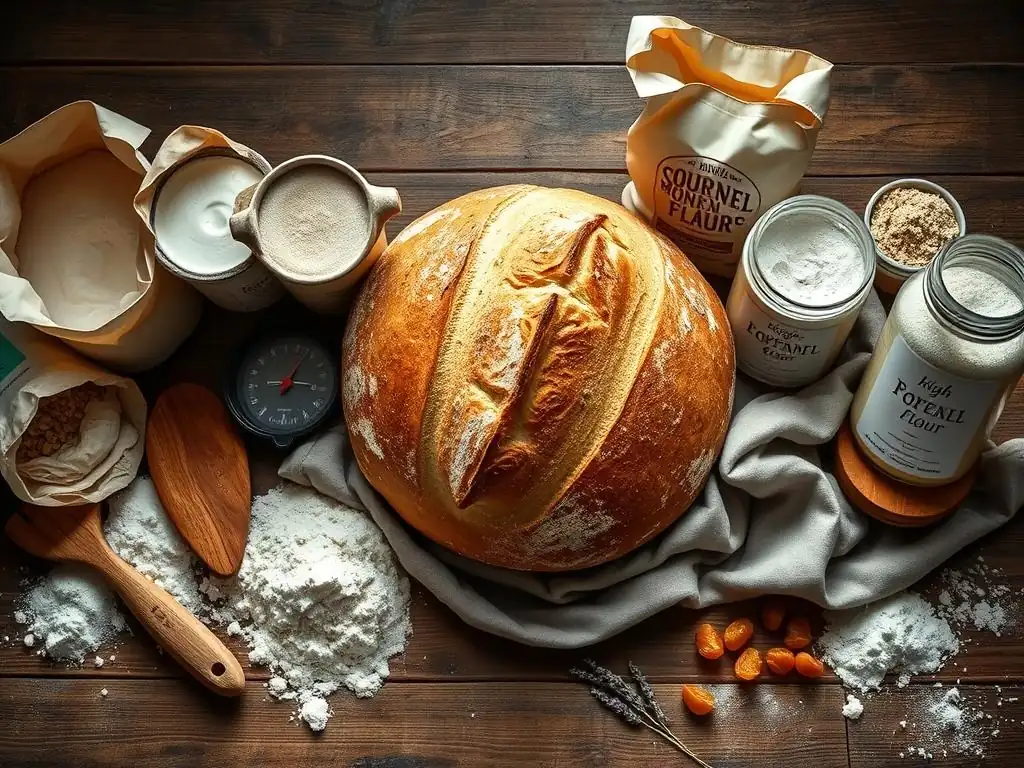
Welcome to BakeWithEase, your trusted companion in the delightful world of baking! Ever wondered if you're using the right ingredients to unlock your baking potential? This week we dive deep into a crucial element for achieving bread perfection: the best flour for sourdough bread. But flour isn't a one-size-fits-all ingredient. Discover how different flours can dramatically impact texture, flavor, and rise. Prepare to uncover secrets that will transform your loaves from ordinary to extraordinary, and finally bake the sourdough of your dreams!
- BakeWithEase: Mastering Flour Selection for Baking Success
- Choosing the Right Flour: Elevating Your Baking Creations
- Best Flour for Sourdough Bread: Achieving Tangy Perfection
- Exploring Other Flour Options: Beyond Sourdough
- Gluten-Free Flour Options: Baking Without Wheat
- Flour and Baking Project Pairing Guide: Recipes to Try
- Storing Flour Properly: Maintaining Freshness and Quality
- Mastering Flour Selection: A Summary for Confident Baking
-
Frequently Asked Questions
- What is the best flour to use for making sourdough bread according to BakeWithEase.com?
- What are some other flour options besides bread flour that BakeWithEase.com suggests for sourdough?
- Does BakeWithEase.com provide information on the protein content needed for good sourdough?
- Where can I find step-by-step guides for baking sourdough bread on BakeWithEase.com?
- What other types of baked goods can I learn to make using BakeWithEase.com's resources?
- Final Reflection: The Flour Power Within Your Kitchen
- Unlock Your Baking Potential: Master Flour Pairings Today!
BakeWithEase: Mastering Flour Selection for Baking Success
Understanding Flour Types: A Baker's Essential Guide
Flour, the humble foundation of countless baked goods, is far more complex than it appears. It's primarily made from ground grains, most commonly wheat, but can also come from rice, almonds, oats, and many others. The magic within wheat flour lies in its protein content, specifically glutenin and gliadin.
When these proteins are hydrated and worked (through kneading or mixing), they form gluten, a stretchy network that traps gases produced by leavening agents (like yeast or baking soda), allowing dough and batter to rise and hold their shape. Different flour types vary significantly in their protein levels, moisture content, and particle size, all of which profoundly impact the final texture, structure, and flavor of your baked goods.
Selecting the correct flour is not merely a suggestion; it's a critical step that dictates whether your cake is light and airy, your bread has a satisfying chew, or your cookies are perfectly crisp or soft. Using the wrong flour can lead to dense cakes, tough pastries, or flat bread.
For example, attempting to bake a delicate sponge cake with high-protein bread flour would likely result in a rubbery texture, while using low-protein cake flour for a rustic loaf would prevent proper gluten development needed for structure. Understanding the characteristics of each flour type is the first step towards consistently achieving baking success and unlocking your full potential in the kitchen.
Choosing the Right Flour: Elevating Your Baking Creations
The Importance of Flour Selection in Baking
The type of flour you choose serves as the structural blueprint for your baked goods. Its protein content directly influences gluten development, which, in turn, affects the elasticity and strength of dough or batter. A higher protein flour, like bread flour, develops strong gluten networks ideal for chewy breads that require significant rising.
Conversely, a lower protein flour, such as cake flour, results in minimal gluten formation, perfect for tender cakes and pastries where a delicate crumb is desired. Beyond protein, factors like starch content, ash content (minerals left after burning a sample), and how finely the flour is ground also play significant roles. These elements influence hydration levels, browning, and overall texture, contributing to the nuanced differences between, say, a flaky biscuit made with pastry flour and a sturdy pizza crust made with bread flour.
Consider the outcome you're aiming for. Do you want a light, melt-in-your-mouth cookie, or one with a bit more structure and chew? Is your goal a high-rising, airy loaf with a crackling crust, or a dense, moist quick bread? Each objective calls for a specific type of flour engineered to deliver those results. Using the appropriate flour ensures that chemical leaveners work effectively, fats are distributed correctly, and moisture is absorbed at the right rate. It's the difference between a passable bake and a truly exceptional one, maximizing the potential of your ingredients and effort.
Different Flour Types and Their Properties: A Deep Dive
Flours are typically categorized based on the wheat type used (hard or soft, red or white) and how much of the wheat kernel (endosperm, germ, and bran) is included.
- All-Purpose Flour (APF): Milled from a blend of hard and soft wheat, resulting in a moderate protein content, usually ranging from 10% to 12%. This versatility makes it suitable for a wide range of recipes, from cookies and muffins to pie crusts and some breads. It's the workhorse of most kitchens.
- Cake Flour: Milled from soft wheat, it has the lowest protein content, typically 8% to 10%. It's also finely milled and often bleached, which weakens proteins and helps absorb more liquid and sugar. This results in a very tender, fine crumb, perfect for delicate cakes like sponges or cupcakes.
- Pastry Flour: Also from soft wheat, with slightly higher protein than cake flour (around 9% to 10%). It strikes a balance between the tenderness of cake flour and the slight structure needed for pastries. It's ideal for pies, tarts, biscuits, scones, and some cookies, yielding a flaky and tender result.
- Bread Flour: Milled primarily from hard wheat, boasting a high protein content, typically 12% to 14%. This high protein level means excellent gluten development, which is crucial for yeast-leavened breads. It provides the elasticity needed for dough to rise significantly and creates a chewy texture and sturdy structure in loaves.
- Self-Rising Flour: Essentially all-purpose flour with baking powder and salt already added in specific proportions (generally 1 ½ teaspoons of baking powder and ¼ teaspoon of salt per cup of flour). It's convenient for quick breads, biscuits, and some cakes, but requires careful recipe selection as you cannot adjust the leavening.
Understanding these core types and their typical protein ranges provides a strong foundation for choosing the right flour for almost any baking task.
Best Flour for Sourdough Bread: Achieving Tangy Perfection
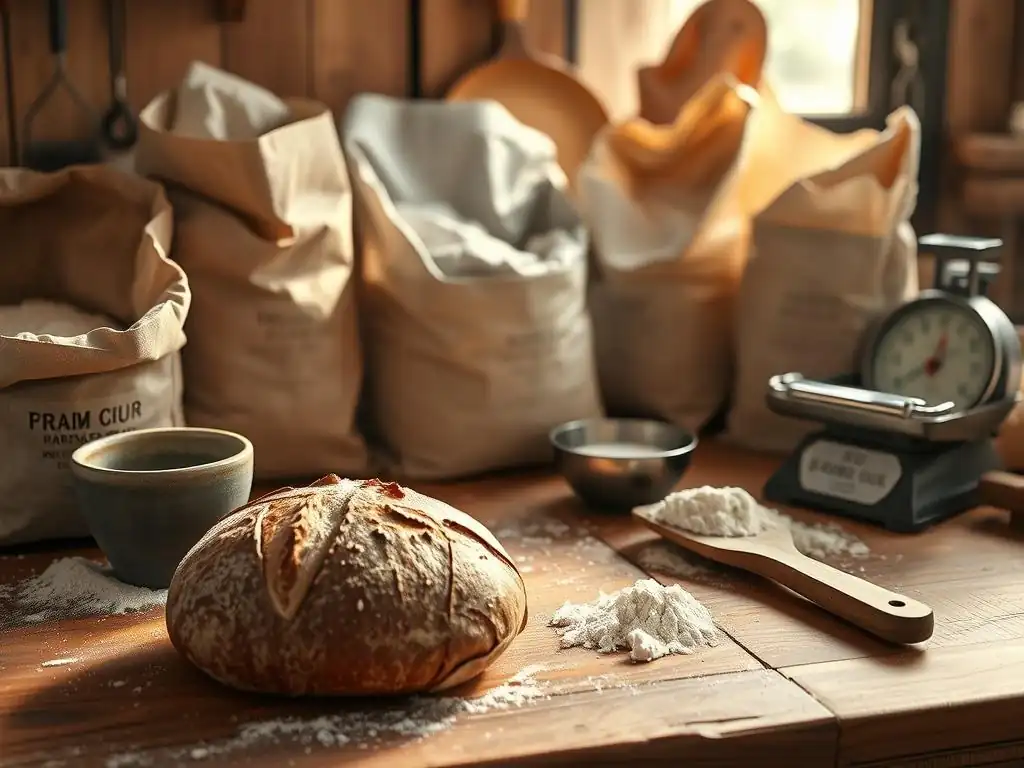
Why Flour Choice Matters for Sourdough Starters and Loaves
The best flour for sourdough bread is paramount for both the health and activity of your sourdough starter and the structure and flavor of your final loaf. A sourdough starter is a living culture of wild yeast and bacteria (primarily Lactic Acid Bacteria) that feed on the starches and proteins in flour. The type of flour used to feed the starter directly impacts the microbial balance and fermentation activity.
Starters fed with flours rich in nutrients and specific enzymes tend to be more vigorous and resilient. Whole grain flours, for instance, contain more nutrients and microbial life from the bran and germ, often leading to a more active starter compared to one fed solely with refined white flour.
When it comes to baking the loaf itself, the flour's protein content is the main determinant of gluten development. Sourdough relies heavily on a strong gluten network to trap the carbon dioxide produced during its long fermentation, creating that characteristic open crumb structure and significant oven spring. Using a flour with insufficient protein will result in a dense, flat loaf that lacks the desired texture.
Furthermore, different flours contribute distinct flavors to the bread. A loaf made with rye flour will taste very different from one made with all-purpose or bread flour, adding another layer of complexity to your sourdough baking.
High-Protein Flour for Sourdough: The Key to Gluten Development
High-protein flour is widely considered the best flour for sourdough bread because it provides the necessary building blocks for robust gluten development. Wheat flour protein is composed of glutenin and gliadin. Hydrating and manipulating dough containing high levels of these proteins allows them to link together, forming a strong, elastic matrix known as gluten.
In sourdough, this gluten network is worked and strengthened over a long fermentation period, often many hours at room temperature followed by a cold proof in the refrigerator. This extended fermentation requires a resilient structure that won't break down under the pressure of the trapped gases.
Flours with protein content typically ranging from 12% to 14% are classified as high-protein or bread flours. This level of protein is essential for achieving the desirable characteristics of a sourdough loaf: excellent volume, a beautiful open crumb with large, irregular holes, and a satisfyingly chewy texture.
While all-purpose flour (10-12% protein) can be used, it often yields a slightly flatter loaf with a tighter crumb compared to using dedicated bread flour or artisan bread flour, which is specifically milled for hearth-style breads. The strength provided by the higher protein content allows the dough to hold its shape during fermentation and spring dramatically in the hot oven.
Recommended Flour Varieties for Sourdough Baking
For consistently excellent sourdough results, several flour varieties stand out as the best flour for sourdough bread:
- Strong Bread Flour (12-14% protein): This is the go-to for many sourdough bakers. Its high protein content ensures maximum gluten development, leading to high-rising loaves with a classic open crumb and chewy texture. Look for flours labeled simply "Bread Flour" or "Strong White Flour."
- Artisan Bread Flour (often 12-14% protein): Similar to strong bread flour but sometimes milled from specific wheat varieties or processed to have slightly different absorption qualities. It's designed for artisan-style loaves and works exceptionally well for sourdough, promoting good structure and crust development.
- High-Extraction Flour (approx. 11-13% protein): This flour falls between white flour and whole wheat flour. A portion of the bran and germ is removed, but more is left than in standard white flour. This adds nutrients, flavor, and complexity while still allowing for significant gluten development. It can produce loaves with great structure and a slightly darker crumb and richer flavor than pure white bread flour.
- Whole Wheat Flour (approx. 13-14% protein): While high in protein, the bran and germ particles in whole wheat can interfere with gluten development by cutting the gluten strands. However, incorporating a percentage of whole wheat (often 10-30%) alongside strong white flour adds wonderful flavor, nutrients, and color to sourdough. It also provides food for the starter, making it more active.
- Rye Flour (approx. 7-10% protein, but different gluten structure): Rye protein doesn't form gluten in the same way wheat protein does. However, rye adds incredible flavor and moisture to sourdough. It's often used in smaller percentages (5-20%) blended with strong wheat flour to enhance taste and add character to the loaf. Sourdough starters fed with rye flour are notoriously vigorous.
Experimenting with blends of these flours is key to finding your preferred sourdough texture, flavor, and rise. Many bakers find a mix of strong bread flour with a smaller percentage of whole wheat or rye yields the best flour for sourdough bread specific to their taste.
Exploring Other Flour Options: Beyond Sourdough
All-Purpose Flour: Versatility for Everyday Baking
All-Purpose Flour (APF), often simply labeled "Flour," is the standard in most home kitchens for good reason. Milled from a blend of hard and soft wheat, it strikes a balance with a moderate protein content, typically ranging from 10% to 12%. This middle-ground protein level provides enough structure for many recipes without being overly tough. It can develop some gluten, making it suitable for quick breads, muffins, cookies, cakes, and even some non-yeasted doughs like pie crusts or biscuits. Its versatility means you can tackle a vast array of baking projects with just one bag.
While APF is a jack-of-all-trades, it's not always the master of any. For recipes where texture is paramount, like a very tender cake or a super-chewy bread, a specialized flour will often yield superior results. However, for everyday baking and most standard recipes, APF performs reliably well. Its widespread availability and consistent performance make it an essential pantry staple for any baker looking for a single flour that can handle most tasks reasonably effectively.
Cake Flour: Achieving Light and Tender Textures
Cake flour is specifically designed for creating baked goods with an exceptionally light, tender, and fine crumb. It is milled from soft wheat and has the lowest protein content among wheat flours, typically falling between 8% and 10%. This low protein level means minimal gluten development occurs, which is exactly what you want in delicate cakes. Cake flour is also often bleached, a process that further weakens proteins and alters starches, allowing the flour to absorb more liquid and sugar than unbleached flours. This increased absorption contributes to a moister cake while keeping it tender.
Using cake flour is particularly beneficial for recipes where a delicate texture is paramount, such as angel food cake, sponge cake, chiffon cake, and even some types of cupcakes or muffins where a very tender crumb is desired. Substituting cake flour for all-purpose flour in a recipe (often requiring a slight adjustment in weight due to cake flour's lighter density, typically 1 cup APF = about 1 ¼ cups cake flour) can elevate the texture from good to outstanding, resulting in a melt-in-your-mouth quality that is difficult to achieve with higher-protein flours.
Pastry Flour: Ideal for Flaky Crusts and Delicate Treats
Pastry flour occupies a sweet spot between cake flour and all-purpose flour in terms of protein content, usually ranging from 9% to 10%. Like cake flour, it's milled from soft wheat, but it retains slightly more protein. This balance allows for just enough gluten development to provide some structure, crucial for holding together doughs that need to be rolled and shaped, like pie crusts, while still keeping the final product tender and flaky. The moderate protein level prevents the toughness that can result from using higher-protein flours in pastries.
This flour is your best friend for achieving those desirable flaky layers in pies, tarts, biscuits, and scones. Its properties allow fats (like butter or shortening) to remain in distinct pockets within the dough during baking. As these fat pockets melt, they create steam, which pushes apart the layers of dough, resulting in that signature flakiness. While all-purpose flour can sometimes be used for these applications, pastry flour consistently delivers a more tender and flaky result, making it the preferred choice for serious pastry enthusiasts.
Bread Flour: Developing Strong Gluten for Chewy Breads
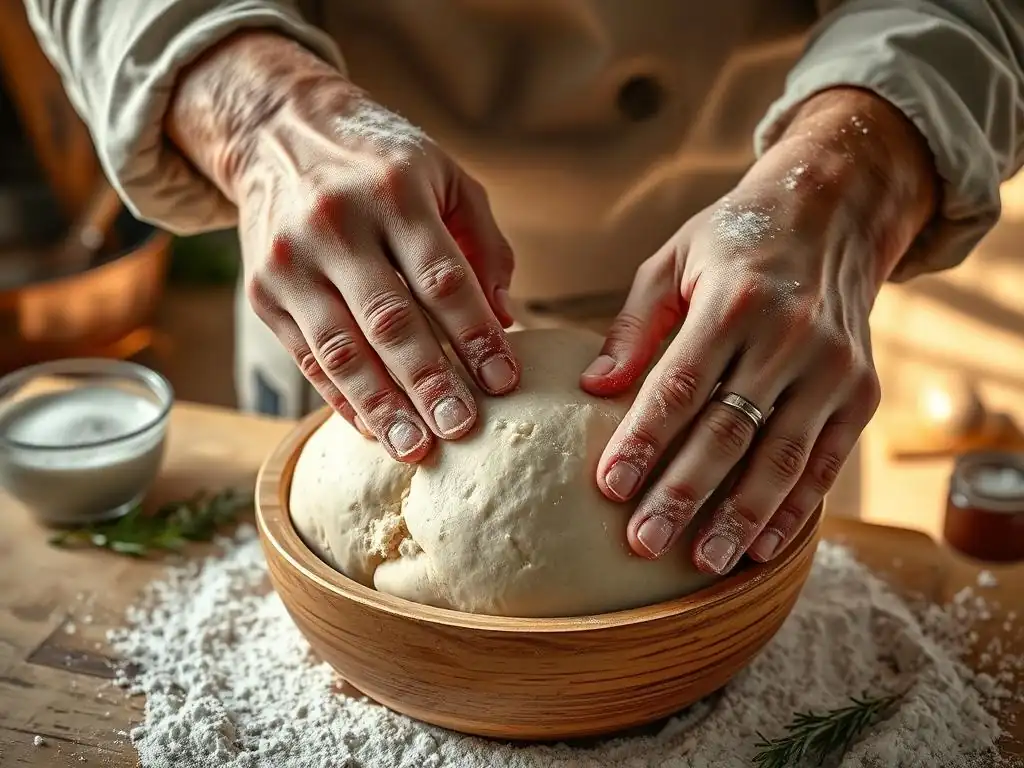
Bread flour is the champion of yeast-leavened baking, specifically designed to produce loaves with excellent volume, structure, and a satisfyingly chewy texture. Milled from hard wheat, it boasts the highest protein content among common wheat flours, typically ranging from 12% to 14%. This high level of protein, rich in glutenin and gliadin, is essential for developing a strong, elastic gluten network when the dough is kneaded and allowed to ferment. This robust network is capable of trapping the large amounts of carbon dioxide produced by yeast, enabling the dough to rise significantly (oven spring) and maintain its shape.
Using bread flour is crucial for achieving the desired characteristics in various types of bread, from rustic artisan loaves and baguettes to enriched doughs like brioche and challah, and as discussed, it's the best flour for sourdough bread. The strong gluten structure provides the chewiness that is a hallmark of good bread and prevents the loaf from collapsing during baking. While you can make bread with all-purpose flour, using dedicated bread flour makes a noticeable difference in the height, crumb structure, and overall texture of your finished loaf, leading to more professional-looking and tasting results.
Self-Rising Flour: Convenience and Consistency
Self-rising flour offers a convenient shortcut for certain baking recipes by pre-mixing all-purpose flour with a leavening agent (baking powder) and salt. The standard ratio is typically around 1 ½ teaspoons of double-acting baking powder and ¼ teaspoon of salt per cup of flour. This eliminates the need to measure these dry ingredients separately, saving time and reducing the chance of measurement errors, which are common pitfalls for novice bakers. It's particularly popular in recipes for quick breads like biscuits, scones, pancakes, and some simple cakes, especially in Southern baking traditions.
While convenient, the pre-mixed nature of self-rising flour means you have less control over the leavening in your recipe. The amount of baking powder and salt is fixed, so you cannot adjust it based on other ingredients or desired outcome. It's important to only use self-rising flour in recipes specifically developed for it or when you are confident that the pre-mixed leavening ratio is appropriate. Substituting it directly for all-purpose flour in a standard recipe that calls for separate baking powder and salt will result in over-leavening and an unpleasant texture and taste.
Gluten-Free Flour Options: Baking Without Wheat
Understanding Gluten-Free Flour Blends
For individuals with celiac disease, gluten sensitivity, or those choosing a gluten-free lifestyle, baking requires alternative flours derived from sources other than wheat, barley, or rye. The primary challenge in gluten-free baking is replicating the structure and elasticity that gluten provides. Gluten-free flours, such as those made from rice, almond, coconut, oat (certified GF), tapioca, potato, or sorghum, lack this protein network. Consequently, using a single gluten-free flour often results in dense, crumbly, or gritty baked goods.
To overcome this, gluten-free baking typically relies on carefully formulated blends of different flours and starches. A typical gluten-free blend might combine a "structure" flour (like brown rice or sorghum), a "texture" flour (like white rice or oat), a "binding" starch (like tapioca or potato starch), and often a gum like xanthan gum or guar gum to mimic the binding properties of gluten.
These blends are designed to provide a better balance of protein, starch, and fiber to improve texture, moisture retention, and structure, making it possible to create lighter, more cohesive baked goods that more closely resemble their wheat-based counterparts. Many commercially available gluten-free flour blends are formulated for specific uses, like "all-purpose gluten-free" or "gluten-free bread blend."
Popular Gluten-Free Flour Choices: Almond, Rice, Tapioca, and More
The world of gluten-free flours is diverse, offering a range of flavors, textures, and nutritional profiles.
- Almond Flour: Made from ground blanched almonds. It's high in protein and fat, low in carbohydrates, and imparts a slightly sweet, nutty flavor. It's excellent for moist cakes, cookies, muffins, and as a coating, but doesn't provide structure like wheat flour and can be dense if used alone in large quantities.
- Rice Flour (White and Brown): A staple in many gluten-free blends. White rice flour is finely ground and neutral in flavor, providing structure. Brown rice flour includes the bran, offering more nutrients and a slightly nutty taste, but its grittiness can be noticeable. They are often combined in blends.
- Tapioca Starch/Flour: Extracted from the cassava root. It's a fine, white starch that provides chewiness and helps bind ingredients. It's often used in small quantities in blends to improve texture and crispness, particularly in crusts or cookies.
- Oat Flour: Made from ground oats (ensure certified gluten-free if necessary). It adds a pleasant, slightly sweet flavor and tenderness. It can absorb a lot of liquid and works well in muffins, cookies, and quick breads, often used in conjunction with other flours.
- Sorghum Flour: A mild, slightly sweet flour that provides structure and a pleasant texture in blends. It's higher in protein and fiber than rice flour and is a good base for many gluten-free recipes.
- Potato Starch: A light, fine starch that helps create a tender crumb and improves moisture retention in gluten-free baked goods. It's often used alongside tapioca starch in blends.
Using a combination of these flours, often guided by specific gluten-free recipes or using a reputable commercial blend, is the most effective way to achieve successful results in gluten-free baking.
Tips for Baking with Gluten-Free Flours
Baking with gluten-free flours presents unique challenges compared to wheat flour due to the absence of gluten's elastic properties. Here are some essential tips for success:
- Use a Blend: Relying on a single gluten-free flour (like just almond or just rice flour) rarely works for standard baked goods. Use a balanced commercial gluten-free blend or follow a recipe that provides a specific blend of flours and starches.
- Add a Binder: Gluten-free doughs and batters often need help holding together. Binders like xanthan gum or guar gum are commonly added (typically ½ to 1 teaspoon per cup of gluten-free flour blend) to provide elasticity and structure. Eggs also act as excellent binders.
- Hydration is Key: Gluten-free flours can absorb liquids differently than wheat flour. Some blends might require more liquid. Pay attention to the dough or batter consistency described in the recipe and adjust slightly if needed. Allow batters to sit for 10-15 minutes before baking to allow flours to fully hydrate.
- Don't Overmix: While wheat doughs benefit from kneading to develop gluten, overmixing gluten-free batters can still lead to tough results. Mix just until combined.
- Handle Dough Gently: Gluten-free doughs can be more delicate and less elastic. Handle them gently when shaping or transferring.
- Use Specific Recipes: For best results, use recipes specifically developed for gluten-free baking, as they are formulated with the unique properties of these flours in mind.
- [ ] Check ingredient ratios carefully.
- [ ] Allow adequate resting time for hydration.
- [ ] Measure flours by weight whenever possible for accuracy.
Flour and Baking Project Pairing Guide: Recipes to Try
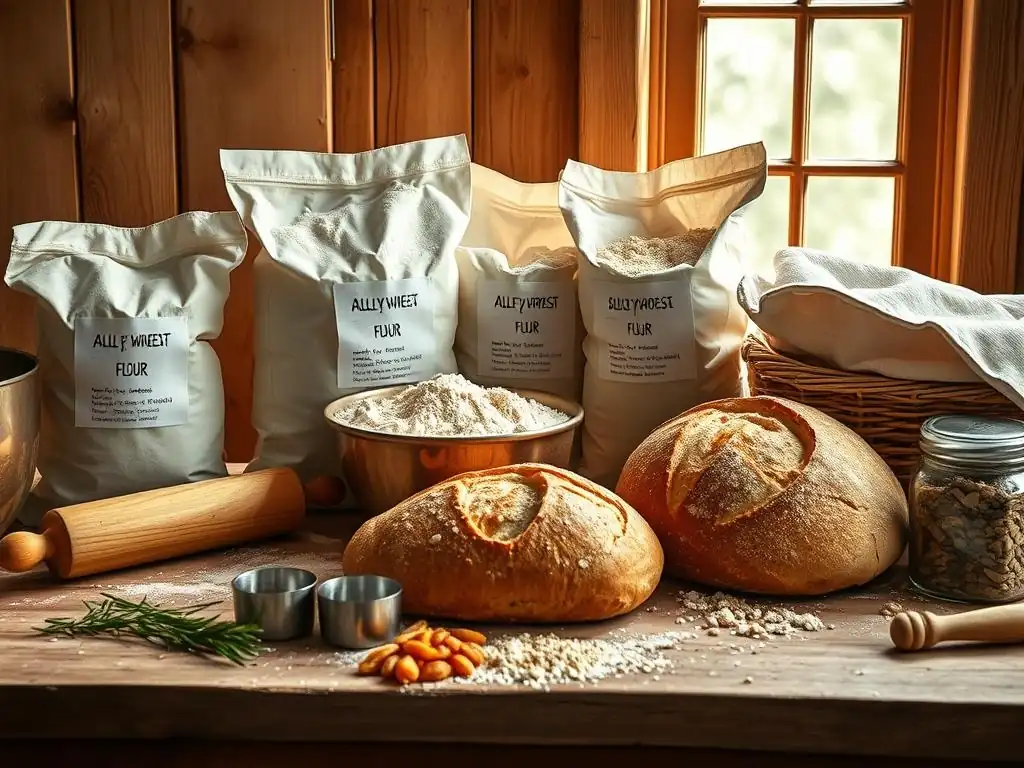
Choosing the right flour is the first step to a successful bake. Here's a quick guide to pairing common baking projects with their ideal flour types:
Best Flour for Chocolate Cake
For a moist, tender, and finely textured chocolate cake, the best flour is typically Cake Flour. Its low protein content minimizes gluten development, resulting in a soft, delicate crumb that pairs beautifully with the richness of chocolate. Using cake flour prevents the cake from becoming tough or heavy.
If cake flour isn't available, a blend of all-purpose flour and cornstarch can approximate it (for every cup of APF called for, remove 2 tablespoons and replace with 2 tablespoons of cornstarch). However, dedicated cake flour will usually yield a superior texture.
Ideal Flour for Rustic Loaf
To achieve a rustic loaf with a chewy interior crumb and a sturdy, crackling crust, Strong Bread Flour or Artisan Bread Flour is the ideal choice. These flours have high protein content (12-14%) which is essential for developing the strong gluten network needed for yeast fermentation, significant oven spring, and the characteristic open crumb structure of artisan bread.
Incorporating a small percentage (5-20%) of whole wheat flour or rye flour alongside the bread flour can add wonderful depth of flavor and complexity, enhancing the "rustic" quality of the loaf. This is also often the best flour for sourdough bread when aiming for a classic artisan style.
Flour Recommendations for Pie Crust
For a perfectly flaky and tender pie crust, Pastry Flour is highly recommended. Its protein content (9-10%) is low enough to prevent toughness but sufficient to allow for rolling and shaping the dough. The balance results in layers of flaky pastry that melt in your mouth.
All-purpose flour can also be used for pie crusts, and many recipes call for it. However, it has slightly more protein than pastry flour, so care must be taken not to overwork the dough, which can lead to a tougher crust. Using cold ingredients and minimal handling are key regardless of whether you use pastry or all-purpose flour.
The best flour for chocolate chip cookies depends on your desired texture.
- For a classic cookie with a balance of chewiness and tenderness, All-Purpose Flour is the standard and works very well. Its moderate protein provides enough structure to prevent excessive spread while allowing for some chew.
- For a chewier cookie, some bakers prefer Bread Flour (often blended with APF or used entirely) because its higher protein increases gluten development, leading to a chewier texture.
- For a very tender or cakey cookie, Pastry Flour or even a small amount of Cake Flour can be used, though this is less common for traditional chocolate chip cookies.
Experimenting with APF alone or a blend of APF and bread flour is a great way to find your perfect chocolate chip cookie texture.
Storing Flour Properly: Maintaining Freshness and Quality
Flour, like any food product, can spoil if not stored correctly. Proper storage is essential to maintain its freshness, quality, and prevent issues like rancidity, mold growth, or pest infestations. Different types of flour, particularly whole grain and gluten-free varieties, have varying shelf lives and storage needs due to their composition. Understanding and implementing best storage practices will ensure your flour is ready to perform optimally whenever you need it, contributing to consistent baking results.
Storing flour correctly also protects your investment. High-quality flours, especially specialty types or gluten-free options, can be more expensive than standard all-purpose. Wasting flour due to improper storage is frustrating and costly. Taking a few simple steps to store flour properly can significantly extend its usability, ensuring that the best flour for sourdough bread (or your favorite cake) remains at its peak quality until the last scoop.
Best Practices for Flour Storage
To keep your flour fresh and prevent spoilage, follow these best practices:
- Airtight Container: Transfer flour from its original paper bag into an airtight container immediately after opening. Glass, plastic, or metal containers with tight-fitting lids work well. This protects the flour from moisture, odors, and pests.
- Cool, Dark, and Dry Place: Store the airtight container in a cool, dark, and dry location. Pantry shelves or cupboards away from heat sources (like ovens or stoves) are ideal. Heat and light can cause oils in the flour to become rancid, particularly in whole grain varieties.
- Refrigerator or Freezer for Longer Storage: For extended storage, especially for whole wheat, gluten-free flours, or if you live in a warm, humid climate, the refrigerator or freezer is best. Ensure the container is truly airtight to prevent the flour from absorbing moisture or odors from the fridge/freezer.
- Label and Date: Always label your container with the type of flour and the date you stored it. This helps you keep track of its age and ensures you use older flour first (First-In, First-Out).
- Check for Spoilage: Before using flour that has been stored for a while, check for signs of spoilage:
- Off odors (musty, rancid, or chemical smell)
- Discoloration
- Presence of pests (small beetles or weevils)
- Clumping or mold (usually from moisture exposure)
Flour stored properly in a pantry might last 6-12 months (white flour) or 3-6 months (whole wheat/GF), while refrigeration can extend this by a few months, and freezing can keep it viable for up to a year or more.
Extending Flour Shelf Life
Extending the shelf life of flour primarily involves minimizing exposure to factors that degrade it: air, moisture, heat, light, and contaminants. The most effective way to do this is through proper storage as outlined above. Keeping flour in an airtight container is the single most important step, as it prevents oxidation (which leads to rancidity, especially of the germ's oils in whole grains), blocks moisture absorption (which can cause clumping and mold), and acts as a barrier against pantry pests.
Whole grain flours and gluten-free flours often have a shorter shelf life than refined white wheat flour because they contain more of the germ and bran, which are higher in oils that can go rancid. Storing these types of flours in the refrigerator or freezer is particularly beneficial for maximizing their longevity and freshness. Freezing flour is an excellent option for long-term storage; just be sure to let it come to room temperature before using in recipes to ensure accurate measurement and proper dough/batter consistency, especially when using the best flour for sourdough bread which relies on precise hydration.
Mastering Flour Selection: A Summary for Confident Baking
Key Takeaways for Choosing the Right Flour
Choosing the right flour is a fundamental skill that unlocks the door to consistent and successful baking. Remember these key takeaways:
- Protein Content is Crucial: The percentage of protein in flour dictates its gluten-forming potential, which directly impacts the texture and structure of your baked goods. High protein = strong gluten (chewy bread), low protein = weak gluten (tender cake).
- Match Flour to Project: Different flours are designed for different tasks. Use low-protein flours for tender cakes and pastries, high-protein flours for chewy breads (including the best flour for sourdough bread), and versatile all-purpose for everyday baking.
- Gluten-Free Requires Blends: Baking without wheat typically requires carefully formulated blends of various flours and starches, often with added binders, to mimic the properties of gluten.
- Proper Storage Matters: Protect your flour from air, moisture, heat, and pests by storing it in airtight containers in a cool, dark, dry place, or refrigerating/freezing for longer shelf life, especially for whole grain or gluten-free types.
- Experiment and Learn: Don't be afraid to experiment with different flours and blends. Pay attention to how substituting flours affects your results and learn from each bake.
Mastering flour selection transforms baking from following instructions to understanding the science behind the ingredients, leading to more predictable, delicious, and rewarding results in the kitchen.
Frequently Asked Questions
What is the best flour to use for making sourdough bread according to BakeWithEase.com?
According to the article, the best flour often depends on the baker's preference and the desired outcome, but strong bread flour with a high protein content is generally recommended. This provides the gluten structure needed for a good rise.
What are some other flour options besides bread flour that BakeWithEase.com suggests for sourdough?
While bread flour is recommended, the article likely explores other options like whole wheat flour for a nuttier flavor or a blend of different flours to achieve a unique texture and taste.
Does BakeWithEase.com provide information on the protein content needed for good sourdough?
Yes, the article emphasizes the importance of protein content, indicating that higher protein levels contribute to better gluten development. This is critical for sourdough.
Where can I find step-by-step guides for baking sourdough bread on BakeWithEase.com?
BakeWithEase.com offers step-by-step guides for baking sourdough bread, from creating a starter to shaping and baking the loaf. These guides are designed for all skill levels.
What other types of baked goods can I learn to make using BakeWithEase.com's resources?
BakeWithEase.com provides recipes and techniques for a wide variety of baked goods, including pastries, cakes, cookies, and other breads. They aim to be a complete baking resource.
Final Reflection: The Flour Power Within Your Kitchen
The quest for the perfect sourdough loaf often begins—and sometimes ends—with the flour. Choosing the right flour isn't just about achieving the right texture; it's about unlocking the full potential of your sourdough starter and crafting a bread that truly sings. This journey through different flour types highlights the surprising complexity hidden within something as seemingly simple as a grain.
The impact of flour choice extends far beyond the immediate satisfaction of a perfectly risen loaf. It connects us to the history of baking, the artistry of milling, and the diverse landscapes where grains are grown. Understanding these connections deepens our appreciation for the ingredients we use and the traditions we uphold. As the renowned baker, Chad Robertson, once said: Bread baking is a journey of discovery, a constant learning process. Each loaf is a testament to the ingredients, the process, and the baker's understanding.
This sentiment perfectly encapsulates the ongoing exploration of flour and its profound influence on the final product.
Now, armed with a deeper understanding of flour types and their unique properties, I invite you to embark on your own baking adventures. Don't be afraid to experiment, to try new flours, and to discover the perfect blend for your sourdough starter and your personal taste. Each loaf you bake is a chance to learn, to grow, and to savor the delicious rewards of a truly handcrafted creation. The journey of finding your best flour is a personal one—and it's one filled with delicious possibilities.
Unlock Your Baking Potential: Master Flour Pairings Today!
Thanks for diving into the world of flour pairings with us! We hope you now feel confident in choosing the right flour for any baking project. Ready to put your new knowledge to the test?
- Bake your dream recipe: Choose one recipe you've been eyeing and try it with your newly-selected flour! This is your chance to experiment and see the difference!
- Share your flour-powered creations: Show off your baking skills and inspire others by sharing your masterpieces on social media – tag us @BakeWithEase!
- Explore our recipe library: Discover even more flour-friendly recipes designed for every skill level on our website!
What unique flour combination are you most excited to try next?